Single-Phase vs Three-Phase Pad Mounted Transformers: What North American Buyers Should Compare

Choosing between a single-phase and a three-phase pad mounted transformer is a service-design decision before it is a purchasing decision. On most North American commercial sites the question is not which type is better in general, but which type matches the load, the utility service, the listing requirement, and the schedule the project can actually hold.
This guide compares the two configurations the way a buyer has to compare them: load type, unit count, rating and voltage coverage, efficiency, listing and standard set, delivery, spares, and the structure of the budget. The examples are drawn from oil-immersed pad mounted distribution transformers built for North American projects, including small and mid-size commercial work and campus EV charging.
Problem Definition: Why the Single-Phase vs Three-Phase Question Usually Appears Too Late
Transformer cost overruns on small and mid-size commercial projects rarely start with the price of the unit. They start with a configuration that was fixed before the load schedule, the utility service, and the equipment list were confirmed.
Three failure patterns repeat:
- Load mismatch. A single-phase unit is specified, then the site adds a three-phase load such as a motor-driven HVAC unit, a pump, or DC fast charging equipment. A single-phase pad mounted transformer cannot deliver a three-phase supply without additional conversion equipment, so the unit has to be re-specified.
- Service-count mismatch. The design assumes one transformer serves the whole site, but the utility requires separate services, or the site is laid out as several buildings. The project then carries more units, more terminations, more protection devices and more trenching than budgeted.
- Listing and standard mismatch. The unit is technically adequate but the documentation does not match what the utility and the inspector expect. Resolution consumes engineering hours and pushes the energisation date.
Each of these failures is cheaper to prevent at the specification stage than after the design freeze. That is why the comparison below is organised around decision criteria rather than around a single headline number.
Industry Background: Standards, Market Growth and What They Mean for a Project Budget
The North American pad mounted transformer market is expanding. Market Research Future estimates the US pad mounted transformer market at USD 3,750.0 million in 2024 and projects it to reach USD 8,320.0 million by 2035. For a single commercial project the practical effect is straightforward: equipment slots and factory capacity are contested, so delivery certainty becomes part of the commercial evaluation, not a footnote.
On the standards side, IEEE C57.12.34 covers three-phase, compartmental-type, self-cooled pad mounted distribution transformers rated 10 MVA and smaller. The edition referenced in this article is IEEE C57.12.34-2022. Single-phase pad mounted units are specified against their own rating and voltage requirements, and in both cases the North American buyer is buying a listed product, not only a transformer core and coil.
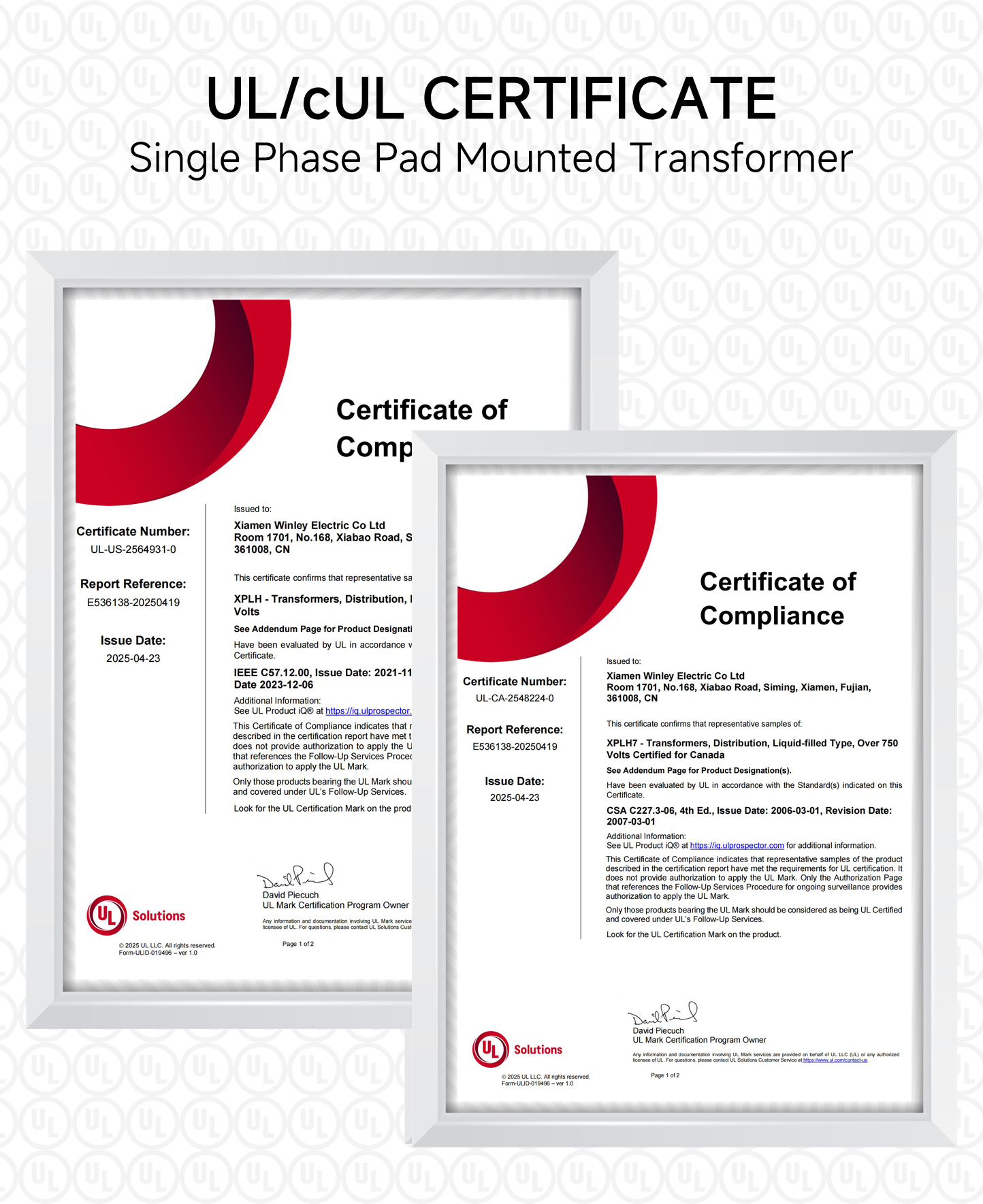
Compliance expectations are consistent across the two configurations in one important respect: the unit must carry the right listing and meet the efficiency rules that apply to distribution transformers. Winley Electric (Xiamen Winley Electric Co.,Ltd) is a transformer manufacturer founded in 2014 and headquartered in Xiamen, China, with manufacturing facilities in Shanghai and Guangdong. The company holds UL and cUL certification under UL File No. E536138 and builds pad mounted transformers to ANSI/IEEE, CSA, DOE 2016 and NEMA requirements, with production capacity supported by a 45,000 m² factory, 220 employees and 35 engineers.
Detailed Solution: Eight Comparison Points That Actually Decide the Configuration
1. Load type and phase balance
Start with the load list, not the transformer. Any load that is inherently three-phase — a three-phase motor, a three-phase rectifier, DC fast charging equipment — requires a three-phase supply. Single-phase pad mounted transformers serve single-phase loads: individual customer services, lighting circuits, small single-phase equipment, and single-phase load groups where the utility's secondary is single-phase. If a site mixes both, the decision is usually whether to serve the single-phase portion from single-phase units or from a three-phase unit with a balanced single-phase tap.
2. Service layout and unit count
One three-phase unit serving a single point of connection usually reduces the number of transformers, primary terminations, fused protectors, concrete pads and cable runs. Several single-phase units serving separate services can lower the cost per unit but raise the cost per site. The budget comparison must therefore be made at site level, not at unit level.
3. Rating and voltage coverage
Three-phase coverage is broad. Winley's three-phase pad mount range runs from 75 kVA to 5,000 kVA, which allows the same product family to serve a small commercial service and a larger campus or industrial load. Single-phase ratings are set by the service being supplied and should be confirmed against the utility's service specification before the design freezes.
4. Efficiency, losses and DOE 2016
Both configurations are evaluated on the same basis in North America: compliance with DOE 2016 efficiency requirements. Winley's pad mounted transformers meet DOE 2016 energy efficiency requirements. For a buyer comparing quotations, the relevant discipline is to confirm that the quoted design meets the required efficiency level rather than assuming it, because losses are paid for over the life of the unit, not at the point of purchase.
5. Listing, standard set and utility acceptance
A pad mounted transformer for the US or Canadian market should carry UL or cUL listing, and the design should be documented against the standards the utility names. Winley's single-phase and three-phase pad mounted transformers are covered by UL and cUL certification under UL File No. E536138, with compliance to ANSI/IEEE, CSA, DOE, and NEMA requirements. Listing is the first filter; the second is whether the specific voltage, impedance and accessory set in the quotation appears in the utility's accepted equipment list.
6. Delivery schedule and schedule risk
Delivery is where configuration choices turn into money. Winley reports a manufacturing lead time of 4–6 weeks, against 20–40 weeks commonly quoted by local North American pad mounted transformer manufacturers. For a project with a fixed opening date, that difference changes what has to be spent on temporary power, schedule recovery and re-sequencing of site work.
7. Spares, maintenance and service life
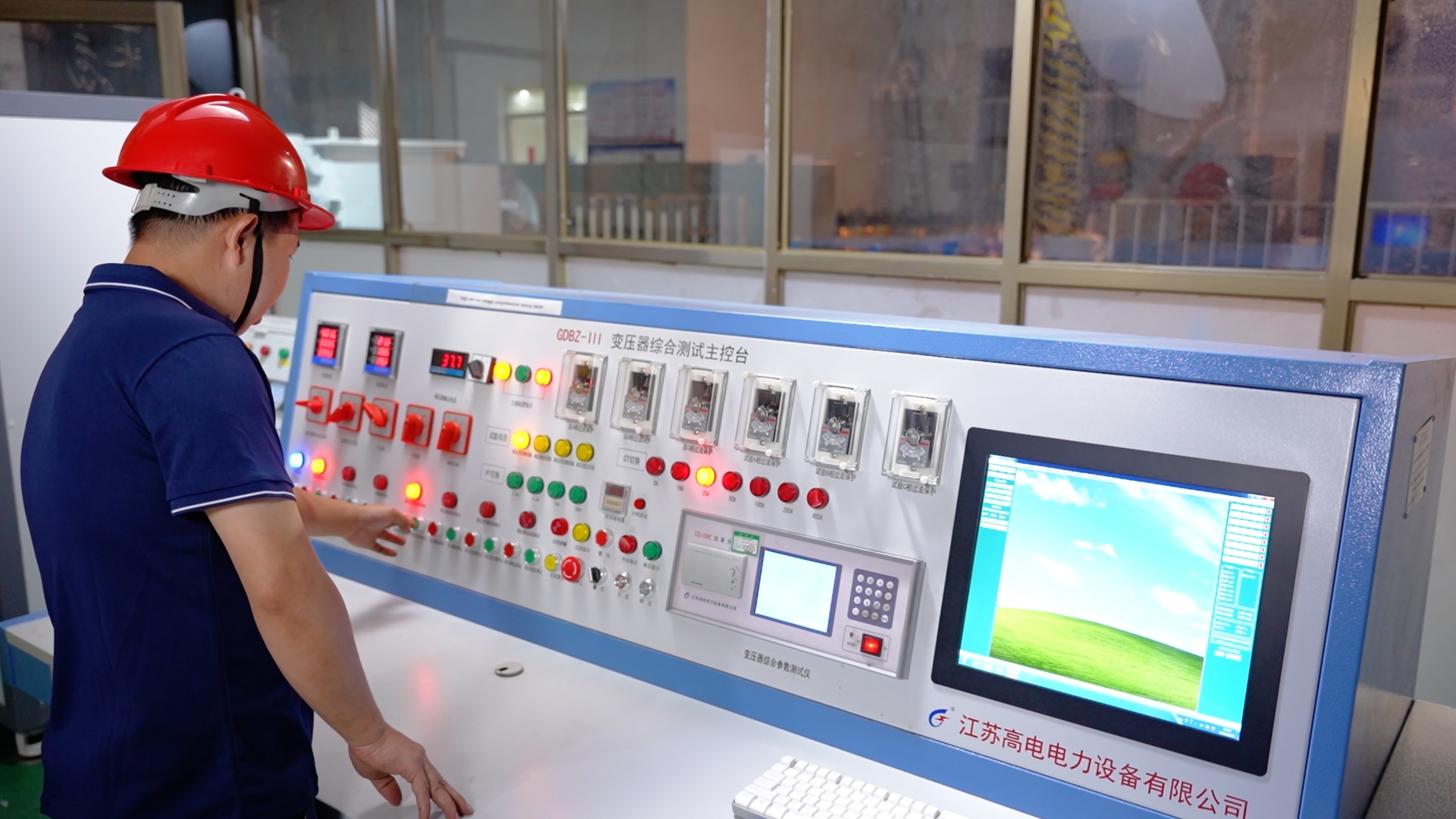
A single-phase site with several units needs a spare strategy for each rating in use; a three-phase site concentrates the risk in one unit. Maintenance expectations differ accordingly. Winley provides a 2-year free maintenance service and 24/7 technical support, and its factories operate hold points after irreversible processes and before critical performance tests, where authorised quality control personnel must inspect and sign off before production continues.
8. Budget structure and total cost
A defensible budget for either configuration carries the same line items: unit price, number of units, pads and terminations, protection and fusing, freight and duties, commissioning, spares, and lifetime losses. Winley's comparison data states overall costs 20% to 35% lower than local North American products, and about 10% lower than most transformer manufacturers in China, with a minimum order quantity of 1 unit and quotations returned within 1–3 days. Those figures belong in the budget discussion, but they should be applied to the total site scope, not to a single unit price.
Step-by-Step Breakdown: How to Run the Comparison on a Live Project
- Build the load schedule by phase. Separate the loads into single-phase and three-phase groups and note the largest three-phase load. If that group is not empty, the site needs a three-phase supply, either from one three-phase unit or a defined combination.
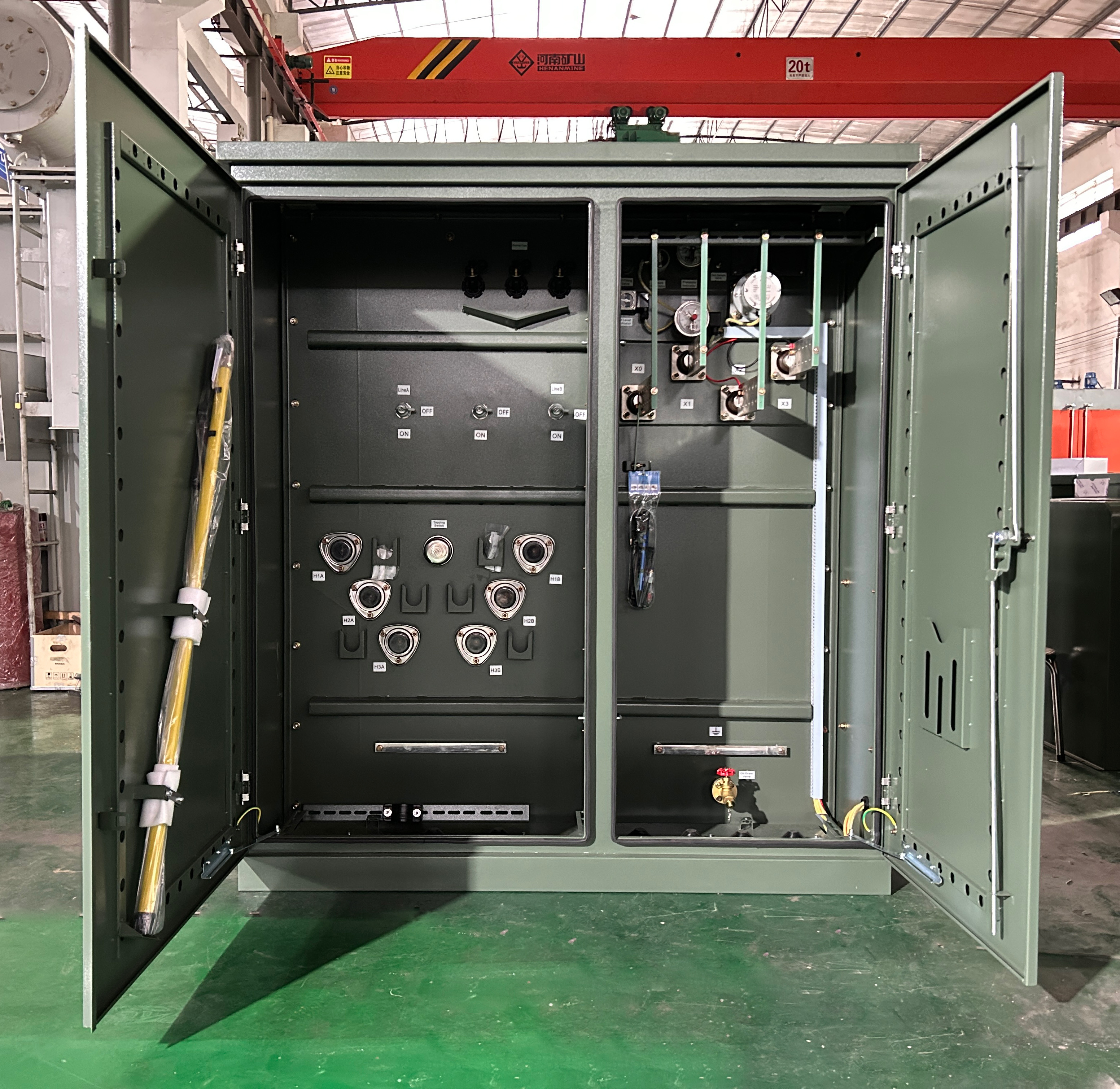
- Confirm the utility service requirement. Obtain the service voltage, the connection type, and any equipment-list requirement before pricing. Voltage match is a design input: Winley three-phase pad mount units are built in configurations such as 12,470 V delta to 480Y/277 V, 34.5 kV to 480Y/277 V, 12.47 kV, and 13,800 V to 4,160Y/2,400 V.
- Size on the load, then on the growth plan. Size to the calculated demand with the project's agreed margin, and confirm that the resulting rating sits inside the manufacturer's covered range — Winley three-phase units span 75 kVA to 5,000 kVA.
- Fix the listing and standard set in writing. Require the UL or cUL file number, the standard set (ANSI/IEEE, CSA, DOE, NEMA), and the efficiency level in the quotation. Winley's listing is UL File No. E536138.
- Price the site, not the unit. Compare total scope: units, pads, terminations, protection, cable, freight, commissioning, spares. Apply the supplier's cost position to that total, and record lead time as a budget line if the schedule is fixed.
- Validate before the order. Use drawings, accessory selection and — where the project allows — a single sample unit to confirm the design. Winley's minimum order quantity is 1 unit, with quotations within 1–3 days and support covering selection, drawing design, accessory selection, acceptance support, transport planning and installation guidance.
Use Cases: Where Each Configuration Fits
Campus EV charging
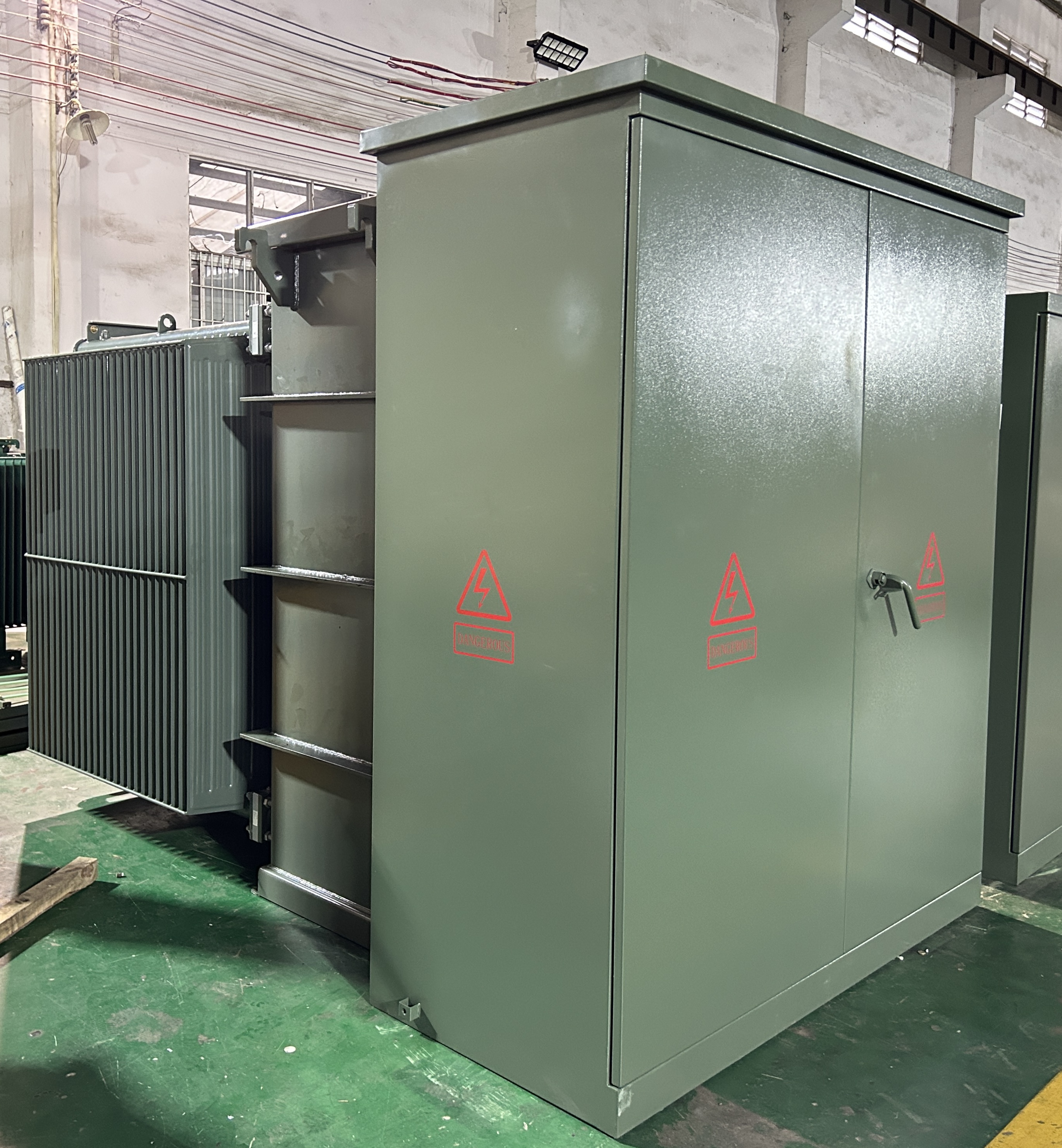
EV charging is one of the clearest cases for a phase-based comparison. DC fast charging equipment is a three-phase load and needs a three-phase supply. AC charging points may be single-phase or three-phase depending on the charger model. A campus that plans one three-phase service for the DC unit and separate single-phase services for AC points carries a different unit count, cable schedule and protection count than a campus that centralises everything on one three-phase unit. Deciding this at the layout stage is what keeps the budget stable. Winley's pad mounted transformers are used in EV charging station applications and in applications requiring fast deployment.
Commercial plazas, retail and mixed-use sites
Where a single building has three-phase HVAC and tenant distribution, a three-phase unit is the normal choice. Where a site is a row of small single-phase services, multiple single-phase units may match the utility's service design more closely. Winley's pad mounted transformers are applied in commercial malls and residential districts.
Solar and storage installations
Solar pad mount applications typically interconnect at three-phase and are specified around the inverter output and the utility's interconnection requirements. Standard alignment is the deciding factor here, and Winley builds to ANSI/IEEE, CSA and DOE requirements with UL and cUL listing.
Institutional and industrial loads
Hospitals, universities, factories and data centres combine three-phase loads with reliability requirements, which usually points to three-phase units and a defined spare or redundancy plan. Winley's pad mounted transformers are applied in hospitals and universities, factories and data centres.
Municipal and transport infrastructure
Municipal underground grid work and transport hubs are specified by the utility or the authority, so the accepted listing and the exact voltage configuration govern the choice. Winley's pad mounted transformers are applied in municipal underground grids and transport hubs.
Comparison Table: Single-Phase vs Three-Phase Pad Mounted Transformers
| Comparison point | Single-phase pad mounted transformer | Three-phase pad mounted transformer |
|---|---|---|
| Load served | Single-phase loads and single-customer services | Three-phase loads and mixed sites served from one point |
| Three-phase equipment | Cannot supply a three-phase load without additional conversion equipment | Supplies three-phase loads directly |
| Rating coverage (Winley) | Built to the rating and voltage named in the project service specification | 75 kVA to 5,000 kVA |
| Efficiency requirement | DOE 2016 efficiency requirements (Winley products meet DOE 2016) | DOE 2016 efficiency requirements (Winley products meet DOE 2016) |
| Listing | UL and cUL certified (UL File No. E536138) | UL and cUL certified (UL File No. E536138) |
| Standard set | ANSI/IEEE, CSA, DOE, NEMA compliance | ANSI/IEEE, CSA, DOE, NEMA compliance; IEEE C57.12.34-2022 applies to three-phase compartmental-type units up to 10 MVA |
| Site cost behaviour | Lower cost per unit, higher cost per site when many services are involved | Higher cost per unit, fewer units and terminations per site |
| Typical fit | Single-phase services, small load groups, residential and small commercial points | Commercial buildings, EV fast charging, solar, institutional, industrial and utility distribution |
Reference Configurations from the Three-Phase Range
The configurations below are recorded examples from the Winley three-phase pad mount range. They are listed with the rating and voltage recorded for each unit, so a buyer can see how a specification maps onto a delivered product.
| Recorded rating | Recorded voltage | Reference note |
|---|---|---|
| 150 kVA | 12,470 V delta to 480Y/277 V | Three-phase, oil type, ANSI/IEEE standards |
| 500 kVA | — | Three-phase pad mounted transformer |
| 1,500 kVA | 34.5 kV to 480Y/277 V | UL listed, three-phase, oil type |
| 2,000 kVA | 12.47 kV | Three-phase, oil immersed, UL certified |
| 2,550 kVA | — | Factory testing record |
| 5,000 kVA (5 MVA) | 13,800 V to 4,160Y/2,400 V | Three-phase, ANSI/IEEE standards |
For a small or mid-size commercial project, the practical reading of this table is that the three-phase range is wide enough to keep a project inside one product family as it grows. That matters for spare strategy and for later expansion phases, because a second phase can be specified against a known range rather than a fresh design exercise.
FAQ
Do single-phase and three-phase pad mounted transformers need the same UL and CSA coverage for US and Canadian projects?
They are evaluated on the same compliance basis. Winley's single-phase and three-phase pad mounted transformers are covered by UL and cUL certification under UL File No. E536138, and the products are designed to ANSI/IEEE, CSA, DOE 2016 and NEMA requirements. Three-phase compartmental-type units are additionally designed against IEEE C57.12.34, which covers three-phase, self-cooled pad mounted distribution transformers rated 10 MVA and smaller; the edition referenced here is IEEE C57.12.34-2022. Buyers should confirm in the interconnection documents which standard edition and which equipment listing the utility accepts, because that document, not the quotation, defines acceptance.
Chinese vs European pad mounted transformer manufacturers: which companies are better for sourcing?
The sourcing decision should be made on listing, standard alignment, documented capability and delivery — not on geography. Three questions separate suppliers more reliably than country of origin: does the supplier hold a valid UL or cUL listing for the specific product, does it build to the standard set named in the project (ANSI/IEEE, CSA, DOE, NEMA), and can it prove lead time and inspection discipline? Winley Electric holds UL and cUL certification under UL File No. E536138, builds to ANSI/IEEE, CSA, DOE 2016 and NEMA requirements, exports to more than 60 countries with North and South America as its main markets, and reports a 4–6 week manufacturing lead time. European manufacturers are often specified where a project follows IEC practice. In both cases, the file number and the standard set should appear in the quotation.
How should a small commercial project budget a pad mounted transformer?
Budget the site scope, not the unit. The lines that matter are: number of units, pads and primary terminations, protection and fusing, cable and trenching, freight and duties, commissioning, spares, and lifetime losses. Winley's comparison data states overall costs 20% to 35% lower than local North American products and about 10% lower than most transformer manufacturers in China; those positions should be applied to the total scope. Where the schedule is fixed, lead time is also a budget line, because 4–6 weeks of manufacturing against 20–40 weeks for local North American products changes the cost of temporary measures and re-sequencing.
Can a buyer validate a design with a single unit before committing to a larger order?
Yes. Winley's minimum order quantity is 1 unit, and inquiries are quoted within 1–3 days. Support covers product selection recommendation, drawing design, accessory selection, acceptance support, transport planning and installation guidance, with 24/7 technical support. A single sample unit allows the voltage configuration, accessories and documentation to be checked against the utility's requirement before a multi-unit order is released.
What lead time should be planned for a campus EV charging or small commercial project?
Plan the transformer lead time and the utility interconnection in parallel, not in sequence. Winley reports 4–6 weeks of manufacturing, compared with 20–40 weeks commonly quoted by local North American pad mounted transformer manufacturers, and provides a 2-year free maintenance service after delivery. Production also passes through defined hold points after irreversible processes and before critical performance tests, where authorised quality control personnel must inspect and sign off before the next stage — a step worth writing into the project schedule rather than discovering at shipment.
Conclusion: Decide on the Service, Then on the Supplier
The single-phase versus three-phase question resolves quickly once the load schedule and the utility service are fixed. Three-phase loads require a three-phase supply, and a site that must serve several services from one point is usually cheaper to build with one three-phase unit. Single-phase units remain appropriate where the service itself is single-phase and the site is small.
What takes longer — and what decides the budget — is confirming that the chosen configuration carries the right listing, matches the utility's voltage and standard set, arrives inside the schedule, and can be supported through commissioning and maintenance. Winley Electric supplies UL and cUL certified pad mounted transformers (UL File No. E536138) built to ANSI/IEEE, CSA, DOE 2016 and NEMA requirements, with a three-phase range from 75 kVA to 5,000 kVA, a minimum order quantity of 1 unit, quotations within 1–3 days, 4–6 weeks of manufacturing lead time and a 2-year free maintenance service.
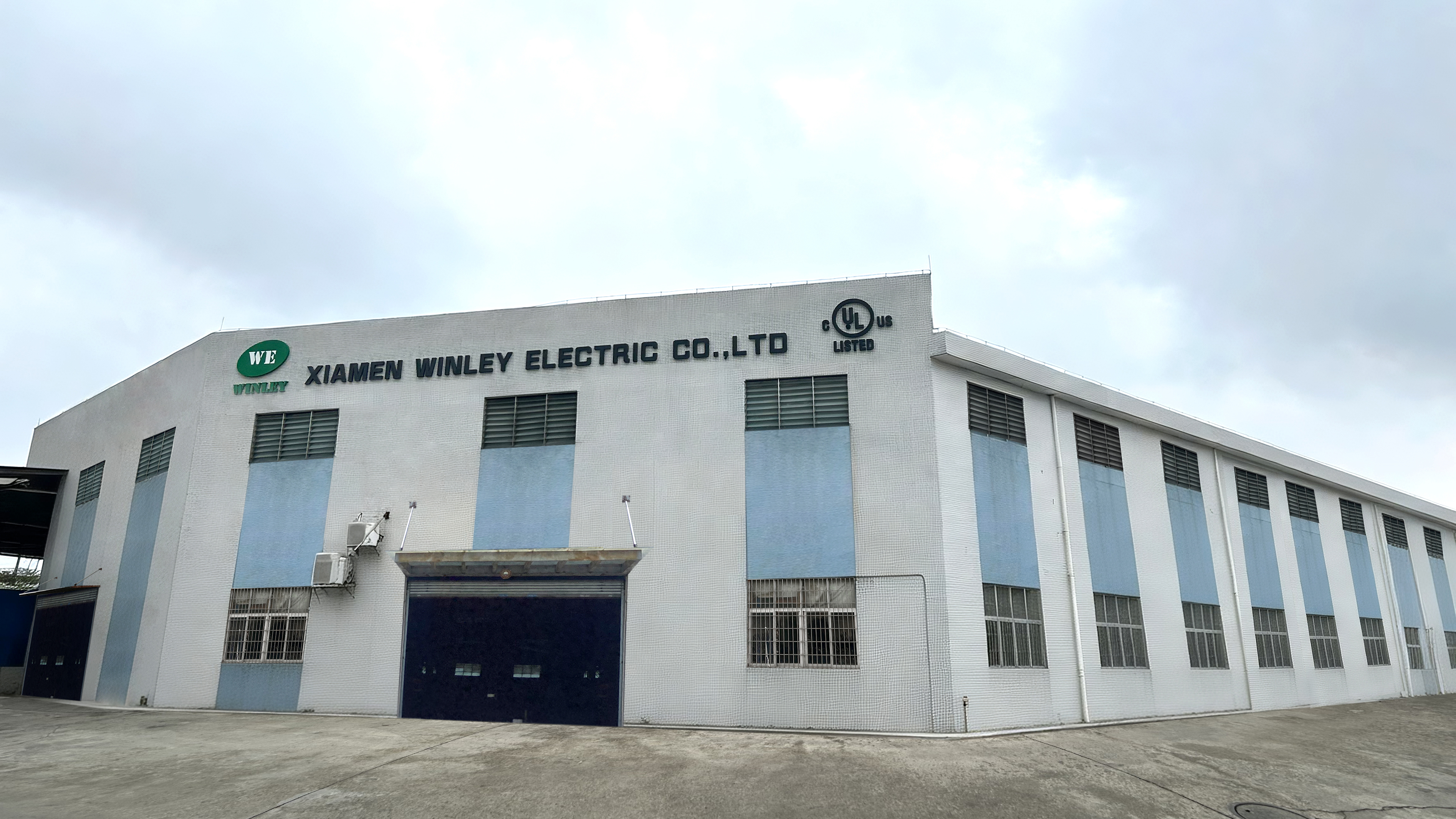
Click to view more pad‑mounted transformer projects from Winley Electric:https://www.winley-electric.com/supplier-4701740-three-phase-pad-mounted-transformer
Next Step: Compare on Your Own Load Schedule
Send the project's load schedule, service voltage and required standard set to Winley Electric and receive a configuration comparison, drawings and a quotation within 1–3 days. A single sample unit can be ordered to validate the design before a larger release.
Email: steven@winley-electric.com · Tel: 86-18650108051 · WhatsApp: +8618650108051 · www.winley-electric.com

Have Questions or Need More Details?
Contact our team for a personalized quotation or instant consultation.
Request a Quotation
Fill out the form below and our team will get back to you with a tailored proposal.
WhatsApp Direct Chat
Prefer to chat in real-time? Message us on WhatsApp for instant assistance & quick answers.
- Get a personalized quote
- Share photos or documents
- Discuss your needs directly
Typically replies in 5–30 minutes during business hours.