Site Conditions vs. Catalog Specs: Why North American Projects Need ODM Pad Mounted Transformers
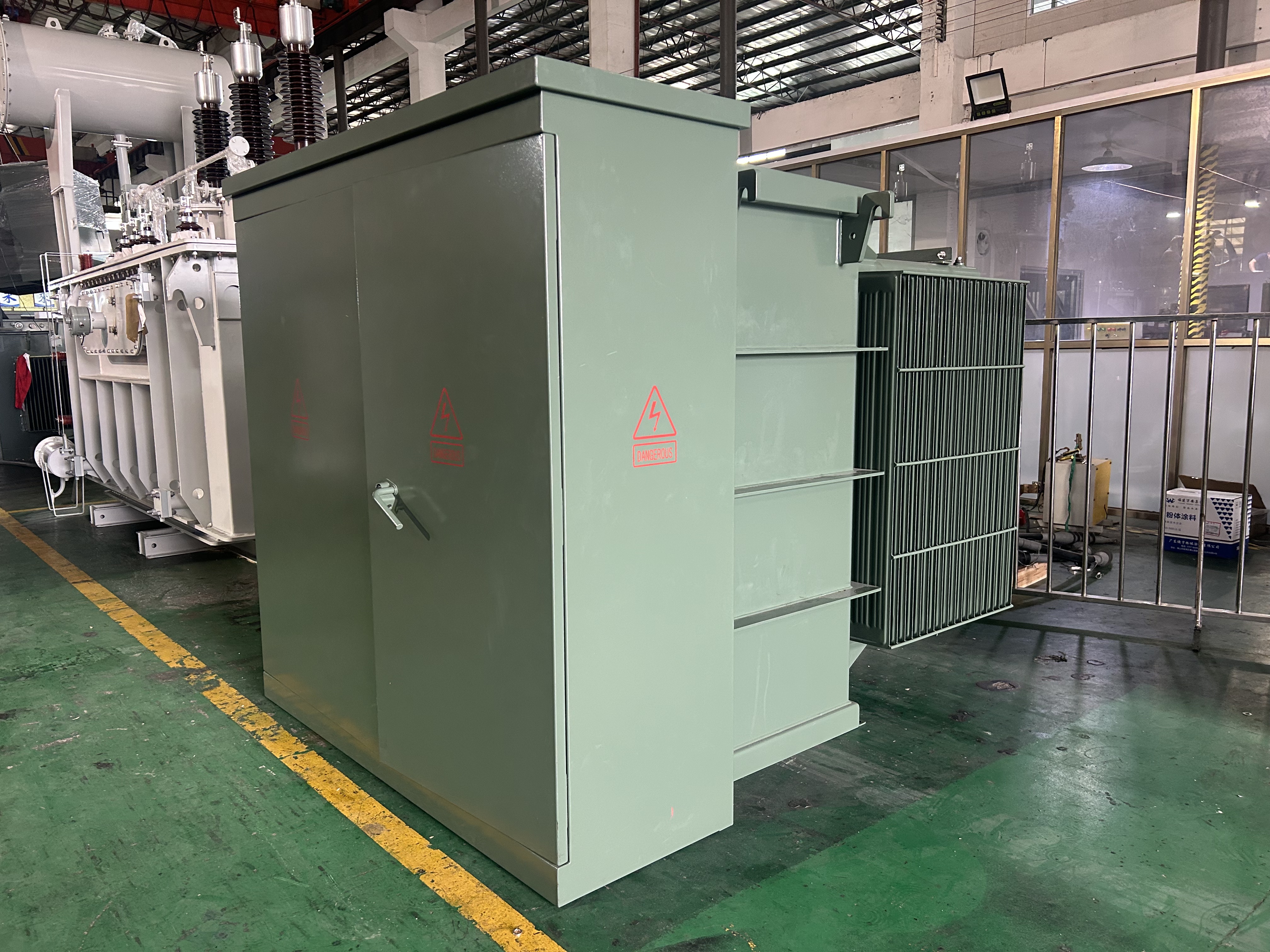
Figure 1. A 2550 kVA three-phase pad mounted transformer built for a U.S. electricity utility client.
In North America, a pad mounted transformer is normally an oil immersed distribution transformer mounted on a concrete pad and connected to an underground primary feeder. The same hardware family serves large commercial and retail complexes, industrial and logistics facilities, data centers, utility distribution systems, renewable energy plants, EV infrastructure, and multi-family residential projects.
The challenge is that two sites with the same kVA requirement can still need completely different transformers. One site may be exposed to coastal salt, another to road salt and snow. One project may be fed from a loop circuit, another from a radial circuit. One customer may need 480Y/277 V service, while another needs 208Y/120 V or a nonstandard voltage. Corrosion, feeder coordination, and voltage mismatch are not theoretical risks. They are the reasons ODM pad mounted transformers are becoming a preferred evaluation path for North American outdoor projects.
Why Corrosion, Feeder Issues, and Voltage Mismatch Cause Field Rework
Pad mounted transformers sit at ground level where people can approach them and where weather is unavoidable. For public-access locations, enclosure integrity is defined by standards such as IEEE C57.12.28-2023. If the enclosure coating, protection class, cabinet size, gaskets, and hardware are not matched to the local environment, rust can accelerate and compromise the integrity of the compartment. Rain, snow, humidity, and salt are normal outdoor conditions, not exceptional ones.
Feeder coordination is equally site-specific. A transformer connected to a utility distribution system can be built as radial feed or loop feed. A radial unit supplies load from one source; a loop unit can be fed from either direction for operational flexibility. If the wrong feed type is supplied, the transformer may not suit the utility operating scheme. Protection devices, switches, and gauges also need to be aligned with how the circuit will be operated and maintained.
Voltage mismatch is the last common issue. North American primary voltages include 34.5 kV, 24.94 kV, 13.8 kV, 13.2 kV, 12.47 kV, and 4.16 kV. Customer loads commonly need 480Y/277 V, 208Y/120 V, 240/120 V, or 690Y/400 V. A transformer specified with the wrong primary winding, wrong secondary voltage, or wrong connection group will not feed the load correctly even if the kVA rating is correct.
In each of these cases, the problem is not solved by replacing one catalog model with another. The unit needs to be designed from the electrical, mechanical, and environmental requirements of the specific site.
Market Pressure Makes Specification Quality More Important
The pad mounted transformer market is expanding at the same time that specifications are becoming stricter. According to Global Market Insights, the global pad mounted transformer market was valued at approximately USD 22.3 billion in 2024. Market Research Future estimates the United States pad mounted transformer market at about USD 3.75 billion in 2024, with grid modernization and underground cabling as key drivers.
The supply base includes well-known global manufacturers such as ABB, Eaton, Schneider Electric, Siemens Energy, and General Electric. For buyers in the evaluation stage, the decision is not only brand recognition. It is whether the supplier can demonstrate compliance with North American standards and can adapt a design to a project-specific specification. Specialized ODM factories such as Winley Electric sit in that second category. Winley Electric is a UL/cUL certified transformer manufacturer headquartered in Xiamen, China, with production facilities in Shanghai and Guangdong, focused on transformer designs used in North and South American markets.
Detailed Solution: ODM Engineering for Outdoor Distribution Boundaries
ODM means the transformer is engineered around the customer specification, not selected from a fixed product table. Winley Electric offers OEM/ODM transformer solutions up to 10 MVA and high-voltage systems rated up to 36 kV. The company can customize rated capacity, voltage, connection group, model, cabinet size, protection class, insulation fluid, protection devices, switches, gauges, tank coating, extreme-environment adaptations, and extended monitoring, protection, and communication interfaces based on customer drawings.
Unlike a standard product, an ODM transformer addresses all three site-level failures in one design pass.
Enclosure design starts with the corrosion environment
In an ODM process, the enclosure is treated as a functional part. Tank coating, protection class, cabinet size, and extreme-environment adaptations can be included in the manufacturing drawing. The cabinet is not merely a box around the core and coil; it is part of the public safety and long-term reliability package. Factory equipment such as automated welding lines supports consistent enclosure fabrication for outdoor service.
Feeder and accessory specification starts with the utility circuit
Radial and loop feed arrangements can be selected for the project. Protection devices, switches, gauges, insulation fluid, and monitoring functions can be matched to customer needs. If a special application requires components from recognized specialists, Winley Electric can integrate leading brands such as Qualitrol and Eaton Cooper into the design.
Voltage and winding design starts with the load side
The three-phase pad mounted transformer product line covers capacities from 45 kVA to 5,000 kVA, with ODM capability up to 10 MVA. Standard primary system options include 34.5 kV, 24.94 kV, 13.8 kV, 13.2 kV, 12.47 kV, and 4.16 kV. Secondary configurations can include 690Y/400 V, 480Y/277 V, 208Y/120 V, and 240Y/120 V. Single-phase pad mounted units, rated from 15 kVA to 250 kVA with maximum capability up to 833 kVA, can be wound for common single-phase distribution systems in the 34.5 kV to 12.47 kV class and below. Compliance with ANSI/IEEE standards and DOE 2016 energy conservation requirements is part of the product baseline for the three-phase pad mounted line.
Step-by-Step ODM Workflow for a North American Project
- Define the site, electrical, and utility baseline. Record the utility primary voltage, whether the circuit is radial or loop, the required secondary voltage, the load profile, the kVA requirement, and the enclosure environment.
- Convert site data into a transformer specification. Use engineers familiar with ANSI, IEEE, CSA, DOE 2016, NEMA, and IEC to confirm the winding arrangement, feed type, protection scheme, and accessory list.
- Freeze mechanical and environmental requirements. Choose cabinet type, cabinet size, protection class, tank coating, insulation fluid, and extreme-environment adaptations.
- Approve drawings and component selections. ODM work can be based on customer drawings or on a Winley Electric layout tailored to the customer specification. Protection devices, switches, gauges, and monitoring interfaces are confirmed before production.
- Produce and test. Winley Electric has a monthly transformer capacity of about 500 units and a standard ODM lead time of 4 to 8 weeks. Factory routine tests and type tests can be performed as required by the customer. The factory also has professional type test equipment such as lightning impulse test devices.
- Ship and support. After shipment, the transformer is backed by a 24-month after-sales period from the bill of lading. Accessory problems can be handled with photos and free service; spare accessories can be provided according to order quantity.
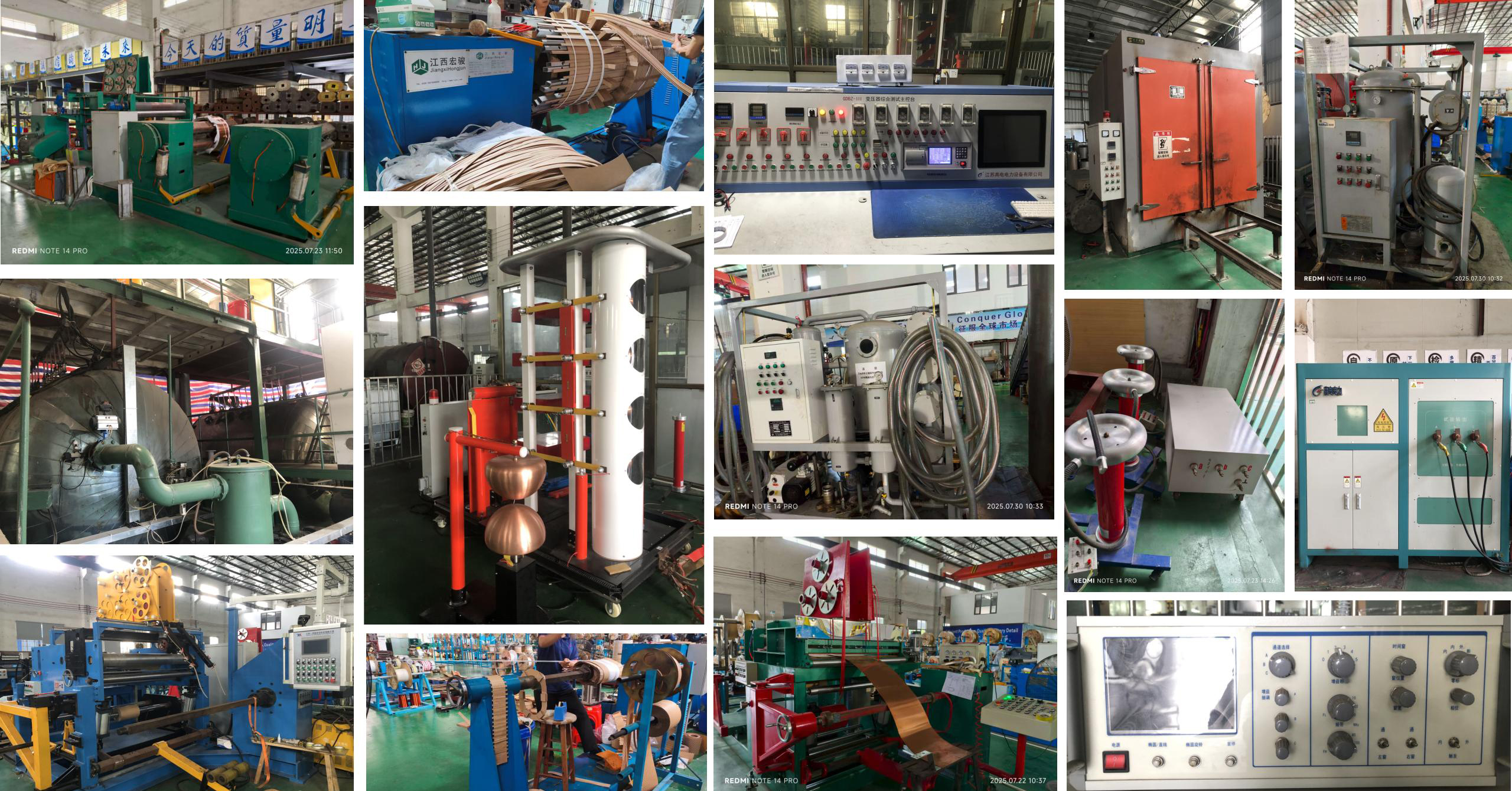
Figure 2. Factory production and testing systems used before shipment.
Use Case: A U.S. Utility-Grade Deployment Across Commercial and Industrial Sites
A concrete example of this ODM logic is a North American electricity utility case completed by Winley Electric in the United States. The order covered 31 units of three-phase pad mounted transformers in two high-capacity specifications: 2550 kVA and 3750 kVA, with high-voltage ratings of 34.5 kV and 12.87 kV.
The client used the transformers in a range of outdoor distribution applications: large commercial and retail complexes, edge and mid-scale data centers, industrial manufacturing and logistics facilities, renewable energy and EV infrastructure, multi-family residential communities, and microgrids. Because the product line is UL/cUL listed and meets ANSI/IEEE standards and DOE 2016 energy conservation requirements, the client was able to align the batch with North American safety and quality expectations. Winley Electric completed the batch production within the agreed timeframe, demonstrating the ability to manage multiple high-capacity specifications at the same time.
Catalog Unit vs. ODM-Engineered Pad Mounted Transformer
| Evaluation Point | Catalog-Centric Model | ODM-Engineered Unit |
|---|---|---|
| Capacity range | Usually limited to sizes already in the catalog | Three phase: 45-5,000 kVA; ODM up to 10 MVA; single phase: 15-250 kVA standard with maximum capability to 833 kVA |
| Primary voltage selection | Fixed voltage groups | 34.5 kV, 24.94 kV, 13.8 kV, 13.2 kV, 12.47 kV, 4.16 kV, or others |
| Secondary voltage configuration | Limited standard options | 690Y/400 V, 480Y/277 V, 208Y/120 V, 240Y/120 V, or others |
| Corrosion and enclosure package | One standard cabinet and simpler coating | Cabinet size, protection class, tank coating, and extreme-environment adaptation can be customized |
| Feed configuration and accessories | Radial or loop selected from existing variants | Radial or loop per project; protection devices, switches, and gauges customized; Qualitrol and Eaton Cooper components can be integrated |
| Compliance evidence | Supplier dependent | UL/cUL listed product line; ANSI/IEEE and DOE 2016 compliance established |
| MOQ and lead time | May depend on stock availability | MOQ 1 unit; typical lead time 4-8 weeks; monthly production capacity about 500 units |
Frequently Asked Questions
1. Are Winley Electric pad mounted transformers certified for North American utility use?
Yes. The three-phase pad mounted transformer product line is UL/cUL listed under file E536138 for rated capacities from 45 kVA to 5,000 kVA and high-voltage systems up to 36 kV. The single-phase pad mounted transformer line is also UL/cUL listed for distribution transformers rated from 10 kVA to 250 kVA. The three-phase line is designed to meet ANSI/IEEE standards and DOE 2016 energy conservation requirements.
2. Can ODM design resolve corrosion and enclosure problems for outdoor sites?
Yes. ODM allows the manufacturer to specify tank coating, cabinet size, protection class, and extreme-environment adaptations for the installation. Instead of accepting a standard outdoor enclosure, the buyer can define the enclosure package based on the project location. Factory equipment such as automated welding supports consistent fabrication of outdoor-rated cabinets.
3. What feeder and voltage configurations can be customized?
ODM units can be configured for radial feed or loop feed. Rated capacity, primary voltage, secondary voltage, connection group, insulation fluid, protection devices, switches, and gauges can all be specified. Three-phase units in the Winley line cover primary voltages including 34.5 kV, 24.94 kV, 13.8 kV, 13.2 kV, 12.47 kV, and 4.16 kV, with secondary voltages such as 480Y/277 V, 208Y/120 V, and 240Y/120 V.
4. What is the minimum order and typical lead time for an ODM pad mounted transformer?
The minimum order quantity is 1 unit. Typical ODM lead time is 4 to 8 weeks, with a monthly production capacity of about 500 units. Since each ODM design is drawing-based, the lead time should be confirmed after drawings and specifications are approved.
5. Can Winley Electric provide a real project reference for North America?
Yes. Winley Electric completed a 31-unit order of three-phase pad mounted transformers for a U.S. electricity utility client. The batch included 2550 kVA and 3750 kVA units with 34.5 kV and 12.87 kV high-voltage ratings, to be used in commercial, data center, industrial, renewable / EV, multi-family residential, and microgrid applications. The production was completed within the agreed schedule.
Conclusion: Let the Site Set the Transformer Specification
Pad mounted transformer selection should begin with the site, not with a catalog page. Corrosion, feeder, and voltage mismatches are avoidable when the transformer is treated as an engineered component of the distribution system. ODM manufacturing gives North American utilities, EPCs, and industrial buyers a way to combine site-specific design with the compliance evidence required by UL/cUL, ANSI/IEEE, CSA, and DOE 2016.
Winley Electric is one ODM supplier that has demonstrated this approach in a real U.S. utility case. The next step is to provide the site conditions and electrical drawings for a design review and quotation.
Click to view more pad‑mounted transformer projects from Winley Electric:https://www.winley-electric.com/supplier-4701740-three-phase-pad-mounted-transformer

Request a Drawing-Based ODM Review
Send the primary voltage, secondary voltage, feed type, kVA requirement, and outdoor site conditions to Winley Electric for an engineering-based pad mounted transformer proposal.
steven@winley-electric.com | WhatsApp: +86 186 5010 8051Website: www.winley-electric.com
www.winley-electric.com
Have Questions or Need More Details?
Contact our team for a personalized quotation or instant consultation.
Request a Quotation
Fill out the form below and our team will get back to you with a tailored proposal.
WhatsApp Direct Chat
Prefer to chat in real-time? Message us on WhatsApp for instant assistance & quick answers.
- Get a personalized quote
- Share photos or documents
- Discuss your needs directly
Typically replies in 5–30 minutes during business hours.