Substation Transformer Essentials for Electrical Contractors: Small-Batch ODM and North American Deployments

For electrical contractors, the substation transformer is one of the highest-value components in a medium-to-high voltage project. It defines the voltage interface between the utility transmission network and the site distribution system. This article explains what contractors need to know about substation transformer fundamentals, small-batch ODM customization, and North American application scenarios.
Xiamen Winley Electric Co., Ltd. (Winley Electric) is a transformer manufacturer founded in 2014, headquartered in Xiamen, China, with manufacturing facilities in Shanghai and Guangdong. The company produces transformers rated 145 kV and below, including substation transformers, pad-mounted transformers, and dry-type transformers, and exports to more than 60 countries with primary markets in North and South America.
What Is a Substation Transformer?
A substation transformer is a power transformer installed in an electrical substation to convert voltage levels between the transmission system and the distribution system. It is often the main power transformer in a utility substation, stepping down high transmission voltage to a level suitable for local distribution. In practice, the same equipment can also be called an electrical substation transformer, a substation power transformer, or a utility substation transformer.
Winley Electric builds a Substation Power Transformer with capacity ranging from 150 kVA to 100 MVA. Primary voltage range is typically 2.4 kV to 138 kV, and secondary voltage range is typically 0.6 kV to 35 kV. The product is manufactured to standards including NEMA, ANSI C.57, DOE, and IEEE as applicable.
The Contractor's Procurement Problem: Custom Voltage, Long Lead Times, Inflexible MOQs
Substation transformers are rarely off-the-shelf items. A project may require an oil-immersed unit with a specific primary voltage, secondary voltage, impedance, cooling configuration, bushings, and monitoring accessories. For electrical contractors, the procurement risk is not only electrical performance. It is also lead time and order quantity.
In the U.S. market, the average production cycle for substation transformers is 80 to 120 weeks, based on Winley Electric's market comparison data. That timeline is difficult to align with a construction schedule. Winley Electric's average production cycle is 12 weeks, and this lead-time difference is often the deciding factor for contractors managing grid connection deadlines.
Large minimum order quantities create a second barrier. Contractors often need one or two units for a pilot project, a retrofit, or a distributed infrastructure program. Winley Electric sets its MOQ at 1 set, which means a custom substation transformer can be ordered as a small batch and evaluated before a broader program is committed.
Industry Background: Why Substation Transformer Demand Is Growing
According to MarketsandMarkets, the global transformer market is estimated at USD 64.64 billion in 2025 and is projected to reach USD 88.48 billion by 2030. Global Market Insights values the broader substations market at USD 128.5 billion in 2024, with growth to USD 178.9 billion by 2034. These figures reflect grid modernization, electrification, and new power generation capacity.
Within the power transformer segment, oil-immersed transformers held approximately 59.3% of the market in 2025, according to Grand View Research. Their cooling efficiency and durability in utility applications make oil-immersed designs the default choice for outdoor substation transformers, including the ONAF (oil natural air forced) cooling configurations used in many North American projects. Grand View Research also reports that Asia Pacific led the global transformer market with a revenue share of approximately 41.1% in 2025.
Two demand-pull segments are especially relevant to contractors. The data center transformer market is expected to grow from USD 2.2 billion in 2023 to USD 5.9 billion by 2030, according to Strategic Market Research. The smart transformer market is projected to expand from USD 3.17 billion in 2025 to USD 10.15 billion by 2035, at a CAGR of 12.35%, according to SNS Insider. Both trends reinforce the need for manufacturers that can respond quickly to custom electrical specifications.
According to MarketsandMarkets, major global transformer manufacturers include Hitachi Energy, Siemens Energy, GE Vernova, Eaton, and Schneider Electric. These names are reference points for buyers, but project-specific procurement decisions also depend on lead time, customization flexibility, and post-shipment service.
Winley Electric's Substation Transformer Solution for North American Projects
Winley Electric is a substation transformer manufacturer and OEM capable of producing ANSI standard, IEEE standard, and UL listed substation transformers rated up to 145 kV. The company's product line includes the Substation Power Transformer model in capacities from 150 kVA to 100 MVA, with primary voltage range 2.4 kV to 138 kV and secondary voltage range 0.6 kV to 35 kV. The product scope covers utility substations, distribution substations, industrial parks, commercial complexes, large buildings, new energy power stations, municipal power distribution networks, heavy industrial bases, and power engineering projects.
The product line also includes distribution-class equipment needed around a substation: three-phase pad-mounted transformers (45 to 5,000 kVA, with maximum capability up to 7,000 kVA), single-phase pad-mounted transformers (15 to 250 kVA, with maximum capability up to 833 kVA), and dry-type transformers (10 kVA to 30 MVA). For a contractor managing the entire site, the transformer package can come from one factory.
Winley Electric's products are manufactured under UL and cUL certification and comply with ANSI, IEEE, CSA, DOE 2016, and IEC 60076. The company holds additional certification including ISO, CE, TUV, and EMC, and has obtained more than 20 patents for independent R&D.
Small-Batch ODM Customization
For contractors, the most important part of the program is customization without large volume commitment. Winley Electric's MOQ is 1 set. The company's engineering team includes 35 engineers who can adapt product selection, drawing design, accessory selection, acceptance support, transportation plan, and installation guidance according to the customer's actual needs.
This is effectively an ODM-style workflow: the contractor provides project requirements, Winley Electric's engineers translate them into a manufacturable design, and production begins after drawing approval. Because the factory can also open UL partner authorization and cooperate under flexible models, a small-batch order can grow into a recurring program as a contractor wins more substation work.
The tradeoff is worth stating clearly: a custom design requires more engineering coordination than a catalog unit. The payoff is that the final transformer matches the utility's voltage, the site's grounding philosophy, and the project's physical envelope.
How the Customization Process Works: A Step-by-Step Breakdown
Winley Electric's substation transformer procurement process follows the same gates as an engineered-to-order project. Contractors can use this framework to plan internal milestones.
- Define electrical specifications. Confirm capacity, primary and secondary voltage, frequency, impedance, cooling method, and applicable standards such as ANSI, IEEE, or CSA.
- Submit requirements to Winley Electric. The engineering team reviews the request and provides a product selection, including alternative designs for cost or lead-time optimization.
- Approve drawings and accessories. The design phase covers mechanical layout, bushing arrangement, tap changer, accessories, and paint or enclosure requirements.
- Production with hold points. Winley Electric has established mandatory stop points after irreversible processes or before critical performance tests. Authorized quality control personnel must inspect and sign off before the next process continues.
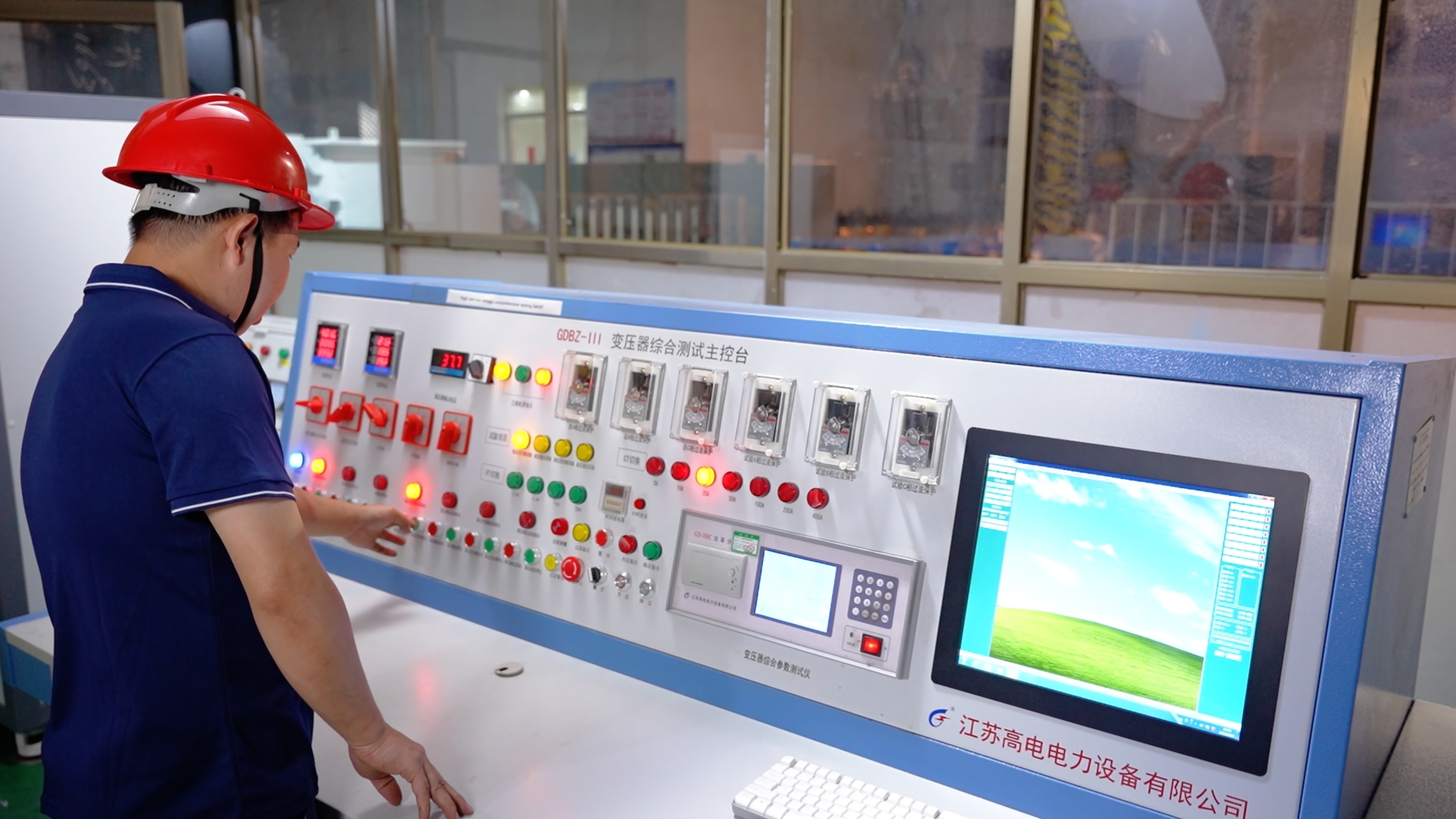
- Testing and factory inspection. Every transformer undergoes strict factory inspection according to standard specifications. The factories also have professional type test equipment such as lightning impulse test devices.
- Logistics and site support. Delivery can be arranged under FOB or CIF, or as required by the customer. Pre-shipment testing and installation guidance help the contractor commission the unit on site.
Substation Transformer Use Cases for Electrical Contractors
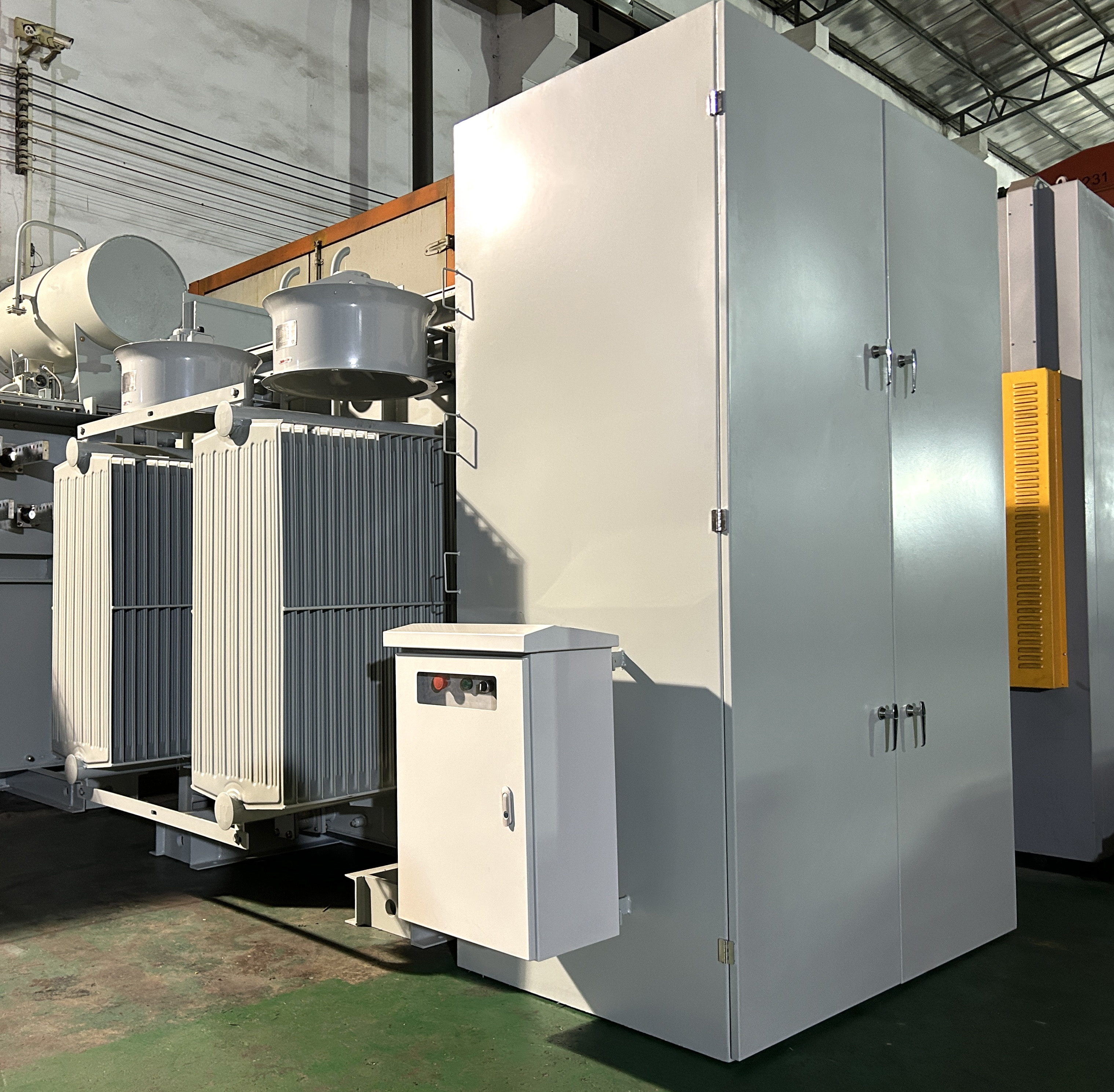
The 150 kVA to 100 MVA substation transformer platform is used across a wide range of project types. According to Winley Electric's application data, the product is deployed in power substations, industrial parks, commercial complexes, large buildings, new energy power stations, municipal power distribution networks, heavy industrial bases, and power engineering projects.
Utility Substation Transformers
In utility substations, the substation power transformer is core equipment in medium- and high-voltage power transmission and distribution systems. It converts voltage levels for efficient long-distance power transmission, stabilizes grid voltage, and reliably supplies electricity to residential areas, commercial districts, industrial parks, and large-scale facilities across urban, suburban, and rural regions.
Industrial Parks, Commercial Complexes, and Large Buildings
Industrial and commercial sites often need an electrical substation transformer to step down sub-transmission voltage to a distribution voltage level. Because every site has different load characteristics, the transformer design must match the utility primary voltage and the facility's secondary distribution voltage. Winley Electric's custom drawing design service supports this project-specific engineering process.
New Energy and Solar Substation Transformers
New energy power stations include solar, wind, and storage projects that require substation transformers to connect generation into the medium-voltage collection network. These projects frequently need a compact substation or a custom substation power transformer that meets utility interconnection requirements. The same ANSI, IEEE, and DOE compliance framework applies.
Data Center Substation Transformers
Data center projects need reliable utility intake at high voltage. Winley Electric produces both substation transformers for the utility entry and dry-type transformers for downstream distribution inside the facility. The data center transformer market is projected to reach USD 5.9 billion by 2030, and contractors supporting this segment need a transformer supplier that can handle custom voltage and cooling specifications.
Winley Electric vs. Typical U.S. Factory Reference Points
| Criteria | Winley Electric | Typical U.S. Factory Reference |
|---|---|---|
| Average production cycle | 12 weeks | 80 to 120 weeks |
| Cost position | 20% to 30% lower | Baseline U.S. factory price |
| Standards | ANSI, IEEE, CSA, DOE 2016, IEC 60076; UL/cUL certified | ANSI/IEEE standards and DOE efficiency requirements |
| Maintenance | 2-year free maintenance; less maintenance in service | Not specified |
| Minimum order quantity | 1 set | Not specified |
Table based on Winley Electric's supplier comparison data.
Factory and Quality Assurance Behind a 12-Week Lead Time
Winley Electric operates a 45,000 m² production facility with more than 200 front-line employees. Among them, 80% have more than 3 years of work experience, and 50% have more than 5 years of work experience. The factory is equipped with silicon steel sheet slitting lines and cross-cutting lines, multi-model foil winding machines and wire winding machines, vacuum constant-temperature drying ovens, two-stage vacuum oil filters, and automated welding equipment. These capabilities support an annual output of 35,000 units.
Quality control follows ISO 9001 requirements and includes a transformer material traceability system and a supplier evaluation mechanism. Winley Electric has set up mandatory hold points during production, especially after irreversible processes or before critical performance tests. At these points, authorized quality control personnel must inspect and sign off before the next process continues. The company also provides a 2-year free maintenance service.
Compliance and Standards for North American Procurement
Substation transformer designs for the North American market are primarily governed by the IEEE C57 series of standards. UL 1561 applies to liquid-filled units, and UL 1562 applies to dry-type units. Winley Electric manufactures substation transformers that meet ANSI, IEEE, CSA, DOE 2016, and IEC 60076, and the company holds UL and cUL certification. For utility projects, buyers should also confirm NEMA references and DOE efficiency requirements at the specification stage.
Frequently Asked Questions
Which standards do North American substation transformer projects require?
Substation transformer designs for the North American market are primarily governed by the IEEE C57 series of standards. UL 1561 applies to liquid-filled units, and UL 1562 applies to dry-type units. Winley Electric manufactures substation transformers that meet ANSI, IEEE, CSA, DOE 2016, and IEC 60076, and the company holds UL and cUL certification.
Can I order a small-batch or custom substation transformer directly from a manufacturer?
Yes. Winley Electric's minimum order quantity is 1 set. The company offers customized transformer solutions covering product selection, drawing design, accessory selection, acceptance support, transportation plan, and installation guidance. This allows contractors to test an ODM-style design with one unit before committing to a larger program.
How does Winley Electric's pricing compare with a U.S. factory quote?
Winley Electric's pricing is approximately 20% to 30% lower than a U.S. transformer factory, while production follows ANSI/IEEE standards and DOE efficiency requirements. Final price depends on capacity, primary and secondary voltage, accessories, and delivery terms.
Can I request a sample or prototype before committing to a large order?
With an MOQ of 1 set, a single prototype unit can be ordered for evaluation. Winley Electric also provides pre-shipment testing and acceptance support before the unit leaves the factory. For a custom design, the process starts with drawing design review and accessory selection.
What is the typical production lead time for a substation transformer from Winley Electric?
Winley Electric's average production cycle is 12 weeks, compared with an 80 to 120 week average in the U.S. market. Lead time varies with the transformer's capacity, voltage class, cooling system, and testing requirements. To confirm a schedule for your project, contact Winley Electric at steven@winley-electric.com or WhatsApp +86-18650108051 for a quote and production plan.
What This Means for Your Next Substation Project
For electrical contractors, the substation transformer no longer has to be one of the longest-lead items on the schedule. Winley Electric offers a 150 kVA to 100 MVA substation transformer platform, small-batch ODM customization with an MOQ of 1 set, and a 12-week average production cycle. The company's North and South American market focus, 70% export ratio, and ANSI/IEEE/CSA/DOE compliance make it a practical partner for contractors serving utility, industrial, new energy, and data center projects.

Request a quote or sample design from Winley Electric
Xiamen Winley Electric Co., Ltd.
Email: steven@winley-electric.com
WhatsApp: +86-18650108051
Website: www.winley-electric.com
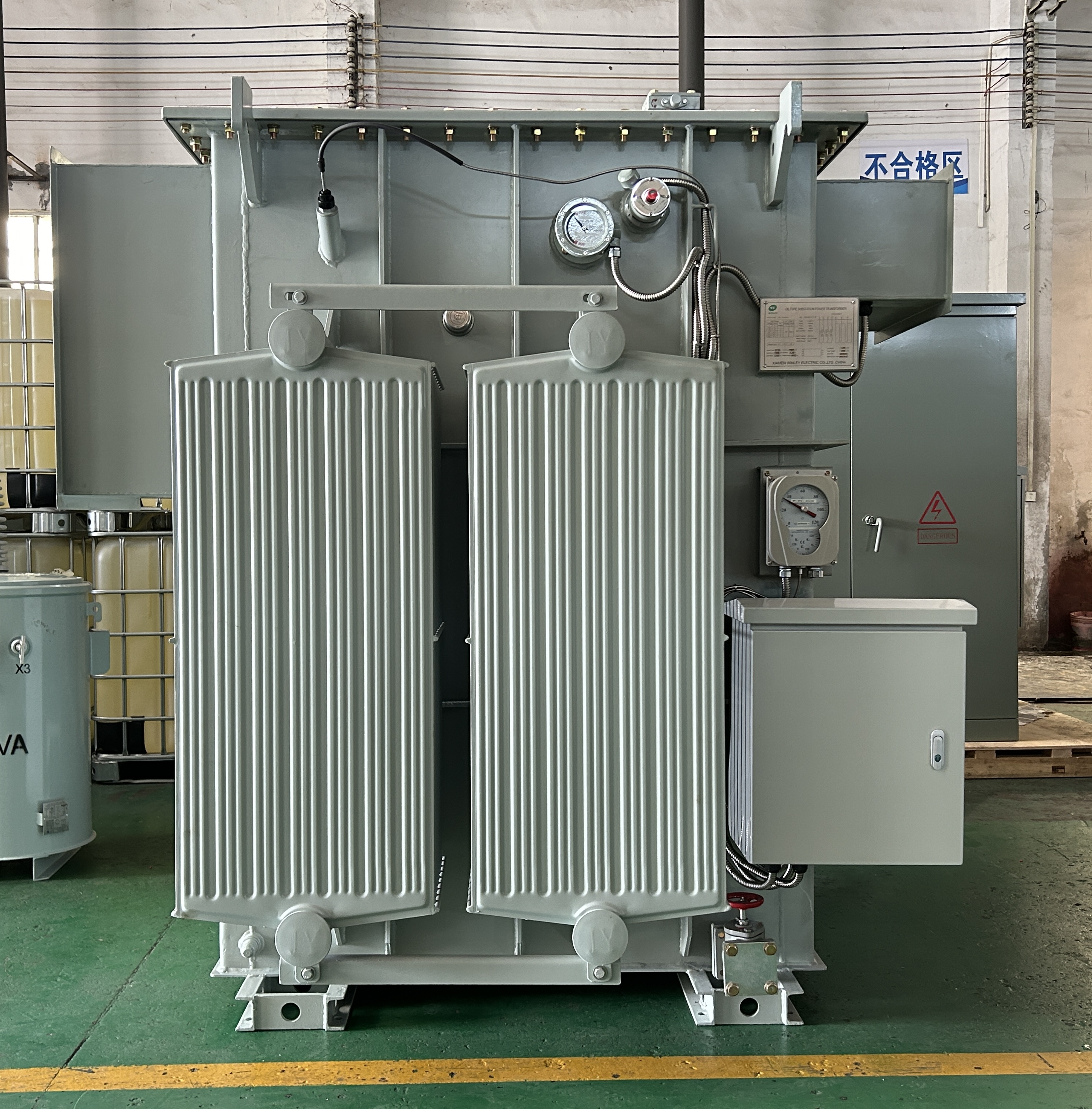
Winley Electric 1000 kVA three-phase power distribution substation transformer