Why Solar, Storage, and Grid Upgrades in North America Need Custom Substation Transformers
North American solar, storage, data center, and grid modernization projects share one hidden dependency: the substation transformer. A standard catalog model is rarely enough. Here is why custom OEM/ODM engineering has become the practical route for project owners, EPCs, and utilities.
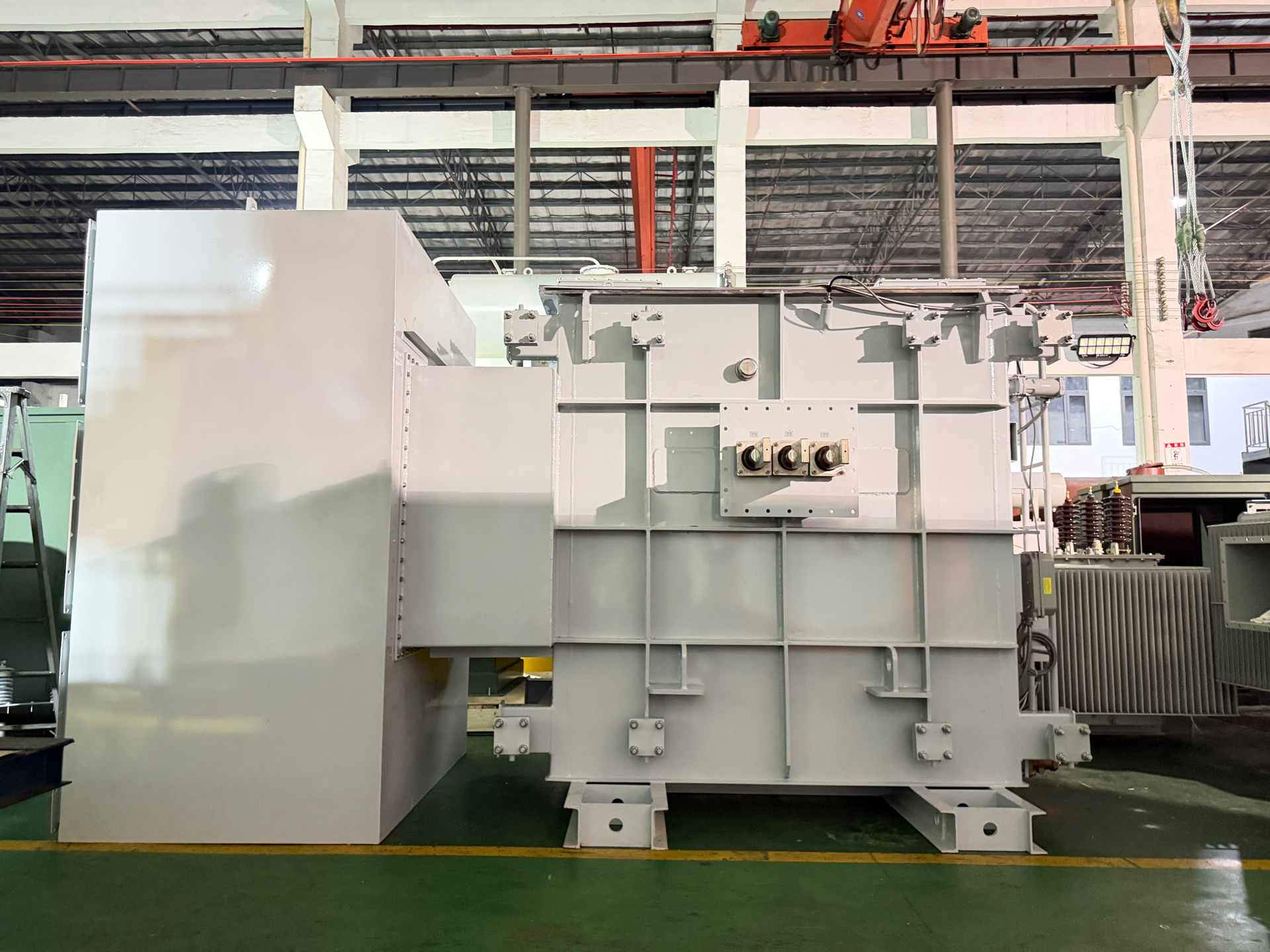
The Real Problem: Catalog Transformers Do Not Match Project Reality
North America is rebuilding its electrical backbone. Aging substations are being replaced, utility-scale solar plants are waiting for interconnection, data center campuses are multiplying, and battery energy storage systems are being asked to come online faster than ever. All of these efforts depend on one piece of equipment that often sits on the critical path: the substation transformer.
For many buyers, the standard transformer catalog does not line up with the project's voltage, winding configuration, enclosure, monitoring, or delivery requirements. A substation power transformer that works for one utility's 115 kV grid may not meet another region's 34.5 kV distribution standard. A standard oil immersed transformer may not survive the coastal environment of a data center site. A solar plant may require a step-up design with double-split windings that no off-the-shelf unit provides.
The consequences of using a poorly matched transformer are measurable: delayed interconnection, higher system losses, more maintenance, and potential re-engineering costs. That is why the procurement conversation has shifted from "what is in stock" to "what does this project actually need."
This article examines why customized substation transformers are becoming the default for North American energy infrastructure, what an OEM/ODM partner must provide to be viable, and what real deployments show about lead times and engineering flexibility.
Why Standard Substation Transformers Fall Short Across North American Applications
A substation transformer is core equipment in medium- and high-voltage transmission and distribution systems. It converts voltage levels for long-distance power transmission, stabilizes grid voltage, and supplies electricity to residential, commercial, industrial, and large-scale facilities across urban, suburban, and rural regions.
But four forces in North America are pushing buyers away from standard configurations:
- Aging grid infrastructure. Many U.S. substations are operating with transformers installed decades ago. Replacement demand for large liquid-filled units has created severe supply shortages. For 30–50 MVA liquid-filled substation transformers, industry lead times in North America often exceed 100 weeks, causing project delays and urgent equipment gaps for utility and grid upgrade clients.
- Renewable energy interconnection. Solar and storage plants need step-up transformers that match inverter output voltage to the collection grid. A 6500 kVA solar project, for example, may require a 480 V-to-13.8 kV step-up with double-split windings and a custom voltage level to meet local 60 Hz grid connection rules.
- Data center and industrial load growth. High-density facilities require large-capacity transformers with weatherproof, corrosion-resistant enclosures such as NEMA 4X and 304 stainless steel tanks.
- Complex standards environment. North American projects are governed by ANSI/IEEE C57 standards, UL requirements for liquid- and dry-type units, CSA standards, NEMA ratings, and DOE efficiency rules. Each project must be engineered to the applicable standard set.
The pattern is consistent: site conditions, grid interfaces, and standards vary, and the transformer must be engineered around them.
Industry Drivers: Grid Modernization, Renewables, and Supply Bottlenecks
The market data confirms that this is not a short-term issue. The global transformer market was estimated at USD 64.64 billion in 2025 and is projected to reach USD 88.48 billion by 2030, driven by grid modernization and rising electricity demand, according to MarketsandMarkets. Oil-immersed transformers held the highest share of the power transformer segment, approximately 59.3% in 2025, due to cooling efficiency and durability in utility applications, according to Grand View Research.
The substation segment is expanding in parallel. Global Market Insights valued the global substations market at USD 128.5 billion in 2024, with expectations of reaching USD 178.9 billion by 2034 at a compound annual growth rate of 3.2%. Data center transformer demand is surging as well: Strategic Market Research projects the data center transformer market will rise from USD 2.2 billion in 2023 to USD 5.9 billion by 2030, a 10% CAGR. The smart transformer market is also growing rapidly, from USD 3.17 billion in 2025 to USD 10.15 billion by 2035 at a CAGR of 12.35%, driven by the need for real-time grid monitoring.
On the supply side, the high-voltage equipment chain is dominated by major global manufacturers including Hitachi Energy, Siemens Energy, GE Vernova, Eaton, and Schneider Electric. When their production slots fill, project owners face long backlogs. This has opened a clear role for manufacturers with in-house engineering, certified production, and the ability to deliver custom units on shorter schedules.
In this environment, the substation transformer has gone from a commodity purchase to a customized, engineered procurement item.
What "Custom" Means in an OEM/ODM Substation Transformer Partnership
Customization in substation transformer manufacturing is not simply changing a nameplate. For an OEM/ODM manufacturer, it means re-engineering the transformer around a specific project specification while still delivering on time and in compliance.
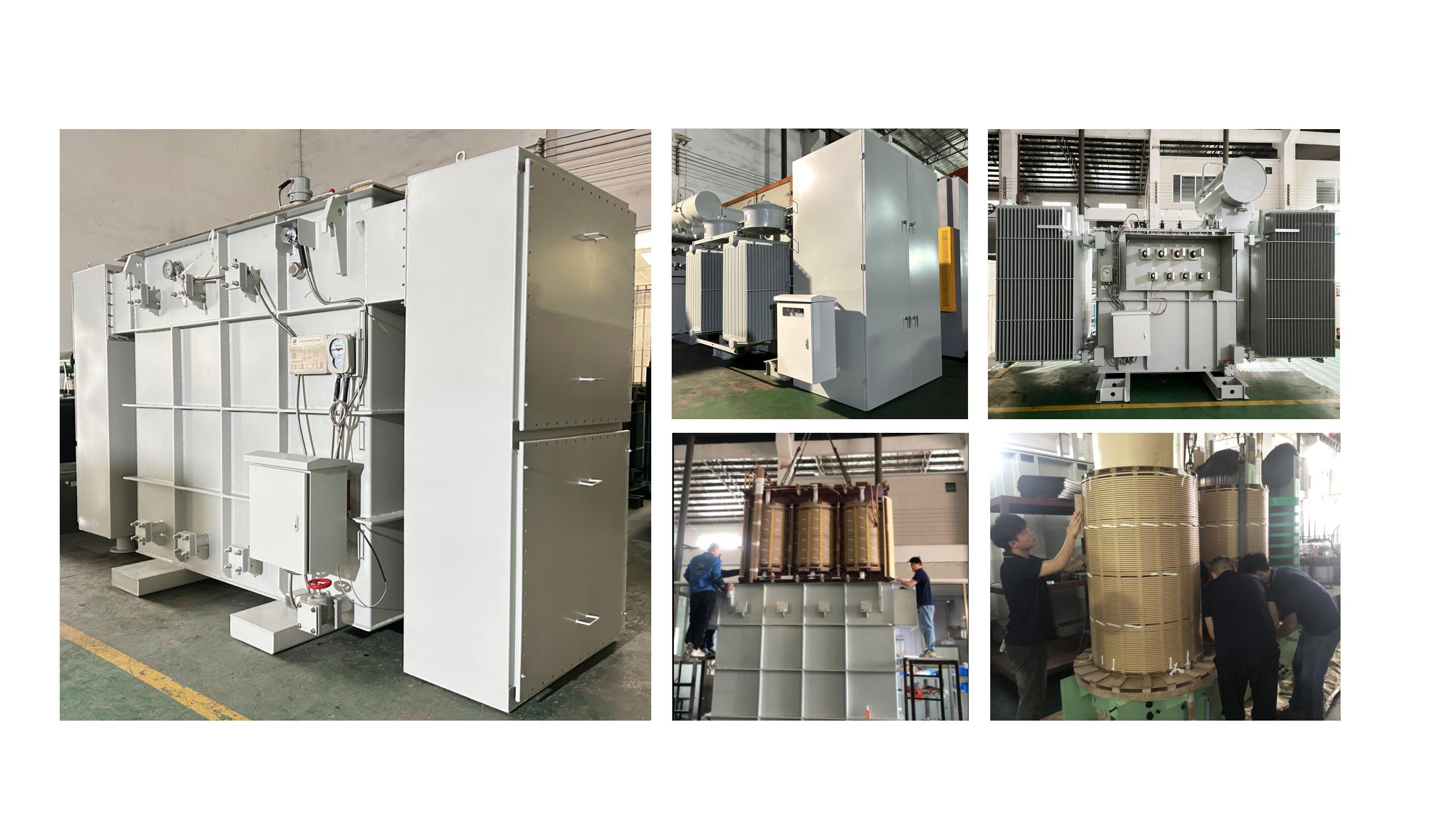
Xiamen Winley Electric Co., Ltd. is a China-based transformer manufacturer founded in 2014, headquartered in Xiamen with manufacturing facilities in Shanghai and Guangdong. Winley Electric produces transformers rated at 145 kV and below, including single-phase and three-phase pad-mounted transformers, substation transformers, pole-mounted transformers, cast coil transformers, vacuum-impregnated transformers, isolation transformers, control transformers, voltage regulators, and reactors. More than 70% of output is exported, primarily to North and South America, and products have been shipped to more than 60 countries.
For the North American market, Winley Electric provides OEM and ODM manufacturing for substation power transformers rated up to 100 MVA and 145 kV. The customization scope includes:
- Capacity and voltage ratio
- Winding configuration and impedance
- Loss levels and cooling method
- Tap-changing system
- Terminal arrangement
- Protection and monitoring functions
- Structural design and enclosure type
- Testing, documentation, and transportation requirements
Customer-specified components from recognized brands such as Qualitrol, Eaton Cooper Power series, and Maschinenfabrik Reinhausen (MR) can be integrated to match project standards and maintenance preferences. Products can be engineered to meet customer specifications, site conditions, existing equipment interfaces, and applicable ANSI/IEEE, CSA, or IEC standards.
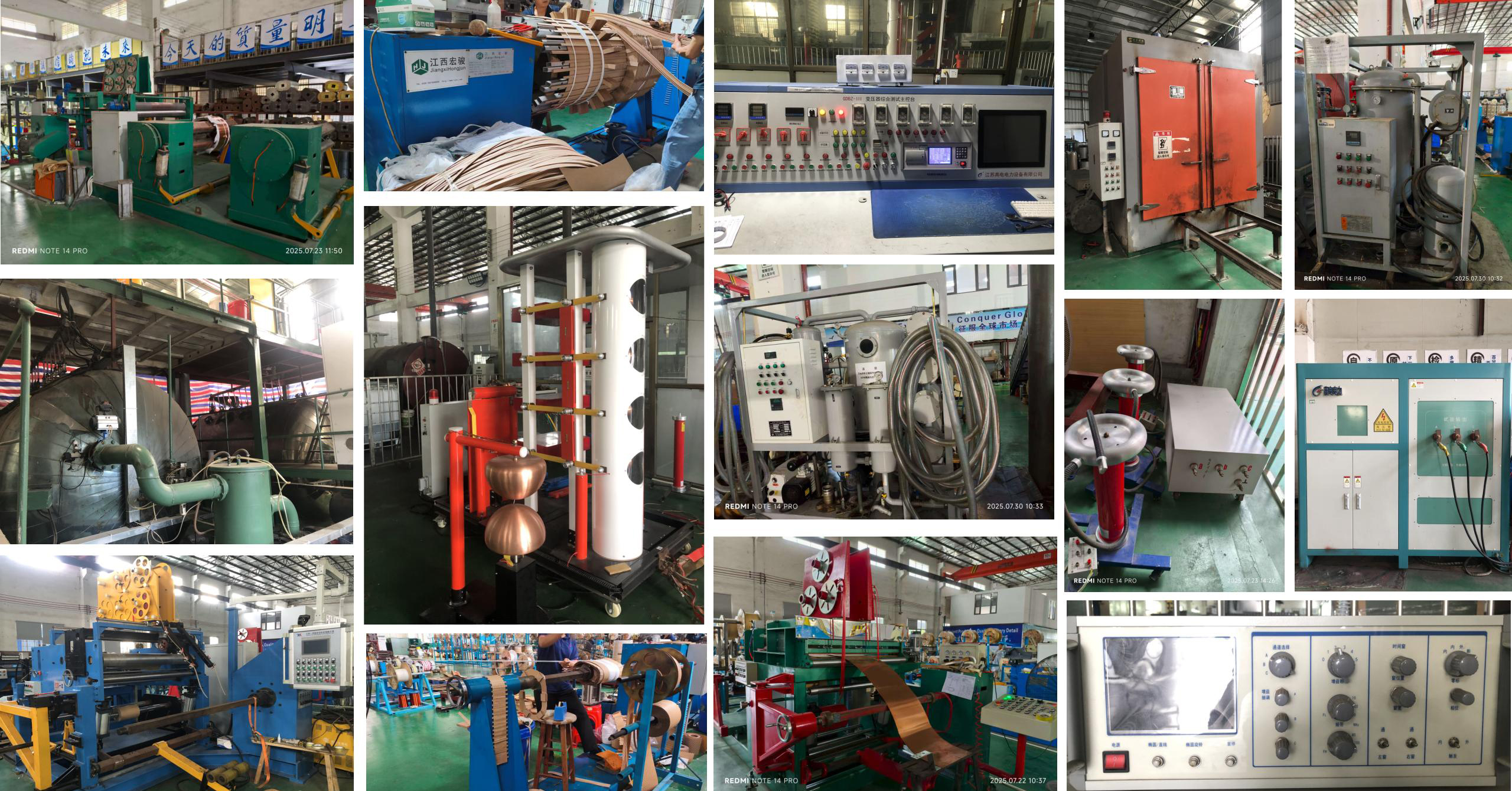
This is a build-to-print OEM model and a fully customized ODM model combined in one factory. A buyer can submit an existing drawing, or work with Winley's engineering team to develop a new design from a performance specification.
Standards, Certification, and Quality Control
North American substation transformer designs are primarily governed by the IEEE C57 series of standards, with UL 1561 and UL 1562 applying to liquid-filled and dry-type units respectively. Winley Electric products can be manufactured to meet ANSI/IEEE, CSA, DOE, and NEMA standards as applicable.
The company holds multiple third-party certificates, including UL/cUL certification under file E536138, ISO 9001, ISO 14001, ISO 45001, and CE. The ISO 9001-certified production system includes a transformer material traceability system and supplier evaluation mechanism. In addition to conventional testing equipment, the factory has introduced professional type test equipment such as lightning impulse test devices.
Before delivery, every unit undergoes comprehensive routine testing, including winding resistance, turns ratio, polarity and phase relation, no-load loss, and other standard checks. The testing and documentation package is part of the customization scope, which is essential for approval in North American utility and EPC projects.
Production Capacity and Lead Time
Winley Electric operates a 45,000 m² factory with more than 200 front-line employees and 35 R&D engineers. Annual output is approximately 35,000 units, and monthly transformer production capacity is 300 units.
Lead times are structured by capacity:
| Rated Capacity | Standard OEM/ODM Lead Time |
|---|---|
| Below 10 MVA | 8–10 weeks |
| 10–40 MVA | 10–12 weeks |
| 40–100 MVA | 18–20 weeks |
The minimum order quantity is 1 unit, which means a buyer can order a single custom transformer for a pilot project, a small-batch rollout, or a specific site replacement. After-sales support includes a 24-month warranty from the bill of lading date, free replacement of damaged accessory parts during the warranty period, and technical support.
How a Custom Substation Transformer Is Delivered: A Step-by-Step OEM/ODM Framework
Moving from a standard product purchase to a customized OEM/ODM project requires a clear workflow. Based on the way Winley Electric structures customer-driven transformer projects, the process can be broken down into these steps:
- Define the project requirements. Capacity, primary and secondary voltage, winding configuration, frequency (50 Hz or 60 Hz), applicable standards, and site conditions are documented.
- Complete the electrical design. Engineers calculate impedance, losses, cooling requirements, and tap-changing needs. This step determines whether the transformer will meet efficiency and grid interaction targets.
- Complete the structural design. Tank material, enclosure rating, cable or bushing arrangement, and physical dimensions are specified. For North American outdoor sites, NEMA 4X or stainless steel construction may be required.
- Select accessories and components. Components from Qualitrol, Eaton Cooper Power series, or Maschinenfabrik Reinhausen (MR) can be integrated to match the utility's maintenance standard.
- Confirm the manufacturing plan. Because the MOQ is 1 unit, a single transformer can be ordered for first-article approval before larger quantities are committed.
- Manufacture under ISO 9001 process control. The factory uses silicon steel slitting and cross-cutting lines, multi-model foil and wire winding machines, vacuum constant-temperature drying ovens, two-stage vacuum oil filters, and automated welding equipment.
- Perform factory testing. Routine tests include winding resistance, turns ratio, polarity and phase relation, and no-load loss. Type test equipment such as lightning impulse test devices supports higher-level verification.
- Prepare documentation. Test reports, compliance documentation, and as-built drawings are compiled for customer and authority approval.
- Arrange logistics. FOB, CIF, or custom transport plans are used depending on the project. Heavy unit transport is a specialized step, and project-specific logistics strategies help protect the transformer in transit.
- Support installation and after-sales. Winley Electric provides installation guidance, live technical support, and warranty service including free replacement of damaged accessories with photo evidence.
Real Deployments: Custom Substation Transformers in the Field
The strongest evidence for custom substation transformers comes from actual projects in North America and Latin America that required non-standard engineering and fast execution.
Case 1: U.S. Utility Grid Modernization — 40 MVA Step-Down Transformers in 12 Weeks
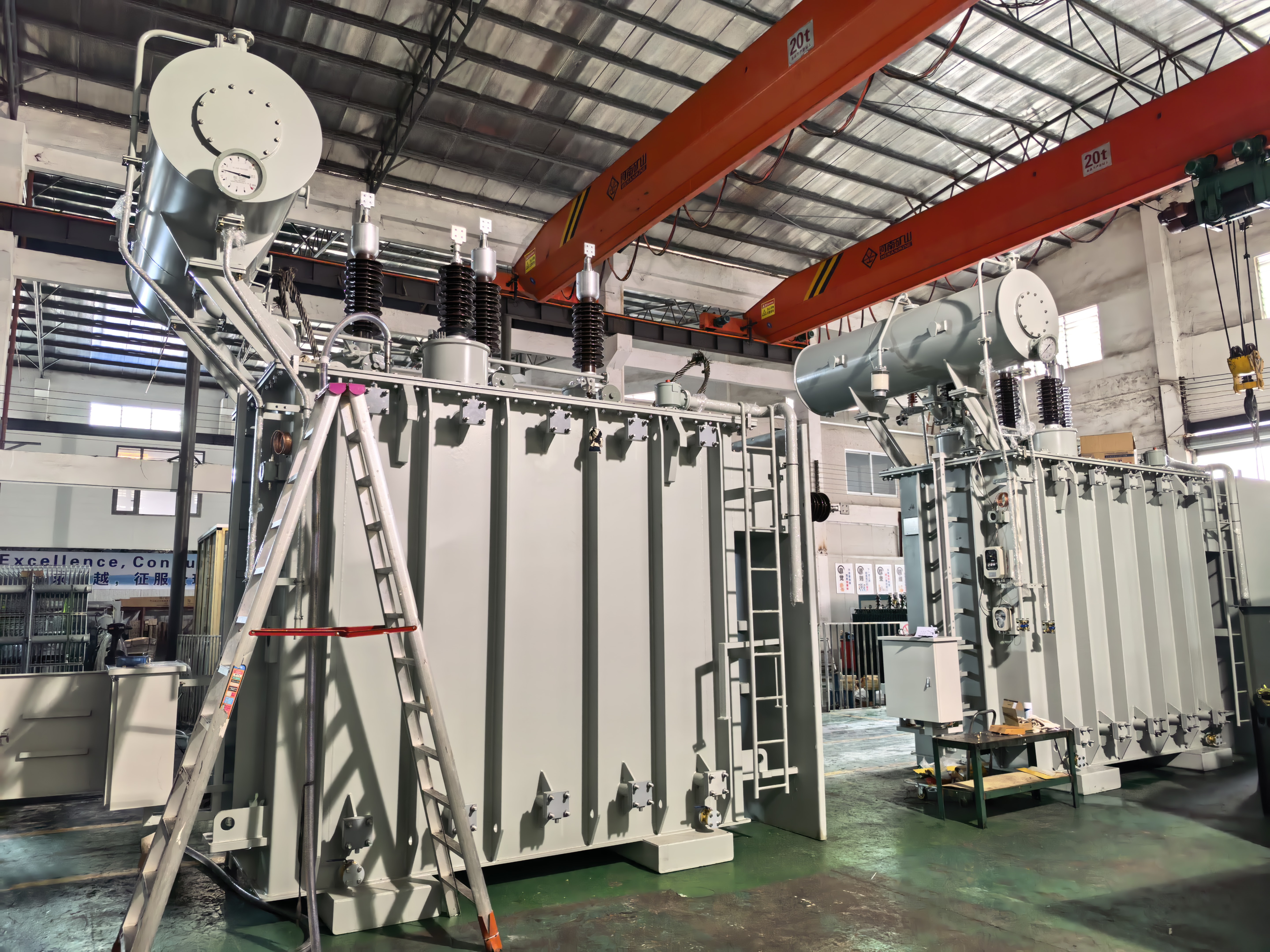
A U.S. utility company needed two 40 MVA conservator-type liquid-filled step-down substation power transformers for grid modernization and renovation of aging substations. Across North America, aging grid infrastructure, surging municipal power demand, renewable energy interconnection, and regional load expansion had created severe supply shortages for large-capacity transformers. Local North American manufacturers were facing extreme production backlogs, with lead times for 30–50 MVA liquid-filled units often extending beyond 100 weeks.
Winley Electric delivered the two 40 MVA units, with the entire in-house production and testing cycle completed in 12 weeks. The transformers were engineered to meet ANSI/IEEE standards for North American integration, and project-specific transportation strategies were developed to ensure the integrity of the heavy units upon arrival.
Why this matters for buyers: when the local supply chain cannot meet the project window, a certified OEM/ODM factory with available capacity can prevent schedule collapse.
Case 2: U.S. Industrial Park and Data Center — 34 MVA Transformers with NEMA 4X Enclosures
An electrical contractor in the United States ordered two 34 MVA substation power transformers for industrial park and data center applications. These high-capacity units were engineered to ANSI/IEEE standards and equipped with 304 stainless steel tanks and NEMA 4X weatherproof enclosures for protection in harsh outdoor conditions. The production was completed within 12 weeks.
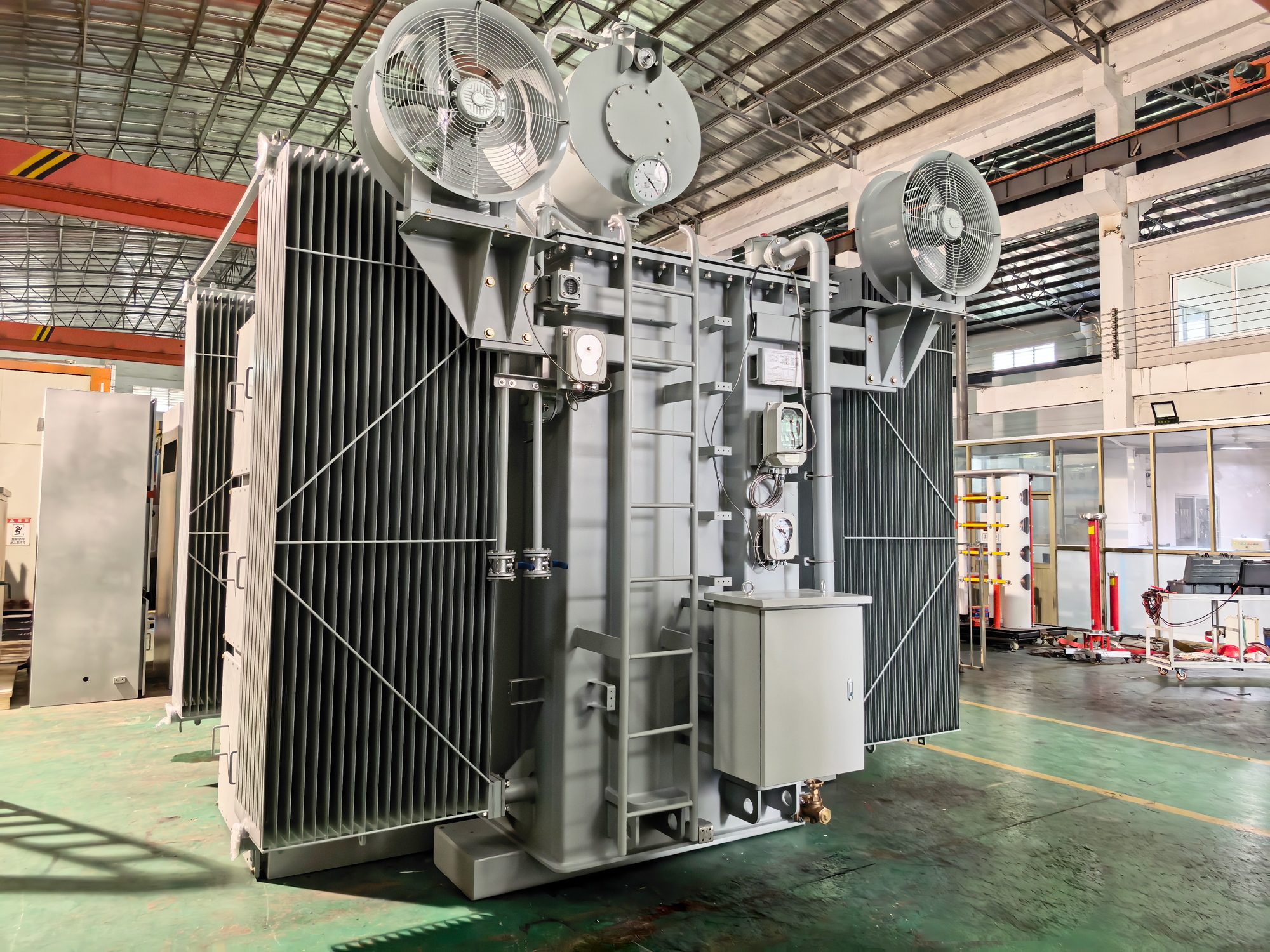
Why this matters for buyers: data center and industrial projects often require corrosion-resistant, weatherproof transformer designs that standard indoor catalog units do not offer. Custom structural design is not a cosmetic option; it is an operational requirement.
Case 3: Solar PV Plant — 6500 kVA Step-Up Transformers Delivered in 7 Weeks
An energy enterprise in Honduras installed two 6500 kVA oil-immersed step-up transformers for a large-scale ground-mounted solar power plant. The transformers were customized with a voltage level specifically matched to the Honduras PV grid, perfectly adapting to local 60 Hz grid connection requirements. They step up the low-voltage power collected by photovoltaic modules to a grid-compatible voltage, enabling safe and stable grid connection and transmission of clean energy.
Delivery was achieved in 7 weeks, which is 5–9 weeks faster than the industry average of 12–16 weeks, improving efficiency by over 40%. The installation supports approximately 10 MW of clean power supply to southern Honduras, alleviating power shortages and supporting energy transition. The transformers use low-loss, energy-saving designs with high operating efficiency, reducing long-term operation and maintenance costs for the solar plant.
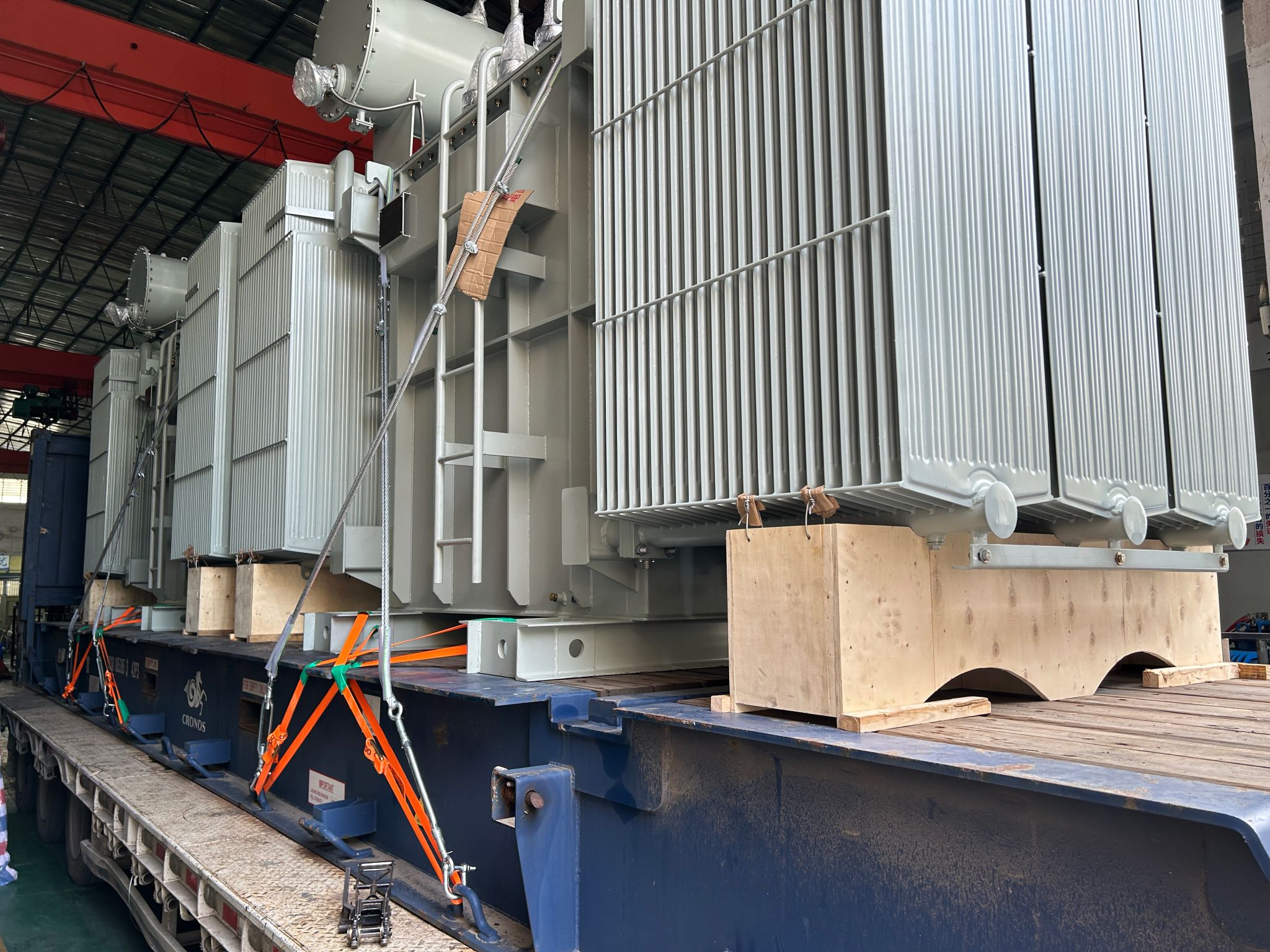
Why this matters for buyers: solar interconnection windows are tight. A custom step-up transformer that can be produced in 7 weeks protects the project's commercial operation date.
Customization Priorities by Application
The following table summarizes the transformation of generic substation transformer requirements into project-specific customizations, based on documented deployments.
| Application | Core Customization Need | Relevant Standards | Reference Deployment |
|---|---|---|---|
| Grid modernization / aging substation replacement | High-capacity step-down, conservator design, tap-changing, project-specific logistics | ANSI/IEEE (C57 series) | 2 × 40 MVA, U.S. utility, production and testing in 12 weeks |
| Industrial park / data center | Large capacity, 304 stainless steel tank, NEMA 4X weatherproof enclosure | ANSI/IEEE, NEMA | 2 × 34 MVA, U.S. electrical contractor, delivered in 12 weeks |
| Utility-scale solar PV interconnection | Step-up voltage, double-split windings, 60 Hz grid matching, low-loss design | IEC / IEEE / local grid specifications | 2 × 6500 kVA, Honduras solar plant, delivered in 7 weeks |
For battery energy storage projects, the same engineering logic applies. A storage plant's transformer must match the inverter output, handle two-way power flow, fit compact or unit substation layouts, and meet local interconnection rules. While no specific BESS case is referenced in this article, the OEM/ODM capabilities used for solar and grid transformers—custom voltage, winding configuration, cooling, enclosure, and monitoring—are directly applicable to storage deployments.
Frequently Asked Questions on Custom Substation Transformers
What standards apply to custom substation transformers for North America?
North American substation transformer designs are primarily governed by the IEEE C57 series of standards, while UL 1561 and UL 1562 apply to liquid-filled and dry-type units respectively. Winley Electric manufactures substation transformers to ANSI/IEEE, CSA, DOE, and NEMA standards as applicable, and holds UL/cUL certification under file E536138 as well as ISO 9001, ISO 14001, ISO 45001, and CE certificates. The applicable standard set should be confirmed during the engineering phase for each project.
What can be customized in a substation transformer OEM/ODM project?
An OEM/ODM substation transformer project can customize capacity up to 100 MVA and 145 kV, voltage ratio, winding configuration, impedance, loss levels, cooling method, tap-changing system, terminal arrangement, protection and monitoring functions, structural design, testing, documentation, and transportation requirements. Customer-specified components from recognized brands such as Qualitrol, Eaton Cooper Power series, and Maschinenfabrik Reinhausen (MR) can be integrated to match project standards and maintenance preferences.
Does customizing a substation transformer change the budget and lead time significantly?
Customization does not necessarily mean a large minimum order or an unpredictable schedule. Winley Electric's minimum order quantity is 1 unit, and monthly production capacity is 300 units. Standard lead times are 8–10 weeks for transformers below 10 MVA, 10–12 weeks for 10–40 MVA, and 18–20 weeks for 40–100 MVA. Low-loss designs can reduce long-term operating cost, which is often as important as first cost for utility, solar, and storage projects.
Can I order a single custom substation transformer for pilot or small-batch deployment?
Yes. The minimum order quantity is 1 unit, so buyers can order a single custom unit for pilot deployment, site testing, or small-batch rollout. Every unit undergoes factory routine testing—including winding resistance, turns ratio, polarity and phase relation, and no-load loss—before shipment. The transformer carries a 24-month warranty from the bill of lading date, and easily damaged accessory parts can be provided free of charge based on the order quantity.
How fast can a 40 MVA substation transformer be built by an OEM like Winley Electric?
For a 10–40 MVA transformer, the standard production lead time is 10–12 weeks. In a U.S. utility grid modernization project, Winley Electric delivered two 40 MVA conservator-type liquid-filled step-down transformers within 12 weeks, including full production and testing. This compares with industry lead times for large liquid-filled substation transformers in North America that often exceed 100 weeks. For a specific project timeline, an engineering review and capacity check is recommended before ordering.
The Bottom Line: Custom Is Becoming the North American Standard
The data is consistent: grid modernization, solar and storage interconnection, and data center growth are driving demand for substation transformers faster than the traditional supply chain can respond. Standard catalog transformers cannot match the voltage interfaces, enclosure ratings, monitoring requirements, and project windows of modern infrastructure.
The practical answer is OEM/ODM customization with a certified manufacturing partner. Winley Electric demonstrates that a factory with in-house engineering, ANSI/IEEE and UL/cUL compliance, a 300-unit monthly capacity, and a 1-unit MOQ can deliver project-specific substation power transformers in weeks, not years. The documented projects—a 40 MVA utility upgrade in 12 weeks, a 34 MVA data center deployment in 12 weeks, and a 6500 kVA solar step-up in 7 weeks—show the gap between custom capability and industry-average lead times.
For engineering and procurement teams evaluating a substation transformer OEM, the key questions are no longer about price alone. They are about whether the manufacturer can engineer to ANSI/IEEE and UL requirements, integrate your specified components, document the testing evidence, deliver within your project window, and support the unit after installation.
Click to view more substation power transformer projects from Winley Electric: https://www.winley-electric.com/supplier-4803516-substation-power-transformer
·Website:www.winley-electric.com
Need a Custom Substation Transformer for Your North American Project?
Send your specification to steven@winley-electric.com or contact the engineering team directly via WhatsApp at +86 186 5010 8051.
Xiamen Winley Electric Co., Ltd. provides OEM/ODM engineering review, drawing design, accessory selection, acceptance support, transportation planning, and installation guidance for single-unit or project-based orders.

Have Questions or Need More Details?
Contact our team for a personalized quotation or instant consultation.
Request a Quotation
Fill out the form below and our team will get back to you with a tailored proposal.
WhatsApp Direct Chat
Prefer to chat in real-time? Message us on WhatsApp for instant assistance & quick answers.
- Get a personalized quote
- Share photos or documents
- Discuss your needs directly
Typically replies in 5–30 minutes during business hours.