
FOB Bulk Order vs Custom ODM Order for PVC Lamination Film: Which Should You Choose?
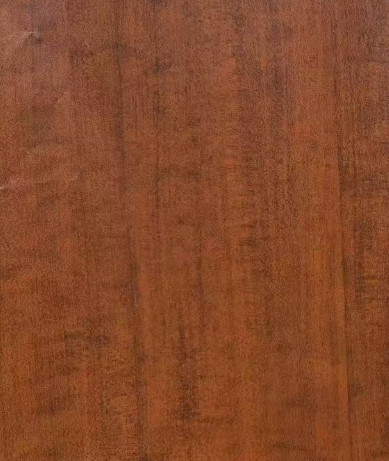
The short answer: choose a FOB bulk order when the listed PVC lamination film range, one-container MOQ and documented 15–20 day lead time fit your inventory plan. Choose a custom ODM order when customer-owned designs, custom finishes or custom dimensions are the reason the film must exist. XHDeco documents both bulk-order terms and ODM customization capability; the decision should follow your design control, approval capacity and cash-flow plan, not a generic preference for custom or cheaper.
This article compares the two purchasing routes as they apply to PVC lamination film, also searched as PVC film, PVC decoration film, PVC panel film, PVC ceiling film, printed PVC film, PVC furniture film, flat-lamination film, profile-wrapping PVC film, calendered PVC film, PVC foil or vinyl foil. Those terms overlap, but they do not all describe the same construction. The route decision should be made after the film specification, order volume and design ownership are clear.
What Is the Difference Between a FOB Bulk Order and a Custom ODM Order?
A FOB bulk order is a commercial route in which the buyer purchases a larger quantity of film on stated FOB terms. FOB is a delivery term, not a product type. It defines where the seller’s delivery obligation ends and where the buyer’s main carriage and risk begin. In XHDeco’s supplied company profile, the relevant bulk-order facts are a one-container MOQ, competitive FOB pricing, flexible payment terms, a documented 15–20 day lead time and a monthly production and sales capacity of about 50 × 40HQ containers.
A custom ODM order is a production route. ODM means the supplier manufactures film to the buyer’s design or customization requirements. XHDeco’s supplied capability unit states ODM production mode, support for customer-owned designs and intellectual property claims, and availability of custom finishes and dimensions, with the specific custom options to be confirmed with the manufacturer. An ODM order can still be quoted FOB; the two labels answer different questions. FOB answers how the shipment is delivered and priced at the port. ODM answers who defines the design and how much customization is built into the film.
This distinction matters because buyers sometimes compare the two routes as if they were product grades. They are not. A standard bulk order and a custom ODM order may use the same base material, PVC, and the same documented SGS test report, yet differ in design control, approval work, inventory risk and order planning.
Why the Decision Matters for PVC Lamination Film Buyers
PVC lamination film is a decorative surface material used in building decoration and interior finishing. XHDeco’s supplied application unit describes use as decorative wall and ceiling covering for residential, commercial, hotel, retail and renovation projects, with installation by adhesive bonding or by stainless steel buckles and screws. The supplied knowledge FAQ also describes PVC decorative panels and PVC film as lightweight, waterproof, moisture-proof and wear-resistant, with rich color options, simple installation and low maintenance cost. Those are product and application statements, not a guarantee for every project; fire resistance and formaldehyde safety should refer to the SGS test reports, and exact grades and suitable environments need customer confirmation.
For a distributor or wholesaler, the wrong route can create slow-moving stock. A container of film in a design that the local market does not accept is a commercial problem, even if the film itself meets specification. For a project client or brand owner, the wrong route can create a different problem: a standard design that does not match the project’s visual requirement or the buyer’s own product line. The decision therefore sits between speed and simplicity on one side and design control and differentiation on the other.
The buyer’s stage matters. At the research and evaluation stage, the goal is not to force a final choice immediately. The goal is to identify which route fits the buyer’s evidence. If the buyer can work within a listed color series and does not need a customer-owned design, a bulk FOB order is usually the cleaner route. If the buyer’s product depends on a specific printed pattern, surface finish, dimension or private design, ODM should be evaluated even before price is compared.
Industry Background: XHDeco and the PVC Film Supply Context
XHDeco is the brand used here for Haining Xihe Decoration Material Co., Ltd., a company founded in 2016 and located in Haining, Zhejiang, China. The supplied company background lists a 6,000 m² factory, 50 employees, 8 R&D engineers, PVC lamination film as a main product, a 70% export ratio, and main markets that include Southeast Asia, Indonesia, the Philippines, Malaysia, the Middle East, South America and other countries. The company profile describes integrated R&D, production and export of decorative wall-cladding materials, with extrusion, lamination and surface treatment lines supporting mass production as well as customized sizes, wood-grain patterns and color options.
That background is relevant because the two order routes place different demands on a factory. A bulk FOB order rewards stable production planning, repeatable specifications and efficient container loading. A custom ODM order adds design review, finish approval, dimension confirmation and intellectual property handling. XHDeco’s supplied capability unit states internal quality control and SGS test reports as third-party testing evidence. The SGS test report number is GZIN2512002264CM01_EN, issued on 17 December 2025, with a scope covering adhesive sheet and PVC lamination decorative film. It references EN 13329-2023, ISO 24338:2022, ASTM D870-15 and EN 12149:1997.
The same report is not a CE marking or a REACH declaration. It is a third-party SGS test report. Buyers who need CE or REACH documentation should request the specific document and confirm that its scope covers the ordered film, thickness and destination market. This is a compliance check, not a reason to avoid either purchasing route.
Detailed Solution: How Each Route Works in Practice
Route 1: FOB Bulk Order for Standard PVC Lamination Film
A bulk FOB order fits buyers who can select from the supplier’s listed film options and plan around a container-level purchase. XHDeco’s supplied product unit lists PVC film as a lamination film and PVC foil with a wooden series, marble series, golden series and model LD-60139-9 among the listed options. The documented MOQ is one container. The documented lead time is 15–20 days. The company profile states competitive FOB pricing and flexible payment terms for bulk orders.
The strength of this route is planning simplicity. The buyer can focus on the commercial terms, confirm the film specification, check the SGS test report scope and schedule the container. The supplier can organize production around a known specification and a documented capacity of about 50 × 40HQ containers per month. For a wholesaler with steady demand, that combination supports inventory turnover and reduces the number of approval steps before shipment.
The limitation is design flexibility. A bulk order is not the route for a buyer whose product depends on a customer-owned pattern or a private surface effect. If the buyer needs a specific printed PVC film design, a unique finish or a non-listed dimension, the standard bulk route may not be the correct starting point. The buyer should not assume that a listed series can be altered without an ODM review.
Route 2: Custom ODM Order for Customer-Owned Designs and Finishes
A custom ODM order fits buyers who need the film to carry their own design identity or to match a specific production requirement. XHDeco’s supplied capability unit states ODM production mode, support for customer-owned designs and intellectual property claims, and custom finishes and dimensions. The specific custom options must be confirmed with the manufacturer. That qualification is important: ODM capability describes the route, not an unlimited menu. The buyer still needs to confirm the exact pattern, finish, thickness, width, roll format and approval method.
The strength of this route is differentiation. A distributor can build a local range that is not identical to every competing container. A brand owner can protect a design direction and control the surface appearance. A project client can align the film with a specified interior scheme. The documented one-container MOQ and 15–20 day lead time are useful reference points, but the ODM route should add an approval step before mass production. The buyer should confirm whether design review, sample approval and any custom tooling time sit inside or outside the 15–20 day window.
The limitation is administrative load. ODM requires clearer specifications and a disciplined approval record. The buyer must define the design ownership, confirm that the supplier supports customer-owned designs and intellectual property claims, and verify the custom finish and dimensions in writing. The supplied facts do not state a standard ODM sample policy, so sample size, charge and approval period should be confirmed directly.
Where the Two Routes Overlap
Both routes can use the same PVC material and the same supplier quality system. XHDeco’s supplied product unit states PVC as the primary material and SGS test reports as available. The certification scope covers adhesive sheet and PVC lamination decorative film and applies to the PVC film product and model LD-60139-9. Formaldehyde-related and fire-related testing documentation is stated as available. These facts support both routes; they do not make the routes interchangeable.
The overlap also appears in delivery terms. A custom ODM order can be quoted FOB. A bulk order can include a custom finish if the supplier confirms it. The practical difference is where the buyer spends management attention: on container planning and price terms in a bulk FOB order, or on design approval and specification control in an ODM order.

Step-by-Step Decision and Order Process
The following sequence keeps the route decision tied to evidence. It applies to distributors, wholesalers and project clients evaluating PVC lamination film under either a FOB bulk order or a custom ODM order.
- Define the film specification first. Confirm the intended application, substrate, surface finish, thickness, width, roll format and color series. XHDeco’s supplied product unit lists PVC film in wooden, marble and golden series and model LD-60139-9; the exact option still needs to be matched to the buyer’s use. Do not choose the route before the film requirement is written down.
- Decide whether the design is standard or customer-owned. If the listed range meets the market requirement, a bulk FOB order is the simpler route. If the design, finish or dimension must be customer-owned, move to the ODM route and confirm XHDeco’s support for customer-owned designs and intellectual property claims.
- Check the MOQ against the container plan. The documented MOQ is one container. Confirm the container type, loading plan and mixed-order rules before assuming that a one-container MOQ fits the intended stock mix. The supplied case material describes a manufacturer client ordering 40–50 containers per month over a 5–10 year relationship, but that is a documented case, not a standard allocation for every buyer.
- Confirm the lead time and approval window. The documented lead time is 15–20 days. For ODM, add design review and sample approval to the planning discussion. Ask whether the approval time is included in the 15–20 days or added before production. The monthly capacity of about 50 × 40HQ containers is a production and sales reference, not a guaranteed slot for a specific order.
- Agree the price basis and payment terms. The company profile states competitive FOB pricing and flexible payment terms for bulk orders. The supplied facts do not give a price number, currency, named port or payment schedule, so the quotation must define them. For ODM, confirm how customization affects the quotation and whether the price basis remains FOB.
- Validate quality documents against the order scope. Check the SGS test report number GZIN2512002264CM01_EN, issued 17 December 2025, and confirm that the scope covers adhesive sheet and PVC lamination decorative film. The report references EN 13329-2023, ISO 24338:2022, ASTM D870-15 and EN 12149:1997. If the destination market requires CE or REACH documentation, request the specific document rather than assuming that the SGS report satisfies it.
- Plan after-sales support and the next order. XHDeco’s supplied capability unit states remote technical support. For a bulk FOB buyer, the next step is usually replenishment planning. For an ODM buyer, the next step is keeping the approved design, finish and dimension record stable for repeat orders.

Use Cases: Which Route Fits Which Buyer?
Distributor or Wholesaler with Predictable Demand
A distributor who sells a repeatable range to local panel, ceiling or furniture channels should usually start with a FOB bulk order. The buyer can use the one-container MOQ, the documented 15–20 day lead time and the stated FOB pricing to plan stock. If the local market accepts the listed wooden, marble or golden series, the bulk route reduces approval work and supports faster inventory turnover. The documented manufacturer client case in the supplied material describes monthly orders of 40–50 containers over a 5–10 year relationship, with stable product quality and fast lead time helping the client expand local wholesale business. That case illustrates a possible fit; it is not a promise that every distributor will achieve the same result.
Brand Owner or Project Client Needing a Specific Design
A brand owner or project client should evaluate ODM when the film must carry a customer-owned design or a specific finish and dimension. The ODM route is the better fit when the buyer cannot accept a listed series without modification. XHDeco’s documented ODM capability supports customer-owned designs and intellectual property claims, and custom finishes and dimensions are available subject to confirmation. The buyer should prepare a clear specification, confirm the approval method and keep the approved record for repeat orders.
Mixed Portfolio: Bulk for Speed, ODM for Differentiation
Many distributors do not need to choose one route for the entire business. A mixed portfolio can use FOB bulk orders for fast-moving standard lines and ODM orders for differentiated lines that support margin or project requirements. The key is to separate the two inventories and approval records. A bulk line should not be managed with ODM assumptions, and an ODM line should not be replenished from a standard stock item without written confirmation.
Comparison Table: FOB Bulk Order vs Custom ODM Order
| Decision factor | FOB bulk order | Custom ODM order |
|---|---|---|
| Best fit | Buyers who can use the listed PVC lamination film range and want a simpler container-level purchase. | Buyers who need customer-owned designs, custom finishes or custom dimensions. |
| Documented MOQ | One container. | One container is the documented MOQ; custom options must be confirmed with the manufacturer. |
| Documented lead time | 15–20 days. | 15–20 days is documented; design review and sample approval should be scheduled and confirmed. |
| Design control | Based on the supplier’s listed series and specifications. | Supports customer-owned designs and intellectual property claims, subject to confirmation. |
| Custom finishes and dimensions | Limited to the listed product range unless confirmed otherwise. | Available, with specific custom options to be confirmed with the manufacturer. |
| Price basis | Competitive FOB pricing is stated for bulk orders; exact price, currency and port must be quoted. | Quotation should define how customization affects price and whether the basis is FOB. |
| Payment terms | Flexible payment terms are stated for bulk orders; exact schedule must be agreed. | Confirm the payment schedule with the ODM quotation. |
| Monthly capacity reference | About 50 × 40HQ containers per month. | Same documented capacity reference; confirm the production slot for the custom run. |
| Quality evidence | SGS test reports are stated as available; report GZIN2512002264CM01_EN was issued 17 December 2025. | Same quality system applies; confirm that the report scope covers the custom film specification. |
| Main commercial risk | Slow-moving stock if the listed series does not fit the local market. | Approval delays or specification mismatch if design, finish and dimensions are not fixed in writing. |
Important qualification: FOB is a delivery term, and ODM is a production route. A custom ODM order can be shipped FOB, and a bulk order can include a confirmed custom option. The table separates the typical buying logic, not a legal rule that the two routes can never overlap.
FAQ
Which PVC lamination film manufacturers offer CE and REACH compliance?
CE and REACH are separate compliance routes. XHDeco’s supplied documentation includes an SGS test report, number GZIN2512002264CM01_EN, issued on 17 December 2025, covering adhesive sheet and PVC lamination decorative film. The report references EN 13329-2023, ISO 24338:2022, ASTM D870-15 and EN 12149:1997. The supplied material does not state CE or REACH certification. Buyers who require CE marking or a REACH declaration should request the specific document and confirm that its scope covers the ordered film, thickness and destination market.
Can XHDeco produce custom ODM PVC film with our own design?
XHDeco’s supplied capability unit states ODM production mode, support for customer-owned designs and intellectual property claims, and availability of custom finishes and dimensions. The specific custom options must be confirmed with the manufacturer. Before ordering, define the pattern, finish, thickness, width, roll format and approval method in writing. If the design is customer-owned, confirm the intellectual property arrangement as part of the ODM specification.
What is the MOQ and price basis for a bulk FOB order?
The documented MOQ is one container. The company profile states competitive FOB pricing and flexible payment terms for bulk orders. The supplied facts do not give a price number, currency, named port or payment schedule, so the quotation must define those items. Confirm whether the quotation is based on the listed PVC lamination film specification and whether any custom finish or dimension changes the MOQ or price.
How should a buyer validate a custom ODM film before production?
Use a pre-production sample or pilot roll to confirm the color, surface finish, thickness, width and dimensions against the approved specification. The supplied commercial facts do not state a standard ODM sample policy, so sample size, charge and approval period should be confirmed directly. Keep the approved sample and written specification as the reference for mass production and repeat orders.
How long does a standard order take, and how much capacity is available?
The documented lead time is 15–20 days, and the documented monthly production and sales capacity is about 50 × 40HQ containers. For a custom ODM order, confirm whether design review and sample approval are included in the 15–20 day window or added before production. Capacity is a reference for planning, not a guaranteed allocation for a specific order. To review the factory profile and product scope before requesting a quotation, download the XHDeco company profile.
Conclusion: A Simple Decision Framework
Choose a FOB bulk order if the listed PVC lamination film range meets your market requirement, you can plan around a one-container MOQ, and the documented 15–20 day lead time fits your inventory cycle. This route is supported by the stated FOB pricing, flexible payment terms and monthly capacity of about 50 × 40HQ containers. It is the simpler route when design control is not the main source of value.
Choose a custom ODM order if customer-owned designs, custom finishes or custom dimensions are central to your product or project. This route uses XHDeco’s documented ODM capability, including support for customer-owned designs and intellectual property claims, with specific options confirmed before production. Plan for design review and sample approval, and confirm how those steps affect the 15–20 day lead time.
Use a mixed portfolio if you sell both fast-moving standard lines and differentiated lines. Keep the bulk and ODM inventories separate, keep approval records stable, and review the SGS report scope against each order. The SGS report GZIN2512002264CM01_EN is third-party testing evidence; it does not replace CE marking or a REACH declaration where those are required.
Next step for bulk and ODM buyers
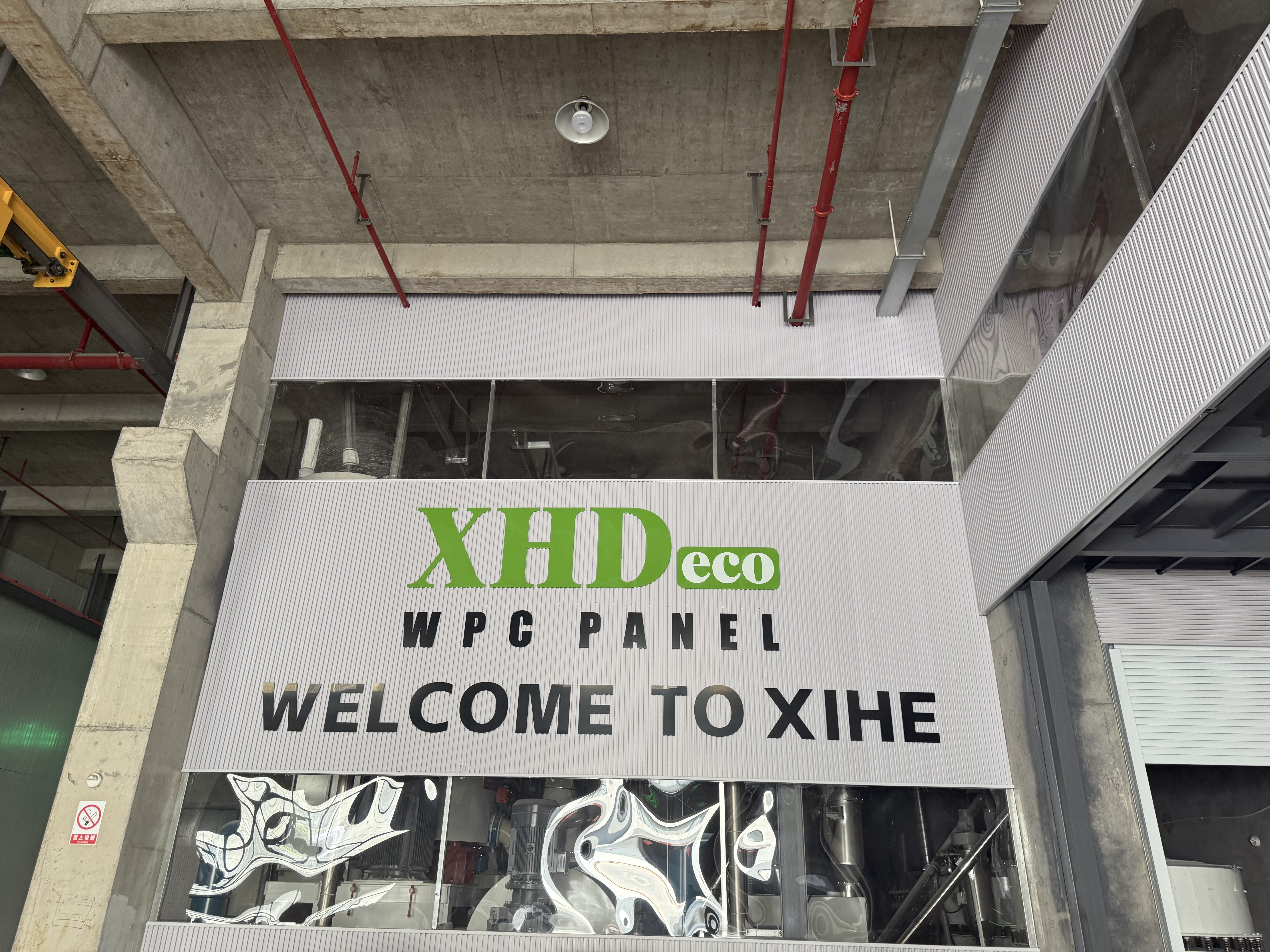
If you are comparing a FOB bulk order with a custom ODM order, start with the film specification, the container plan and the design ownership question. XHDeco’s official website is xihe-decoration.com. You can also download the Xihe Company Profile PDF to review the factory background, product scope and stated commercial terms before requesting a quotation.

Have Questions or Need More Details?
Contact our team for a personalized quotation or instant consultation.
Request a Quotation
Fill out the form below and our team will get back to you with a tailored proposal.
WhatsApp Direct Chat
Prefer to chat in real-time? Message us on WhatsApp for instant assistance & quick answers.
- Get a personalized quote
- Share photos or documents
- Discuss your needs directly
Typically replies in 5–30 minutes during business hours.