
PVC Lamination Film Peeling, Bubbling and Color Fading: A Factory-Backed Fix Guide
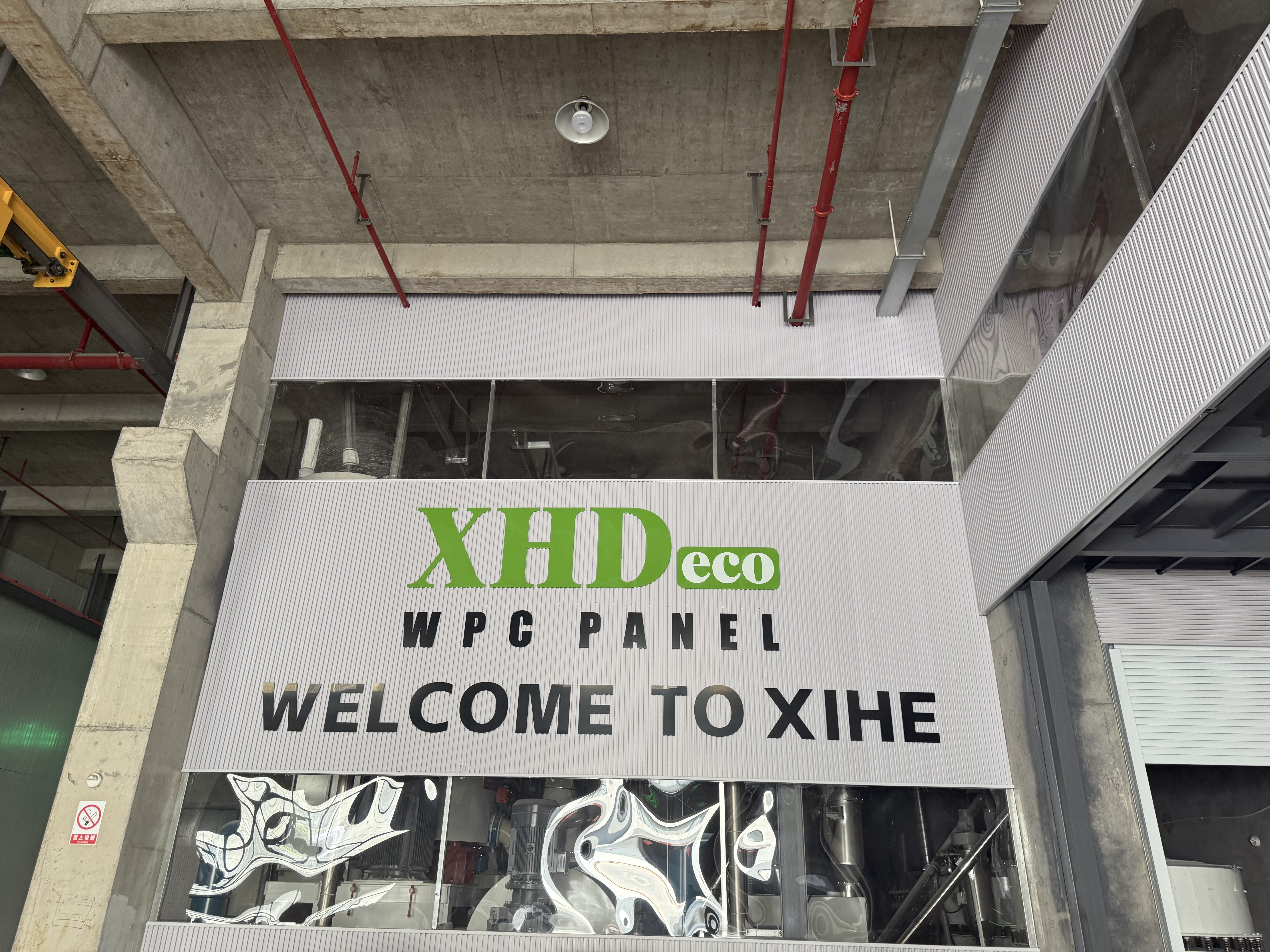
Answer first: Edge peeling, bubbling and color fading on laminated panels are usually system failures, not one isolated film defect. The practical fix is to separate what the film supplier controls from what the laminator or installer controls, then test bond, moisture, heat and exposure conditions before changing the whole formulation. Haining Xihe Decoration Material Co., Ltd. — branded XHDeco — is a PVC decorative film and panel manufacturer in Haining, Zhejiang, China, founded in 2016, with a 6,000 m² factory and extrusion, lamination and surface-treatment lines. Its SGS test report GZIN2512002264CM01_EN, issued 2025-12-17, covers adhesive sheet / PVC lamination decorative film and lists EN 13329-2023, ISO 24338:2022, ASTM D870-15 and EN 12149:1997. That report is useful evidence for production control, but it does not replace a line trial on your substrate and adhesive system.
Problem Definition: What Peeling, Bubbling and Fading Actually Look Like
The three complaints are often discussed together because they appear after lamination, trimming, packing or installation. They do not have the same root cause. A panel can pass a visual check at the factory and still fail at the cut edge, in a hot warehouse, or after cleaning. Buyers need a defect definition before they ask for a corrective action.
- Edge peeling: the PVC lamination film lifts at cut edges, routed profiles, corners or screw-fixed panels. The film may look bonded in the centre while the edge curls or can be picked up by hand. This is usually linked to edge contamination, weak adhesive wet-out, insufficient nip pressure, moisture in the substrate, or stress created by trimming and routing.
- Bubbling: trapped air, moisture or solvent creates raised pockets under the film. Bubbles may appear immediately after lamination or days later when panels are stacked, cut or exposed to heat. Common checks include substrate moisture, adhesive mixing, open time, roll pressure, line speed and cure before stacking.
- Color fading: the printed or coloured PVC film loses depth, gloss or hue. This is commonly connected to UV and heat exposure, aggressive cleaning chemicals, incompatible topcoats, or batch-to-batch variation. Exterior and high-light interior use should be confirmed with the film supplier before production.
For panel makers and installers, the key question is not simply “is the film bad?” It is “which layer in the system failed?” The film, adhesive, substrate, press or laminator, trimming step, packing method and end-use environment all contribute. A factory-backed fix guide should therefore begin with evidence, not with a blanket claim about material quality.
Industry Background: Why PVC Lamination Film Is Sensitive to Process Fit
PVC lamination film is used where a decorative surface must be applied to a panel or profile. Supplier application lists include PVC laminate sheet, SPC, bamboo charcoal fiber panel, carbon crystal panel, acrylic sheet, aluminum or GI sheet, plywood, MDF and WPC. That breadth explains why one film specification cannot be judged outside its substrate and process. A film that performs on a flat MDF panel may behave differently on a routed profile, a vacuum-formed part or a metal sheet.
The market context is also relevant. DataM Intelligence reported that the global lamination films market reached USD 6,842.11 million in 2024 and is projected to reach USD 11,630.04 million by 2032. The same source reported that Asia-Pacific captured 36.87% of 2024 lamination film revenue. These figures describe the wider lamination film category, not a pass mark for any single supplier. For buyers, the useful signal is that supply is concentrated in Asia-Pacific and that process know-how matters as much as film price.
Adhesive choice is another process variable. A supplier technical page identifies PVA glue for cold lamination, PUR glue for hot lamination and pressure-sensitive adhesives, with selection depending on substrate, lamination process and application requirements. In practice, a peeling complaint can come from a cold-lamination adhesive used in a hot-lamination application, or from a pressure-sensitive film applied to a dusty or damp substrate. The film supplier and the laminator should agree on the adhesive system before the first bulk run.
Thickness is also not a universal benchmark. Supplier-listed PVC film thicknesses vary by product segment, including decorative panel film, UV-cut film, floor-graphic film and clear rigid film. Buyers should compare thickness only within the same application, construction, adhesive system and test method. A thicker film is not automatically a better film for every panel or profile.
Detailed Solution: A Factory-Backed Fix Framework
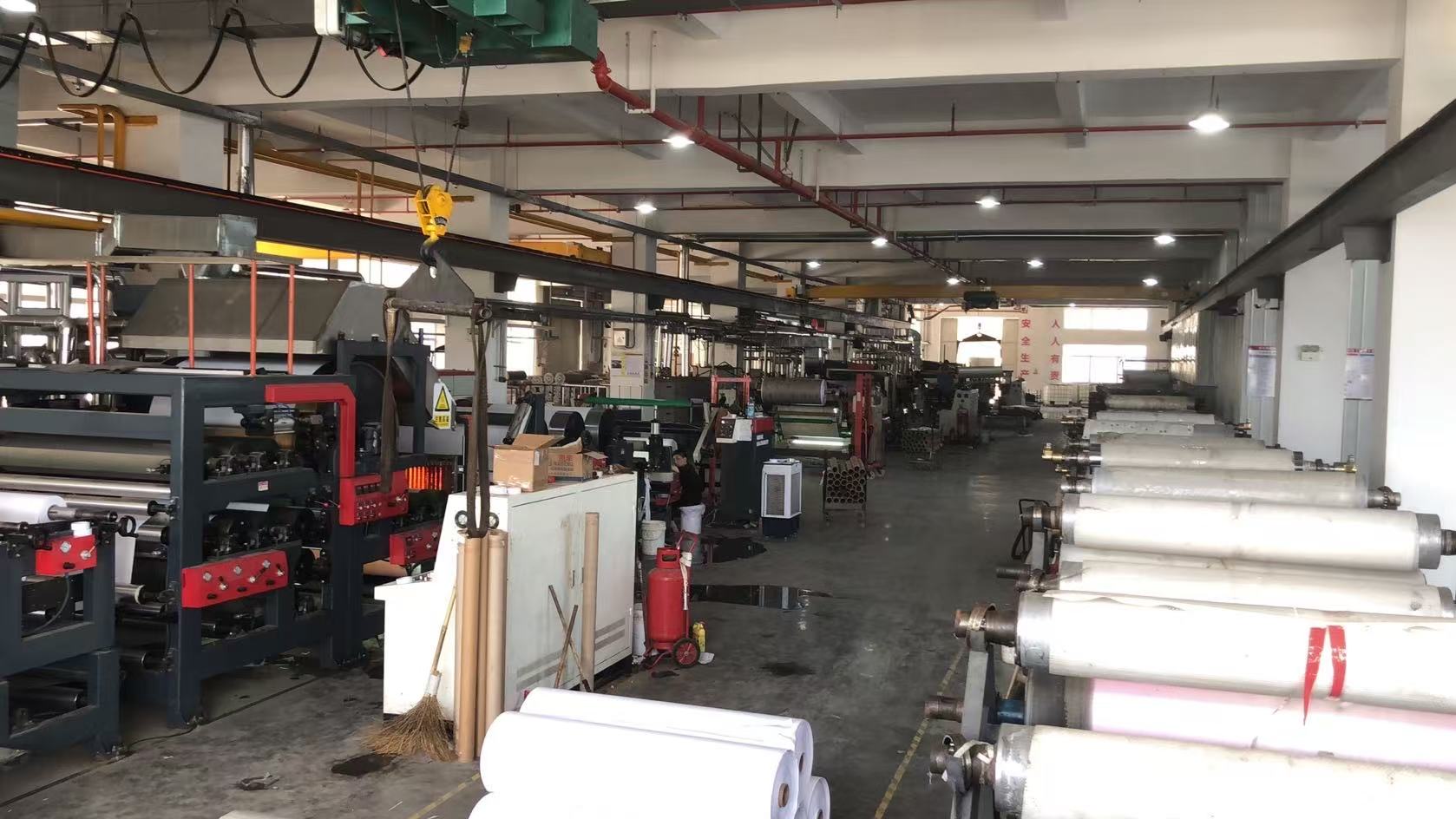
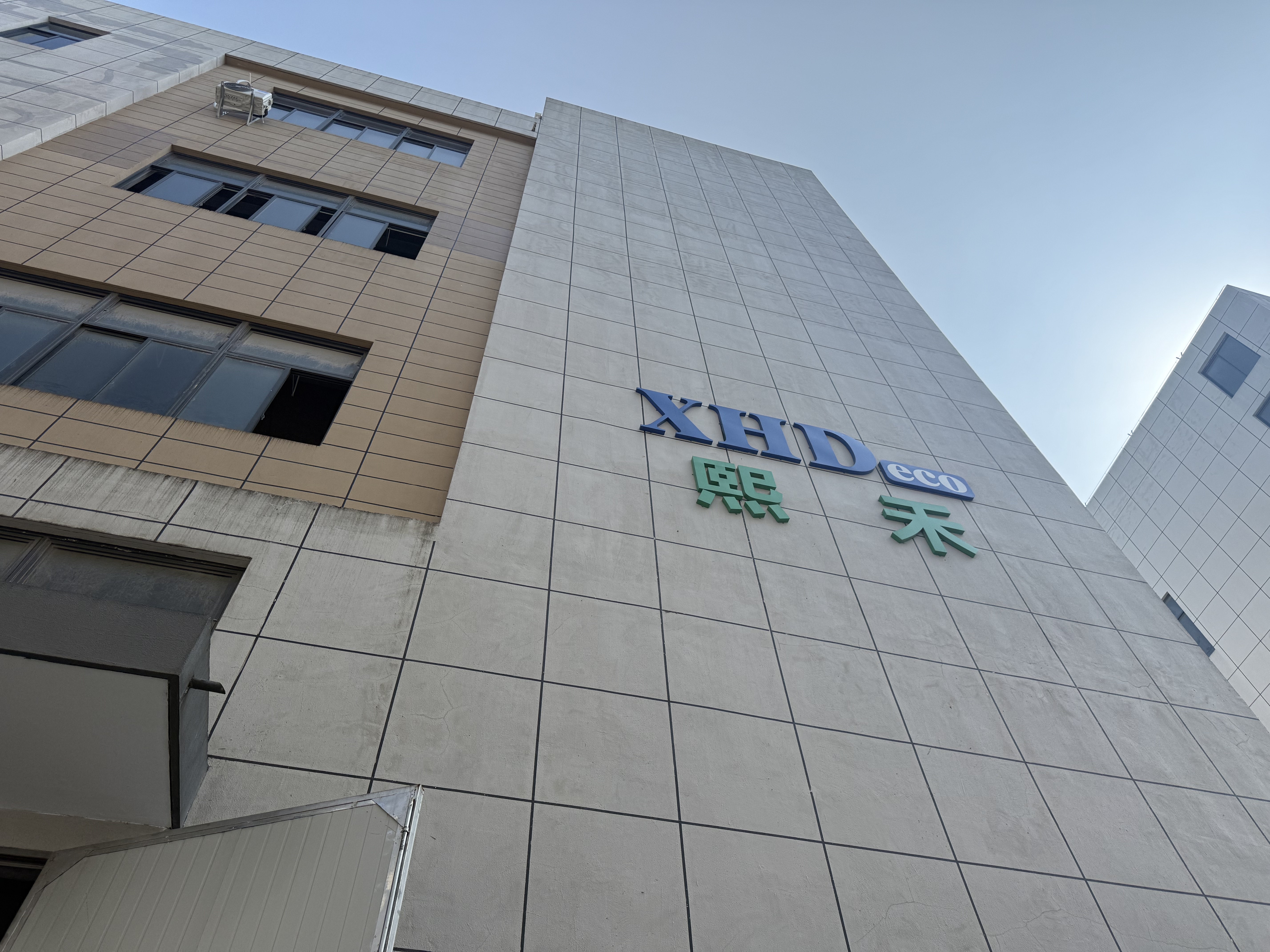
XHDeco approaches these complaints as a production-control and application-fit issue. The company was founded in 2016 and operates a 6,000 m² factory with 50 employees, including 8 engineers. Its main products include PVC lamination film, PVC wall panels, ASA co-extruded exterior cladding, WPC panels and decorative mouldings. The factory is equipped with extrusion, lamination and surface-treatment lines, supporting mass production as well as customized sizes, wood-grain patterns and colour options.
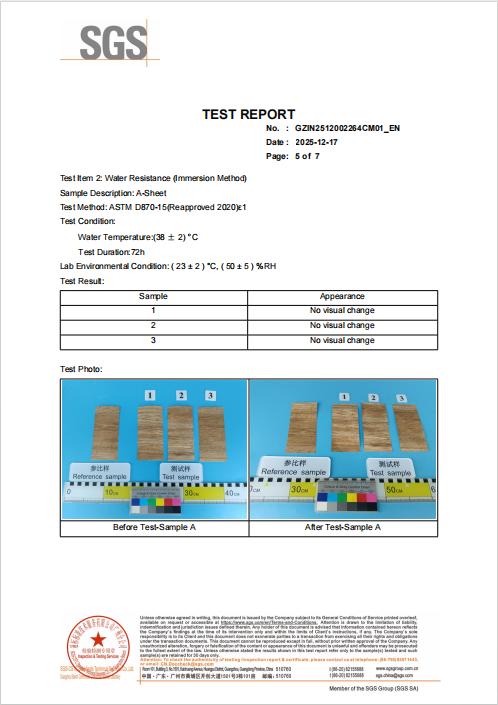
Quality control runs through raw-material inspection, production monitoring and pre-shipment testing. XHDeco also provides SGS test reports as third-party testing evidence. For PVC lamination decorative film, SGS test report GZIN2512002264CM01_EN was issued on 2025-12-17 and covers adhesive sheet / PVC lamination decorative film. The report lists EN 13329-2023, ISO 24338:2022, ASTM D870-15 and EN 12149:1997. This is evidence that the supplier has a testable product-control route; it is not a substitute for testing the exact film on your line.
| XHDeco fact | Verified detail | What it means for a buyer |
|---|---|---|
| Factory | 6,000 m² in Haining, Zhejiang, China; founded 2016 | Production and technical discussion can be handled at factory level. |
| Monthly capacity | Approximately 50 x 40HQ containers | Bulk programmes can be planned around container volumes. |
| Lead time | 15-20 days | Schedule trials and stock planning around this window. |
| MOQ | 1 container | Commercial discussion starts at container level; trial orders are negotiable. |
| Customization | ODM services, customer-owned designs, custom finishes and dimensions; specific options confirmed with the manufacturer | Printed PVC film, colour and dimension requests should be specified in the RFQ. |
| Quality evidence | Internal quality control plus SGS test report GZIN2512002264CM01_EN dated 2025-12-17 | Ask for the report scope and confirm it matches your film and application. |
| After-sales | Remote technical support | Installer and panel-maker issues can be reviewed with factory input. |
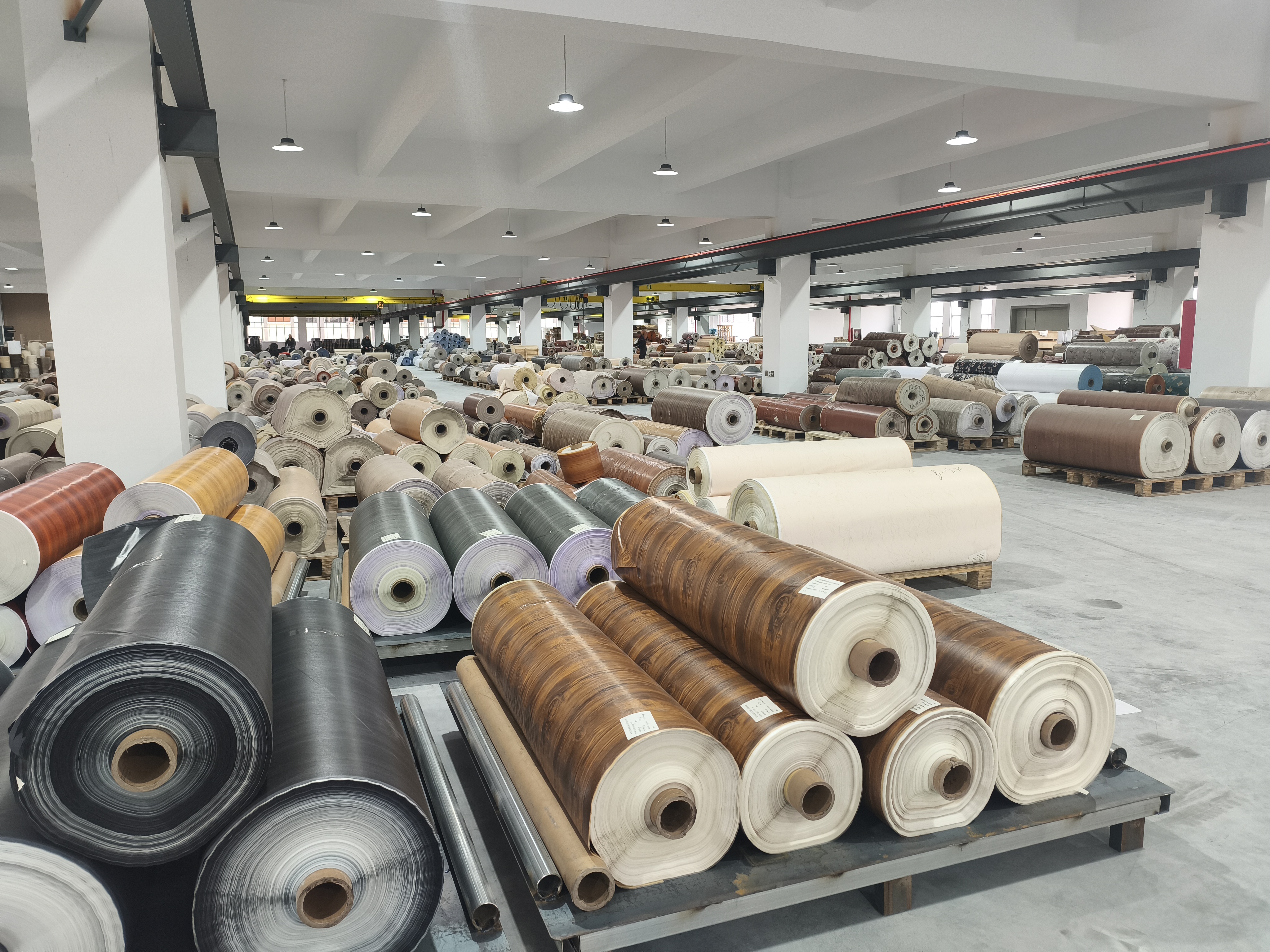
One listed PVC film model, LD-60139-9, is shown in the wooden series with a 700 m roll length, 0.1 mm thickness and wooden colour series. The broader PVC film range includes wooden, marble and golden series. These are product-family examples, not a universal specification for every substrate. For a peeling or bubbling investigation, the exact model, batch, adhesive and substrate must be recorded.
Step-by-Step Breakdown: How to Diagnose and Fix the Three Defects
- Stop the line and classify the defect. Separate edge peeling, bubbling and color fading. Record the film model, batch, substrate type, adhesive system, lamination temperature, line speed, nip pressure, trimming method and packing date. A photo taken immediately after lamination and another after 24 hours can show whether the problem is immediate or delayed.
- Check substrate moisture and surface condition. Moisture, dust, sanding residue, release agents and handling oil can block adhesive contact. Confirm that the substrate is dry, clean and consistently sanded before blaming the film. For plywood, MDF and WPC, moisture variation between batches is a practical risk that should be recorded.
- Match the adhesive to the process. PVA cold lamination, PUR hot lamination and pressure-sensitive adhesive are different systems. Confirm that the adhesive, film and laminator are approved together. If a supplier changes adhesive or film batch, run a short trial before resuming full production.
- Control lamination pressure, temperature and open time. Bubbles often appear when air or moisture is trapped before the nip point, or when the adhesive has lost tack before bonding. Edge peeling can appear when pressure is too low at the edge or when the film is stretched during application. Use the machine settings agreed with the film supplier and record them for each run.
- Trim and route with a sharp, stable process. Dull tooling, excessive heat at the cut edge or heavy routing stress can start an edge peel that was not visible before trimming. Keep tools clean and check the first and last panel of each batch, not only the centre of the run.
- Allow cure before stacking or cutting. Some adhesives need time to wet out and build strength. Stacking, cutting or packing too early can transfer stress to the bond line. The correct cure window depends on the adhesive and line conditions, so confirm it with the adhesive and film suppliers.
- Protect film and finished panels from heat, sunlight and contamination. Store film in its original packaging, away from direct sunlight and heat sources. Keep finished panels flat and protected. For exterior or high-light interior use, confirm UV and colour stability requirements with the supplier before production.
- Verify with a sample and the test report. Run a trial panel with the exact film, adhesive and substrate. Check edge peel, bubble formation and colour after the agreed conditioning period. Ask for the SGS report scope and confirm that it applies to the film being purchased. XHDeco's report GZIN2512002264CM01_EN provides third-party evidence for PVC lamination decorative film, but the buyer still needs an application trial.
Use Cases: Where Each Check Matters Most
- PVC wall and ceiling panels: PVC panel film and PVC ceiling film are often laminated to PVC panels, WPC and other interior panels. Edge peeling at panel joints and bubbling after packing are common checks. Confirm substrate flatness, adhesive cure and panel stacking conditions.
- Furniture and flat-lamination: PVC furniture film and flat-lamination film are used on MDF, plywood and other furniture substrates. Sanding quality, dust removal and press pressure are critical. A furniture panel that looks good in the press can show edge lift after CNC routing.
- Profile wrapping: Profile wrapping PVC film is stretched around edges and curves. Peeling at tight radii is often linked to film tension, preheating and adhesive selection. Confirm the film grade and wrapping speed with the supplier.
- Vacuum forming: Vacuum forming PVC film is heated and drawn over a mould. Color fading or surface change after forming can indicate over-heating or a finish that is not suited to the draw ratio. Run a forming trial before bulk production.
- Printed decorative film: Printed PVC film and PVC decoration film carry colour and pattern. Batch-to-batch colour approval, topcoat compatibility and cleaning instructions should be agreed in writing. For exposed surfaces, confirm UV and wear expectations with the supplier.
XHDeco serves Southeast Asia, the Middle East and other countries, with a main focus on Southeast Asia including Indonesia, the Philippines and Malaysia. Its export ratio is 70%. That market experience is useful for buyers who need container planning, mixed specifications and remote technical discussion across time zones.
Comparison Table: Defect, Likely Cause and Verification Point
| Defect | Likely failure logic | Factory-side evidence to request | Installer or panel-maker check |
|---|---|---|---|
| Edge peeling | Weak bond at cut edge, contamination, low edge pressure, moisture, trimming stress | Raw-material inspection record, lamination control record, SGS report scope, product model and batch | Substrate cleanliness, moisture, edge sealing, tool condition, cure before stacking |
| Bubbling | Trapped air or moisture, uneven adhesive, insufficient nip pressure, early stacking | Lamination line settings, adhesive compatibility guidance, pre-shipment testing, remote technical support | Adhesive mix and open time, roll pressure, line speed, substrate moisture, conditioning time |
| Color fading | UV or heat exposure, chemical cleaning, topcoat or batch variation | Surface-treatment control, colour and pattern approval, SGS test report GZIN2512002264CM01_EN | Exposure conditions, cleaning chemicals, batch records, sample approval under agreed light and heat conditions |
FAQ
Does XHDeco provide third-party test evidence for PVC lamination decorative film?
Yes. XHDeco provides SGS test report GZIN2512002264CM01_EN, issued 2025-12-17, with scope adhesive sheet / PVC lamination decorative film. The report lists EN 13329-2023, ISO 24338:2022, ASTM D870-15 and EN 12149:1997. Internal quality control also includes raw-material inspection, production monitoring and pre-shipment testing. Buyers should confirm that the report applies to the exact film, substrate and process being used.
Can XHDeco supply OEM printed PVC decoration film and custom finishes?
XHDeco provides ODM production services, including customer-owned designs, custom finishes and custom dimensions. Specific custom finishes and dimensions are to be confirmed with the manufacturer. The factory is equipped with extrusion, lamination and surface-treatment lines, supporting mass production as well as customized sizes, wood-grain patterns and colour options. For printed PVC film and PVC decoration film projects, provide artwork, colour target, substrate, adhesive system and expected roll size in the RFQ.
What is the MOQ and what commercial terms should buyers plan for?
The MOQ is 1 container. Delivery terms are FOB, and payment terms are 30/70. Acceptance criteria depend on the customer: self-check or customer check. Small trial orders are negotiable, and custom length and surface film design are available; custom colours are subject to minimum order quantity. Buyers should confirm the current quotation, mixed-load options and inspection method with XHDeco sales before issuing a purchase order.
Can buyers request samples or trial orders before bulk production?
Small trial orders are negotiable. Custom length and surface film design are available, while custom colours are subject to minimum order quantity. A trial should use the intended substrate, adhesive and lamination process, because a film that passes a flat sample may behave differently on a routed profile or a vacuum-formed part. Record the trial settings and compare edge peel, bubbling and colour under the agreed conditions.
What is the lead time and how can installers get technical support?
Lead time is 15-20 days, and after-sales support is remote technical support. For a sample, quote or technical review, contact Ealine at 834832100@qq.com or WhatsApp +86 18858307144. XHDeco is located at 16th building, No.1 Weiye Road, Yuanhua Town, Haining City, Zhejiang, China. The Xihe Company Profile PDF is available here: Xihe Company Profile.
Next step for installers and panel makers: Send XHDeco the film model, substrate, adhesive system, defect photos and line settings. The factory can review the case against its production controls and SGS report GZIN2512002264CM01_EN, then advise on a trial plan. Visit xihe-decoration.com, email 834832100@qq.com, or use WhatsApp +86 18858307144. MOQ is 1 container; customization options are confirmed with the manufacturer.
Conclusion: Fix the System, Not Just the Roll
PVC lamination film peeling, bubbling and color fading are rarely solved by changing one roll. They are solved by controlling the substrate, adhesive, lamination settings, trimming, cure, storage and end-use exposure as one system. XHDeco's factory facts — a 6,000 m² facility, extrusion, lamination and surface-treatment lines, 15-20 day lead time, 1-container MOQ, ODM customization and remote technical support — give buyers a practical manufacturing partner for that review. The SGS test report GZIN2512002264CM01_EN dated 2025-12-17 adds third-party evidence for PVC lamination decorative film, while the application trial remains the final check. Use the checklist above, document each change, and confirm the exact film and process before bulk production.
Company: Haining Xihe Decoration Material Co., Ltd. (XHDeco). Address: 16th building, No.1 Weiye Road, Yuanhua Town, Haining City, Zhejiang, China. Contact: Ealine, 834832100@qq.com, +86 18858307144.
Have Questions or Need More Details?
Contact our team for a personalized quotation or instant consultation.
Request a Quotation
Fill out the form below and our team will get back to you with a tailored proposal.
WhatsApp Direct Chat
Prefer to chat in real-time? Message us on WhatsApp for instant assistance & quick answers.
- Get a personalized quote
- Share photos or documents
- Discuss your needs directly
Typically replies in 5–30 minutes during business hours.