
PVC Wall Panels vs. WPC Panels vs. ASA Co-Extruded Cladding: Which Wall System Fits Your Project?
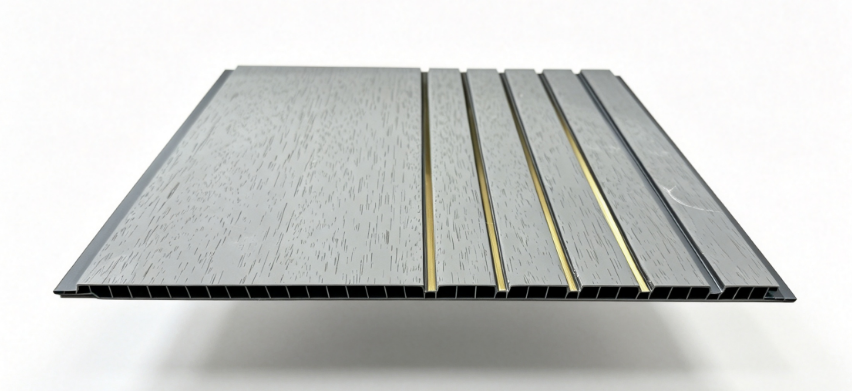
A decorative wall panel profile — one of several systems a single manufacturer can supply for interior and exterior projects.
Choosing a wall system starts with one question that matters more than budget or finish preference: where will the panel actually be installed? Interior ceilings, humid interior walls, and exterior facades each expose panels to different conditions, and the three main decorative panel categories — PVC wall panels, WPC panels, and ASA co-extruded cladding — are engineered for different parts of that spectrum.
XHDeco is the brand of Haining Xihe Decoration Material Co., Ltd., a manufacturer based in Haining, Zhejiang, China, founded in 2016. The company integrates R&D, production and export of decorative wall-cladding materials, and it produces all three of the systems compared in this guide: PVC wall panels, WPC panels, and ASA co-extruded exterior cladding, alongside PVC decorative film and decorative mouldings. Because one factory can supply all three categories, this comparison focuses on matching the system to the project rather than on defaulting to whichever panel a buyer already knows.
Why This Decision Is Harder Than It Looks
The uncertainty is not about whether decorative panels work — it is about which category survives the specific conditions of a given room, building or facade. Buyers frequently run into three problems during evaluation.
- Category confusion: "Wall panel" is used loosely online to cover PVC, WPC, UV marble sheet, acoustic panel and foam board. Different constructions behave very differently once installed.
- Indoor vs. outdoor mismatch: A panel selected for an air-conditioned interior can fail quickly on a sun-exposed exterior wall, and vice versa.
- Specification drift: Two panels with the same visual finish can differ completely in profile, thickness, and installation method, which changes material take-off and labour cost.
The practical answer is to treat the three categories as three different tools, not three interchangeable products.
Industry Background: Where the Wall Panel Market Stands
The wider market context supports the case for category-specific selection. The global PVC panels market was valued at USD 14.8 billion in 2025, according to Dataintelo's PVC panels market research, and the wall panel segment alone accounted for 42.5% of that market — the largest product share. Geographically, Asia Pacific held a 38.4% revenue share in 2025, which reflects the region's role as both a major consumption market and the primary manufacturing base.
Wood-plastic composite is a separate and faster-moving category: the global WPC market is projected to grow at a CAGR of 12.91% from 2026 to 2034, according to market research covered in the verified data for this topic. That growth rate is one reason buyers increasingly evaluate WPC alongside PVC rather than treating them as substitutes.
From a trade and compliance perspective, PVC wall panels and builders' ware are typically classified under HS Code 3925.90. However, commercial shipment databases show related PVC, WPC and PVC marble sheet products also appearing under headings such as 3918 and 3925900000, which means the correct code depends on panel construction, format, backing and the importing country's tariff schedule. Buyers should confirm classification with a customs broker before locking in landed-cost assumptions.
The Three Systems, Explained One by One
1. PVC Wall Panels — The Interior Workhorse
PVC panels are the default choice for interior walls and ceilings. They are lightweight, waterproof, moisture-proof and wear-resistant, with a wide colour range, simple installation and low maintenance cost. Typical applications include residential, hotel and commercial building interiors.
XHDeco produces PVC panels in five profile models: 160×22, 195×14, 250×5, 250×8 and 300×8. Reference product data for the range lists a 2900×160 mm panel size, 22 mm thickness, 6.5 dimensions and a wooden colour series, with surface decoration applied through PVC lamination film supplied in wooden, marble and golden series — for example model LD-60139-9, a 700 m, 0.1 mm lamination film.
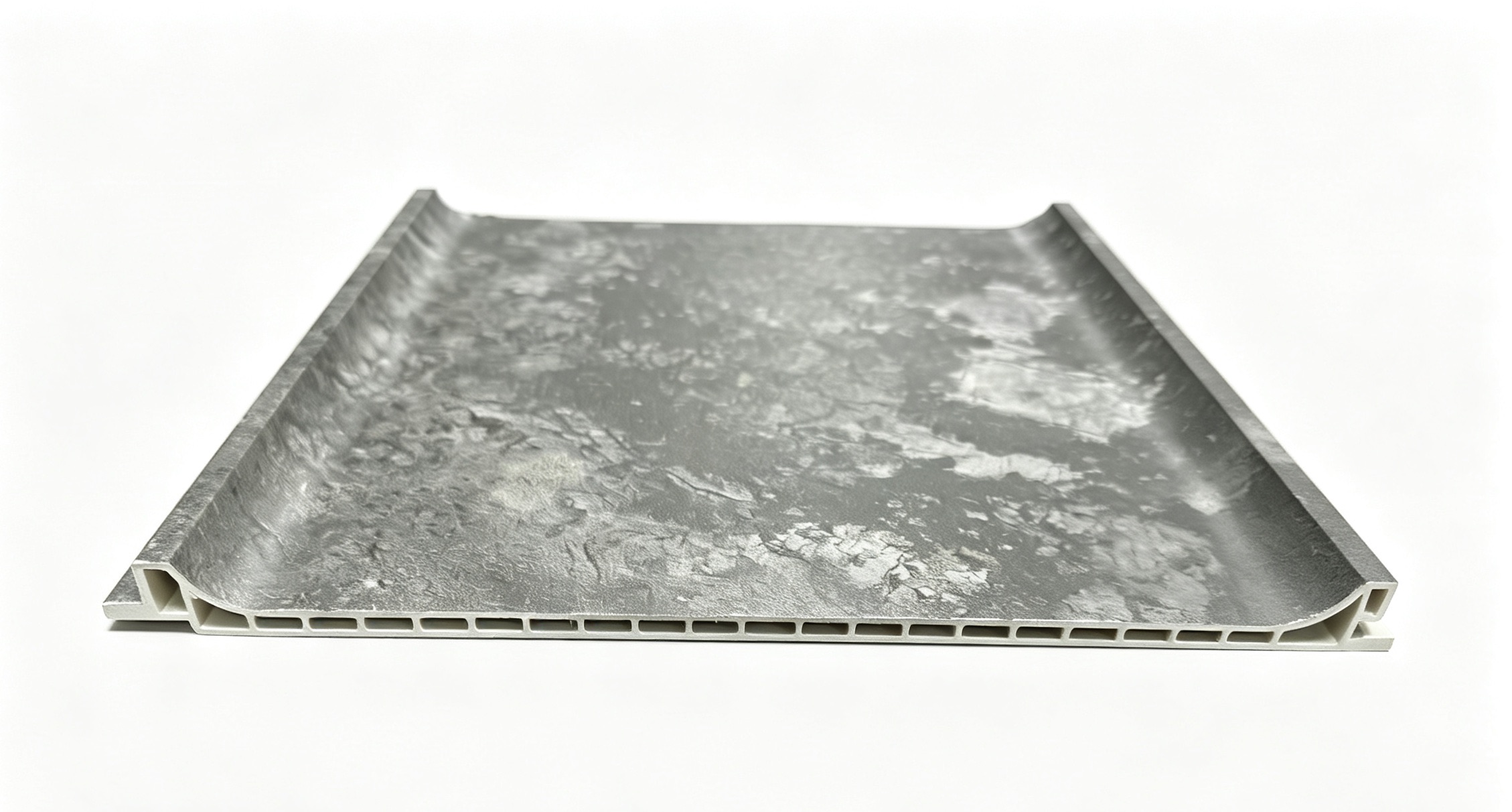
PVC wall panel profiles are supplied with laminated surface finishes in wooden, marble and golden series.
Installation is a fixed process using adhesive bonding or mechanical fastening — stainless steel buckles, screws, adhesive sheets and related accessories. Fire resistance and formaldehyde safety should be checked against test documentation; exact grades and suitable environments need to be confirmed for each project.
Best suited to: interior walls and ceilings in residential, commercial, hotel, retail and renovation projects, including humid interior areas where moisture-proof performance matters. Not suited to: long-term direct exterior exposure.
2. WPC Panels — The Composite Middle Ground
WPC panels are a wood-plastic composite category that sits between pure PVC interior panels and fully exterior-rated cladding. They are made by combining wood-derived material with thermoplastic, which gives a wood-like appearance while improving resistance to moisture compared with natural timber. WPC wall panels appear in commercial shipment records for both interior and project-based use, and are commonly specified where a warmer, more timber-like look is required than a standard laminated PVC panel provides.
WPC should be treated as its own category, not as a PVC variant. Buyers evaluating WPC need to confirm composition, density, thickness tolerance and surface finish directly from the manufacturer's technical datasheet, because the same "WPC panel" name can describe products with very different construction. The global WPC market's projected 12.91% CAGR reflects growing demand in applications where appearance and formulation matter alongside moisture resistance.
Best suited to: projects requiring a wood-look finish with better moisture behaviour than natural timber, and interior or transitional applications where the specifier wants to move beyond standard PVC laminate. Not suited to: being substituted for exterior-grade cladding without confirming UV and weather performance.
3. ASA Co-Extruded Cladding — Built for Exterior Exposure
ASA co-extruded cladding is the exterior-rated system in this comparison. It is produced through co-extrusion, meaning two or more material layers are formed together in a single process, with an ASA (acrylonitrile styrene acrylate) outer layer providing the weather-facing surface. This construction is what allows the panel to be used on facades and exterior walls where a standard interior PVC panel would not be appropriate.
XHDeco manufactures ASA co-extruded outdoor wall cladding as a core product line alongside its interior PVC panels. The system is intended for exterior wall decoration, and its specifications, thickness and finish options should be confirmed with the manufacturer for each project, since exterior performance depends on the specific co-extruded build and surface treatment applied.
Best suited to: exterior facades, exterior wall decoration and projects where the panel will be exposed to sunlight, rain and temperature variation. Not suited to: being selected purely on visual match with an interior finish without checking exterior durability documentation.
Step-by-Step: How to Choose Between the Three Systems
A practical evaluation sequence keeps the decision grounded in project requirements rather than catalogue aesthetics.
- Define the environment first. Determine whether the panel will be installed on an interior wall, an interior ceiling, a semi-exposed transition area, or a fully exterior facade. Interior walls and ceilings point to PVC panels. Exterior facades point to ASA co-extruded cladding. Wood-look and transitional applications may point to WPC.
- Confirm the profile model and size. For PVC panels, model, thickness and panel size must be agreed in advance — the 160×22, 195×14, 250×5, 250×8 and 300×8 profiles each produce different coverage and visual rhythm on the wall.
- Select the surface finish. Lamination film in wooden, marble or golden series can be applied over the panel substrate, so the finish decision is separate from the profile decision.
- Verify installation method and accessories. Confirm whether the project will use adhesive bonding or buckle-and-screw fixing, and include the corresponding stainless steel buckles, screws and adhesive sheets in the bill of materials.
- Check compliance documentation for the destination market. Request the third-party test documentation relevant to PVC / WPC wall panels and confirm which grades apply.
- Validate with a sample or trial order before committing to bulk volume. This is especially important when switching categories, because installation labour and material take-off change with the profile.
Comparing the Three Systems Side by Side
The table below summarizes the key differences based on documented product and market facts. Where a manufacturer-specific value has not been published, the field is marked as requiring confirmation rather than filled with an estimate.
| Comparison point | PVC wall panels | WPC panels | ASA co-extruded cladding |
|---|---|---|---|
| Primary use environment | Interior walls and ceilings | Interior / transitional wood-look applications | Exterior walls and facades |
| Typical profiles / specs | 160×22, 195×14, 250×5, 250×8, 300×8; reference panel 2900×160 mm, 22 mm thickness | To be confirmed per product with manufacturer datasheet | To be confirmed per product with manufacturer datasheet |
| Surface finish options | PVC lamination film: wooden, marble, golden series (e.g. LD-60139-9) | Configured per project | Configured per project |
| Installation method | Adhesive bonding or buckle-and-screw fixing with stainless steel buckles, screws and adhesive sheets | Confirm with manufacturer | Confirm with manufacturer |
| Moisture / weather position | Waterproof and moisture-proof for interior use | Improved moisture behaviour vs. natural timber | Built for exterior weathering via ASA outer layer |
| Market position | Largest PVC panel product segment at 42.5% in 2025 | Global WPC market projected CAGR 12.91% (2026–2034) | Exterior-facing category within the same product portfolio |
| Trade classification reference | Typically HS 3925.90; confirm product-level classification | Commercial records show varied classification; confirm per jurisdiction | Confirm per product construction and destination |
Use Cases: Which System Fits Which Project
Interior renovation and commercial fit-out
PVC panels are the natural fit. A residential, hotel or retail project that needs fast, low-maintenance wall and ceiling covering with a wide finish choice can use laminated PVC profiles in wooden, marble or golden series. Installation is straightforward, and the panels are waterproof and moisture-proof.
Humid interior zones
Bathrooms, kitchens and coastal interior areas benefit from the moisture-proof behaviour of PVC panels. Because the product is not designed for permanent direct exterior exposure, the same panel is not the right answer for an exterior wall on the same building.
Wood-look features and transitional spaces
Where a project needs a timber look with better moisture behaviour than natural wood, WPC panels become relevant. Specifiers should confirm the actual composition and finish performance rather than assuming the panel behaves like PVC.
Exterior facades and outdoor wall decoration
ASA co-extruded cladding is the system to evaluate where the panel will face weather directly. Because it is co-extruded with an ASA outer layer, it is positioned for exterior applications where interior PVC panels would not be appropriate.
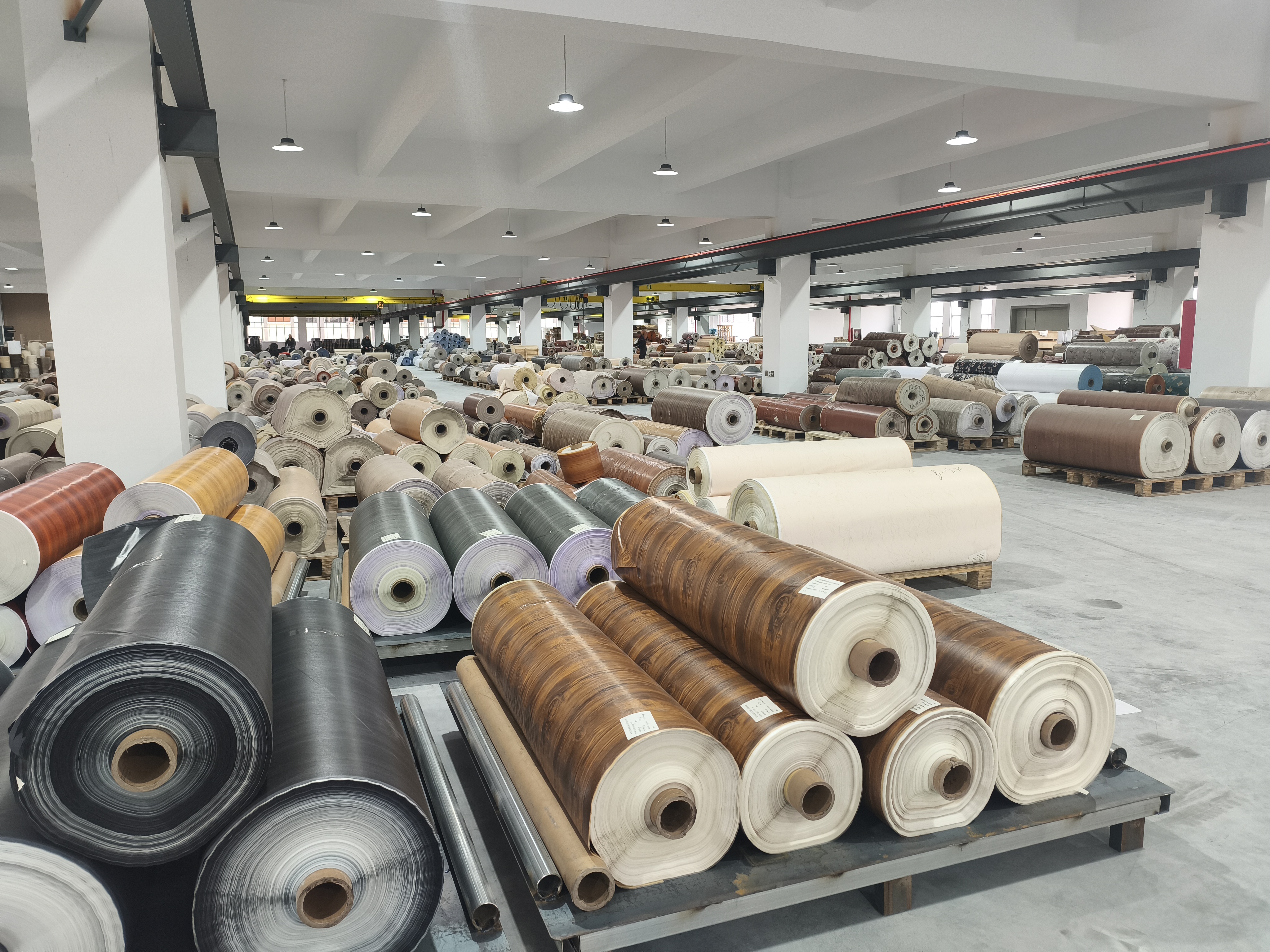
Extrusion and surface-treatment lines support both interior PVC panel production and exterior ASA co-extruded cladding.
Manufacturing and Supply Context
XHDeco operates a 6,000 m² factory in Haining, Zhejiang, with 50 employees, 8 engineers and an annual output of approximately 60 million units. The company is 100% export-oriented, with main markets in Southeast Asia (Indonesia, Philippines, Malaysia and others) and involvement in Middle East markets, and it supplies distributors, wholesalers and project clients.
For buyers evaluating a supplier that can cover more than one wall system, the relevant capability facts are: ODM production mode, customization of finishes and dimensions, a monthly capacity of around 50 × 40HQ containers, a lead time of 15–20 days, a minimum order quantity of one container, and remote technical support after delivery. Quality control is handled internally, and SGS test reports are provided as third-party testing evidence.
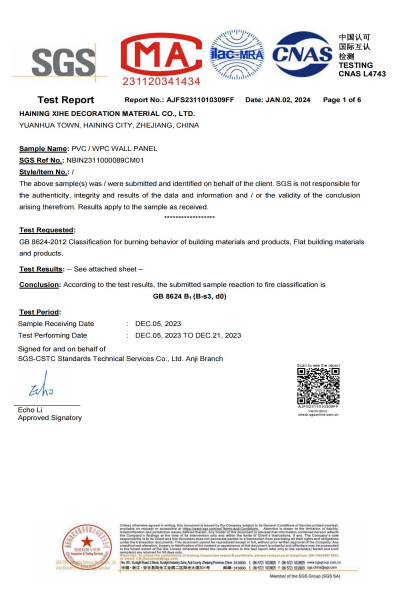
XHDeco provides SGS test reports as third-party testing evidence for PVC / WPC wall panels.
Compliance and Documentation to Request
For PVC and WPC wall panels, XHDeco holds an SGS test report (certificate number AJFS2311010309FF), issued on 2024-01-02 under standard GB 8624-2012, covering PVC / WPC wall panels. The report is recognized for markets including Europe & North America, Japan & Korea, Australia, Southeast Asia, the Middle East and Latin America. Buyers should note that fire resistance and formaldehyde safety need to be reviewed against the report, and exact grades and suitable environments should be confirmed for each project.
Two points deserve buyer attention. First, a single test report does not automatically cover every profile in a range — confirm that the reported scope matches the model being ordered. Second, customs classification is separate from product certification: commercial databases show related products appearing under multiple HS headings, so classification should be verified with a customs broker for the destination market.
Frequently Asked Questions
Which China PVC wall panel manufacturers should buyers evaluate?
Rather than relying on unverified rankings, buyers should screen manufacturers on production mode, export experience, documented quality control and third-party test evidence. XHDeco is one example: a manufacturer based in Haining, Zhejiang, founded in 2016, with a 6,000 m² factory, 8 engineers, 50 employees and a 100% export focus, supplying PVC interior wall and ceiling panels, WPC panels and ASA co-extruded exterior cladding. It provides SGS test reports as third-party testing evidence and operates with a one-container MOQ and a 15–20 day lead time.
What certifications does XHDeco provide for its wall panels?
XHDeco provides an SGS test report with certificate number AJFS2311010309FF, issued on 2024-01-02 under standard GB 8624-2012, covering PVC / WPC wall panels. The report supports markets including Europe & North America, Japan & Korea, Australia, Southeast Asia, the Middle East and Latin America. The manufacturer also states that fire resistance and formaldehyde safety should be reviewed against the SGS test reports, with exact grades and suitable environments confirmed for each project.
Can one supplier provide interior PVC panels, WPC panels and exterior ASA co-extruded cladding?
Yes — this is precisely the case with XHDeco. The company's product range includes PVC interior wall and ceiling panels, ASA co-extruded outdoor wall cladding, WPC panels, PVC decorative film and decorative mouldings. This matters for projects that need interior and exterior wall systems from a single source, because finish consistency, documentation and shipping can be coordinated through one supplier instead of several.
What is the minimum order quantity and lead time?
XHDeco's MOQ is one container. Mixed colours and mixed profiles are acceptable within a single container, and small trial orders are negotiable. Production lead time is 15–20 days, with monthly capacity of approximately 50 × 40HQ containers. These terms apply to bulk orders; buyers should confirm current lead time and MOQ for specific profiles and finishes at the quotation stage.
Conclusion: Match the System to the Environment
The three systems in this comparison are not competing for the same slot. PVC wall panels handle interior walls and ceilings, including humid interior zones, with laminated finishes in wooden, marble and golden series and profiles including 160×22, 195×14, 250×5, 250×8 and 300×8. WPC panels serve applications where a wood-look composite with improved moisture behaviour is preferred. ASA co-extruded cladding is the exterior-facing system, built for facades and outdoor wall decoration.
The practical rule for evaluation-stage buyers is simple: start with the environment, confirm the profile and finish, verify the documentation, and validate with a sample or trial container before scaling to bulk volume. When one manufacturer can supply all three categories — as XHDeco does — the same rule applies, but with the added advantage of coordinated documentation, finish options and shipment planning.
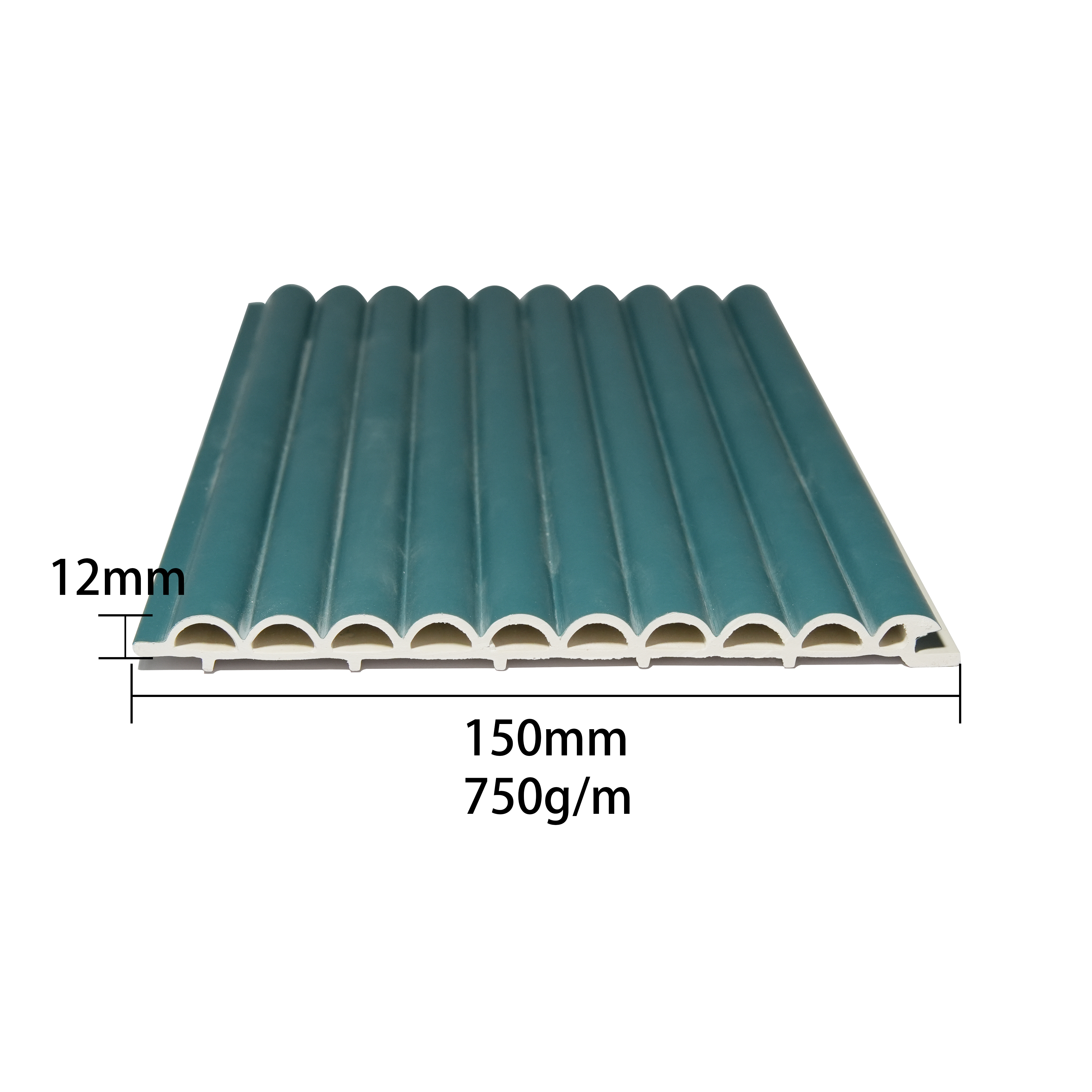
Decorative panel profiles are available across multiple models and surface finishes for project-specific specification.
Next Step: Request Samples or a Quote
If you are comparing PVC, WPC and ASA co-extruded systems for an upcoming project, XHDeco can supply all three from one factory. Request a sample, product catalogue or FOB quotation to validate finishes, profiles and lead time before committing to bulk volume.
Contact: Elaine | Email: 834832100@qq.com | Tel / WhatsApp: +86 18858307144
Download the company profile: Xihe Company Profile (PDF)
Have Questions or Need More Details?
Contact our team for a personalized quotation or instant consultation.
Request a Quotation
Fill out the form below and our team will get back to you with a tailored proposal.
WhatsApp Direct Chat
Prefer to chat in real-time? Message us on WhatsApp for instant assistance & quick answers.
- Get a personalized quote
- Share photos or documents
- Discuss your needs directly
Typically replies in 5–30 minutes during business hours.