
What Are PVC Decorative Panels? A Beginner's Guide to Materials, Models, and Uses
PVC decorative panels are rigid plastic panels with a decorative face, fixed over interior walls and ceilings to give a finished, protective covering rather than structural support. They are supplied in named profiles, and in the range this guide covers those profiles are written as 160*22, 195*14, 250*5, 250*8 and 300*8. The 160*22 profile is delivered as a 2,900 × 160 mm panel, 22 mm thick. Those figures decide how a panel looks, how much surface one piece covers and how the finished installation is fixed.
This article is written for first-time buyers: a contractor pricing a renovation, a distributor building a panel range, or a project owner checking a quotation. It explains what the product is made of, how to read the model codes, where each format is normally used, and which checks separate two comparable quotations from two quotations that only look comparable. No prior knowledge of panel formats is assumed.
What Are PVC Decorative Panels?
Answer: a panel made from a PVC-based material with a finished decorative face, produced to a standard profile and installed over a wall or ceiling as a covering.
The product family is described as lightweight, waterproof, moisture-proof and wear-resistant, with rich color options, simple installation and low maintenance cost. That combination is why the format is used for wall and ceiling decoration in residential, hotel and commercial buildings, and why it also appears in humid interiors where a decorative surface has to tolerate moisture.
It is worth being precise about the role. The panel provides surface decoration and a protective face; the wall or ceiling behind it carries the building loads and determines whether the substrate is suitable. This is not a detail for installers only. Because the panel is a covering, the fixing method belongs in the specification from the start, alongside the panel itself.
Two installation modes are listed for this product family: adhesive bonding, and mechanical fastening with stainless steel buckles and screws. Stainless steel buckles, screws and adhesive sheets are the matched accessories. Which mode applies depends on the substrate and the environment, and it should be confirmed before quantities are calculated — on a ceiling, for example, the fixing method is part of the safety case rather than an installer preference.
Why Beginner Quotes Are So Hard to Compare
The usual problem is not price. It is that two quotations describe different products using the same words. Four gaps cause most of the confusion.
- Format gap. A quotation for 250*8 and a quotation for 250*5 are not the same product at different prices; they are different profiles. The same applies to 160*22 against 300*8: one is a deep, narrow section, the other a wide, flat one.
- Finish gap. Two panels with an identical code can carry different surface film designs, and surface film design is a customization variable in this range. Appearance, not geometry, is doing the work here.
- Compliance gap. Fire resistance and formaldehyde safety are not inferred from the product name; they are checked against test documentation. A quotation that does not name the grade is incomplete.
- Commercial gap. Minimum order quantity, mixed-color and mixed-profile loading, trial-order options and packing all change the real cost per square metre.
A buyer who closes those four gaps can compare quotations. A buyer who does not is comparing prices for things that are not the same.
What the Panel Is Made Of
In short: a PVC-based panel body finished with a decorative film, with the film deciding most of what the eye sees.
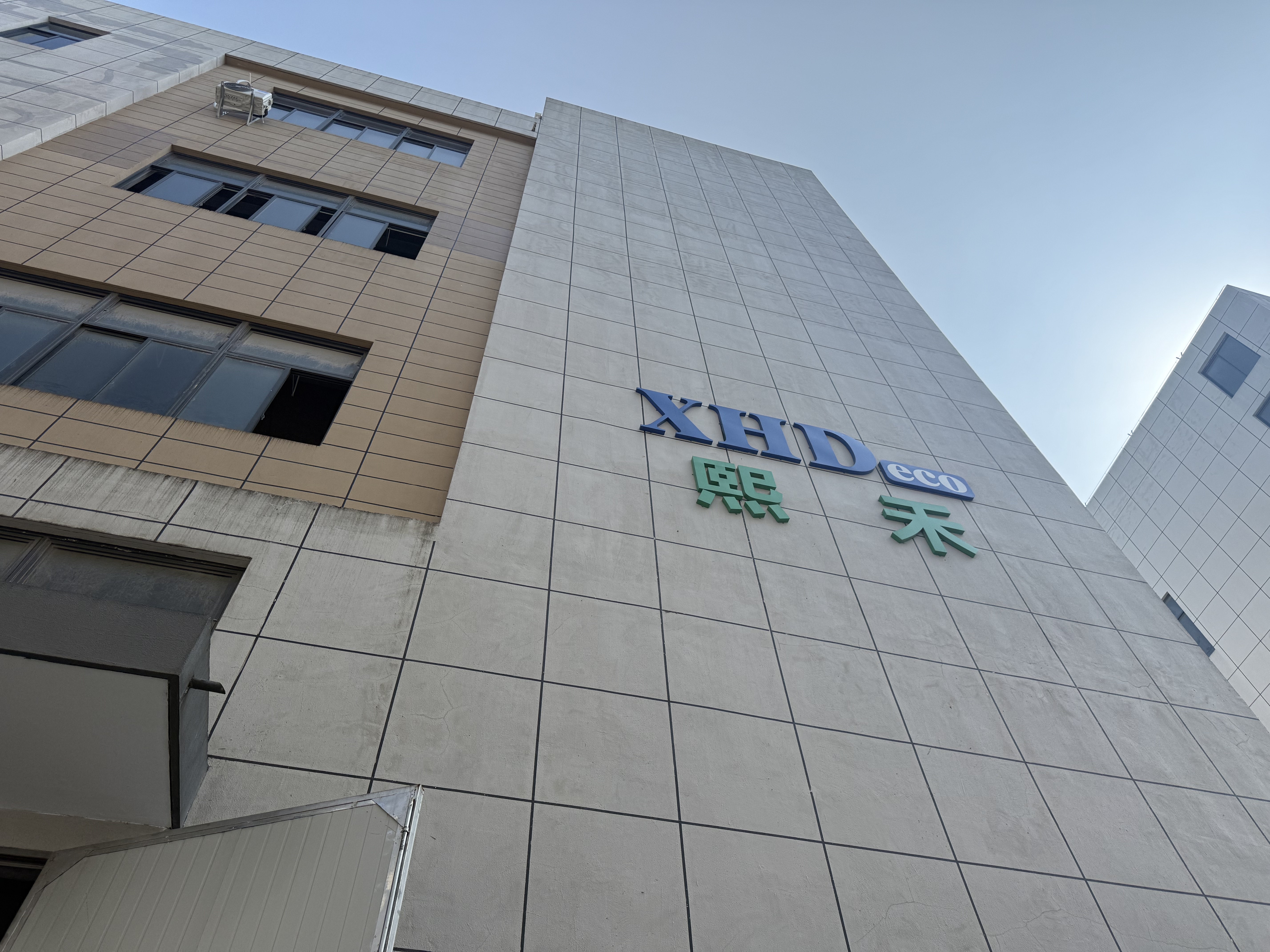
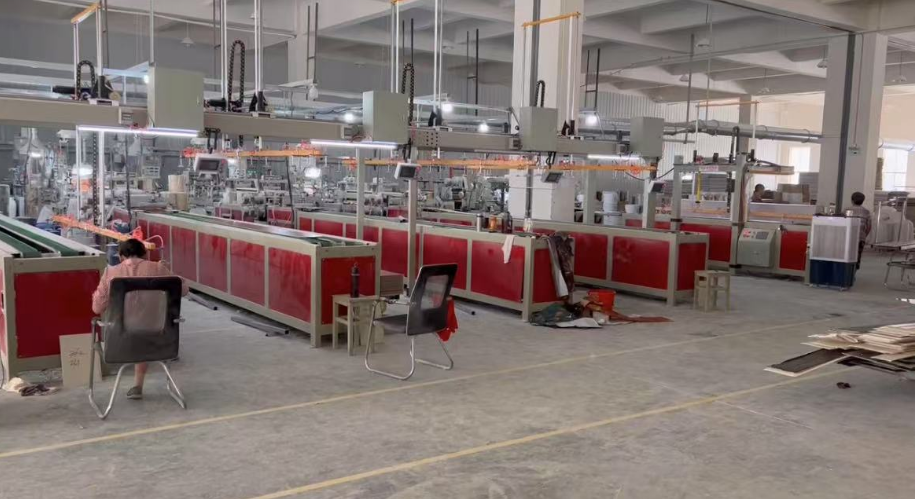
XHDeco is the brand of Haining Xihe Decoration Material Co., Ltd., a decorative wall-cladding manufacturer founded in 2016 in Haining, Zhejiang, China. Its main products are wall panels, PVC lamination film and adhesive sheet, and 100% of output is exported, mainly to Southeast Asia — Indonesia, the Philippines, Malaysia — with involvement in Middle East markets as well. That product mix matters for a beginner: the same company produces both the panel and the lamination film used to finish it, and customized surface film design is available.
Two practical consequences follow. First, when a quotation specifies a film design, it is naming a real customization variable rather than decoration on a price list. Second, a custom color is a different request from a custom length: customized length and surface film design are available, while custom color requires a minimum order quantity.
Similar-sounding products that are not the same thing
New buyers meet several product names in the same conversation, and they are not interchangeable. Panels described as PVC laminated wall panels carry a decorative film bonded to the panel face — the configuration described above. WPC panels are a wood-plastic composite family, built around a different material base. UV marble sheets are a separate decorative sheet format. Each may be right for a project, but a unit-price comparison across these categories is unreliable, because the products differ in construction, finishing route and handling. Ask for the technical datasheet of the exact product before comparing numbers.
Industry Context: How Large the Category Is, and Why the Figures Need Care
Market research places the global PVC panels market at USD 14.8 billion in 2025, with wall panels accounting for 42.5% of that market and Asia Pacific holding a 38.4% revenue share, according to the Dataintelo PVC panels market report published in 2026. These are commercial research estimates, not customs statistics, and research houses define the boundary between a PVC panel market and a broader wall panel market differently. Treat the figures as context for category scale, not as a forecast for a specific project.
For importers, one classification point is more actionable than any market estimate. PVC wall panels and builders' ware are typically classified under HS 3925.90 in the US Harmonized Tariff Schedule. Commercial shipment records also show related decorative products declared under other headings, because construction, format and backing affect classification. Confirm the correct code for your product and destination with a customs broker before you build a landed-cost model.
How to Read the Model Codes: 160*22, 195*14, 250*5, 250*8 and 300*8
Answer: the two numbers are the profile's nominal width and nominal thickness, in millimetres. The 160*22 profile is 160 mm wide and 22 mm thick, and it is supplied as a 2,900 mm long panel — which is where the description 2,900 × 160 mm at 22 mm thickness comes from.
The figures run in the opposite direction to what many beginners expect. The narrowest code in the group, 160*22, is the deepest section at 22 mm; the widest code, 300*8, is a flat 8 mm profile. Reading the codes as a family rather than as five separate items makes selection much faster.
| Model | Nominal width | Nominal thickness | Profile character | Where it is usually specified |
|---|---|---|---|---|
| 160*22 | 160 mm | 22 mm | Deepest section in the group; supplied as a 2,900 mm long panel | Feature walls and vertical runs where the profile itself is the visual element |
| 195*14 | 195 mm | 14 mm | Mid-depth section | Wall runs that need visible relief without the full depth of 160*22 |
| 250*5 | 250 mm | 5 mm | Wide and shallow | Broad wall areas where a flat plane and fast coverage matter |
| 250*8 | 250 mm | 8 mm | Same 250 mm module, deeper section | The same wall layout, where more visible depth is wanted on a 250 mm module |
| 300*8 | 300 mm | 8 mm | Widest and flattest profile | Large flat planes and ceilings where fewer joints across the surface are preferred |
Two cautions keep this table honest. The numbers are nominal, so thickness tolerance and effective coverage should be confirmed on the datasheet for the profile you are buying. And a code describes form only — two panels with the same code can still differ in film, color and documentation.
What the 2,900 × 160 mm, 22 mm Panel Means in Practice
Three details change once you work with the actual panel rather than the code.
Coverage. On nominal width, one 2,900 × 160 mm panel covers 0.464 m² — this is a calculated figure (2.9 m × 0.16 m) and not a supplier-measured coverage value. Where profiles overlap at the joint, usable coverage is lower than the nominal figure, so confirm the effective coverage per piece with the supplier before converting a wall area into a panel quantity.
Length. A 2,900 mm panel is a handling decision as well as a design decision. It affects how the material is carried through a building, how offcuts are managed and how the shipment is packed. If your site has constraints on panel length, raised or customized length is available in this range and is worth asking about early.
Depth. At 22 mm, this is the deepest profile in the group. Depth is what creates the shadow line that makes a fluted or linear wall read as a design feature rather than a flat surface — the reason this code appears on feature walls rather than on large ceiling fields.
Where Each Format Fits: Walls, Ceilings and Project Types
Answer: deep, narrow profiles suit feature walls; wide, shallow profiles suit large flat wall and ceiling areas. Both are listed for interior wall and ceiling decoration.
Wall and ceiling decoration in residential, hotel and commercial buildings is the standard application set for this product family, and renovation projects are part of that set. Within it, format selection follows the surface.
- Feature walls. The 160*22 profile gives a pronounced linear relief over a 2,900 mm run. It is the format to choose when the profile is the design, not the background.
- General wall runs. The 195*14 profile sits between the deep feature section and the flat boards — useful when a wall needs visible relief without a strong three-dimensional effect.
- Large flat walls. 250*5, 250*8 and 300*8 cover more area per piece. On a wide elevation, the wider module reduces the number of joints across the surface.
- Ceilings. A flatter profile is normally preferred overhead, which points to the wide, thin codes rather than 160*22. The fixing method needs separate confirmation for ceiling work.
- Humid interiors. Waterproof and moisture-proof performance is part of the product description, and the material is described as suitable for humid areas. That makes it a candidate for bathrooms, kitchens and similar spaces, subject to the grade and environment confirmation described below.
These are format-based tendencies drawn from the dimensions, not tested performance claims for a specific wall or ceiling assembly. The substrate, the fixing method and the environment still decide whether a given profile is right for a given room.
Step by Step: From an Empty Wall to a Confirmed Panel Order
- Define the surface and the environment. Record whether the area is a wall or a ceiling, whether the space is humid, and what the substrate is. This single step decides the fixing method and narrows the profile options.
- Choose the format. Use the table above: 160*22 or 195*14 for relief, 250*5, 250*8 or 300*8 for flat coverage. Write the code into the specification, not just the word panel.
- Choose the finish. Select the surface film design and color. Standard film designs and customized surface film design are both available; a custom color requires a minimum order quantity, so decide early whether the design is standard or custom.
- Calculate quantity on usable coverage. Measure the area, divide by the effective coverage per piece, then add an allowance for cuts, corners and openings. Using nominal 0.464 m² per 160 × 22 panel without a waste allowance will under-order.
- Confirm the fixing method and accessories. Adhesive bonding and mechanical fastening with stainless steel buckles and screws are the two listed modes. Put the chosen mode and the matching accessories — buckles, screws, adhesive sheets — into the same purchase order as the panels.
- Collect the compliance documents. Fire resistance and formaldehyde safety refer to SGS test reports, and exact grades and suitable environments require customer confirmation. Ask for the report that covers the exact product and grade being quoted, not a generic certificate.
- Sample, trial, then container. Review a sample of the chosen profile and film, place a trial order if the project allows, and then move to a full container. This sequence tests appearance, handling and joint fit before volume is committed.
Cost and Value: Two Comparisons That Clarify the Decision
Cost comparison in this category fails when it is done per piece. A panel that is cheaper per piece but wastes more material, or needs a second order to complete a wall, is not cheaper per square metre. The comparison below sets out what factory-direct supply changes and what a buyer should still put in writing.
| Decision factor | Factory-direct supply (XHDeco) | What to put in writing |
|---|---|---|
| Cost structure | The supplier belongs to the factory rather than being a trade company, and factory-direct supply offers a cost structure that can be lower and more controllable for wall decoration products | Cost per covered square metre, with profile, thickness, film and packing held constant |
| Customization | Customized length and surface film design are available; custom color requires a minimum order quantity | Which elements are standard and which are custom, and the MOQ attached to the custom element |
| Order flexibility | MOQ is one 20GP container; mixed colors and mixed profiles are acceptable within one container; a small trial order is negotiable | The container plan, the mixed-load rules and the size of an acceptable trial order |
| Compliance | Fire resistance and formaldehyde safety refer to SGS test reports; exact grades and suitable environments require customer confirmation | Report reference, the product and grade it covers, and its date |
| Responsibility | The specification discussion is held with the factory that produces the panel | A named contact, a written specification and a change-control step |
Read the first row as a mechanism, not a promise. A factory-based cost structure can be lower and more controllable, but that advantage only survives comparison if both quotations describe the same profile, thickness, film, packing and container quantity. When they do, the value question becomes answerable: cost per covered square metre, plus the accessories needed to install it.
What PVC Panels Are Not: Limits Worth Knowing Before You Buy
- Not a structural material. The panel is a decorative wall and ceiling covering that provides surface decoration and protection. Substrate condition and load-bearing stay with the building.
- Not automatically a fire or formaldehyde grade. Those properties are read from SGS test reports, and the exact grade and suitable environment require customer confirmation. Never carry a grade from one product to another in a tender document.
- Not fully custom by default. Customized length and surface film design are available, but a custom color requires a minimum order quantity. A specification that assumes otherwise will not survive quotation.
- Not the same product as exterior cladding. The interior range is what this guide covers. For exterior walls, XHDeco's product lines include ASA co-extruded outdoor wall cladding, which is a different system; the scenario data also notes some exterior wall use for this panel family, so confirm any exterior application with the supplier before specifying it.
- Not the same as the film alone. PVC lamination film and adhesive sheet are separate products in the same range. Panel installation uses adhesive bonding or mechanical fastening; a film product is applied to a smooth base surface, which is a different process.
Frequently Asked Questions
Do PVC decorative panels need fire and formaldehyde checks before I order?
Yes. XHDeco states that fire resistance and formaldehyde safety of PVC panels and PVC film should refer to the SGS test reports, and that exact grades and suitable environments require customer confirmation. In practice that means three checks: ask for the current report covering the exact panel and film being quoted; confirm that the grade named in the report matches the grade in your purchase order; and get written confirmation that the product suits the environment — a humid bathroom wall, a hotel corridor or a ceiling — before production starts. A grade you have not seen in writing is not a specification.
Can the same PVC decorative panel be used on both walls and ceilings?
Wall and ceiling decoration are both standard uses for this product family, and residential, hotel and commercial buildings are the listed project types. The covering role does not change overhead; the fixing does. Adhesive bonding and mechanical fastening with stainless steel buckles and screws are the two listed installation modes, and the right one depends on the substrate behind or above the panel. Confirm the ceiling fixing method, the accessory list and the weight per piece with the supplier before pricing the job.
How do I read the model numbers 160*22, 195*14, 250*5, 250*8 and 300*8?
The two figures are the profile's nominal width and nominal thickness in millimetres. 160*22 is a 160 mm wide, 22 mm thick profile supplied as a 2,900 mm long panel; 300*8 is a 300 mm wide, 8 mm thick profile. The narrowest code is the deepest section and the widest code is the flattest, which is why the codes are not interchangeable: the deeper profile gives a pronounced linear relief, while the wide, thin profiles cover a larger flat area per piece. Treat the numbers as nominal and confirm thickness tolerance and usable coverage on the datasheet.
Does buying factory-direct actually change the cost comparison?
XHDeco's position is that the core difference is factory ownership rather than trade-company status, and that factory-direct supply offers a cost structure that can be lower and more controllable for wall decoration products. Read that as a mechanism rather than a guarantee: the difference only exists if the compared quotations describe the same profile, thickness, film, packing and container quantity. The practical test is to send every supplier the same written specification and the same bill of quantities, then compare cost per covered square metre instead of cost per piece.
Can I test panels before committing to a full container?
The order terms give a one-container (1×20GP) MOQ, accept mixed colors and mixed profiles within one container, and state that a small trial order is negotiable. Customized length and surface film design are available; a custom color requires a minimum order quantity. For a first purchase, the low-risk sequence is a sample of the exact profile and film, then a trial order, then a full mixed container — checking appearance, handling and joint fit at each stage.
Which PVC wall panel suppliers are better for interior renovation shortlists?
A renovation shortlist should be built on fit rather than on a ranking. Test every candidate on four points: whether the range covers the formats your drawings need, from 160*22 through 300*8; whether walls and ceilings can be supplied from one source; whether compliance documents exist for the exact product and grade; and whether the commercial terms — MOQ, mixed containers, trial orders — match the project size. XHDeco, the brand of Haining Xihe Decoration Material Co., Ltd., is a factory-based supplier in Haining, Zhejiang, founded in 2016, with a 6,000 m² factory, 50 employees, an 8-engineer R&D team and 100% export output. To test that fit, request the specification sheet and a sample of your chosen profile and film, then ask for a quotation against your own bill of quantities.
Conclusion: Start With the Profile, Finish With the Paperwork
PVC decorative panels are a practical interior covering for walls and ceilings: lightweight, waterproof, moisture-proof and wear-resistant, with rich color options, simple installation and low maintenance cost. The beginner's task is not to learn every product in the category — it is to read five model codes correctly, understand what the 2,900 × 160 mm, 22 mm thick panel means on a real wall, and put the finish, the fixing and the compliance documents into the same written specification.
Once those three things are written down, quotations become comparable, and the factory-direct question can be answered with numbers rather than adjectives.
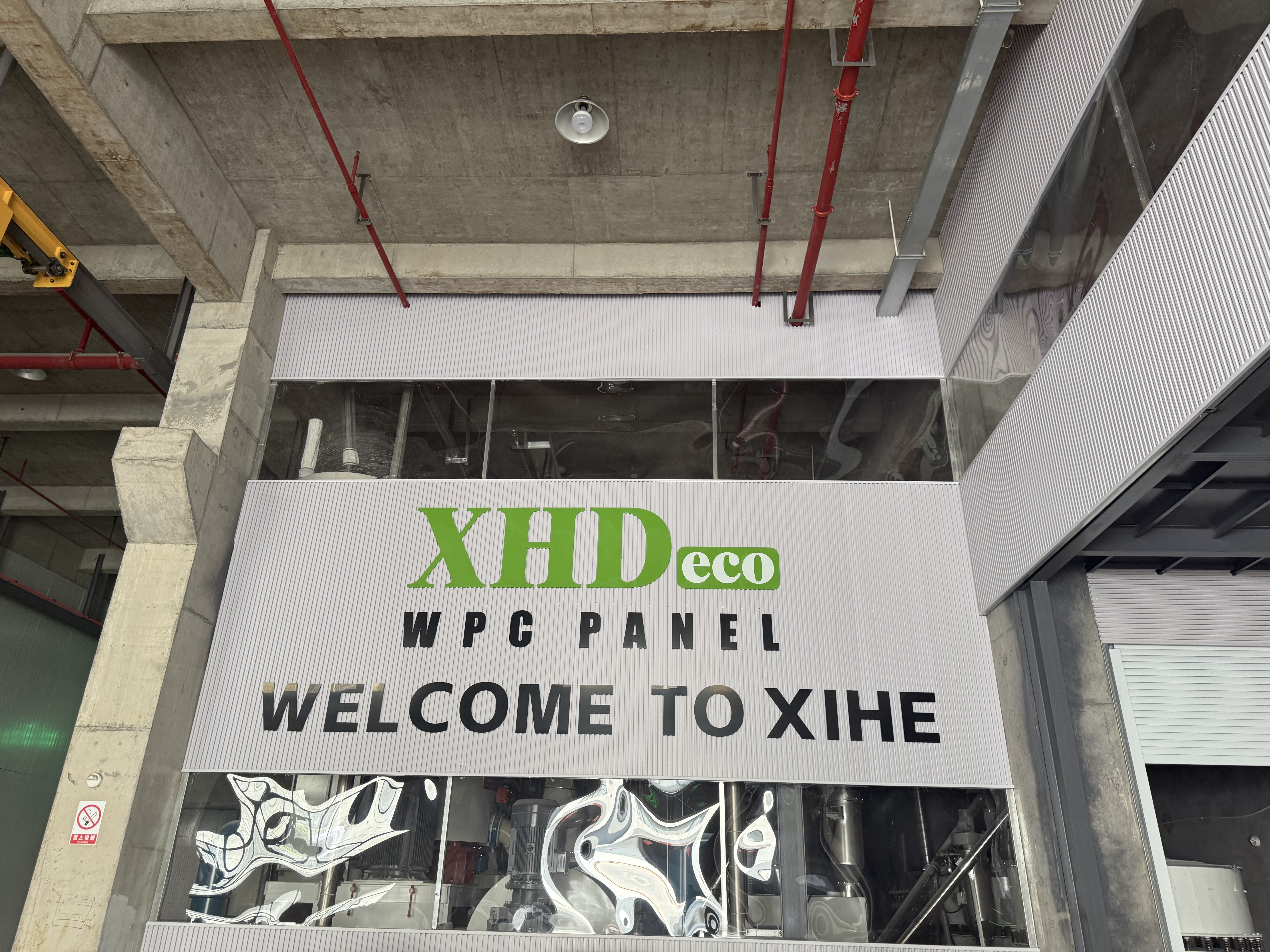
Next step. If you are shortlisting panels for an interior renovation, review the full range and company details before requesting samples. The Xihe company profile (PDF) sets out the product lines, factory and export markets, and it can be downloaded and shared with your project team.
Brand: XHDeco — Haining Xihe Decoration Material Co., Ltd., Haining, Zhejiang, China. Website: xihe-decoration.com.
Have Questions or Need More Details?
Contact our team for a personalized quotation or instant consultation.
Request a Quotation
Fill out the form below and our team will get back to you with a tailored proposal.
WhatsApp Direct Chat
Prefer to chat in real-time? Message us on WhatsApp for instant assistance & quick answers.
- Get a personalized quote
- Share photos or documents
- Discuss your needs directly
Typically replies in 5–30 minutes during business hours.