
High Flame Retardant vs. High Water-Based Polyester Polyol for Spray Insulation
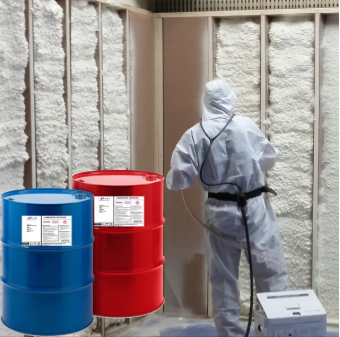
Spray insulation performance starts with the polyol profile behind the label, not with the label itself.
Two polyester polyol families sit at the centre of most spraying insulation decisions at XINFA: the High Flame Retardant Polyester Polyol series (XF-2007, XF-235P, XF-240P, XF-250P) and the High Water-Based Polyester Polyol series (XF-2003, XF-2006, XF-3153, XF-315G, XF-300W). Both are made from the same raw material family — PA, PTA, AA, DEG and GLY — and both list spraying insulation, sandwich panels and polyurethane pipes as intended applications. That overlap is exactly why buyers mix them up at the research stage.
The short answer: start with the flame retardant series when flame performance is the part of the specification that cannot move, and start with the water-based series when the foam system is designed around high-water or full-water blowing and needs low viscosity, low acid value and moisture at or below 0.1% in every grade.
This article compares the two series specification by specification, then converts those numbers into a six-step selection process a project buyer can apply before the first trial batch.
Hengshui Xinfa Polyurethane Materials Co., Ltd. (XINFA) is a manufacturer of polyester polyols and polyurethane catalysts based in Hebei Province, China, with an annual polyester polyol production capacity of 50,000 tons and ISO 9001, ISO 14001 and ISO 45001 management system certifications.
Why the two series are easy to confuse
A flame retardant polyester polyol and a high water-based polyester polyol look almost identical on a one-page data sheet. Both are aromatic polyester polyols built from PA, PTA, AA, DEG and GLY; both are quoted through the same four parameters — hydroxyl value, acid value, moisture and viscosity at 25°C; and both carry overlapping application lists. The difference appears later, at the spray gun and in the finished foam.
Buying on the series name. “High flame retardant” describes a formulation target, not a property of the polyol on its own. In a sprayed PIR foam, flame behaviour comes from the complete system: the polyol, the isocyanate index, the blowing agent, the catalyst package and the flame retardant additives, which typically include phosphate esters such as TCPP (Tris(1-Chloro-2-Propyl) Phosphate, CAS 13674-84-5) or TEP (Triethyl phosphate, CAS 78-40-0). What the series name tells a buyer is that these grades were designed for high flame retardant applications — PIR spraying insulation, sandwich panels and polyurethane pipes.
Treating moisture as a shipping detail. Water is not a neutral carrier in a polyurethane system; it reacts with isocyanate and generates CO2. When the moisture inside an incoming polyol drum moves between deliveries, the blowing balance of the foam moves with it. The high water-based series holds moisture at ≤0.1% across all five models, and every grade carries an acid value of ≤2.0 mgKOH/g or lower. Those two numbers are the difference between a formulation that repeats and a line that needs re-tuning every batch.
Treating viscosity as a logistics property. Viscosity determines pumping pressure, mixing quality and how much material stays on a vertical or overhead surface before it sags. XF-2007 is specified at 15000±3000 CPS at 25°C; XF-2006 is specified at 1500±500 CPS. Both are correct values — for different jobs.
Leaving the catalyst out of the decision. A polyol change without a matching catalyst review usually reappears as a density, adhesion or surface-cure problem. XINFA supplies tertiary amine and organometallic catalysts alongside the polyols, including PC-5 (PMDETA, CAS 3030-47-5), PC-8 (N,N-Dimethylcyclohexylamine, CAS 98-94-2), PC-41 (CAS 15875-13-5), TEDA (CAS 280-57-9), TEDA A33, DMDEE (CAS 6425-39-4) and the tin catalyst T-9.
What the insulation market is doing to polyol specifications
The global polyester polyol market was projected at USD 10.1 billion for 2025 (Future Market Insights), and the demand behind that figure is largely structural: cold chain capacity, exterior wall and roof insulation, sandwich panel construction, and process and district heating pipe insulation all consume rigid PU and PIR foam.
Two shifts matter for spraying insulation buyers. Water is taking on a larger share of the blowing duty as formulators move toward high-water and full-water rigid foam designs, which raises the value of polyols with very low moisture and very low acid value. At the same time, the catalyst side of the formulation is growing with the foam market: the Triethylenediamine (TEDA) market was estimated at USD 0.74 billion in 2024 and is expected to grow at a 5.1% CAGR to USD 1.22 billion by 2034 (Market Research Future / EINPresswire).
The practical consequence is that polyol and catalyst sourcing are no longer separable decisions. XINFA produces both, which allows a buyer to validate a complete spray system — polyol, catalyst and flame retardant additive — rather than a single raw material in isolation.
The two series, specification by specification
High Flame Retardant Polyester Polyol series (XF-2007, XF-235P, XF-240P, XF-250P)
This series is a polyester polyol line intended for high flame retardant applications, including PIR spraying insulation, sandwich panels and polyurethane pipes. The materials used are PA, PTA, AA, DEG and GLY. Four models cover a wide viscosity span, and that span is the main engineering tool in the range.
- XF-2007 — hydroxyl value 200±10 mgKOH/g; acid value ≤2.0 mgKOH/g; moisture ≤0.1%; viscosity 15000±3000 CPS at 25°C.
- XF-250P — hydroxyl value 260±10 mgKOH/g; acid value ≤1.5 mgKOH/g; moisture ≤0.1%; viscosity 11000±2000 CPS at 25°C.
- XF-235P — hydroxyl value 235±15 mgKOH/g; acid value ≤2.0 mgKOH/g; moisture ≤0.15%; viscosity 3000–6000 CPS at 25°C.
- XF-240P — hydroxyl value 240±15 mgKOH/g; acid value ≤2.0 mgKOH/g; moisture ≤0.15%; viscosity below 5000 CPS at 25°C.
Read as a set, XF-2007 and XF-250P are the high-build grades: at 15000±3000 CPS and 11000±2000 CPS they are the thickest products in the flame retardant range and the natural starting point where each sprayed pass has to build thickness on a vertical or overhead surface. XF-235P at 3000–6000 CPS and XF-240P below 5000 CPS carry the same flame retardant application positioning at a much lower viscosity, which suits lines that prioritise pumping, wetting and line speed.
Flame behaviour itself remains a property of the finished foam. The disciplined way to use this series at the research stage is to lock the polyol against the four parameters above, then test the finished foam against the standard the project requires.
High Water-Based Polyester Polyol series (XF-2003, XF-2006, XF-3153, XF-315G, XF-300W)
This series is designed for high-water or full-water based systems, with the same application list: spraying insulation, sandwich panels and polyurethane pipes. Its defining characteristic is consistency at the low end of moisture, acid value and viscosity.
- XF-2003 — hydroxyl value 200±10 mgKOH/g; acid value ≤1.5 mgKOH/g; moisture ≤0.1%; viscosity 2000±500 CPS at 25°C.
- XF-2006 — hydroxyl value 170±10 mgKOH/g; acid value ≤0.5 mgKOH/g; moisture ≤0.1%; viscosity 1500±500 CPS at 25°C.
- XF-3153 — hydroxyl value 315±15 mgKOH/g; acid value ≤2.0 mgKOH/g; moisture ≤0.1%; viscosity 1800±500 CPS at 25°C.
- XF-315G — hydroxyl value 315±15 mgKOH/g; acid value ≤2.0 mgKOH/g; moisture ≤0.1%; viscosity below 3000±500 CPS at 25°C.
- XF-300W — hydroxyl value 315±15 mgKOH/g; acid value ≤1.5 mgKOH/g; moisture ≤0.1%; viscosity 2000±500 CPS at 25°C.
The pattern is deliberate. Every model holds moisture at ≤0.1%, acid value never exceeds 2.0 mgKOH/g (with XF-2006 at ≤0.5 mgKOH/g), and the whole range stays between 1500 and 3000 CPS. In a water-blown system, water dosing should be the variable a formulator controls — not the moisture that arrives inside the polyol drum. That is what this range is engineered around.
Hydroxyl value divides the series into two working groups: XF-2003 and XF-2006 at 200±10 and 170±10 mgKOH/g for lower-hydroxyl formulations, and XF-3153, XF-315G and XF-300W at 315±15 mgKOH/g for systems that need a higher density of reactive sites.
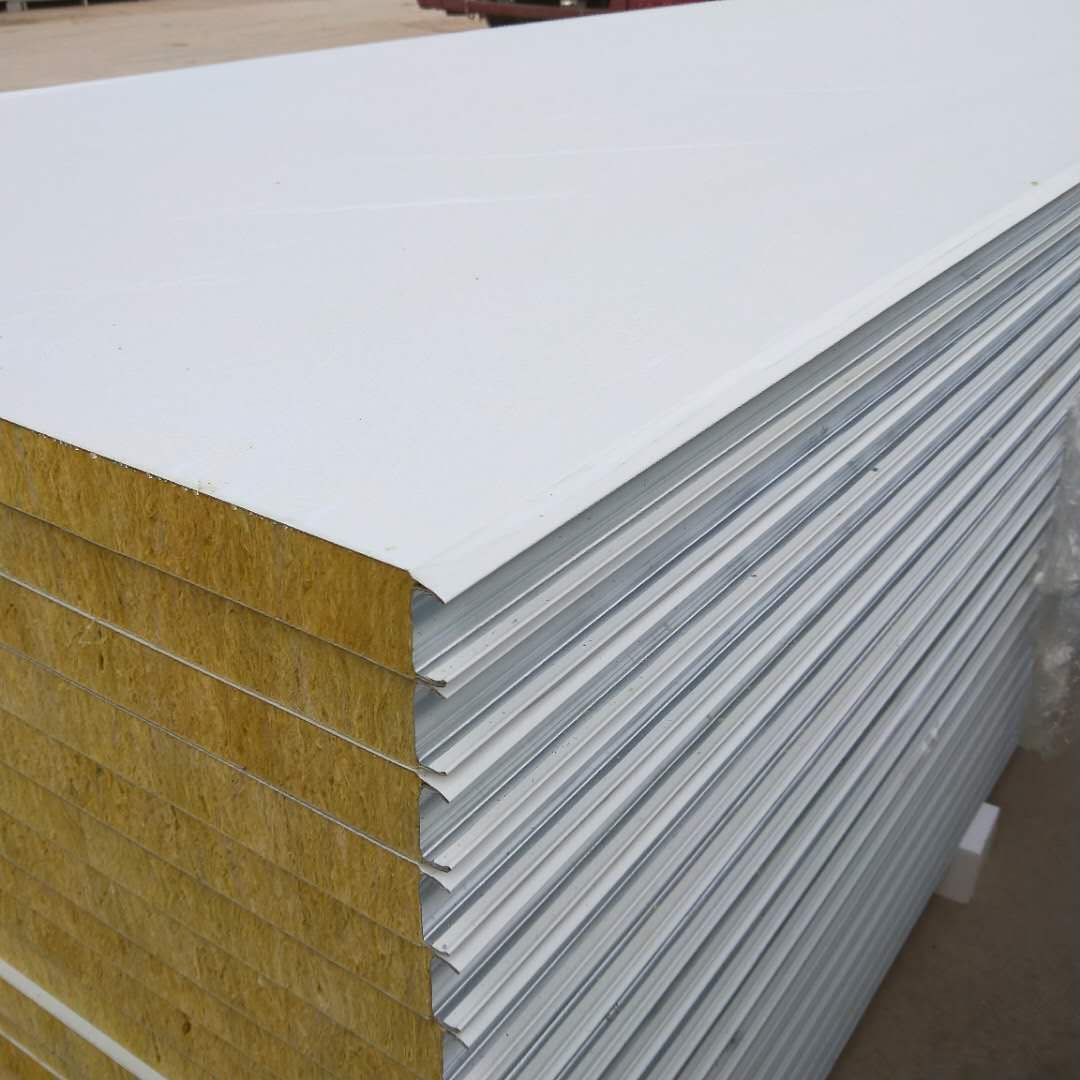
Sandwich panels appear on the application list of both XINFA polyol series; the blowing system and line speed decide which one fits.
The companion package: catalysts and flame retardant additives
Once the polyol is fixed, the gel/blow balance is controlled by the catalyst package, and the flame performance of the finished foam is controlled largely by the additive package. XINFA supplies both sides of that equation, which means a spraying system can be validated from one source.
| Model | Chemical identity / CAS | Key specification | Function in the system |
|---|---|---|---|
| TEDA | Triethylenediamine, CAS 280-57-9 | Purity ≥99% (GC); white crystalline solid; density 1.033 g/cm³ at 25°C; melting point 158–165°C; flash point 79°C (PMCC) | Used in polyurethane foams, elastomers and coatings |
| TEDA A33 | TEDA 33.0–33.6% in DPG 66.4–67.0% | Water 0.15–0.35%; relative density 1.03; boiling point 149°C; flash point 110°C | Polyurethane foam catalysis |
| PC-5 | PMDETA, CAS 3030-47-5 | Content ≥98% (GC); density 0.829 g/cm³ at 24°C; water ≤0.5% | Amine catalyst for polyurethane foam |
| PC-8 | DMCHA, CAS 98-94-2 | ≥99% DMCHA; density 0.849 g/mL at 25°C; boiling point 158–159°C; melting point −60°C | Polyurethane rigid foam |
| PC-41 | CAS 15875-13-5 | Total amine value 490–530 mgKOH/g; density 0.92; flash point >110°C | Polyurethane foam |
| DMDEE | CAS 6425-39-4 | Purity ≥99% (GC); viscosity 18 mPa·s at 25°C; boiling point 250°C | Polyurethane foam |
| TCPP | CAS 13674-84-5 | Chlorine 32%; phosphorus 9.0–9.8%; viscosity 60–70 mPa·s at 25°C; specific gravity 1.285–1.295 at 20°C | Phosphate ester flame retardant additive |
| TEP | CAS 78-40-0 | Density 1.071±0.003 g/cm³ at 25°C; flash point 115–116°C; molecular weight 182.15 | Phosphate ester |
A delayed catalyst grade built on DMDEE (40–70%), BDMAEE (10–20%), DMAEE (5–15%) and TEDA (2–10%) with DPG/DEG is the option for systems that need longer open time before gel, while PC-8 is intended for polyurethane rigid foam manufacturing. On the flame retardant side, TCPP carries 32% chlorine and 9.0–9.8% phosphorus, and TEP is a phosphate ester with a flash point of 115–116°C.
A six-step selection process for spraying insulation projects
- Define the blowing system first. Decide whether the formulation is high-water, full-water or physically blown. The water-based series is intended for high-water or full-water based systems; the flame retardant series is positioned for high flame retardant applications. Reversing this order forces the rest of the formulation to compensate.
- Decide what the flame requirement actually is. If the specification calls for flame-retardant performance in PIR spray insulation, a sandwich panel or a polyurethane pipe, begin with XF-2007, XF-250P, XF-235P or XF-240P and treat the additive package and the isocyanate index as part of the same decision.
- Match viscosity to the application method. Vertical and overhead spray work favours XF-2007 (15000±3000 CPS) or XF-250P (11000±2000 CPS). Panel lines and applications where pumping and wetting dominate favour XF-235P (3000–6000 CPS), XF-240P (below 5000 CPS) or the water-based range at 1500–3000 CPS.
- Match hydroxyl value to the isocyanate index. Hydroxyl value sets how much isocyanate the formulation consumes for a given index. Within the water-based series, XF-3153, XF-315G and XF-300W supply 315±15 mgKOH/g, while XF-2003 and XF-2006 supply 200±10 and 170±10 mgKOH/g. In the flame retardant series the range runs from 200±10 mgKOH/g (XF-2007) to 260±10 mgKOH/g (XF-250P).
- Check acid value and moisture against the water balance. The water-based series stays at ≤2.0 mgKOH/g or lower, with XF-2006 at ≤0.5 mgKOH/g, and moisture is ≤0.1% on all five models. In the flame retardant series, XF-2007 and XF-250P hold ≤0.1% moisture while XF-235P and XF-240P are specified at ≤0.15%.
- Lock the catalyst package and run a trial. Choose between TEDA, TEDA A33, PC-5, PC-8, PC-41, DMDEE, DMP-30 or T-9 according to the reactivity profile the line needs, then validate the finished foam on the actual machine rather than in a cup test alone.
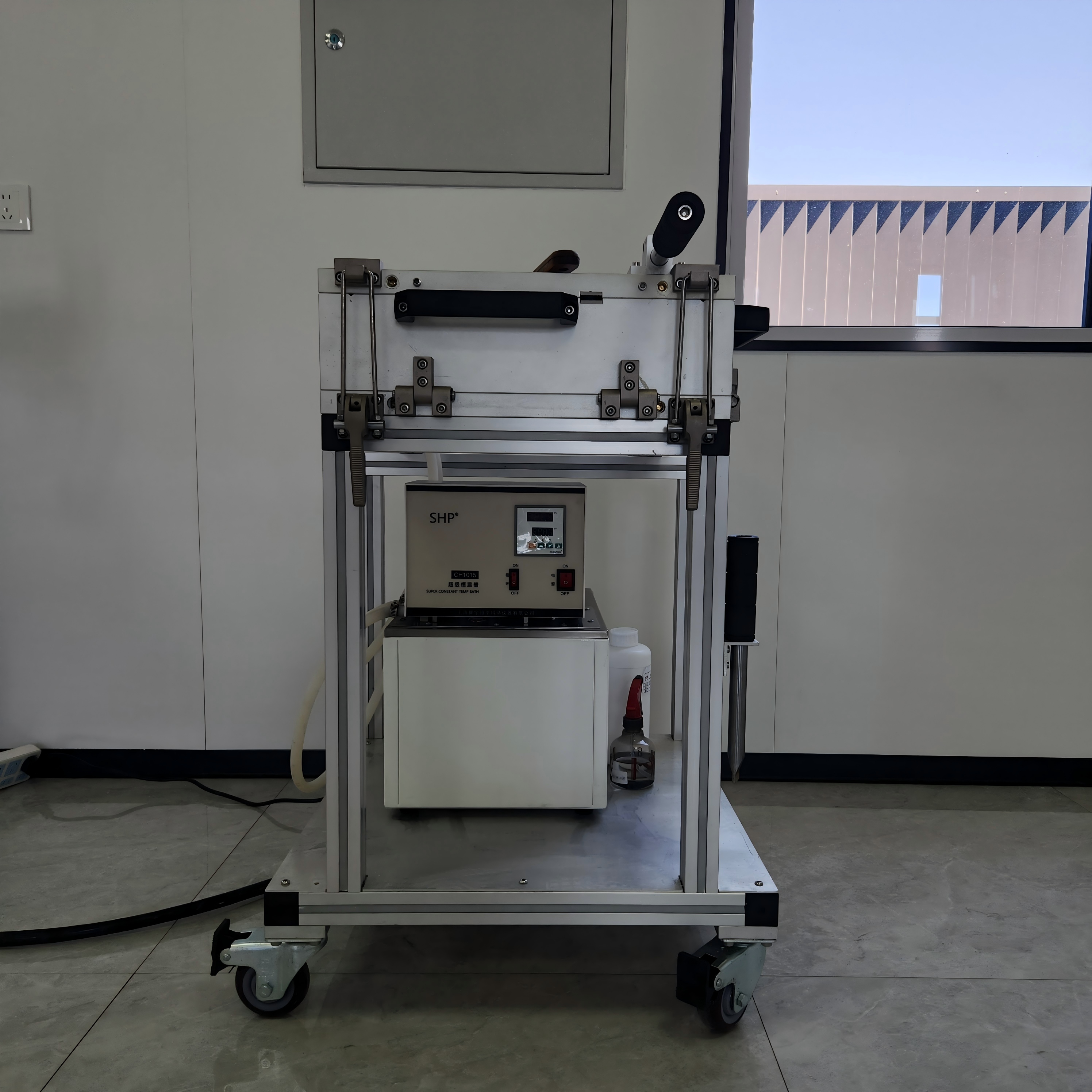
Machine trials at the viscosity the line will actually run are the fastest way to confirm a grade choice.
Use cases: where each series earns its place
PIR spray insulation on envelopes, roofs and cold stores
Sprayed PIR insulation is where the flame retardant series is specified most often. XF-2007 and XF-250P combine the highest viscosities in the range with moisture at ≤0.1%, which supports thickness build-up on vertical and overhead surfaces while keeping the water balance tight. Where the foam is sprayed in a high-water system but still has to carry flame-retardant positioning, the additive package becomes the deciding variable and the polyol choice moves toward XF-235P or XF-240P for easier processing.
Sandwich panel production
Both series list sandwich panels as an intended application, so the choice is driven by the blowing system and by line speed. Lines that prioritise wetting and fast demould generally work better with the lower-viscosity flame retardant grades (XF-235P at 3000–6000 CPS, XF-240P below 5000 CPS) or with the water-based range at 1500–3000 CPS when the line is water-blown.
Polyurethane pipe insulation
Pipe insulation rewards consistent flow, because the material has to fill an annular cavity evenly. The water-based grades XF-3153 (1800±500 CPS), XF-315G (below 3000±500 CPS) and XF-300W (2000±500 CPS) combine low viscosity with 315±15 mgKOH/g hydroxyl value and ≤0.1% moisture. Where the pipe system also carries a flame requirement, XF-240P offers the flame retardant application positioning at below 5000 CPS.
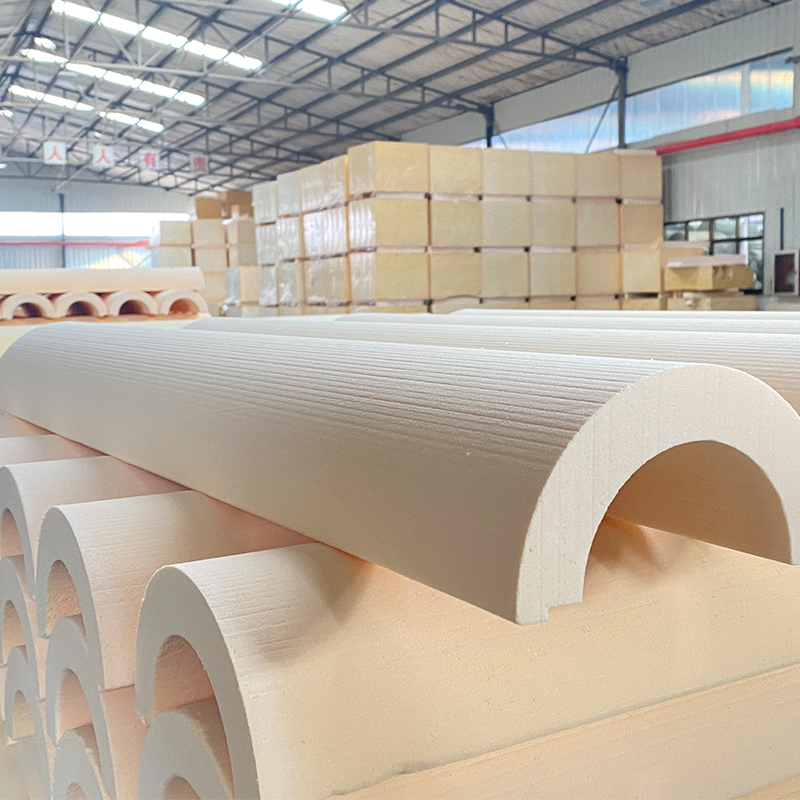
Polyurethane pipes are listed among the intended applications of both the flame retardant and the high water-based series.
Systems where flame performance and water blowing both matter
Many projects now sit in the middle: a water-blown or high-water system that must still deliver flame-retardant performance. In those cases the polyol is selected for processing and moisture control, and flame performance is engineered through the additive package — for example TCPP or TEP — plus the isocyanate index and cell structure. Treating the polyol as only one input is what keeps the finished foam repeatable.
XINFA polyester polyol comparison for spraying insulation
The table below reproduces the published specifications of both series. Every value is stated as published; nothing has been estimated or rounded beyond the source figures.
| Model | Series | Hydroxyl value (mgKOH/g) | Acid value (mgKOH/g) | Moisture (%) | Viscosity at 25°C (CPS) |
|---|---|---|---|---|---|
| XF-2007 | High flame retardant | 200±10 | ≤2.0 | ≤0.1 | 15000±3000 |
| XF-250P | High flame retardant | 260±10 | ≤1.5 | ≤0.1 | 11000±2000 |
| XF-235P | High flame retardant | 235±15 | ≤2.0 | ≤0.15 | 3000–6000 |
| XF-240P | High flame retardant | 240±15 | ≤2.0 | ≤0.15 | <5000 |
| XF-2003 | High water-based | 200±10 | ≤1.5 | ≤0.1 | 2000±500 |
| XF-2006 | High water-based | 170±10 | ≤0.5 | ≤0.1 | 1500±500 |
| XF-3153 | High water-based | 315±15 | ≤2.0 | ≤0.1 | 1800±500 |
| XF-315G | High water-based | 315±15 | ≤2.0 | ≤0.1 | <3000±500 |
| XF-300W | High water-based | 315±15 | ≤1.5 | ≤0.1 | 2000±500 |
What the table shows. The flame retardant series separates itself through viscosity, not through hydroxyl value: three of its four grades run above 3000 CPS and two run above 11000 CPS. The water-based series separates itself through moisture, acid value and viscosity: every model holds ≤0.1% moisture, acid value never exceeds 2.0 mgKOH/g, and the whole range sits at 3000 CPS or lower.
Which series should you start with?
| Project priority | Start with | Reason from the specification |
|---|---|---|
| Flame performance fixed by the project (PIR spray insulation, sandwich panel, PU pipe) | High Flame Retardant series: XF-2007, XF-235P, XF-240P, XF-250P | Series designated for high flame retardant applications, including PIR spraying insulations |
| High-water or full-water blown system | High Water-Based series: XF-2003, XF-2006, XF-3153, XF-315G, XF-300W | Designed for high-water or full-water based systems; moisture ≤0.1% on all five models |
| Maximum build on vertical or overhead spray | XF-2007 | Viscosity 15000±3000 CPS at 25°C — the highest in the flame retardant range |
| Easiest pumping and fastest wetting | XF-2006 | Viscosity 1500±500 CPS; acid value ≤0.5 mgKOH/g; moisture ≤0.1% |
| Higher reactive site density in the same system | XF-3153, XF-315G, XF-300W | Hydroxyl value 315±15 mgKOH/g |
Frequently asked questions
What documentation and compliance points matter when specifying these polyols?
XINFA’s manufacturing operation is certified to ISO 9001 (quality management), ISO 14001 (environmental management) and ISO 45001 (occupational health and safety management), and every grade in this guide is defined by four controlled parameters: hydroxyl value, acid value, moisture and viscosity at 25°C. Finished-foam compliance, however, is a system question rather than a polyol question. Flame behaviour in a sprayed PIR foam depends on the polyol, the isocyanate index, the blowing agent, the catalyst package and flame retardant additives such as TCPP (CAS 13674-84-5) or TEP (CAS 78-40-0). The practical route is to specify the polyol against the published values above, then test the finished foam against the standard the project specification or local authority requires.
Can the same spraying equipment run both series?
Yes, with adjusted machine settings. Viscosity, not chemistry, is what changes at the gun. The water-based series sits in a narrow band between 1500±500 CPS (XF-2006) and below 3000±500 CPS (XF-315G), while the flame retardant series spans below 5000 CPS (XF-240P), 3000–6000 CPS (XF-235P), 11000±2000 CPS (XF-250P) and 15000±3000 CPS (XF-2007). Higher viscosity generally calls for more pump pressure and produces a thicker pass; lower viscosity wets faster and pumps more easily. Both series are made from PA, PTA, AA, DEG and GLY and both are intended for spraying insulation, sandwich panels and polyurethane pipes, so one line can run either — after a setting change and a trial.
How should the two series be compared on cost?
A price-per-ton comparison is misleading for these two series, because each one changes the rest of the formulation. Hydroxyl value drives isocyanate demand: XF-2006 at 170±10 mgKOH/g and XF-2003 at 200±10 mgKOH/g sit at the low end of the water-based range, while XF-3153, XF-315G and XF-300W supply 315±15 mgKOH/g. Viscosity drives processing cost through pump pressure and achievable throughput. Flame-retardant performance adds the cost of the additive package, typically a phosphate ester such as TCPP or TEP. The useful budgeting unit is therefore cost per cubic metre of finished foam at the required density, flame performance and production rate — not the polyol price in isolation.
What is the fastest way to validate a grade before ordering?
Run a side-by-side trial on the same formulation. Nominate one grade from each series — for example XF-2007 against XF-2003 — and check all four published parameters on arrival (hydroxyl value, acid value, moisture and viscosity at 25°C) before anything goes into the machine. Then evaluate reactivity, density and flame behaviour on the finished foam rather than on the liquid alone. XINFA accepts sample and technical enquiries at admin@xinfapu.com or on WhatsApp at +86 166-3389-3646, and the complete product catalogue can be downloaded here: XINFA polyester polyol catalogue (PDF).
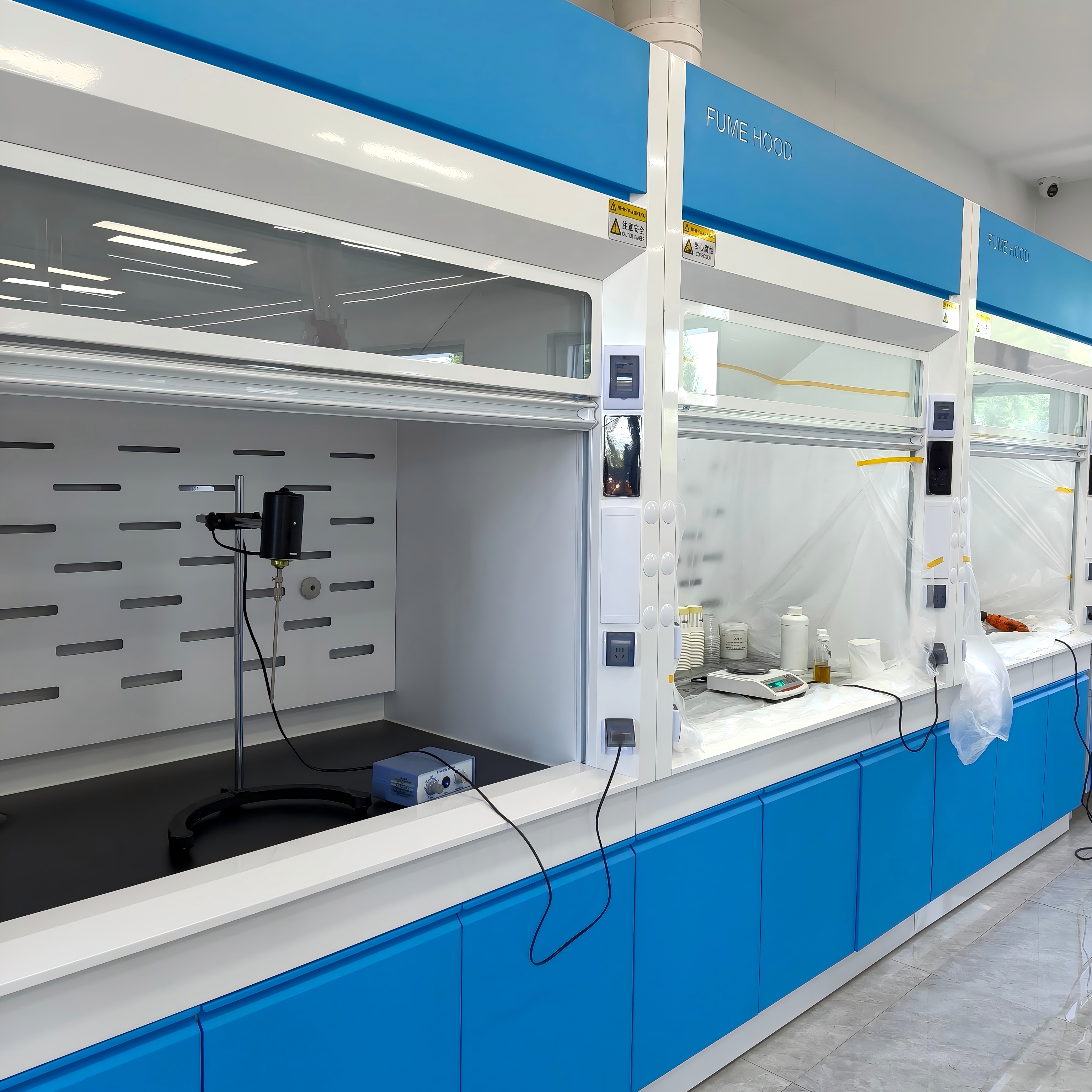
Checking incoming hydroxyl value, acid value, moisture and viscosity is the first gate in any polyol trial.
How is production scheduled, and which markets does XINFA serve?
XINFA manufactures in Hebei Province, China, with an annual polyester polyol production capacity of 50,000 tons, and serves buyers in the Middle East, India, Pakistan, Southeast Asia, Central Asia, Europe, North America and South America. Because the flame retardant and water-based grades are separate product lines with different viscosity profiles and different packing options, production is scheduled against the confirmed grade, volume and packing of each order. Sending the application, the blowing system and the required flame target with the enquiry is what allows grade and schedule to be confirmed quickly — write to admin@xinfapu.com or message +86 166-3389-3646 on WhatsApp.
Conclusion: the decision rule in one paragraph
The two XINFA series solve different problems. The High Flame Retardant Polyester Polyol series (XF-2007, XF-235P, XF-240P, XF-250P) is the range to start from when flame performance is fixed by the specification and the process can accept viscosity from below 5000 CPS up to 15000±3000 CPS. The High Water-Based Polyester Polyol series (XF-2003, XF-2006, XF-3153, XF-315G, XF-300W) is the range to start from when the foam is built around high-water or full-water blowing and the priority is ≤0.1% moisture, low acid value and viscosity between 1500 and 3000 CPS.
- Flame retardant series: designed for high flame retardant applications — PIR spraying insulations, sandwich panels and polyurethane pipes.
- Water-based series: designed for high-water or full-water based systems, with moisture ≤0.1% in all five models.
- Viscosity decides the machine setting: XF-2007 at 15000±3000 CPS against XF-2006 at 1500±500 CPS.
- Catalysts and additives complete the system: TEDA, TEDA A33, PC-5, PC-8, PC-41, DMDEE and DMP-30 alongside TCPP and TEP.
- Validate on the finished foam, not on the liquid alone.
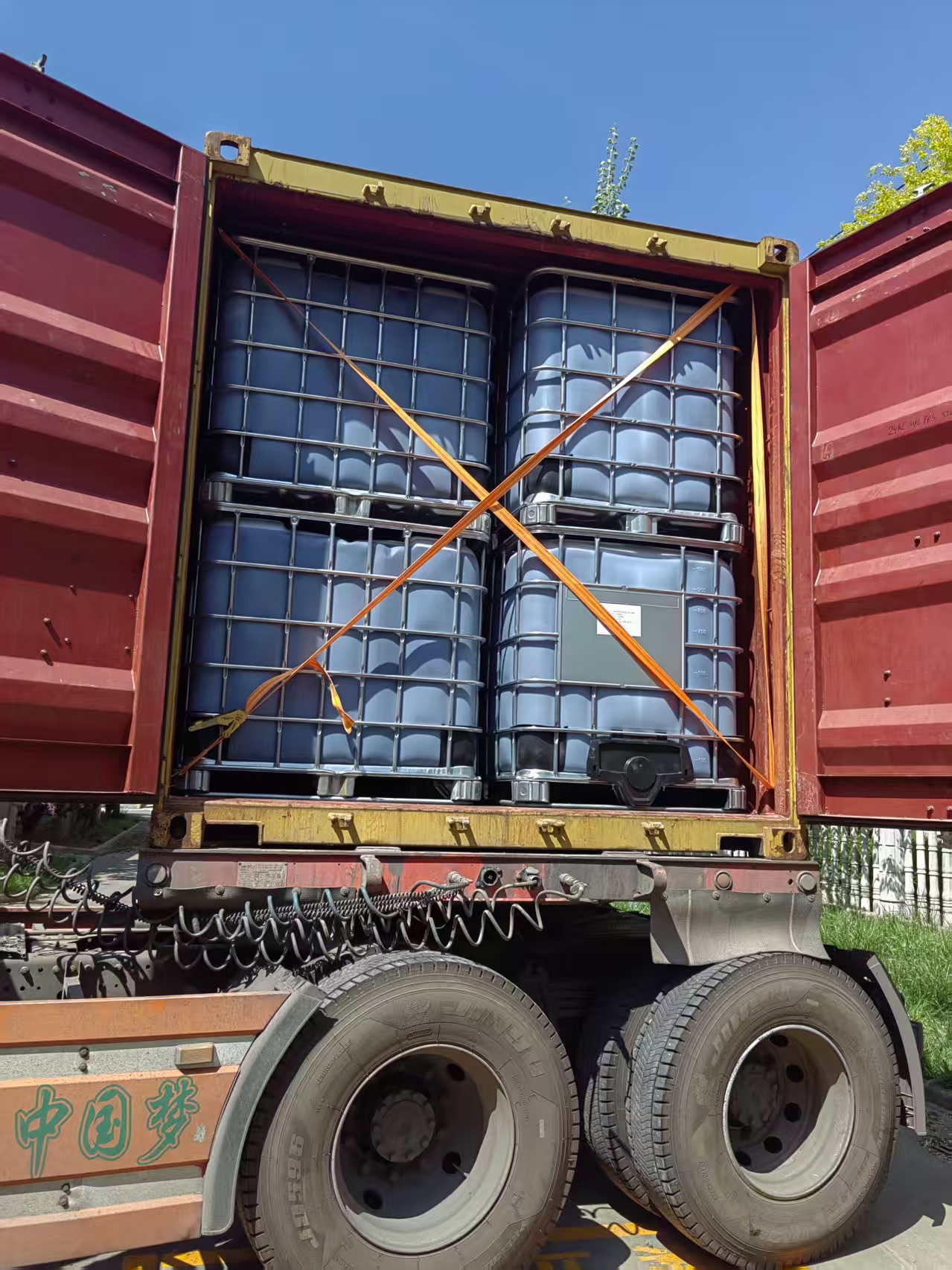
Both series are supplied in industrial packing; grade, volume and packing are confirmed at order stage.
Next step for project-driven buyers
Send the application (spray insulation, sandwich panel or PU pipe), the blowing system and the flame target, and XINFA can confirm the most suitable grade from either series and arrange a sample for a side-by-side trial.
Download the full product catalogue: XINFA polyester polyol brochure (PDF)
Email: admin@xinfapu.com | Tel: +86 156-3365-7995 | WhatsApp: +86 166-3389-3646 | Website: www.xinfapu.com
Address: B-2111, No.66 Xiangtai Road, Yuhua District, Shijiazhuang City, Hebei Province, China.
Have Questions or Need More Details?
Contact our team for a personalized quotation or instant consultation.
Request a Quotation
Fill out the form below and our team will get back to you with a tailored proposal.
WhatsApp Direct Chat
Prefer to chat in real-time? Message us on WhatsApp for instant assistance & quick answers.
- Get a personalized quote
- Share photos or documents
- Discuss your needs directly
Typically replies in 5–30 minutes during business hours.