
Matching Polyester Polyol to Insulation Project Scenarios
A polyester polyol grade that works on a continuous sandwich panel line may not be the right choice in a cold-storage spray application. This is a practical sourcing problem for insulation manufacturers, contractors and system houses evaluating suppliers for a new project. The short answer: project scenario should drive grade selection before price or brand is compared. For cold-room spraying, the polyol must help the foam remain stable at low temperatures and provide high thermal insulation efficiency with low thermal conductivity. For PIR panel production, the same raw material must support high flame retardance, low odor and stable foaming performance on a 24/7 line.
This article is written from the buyer's perspective and uses XINFA as a concrete reference. XINFA stands for Hengshui Xinfa Polyurethane Materials Co., Ltd., a Chinese manufacturer of polyester polyol and polyurethane catalysts established in 2010. Its factory is located in the salt chemical circular economy park in Jizhou City, Hebei Province. The company reports an annual production capacity of 50,000 tons of polyester polyol series products and holds ISO 9001, ISO 14001 and ISO 45001 certifications. It exports to markets including the Middle East, India, Pakistan, Southeast Asia, Central Asia, Europe, North America and South America.
Why Project Fit Matters
Polyurethane foam producers rarely have the freedom to swap a polyol grade without changing the formulation. If the raw material has a much higher hydroxyl value than the reference recipe, foam density and crosslink behavior can shift. If the viscosity is substantially different, mixing and flow on spray equipment or panel laminators may not be stable. If the acid value is not consistent, catalyst consumption can vary from batch to batch. In severe cases, project approvals require new foam testing before the raw material can be used, which creates delays and extra costs.
Insulation projects in cold storage, continuous PIR panel manufacturing, construction spraying and pipe insulation have different processing conditions and different end-use requirements. The same physical performance target, such as thermal insulation, can be reached through different foam systems. A responsible raw material supplier should therefore match the polyester polyol family to the actual project scenario before quoting a price.
Market and Policy Context
Verified market data support this need for structured grade selection. Grand View Research estimated the global polyester polyol market at about USD 9,654.2 million in 2024 and projected it to reach USD 15,033.3 million by 2033. Asia Pacific represented an estimated revenue share of 43.7% in 2024, with China expected to grow at the highest CAGR of 5.2% through 2033. In the aromatic polyester polyol segment, Persistence Market Research valued the global market at around USD 1.9 billion in 2026 and projects a 5.9% CAGR to USD 2.8 billion by 2033.
Rigid insulation demand is also being reinforced by policy. The EU Energy Performance of Buildings Directive (EU) 2024/1275 is one regulatory driver for rigid PU and PIR insulation systems. For a buyer, these signals explain why project-based polyol selection is becoming more important. A supplier who can connect grade chemistry to application requirements can reduce qualification time and improve production stability.
Detailed Solution: Start From the Foaming Scenario
XINFA product documentation classifies polyester polyols by end application rather than only by generic chemistry. For a buyer, this is useful because it directly connects product properties to the operating requirements of the project. The following framework maps common insulation project scenarios to XINFA's polyester polyol families.
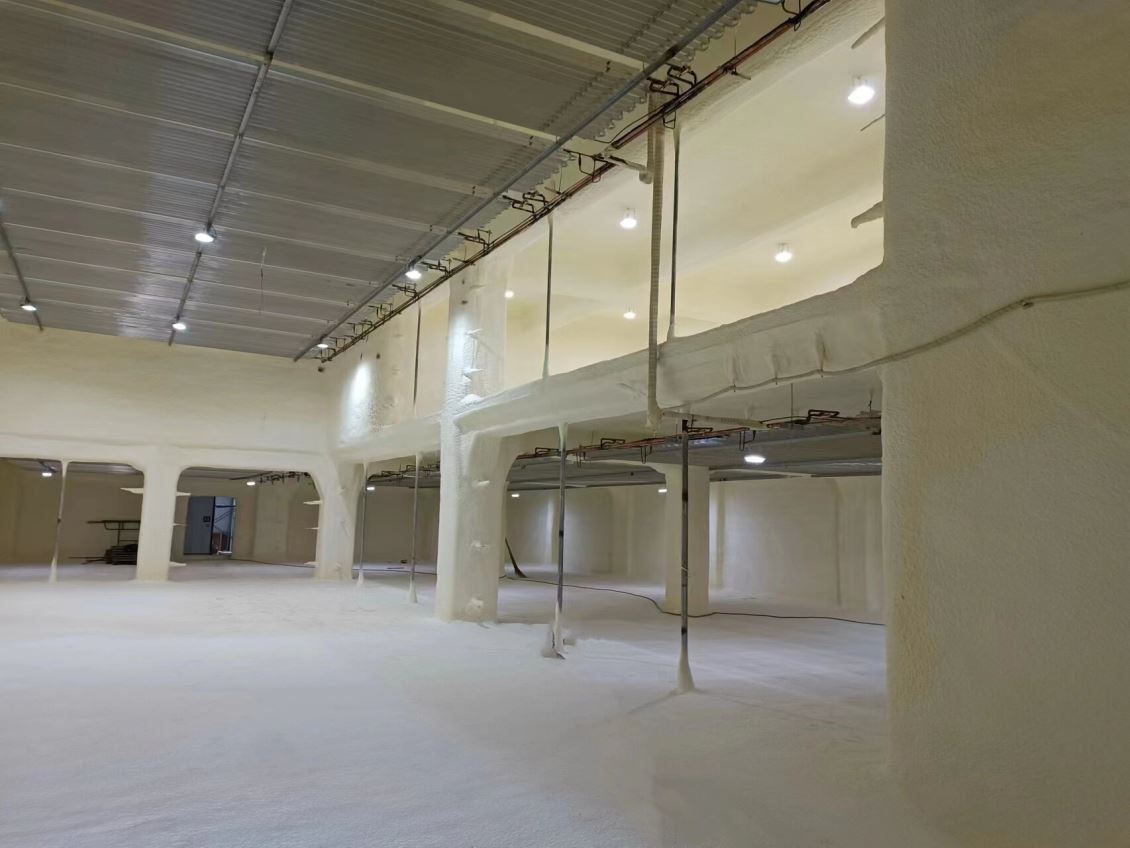
Cold Storage and Spraying Foam Systems
Cold storage projects often use a spraying foam operating mode with a spraying coating machine. Application records for XINFA polyester polyol in this scenario require low-temperature foaming stability, high thermal insulation efficiency and low thermal conductivity. For this type of work, the XINFA range includes spraying-grade polyester polyols XF-235 and NXF-400, which are positioned for spraying foam and sandwich panels. If the formulation moves toward high-water or full-water-based blowing, the XINFA line also includes XF-2003, XF-2006, XF-3153, XF-315G and XF-300W as high-water-based polyester polyols for spraying insulation, sandwich panels and PU pipes.
Construction and Insulation System Projects
Construction insulation systems are typically installed with spraying machines and run under normal temperature conditions. The special requirements in XINFA application notes include high flame retardance, low odor and stable foaming performance. For these cases, buyers can look at the phthalic-anhydride-based aromatic polyester polyol family, which includes XF-3152, XF-2412, XF-1752 and XF-2002, or at the high-flame-retardant family XF-2007, XF-250P, XF-235P and XF-240P. The high-flame-retardant grades are positioned for PIR spraying insulation, sandwich panels and polyurethane pipes.
Continuous PIR Sandwich Panel Lines
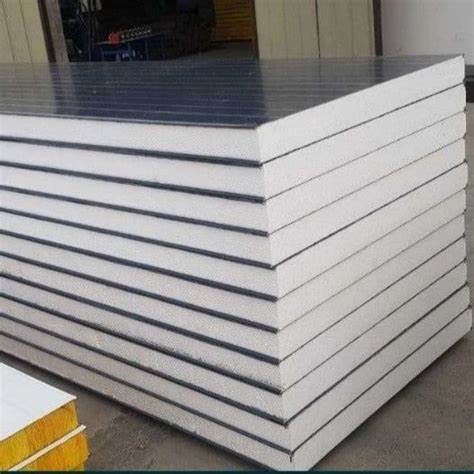
Sandwich panel manufacturing is often a 24/7 operation running a PIR system. The scenario calls for high flame retardance, low odor and stable foaming performance. In a PIR line, the blowing agent and production speed are usually fixed before the project starts. XINFA offers a pentane-system polyester polyol family with XF-435, XF-390, XF-360, XF-2402N and XF-2020, described in the corpus as suitable for home appliances, polyurethane pipes, sandwich panels and PIR systems. Matching a pentane-compatible polyol to the panel line is a more reliable route than using a generic spray grade.
For system houses that also purchase catalysts, XINFA manufactures TEDA, TEDA A33, PC-5, PC-8 and other amine catalysts, plus TCPP and TEP flame retardant additives. This allows a buyer to standardize incoming raw material qualification across the polyol, catalyst and flame-retardant parts of the formulation from one supplier.
Step-by-Step Selection Breakdown
For a project buyer, a simple five-step workflow can reduce the risk of choosing the wrong grade.
- Identify the production scenario. Is the project cold storage spraying, construction insulation, continuous PIR lamination, PU pipe insulation or appliance filling? The answer determines the next checkpoints.
- Define the blowing-agent family. If the line uses high-water or full-water-based formulations, the high-water-based series such as XF-2003, XF-2006, XF-3153, XF-315G and XF-300W is the relevant first candidate. For pentane-blown systems, the pentane-system series XF-390, XF-360, XF-2402N and XF-2020 should be reviewed.
- Set the flame-retardance target. For PIR spraying and fire-rated panels, the high-flame-retardant series XF-2007, XF-250P, XF-235P and XF-240P is positioned as the correct family in the supplier's documentation.
- Compare reactive parameters. Check hydroxyl value, acid value, moisture and viscosity against the existing formulation or the required foam properties. A consistent hydroxyl and acid profile is needed for stable catalyst balance.
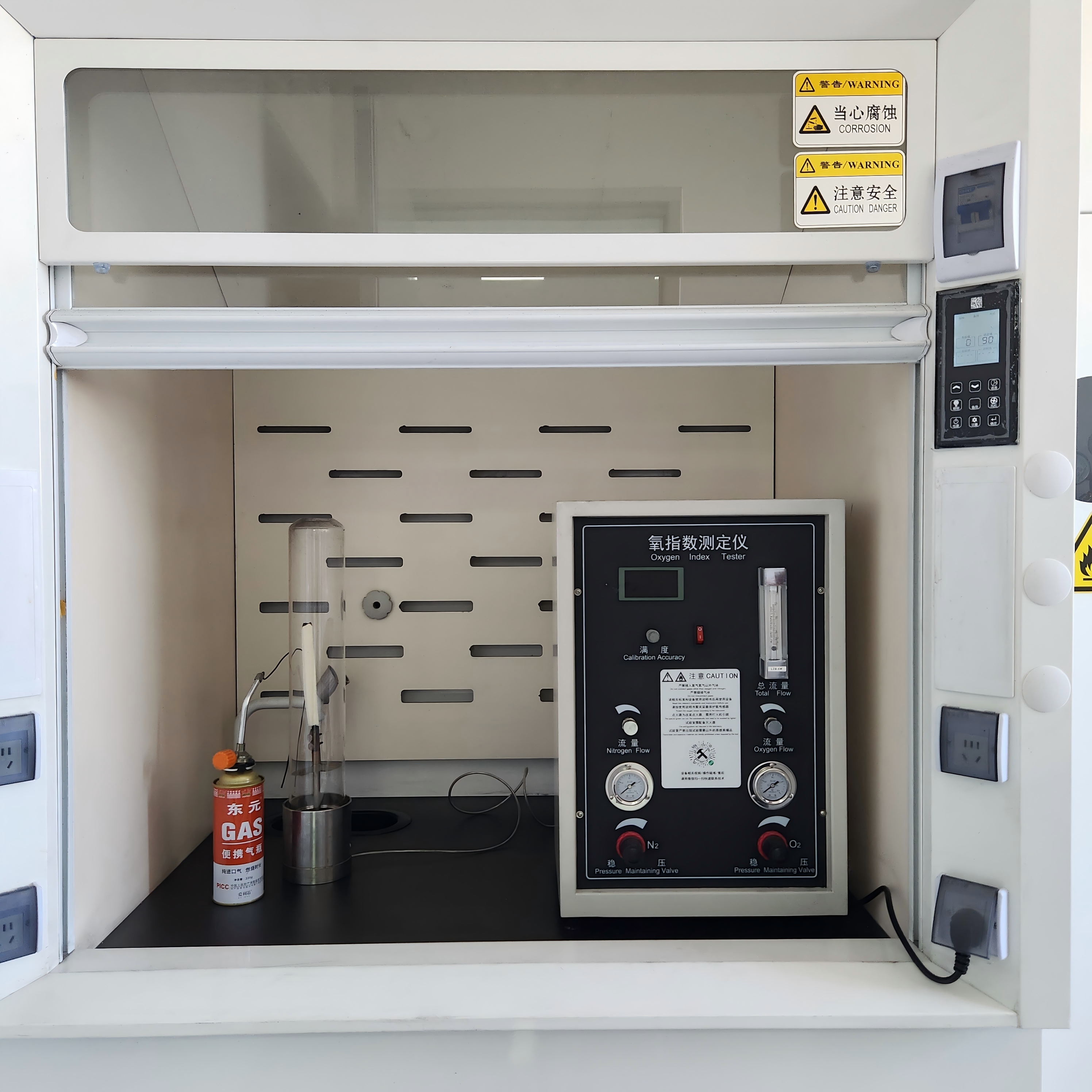
- Qualify with actual equipment. Ask the supplier to confirm the grade with your production conditions, blowing agent and equipment settings. XINFA applies 100% testing to its polyester polyol orders, which helps maintain consistency from the pilot stage to production.
Use Cases From Export Projects
Two export cases show how XINFA polyester polyol behaves in real project scenarios. One buyer in the spraying foam industry in Poland sourced 500 metric tons over a two-year period for applications including wall spraying, insulation boards, soundproof flooring, leakproof pipeline systems and composite materials. The recorded result was stable operation, with the buyer highlighting high mechanical strength, high wear resistance, resistance to high and low temperature cycling, hydrolysis resistance and aging resistance.
Another buyer in the insulation industry in India sourced 100 metric tons over a two-year period for insulation applications. The recorded highlights include good thermal insulation, high strength and density, fire retardancy and structural support for pipelines. These case records are consistent with the project-fit approach: the same polyester polyol family can be used across related insulation jobs, but the supplier should confirm the right models for each foam process.
Comparison Table: Project Scenario to Polyol Fit
The table below summarizes the comparative logic based on XINFA's published product categories and application records.
| Project Scenario | Key Application Requirements | Recommended XINFA Polyester Polyol Type | Representative Grades |
|---|---|---|---|
| Cold storage / spraying foam | Low-temperature foaming stability, high thermal insulation efficiency, low thermal conductivity | Spraying-grade and high-water-based polyester polyols | XF-235, NXF-400, XF-2003, XF-2006, XF-3153, XF-315G, XF-300W |
| Construction / insulation system spraying | High flame retardance, low odor, stable foaming performance | Phthalic-anhydride-based and high-flame-retardant lines | XF-3152, XF-2412, XF-1752, XF-2002, XF-2007, XF-250P, XF-235P, XF-240P |
| Continuous PIR sandwich panel line | PIR system operation, 24/7 production, high flame retardance, low odor | PIR-oriented and pentane-system polyester polyols | XF-235P, XF-240P, XF-2007, XF-435, XF-390, XF-360, XF-2402N, XF-2020 |
| PU pipe and home appliance insulation | Thermal insulation, dimensional stability, process compatibility | Phthalic-anhydride-based and pentane-system lines | XF-3152, XF-2412, XF-1752, XF-2002, XF-390, XF-360, XF-2402N |

Frequently Asked Questions
1. Is XINFA polyester polyol suitable for insulation system projects?
Yes. XINFA application records state that its polyester polyol is suitable for insulation system projects and operates in 24/7 operation mode. The company also holds ISO 9001, ISO 14001 and ISO 45001 certifications, which are frequently required as a baseline for global industrial buyers.
2. Which XINFA polyester polyol line suits cold storage spray foam applications?
For cold storage projects with spraying foam, the application profile requires low-temperature foaming stability, high thermal insulation efficiency and low thermal conductivity. XINFA's spraying-grade XF-235 and NXF-400 are a direct starting point. If the system is high-water or full-water-based, the high-water-based grades XF-2003, XF-2006, XF-3153, XF-315G and XF-300W should be reviewed. For projects with a higher flame-retardance target, ask about the XF-2007, XF-250P, XF-235P or XF-240P series.
3. Can XINFA customise polyester polyol for a specific project?
Yes. XINFA supports OEM/ODM production for polyester polyol. The company reports a monthly production capacity of 4,000 metric tons for OEM/ODM orders, a minimum order quantity of 1 metric ton and a typical lead time of 15 to 20 days. The company's quality control process is described as 100% testing, which is an important point for projects that require batch-to-batch consistency.
4. Can I request a sample or trial grade before a bulk project order?
Sample and trial discussions are best handled through XINFA's sales team because the correct test grade depends on your foam equipment, blowing agent and flame-retardance target. Send an inquiry to admin@xinfapu.com or contact the team via WhatsApp at +86 166-3389-3646 with your project scenario. XINFA also publishes a company brochure with the main product line, which can help you prepare before the technical discussion.
5. What is the lead time for project orders from XINFA?
Under standard OEM/ODM conditions, the quoted production lead time is 15 to 20 days once the specification and order details are confirmed. The monthly production capacity available for OEM/ODM polyester polyol orders is 4,000 metric tons, and the minimum order quantity is 1 metric ton. Overseas delivery time will then depend on the logistics route to your destination port.
Conclusion
Matching a polyester polyol to an insulation project starts with the foam-making process, not with the price sheet. A cold storage spray job, a construction insulation spray system and a continuous PIR sandwich panel line each impose different requirements on foam stability, flow, flame retardance and blowing-agent compatibility. XINFA's polyester polyol families are organised around these differences, with spraying grades, high-flame-retardant grades, pentane-system grades and high-water-based grades available for the same broader insulation market.
For buyers moving from research to evaluation, the next practical step is to state the project scenario clearly, review grade families against that scenario, and request technical confirmation from the supplier. The company's export record includes multi-year supply relationships in spraying foam and insulation industries, which adds practical evidence to the documented grade categories.
Download the XINFA Polyester Polyol company brochure to review the main product lines before contacting engineering:
Download XINFA Polyester Polyol Brochure
For project-specific inquiries:
Email: admin@xinfapu.com
Tel/WhatsApp: +86 156-3365-7995 / +86 166-3389-3646