
Mining PU Formulations: Solving Moisture and Hydroxyl Drift with Polyester Polyol KXF-350/KXF-280
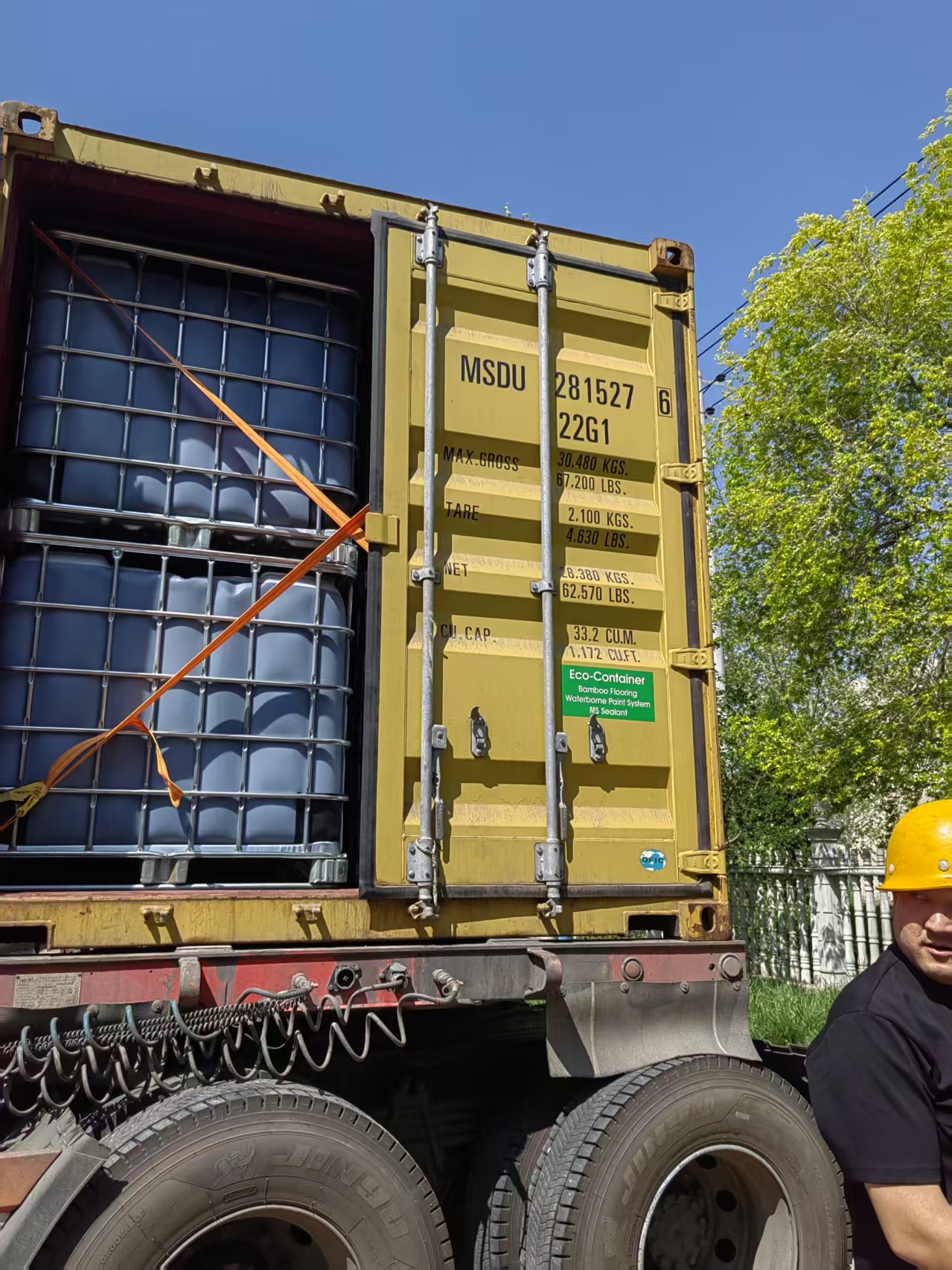
Packaged polyester polyol leaving XINFA's plant: sealed packaging is the first line of defence against moisture pick-up before the drum reaches the formulation line.
Moisture and hydroxyl value drift are the two variables that most often separate a mining polyurethane formulation that performs in the laboratory from one that performs underground. Both are raw-material properties, both can be measured before a single batch is produced, and both are fixed by specification on XINFA's Polyester Polyol for Mining series. KXF-350 and KXF-280 hold moisture to ≤0.1%, specify hydroxyl value at 350±20 mgKOH/g and 280±15 mgKOH/g respectively, cap acid value at ≤2.0 and ≤1.5 mgKOH/g, and deliver viscosities of 1500±500 CPS and 1000±200 CPS at 25 °C.
Those four parameters, not general claims, are what a mining formulator can build a qualification protocol around. The sections below explain why each one fails in the field, what KXF-350 and KXF-280 are actually made from, and how to run an incoming-QC and evaluation checklist that keeps drift out of production.
Problem definition: how moisture and hydroxyl drift damage a mining PU system
Mining polyurethane systems are normally supplied as two components and mixed close to the point of use, frequently in wet, dusty or poorly temperature-controlled conditions. The mix ratio on the label assumes that the polyol arrives with a known hydroxyl value and a known, low water content. When either assumption breaks, the chemistry no longer matches the ratio on the pack — and the failure appears on site, not in the supplier's warehouse.
Moisture: water consumes isocyanate that was budgeted for the polyol
Isocyanate reacts with water. In a polyurethane system, every unit of water present consumes isocyanate that was intended to react with hydroxyl groups, and that reaction releases carbon dioxide. The practical consequences are familiar to anyone who formulates for humid environments: the effective index falls, cure speed and final hardness shift, gas voids or unintended fine foaming appear in what should be a solid or a controlled foam, and adhesion to a damp substrate drops.
A formulator cannot control the water in the rock, the ground or the mine atmosphere. What can be controlled is the water entering through raw materials. That is why a ≤0.1% moisture ceiling matters more in mining work than in a dry, closed factory process: it defines the water budget that the rest of the formulation has to work within, and it is the only water input a purchaser can write into a purchase order.
Hydroxyl drift: equivalent weight moves with every batch
Hydroxyl value is the basis of the stoichiometric calculation. The equivalent weight of a polyol is 56,100 divided by its hydroxyl value, so a nominal 350 mgKOH/g grade corresponds to roughly 160 g/eq, and a nominal 280 mgKOH/g grade to roughly 200 g/eq. When hydroxyl value drifts inside a tolerance band, equivalent weight drifts with it: at the low edge of the KXF-350 band the equivalent weight is closer to 170 g/eq, at the high edge closer to 152 g/eq.
A formulator who charges polyol by mass from the nominal figure rather than from the actual lot figure is therefore running a different index on a high-hydroxyl lot than on a low-hydroxyl lot. In a mining system that typically surfaces as batch-to-batch variation in gel time, hardness development and brittleness — variation that is difficult to diagnose on site, because the polyol is rarely the first suspect.
Acid value is the quieter companion. Residual acidity shifts reaction rate and affects storage behaviour, so a grade with a tighter acid value ceiling gives the formulator less unexplained movement in the catalyst balance. KXF-350 caps acid value at ≤2.0 mgKOH/g and KXF-280 at ≤1.5 mgKOH/g.
Industry background: what mining formulations demand from a polyester polyol
Mining work compresses the margin for raw-material variation. Systems are mixed and applied in damp conditions, at ambient temperatures that move through the shift, sometimes against water-bearing ground, and usually with limited opportunity to rework a failed application. The formulation itself is fixed well in advance, so consistency of incoming raw material is the main lever that keeps field performance stable.
Polyester-based polyols are generally selected where mechanical strength, abrasion performance and resistance to hydrocarbons matter, and a polyester backbone is generally more sensitive to hydrolysis than a polyether backbone. That trade-off is exactly why moisture content and acid value are specified rather than left to good practice: a low moisture ceiling and a controlled acid value protect the properties the formulator chose a polyester for in the first place. Storage discipline — sealed drums, dry transfer, first-in-first-out — is the other half of the same control.
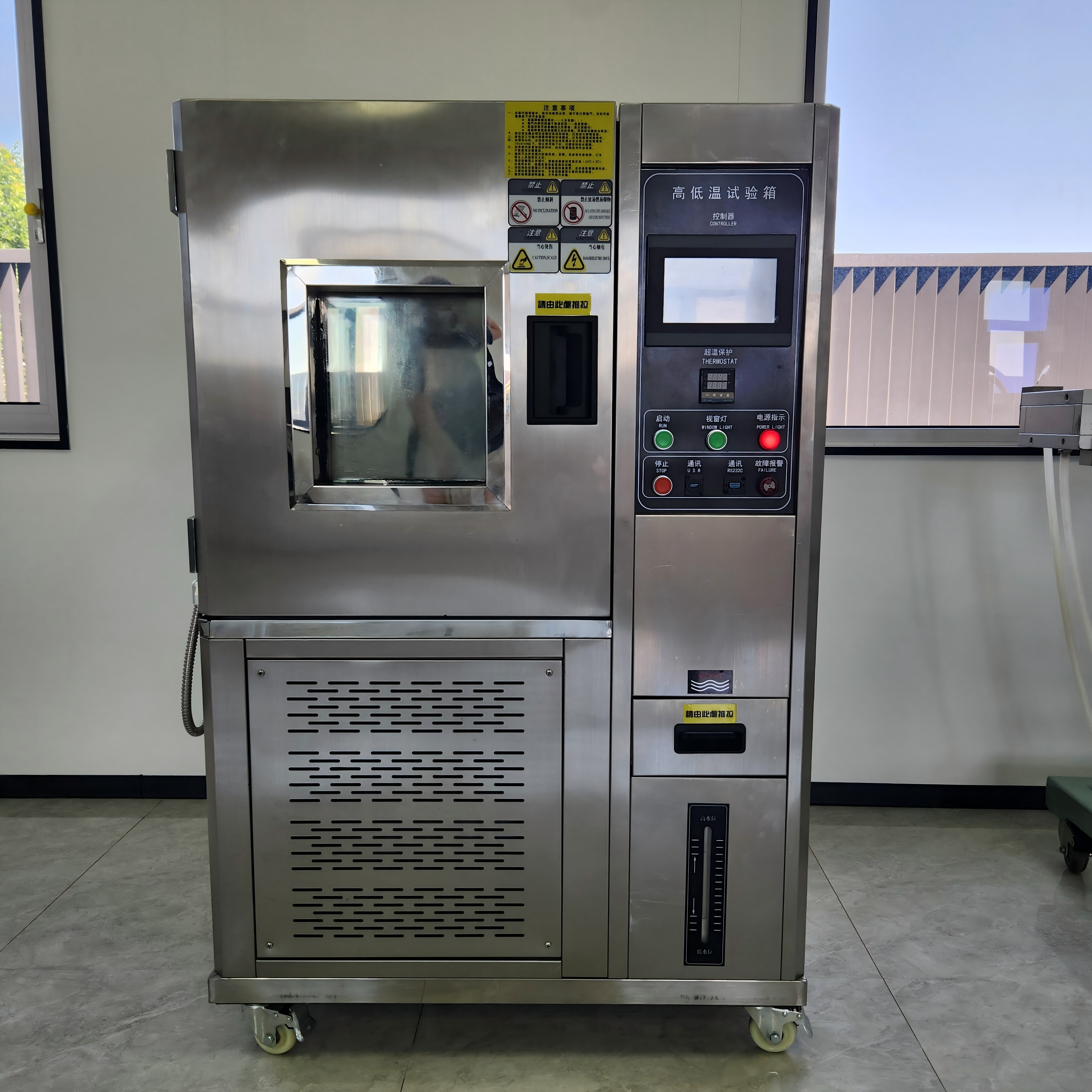
Polyester polyol production equipment at XINFA. Consistent process equipment is the upstream reason a hydroxyl value can be held inside a ±20 mgKOH/g band.
On the demand side, the global polyester polyol market is projected to reach USD 10.1 billion in 2025, according to Future Market Insights' Polyester Polyol Market report (2025 edition). Demand at that scale is served by a mix of large integrated producers and specialised manufacturers, and technical buyers in segments such as mining increasingly qualify suppliers on documented batch data rather than on brand familiarity alone.
Hengshui Xinfa Polyurethane Materials Co., Ltd. (XINFA) is a Chinese polyurethane materials manufacturer producing polyester polyol series and polyurethane catalysts. It operates a 25,000 m² factory in the Salt Chemical Circular Economy Park in Jizhou City, Hebei Province, with more than 30 sets of intelligent equipment and a polyester polyol capacity of 50,000 tons per year, and it runs a wholly owned trading subsidiary, Hebei Xinshe Technology Co., Ltd., in Shijiazhuang. The company states an R&D group of 13 technicians within a workforce of more than 60 employees, and holds ISO 9001, ISO 14001 and ISO 45001 certification.
Detailed solution: what KXF-350 and KXF-280 are specified to deliver
KXF-350 and KXF-280 appear in XINFA's product classification as Polyester Polyol for Mining. Both are built on PA, PTA, AA, DEG and GLY: the acid building blocks include phthalic anhydride (PA) and purified terephthalic acid (PTA) alongside adipic acid (AA), with diethylene glycol (DEG) and glycerol (GLY) completing the structure. That makes them aromatic polyester polyols, and because glycerol is a trifunctional alcohol, branched polyesters rather than linear ones.
Specification table
| Parameter | KXF-350 | KXF-280 |
|---|---|---|
| Product classification | Polyester Polyol for Mining | Polyester Polyol for Mining |
| Hydroxyl value (mgKOH/g) | 350±20 | 280±15 |
| Acid value (mgKOH/g) | ≤2.0 | ≤1.5 |
| Moisture (%) | ≤0.1 | ≤0.1 |
| Viscosity (CPS at 25 °C) | 1500±500 | 1000±200 |
| Raw material base | PA, PTA, AA, DEG, GLY | PA, PTA, AA, DEG, GLY |
| Stated application | For Mining | For Mining |
What each parameter means for a mining formulation
Hydroxyl value. Hydroxyl value sets how much isocyanate a given mass of polyol will consume and, at equal index, how densely the network crosslinks. At 350 mgKOH/g, KXF-350 carries more reactive hydroxyl per kilogram than KXF-280 at 280 mgKOH/g, so a formulator switching between them must recalculate the charge rather than substitute kilogram for kilogram. The number is also the conversion factor for equivalent weight, which is why it is the first figure to confirm on every lot.
Acid value. Acid value indicates residual acidity in the polyester. Its ceiling is one of the levers that keeps reaction rate and storage behaviour predictable, and it is the parameter most likely to creep silently when a resin is stored warm or exposed to moisture over time. KXF-280's ≤1.5 mgKOH/g ceiling is the tighter of the two.
Moisture. Both grades are specified at ≤0.1%. In practice that figure is the polyol's contribution to the total water load, and it should be added to the water in filler, pigment, substrate and atmosphere when the formulator builds the index calculation. A polyol that enters the mix at 0.1% instead of 0.02% removes a meaningful share of the isocyanate that the formulation had allocated elsewhere.
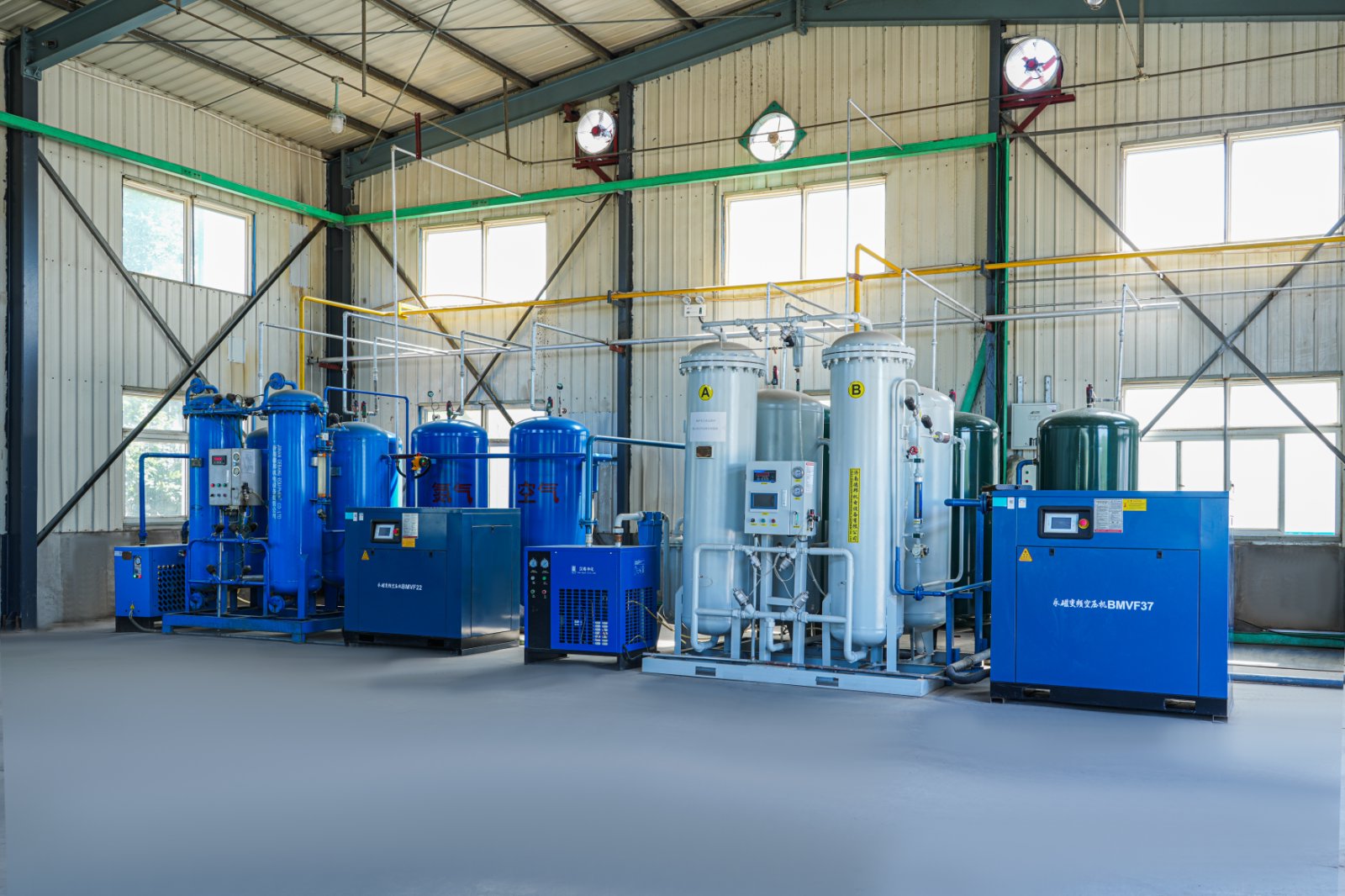
Nitrogen generation on site supports inert blanketing and dry handling — the practical counterpart to a ≤0.1% moisture specification.
Viscosity at 25 °C. Viscosity governs pumping, metering and whether the polyol fully wets out fillers at the mix head. KXF-350 at 1500±500 CPS and KXF-280 at 1000±200 CPS are both pumpable grades, but viscosity rises as temperature falls, so a value verified at 25 °C in the laboratory can be materially higher in a cold drum on a winter site. Condition drums before use and calibrate metering at process temperature, not at laboratory temperature.
Because moisture changes the effective reactivity of the system, catalyst balance usually has to be re-tuned whenever a moisture problem is corrected. XINFA's product list also includes TEDA, TEDA A33, PC-5, PC-8, PC-41, TEP and TCPP, which lets a formulator source polyol and co-components from the same supplier and keep the two parts of the reactivity problem in one conversation.
Step-by-step: an evaluation and QC checklist for matching KXF grades to a mining formulation
The checklist below is written for a formulator moving from evaluation to execution. It assumes the polyol has already been selected on hydroxyl value and viscosity, and concentrates on proving that the selected grade stays inside its window lot after lot.
- Convert the target index into a polyol charge using the actual lot hydroxyl value. Calculate equivalent weight as 56,100 ÷ hydroxyl value, then charge by equivalent rather than by nominal mass. Record both the nominal figure from the data sheet and the measured lot figure on the batch record; if they diverge, the lot figure governs.
- Verify documentation before the drum is opened. Confirm the grade on the certificate against the grade on the label, confirm that ISO 9001, ISO 14001 and ISO 45001 certification covers polyester polyol production, and confirm that the pre-shipment test result accompanies the shipment. Quality control at XINFA is stated as 100% test, with pre-shipment testing as the acceptance criterion.
- Re-test the four critical parameters on arrival. Measure hydroxyl value by titration, acid value by titration, moisture by Karl Fischer and viscosity on a rotational viscometer at 25 °C, then compare every result against the windows in the specification table above. A lot that sits at the edge of the hydroxyl band is not a defective lot, but it is a lot that must be charged from its measured value.
- Control moisture from goods-in to mix head. Keep IBCs and drums sealed until the moment of use, avoid open transfer in humid air, sequence the polyol into the vessel before the isocyanate, and log partial-drum usage so a half-empty drum is not left open across a shift. Any moisture measured above 0.1% should be treated as a non-conformance, not as an inconvenience.
- Check viscosity at process temperature. Use the 25 °C figure as the reference and confirm the pump curve at the temperature the plant or site actually runs at. Because the ±500 CPS window on KXF-350 is wide in relative terms, a single laboratory reading does not describe how the grade will meter on a cold morning.
- Run a pilot mix at trial quantity and repeat it on a second lot. The 1 metric ton minimum order quantity is sized for pilot work. Build an index ladder around the calculated charge, then record gel time, hardness development, adhesion to the intended substrate and surface defects. One lot proves the formulation; two lots reveal the drift.
- Trend the data lot by lot instead of judging each delivery in isolation. Plot hydroxyl value, acid value, moisture and viscosity against their windows, set re-order triggers at the point where a trend approaches a limit, and escalate a lot before it enters production rather than after a failed batch. This is the step that turns a specification into a control system.

Incoming verification of hydroxyl value, acid value, moisture and viscosity is the core of a mining polyol QC routine.
Use cases: where the two grades fit in mining work
Mining polyurethane systems are typically two-component materials mixed at or near the point of application, and they are judged on what happens in damp, loaded and temperature-variable conditions rather than in a conditioned laboratory. Within that setting, the two grades answer different formulation priorities.
- KXF-350 where reactivity and network density are the priority. At 350±20 mgKOH/g the grade supplies more hydroxyl per kilogram, so formulators targeting a faster strength build or a stiffer cured network generally start here and adjust catalyst balance around it.
- KXF-280 where pumping behaviour and a tighter acid ceiling matter. At 1000±200 CPS the grade is the lower-viscosity option of the pair, and its acid value ceiling of ≤1.5 mgKOH/g suits formulations where unexplained reactivity movement is the main quality complaint.
- Both grades where moisture is the recurring field complaint. The ≤0.1% ceiling is common to both, so the choice between them can be made on hydroxyl value and viscosity without reopening the moisture question.
It is worth being precise about the evidence. XINFA's multi-year project records sit in adjacent fields rather than in mining: a spraying foam project in Poland used 500 metric tons of product 3943 over two years with stable operation across wall spraying, insulation boards, soundproof flooring, leak-proof pipelines and composite materials, and a pipeline insulation project in India used 100 metric tons of product 3941 over two years with good thermal insulation performance, high strength and density, fire retardancy and structural support. Those records demonstrate long-run supply and repeat-order execution in demanding applications; they are not mining performance data and do not replace a pilot trial on the actual mining formulation.
KXF-350 vs KXF-280: selection comparison
The table below compares only the parameters XINFA specifies for the two grades. The right-hand column states the formulation reasoning that follows from those parameters; it is selection guidance, not an additional product claim.
| Selection question | KXF-350 | KXF-280 |
|---|---|---|
| Hydroxyl value | 350±20 mgKOH/g | 280±15 mgKOH/g |
| Equivalent weight at nominal hydroxyl value (56,100 ÷ OHV) | ≈160 g/eq | ≈200 g/eq |
| Relative width of the hydroxyl tolerance | ≈±5.7% | ≈±5.4% |
| Acid value ceiling | ≤2.0 mgKOH/g | ≤1.5 mgKOH/g |
| Moisture ceiling | ≤0.1% | ≤0.1% |
| Viscosity at 25 °C | 1500±500 CPS | 1000±200 CPS |
| Formulation reasoning | Higher hydroxyl content per kilogram; suits systems targeting higher reactivity and a denser network | Lower viscosity and the tighter acid ceiling; suits systems where metering and reactivity stability dominate |
Frequently asked questions
1. Are KXF-350 and KXF-280 covered by documented certification and batch testing?
Yes. XINFA holds ISO 9001:2015 certificate 04322Q31390R1S for the production of oligomeric polyester polyols, issued by Beijing United Intelligence Certification Co., Ltd., valid from 6 June 2025 to 14 July 2028; ISO 14001:2015 certificate 04326E01332R101, valid from 15 June 2026 to 14 June 2029; and ISO 45001:2018 certificate 04326S01211R101, valid over the same period. The KXF-350 and KXF-280 product pair is listed against all three certificates. Quality control is stated as 100% test, and the stated acceptance criterion is a pre-shipment test, so a buyer can require the test result to be released with the shipment.
2. Can XINFA customise the KXF grades for a specific mining formulation, and at what scale?
XINFA offers OEM and ODM production with a minimum order quantity of 1 metric ton and a monthly production capacity of 4,000 metric tons, supported by a polyester polyol capacity of 50,000 tons per year. Customisation scope is stated as polyester polyol, and the technical side includes an R&D group of 13 technicians plus after-sales technical support and product training. For a mining formulator this means the practical route is a specification conversation followed by a pilot quantity rather than a full production commitment.
3. What drives the cost position of KXF-350 and KXF-280 in a finished formulation?
Price is quoted per order rather than published, but the cost drivers are visible in the specification. Hydroxyl value determines equivalent weight, so the mass of polyol needed to deliver a given number of hydroxyl equivalents differs between the two grades — about 160 g/eq for KXF-350 against about 200 g/eq for KXF-280. Packaging also changes the landed handling cost: XINFA supplies 1200 kg and 1000 kg IBCs and 225 kg, 200 kg and 170 kg galvanized iron drums, and smaller packaging means more drums, more residual heel and more moisture exposure per tonne. Commercial terms are stated as T/T or L/C with FOB or CIF delivery, and the minimum order quantity is 1 metric ton.
4. How should a formulator qualify a sample before committing to production volumes?
Request a trial quantity within the 1 metric ton minimum order and treat the trial as a data-collection exercise rather than a confirmation: verify hydroxyl value, acid value, moisture and viscosity against the specification windows, then run an index ladder and record gel time, hardness development, adhesion and surface defects. Repeat the exercise on a second lot before scaling, because a single lot cannot show drift. Sample and trial-lot requests can be sent to admin@xinfapu.com with the target hydroxyl value, application and required quantity.
5. What is the lead time and what delivery terms apply to KXF-350 and KXF-280?
Stated lead time is 15–20 days, with FOB or CIF delivery terms, T/T or L/C payment, and pre-shipment testing as the acceptance criterion. Buyers planning a pilot should allow for that lead time plus internal re-testing on arrival, and should confirm the packaging format — IBC or galvanized iron drum — at the enquiry stage, since packaging affects both handling at the mix head and the moisture exposure of a partially used container.
Conclusion: control the two variables you can specify
Moisture and hydroxyl drift are not abstract quality concerns in mining polyurethane work. Water consumes isocyanate and re-writes the index; hydroxyl drift moves equivalent weight and re-writes the charge calculation. Both effects appear on site as gel time, hardness and adhesion variation that takes days to trace back to a raw material.
XINFA's KXF-350 and KXF-280 address both variables by specification rather than by assurance: ≤0.1% moisture on both grades, hydroxyl value of 350±20 mgKOH/g and 280±15 mgKOH/g, acid value of ≤2.0 and ≤1.5 mgKOH/g, and viscosities of 1500±500 and 1000±200 CPS at 25 °C, on an aromatic polyester structure built from PA, PTA, AA, DEG and GLY. The remaining work belongs to the formulator: charge from the measured lot value, verify the four parameters on arrival, control moisture from goods-in to mix head, and trend the data lot by lot so a drifting batch is caught before it reaches the ground.
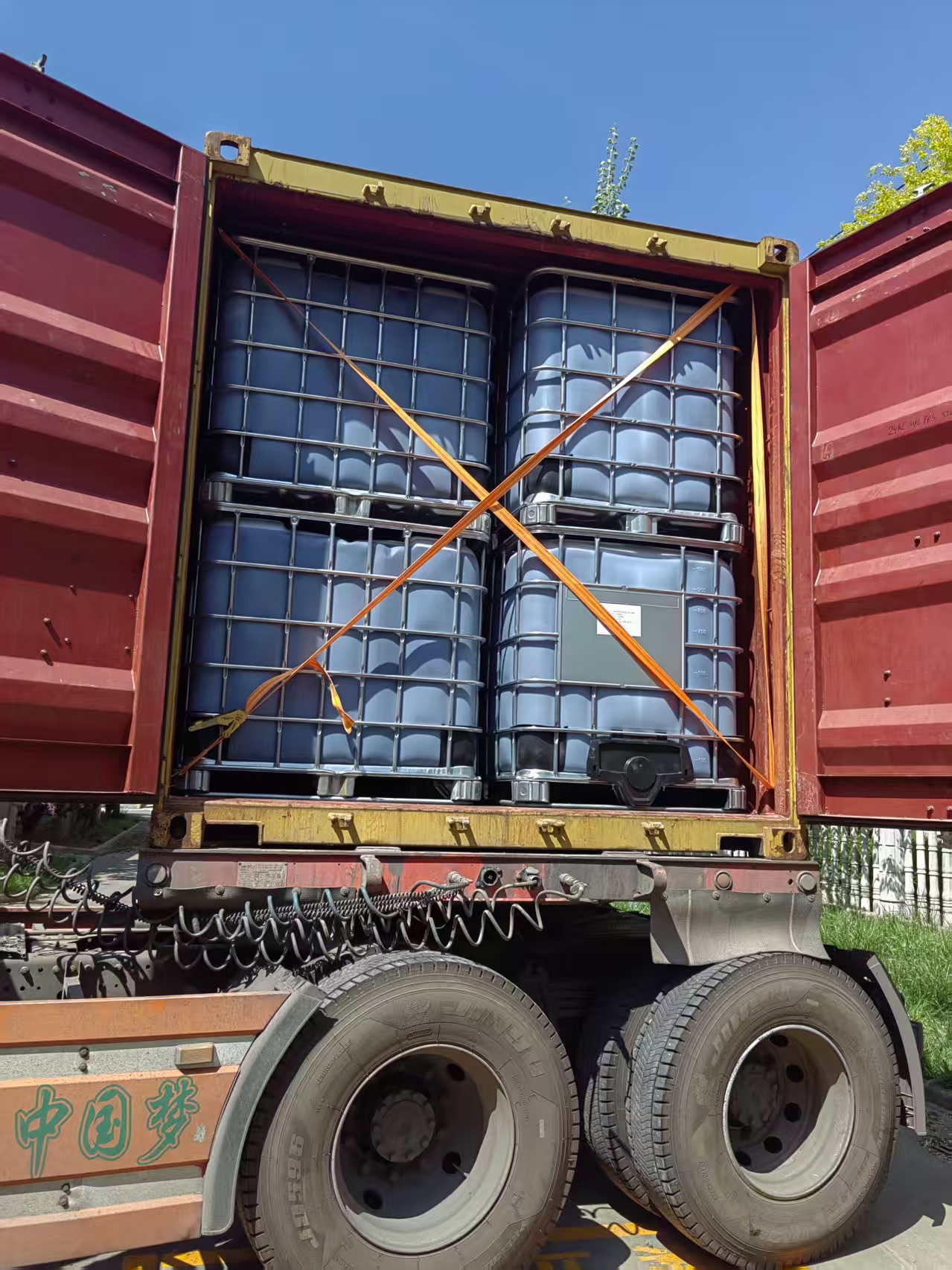
Next step. Request a KXF-350 or KXF-280 sample or a 1 metric ton trial lot, or download the XINFA product brochure for the full grade list and specification tables: XINFA product brochure (PDF).
Contact: Jessica | Email: admin@xinfapu.com | Tel: +86 156-3365-7995 | WhatsApp: +86 166-3389-3646
Hengshui Xinfa Polyurethane Materials Co., Ltd., B-2111, No.66 Xiangtai Road, Yuhua District, Shijiazhuang City, Hebei Province, China | www.xinfapu.com
Have Questions or Need More Details?
Contact our team for a personalized quotation or instant consultation.
Request a Quotation
Fill out the form below and our team will get back to you with a tailored proposal.
WhatsApp Direct Chat
Prefer to chat in real-time? Message us on WhatsApp for instant assistance & quick answers.
- Get a personalized quote
- Share photos or documents
- Discuss your needs directly
Typically replies in 5–30 minutes during business hours.