
Polyester Polyol Long-Term FAQs: Lead Times, Custom Batches, and Technical Support
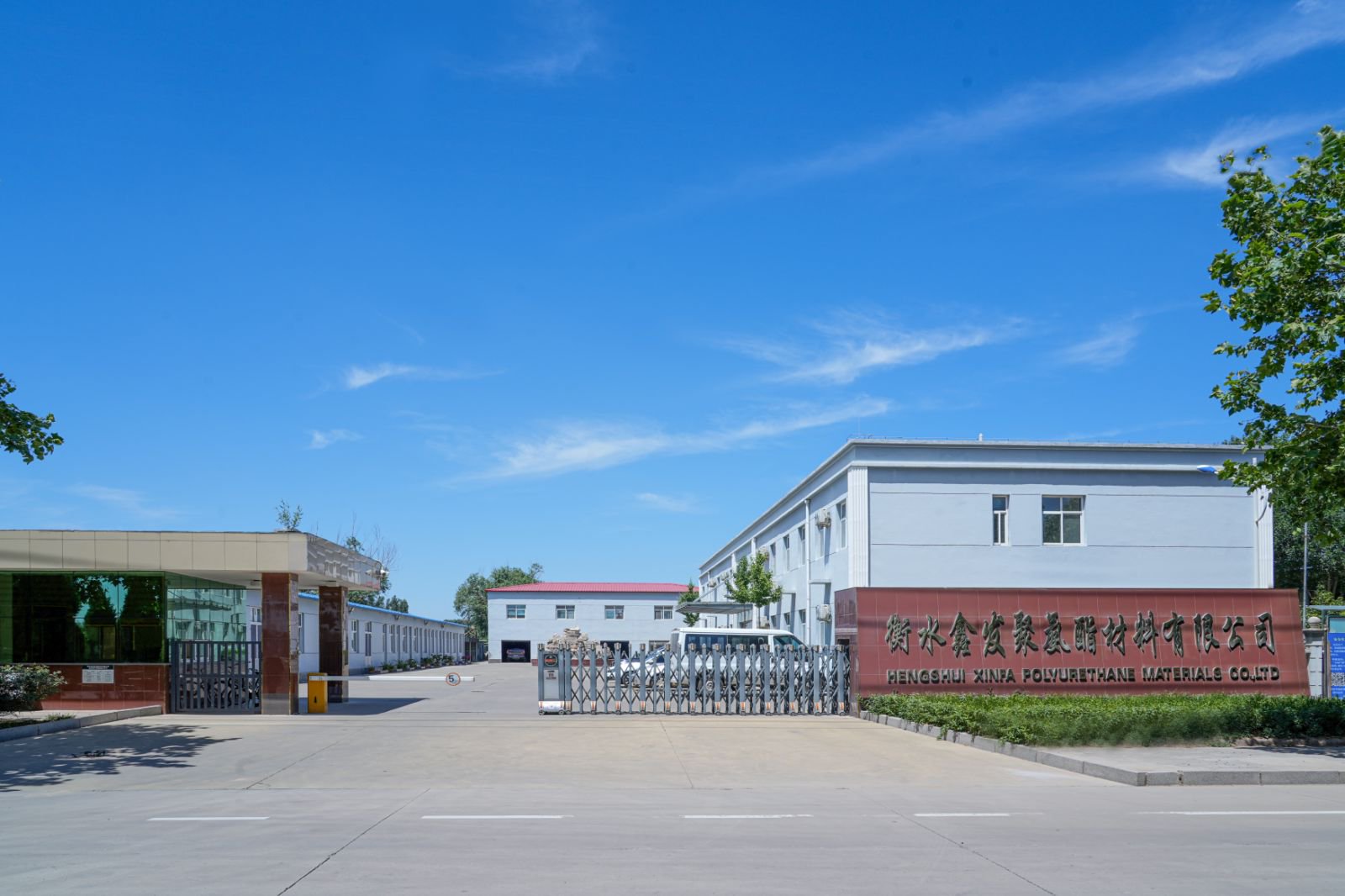
For a procurement manager or technical director evaluating a long-term polyester polyol supplier, the decisive questions are rarely about one drum. They concern what stays the same across hundreds of lots: the moisture ceiling written on the data sheet, the hydroxyl value tolerance a plant can hold batch after batch, the lead time a factory can protect in a busy quarter, and the technical response a buyer receives when a foam formulation drifts. Hengshui Xinfa Polyurethane Materials Co., Ltd., which trades as XINFA, produces polyester polyol series products at its plant in the Salt Chemical Circular Economy Park, Jizhou City, Hebei Province, China, and publishes grade-level specifications for hydroxyl value, acid value, moisture and viscosity.
This FAQ article is written for the stage after qualification, when a buyer is no longer choosing a supplier but structuring an annual or multi-year agreement. It answers the questions that surface in that stage: what to verify in the technical data sheet, how to state a moisture ceiling of ≤0.15%, how to communicate demand forecasts so that specialty products such as the mining polyols KXF-350 and KXF-280 stay available, and how to build a service-level agreement that covers technical data sharing and sample requests.
Why the Second Year of a Polyol Contract Is Harder Than the First
A polyester polyol grade that passes a first sample evaluation is not automatically a grade that holds for three years. The first order is a test of formulation fit. The second and third years are a test of process discipline, documentation discipline and planning discipline — and that is where sourcing relationships usually come under pressure.
The recurring problems are well known to buyers of rigid foam polyester polyol, coating grade polyester polyol and adhesive grade polyester polyol:
- Lot-to-lot drift in hydroxyl value. A formulation validated against a mid-range hydroxyl value behaves differently near the tolerance limit. Hydroxyl value tolerances in the XINFA grade table are typically stated as ±5 to ±20 mgKOH/g depending on grade, and buyers should verify that the tolerance, not just the centre value, is written into the purchase specification.
- Moisture above the stated ceiling. Water consumes isocyanate and shifts the reaction balance. Moisture limits on the XINFA data sheets are stated either as ≤0.1% or ≤0.15%; no grade in the published XINFA series is listed with a moisture ceiling above 0.15%.
- Capacity priority during peak demand. A supplier with an annual output of 50,000 tons of polyester polyol series products and a monthly capacity of 4,000 mt still allocates production time; forecast quality determines who is scheduled first.
- Documentation decay. Certificates expire, data sheets get revised, and the version a buyer's quality team holds on file drifts away from the version the production plant works to.
- Unwritten packaging and handling assumptions. Packaging format, net weight and closure type are frequently left out of the contract and only surface as a complaint when a shipment arrives.
Each of these is answerable with a written question, a written answer and a document reference. The rest of this article converts them into that format.
Industry Background: Why Buyers Are Writing Annual Polyol Agreements
Two structural changes have pushed polyester polyol sourcing from spot purchasing toward annual contracts.
The first is scale. Future Market Insights projected the global polyester polyol market to reach USD 10.1 billion in 2025. As consumption grows, the buffer stock that once absorbed a late shipment has thinned, and buyers increasingly rely on supplier scheduling rather than on inventory.
The second is specialisation. Phthalic anhydride-based polyester polyol, pentane-based polyester polyol, high flame retardant polyester polyol and high-water-based polyester polyol each serve a narrower process window than general-purpose grades. Mining polyester polyol is a clear example: KXF-350 and KXF-280 are published with hydroxyl values of 350±20 and 280±15 mgKOH/g and viscosities of 1500±500 and 1000±200 CPS at 25°C, values that a formulator builds around and does not want to re-optimise every quarter.
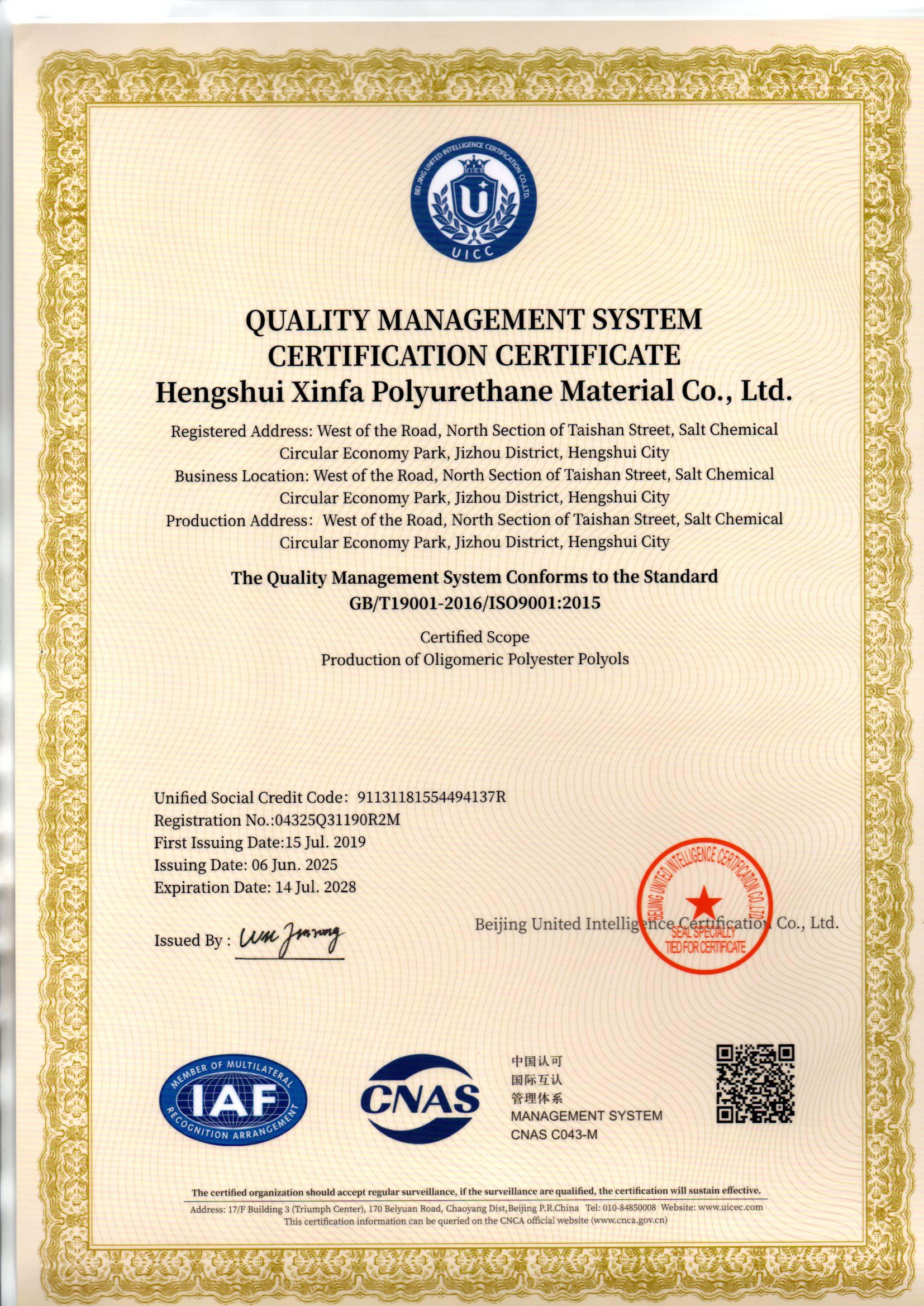
Certification has become part of the same discussion. XINFA holds ISO 9001, ISO 14001 and ISO 45001 certification issued by Beijing United Intelligence Certification Co., Ltd., with the ISO 9001 scope covering the production of oligomeric polyester polyols. In a long-term agreement, those certificate numbers and validity dates are the anchor that procurement teams use to keep supplier approval current.
Buyers are also consolidating adjacent materials. A system house that purchases polyol usually purchases PU catalysts as well. XINFA's portfolio includes TEDA A33 (triethylene diamine 33%), PC-5, PC-8 and PC-41 alongside the polyester polyol series, which allows a buyer to align polyol and catalyst documentation in one technical exchange instead of two. For reference, Market Research Future and EIN Presswire estimated the triethylenediamine market at USD 0.74 billion in 2024, growing at a CAGR of 5.1% to USD 1.22 billion by 2034 — a market that moves alongside polyol demand rather than independently of it.
The Five Questions That Decide a Long-Term Polyester Polyol Agreement
1. Which specification values must be locked in writing?
At minimum, four values per grade: hydroxyl value, acid value, moisture and viscosity at 25°C. These are the four parameters XINFA publishes for every grade in its polyester polyol series, and they are the four that a formulation is sensitive to.
Moisture deserves separate treatment. On the XINFA grade table, humidity-sensitive grades used in water-blown or high-water-based systems are published at ≤0.1% moisture, while grades such as XF-235, NXF-400, XF-390, XF-360, XF-435, XF-235P, XF-240P, XF-Z, XF-B-3 and XF-B-4 are published at ≤0.15%. A buyer who specifies "moisture ≤0.15%" across the board is technically covered, but a buyer who specifies ≤0.1% for a grade that is published at ≤0.15% is creating a claim the supplier never made. The practical rule is to write the published limit of the specific grade into the contract, grade by grade, rather than a single house-wide number.
2. How is lot-to-lot consistency demonstrated?
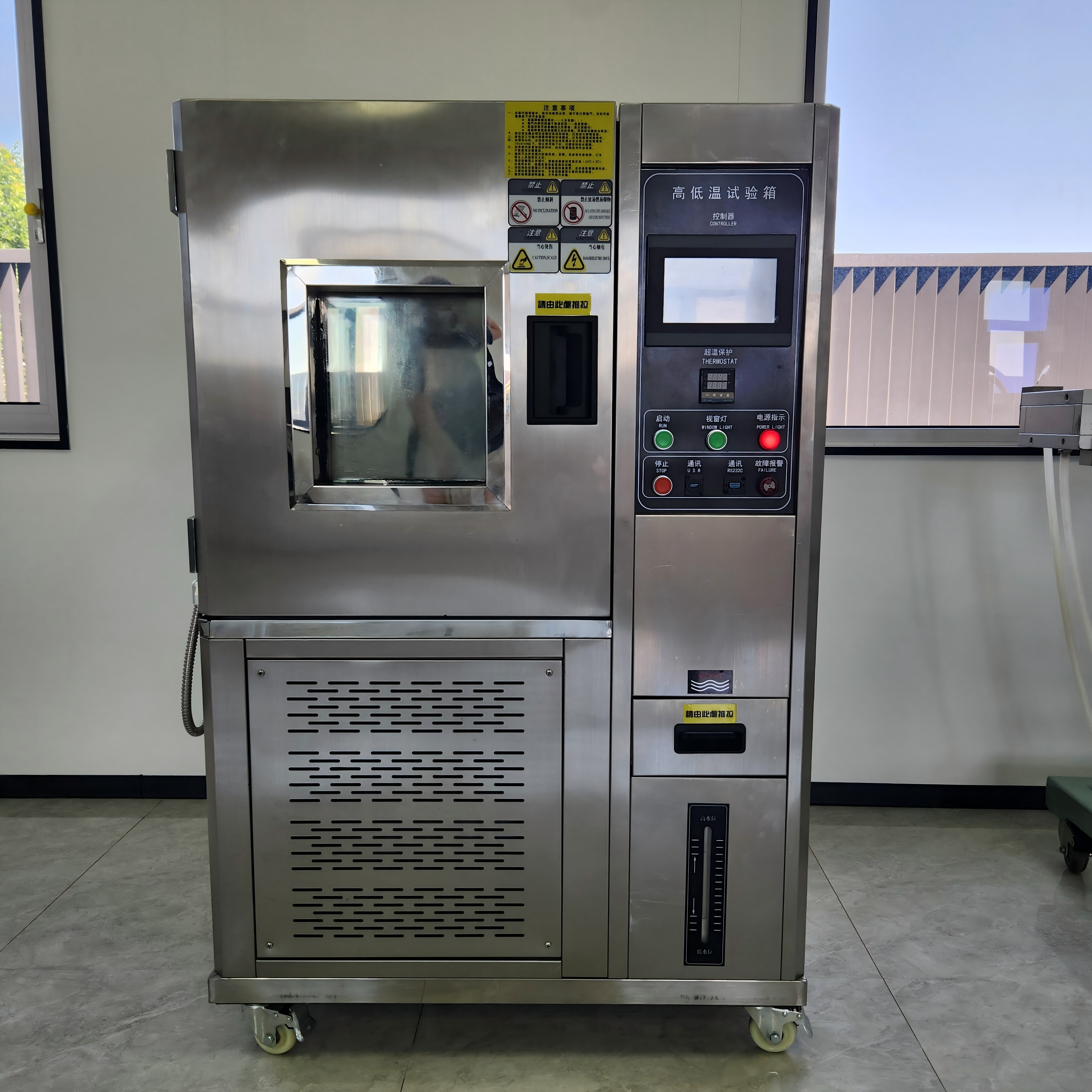
Consistency is a process claim, and process claims need process evidence. XINFA's stated quality control is 100% testing, carried out at a site with more than 30 sets of intelligent production equipment and a workforce of more than 60 people, including 13 management and research and development technicians. The ISO 9001 certificate (certificate number 04322Q31390R1S, issued 2025-06-06, valid to 2028-07-14, standard GB/T19001-2016 / ISO 9001:2015) covers the production of oligomeric polyester polyols.
For contract purposes, the relevant request is a per-lot certificate of analysis that reports the same four parameters as the data sheet, tested against the same methods. A buyer should ask whether the certificate of analysis is issued per batch and whether retained samples are kept — and should confirm this before the first annual order, not after the first complaint.

3. How do you secure capacity for specialty and custom batches?
Capacity is not a number a buyer can reserve by asking politely; it is a schedule. The published production parameters give the starting point: a monthly capacity of 4,000 mt, a lead time of 15–20 days, a minimum order quantity of 1 mt, and OEM/ODM customisation of polyester polyol.
Those figures tell a buyer what is physically achievable. What they do not show is priority. The mechanism that converts capacity into priority is a forecast with two horizons: a rolling twelve-month view that lets the plant plan raw material for phthalic anhydride-based and pentane-based systems, and a firm three-month commitment that the buyer is willing to be measured against. Specialty grades — mining polyester polyol for KXF-350 and KXF-280, controlled-release fertilizer coating agent polyester polyol for XF-270, XF-B-3 and XF-B-4, adhesive grade polyester polyol for XF-Z and XF-280 — benefit most from this, because they run in narrower campaigns than spraying foam polyester polyol.
A forecast submission should carry four things: grade and model code, monthly quantity, the application the grade feeds, and the delivery window. Anything less leaves the plant guessing.
4. What does packaging stability actually require?
Packaging is the least standardised item in most polyol contracts, and it is the one buyers most often assume rather than specify. Two buyers ordering the same grade can receive materially different handling characteristics if the packaging format and net weight differ.
The published XINFA data sheets cover hydroxyl value, acid value, moisture and viscosity. Packaging format, net weight per unit and closure type should therefore be confirmed in writing for the specific order and attached to the purchase specification, together with the storage conditions the buyer's warehouse can realistically maintain. This is a documentation task, not a technical one, but it is the item that turns a delivery into a dispute when it is left open.
5. What belongs in a technical service-level agreement?
A service-level agreement for polyester polyol should define five deliverables, all of which map to capabilities XINFA already states: technical data sharing (current data sheet per grade, per-lot certificate of analysis, copies of the ISO 9001, ISO 14001 and ISO 45001 certificates with numbers and validity dates), sample handling, technical support during formulation trials, product training for the buyer's processing team, and an escalation route for out-of-specification investigations.
XINFA lists technical support and product training as part of its after-sales scope. In a contract, the useful addition is a named contact and a response expectation, so that a foam collapse on a Friday afternoon has a defined route rather than a general enquiry address.
Certificate dates worth keeping on file. ISO 9001: no. 04322Q31390R1S, issued 2025-06-06, valid to 2028-07-14. ISO 14001: no. 04326E01332R101, issued 2026-06-15, valid to 2029-06-14. ISO 45001: no. 04326S01211R101, issued 2026-06-15, valid to 2029-06-14. All three were issued by Beijing United Intelligence Certification Co., Ltd.
Step-by-Step: Building the Agreement
The sequence below keeps the documentation trail intact from specification to repeat order. It is written from the buyer's side, but each step requires a supplier response, which is the point.
- Fix the grade-level specification. Take the published hydroxyl value, acid value, moisture and viscosity for the exact model — for example XF-3153 at 315±15 mgKOH/g, acid ≤2.0, moisture ≤0.1%, viscosity 1800±500 CPS — and attach the current data sheet version to the contract.
- Define the acceptance rule. State that each lot arrives with a certificate of analysis reporting the same four parameters, and state what happens when a value falls outside tolerance: retest, replacement, or price adjustment. Keep the rule mechanical.
- Submit a two-horizon forecast. Twelve-month rolling volume by grade, plus a firm three-month commitment. Include application context so the plant can plan campaigns for narrow-window grades such as KXF-350 and KXF-280.
- Confirm packaging and delivery terms in writing. Packaging format, net weight per unit, closure type, and the delivery window against the published 15–20 day lead time.
- Run the sample validation protocol. Compare the sample against the data sheet, run the buyer's own application trial, and record the result against the lot number so the baseline is documented for future comparisons.
- Sign the technical service annex. Data sharing, sample turnaround, technical support, product training and escalation, each with a named contact on both sides.
Use Cases: What Long-Term Consistency Looks Like in Practice
Spray foam insulation, Poland
A two-year project in Poland consumed 500 metric tons of a high-water-based polyester polyol grade from the XF-2003 / XF-2006 / XF-3153 / XF-315G / XF-300W family for spraying foam applications. The reported characteristics were high mechanical strength, high wear resistance, resistance to high and low temperature cycling, hydrolysis resistance and aging resistance. The project ran stably across wall spraying, insulation boards, soundproof flooring, leak-proof pipelines and composite materials. For a buyer, the relevant lesson is not the volume but the duration: two years of continuous supply against one specification, which is only possible when the moisture ceiling and hydroxyl tolerance are stable enough that the formulation does not need re-tuning.
Insulation, India
A separate two-year insulation project in India used 100 metric tons of polyester polyol and reported good thermal insulation performance. Smaller annual volumes still depend on the same three contract elements: a fixed grade, a forecast, and a documented acceptance rule.
Mining and specialty systems
Mining formulations are the clearest case for forecast-led sourcing. KXF-350 (hydroxyl value 350±20 mgKOH/g, acid value ≤2.0, moisture ≤0.1%, viscosity 1500±500 CPS at 25°C) and KXF-280 (280±15 mgKOH/g, acid value ≤1.5, moisture ≤0.1%, viscosity 1000±200 CPS at 25°C) sit at the low-viscosity end of the range, where moisture control matters most because there is little formulation headroom to absorb a water excursion. Buyers in this segment should treat the ≤0.1% moisture limit as the contract-critical number, not a background specification.
Comparison Table: Representative XINFA Grades and Their Published Limits
The table below reproduces published data sheet values for eight representative grades. It is intended as a specification reference for contract drafting, not as a performance ranking: the grades serve different systems and are not interchangeable.
| Grade | Type / typical application | Hydroxyl value (mgKOH/g) | Acid value (mgKOH/g) | Moisture (%) | Viscosity (CPS, 25°C) |
|---|---|---|---|---|---|
| KXF-350 | Polyester polyol for mining | 350±20 | ≤2.0 | ≤0.1 | 1500±500 |
| KXF-280 | Polyester polyol for mining | 280±15 | ≤1.5 | ≤0.1 | 1000±200 |
| XF-270 | Controlled-release fertilizer coating agent | 260±10 | ≤3±0.2 | ≤0.1 | 3000±500 |
| XF-Z | Sandwich panel adhesive | 60±5 | ≤5.0 | ≤0.15 | 10000±2000 |
| XF-390 | Pentane system, PIR and panels | 400±20 | ≤2.0 | ≤0.15 | 2000±500 |
| XF-250P | High flame retardant applications | 260±10 | ≤1.5 | ≤0.1 | 11000±2000 |
| XF-3153 | High-water-based systems, spray insulation | 315±15 | ≤2.0 | ≤0.1 | 1800±500 |
| XF-235 | Spray foam and sandwich panels | 230–245 | ≤2.0 | ≤0.15 | 10500±1500 |
Frequently Asked Questions
Which certificates and documents should a buyer hold on file before signing a long-term polyester polyol agreement with XINFA?
Three management-system certificates and one data sheet per grade. The certificates are ISO 9001 no. 04322Q31390R1S (issued 2025-06-06, valid to 2028-07-14, standard GB/T19001-2016 / ISO 9001:2015, scope: production of oligomeric polyester polyols), ISO 14001 no. 04326E01332R101 (issued 2026-06-15, valid to 2029-06-14) and ISO 45001 no. 04326S01211R101 (issued 2026-06-15, valid to 2029-06-14), all issued by Beijing United Intelligence Certification Co., Ltd. The data sheet per grade should state hydroxyl value, acid value, moisture and viscosity at 25°C. A buyer should also record the issue date of the data sheet version being contracted, so that a later revision can be identified as a change rather than discovered as a surprise.
Can XINFA hold capacity for specialty grades such as the mining polyols KXF-350 and KXF-280 across a full contract year?
The published production parameters are an annual output of 50,000 tons of polyester polyol series products, a monthly capacity of 4,000 mt, a lead time of 15–20 days and a minimum order quantity of 1 mt, with OEM/ODM customisation available and 100% testing as the stated quality control. Capacity reservation in practice depends on the buyer's forecast: a rolling twelve-month volume plan by grade, plus a firm three-month commitment, gives the plant what it needs to schedule campaigns for narrow-window grades. Buyers of mining polyester polyol, controlled-release fertilizer coating agent polyester polyol or adhesive grade polyester polyol should submit the forecast with the application context, because campaign planning differs between a spray foam grade and a low-viscosity mining grade.
How should a procurement team budget a long-term polyester polyol contract when moisture and consistency are specified?
Budgeting for a long-term contract is driven less by the unit price than by the cost of variation. Four line items belong in the model: the cost of rejected or reworked lots when a value falls outside the agreed tolerance, the cost of moisture-related scrap in the buyer's own process, the carrying cost of the buffer stock needed to cover a 15–20 day lead time, and the administrative cost of retesting. Tightening a moisture specification from ≤0.15% to ≤0.1% on a grade published at ≤0.15% is a change request, not a clarification, and should be priced and documented as such. The commercially sound approach is to negotiate the acceptance rule and the tolerance band explicitly, then hold the supplier to the published values rather than to an assumed one.
How are samples and technical data requested before a long-term order is placed?
Sample and data requests are routed through XINFA's contact channel: admin@xinfapu.com, telephone +86 156-3365-7995, or WhatsApp +86 166-3389-3646. A useful request specifies the grade or model code, the application, the target hydroxyl value range, and the moisture ceiling the buyer intends to contract. The evaluation itself should follow a fixed protocol: compare the sample against the published data sheet, run the buyer's own application trial, and record the result against the sample lot number so the baseline is documented. XINFA lists technical support and product training within its after-sales scope, which means the trial can be discussed with technical staff rather than handled as a purely commercial exchange. The full product range and specifications are also available for download in the XINFA product brochure.
What lead time applies to repeat orders, and how can a buyer protect it?
The published lead time is 15–20 days, supported by a monthly capacity of 4,000 mt and a minimum order quantity of 1 mt. Lead time protection is a planning question rather than a negotiation question. Three practices make the difference: submit the forecast on a fixed calendar cycle so the plant can plan raw material for phthalic anhydride-based and pentane-based systems; keep the firm three-month commitment realistic rather than aspirational; and confirm packaging format, net weight and delivery window in writing for each release. Where a grade is used in a seasonal application, the forecast should show the seasonality explicitly, because a flat annual average hides the peaks that cause late shipments.
Conclusion
A long-term polyester polyol agreement is decided by documents, not by adjectives. The grade-level hydroxyl value, acid value, moisture limit and viscosity at 25°C define what the buyer is entitled to receive. The moisture specification — ≤0.1% or ≤0.15% depending on grade, never above 0.15% in the published XINFA series — defines how much process headroom the buyer actually has. The two-horizon forecast defines whether specialty grades such as KXF-350 and KXF-280 are scheduled in time. And the technical service annex defines what happens when something drifts.
XINFA's position in that structure is a manufacturing one: a 25,000 m² site in Jizhou City, an annual output of 50,000 tons of polyester polyol series products, 4,000 mt of monthly capacity, 100% testing, OEM/ODM customisation, and ISO 9001, ISO 14001 and ISO 45001 certification. Buyers evaluating a multi-year relationship should test those claims against documents — data sheets, certificates, certificates of analysis and a sample trial — and write the answers into the contract.
Next step: request the technical data pack
Buyers preparing a long-term specification can request the current data sheet for a specific grade, the ISO certificate copies, and a sample for application trials. Contact XINFA directly with the grade code and the application.
Email: admin@xinfapu.com | Tel: +86 156-3365-7995 | WhatsApp: +86 166-3389-3646 | Website: www.xinfapu.com
Download the XINFA product brochure (PDF) for the full polyester polyol and PU catalyst range.
Have Questions or Need More Details?
Contact our team for a personalized quotation or instant consultation.
Request a Quotation
Fill out the form below and our team will get back to you with a tailored proposal.
WhatsApp Direct Chat
Prefer to chat in real-time? Message us on WhatsApp for instant assistance & quick answers.
- Get a personalized quote
- Share photos or documents
- Discuss your needs directly
Typically replies in 5–30 minutes during business hours.