
Polyester Polyol Reference: Types, Key Specs & Applications
Polyester Polyol Reference: Types, Key Specifications, and Industry Applications
.jpg)
Polyester polyol is a core raw material in polyurethane (PU) systems, essential for producing rigid foams, elastomers, coatings, adhesives, and sealants. It reacts with isocyanates to form the polyurethane polymer backbone, directly influencing foam density, thermal insulation, flame retardancy, and mechanical strength. For buyers evaluating polyester polyol suppliers, understanding the different types, key specifications, and application-specific selection criteria is critical. Hengshui Xinfa Polyurethane Materials Co., Ltd. (XINFA) is a manufacturer specializing in polyester polyol with an annual production capacity of 80,000 tons and a product range covering diverse end-uses from spray foam to controlled-release fertilizer coatings.
The Growing Demand for Polyester Polyol
The global polyester polyol market was estimated at USD 9.65 billion in 2024 and is projected to reach USD 15.03 billion by 2033. Asia Pacific dominated the market with a 43.7% revenue share in 2024, driven by rapid industrialization and building energy efficiency mandates. Within the polyester polyol family, aromatic polyester polyol holds a significant share due to its excellent flame retardancy and cost-effectiveness in rigid foam insulation. The global aromatic polyester polyols market was valued at USD 1.9 billion in 2026, expected to grow at 5.9% CAGR. These trends underscore the importance of selecting a reliable polyester polyol manufacturer that can deliver consistent quality across a broad product portfolio.
What Is Polyester Polyol and Why Does It Matter?
Polyester polyol is an oligomer produced from the polycondensation of diacids (e.g., phthalic anhydride, adipic acid) and diols (e.g., diethylene glycol, glycerin). Its hydroxyl value, acid value, viscosity, and moisture content determine the reactivity and final foam properties. Aromatic polyester polyol, in particular, imparts superior thermal stability and inherent flame retardancy, making it the preferred choice for PIR (polyisocyanurate) insulation boards, spray-applied insulation, and sandwich panels used in cold storage and construction.
XINFA Polyester Polyol Product Families
XINFA offers several specialized polyester polyol lines tailored to different industrial applications. Each line comprises multiple models with controlled hydroxyl values, viscosity ranges, and acid values. The main families are described below, based on XINFA's published technical data.
1. Phthalic Anhydride Polyester Polyol
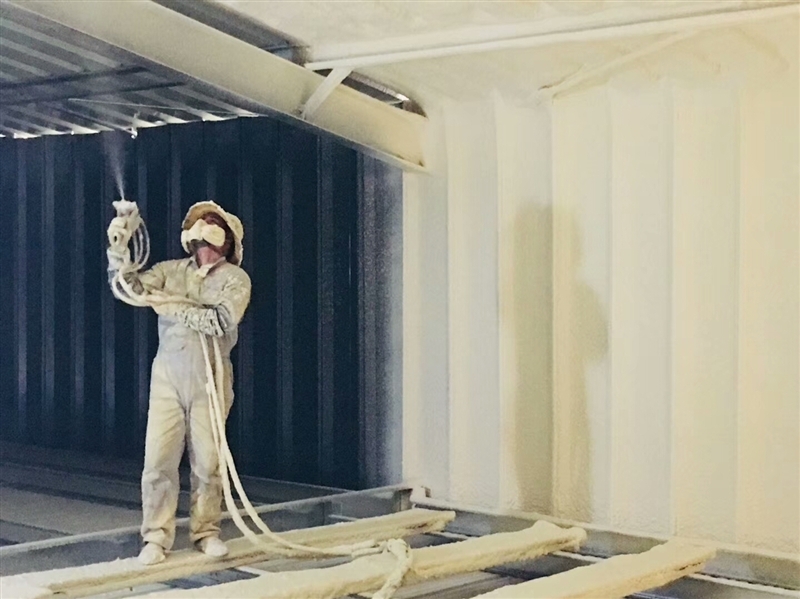
This category includes models XF-3152, XF-2412, XF-1752, and XF-2002. These products are made from phthalic anhydride (PA), purified terephthalic acid (PTA), adipic acid (AA), diethylene glycol (DEG), and glycerin (GLY). They are designed for spraying insulation, sandwich panels, polyurethane pipe, PU wood imitation, and home appliances. For example, XF-3152 has a hydroxyl value of 315±15 mgKOH/g, viscosity 3000±500 CPS, acid value ≤2.0 mgKOH/g, and moisture ≤0.1%.
2. High Flame Retardant Polyester Polyol
Models XF-2007, XF-250P, XF-235P, XF-240P are formulated for PIR spraying insulation, sandwich panels, and polyurethane pipes where high flame retardancy is required. XF-2007 has a viscosity of 15000±3000 CPS and hydroxyl value 200±10 mgKOH/g; XF-240P has moisture ≤0.15%; XF-235P has acid value ≤2.0 mgKOH/g; XF-250P has hydroxyl value 260±10 mgKOH/g.
3. Pentane System Polyester Polyol
This series includes XF-435, XF-390, XF-360, XF-2402N, XF-2020, used in home appliances, polyurethane pipes, sandwich panels, and PIR systems. Hydroxyl values range from 200 to 500 mgKOH/g. For instance, XF-435 has hydroxyl value 500±50 mgKOH/g, viscosity 10000±2000 CPS, moisture ≤0.15%, acid value ≤3.0 mgKOH/g.
4. High Water-based Polyester Polyol
Models XF-2003, XF-2006, XF-3153, XF-315G, XF-300W are designed for high-water or full water-based systems used in spraying insulation and sandwich panels. All models have moisture ≤0.1%. XF-2003: hydroxyl 200±10 mgKOH/g, viscosity 2000±500 CPS, acid value ≤1.5 mgKOH/g.
5. Polyester Polyol for Adhesive
Models XF-Z and XF-280 are intended for sandwich panel adhesives. XF-Z: hydroxyl 60±5 mgKOH/g, viscosity 10000±2000 CPS, acid value ≤5.0 mgKOH/g; XF-280: hydroxyl 280±20 mgKOH/g, viscosity 15000-2000 CPS, acid value ≤3.0 mgKOH/g.
6. Polyester Polyol for Mining
Models KXF-350 and KXF-280 are used in mining applications (e.g., cavity filling). KXF-350: hydroxyl 350±20 mgKOH/g, viscosity 1500±500 CPS, moisture ≤0.1%, acid value ≤2.0 mgKOH/g.
7. Polyester Polyol for Controlled-release Fertilizer Coating
Models XF-270, XF-B-3, XF-B-4 serve the controlled-release fertilizer coating industry. XF-270: hydroxyl 260±10 mgKOH/g, viscosity 3000±500 CPS, acid value ≤3±0.2 mgKOH/g, moisture ≤0.1%.
Key Selection Criteria for Polyester Polyol
When selecting a polyester polyol, consider the following steps:
- Define the application – spray foam, boardstock, adhesive, or pipe insulation.
- Match hydroxyl value – higher hydroxyl values produce more crosslinked, rigid foams; lower values yield flexible foams.
- Check viscosity – affects processing and mixing behavior.
- Evaluate moisture content – excess moisture can lead to unwanted side reactions.
- Consider flame retardancy requirements – choose high flame retardant grades for PIR systems.
- Verify compatibility with blowing agents (e.g., pentane, water).
Industry Use Cases
XINFA polyester polyols are widely used across industries:
- Sandwich Panels (PIR system): Models XF-3152, XF-2007, XF-390 provide high flame retardancy, low odor, and stable foaming.
- Cold Storage / Spray Foam: XF-2412, XF-1752, XF-2003 ensure low thermal conductivity and low-temperature stability.
- Construction Pipe Insulation: Pentane system and high flame retardant grades deliver required thermal performance.
- Mining: KXF series for cavity filling with low viscosity and fast curing.
- Agriculture: XF-270 family for coating fertilizers to control nutrient release.
.jpg)
Specification Comparison of Key Polyester Polyol Families
| Family | Typical Hydroxyl (mgKOH/g) | Viscosity @25°C (CPS) | Acid Value (mgKOH/g) | Moisture (%) | Primary Applications |
|---|---|---|---|---|---|
| Phthalic Anhydride (XF-3152) | 315±15 | 3000±500 | ≤2.0 | ≤0.1 | Spray foam, panels, pipes |
| High Flame Retardant (XF-2007) | 200±10 | 15000±3000 | ≤2.0 | ≤0.1 | PIR insulation |
| Pentane System (XF-390) | 400±20 | 2000±500 | ≤2.0 | ≤0.15 | Appliances, pipes, panels |
| High Water-based (XF-2003) | 200±10 | 2000±500 | ≤1.5 | ≤0.1 | Water-blown spray foam |
| Adhesive (XF-Z) | 60±5 | 10000±2000 | ≤5.0 | ≤0.15 | Sandwich panel adhesive |
| Mining (KXF-350) | 350±20 | 1500±500 | ≤2.0 | ≤0.1 | Mining fill |
| Fertilizer Coating (XF-270) | 260±10 | 3000±500 | ≤3±0.2 | ≤0.1 | Controlled-release coating |
Frequently Asked Questions about Polyester Polyol
1. What certifications does XINFA hold for its polyester polyol production?
XINFA has obtained ISO 9001 (quality management), ISO 14001 (environmental management), and ISO 45001 (occupational health and safety) certifications. These standards ensure consistent product quality and responsible manufacturing practices.
2. What types of polyester polyol does XINFA manufacture?
XINFA produces a wide range of polyester polyols including phthalic anhydride-based, high flame retardant, pentane system, high water-based, adhesive grade, mining grade, and controlled-release fertilizer coating grades. Each family contains multiple models with tailored hydroxyl values and viscosities.
3. What are the typical technical specifications for XINFA polyester polyols?
Key specifications include hydroxyl value (typically 60–500 mgKOH/g), acid value (≤0.5–5.0 mgKOH/g), moisture (≤0.1–0.15%), and viscosity at 25°C (ranging from 1000 to 15000 CPS depending on grade). For example, XF-3152 (hydroxyl 315, viscosity 3000 CPS) and XF-2007 (hydroxyl 200, viscosity 15000 CPS).
4. Can I get a sample of XINFA polyester polyol for testing?
Yes, sample requests are welcome. Contact XINFA’s sales team via email or WhatsApp to discuss your application and required grade. The team can provide 1–2 kg samples for laboratory evaluation.
5. How can I inquire about pricing and lead times?
For pricing, lead time, and bulk order information, please reach out to XINFA directly. You can also download the company brochure for a product overview. Download XINFA Brochure or contact Jessica at admin@xinfapu.com / WhatsApp: +86 166-3389-3646. Request a quote or sample today.
Conclusion
Choosing the right polyester polyol is fundamental to achieving desired polyurethane foam performance. XINFA’s extensive product portfolio, spanning from phthalic anhydride-based to highly specialized controlled-release coating polyols, provides buyers with application-matched solutions. With ISO certifications, a 25,000 m² facility, 70 employees including a 13-person R&D team, and an annual capacity of 80,000 tons, XINFA is positioned as a reliable manufacturing partner. To further discuss your requirements, contact XINFA’s team for technical datasheets or samples.