
Polyester Polyol Specs & ISO Certifications: XINFA Grade Guide
Polyester Polyol Specs & ISO Certifications: XINFA Grade Guide
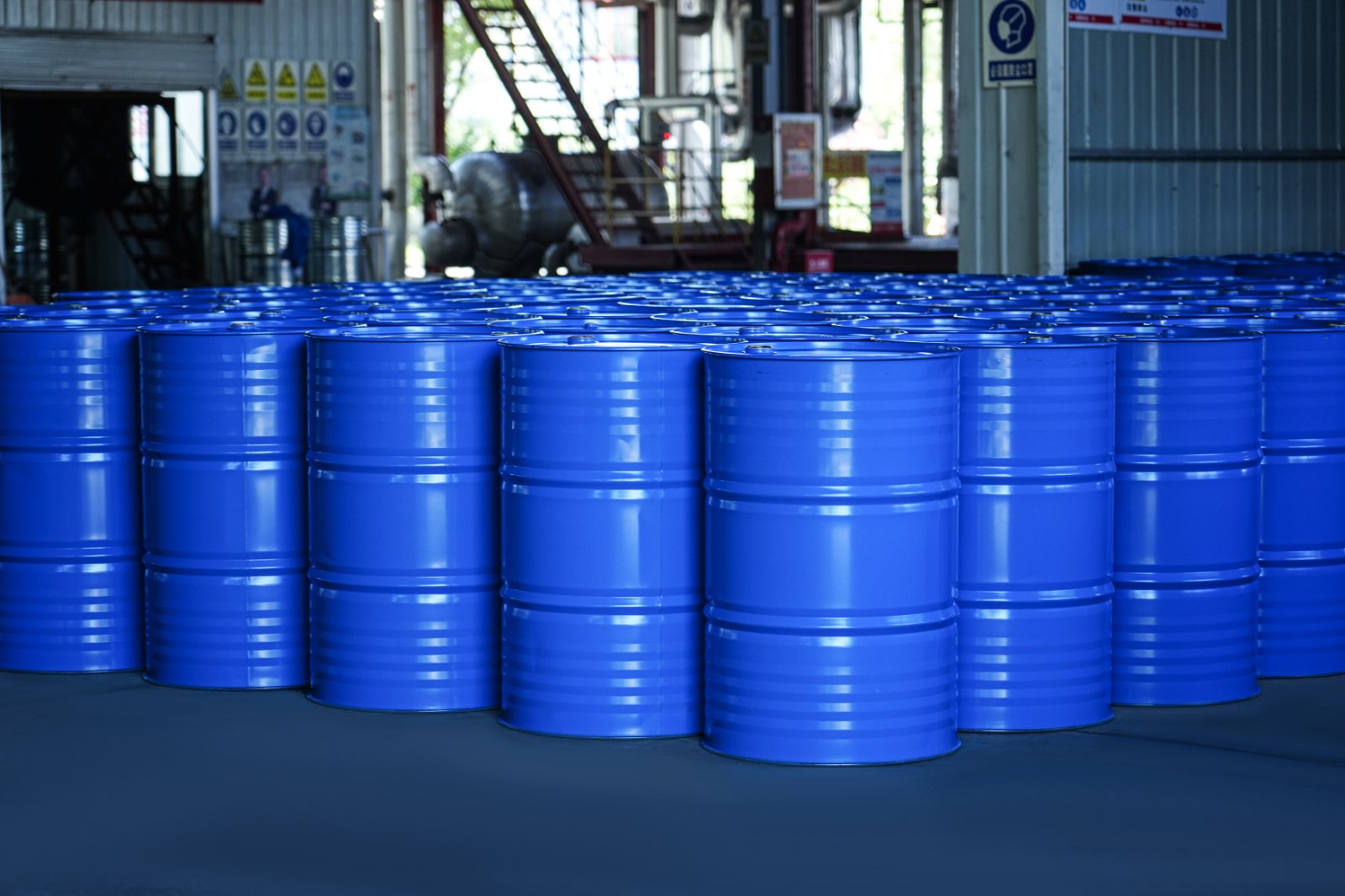
XINFA polyester polyol in bulk packaging.
Polyester polyol is a functional raw material used in rigid polyurethane (PU) and polyisocyanurate (PIR) foam, adhesives, coatings, and specialty systems. For buyers moving from research to supplier evaluation, the practical challenge is not whether a supplier can deliver polyester polyol, but whether the exact grade, specification limits, and certifications match the production process. This guide focuses on the constraint-related information a buyer should verify: hydroxyl value, acid value, moisture, viscosity, certification scope, and application fit.
Why Specification Limits Matter Before You Order
A polyester polyol grade is defined by measurable parameters. Hydroxyl value controls the crosslink density and determines how much polyol is needed in the formulation. Acid value indicates residual acidity in the polymer and affects reaction speed and foam stability. Moisture reacts with isocyanate and must be controlled because water content changes the stoichiometry. Viscosity affects mixing, pumping, and flow behaviour in production lines.
When a grade is chosen without checking these values, the risk is process instability: cream time and gel time drift, poor adhesion to facings, uneven cell structure, or thermal insulation values outside specifications. Documentation also matters. Buying from an ISO 9001-certified producer gives a basic guarantee that batch-to-batch variation is managed under a quality system.
Industry Background: Polyester Polyol Demand and Certification Context
The market context supports why buyers now focus on verified product data. Grand View Research estimates the global polyester polyol market at USD 9,654.2 million in 2024 and projects USD 15,033.3 million by 2033. Asia Pacific accounted for 43.7% of revenue in 2024, and China is expected to grow at the highest CAGR of 5.2% through 2033.
Within the product category, aromatic polyester polyols are a major segment. Persistence Market Research values the global aromatic polyester polyols market at USD 1.9 billion in 2026, with a projected CAGR of 5.9% to USD 2.8 billion by 2033. In rigid PU and PIR insulation, the EU Energy Performance of Buildings Directive (EU) 2024/1275 has become one of the regulatory drivers for higher-performance insulation products, according to Fortune Business Insights.
At the supplier level, the market includes producers such as Stepan, Huafon Group, COIM, BASF SE, Covestro AG, and Dow Inc. Industry reports indicate that the top three players hold approximately 30% of the market. This means the remaining demand is covered by specialised producers that compete on application fit, certification stability, and supply flexibility.
Detailed Solution: XINFA Product Families and Published Specifications
Hengshui Xinfa Polyurethane Materials Co., Ltd. (XINFA) is a polyester polyol and polyurethane catalyst producer based in Hebei Province, China. Its factory in the Salt Chemical Circular Economy Park in Jizhou City covers 25,000 square metres. XINFA produces 50,000 tons of polyester polyol per year using more than 30 sets of intelligent equipment and has passed ISO 9001, ISO 14001, and ISO 45001 certification.
For buyers, the most useful deliverable is a spec sheet that links a model number to its intended process. The following sections list the product families XINFA publishes for rigid foam and specialty applications.
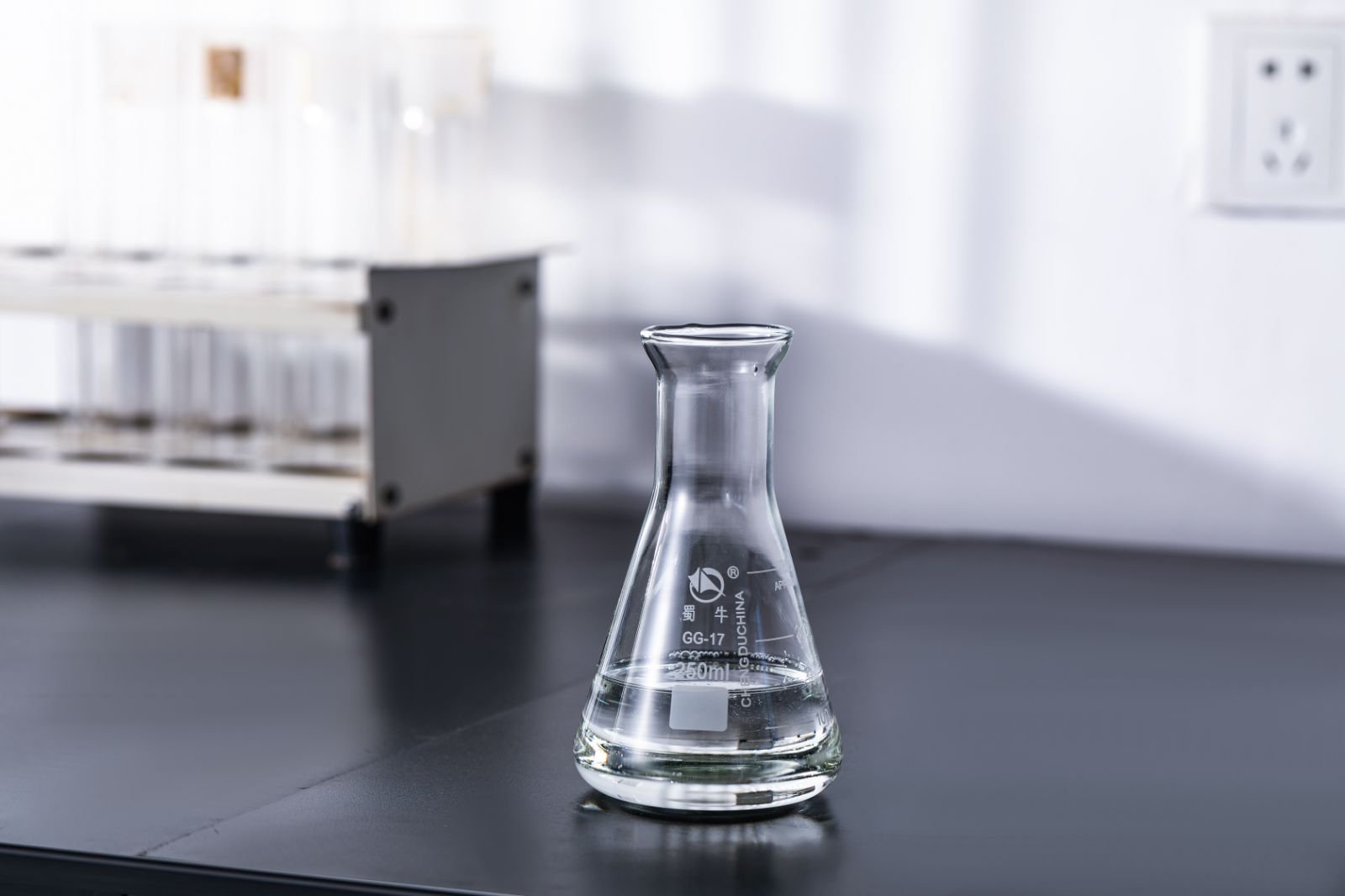
XF series polyester polyol grades for rigid foam systems.
Phthalic Anhydride Polyester Polyol (Aromatic)
The phthalic anhydride-based family includes XF-3152, XF-2412, XF-1752 and XF-2002. These aromatic types are used in spraying insulation, sandwich panels, PU pipes, PU wood imitation, home appliances and related rigid systems.
- XF-3152: hydroxyl 315±15 mgKOH/g; acid ≤2.0 mgKOH/g; moisture ≤0.1%; viscosity 3000±500 cPs at 25°C.
- XF-2412: hydroxyl 260±10 mgKOH/g; acid ≤1.5 mgKOH/g; moisture ≤0.1%; viscosity 6000±1500 cPs at 25°C.
- XF-1752: hydroxyl 175±10 mgKOH/g; acid ≤1.0 mgKOH/g; moisture ≤0.1%; viscosity <5000 cPs at 25°C.
- XF-2002: hydroxyl 195±5 mgKOH/g; acid ≤1.0 mgKOH/g; moisture ≤0.1%; viscosity 10000-30000 cPs at 25°C.
High Flame Retardant Polyester Polyol
The high flame retardant family includes XF-2007, XF-250P, XF-235P and XF-240P. These grades are listed for high flame retardant applications, PIR spraying insulation, sandwich panels, and polyurethane pipes.
- XF-2007: hydroxyl 200±10 mgKOH/g; acid ≤2.0 mgKOH/g; moisture ≤0.1%; viscosity 15000±3000 cPs at 25°C.
- XF-250P: hydroxyl 260±10 mgKOH/g; acid ≤1.5 mgKOH/g; moisture ≤0.1%; viscosity 11000±2000 cPs at 25°C.
- XF-235P: hydroxyl 235±15 mgKOH/g; acid ≤2.0 mgKOH/g; moisture ≤0.15%; viscosity 3000-6000 cPs at 25°C.
- XF-240P: hydroxyl 240±15 mgKOH/g; acid ≤2.0 mgKOH/g; moisture ≤0.15%; viscosity <5000 cPs at 25°C.
Pentane System Polyester Polyol
Pentane system grades include XF-435, XF-390, XF-360, XF-2402N and XF-2020. They are intended for home appliances, polyurethane pipes, sandwich panels, and PIR systems.
- XF-435: hydroxyl 500±50 mgKOH/g; acid ≤3.0 mgKOH/g; moisture ≤0.15%; viscosity 10000±2000 cPs at 25°C.
- XF-390: hydroxyl 400±20 mgKOH/g; acid ≤2.0 mgKOH/g; moisture ≤0.15%; viscosity 2000±500 cPs at 25°C.
- XF-360: hydroxyl 370±20 mgKOH/g; acid ≤2.0 mgKOH/g; moisture ≤0.15%; viscosity 1500±500 cPs at 25°C.
- XF-2402N: hydroxyl 240±10 mgKOH/g; acid ≤1.5 mgKOH/g; moisture ≤0.1%; viscosity <8000±1500 cPs at 25°C.
- XF-2020: hydroxyl 200±10 mgKOH/g; acid ≤1.5 mgKOH/g; moisture ≤0.1%; viscosity <7000±1000 cPs at 25°C.
High Water-based Polyester Polyol
The high water-based family includes XF-2003, XF-2006, XF-3153, XF-315G and XF-300W. These are intended for high-water or full-water systems, spraying insulation, sandwich panels, and polyurethane pipes.
- XF-2003: hydroxyl 200±10 mgKOH/g; acid ≤1.5 mgKOH/g; moisture ≤0.1%; viscosity 2000±500 cPs at 25°C.
- XF-2006: hydroxyl 170±10 mgKOH/g; acid ≤0.5 mgKOH/g; moisture ≤0.1%; viscosity 1500±500 cPs at 25°C.
- XF-3153: hydroxyl 315±15 mgKOH/g; acid ≤2.0 mgKOH/g; moisture ≤0.1%; viscosity 1800±500 cPs at 25°C.
- XF-315G: hydroxyl 315±15 mgKOH/g; acid ≤2.0 mgKOH/g; moisture ≤0.1%; viscosity <3000±500 cPs at 25°C.
- XF-300W: hydroxyl 315±15 mgKOH/g; acid ≤1.5 mgKOH/g; moisture ≤0.1%; viscosity 2000±500 cPs at 25°C.
Adhesive, Coating, Mining and General Purpose Grades
For sandwich panel adhesives, XINFA lists XF-Z and XF-280. XF-Z has hydroxyl 60±5 mgKOH/g, acid ≤5.0 mgKOH/g, moisture ≤0.15%, and viscosity 10000±2000 cPs at 25°C. XF-280 has hydroxyl 280±20 mgKOH/g, acid ≤3.0 mgKOH/g, moisture ≤0.1%, and viscosity 15000-2000 cPs at 25°C.
For controlled-release fertilizer coating, XINFA lists XF-270, XF-B-3 and XF-B-4. XF-270 has hydroxyl 260±10 mgKOH/g, acid ≤3±0.2 mgKOH/g, moisture ≤0.1%, and viscosity 3000±500 cPs at 25°C. XF-B-3 has hydroxyl 300±30 mgKOH/g, acid ≤3.0 mgKOH/g, moisture ≤0.15%, and viscosity 3000±500 cPs at 25°C. XF-B-4 has hydroxyl 370±20 mgKOH/g, acid ≤3.0 mgKOH/g, moisture ≤0.15%, and viscosity 3500±500 cPs at 25°C.
For mining, the published models are KXF-350 and KXF-280. KXF-350 has hydroxyl 350±20 mgKOH/g, acid ≤2.0 mgKOH/g, moisture ≤0.1%, and viscosity 1500±500 cPs at 25°C. KXF-280 has hydroxyl 280±15 mgKOH/g, acid ≤1.5 mgKOH/g, moisture ≤0.1%, and viscosity 1000±200 cPs at 25°C.
For general spraying foam and sandwich panels, XF-235 and NXF-400 are also available. XF-235 has hydroxyl 230-245 mgKOH/g, acid ≤2.0 mgKOH/g, moisture ≤0.15%, and viscosity 10500±1500 cPs at 25°C. NXF-400 has hydroxyl 400±20 mgKOH/g, acid ≤2.0 mgKOH/g, moisture ≤0.15%, and viscosity 3000±1000 cPs at 25°C.
Because polyester polyol is used in formulated rigid foam systems, catalyst compatibility is as important as the polyol itself. XINFA supplies PU catalysts including TEDA (CAS 280-57-9), TEDA A33 (triethylene diamine 33% in DPG/DEG), PC-5, PC-8, PC-41, BDMA, T-9, TCPP, TEP, and delayed catalysts such as C225. For sandwich panel and spraying applications documented by XINFA, common catalysts in the system are TEDA A33, PC-5, PC-8 and PC-41.
Step-by-Step: Evaluating a Polyester Polyol for Your Process
- Define the application and production method. For example, sandwich panel on a PIR production system, spraying foam with a spraying coating machine, or pipe insulation with a continuous or discontinuous process. XINFA application records for sandwich panels describe a normal temperature and conventional production condition running 24/7, with special requirements for high flame retardancy, low odour, and stable foaming performance.
- Determine the blowing agent type. If the formulation is pentane-blown, start with the pentane system family. If the formulation is high-water or full-water, evaluate the water-based family. If fire performance is the main constraint, put the high flame retardant family at the top of the shortlist.
- Compare the key specification limits: hydroxyl value, acid value, moisture, and viscosity. These should be within the operating range of the current foam machine or production line.
- Check certification coverage. Confirm that the supplier's quality, environmental, and safety management system certificates cover the production of polyester polyol, and confirm certificate numbers and expiry dates with the supplier.
- Request a sample. XINFA's standard MOQ is 1 metric ton, monthly capacity for OEM/ODM production is 4000 metric tons, and every batch is subject to 100% testing.
- Plan scale-up. Confirm lead time, packaging, export documentation, and after-sales support. XINFA lists a lead time of 15-20 days for OEM/ODM orders and provides technical support and product training.
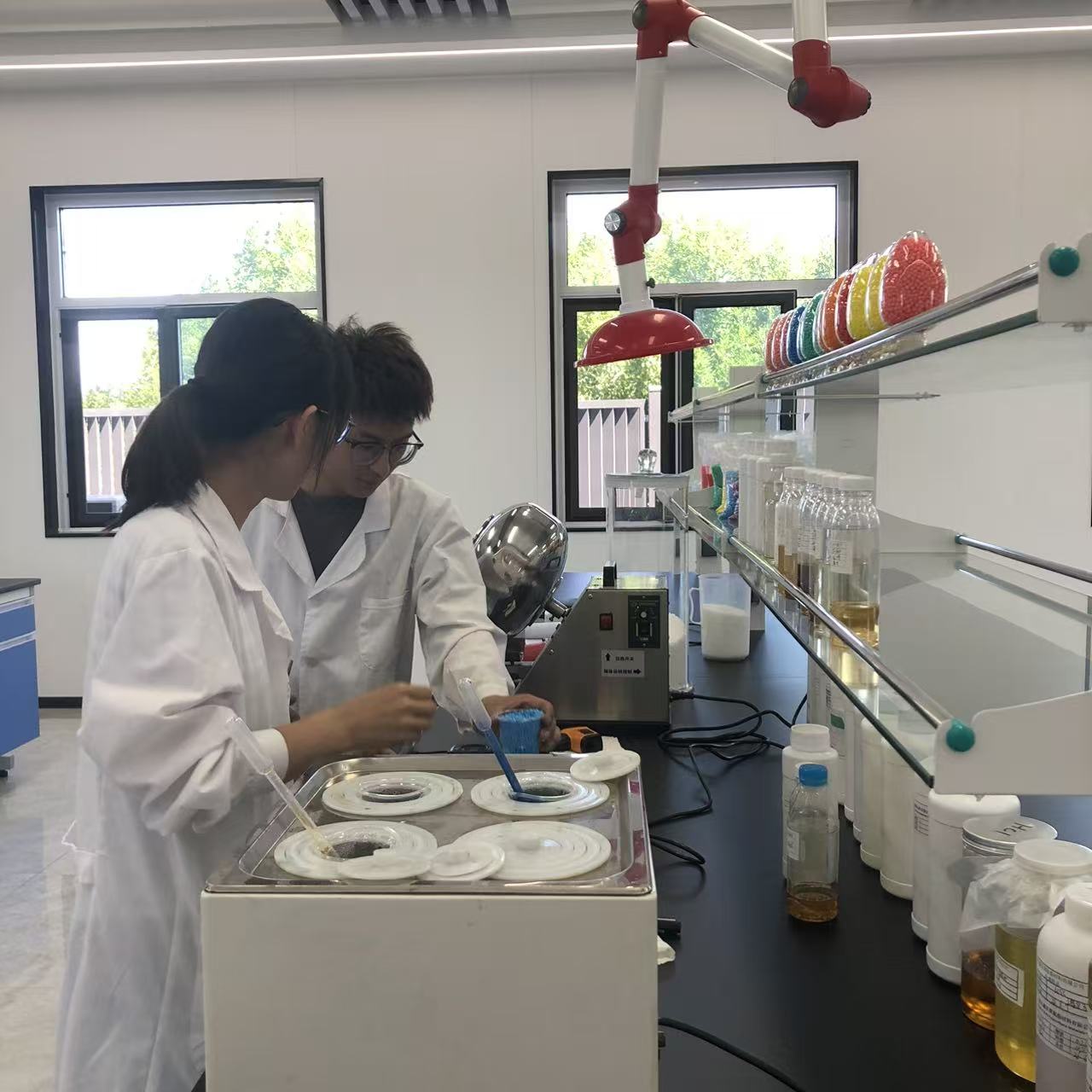
XINFA's laboratory supports batch testing and certifiable production.
Use Cases: How Certified Specification Data Supports Real Applications
PIR Sandwich Panels
For PIR sandwich panels, the documented requirements are high flame retardancy, low odour, and stable foaming performance. XINFA's high flame retardant grades XF-2007, XF-250P, XF-235P and XF-240P are listed for PIR spraying insulation, sandwich panels and PU pipes. These can be combined with flame retardant additives TCPP or TEP, which XINFA also supplies. The related catalyst system can include TEDA A33, PC-5, PC-8 and PC-41.
Cold Storage and Pipeline Insulation
Cold storage applications use spraying foam and require low temperature foaming stability, high thermal insulation efficiency, and low thermal conductivity. XINFA's high water-based grades XF-2003, XF-2006, XF-3153, XF-315G and XF-300W are listed for high-water or full-water systems, spraying insulation, sandwich panels, and PU pipes.
In an insulation project in India, a buyer used XINFA polyester polyol over two years with a documented order quantity of 100 metric tons. The documented results were good thermal insulation, high strength and density, excellent thermal conductivity, fire retardance, and structural support for pipelines.
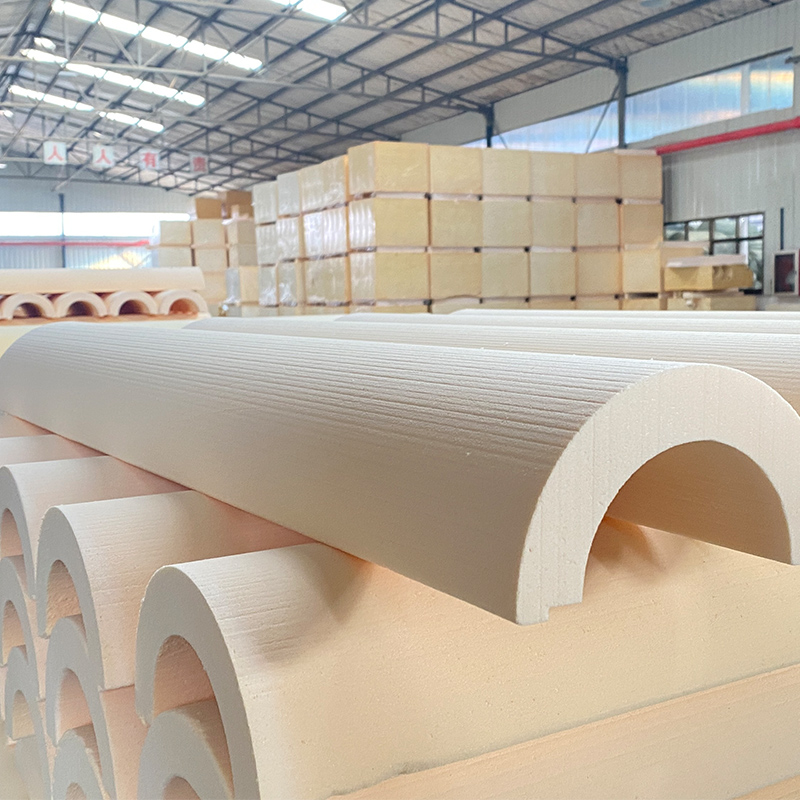
Pipeline insulation is one of the documented applications for XINFA polyester polyol.
Professional Spraying Foam Operations
A spraying foam operator in Poland has sourced 500 metric tons of XINFA polyester polyol over two years. The product is used for wall spraying, insulation boards, soundproof flooring, leak-proof pipelines and composite materials. The customer highlighted high mechanical strength, high wear resistance, resistance to high and low temperature cycling, hydrolysis resistance, and ageing resistance.
Coating and Adhesive Applications
For controlled-release fertilizer coating, XINFA lists XF-270, XF-B-3 and XF-B-4. The XF-270 grade is covered by certification for controlled-release fertilizer coating. For sandwich panel adhesives, XF-Z and XF-280 are the published adhesive-grade models.
Comparison Table: XINFA Polyester Polyol Families by Constraint
| Family | Representative Model | Hydroxyl Value (mgKOH/g) | Acid Value (mgKOH/g) | Moisture (%) | Viscosity (cPs @25°C) | Typical Application |
|---|---|---|---|---|---|---|
| Phthalic Anhydride | XF-3152 | 315±15 | ≤2.0 | ≤0.1 | 3000±500 | Spraying insulation, sandwich panels, PU pipes, wood imitation, home appliances |
| High Flame Retardant | XF-250P | 260±10 | ≤1.5 | ≤0.1 | 11000±2000 | High flame retardant, PIR spraying, sandwich panels, PU pipes |
| Pentane System | XF-2402N | 240±10 | ≤1.5 | ≤0.1 | <8000±1500 | Home appliances, PU pipes, sandwich panels, PIR system |
| High Water-based | XF-2003 | 200±10 | ≤1.5 | ≤0.1 | 2000±500 | High-water or full-water spraying insulation, sandwich panels, PU pipes |
| Adhesive | XF-Z | 60±5 | ≤5.0 | ≤0.15 | 10000±2000 | Sandwich panel adhesives |
| Coating / Controlled Release | XF-270 | 260±10 | ≤3±0.2 | ≤0.1 | 3000±500 | Controlled-release fertilizer coating agent |
| Mining | KXF-350 | 350±20 | ≤2.0 | ≤0.1 | 1500±500 | Mining |
Selection across these families should be based on the blowing agent, processing equipment, and end-use standard. The table consolidates representative published values; a complete datasheet should confirm the values for the selected lot.
Frequently Asked Questions
What ISO certifications should I check when buying polyester polyol?
XINFA holds ISO 9001:2015 (QMS, certificate 04322Q31390R1S), ISO 14001:2015 (EMS, certificate 04326E01332R101), and ISO 45001:2018 (OHSMS, certificate 04326S01211R101). The scopes cover the production of oligomeric polyester polyols and related management activities. The ISO 9001 certificate is valid until 2028-07-14; ISO 14001 and ISO 45001 are valid until 2029-06-14. The quality standard references GB/T19001-2016 / ISO 9001:2015.
What polyester polyol types does XINFA offer?
XINFA's portfolio includes phthalic anhydride types (XF-3152, XF-2412, XF-1752, XF-2002), high flame retardant grades (XF-2007, XF-250P, XF-235P, XF-240P), pentane system grades (XF-435, XF-390, XF-360, XF-2402N, XF-2020), high water-based grades (XF-2003, XF-2006, XF-3153, XF-315G, XF-300W), adhesive grades (XF-Z, XF-280), coating grades for controlled-release fertilizer (XF-270, XF-B-3, XF-B-4), mining grades (KXF-350, KXF-280), and general spraying/panel grades XF-235 and NXF-400.
Can I control formulation cost without losing performance?
The most reliable way is to select a polyester polyol that matches the system chemistry. For PIR applications, a high flame retardant polyol can support the fire performance target and reduce the need for additional flame retardant additives. For a full-water formulation, a high water-based grade is designed to keep viscosity and reactivity in a processable range. Compare the published acid value, moisture, and hydroxyl value against the current formulation rather than using price per ton as the only cost measure.
Can I request a sample before placing a full order?
XINFA's standard MOQ is 1 metric ton, and monthly capacity for OEM/ODM orders is 4000 metric tons. Each batch receives 100% testing. For evaluation, request samples with your application details: target product family, equipment type, and required hydroxyl or viscosity range.
What is XINFA's lead time for polyester polyol orders?
Published lead time for OEM/ODM orders is 15-20 days. XINFA provides after-sales technical support and product training. To request a datasheet or sample, contact XINFA at admin@xinfapu.com; the technical team can recommend a specific model and confirm sampling or production lead time.
Conclusion
Polyester polyol procurement becomes manageable when the focus is on measurable constraints: hydroxyl value, acid value, moisture, viscosity, and certification coverage. XINFA offers a published portfolio that covers aromatic, flame retardant, pentane system, water-based, adhesive, mining, and coating grades. It also supplies the catalysts needed for rigid foam systems, an advantage when reducing supplier complexity.
For technical datasheets, product samples, or OEM/ODM specification discussions, contact XINFA. The company brochure is available for download below. XINFA's export experience includes Europe, the Middle East, Southeast Asia, Central Asia, India, Pakistan, North America and South America.
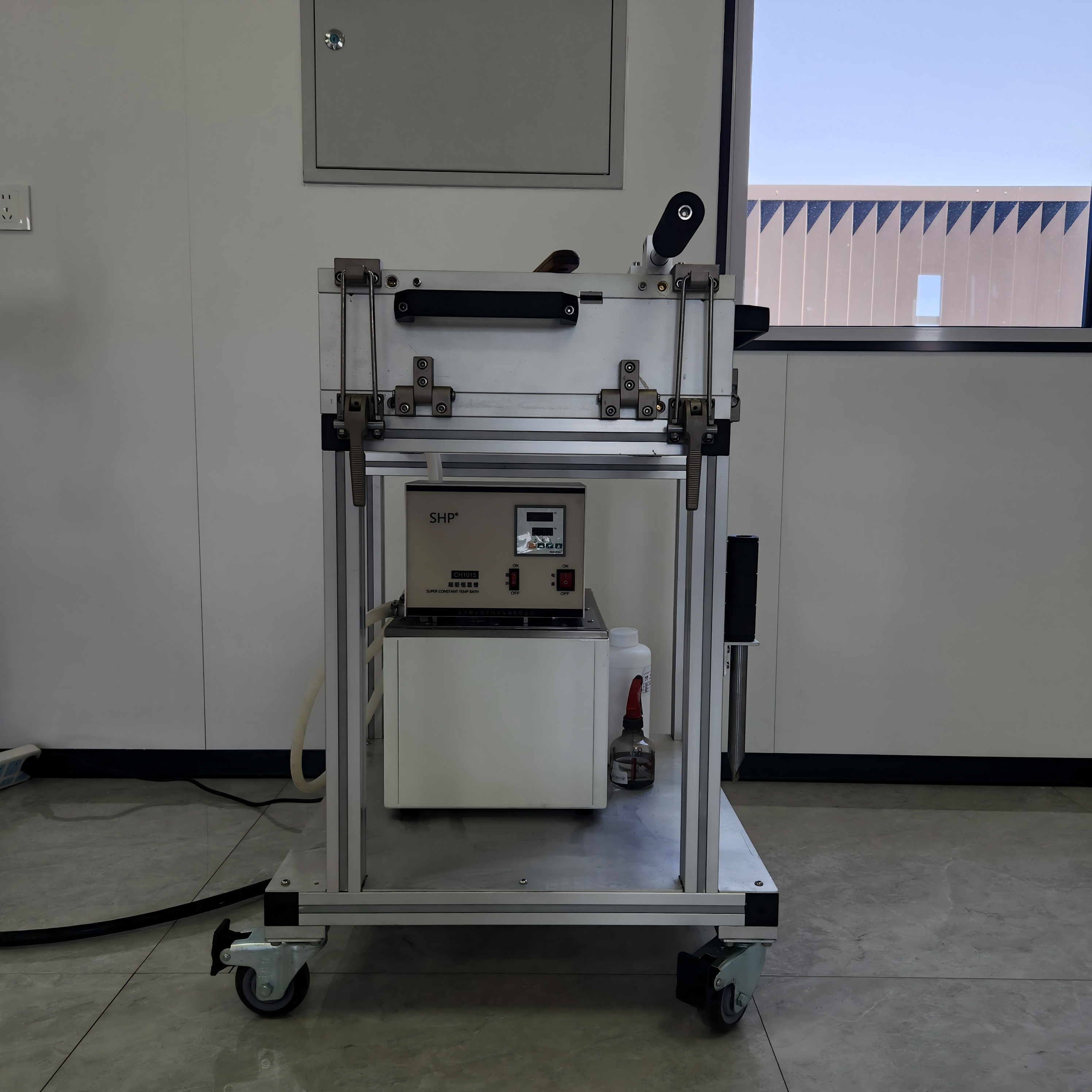
XINFA provides application support for polyester polyol systems.
Next step: Request the technical datasheet or a sample by contacting Jessica at admin@xinfapu.com, phone/WhatsApp +86 166-3389-3646, or visit www.xinfapu.com.