
Polyester Polyol TDS Guide: Hydroxyl, Acid, Moisture & Viscosity for XF, KXF & NXF Series
Polyester Polyol TDS Guide: Hydroxyl, Acid, Moisture & Viscosity for XF, KXF & NXF Series
A polyester polyol technical data sheet, or TDS, is the specification document used to compare a grade by hydroxyl value, acid value, moisture content and viscosity at 25°C before a formulation or purchase decision is made. For XINFA XF, KXF and NXF series, those four numbers are not decorative catalogue data; they are the first screening layer for grade fit, batch consistency review and supplier acceptance.
Hengshui Xinfa Polyurethane Materials Co., Ltd., which operates under the brand XINFA, is a China-based manufacturer of polyester polyol and polyurethane materials with a factory in the Salt Chemical Circular Economy Park in Jizhou City. Its polyester polyol range covers high flame retardant, pentane system, mining, high water-based, adhesive and controlled-release fertilizer coating grades. This guide explains how to read the TDS parameters that matter most and how to connect them to the XF, KXF and NXF series named in the grade list.
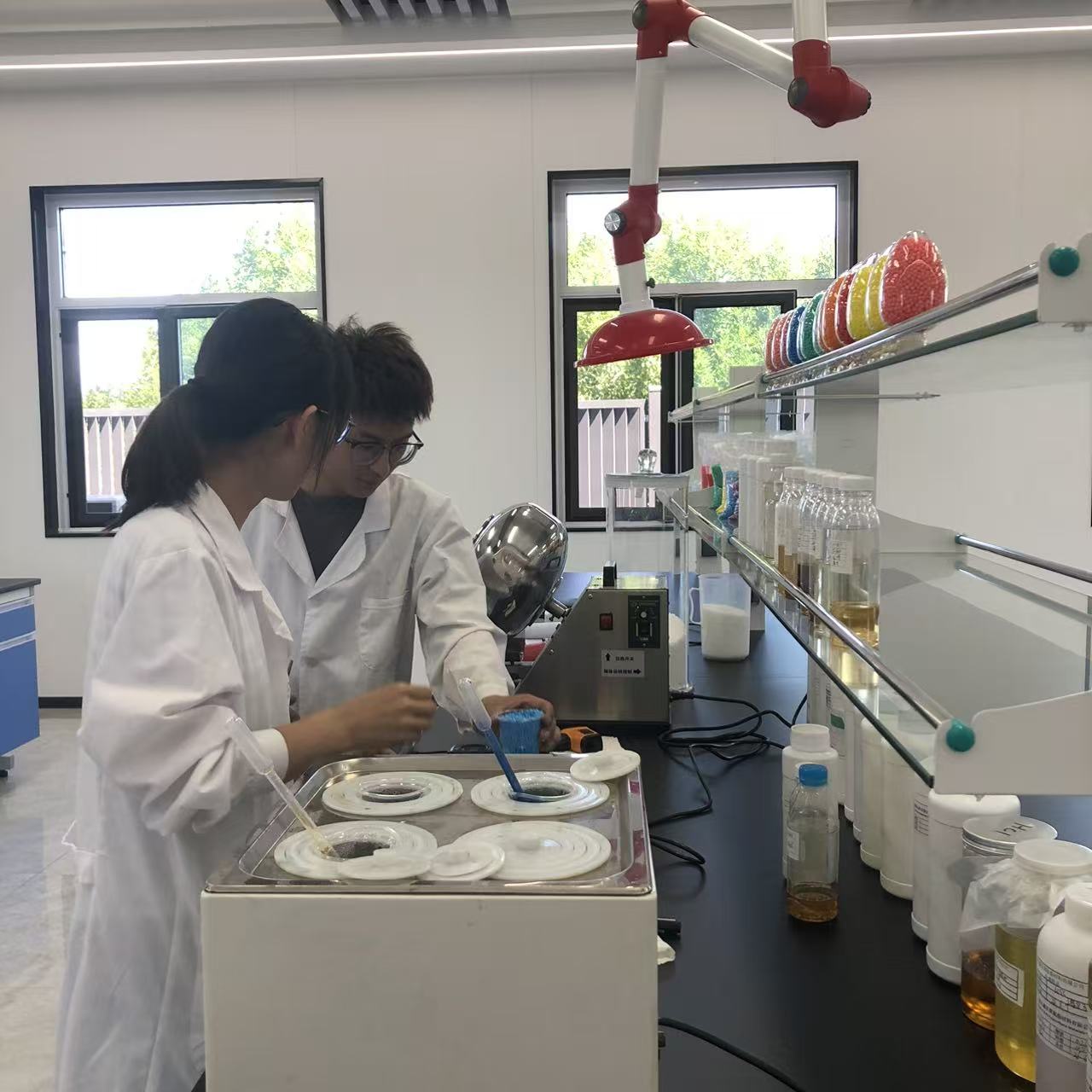
Problem Definition: A Grade Name Is Not a Specification
The common buying problem is not a shortage of grade names. It is comparing grades without aligning the TDS to the PU system. Two polyester polyols may sit in the same application family yet differ in hydroxyl value, acid value limit, moisture limit or viscosity. If a buyer selects only by product family or by a familiar model suffix, the formulation may require more catalyst, more process adjustment or more batch verification than expected.
A TDS should answer four practical questions. How reactive is the grade by hydroxyl value? How tight is the acid value limit? How low is the moisture ceiling? How difficult is the grade to pump, mix or spray at 25°C? The answers belong together. A low-viscosity grade can be easy to handle but still require a specific hydroxyl value. A high-hydroxyl grade can support a different formulation target but may need a different handling plan. The TDS is the control document that keeps those trade-offs visible.
Industry Background: Why TDS Discipline Matters in Polyester Polyol Procurement
Polyester polyols are used in rigid foam, insulation panels, sandwich panels, pipe insulation, adhesives, coatings and controlled-release fertilizer coating systems. The global polyester polyol market was projected to reach USD 10.1 billion in 2025, according to Future Market Insights. That scale supports a wide grade range, but it also means buyers need a repeatable way to compare technical data rather than rely on grade labels alone.
For XINFA, the production context includes a reported annual polyester polyol capacity of 50,000 tons and a 25,000 square meter factory. The company holds ISO 9001:2015 quality management certification, ISO 14001 environmental management certification and ISO 45001 occupational health and safety certification. These management-system facts support a supplier review, but they do not replace grade-level TDS review. The buyer still needs to confirm that the exact XF, KXF or NXF grade meets the required hydroxyl value, acid value, moisture and viscosity window.
In rigid foam and PIR sandwich panel work, TDS review often sits between formulation research and incoming inspection. The purchasing team wants a stable supply, the technical team wants a repeatable reaction profile, and the production team wants a grade that can be handled with the existing dosing and mixing equipment. A well-read TDS gives all three teams a shared reference point.
Detailed Solution: How to Interpret the Four Core TDS Parameters
1. Hydroxyl Value: The Reactivity Anchor
Hydroxyl value is expressed in mgKOH/g. It indicates the hydroxyl content that reacts with isocyanate in a polyurethane system. In TDS review, read both the target value and its tolerance. A grade listed as 200±10 mgKOH/g is not the same specification as a grade listed as 200±30 mgKOH/g, even if the centre value is the same.
For XINFA grades, hydroxyl value is a useful first screen. XF-2007 is listed at 200±10 mgKOH/g, XF-250P at 260±10 mgKOH/g, XF-235P at 235±15 mgKOH/g and XF-240P at 240±15 mgKOH/g. In the mining series, KXF-350 is listed at 350±20 mgKOH/g and KXF-280 at 280±15 mgKOH/g. In the controlled-release fertilizer coating series, XF-270 is listed at 260±10 mgKOH/g, XF-B-3 at 300±30 mgKOH/g and XF-B-4 at 370±20 mgKOH/g. NXF-400 is listed at 400±20 mgKOH/g.
The practical reading is straightforward. Use hydroxyl value to compare the grade against the formulation target, then confirm the tolerance is acceptable for the batch-control plan. Do not treat a higher hydroxyl value as automatically better. It simply changes the reactivity and formulation balance that must be validated in the specific PU system.
2. Acid Value: A Quality Limit to Read as a Limit
Acid value is expressed in mgKOH/g and is usually stated as a maximum or a controlled limit in a polyester polyol TDS. The XINFA data shows different limits by series: XF-2007 and XF-235P have acid value ≤2.0 mgKOH/g, XF-250P has ≤1.5 mgKOH/g, KXF-350 has ≤2.0 mgKOH/g, KXF-280 has ≤1.5 mgKOH/g, XF-270 has ≤3 ± 0.2 mgKOH/g, and XF-B-3 and XF-B-4 have ≤3.0 mgKOH/g. NXF-400 is listed at ≤2.0 mgKOH/g.
Read acid value as a specification boundary, not as a marketing ranking. A tighter limit can matter in a quality-control plan because it narrows the acceptable batch window. A higher maximum may be acceptable in one application and less suitable in another. The TDS should be read together with the certificate of analysis for the delivered batch, so the buyer confirms the actual result against the stated limit.
3. Moisture: The Limit That Protects the Process
Moisture is expressed as a percentage. In polyurethane systems, water can interfere with the intended isocyanate reaction, so a moisture limit is a process-control parameter. The XINFA TDS examples show moisture limits of ≤0.1% for XF-2007, XF-250P, KXF-350, KXF-280 and XF-270. XF-235P, XF-240P, XF-B-3, XF-B-4 and NXF-400 are listed at ≤0.15%.
Do not read the moisture limit in isolation. A grade with a ≤0.1% limit may require tighter storage and handling controls than a grade with a ≤0.15% limit. The buyer should confirm the packaging, storage and incoming-test method that will be used to verify the limit. The TDS number is the specification; the acceptance procedure is how the buyer proves the delivered material remains inside it.
4. Viscosity at 25°C: Handling, Pumping and Mixing
Viscosity is expressed in CPS at 25°C. It tells the buyer how the grade behaves during pumping, dosing, mixing and, where relevant, spray processing. The temperature reference matters. A viscosity figure without a stated temperature is difficult to compare.
XINFA data shows a wide handling range. XF-2007 is listed at 15,000±3,000 CPS at 25°C, while NXF-400 is listed at 3,000±1,000 CPS at 25°C. XF-250P is listed at 11,000±2,000 CPS, XF-235P at 3,000–6,000 CPS and XF-240P at below 5,000 CPS. KXF-350 is listed at 1,500±500 CPS and KXF-280 at 1,000±200 CPS. XF-270 and XF-B-3 are listed at 3,000±500 CPS, and XF-B-4 at 3,500±500 CPS.
The practical implication is not that lower viscosity is always better. Lower viscosity may simplify transfer, while higher viscosity may suit a different process and formulation. The right choice depends on the equipment, the mix ratio, the temperature control and the application method. The TDS gives the starting number; the trial run confirms the handling window.
Mapping XINFA XF, KXF and NXF Series to Application Needs
The series name is a useful first filter, but the TDS remains the decision document. The table below uses the grade lists and application references provided for XINFA polyester polyol grades. Where a grade is listed only by series and application, the buyer should request the current grade-specific TDS before confirming a specification.
| Series / application focus | Grades named in the supplied range | How to use the TDS in selection |
|---|---|---|
| High flame retardant polyester polyol | XF-2007, XF-235P, XF-240P, XF-250P | Referenced for high flame retardant applications, PIR spraying insulations, sandwich panel and polyurethane pipes. Compare hydroxyl value and viscosity first, then confirm acid value and moisture limits. |
| Pentane system polyester polyol | XF-435, XF-390, XF-360, XF-2402N, XF-2020 | Use the grade-specific TDS to confirm hydroxyl value, viscosity and moisture limit for the pentane-based system. Do not assume one pentane grade replaces another without TDS review. |
| Mining polyester polyol | KXF-350, KXF-280 | KXF-350 is listed at 350±20 mgKOH/g and 1,500±500 CPS; KXF-280 is listed at 280±15 mgKOH/g and 1,000±200 CPS. Both list moisture ≤0.1%. |
| High water-based polyester polyol | XF-2003, XF-2006, XF-3153, XF-315G, XF-300W | Confirm the moisture limit and viscosity of the exact grade. The high water-based series should be matched to the process and storage plan, not selected by series name alone. |
| Adhesive grade polyester polyol | XF-Z, XF-280 | Check hydroxyl value, acid value and moisture against the adhesive formulation target, then confirm viscosity at 25°C for the mixing equipment. |
| Controlled-release fertilizer coating | XF-270, XF-B-3, XF-B-4 | XF-270 is listed at 260±10 mgKOH/g, XF-B-3 at 300±30 mgKOH/g, XF-B-4 at 370±20 mgKOH/g. Acid value and moisture limits differ by grade. |
| NXF series grade reference | NXF-400 | Listed at 400±20 mgKOH/g, acid value ≤2.0 mgKOH/g, moisture ≤0.15%, viscosity 3,000±1,000 CPS at 25°C. Application references include sandwich panel, cold storage and construction insulation systems. |
Selected TDS Examples: XF-2007 and NXF-400
XF-2007 and NXF-400 are useful examples because their TDS values sit at different ends of the handling and reactivity discussion. XF-2007 is listed with a hydroxyl value of 200±10 mgKOH/g, acid value ≤2.0 mgKOH/g, moisture ≤0.1% and viscosity 15,000±3,000 CPS at 25°C. NXF-400 is listed with a hydroxyl value of 400±20 mgKOH/g, acid value ≤2.0 mgKOH/g, moisture ≤0.15% and viscosity 3,000±1,000 CPS at 25°C.
A buyer comparing these two grades should not ask which one is stronger. The correct question is which TDS profile matches the intended system. XF-2007 combines a lower hydroxyl value with a much higher viscosity figure. NXF-400 combines a higher hydroxyl value with a lower viscosity figure. Those differences affect formulation balance and handling, so they should be tested against the actual process rather than assumed from the grade name.
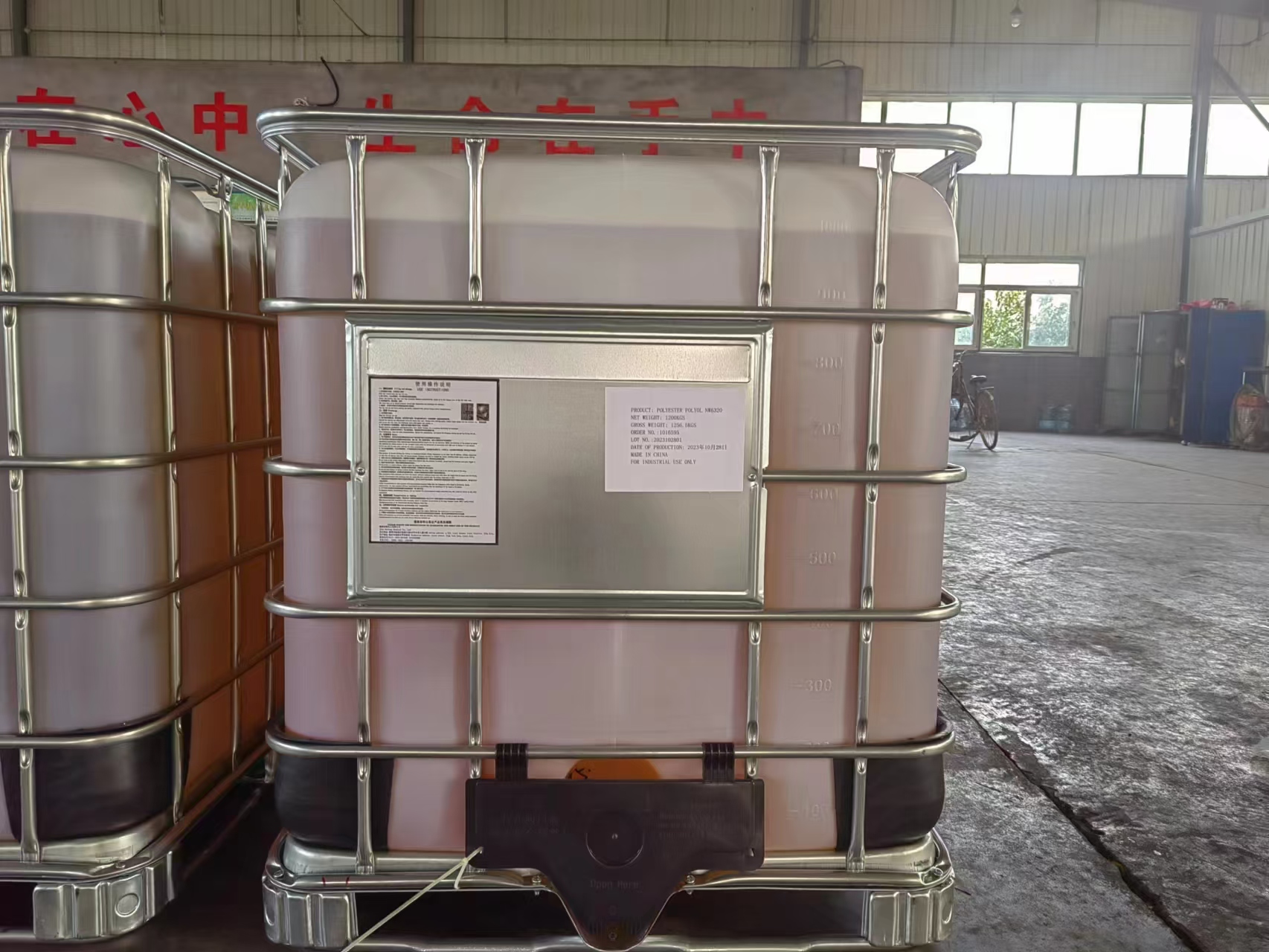
Comparison Table: Selected XINFA Polyester Polyol TDS Values
The following table reproduces specification values supplied for selected grades. It is intended for technical screening only. Confirm the current grade-specific TDS and batch certificate of analysis before purchase or reformulation.
| Grade | Hydroxyl value (mgKOH/g) | Acid value (mgKOH/g) | Moisture (%) | Viscosity at 25°C (CPS) |
|---|---|---|---|---|
| XF-2007 | 200±10 | ≤2.0 | ≤0.1 | 15,000±3,000 |
| XF-250P | 260±10 | ≤1.5 | ≤0.1 | 11,000±2,000 |
| XF-235P | 235±15 | ≤2.0 | ≤0.15 | 3,000–6,000 |
| XF-240P | 240±15 | ≤2.0 | ≤0.15 | <5,000 |
| KXF-350 | 350±20 | ≤2.0 | ≤0.1 | 1,500±500 |
| KXF-280 | 280±15 | ≤1.5 | ≤0.1 | 1,000±200 |
| XF-270 | 260±10 | ≤3 ± 0.2 | ≤0.1 | 3,000±500 |
| XF-B-3 | 300±30 | ≤3.0 | ≤0.15 | 3,000±500 |
| XF-B-4 | 370±20 | ≤3.0 | ≤0.15 | 3,500±500 |
| NXF-400 | 400±20 | ≤2.0 | ≤0.15 | 3,000±1,000 |
Step-by-Step Breakdown: A Practical TDS Review Workflow
- Define the PU system and process first. State whether the grade is for rigid foam, PIR sandwich panel, spraying, mining, adhesive, high water-based or controlled-release fertilizer coating. The application narrows the grade list before any number is compared.
- Read hydroxyl value with its tolerance. Compare the target value and the acceptable range against the formulation requirement. Confirm whether the formulation can tolerate the stated ± window.
- Check acid value as a maximum or controlled limit. Record the exact TDS limit and confirm how the incoming certificate of analysis will be compared against it.
- Confirm the moisture limit and the handling plan. A ≤0.1% limit and a ≤0.15% limit may call for different storage and sampling controls. Match the limit to the process sensitivity.
- Review viscosity at 25°C against the equipment. Compare the stated CPS range with pumping, dosing and mixing conditions. If the process runs at a different temperature, confirm the handling behaviour through a trial rather than assuming the 25°C value applies unchanged.
- Match the grade to the series and application reference. Use the XF, KXF or NXF series as a first filter, then confirm the exact grade TDS. For pentane system, high water-based and adhesive grades, request the grade-specific sheet rather than relying on the series description.
- Request the current TDS, batch COA and sample. Compare the current documents with the purchase specification. A sample trial should test the same parameters that will be used for incoming acceptance.
Decision rule: A grade is not selected because its hydroxyl value is high or its viscosity is low. It is selected when the hydroxyl value, acid value, moisture limit and viscosity at 25°C all fit the intended process and can be verified batch by batch.
Use Cases: Where TDS Parameters Drive the Grade Conversation
PIR Spraying Insulation and Sandwich Panels
High flame retardant grades such as XF-2007, XF-235P, XF-240P and XF-250P are referenced for high flame retardant applications, PIR spraying insulations, sandwich panel and polyurethane pipes. In this group, viscosity is a practical starting point because it affects pumping and spray handling, while hydroxyl value and acid value define the formulation window. XF-2007's 15,000±3,000 CPS at 25°C and 200±10 mgKOH/g shows why the grade cannot be judged by one number alone.
Mining Applications
KXF-350 and KXF-280 are the mining series grades in the supplied range. KXF-350 is listed at 350±20 mgKOH/g and 1,500±500 CPS; KXF-280 is listed at 280±15 mgKOH/g and 1,000±200 CPS. Both list an acid value limit and a moisture limit that should be checked against the mining formulation and site handling conditions. The TDS gives the technical boundary; the case history confirms that the grade family has been used in projects, but it does not replace a new trial for a new formulation.
Controlled-Release Fertilizer Coating
XF-270, XF-B-3 and XF-B-4 are listed for controlled-release fertilizer coating. XF-270 is also named in XINFA documentation for controlled-release fertilizer coating, and XINFA's ISO 9001:2015 certification scope covers production of oligomeric polyester polyols. The fertilizer coating grades show how hydroxyl value and acid value can shift across a series: XF-270 at 260±10 mgKOH/g, XF-B-3 at 300±30 mgKOH/g and XF-B-4 at 370±20 mgKOH/g. Buyers should confirm the exact coating process and acceptance parameters with XINFA before selecting a grade.
High Water-Based and Adhesive Series
The high water-based series XF-2003, XF-2006, XF-3153, XF-315G and XF-300W, and the adhesive series XF-Z and XF-280, should be reviewed with the same four-parameter discipline. For high water-based systems, moisture limit and viscosity deserve early attention. For adhesive grades, hydroxyl value and acid value should be matched to the adhesive formulation, while viscosity should be checked against the mixing and application equipment.
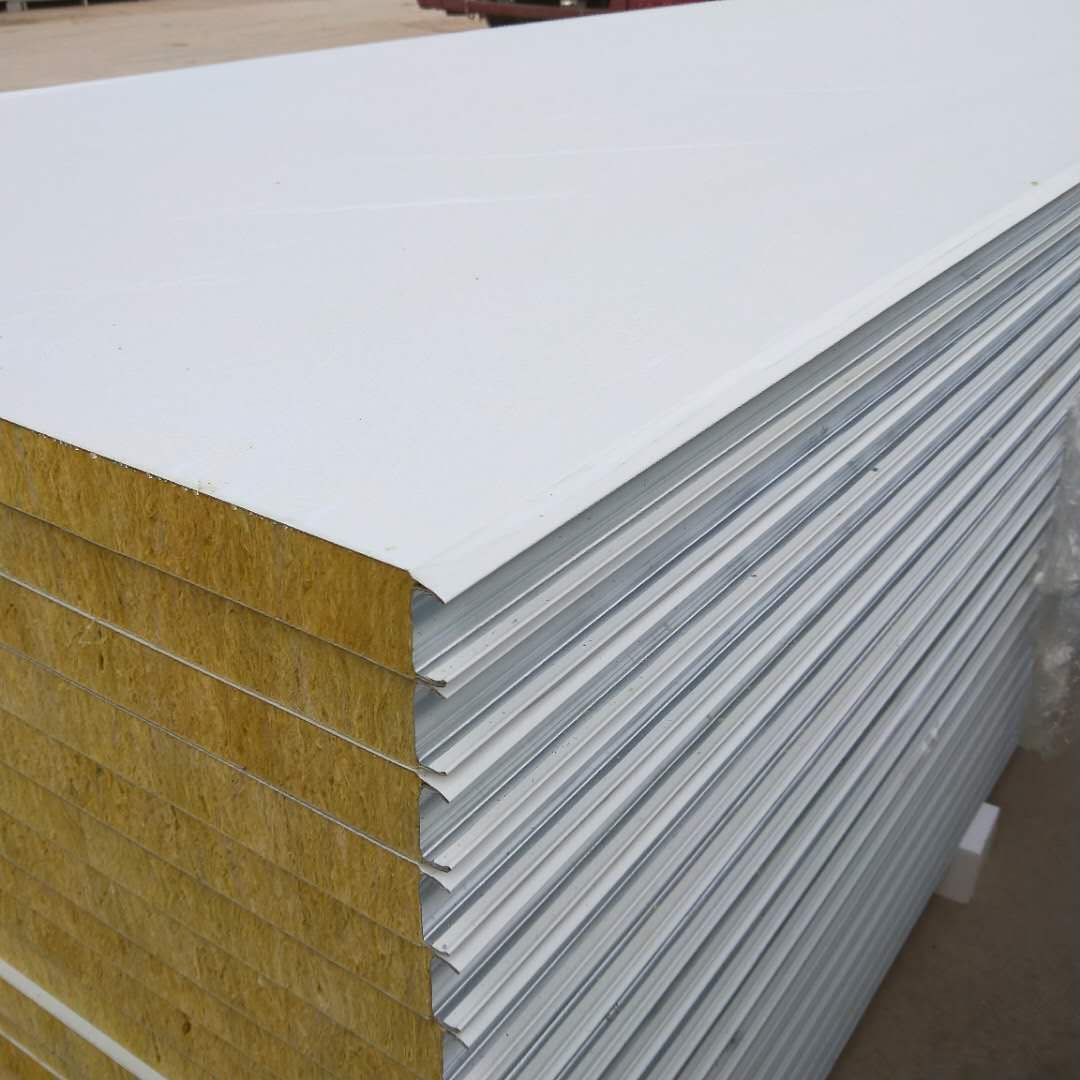
Quality, Documentation and Supply Checks
XINFA holds ISO 9001:2015 certification under certificate number 04322Q31390R1S, issued by Beijing United Intelligence Certification Co., Ltd., with the scope covering production of oligomeric polyester polyols. The certificate is valid from 2025-06-06 to 2028-07-14. The company also holds ISO 14001 and ISO 45001 certification. These documents support a supplier quality review, but the buyer should still verify that the exact grade TDS is the current revision and that the batch COA matches the agreed specification.
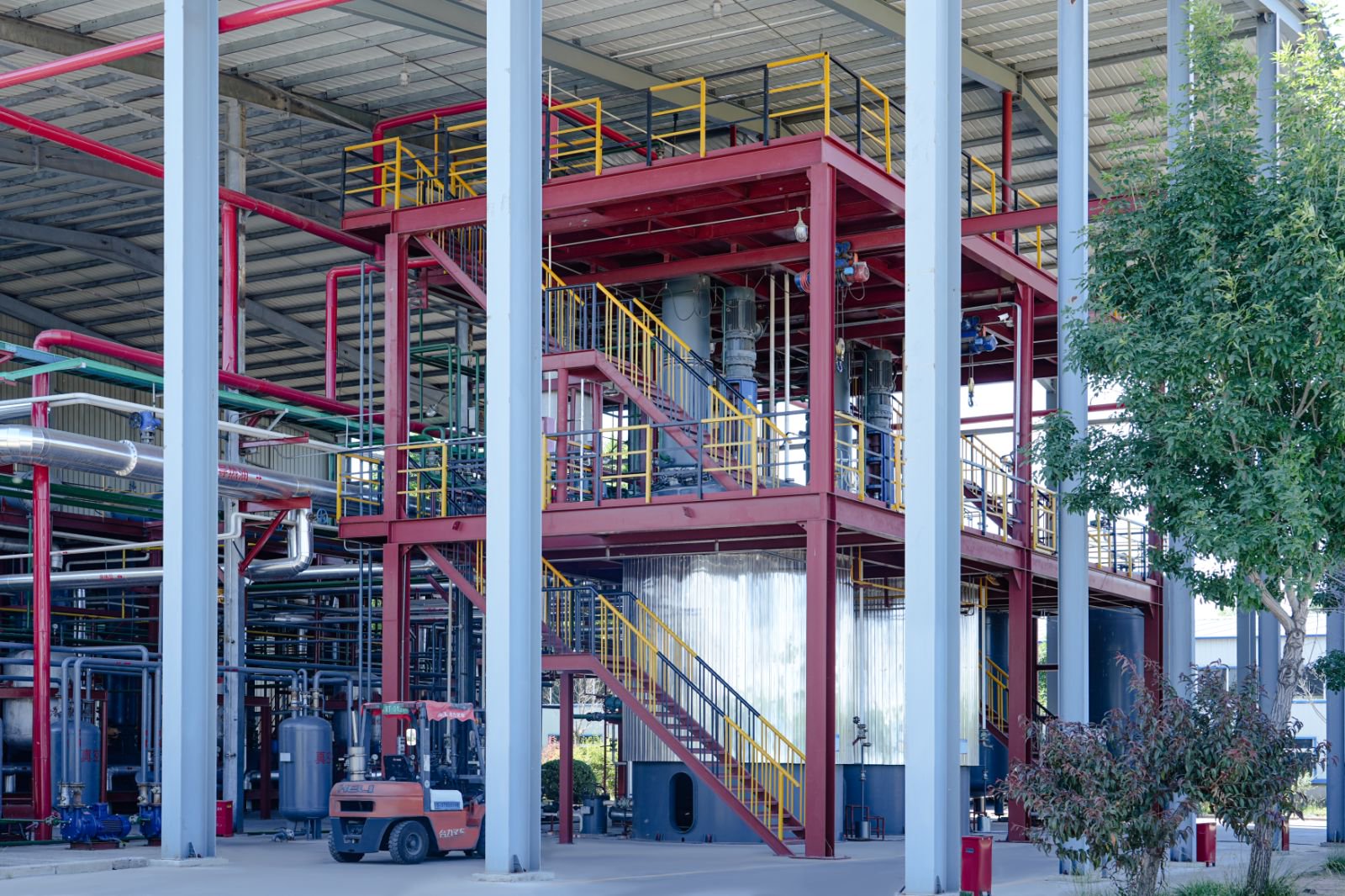
From a supply-planning perspective, XINFA lists OEM/ODM customization for polyester polyol, 100% testing, a MOQ of 1 mt and a lead time of 15–20 days. These are commercial facts that belong beside the technical TDS review. A grade that fits the formulation but cannot be supplied within the required lead time is not a complete procurement decision.
FAQ: Polyester Polyol TDS and Grade Selection
How can I check that a XINFA polyester polyol TDS is supported by quality management certification?
Check the ISO 9001:2015 certificate number 04322Q31390R1S, issued by Beijing United Intelligence Certification Co., Ltd. The standard is GB/T19001-2016 / ISO 9001:2015, and the scope covers production of oligomeric polyester polyols. The certificate is valid from 2025-06-06 to 2028-07-14. XF-2007 is also named as certified to ISO 9001:2015. Use the certificate as supplier evidence, but still confirm the exact grade TDS and batch COA.
Can XINFA customize hydroxyl value or viscosity for XF, KXF or NXF grades?
XINFA lists OEM/ODM customization for polyester polyol and 100% testing in its capability data. That indicates a customization route exists, but a buyer should not assume any hydroxyl value or viscosity target is available without confirmation. Provide the target application, required hydroxyl value, acid value, moisture limit, viscosity at 25°C and expected volume, then ask XINFA to confirm the feasible grade or custom specification in writing.
What factors affect the commercial comparison of two polyester polyol grades?
Do not compare only a headline price. Compare the grade TDS, batch COA, MOQ, lead time and technical support. XINFA lists a MOQ of 1 mt and a lead time of 15–20 days for its polyester polyol capability. A grade with a different hydroxyl value, viscosity or moisture limit may require different handling and trial work, so the commercial comparison should include the cost of validation and the risk of batch adjustment.
Can I request a sample before committing to an XF, KXF or NXF grade?
Yes. For grade validation, request the current TDS, the batch COA and a sample quotation from XINFA. Confirm that the sample matches the intended grade and that the test plan covers hydroxyl value, acid value, moisture and viscosity at 25°C. Final sample terms, quantity and shipping details should be confirmed directly with XINFA.
What lead time and MOQ should I plan for?
XINFA lists a MOQ of 1 mt and a lead time of 15–20 days for polyester polyol supply. Plan the trial and incoming inspection around that lead time, and confirm the current schedule before releasing a purchase order. To start a TDS and sample request, contact XINFA at admin@xinfapu.com or +86 156-3365-7995 with your target grade, application and required hydroxyl value, acid value, moisture and viscosity window.
Conclusion: Read the TDS as a System, Not a Single Number
For XINFA XF, KXF and NXF polyester polyol grades, the TDS is most useful when hydroxyl value, acid value, moisture and viscosity at 25°C are read together. Hydroxyl value anchors the reactivity discussion. Acid value and moisture define quality-control limits. Viscosity at 25°C defines the handling conversation. The grade name helps narrow the range, but the specification values decide whether the grade belongs in the formulation.
Use the series mapping as a first filter: high flame retardant grades for PIR spray insulation, sandwich panel and pipe applications; pentane system grades for pentane-based systems; KXF-350 and KXF-280 for mining; high water-based grades for their named series; XF-Z and XF-280 for adhesive applications; XF-270, XF-B-3 and XF-B-4 for controlled-release fertilizer coating; and NXF-400 where its 400±20 mgKOH/g hydroxyl value, ≤2.0 mgKOH/g acid value, ≤0.15% moisture limit and 3,000±1,000 CPS viscosity at 25°C fit the application. Confirm every selection with the current grade-specific TDS, a batch COA and a trial in the actual process.
Request the Current TDS and Sample Review
Share your application, target hydroxyl value, acid value, moisture limit and viscosity range with XINFA. The team can confirm the current XF, KXF or NXF grade TDS and discuss sample and supply details.
Email: admin@xinfapu.com | Tel: +86 156-3365-7995 | WhatsApp: +86 166-3389-3646
Website: www.xinfapu.com | Brochure: Download the XINFA polyester polyol brochure
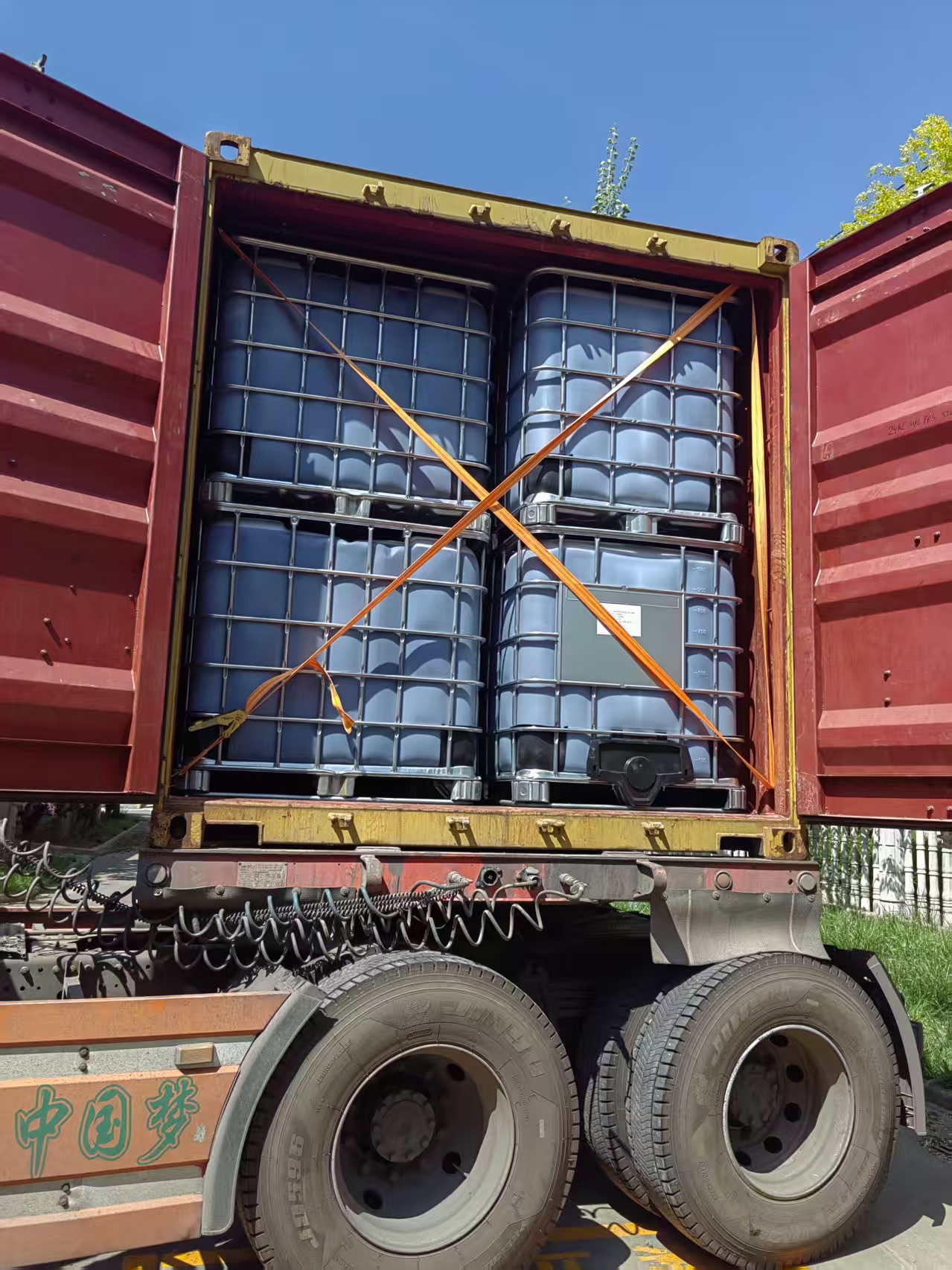
Technical data in this article is based on supplied XINFA grade information and should be verified against the current grade-specific TDS before purchase or reformulation.
Have Questions or Need More Details?
Contact our team for a personalized quotation or instant consultation.
Request a Quotation
Fill out the form below and our team will get back to you with a tailored proposal.
WhatsApp Direct Chat
Prefer to chat in real-time? Message us on WhatsApp for instant assistance & quick answers.
- Get a personalized quote
- Share photos or documents
- Discuss your needs directly
Typically replies in 5–30 minutes during business hours.