
Polyester Polyol and Catalyst Matching: XINFA's Custom Formulation Capabilities
Buying polyester polyol is often treated as a specification-matching exercise: hydroxyl value in range, acid value acceptable, viscosity workable. In real foam production, however, performance depends on a second set of variables. The polyol must be compatible with the catalyst system, the blowing agent, the flame retardant package, and the processing conditions used by the foam manufacturer.
Hengshui Xinfa Polyurethane Materials Co., Ltd. (brand: XINFA) is a Chinese chemical manufacturer that produces both polyester polyols and polyurethane catalysts, including amine catalysts such as TEDA and TEDA A33. The company operates from Hebei Province, China, with an established annual production capacity of 50,000 tons of polyester polyol series products, and offers OEM/ODM services. This article evaluates XINFA from a capability perspective: what can be customized, how the supplier matches polyol and catalyst chemistry to an application, and what a buyer should expect during evaluation and execution.
Problem Definition: Why Polyester Polyol Selection Is Not Just About a Data Sheet
A polyester polyol grade that performs well in one foam system can fail in another if the formulation environment changes. The same hydroxyl value can behave differently when the blowing agent shifts from cyclopentane to water, when the target is a PIR sandwich panel rather than a sprayed insulation layer, or when the flame retardant requirement changes.
For procurement teams in evaluation mode, the practical problem is supplier capability. A supplier that only sells standard polyester polyol may not have the flexibility to adjust specifications, or may not understand how the polyol interacts with the chosen PU catalyst package. In these situations the buyer carries the technical risk. A supplier that can point to documented customization parameters, a full product matrix, and reference projects becomes easier to evaluate and safer to execute with.
Industry Background: Demand Is Shifting Toward Application-Specific Polyester Polyols
The global demand context helps explain why capability matters. The global polyester polyol market was estimated at USD 9,654.2 million in 2024 and is projected to reach USD 15,033.3 million by 2033, according to Grand View Research. Asia Pacific dominated the market in 2024 with a revenue share of 43.7%, and China is expected to record the highest CAGR of 5.2% through 2033. The same research firm reported that the global polyurethane catalyst market reached USD 2.46 billion in 2024, with the amine catalyst segment holding a 28.6% revenue share.
Source: Grand View Research — Polyester Polyol Market; Grand View Research — Polyurethane Catalyst Market.
Aromatic polyester polyols are a major segment within this market. Persistence Market Research estimated the global aromatic polyester polyols market at USD 1.9 billion in 2026, with a projected CAGR of 5.9% to reach USD 2.8 billion by 2033. In addition, the EU Energy Performance of Buildings Directive (EU) 2024/1275 continues to strengthen demand for rigid PU and PIR insulation, which is a core volume application for aromatic polyester polyols.
Source: Persistence Market Research — Aromatic Polyester Polyols Market; Fortune Business Insights — Polyester Polyols Market.
The supplier landscape remains concentrated among global players. Public market research names Stepan, Huafon Group, COIM, BASF SE, Covestro AG, and Dow Inc. as key participants, with the top three holding an estimated 30% share. For buyers, the implication is not that smaller suppliers are automatically weaker, but that a supplier's real capability must be verified through product range, certifications, production capacity, and reference projects.
Beyond standard grades, buyers are increasingly asking about recovered or bio-based polyester polyol options. In any supplier evaluation, the same specification discipline should apply: verify hydroxyl value, acid value, moisture, viscosity, and the raw material basis before treating a grade as interchangeable.
XINFA Capability Overview: Polyester Polyol and Catalyst Expertise Under One Roof
Company Facts from the Corporate Profile
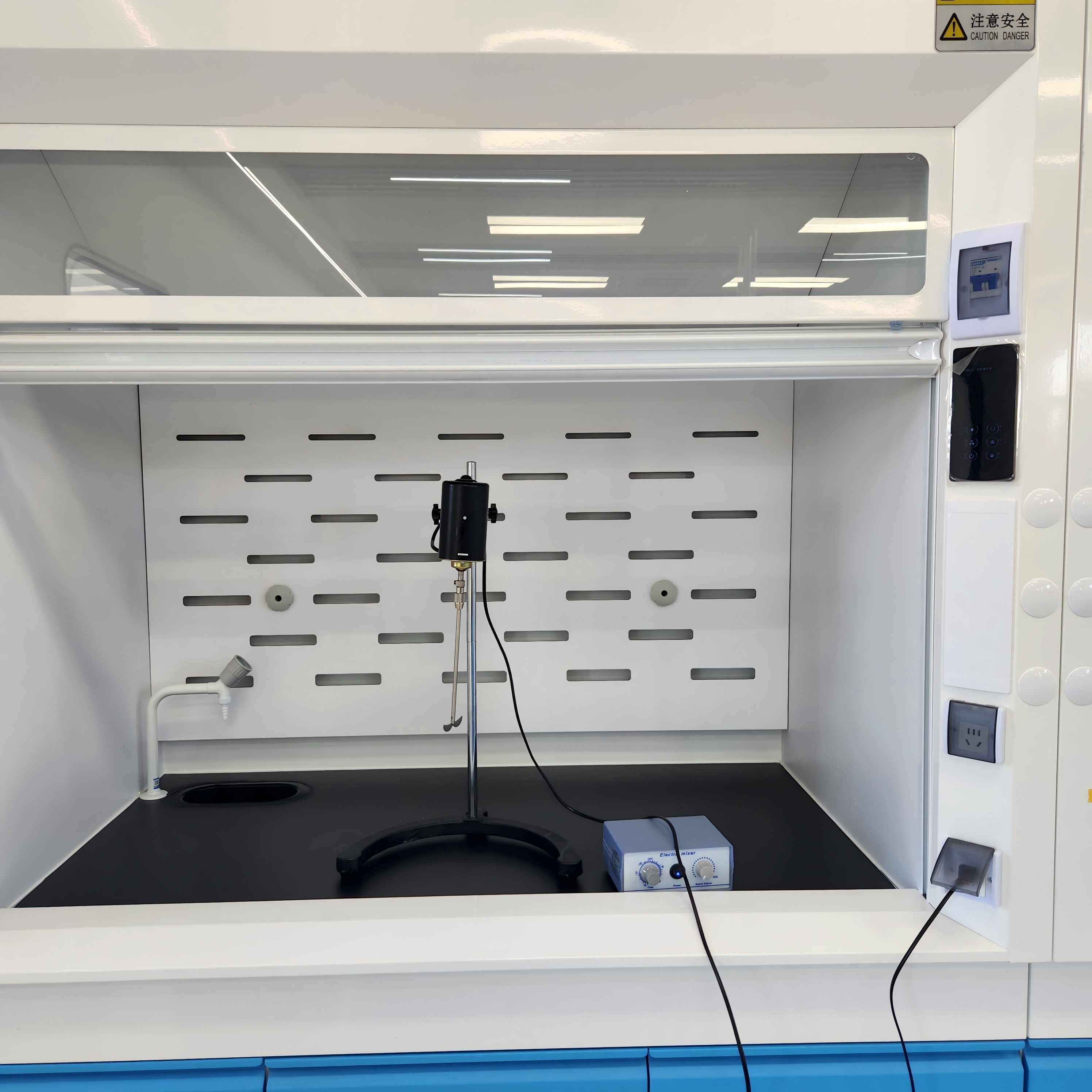
Hengshui Xinfa Polyurethane Materials Co., Ltd. was established in 2010 and is located in the Salt Chemical Circular Economy Park in Jizhou City. The company covers an area of 25,000 square meters, with a registered capital of RMB 6 million and total investment of RMB 20 million. It employs more than 60 people, including 13 management and R&D technical staff.
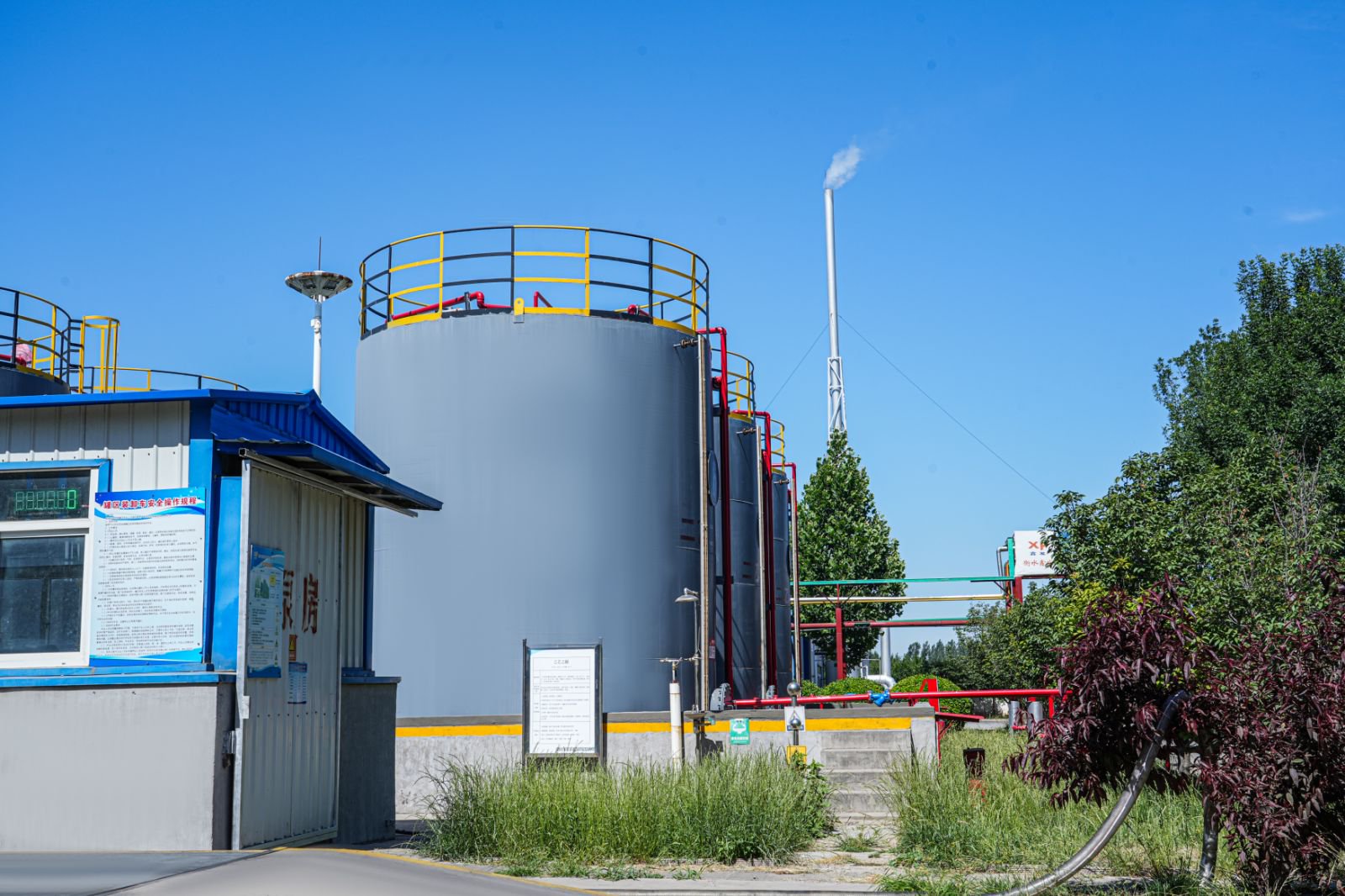
The company has introduced more than 30 sets of intelligent equipment and achieved a large-scale production capacity of 50,000 tons of polyester polyol series products per year. Its core products are used in pipeline insulation, panels, household appliances, exterior wall insulation, cold storage, and related fields. To support global trade, the company established a wholly-owned subsidiary, Hebei Xinshe Technology Co., Ltd., in Shijiazhuang, which handles the import and export of polyurethane materials and polyurethane catalysts.
ISO Certification Status
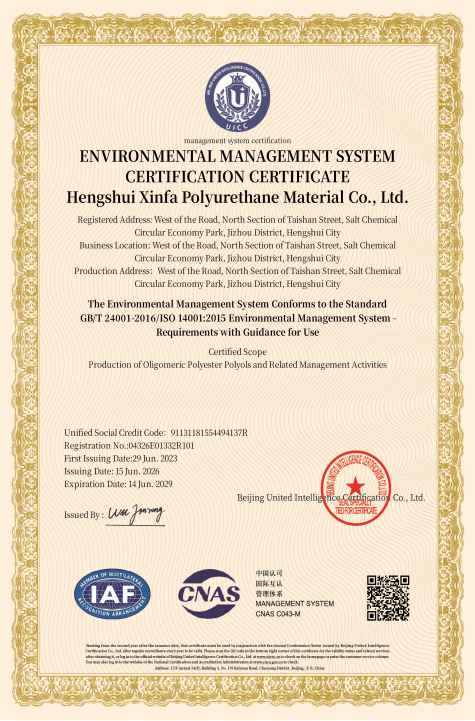
XINFA holds three management system certifications covering its production of oligomeric polyester polyols:
- ISO 9001:2015 — Quality Management System, certificate 04322Q31390R1S, valid until 2028-07-14.
- ISO 14001:2015 — Environmental Management System, certificate 04326E01332R101, valid until 2029-06-14.
- ISO 45001:2018 — Occupational Health and Safety Management System, certificate 04326S01211R101, valid until 2029-06-14.
Polyester Polyol Product Matrix
XINFA organizes its polyester polyol portfolio into application-specific families. This structure matters for buyers because it shortens the path from application requirement to grade selection.
| Polyester Polyol Family | Representative Models | Typical Applications |
|---|---|---|
| Phthalic Anhydride Polyester Polyol | XF-3152, XF-2412, XF-1752, XF-2002 | Spraying insulation, sandwich panels, polyurethane pipes, PU wood imitation, home appliances |
| High Flame Retardant Polyester Polyol | XF-2007, XF-250P, XF-235P, XF-240P | High flame retardant applications, PIR spraying insulation, sandwich panels, polyurethane pipes |
| Pentane System Polyester Polyol | XF-435, XF-390, XF-360, XF-2402N, XF-2020 | Home appliances, polyurethane pipes, sandwich panels, PIR systems |
| Polyester Polyol for Mining | KXF-350, KXF-280 | Mining applications |
| High Water-based Polyester Polyol | XF-2003, XF-2006, XF-3153, XF-315G, XF-300W | High water-based or full water-based systems, spraying insulation, sandwich panels, polyurethane pipes |
| Polyester Polyol for Adhesive | XF-Z, XF-280 | Sandwich panel adhesives |
| Polyester Polyol for Controlled-release Fertilizer Coating Agent | XF-270, XF-B-3, XF-B-4 | Controlled-release fertilizer coating agents |
| Other Types Polyester Polyol | XF-235, NXF-400 | Spraying foam and sandwich panels |
The raw material basis for these families is documented as PA, PTA, AA, DEG, and GLY in various combinations. Typical published specification ranges include hydroxyl values from 175 to 500 mgKOH/g, acid values from ≤0.5 to ≤5.0 mgKOH/g, moisture from ≤0.1% to ≤0.15%, and viscosity from 1,000 to 30,000 cps at 25°C, depending on the grade. These are the parameters a custom development discussion can start from.
Polyurethane Catalyst Portfolio
One distinguishing element of XINFA is its parallel production of polyurethane catalysts. The company's catalyst list includes TEDA (Triethylene Diamine CAS 280-57-9), TEDA A33 (Triethylene Diamine 33% in DPG/DEG), PC-5 (PMDETA), PC-8 (DMCHA), PC-15, PC-41, BDMA, BDMAEE, DMDEE, DMAEE, TMR-2, DMP-30, A-1, T-9, TCPP, and TEP.
For a foam manufacturer, this matters beyond convenience. The reaction profile of a polyester polyol depends on the balance of gelation, blowing, and trimerization catalysts. A supplier that manufactures both the polyol and the catalyst can provide a more coherent compatibility view during formulation trials, especially for PIR sandwich panel and pentane-based systems, where the polyol-catalyst interaction is most sensitive.
OEM/ODM Customization Parameters
XINFA's documented customization capability covers OEM and ODM production of polyester polyol. The monthly production capacity is 4,000 metric tons, and the minimum order quantity for custom production is 1 metric ton. Lead time is 15–20 days. Quality control follows a 100% test policy, and export markets include the EU, Middle East, Southeast Asia, Central Asia, India, Pakistan, South America, and North America. After-sales support includes technical support and product training.
Step-by-Step: How a Custom Polyester Polyol Order Works with XINFA
For buyers moving from evaluation to execution, the following workflow reflects the production and quality control system described in XINFA's company profile and capability documentation.
Step 1: Define the Application and Performance Target
The buyer identifies the end application: spraying foam, sandwich panel, polyurethane pipe insulation, home appliance insulation, mining reinforcement, adhesive, or controlled-release fertilizer coating. The performance target should include expected density, flame retardancy, thermal conductivity, and processing behavior.
Step 2: Select the Polyester Polyol Family
The product matrix narrows the starting point. A PIR sandwich panel project would typically evaluate pentane system grades such as XF-2020 or XF-2402N. A water-blown spraying insulation application would look at high water-based grades such as XF-2003, XF-3153, or XF-300W. A pipe insulation project requiring fire retardancy and structural support would consider high flame retardant grades or phthalic anhydride grades depending on the formulation.
Step 3: Refine Key Specifications
Hydroxyl value, acid value, moisture, and viscosity can be discussed against the published grade parameters. Since the raw material basis is known for each family, the R&D team can propose adjustments within the production envelope.
Step 4: Match the PU Catalyst System
XINFA's catalyst portfolio allows a single supplier to supply the companion amine catalyst. For example, a rigid foam formulation may combine a water-based polyester polyol with TEDA A33 or PC-8, while a PIR formulation may require trimerization-oriented catalysts such as PC-41 or TMR-2. Buyers can request compatibility guidance as part of the technical discussion.
Step 5: Validate Before Production
Custom orders are checked under the 100% test policy. The standard acceptance method is pre-shipment testing. For new formulations, the buyer can also arrange sample evaluation before committing to bulk production.
Step 6: Plan Packaging and Logistics
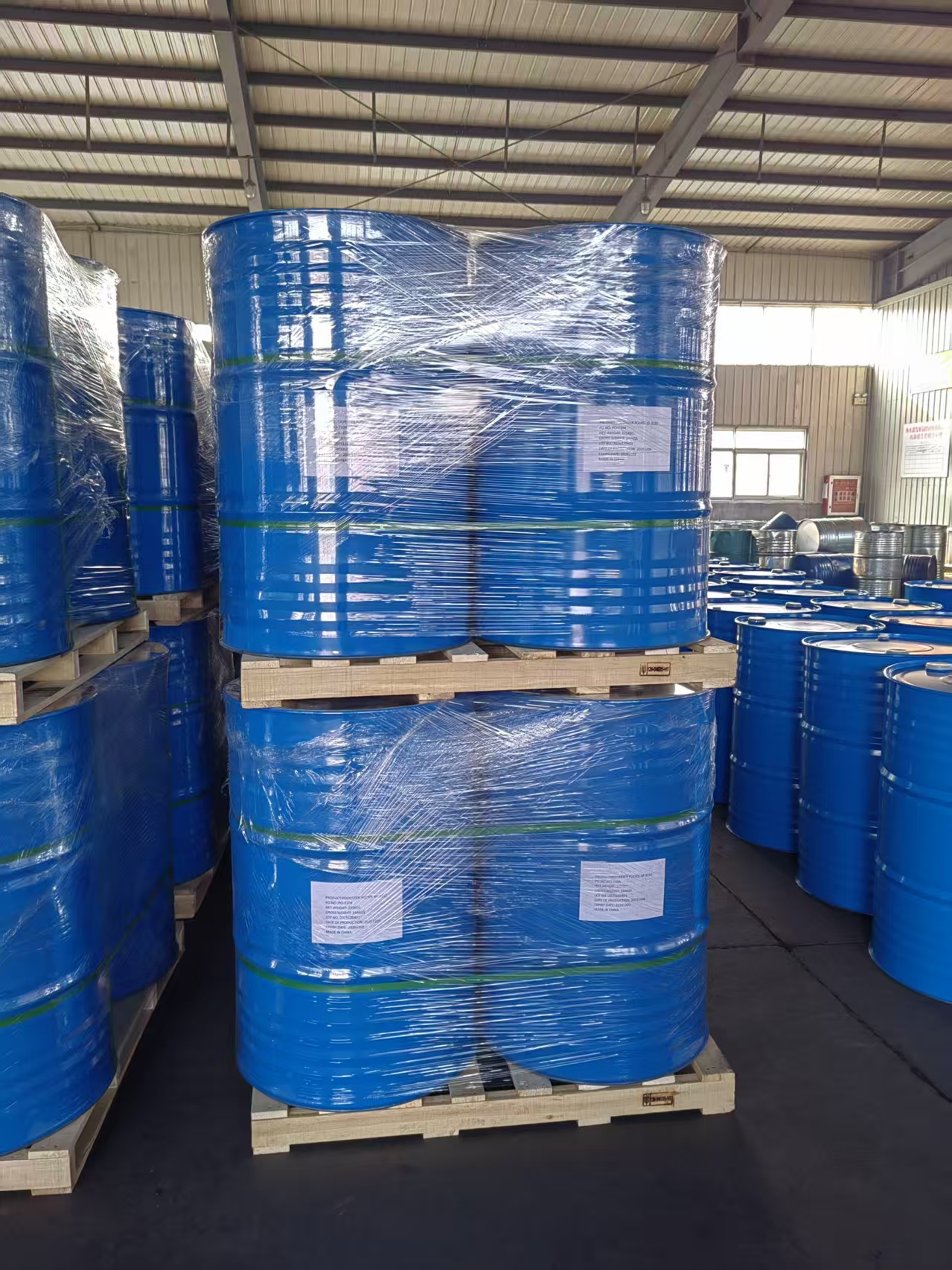
Standard packaging options are IBC drums of 1,200 kg or 1,000 kg, and galvanized iron drums of 225 kg, 200 kg, or 170 kg. Delivery terms are FOB or CIF, and payment terms are T/T or L/C. The commercial team confirms MOQ based on the specific product and customer request.
Step 7: Scale and Reorder
With monthly production capacity of 4,000 metric tons and a lead time of 15–20 days, the supplier can support continuous restocking for ongoing foam production lines, not just one-off projects.
Use Cases: Polyester Polyol Customization in Practice
Spraying Foam Project in Poland
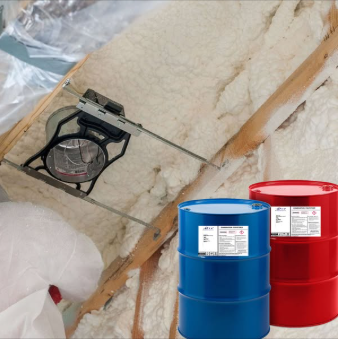
A spraying foam project in Poland used XINFA high water-based polyester polyol from the XF-300W family, with a project scale of 500 metric tons and an implementation period of 2 years. The product achieved stable operation in wall spraying, insulation boards, soundproof flooring, leak-proof pipelines, and composite materials. Key properties documented in the case include high mechanical strength, high wear resistance, resistance to high and low temperature cycling, hydrolysis resistance, and aging resistance.
Pipeline Insulation Project in India
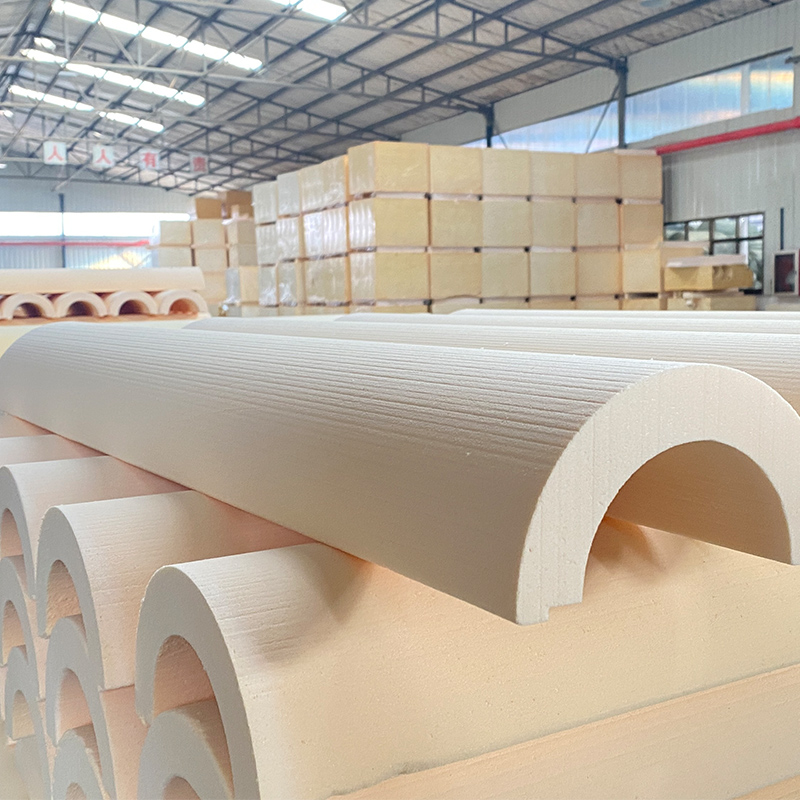
In India, a pipeline insulation project supplied 100 metric tons of pentane system polyester polyol from the XF-2020 / XF-2402N family over 2 years. The material offered high strength, density, excellent thermal conductivity, fire retardancy, and structural support for pipelines. The project achieved good thermal insulation performance and has been used by clients in the insulation industry.
Comparison Table: Polyester Polyol Families and Selection Logic
This table summarizes the documented grade families and their intended application scope. It reflects XINFA's published product matrix, not a competitive claim against other manufacturers.
| Application Need | Polyester Polyol Family | Representative Models | Key Selection Logic |
|---|---|---|---|
| Spraying insulation / water-blown systems | High Water-based Polyester Polyol | XF-2003, XF-2006, XF-3153, XF-315G, XF-300W | Designed for high water-based or full water-based systems |
| PIR sandwich panels / pentane systems | Pentane System Polyester Polyol | XF-435, XF-390, XF-360, XF-2402N, XF-2020 | Applied in home appliances, pipes, sandwich panels, PIR systems |
| High flame retardancy / PIR spraying | High Flame Retardant Polyester Polyol | XF-2007, XF-250P, XF-235P, XF-240P | Positioned for high flame retardant applications and PIR spraying insulation |
| Standard rigid foam / pipes / panels | Phthalic Anhydride Polyester Polyol | XF-3152, XF-2412, XF-1752, XF-2002 | Broad use in spraying insulation, sandwich panels, PU pipes, home appliances |
| Mining | Polyester Polyol for Mining | KXF-350, KXF-280 | Application-specific mining grades |
| Sandwich panel adhesive | Polyester Polyol for Adhesive | XF-Z, XF-280 | Documented for sandwich panel adhesives |
| Controlled-release fertilizer coating | Polyester Polyol for Coating Agent | XF-270, XF-B-3, XF-B-4 | Specialized coating agent grade family |
| Spraying foam / sandwich panels | Other Types Polyester Polyol | XF-235, NXF-400 | Supplementary grades for spraying foam and panels |
Market Context Table: Global Polyester Polyol and Catalyst Data
The following figures come from third-party market research sources and provide a factual backdrop for supplier evaluation.
| Metric | Value | Year | Source |
|---|---|---|---|
| Global polyester polyol market size | USD 9,654.2 million | 2024 | Grand View Research |
| Global polyester polyol market forecast | USD 15,033.3 million | 2033 | Grand View Research |
| Asia Pacific revenue share | 43.7% | 2024 | Grand View Research |
| China expected CAGR | 5.2% | 2024–2033 | Grand View Research |
| Global aromatic polyester polyols market | USD 1.9 billion | 2026 | Persistence Market Research |
| Global aromatic polyester polyols forecast | USD 2.8 billion, CAGR 5.9% | 2033 | Persistence Market Research |
| Global TEDA market size | USD 0.74 billion | 2024 | Market Research Future |
| Global TEDA market forecast | USD 1.22 billion, CAGR 5.1% | 2034 | Market Research Future |
| Global polyurethane catalyst market | USD 2.46 billion | 2024 | Grand View Research |
| Amine catalyst segment share | 28.6% | 2024 | Grand View Research |
Source: Market Research Future — Triethylenediamine Market.
Frequently Asked Questions
Is XINFA's polyester polyol production ISO certified?
Yes. XINFA operates under an ISO 9001:2015 Quality Management System, an ISO 14001:2015 Environmental Management System, and an ISO 45001:2018 Occupational Health and Safety Management System. The certificates cover the production of oligomeric polyester polyols and are issued by Beijing United Intelligence Certification Co., Ltd. The ISO 9001 certificate number is 04322Q31390R1S, valid until 2028-07-14; the ISO 14001 certificate number is 04326E01332R101, valid until 2029-06-14; and the ISO 45001 certificate number is 04326S01211R101, valid until 2029-06-14.
Can XINFA customize polyester polyol for a specific application, and what is the MOQ?
XINFA provides OEM and ODM production services for polyester polyol. The minimum order quantity for custom production is 1 metric ton. Monthly production capacity is 4,000 metric tons. The product matrix spans phthalic anhydride, high flame retardant, pentane system, mining, high water-based, adhesive, controlled-release fertilizer coating, and other application-specific polyester polyol families, which gives the R&D team a documented basis for specification adjustments.
What payment and delivery terms does XINFA offer for bulk polyester polyol orders?
Payment terms are T/T or L/C, and delivery terms are FOB or CIF. The MOQ is confirmed as customer requested for each product. Standard packaging includes IBC drums of 1,200 kg or 1,000 kg and galvanized iron drums of 225 kg, 200 kg, or 170 kg. The commercial team can provide a confirmed quotation, packaging plan, and shipping schedule once the grade, quantity, and destination are defined.
How does XINFA control quality before shipment?
XINFA follows a 100% test policy for its polyester polyol products. The standard acceptance method is pre-shipment testing. The company operates modern production workshops and R&D facilities, with 13 management and R&D technical staff involved in quality and development work. For custom formulations, buyers can request sample validation before full production.
What is the lead time for a custom polyester polyol order, and what is the next step?
The documented lead time for XINFA custom production is 15–20 days. Total transit time depends on the destination port and shipping mode. To start an evaluation, send the target application, specification requirements, and estimated quantity to the XINFA team at admin@xinfapu.com or WhatsApp +86 166-3389-3646. The technical and commercial team can then propose a grade, confirm the customization path, and provide a quotation for your review.
Conclusion
For buyers evaluating a polyester polyol supplier, capability is more than a marketing statement. It is a combination of production capacity, documented product families, certification coverage, customization parameters, and proven project execution. XINFA demonstrates these elements through its 50,000-ton annual polyester polyol capacity, monthly capacity of 4,000 metric tons, OEM/ODM service with a 1-metric-ton MOQ, a 15–20-day lead time, and an application-specific product matrix that includes phthalic anhydride, high flame retardant, pentane system, high water-based, mining, adhesive, and coating agent grades.
The company also produces polyurethane catalysts such as TEDA, TEDA A33, PC-5, PC-8, and PC-41, which allows the polyol and catalyst chemistry to be discussed in the same technical conversation. Combined with the documented reference projects in Poland and India, the supplier offers a practical path from evaluation to execution for global foam manufacturers, insulation producers, and panel makers.
Next step: request a technical consultation or sample.
Contact Jessica — Email: admin@xinfapu.com | Tel: +86 156-3365-7995 | WhatsApp: +86 166-3389-3646
Download the XINFA company brochure for the full company profile and product range.