
Polyester Polyol vs. Polyether Polyol: A Buyer's Comparison Guide for PU Systems
Polyester polyol and polyether polyol are the two main polyol families used in polyurethane (PU) chemistry. Polyester polyols are often chosen for strong adhesion, oil resistance and mechanical strength. Polyether polyols are often selected when hydrolysis resistance or lower-temperature flexibility is important. This buyer's guide compares those tendencies and uses XINFA product examples to help formulators translate application needs into a shortlist of base polyol options.
Hengshui Xinfa Polyurethane Materials Co., Ltd., branded as XINFA, is a manufacturer of polyurethane materials and polyester polyol. Its product scope includes polyester polyol and polyurethane catalysts, which is relevant when a buyer wants to evaluate the polyol and the catalyst portion of a PU system together. XINFA product families used in this guide include the Polyester Polyol for Adhesive series and the Pentane System Polyester Polyol series.

Why This Comparison Matters
At the awareness and research stage, a buyer often sees two kinds of supplier language: chemical descriptions such as polyester polyol or polyether polyol, and application descriptions such as rigid foam, adhesive, coating, elastomer or spray foam. Connecting those two languages requires an understanding of what each polyol family does inside the finished PU material.
Polyester polyol demand is also supported by the continued use of PU rigid foam systems in insulation and panel products. Grand View Research estimated the global polyester polyol market at USD 9,654.2 million in 2024 and projected it to reach USD 15,033.3 million by 2033. The Asia Pacific region accounted for the largest share in that market at 43.7% in 2024. This type of market context helps explain why buyers are looking not only at availability and price, but also at which polyol chemistry fits a specific production line.
This article does not claim that one polyol family is universally better. Instead, it treats polyester polyol and polyether polyol as different starting materials with different performance tendencies.
Before Comparing: Define the End-Use Problem
A common buying mistake is to compare a single data-sheet value without first defining what the PU product must do. A sandwich-panel adhesive line may need strong bonding to metal. A cold-storage spray foam may need stable foaming and low thermal conductivity. A flexible foam may need to survive repeated bending without cracking.
Polyester polyol and polyether polyol respond differently to these demands. The short decision question is: does the finished material need more adhesion, oil resistance or structural strength, or does it need more hydrolysis resistance and flexibility? If the first group matters, polyester polyol is worth investigating. If the second group matters, polyether polyol may be the more practical starting point.
Polyester Polyol vs. Polyether Polyol: Basic Definitions
Polyester polyols are made by esterification of acids with polyols. Common raw materials used in XINFA polyester polyol production include phthalic anhydride or terephthalic-type acids, adipic acid, diethylene glycol and glycerin, often abbreviated in data sheets as PA, PTA, AA, DEG and GLY. The resulting polymer chain contains ester linkages. Ester bonds create a more polar structure, which is one reason polyester polyols are frequently associated with good adhesion to metal and other polar substrates.
Polyether polyols are made by alkoxylation of a hydroxyl-functional starter molecule. Common feedstocks include propylene oxide and ethylene oxide. The resulting polymer chain contains ether linkages. Ether linkages are generally less sensitive to hydrolysis than ester linkages, which is why polyether polyols are often used when the end product will be exposed to water, humidity or repeated flexing.
Within the polyester polyol category, buyers also see more specific labels such as aromatic polyester polyol, rigid foam polyester polyol, coating grade polyester polyol and adhesive grade polyester polyol. Aromatic polyester polyol is a common subcategory in rigid insulation because raw materials such as PA and PTA introduce aromatic structures into the polymer backbone. These structures contribute stiffness and heat resistance, which makes them useful in rigid PU and PIR systems.

Performance Differences That Should Shape the Decision
Buyers can use performance attributes as the first filter when deciding between a polyester polyol and a polyether polyol. The following tendencies are general, not guarantees for every formulation.
Adhesion
Polyester polyols tend to contribute better adhesion in bonded and laminated systems. This is why they are often considered for PU adhesives, sandwich-panel bonding and coatings on metal surfaces. For example, XINFA's Polyester Polyol for Adhesive series includes XF-Z with a hydroxyl value of 60±5 mgKOH/g and XF-280 with a hydroxyl value of 280±20 mgKOH/g. The series gives formulators two different reactive profiles within the same adhesive-oriented product family.
Oil and Grease Resistance
Polyester polyols are often preferred in applications that contact oils, fats or greases. In many industrial coating and adhesive systems, the ester-based polymer backbone provides a tougher, more resistant film. Polyether polyols can still perform well, but the formulation may need more work to reach the same level of oil resistance.
Mechanical Strength and Rigidity
Polyester polyols often produce materials with higher stiffness, hardness and mechanical strength. Aromatic polyester polyol grades are particularly common when rigidity or structural stability is needed. This is one reason rigid foam and PIR panel formulators frequently work with polyester polyol rather than assuming that one generic polyether grade will cover all rigid foam needs.
Hydrolysis Resistance
Ester linkages can be attacked by water under hot and humid conditions, so polyester polyols are usually not the first choice for applications that must survive long-term hydrolysis. Polyether polyols, with their ether linkages, are generally more resistant to hydrolysis. This does not mean polyester polyol cannot be used in humid environments; it means the buyer should check the full formulation, especially acid value and moisture content, before locking in a grade.
Low-Temperature Flexibility
Polyether polyols are often associated with better low-temperature elasticity and flexibility. They are widely used when the PU product must resist cracking at cold temperatures or must remain soft and flexible after curing. Polyester polyols can be formulated for low-temperature use, but the data-sheet profile and final application trial will be decisive.
XINFA Product Families as Reference Points
To make the comparison more concrete, XINFA offers two relevant polyester polyol series: the Adhesive series and the Pentane System series. These series are examples, not an exhaustive list of XINFA products.
XINFA Polyester Polyol for Adhesive
XINFA's Polyester Polyol for Adhesive series includes models XF-Z and XF-280. It is designed for sandwich-panel adhesive applications. XF-Z has a hydroxyl value of 60±5 mgKOH/g, an acid value of ≤5.0 mgKOH/g, moisture of ≤0.15% and viscosity of 10000±2000 CPS at 25°C. XF-280 has a hydroxyl value of 280±20 mgKOH/g, an acid value of ≤3.0 mgKOH/g and moisture of ≤0.1%. Both products are made from PA, PTA, AA, DEG and GLY. This family illustrates that the same adhesive application can have quite different reactive profiles depending on what the formulator is trying to achieve in bond strength, open time or crosslink density.
XINFA Pentane System Polyester Polyol
XINFA's Pentane System Polyester Polyol series includes XF-435, XF-390, XF-360, XF-2402N and XF-2020. The intended applications for this series are home appliances, polyurethane pipes, sandwich panels and PIR systems. XF-435 has a hydroxyl value of 500±50 mgKOH/g, acid value of ≤3.0 mgKOH/g, moisture of ≤0.15% and viscosity of 10000±2000 CPS at 25°C. XF-390 has a hydroxyl value of 400±20 mgKOH/g, acid value of ≤2.0 mgKOH/g, moisture of ≤0.15% and viscosity of 2000±500 CPS at 25°C. XF-360 has a hydroxyl value of 370±20 mgKOH/g. XF-2402N has a hydroxyl value of 240±10 mgKOH/g. XF-2020 has a hydroxyl value of 200±10 mgKOH/g.
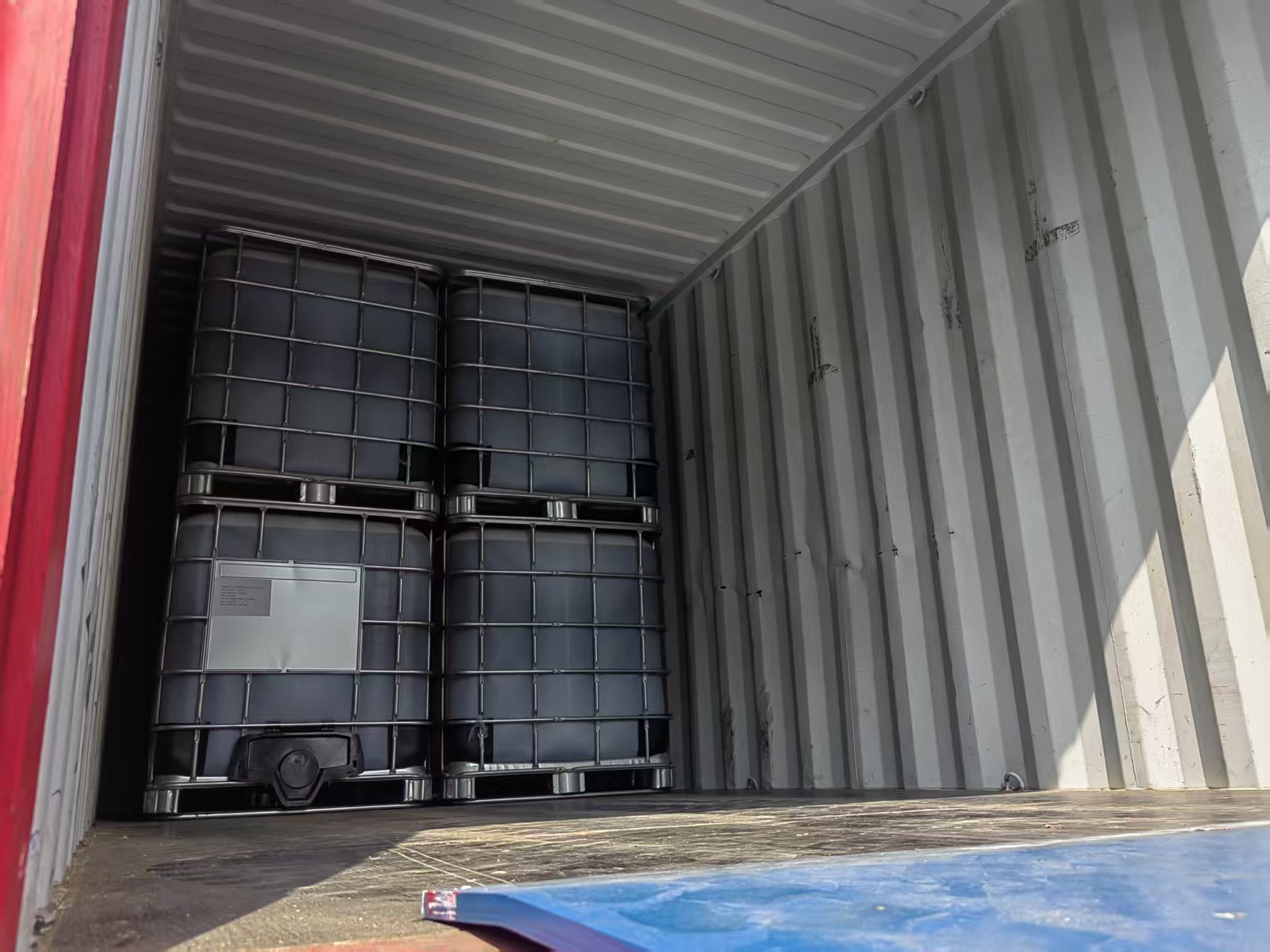
The Pentane System series shows how a polyester polyol grade can be positioned around a processing route. Buyers working with pentane-blown rigid foam systems should look at this kind of series rather than assuming that a general-purpose polyester polyol will be compatible with the blowing agent and equipment in their plant.
Comparison Table: Polyester Polyol vs. Polyether Polyol
The table below shows typical starting assumptions used by formulators. Actual performance will vary with the selected grade, isocyanate index, crosslinker, catalyst, blowing agent and application conditions.
| Comparison Point | Polyester Polyol | Polyether Polyol |
|---|---|---|
| Main repeating linkage | Ester linkage | Ether linkage |
| Typical production route | Condensation of acids and polyols | Alkoxylation of hydroxyl-functional starters |
| Adhesion to polar substrates | Usually favored; common in adhesives and laminates | Possible, but often less of a default choice |
| Oil and grease resistance | Generally strong, especially in dense or rigid systems | Can vary with formulation and raw material selection |
| Mechanical stiffness and strength | Often higher, especially in aromatic polyester grades | Often more elastic and flexible |
| Hydrolysis resistance | Needs careful formulation; moisture and acid value matter | Usually better hydrolysis resistance |
| Low-temperature flexibility | Varies by grade; usually more limited than polyether | Often preferred for flexible low-temperature service |
| Typical PU applications | Rigid foam, PIR, sandwich panels, adhesives, coatings, pipe insulation | Flexible foam, elastomers, sealants and other flexible CASE applications |
| XINFA reference in this article | XF-Z, XF-280, XF-435, XF-390 | Not part of the XINFA product families discussed here |
What to Look For in a Polyester Polyol Data Sheet
If the buyer's initial direction points toward polyester polyol, the next step is to compare technical data sheets. Four values deserve special attention.
Hydroxyl value indicates the concentration of hydroxyl groups available for reaction with isocyanate. It is usually expressed in mgKOH/g. A higher hydroxyl value normally means more reactive groups per unit weight, while a lower hydroxyl value points toward a longer-chain, less reactive polyol. XINFA's adhesive family illustrates the spread: XF-Z is at 60±5 mgKOH/g and XF-280 is at 280±20 mgKOH/g.
Acid value indicates residual acidity in the polyol. A low acid value is generally preferred because free acids can affect catalyst activity and overall reaction consistency. XINFA's Pentane System series lists acid values such as ≤2.0 mgKOH/g for XF-390 and ≤3.0 mgKOH/g for XF-435.
Moisture content is important because water reacts with isocyanate and can destabilize the foam or adhesive reaction if present in high amounts. Many XINFA polyester polyol grades list moisture from ≤0.1% to ≤0.15%. These numbers should be checked against the moisture tolerance of the production system.
Viscosity affects pumping, mixing and handling. XINFA normally reports viscosity in CPS at 25°C. XF-390, for example, has a lower viscosity of 2000±500 CPS, while XF-435 has a higher viscosity of 10000±2000 CPS. Lower viscosity may make blending easier, but the final product performance still depends on the whole formulation.
Use Cases at a Glance
| Use Case | Why Polyester Polyol Is Often Considered | XINFA Series to Ask About |
|---|---|---|
| Sandwich-panel lamination and bonding | Adhesion to metal faces is usually easier to achieve with polyester polyol chemistry | Polyester Polyol for Adhesive: XF-Z, XF-280 |
| Rigid foam for home appliances, pipes or panels | Rigid and semi-rigid PU systems often need dimensional stability and good flow | Pentane System Polyester Polyol: XF-435, XF-390, XF-360, XF-2402N, XF-2020 |
| PIR-oriented panel or laminate systems | Aromatic polyester polyols are frequently used when rigidity and heat resistance are needed | Pentane System Polyester Polyol; confirm grade compatibility with the system house |
| General rigid foam exploration | Formulators need a base polyol that can be combined with PMDI and polyurethane catalysts | XINFA polyester polyol range; XINFA also supplies catalysts such as TEDA and TEDA A33 |
Step-by-Step Selection Breakdown
Use the following sequence when moving from raw-material awareness to supplier research.
Step 1: Confirm the end-use performance target. Write down whether the most important property is adhesion, oil resistance, mechanical strength, hydrolysis resistance, low-temperature flexibility or a combination of these. If the top two properties point to different polyol families, the project will need more formulation work.
Step 2: Determine the processing route. Rigid foam lines, spray foam equipment, sandwich-panel adhesives and coating lines have different requirements for viscosity, reactivity and dimensional stability. This will eliminate many generic polyether or polyester grades.
Step 3: Select a candidate chemistry. If the process is rigid foam, PIR or a high-bond application, polyester polyol should be evaluated early. If the process is flexible foam or a CASE system exposed to humidity, polyether polyol should also be on the shortlist.
Step 4: Compare data sheets based on hydroxyl value, acid value, moisture and viscosity. Use these numbers as a filter, not as the final answer.
Step 5: Check the supplier's application orientation. XINFA groups products by intended use, such as the Adhesive series and the Pentane System series. This makes it easier for a buyer to identify grades that were originally developed for a similar application.
Step 6: Run a formulation trial. The most reliable way to compare polyester polyol and polyether polyol in a real PU system is to prepare test panels or test blocks with a defined catalyst package. The reaction profile, shrinkage, adhesion and insulation properties will tell more than any single number on a data sheet.
Supplier Capability and Qualification
XINFA's main products include polyester polyol and polyurethane catalysts. This matters because a buyer who is new to polyester polyol often needs to match the polyol with a suitable catalyst such as TEDA or TEDA A33. Instead of sourcing those components from separate suppliers, the buyer can ask XINFA for current product specifications and application guidance.
According to XINFA's technical profile, the R&D team includes 13 engineers and technicians, and annual production capacity reaches 80,000 tons. The company profile also references ISO 9001 quality management, ISO 14001 environmental management and ISO 45001 occupational health and safety management certification. These items are useful in an early supplier questionnaire, although they do not replace testing of the actual product.
Frequently Asked Questions
What is the main difference between polyester polyol and polyether polyol?
Polyester polyol and polyether polyol differ in their repeating chemical linkages. Polyester polyols contain ester bonds and are generally associated with strong adhesion, oil resistance and mechanical strength. Polyether polyols contain ether bonds and are often considered when hydrolysis resistance or low-temperature flexibility is needed. XINFA's main polyol families, including the Adhesive and Pentane System series, are polyester polyols.
Are polyester polyols better than polyether polyols for adhesion?
In many bonded or laminated PU applications, polyester polyols are the more likely starting point because ester chemistry tends to contribute good adhesion to polar substrates such as metal. XINFA's Polyester Polyol for Adhesive series, models XF-Z and XF-280, is an example of a product family developed for sandwich-panel adhesive applications. Adhesion also depends on the whole formulation, not just the polyol.
What specifications should buyers compare when choosing a polyester polyol?
Buyers should compare hydroxyl value, acid value, moisture content, viscosity and intended application. XINFA Adhesive series includes XF-Z at 60±5 mgKOH/g hydroxyl value and XF-280 at 280±20 mgKOH/g. The Pentane System series includes XF-435 at 500±50 mgKOH/g and XF-390 at 400±20 mgKOH/g. Viscosity is normally reported in CPS at 25°C, and moisture should be low enough for the production process.
What type of polyester polyol is used for pentane-based rigid foam systems?
XINFA groups this application under the Pentane System Polyester Polyol series. The series includes XF-435, XF-390, XF-360, XF-2402N and XF-2020. Intended applications include home appliances, polyurethane pipes, sandwich panels and PIR systems. Buyers should confirm blowing-agent compatibility with the actual production equipment and system formulation.
What should a buyer ask XINFA before requesting a polyester polyol sample?
A buyer should ask for the current technical data sheets, applicable series and models, representative hydroxyl and acid values, moisture and viscosity data, and any recommended catalyst pairing. XINFA's product scope includes both polyester polyol and PU catalysts such as TEDA and TEDA A33, so it is possible to discuss polyol and catalyst needs together. For sample and formulation questions, contact XINFA at admin@xinfapu.com or by phone and WhatsApp using the details below.
Conclusion and Next Step
Polyester polyol and polyether polyol are not interchangeable without a formulation review. Polyester polyol tends to be the stronger candidate when adhesion, oil resistance or mechanical strength is needed. Polyether polyol tends to become more attractive when hydrolysis resistance or low-temperature flexibility dominates. XINFA's Adhesive series and Pentane System series provide two concrete ways to evaluate polyester polyol specifications in real applications.
If you are in the research stage and need a product comparison for your own PU system, ask for current XINFA data sheets and a polyester polyol sample before making a final grade decision. Download the XINFA polyester polyol and product brochure or visit the XINFA website at www.xinfapu.com. For direct inquiries, email admin@xinfapu.com, call +86 156-3365-7995, or send a WhatsApp message to +86 166-3389-3646.