
Polyester Polyol: Types, Applications and Supplier Guide
Polyester Polyol: Types, Applications and Supplier Guide
Polyester polyol is a key raw material in the polyurethane industry, used to produce rigid foams, adhesives, coatings, elastomers, and more. For buyers at the research stage, understanding the different types of polyester polyol their specifications and typical applications is essential for selecting the right product. XINFA (Hengshui Xinfa Polyurethane Materials Co., Ltd.) is a Chinese manufacturer specializing in polyester polyol and polyurethane catalysts, offering a broad range of grades for industries from insulation to mining.
What Is Polyester Polyol?
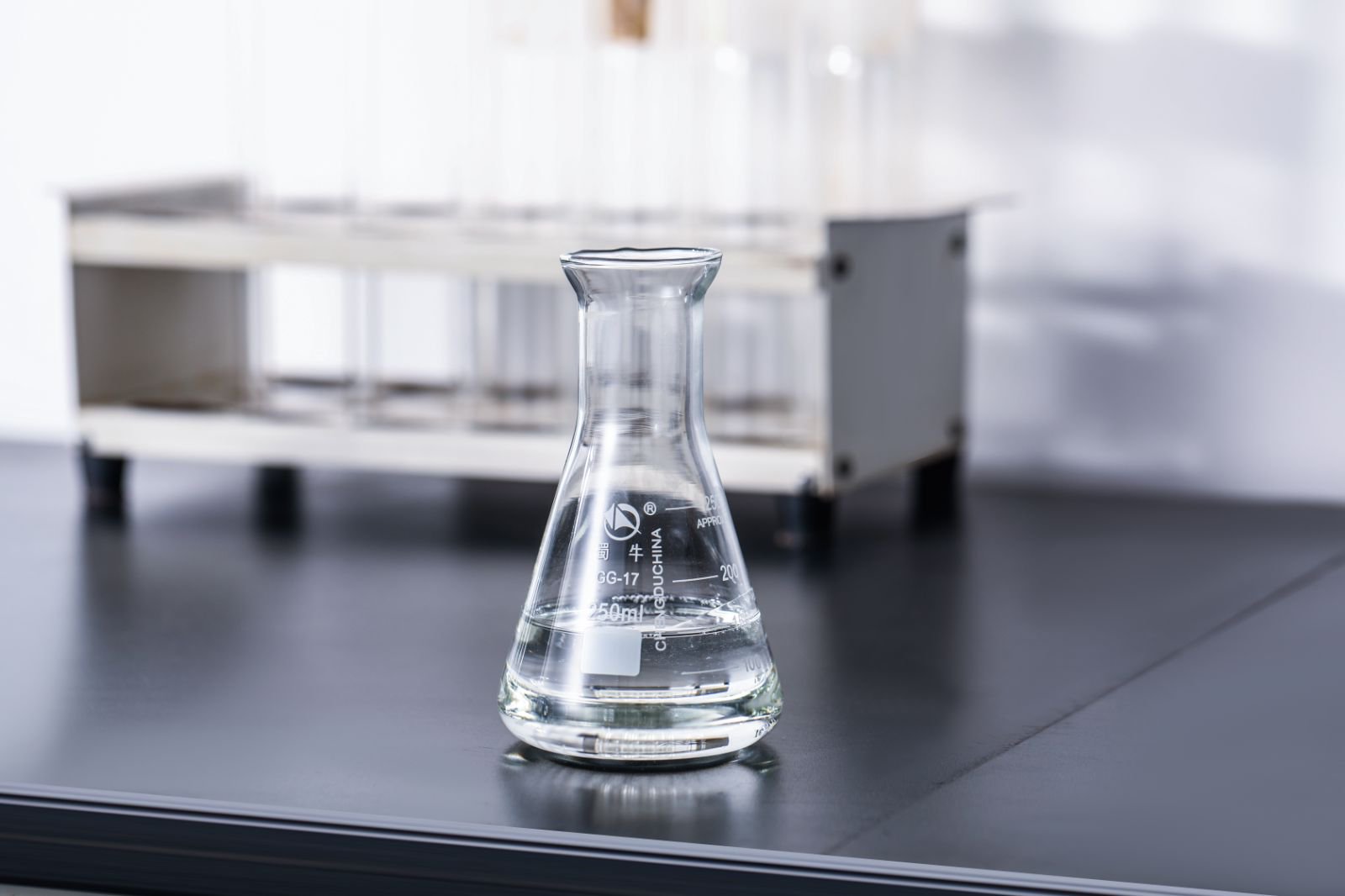
Polyester polyol is a type of polyol produced by the esterification of dicarboxylic acids (such as phthalic anhydride, adipic acid) with diols or polyols. It is a versatile building block for polyurethane systems, offering properties such as high mechanical strength, good chemical resistance, and compatibility with various blowing agents.
Industry Background
The global polyester polyol market was estimated at USD 9,654.2 million in 2024 and is projected to reach USD 15,033.3 million by 2033, according to Grand View Research. Asia Pacific dominated with a 43.7% revenue share in 2024, with China expected to grow at the highest CAGR of 5.2% through 2033. The aromatic polyester polyols segment alone was valued at USD 1.9 billion in 2026, driven by demand from rigid foam insulation and construction sectors.
With regulatory pushes like the EU Energy Performance of Buildings Directive (EU) 2024/1275, the need for energy-efficient insulation materials—and thus high-quality polyester polyol—continues to rise.
XINFA Polyester Polyol Product Lines
XINFA offers multiple specialized series of polyester polyol, each designed for specific applications. The company’s annual production capacity reaches 80,000 tons, with ISO 9001, ISO 14001, and ISO 45001 certifications ensuring consistent quality. Below is an overview of key product families based on XINFA’s product catalog.
1. Pentane System Polyester Polyol (Models XF-435, XF-390, XF-360, XF-2402N, XF-2020)
These grades are formulated for use with pentane blowing agents, common in home appliances, polyurethane pipes, sandwich panels, and PIR systems. Hydroxyl values range from 200±10 mgKOH/g (XF-2020) to 500±50 mgKOH/g (XF-435), with viscosities from 2000±500 to 10000±2000 CPS.
2. High Flame Retardant Polyester Polyol (Models XF-2007, XF-250P, XF-235P, XF-240P)
Designed for PIR spraying insulation, sandwich panels, and polyurethane pipes requiring high flame retardancy. XF-2007 features a viscosity of 15000±3000 CPS and hydroxyl value 200±10 mgKOH/g. All models are made from PA, PTA, AA, DEG, GLY.
3. Phthalic Anhydride Polyester Polyol (Models XF-3152, XF-2412, XF-1752, XF-2002)
Aromatic polyester polyols based on phthalic anhydride, used in spraying insulation, sandwich panels, PU wood imitation, and home appliances. Specifications vary from hydroxyl value 175±10 to 315±15 mgKOH/g, with viscosities under 5000 to 30000 CPS.
4. High Water-based Polyester Polyol (Models XF-2003, XF-2006, XF-3153, XF-315G, XF-300W)
Developed for high-water or full water-based systems, these polyols support environmentally friendly formulations for spraying insulation, sandwich panels, and polyurethane pipes. Moisture content is ≤0.1% across all models.
5. Polyester Polyol for Adhesive (Models XF-Z, XF-280)
Specifically for sandwich panel adhesives. XF-Z has a low hydroxyl value of 60±5 mgKOH/g and high viscosity of 10000±2000 CPS, while XF-280 offers higher reactivity with hydroxyl value 280±20 mgKOH/g.
6. Polyester Polyol for Controlled-release Fertilizer Coating (Models XF-270, XF-B-3, XF-B-4)
These grades are tailored for controlled-release fertilizer coatings, with hydroxyl values from 260±10 to 370±20 mgKOH/g and moderate viscosities.
7. Polyester Polyol for Mining (Models KXF-350, KXF-280)
Designed for mining applications such as ground consolidation, these polyols feature low viscosities (1000–1500 CPS) and hydroxyl values of 280–350 mgKOH/g.
8. Other Types Polyester Polyol (Models XF-235, NXF-400)
General-purpose grades for spraying foam and sandwich panels, with hydroxyl values 230-245 mgKOH/g (XF-235) and 400±20 mgKOH/g (NXF-400).
Step-by-Step Selection Guide for Polyester Polyol
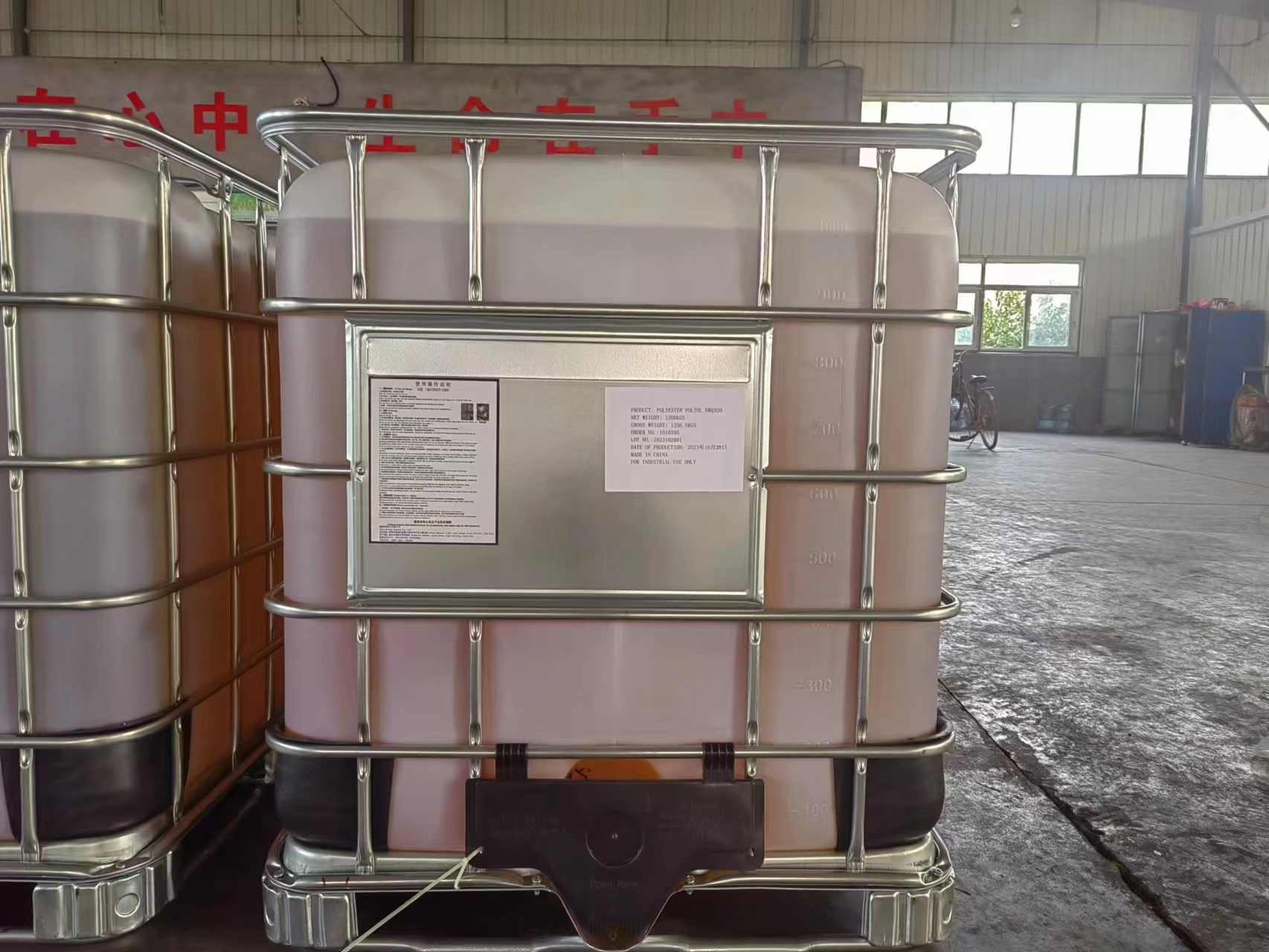
- Define your application: Insulation (panel, pipe, spray) requires high flame retardant or pentane system grades; adhesives need low-hydroxyl, high-viscosity products; mining uses low-viscosity fast-reacting grades.
- Check blowing agent compatibility: Pentane-based formulations require Pentane System Polyester Polyol to ensure cell stability.
- Review flame retardancy requirements: For building codes (e.g., EU EPBD), use High Flame Retardant or Phthalic Anhydride types.
- Verify key specs: Hydroxyl value, viscosity, acid value, and moisture content must match your formulation. Water-based systems need High Water-based grades with very low residual moisture.
- Certifications: Ensure the supplier holds ISO 9001, 14001, and 45001 for quality and environmental management.
Key Application Use Cases
- Construction Insulation (Sandwich Panels & PIR): High Flame Retardant and Pentane System polyols are commonly used in metal-faced sandwich panels for cold storage and building envelopes.
- Spraying Foam for Cold Storage: High Water-based and Phthalic Anhydride polyols provide good low-temperature foaming stability and thermal insulation.
- Home Appliances: Pentane System grades (XF-2402N, XF-2020) are suited for refrigerator and freezer insulation.
- Controlled-release Fertilizer Coating: Specialized grades form a durable, moisture-resistant coating that regulates nutrient release.
Comparison of XINFA Polyester Polyol Series
| Series | Hydroxyl Value Range (mgKOH/g) | Viscosity Range (CPS @25°C) | Key Application |
|---|---|---|---|
| Pentane System | 200 – 500 | 1500 – 10000 | Appliances, Pipes, Panels, PIR |
| High Flame Retardant | 200 – 260 | 3000 – 15000 | PIR Spraying, Panels, Pipes |
| Phthalic Anhydride | 175 – 315 | <5000 – 30000 | Spraying, Panels, Pipes, Wood Imitation |
| High Water-based | 170 – 315 | 1500 – 2000 | Water-blown Systems, Spraying |
| Adhesive Grade | 55 – 300 | 10000 – 17000 | Sandwich Panel Adhesives |
| Fertilizer Coating | 260 – 370 | 3000 – 3500 | Controlled-release Fertilizer Coating |
| Mining Grade | 280 – 350 | 1000 – 1500 | Mining Consolidation |
| General Purpose | 230 – 400 | 3000 – 10500 | Spraying Foam, Sandwich Panels |
Frequently Asked Questions
What certifications does XINFA hold for polyester polyol production?
What is the difference between aromatic and aliphatic polyester polyol?
Can XINFA provide customized polyester polyol formulations?
What is the typical lead time for polyester polyol orders from XINFA?
How can I request a sample or a quotation?
Conclusion
Polyester polyol is a critical component in countless polyurethane applications. By understanding the distinct properties of each grade—from pentane system to high flame retardant—buyers can make informed sourcing decisions. XINFA offers a comprehensive range of polyester polyol products backed by ISO certifications, substantial production capacity (80,000 tons/year), and an experienced R&D team. For procurement inquiries or technical support, do not hesitate to contact XINFA directly.
Contact XINFA
Email: admin@xinfapu.com
Phone: +86 156-3365-7995
WhatsApp: +86 166-3389-3646
Website: www.xinfapu.com