
Top 5 Polyester Polyol Grades for High-Flame-Retardant PIR Insulation: A 2026 Ranking
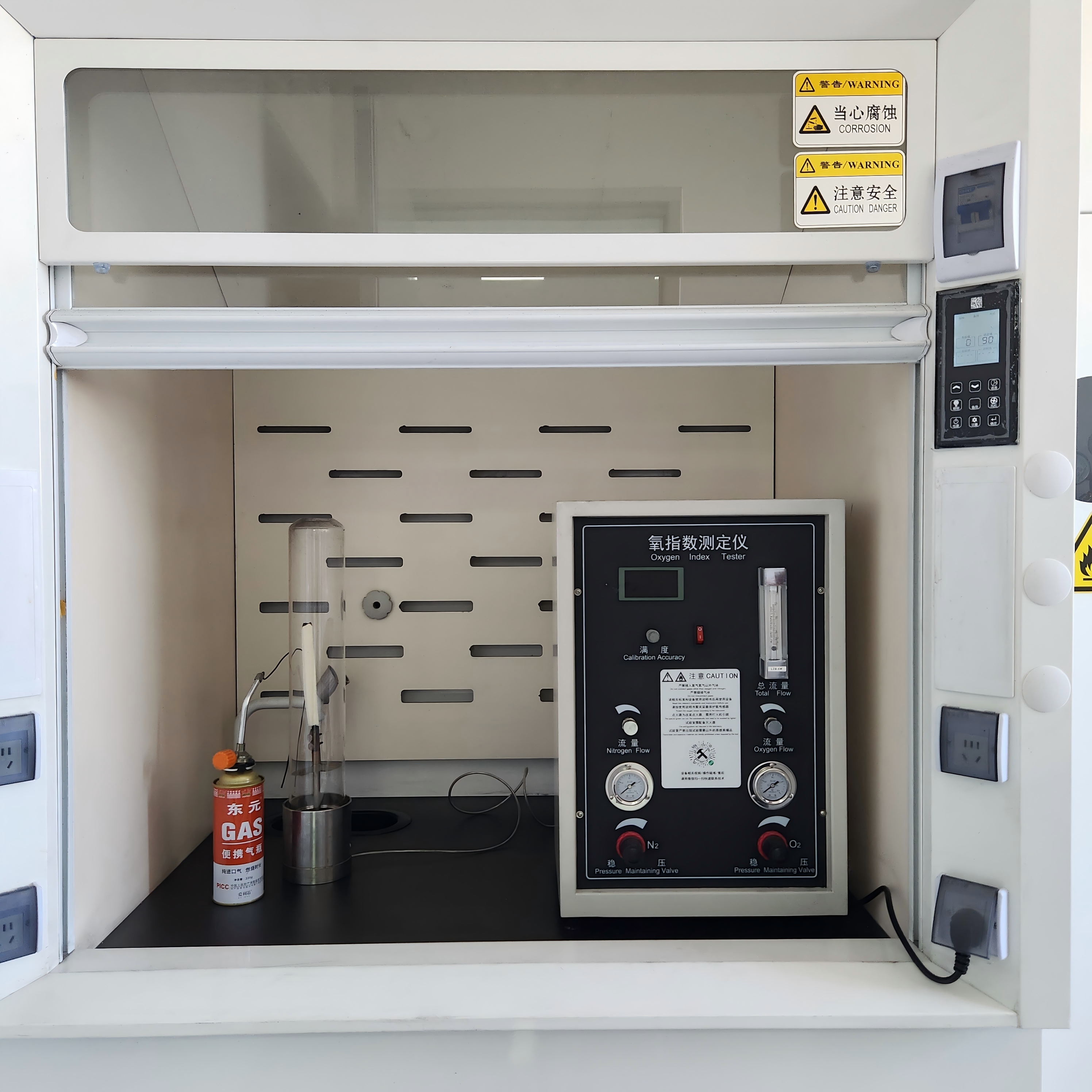
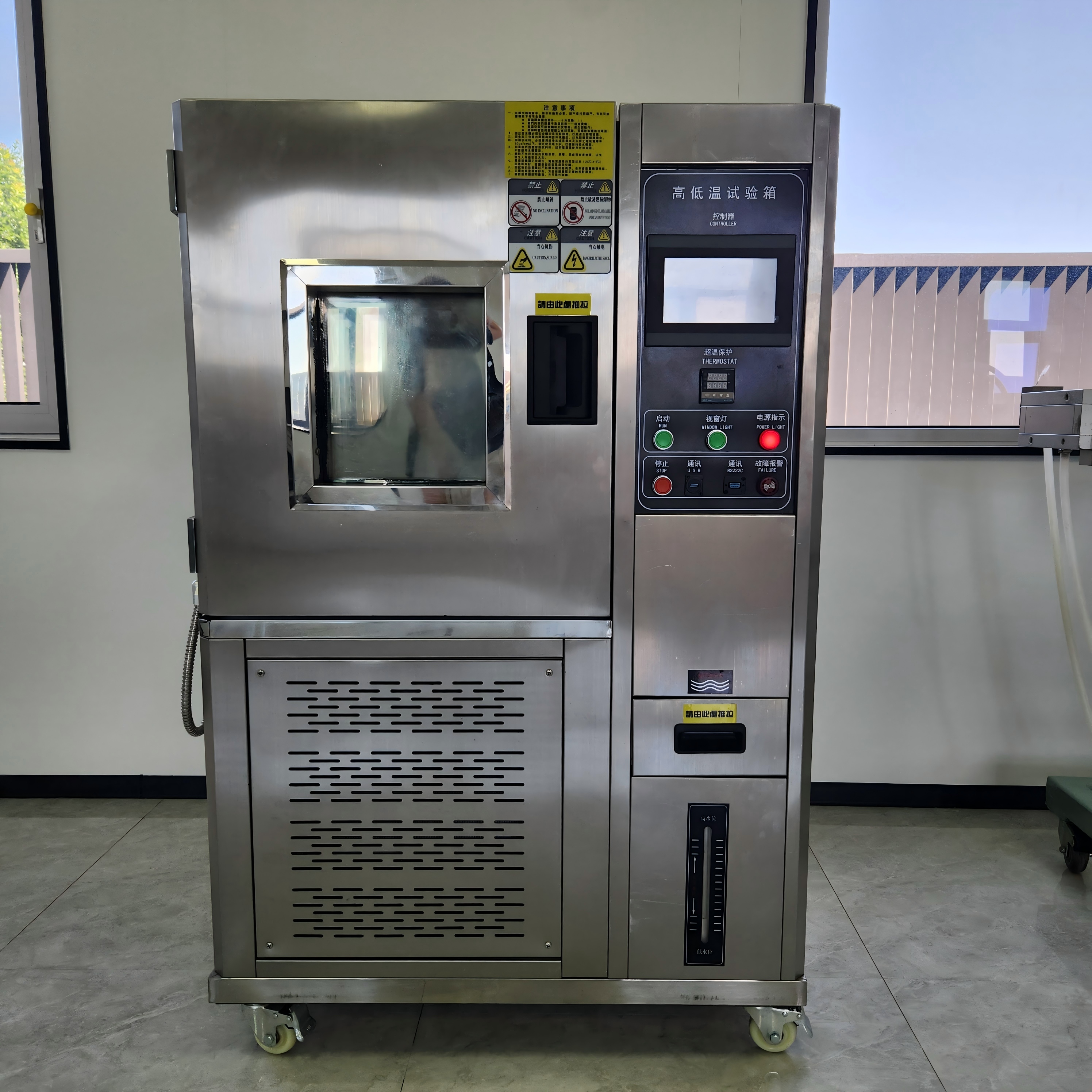
Oxygen index testing in XINFA's laboratory — the measurement that decides whether a PIR foam clears a project's fire requirement.
For 2026, the practical shortlist of polyester polyol grades for high-flame-retardant PIR insulation is XINFA's High Flame Retardant Polyester Polyol series — XF-2007, XF-235P, XF-240P and XF-250P — ranked together with a fifth, application-specific custom formulation produced under XINFA's customized-services program. XF-2007 is the grade in this set with specification data cited in this article: hydroxyl value 200±10 mgKOH/g and viscosity 15,000±3,000 CPS at 25°C. Those two figures, read together with moisture content and flame-retardancy performance, are what separate a PIR grade that sprays and cures correctly from one that only looks correct on paper.
This ranking is written for buyers at the decision stage. You already know you need an aromatic, flame-retardant polyester polyol for a PIR system. What remains is to pick a grade, qualify it, and place an order without losing a production window. The positions below are ordered by how directly each option answers the three highest-volume PIR formats in 2026 — sprayed insulation, sandwich panels, and polyurethane pipe insulation — and the article states plainly where published data exists and where a grade-level datasheet has to be requested.
Problem Definition: Where PIR Insulation Problems Actually Start
Rigid PIR insulation is specified where thermal performance and fire performance must hold simultaneously. The polyester polyol is the component that links the two, which makes grade selection — not brand preference — the first variable a project should fix.
Grade-level problems usually reach a buyer as one of four failures:
- Fire performance shortfall. A foam that looks correct in a hand sample can fail a project's flame requirement if the polyol's aromatic content and the system's isocyanurate level do not support char formation and a high oxygen index.
- Processing instability. Viscosity at 25°C sets how the polyol meters and mixes. A grade outside the machine's window can starve the mix head, produce uneven cell structure, or weaken the bond between foam and facing.
- Dimensional instability. Hydroxyl value, expressed in mgKOH/g, measures the reactive OH groups available for crosslinking. It governs reactivity and crosslink density, and in practice it governs how well the finished foam holds its dimensions.
- Batch-to-batch variation. When a grade drifts between deliveries, the foam line drifts with it: density, index and adhesion move, and the fire-test result becomes unpredictable.
Moisture content is the fourth technical variable and the easiest one to underestimate. Water reacts with isocyanate and consumes it, releasing CO₂ and forming urea linkages instead of the intended network. In a PIR formulation, where isocyanurate formation is the mechanism behind fire performance, uncontrolled moisture competes directly with that chemistry and shifts density, cell structure and adhesion.
What hydroxyl value and viscosity actually control
Hydroxyl value is the grade's reactivity dial. A higher value gives more reactive sites, faster network build and generally tighter, more dimensionally stable foam — but it also shortens cream and gel times, which the line has to be able to accept. Viscosity is the grade's process dial. It determines pumpability from the day tank, the pressure drop through the metering unit, and how cleanly the polyol blends with the isocyanate stream at the mix head. The two criteria cannot be optimised independently: a grade with the right reactivity but the wrong viscosity will still produce off-spec foam.
Aromatic structure sits behind both. Aromatic polyester polyols are typically built on phthalic anhydride or recycled PET intermediates, and the aromatic rings they carry are what support char formation when the foam meets a flame. That is why aromatic grades dominate rigid PIR work rather than aliphatic alternatives.
Decision rule: fix hydroxyl value and viscosity to match the machine and the target index first, then treat moisture content and batch consistency as pass/fail specifications rather than as negotiable parameters.
Industry Background: Why PIR Grade Selection Matters More in 2026
Demand for rigid PU and PIR insulation is structurally supported rather than cyclical. Polyester polyols for rigid PU and PIR insulation applications remain a key volume anchor for the category, driven by the EU Energy Performance of Buildings Directive (EU) 2024/1275, according to EU and industry reporting.
The scale of the category is significant. Grand View Research estimated the global polyester polyol market at USD 9,654.2 million in 2024, projected to reach USD 15,033.3 million by 2033. Asia Pacific held a 43.7% revenue share in 2024, with China expected to grow at the highest CAGR of 5.2% through 2033. Within the category, Persistence Market Research valued the global aromatic polyester polyols market at USD 1.9 billion in 2026, growing at a CAGR of 5.9% to reach USD 2.8 billion by 2033.
Market-size estimates for the broader polyester polyol category do vary by source scope — Grand View Research reports USD 9.65 billion for 2024, while Fortune Business Insights reports USD 7.01 billion for 2025 and Market Research Future reports USD 7.11 billion for 2024, reflecting different definitions of what is counted as a polyester polyol. Buyers planning capacity or budgeting programmes should treat these figures as directional and check the underlying scope.
The supplier landscape is moderately concentrated. Key global players include Stepan, Huafon Group, COIM, BASF SE, Covestro AG and Dow Inc., with the top three holding roughly a 30% share. That leaves a long tail of regional producers — a fact that matters at the decision stage, because grade availability, application support and cost structure vary far more across that tail than product chemistry does.
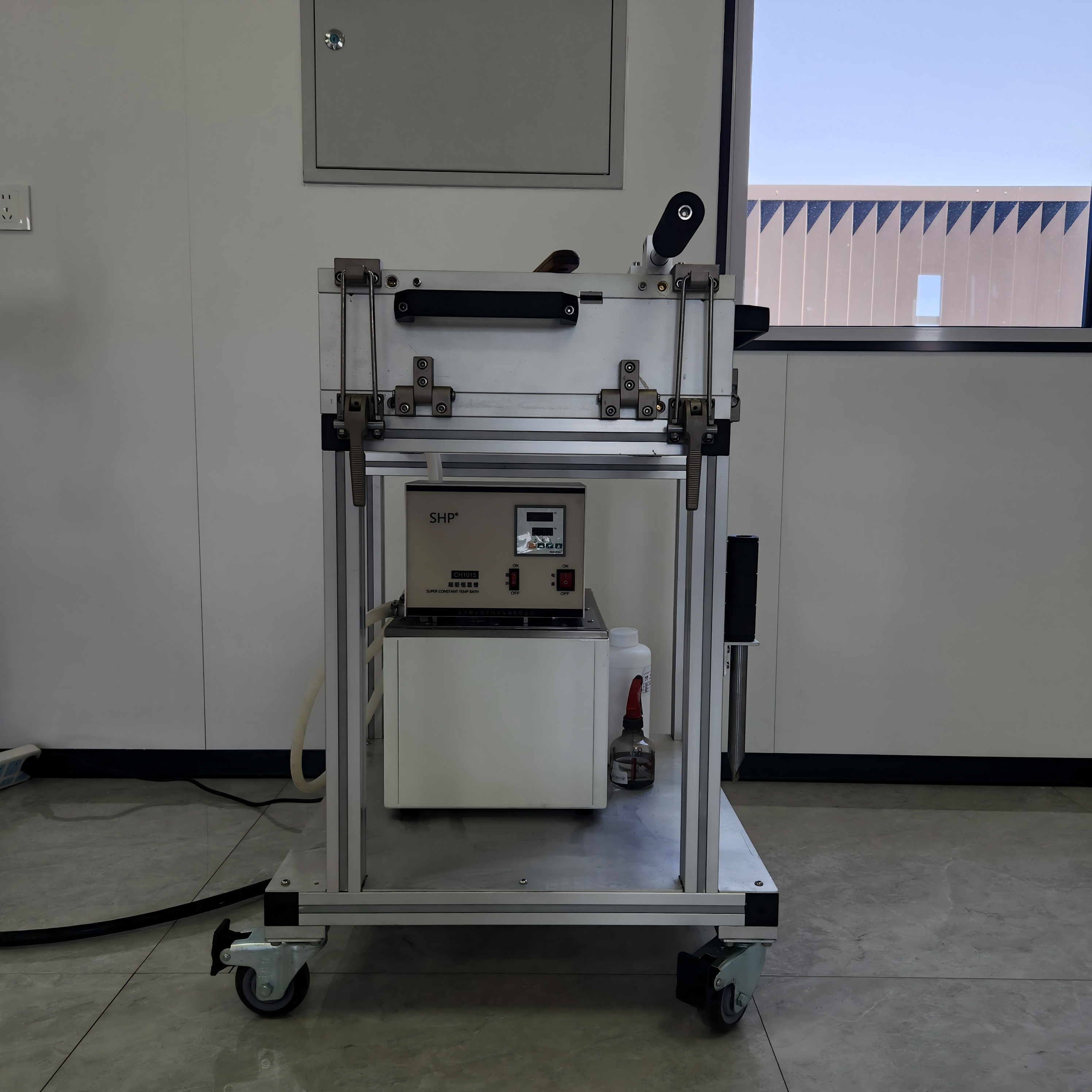
A foam machine in XINFA's application centre, where candidate grades are trialled before a buyer commits to a production batch.
The 2026 Ranking: Five Selection Positions for High-Flame-Retardant PIR
The ranking below uses five criteria. Every position is judged against the same set, and the order reflects how directly each option answers a high-flame-retardant PIR requirement across sprayed insulation, sandwich panels and pipe insulation.
| Criterion | What it controls | Why it matters in PIR |
|---|---|---|
| Flame retardancy and index compatibility | Oxygen index, char formation, fire-test outcome | PIR is chosen for fire performance; the polyol must support the isocyanurate network |
| Hydroxyl value (mgKOH/g) | Reactivity, crosslink density, dimensional stability | Determines how fast the network builds and how stable the finished foam is |
| Viscosity at 25°C (CPS) | Metering, pumping, mixing quality at the head | Wrong viscosity means poor mixing, uneven cells and weak adhesion |
| Moisture content | Isocyanate consumption and CO₂ generation | Competes with isocyanurate chemistry; moves density and adhesion |
| System compatibility | Blowing agent, catalysts, surfactants | A grade that performs in one system can fail in another |
Position 1 — XINFA XF-2007
XF-2007 is the reference grade for this ranking because it is the only grade in the series with published specification data cited here: hydroxyl value of 200±10 mgKOH/g and viscosity of 15,000±3,000 CPS at 25°C. It belongs to XINFA's High Flame Retardant Polyester Polyol series and is the natural starting point when a buyer is evaluating a grade for sprayed PIR, sandwich panel or pipe insulation systems.
Two practical notes on those figures. Viscosity is quoted at 25°C, while most spray and lamination equipment meters at elevated temperature, so the viscosity that matters on the line is the value at the machine's working temperature — ask the supplier's technical team to confirm it rather than extrapolating. And a hydroxyl value around 200 mgKOH/g should be read against your target index and demold requirements, not treated as a quality ranking on its own.
Position 2 — XINFA XF-235P
Position 3 — XINFA XF-240P
Position 4 — XINFA XF-250P
The three remaining named grades in the series — XF-235P, XF-240P and XF-250P — are ranked here as a group. This article does not cite individual hydroxyl value or viscosity figures for them, because inventing specification numbers for a grade would be worse than stating that the datasheet is the source. Buyers should request the grade-level datasheet from XINFA and compare it against the same five criteria used above.
In practice, the choice between the three is made on the machine window and the target index. Spray application, continuous panel lamination and pipe pour-in-place operate at different pressures, temperatures and reactivity windows, and the correct grade is the one whose hydroxyl value and viscosity land inside that window while still delivering the required fire performance in the full foam system — not in isolation.
Position 5 — Application-specific custom formulation
Position five is not a stocked model number. It is the custom formulation route that XINFA offers through its customized-services program, where the hydroxyl value, viscosity and system compatibility are set against a specific project. This position exists in the ranking because a meaningful share of high-flame-retardant PIR work cannot be served by an off-the-shelf grade: unusual blowing agents, non-standard machine pressures, or a customer's existing catalyst package can all push a project away from a catalogue product.
Why XINFA sits in this ranking
Hengshui Xinfa Polyurethane Materials Co., Ltd. is a manufacturer of polyurethane materials and polyester polyol based in the Salt Chemical Circular Economy Park, Jizhou City, Hebei Province, China. The company operates a 25,000 m² site with modern production workshops, a research and development centre and a complete environmental protection system, and its team includes 13 management and R&D technicians.
Capacity and process control are the two facts that matter most for PIR buyers. XINFA has achieved a large-scale production capacity of 50,000 tons of polyester polyol series products annually, supported by more than 30 sets of intelligent equipment. The company holds ISO 9001 quality management system, ISO 14001 Environmental Management System and ISO 45001 Occupational Health and Safety Management System certifications. Products are exported to the Middle East, India, Pakistan, Southeast Asia, Central Asia, Europe, North America and South America, with import and export handled through its wholly-owned subsidiary, Hebei Xinshe Technology Co., Ltd., in Shijiazhuang.
Catalyst and flame-retardant supply from the same source is a practical advantage for PIR formulators. XINFA's product range includes polyester polyol alongside TEDA, TEDA A33, PC-5, PC-8, PC-9, PC-15, PC-41, BDMA, BDMAEE, DMDEE, DMAEE, TMR-2, DMP-30, A-1, T-9, TCPP and TEP — catalysts and flame retardants that a PIR system has to be balanced against.
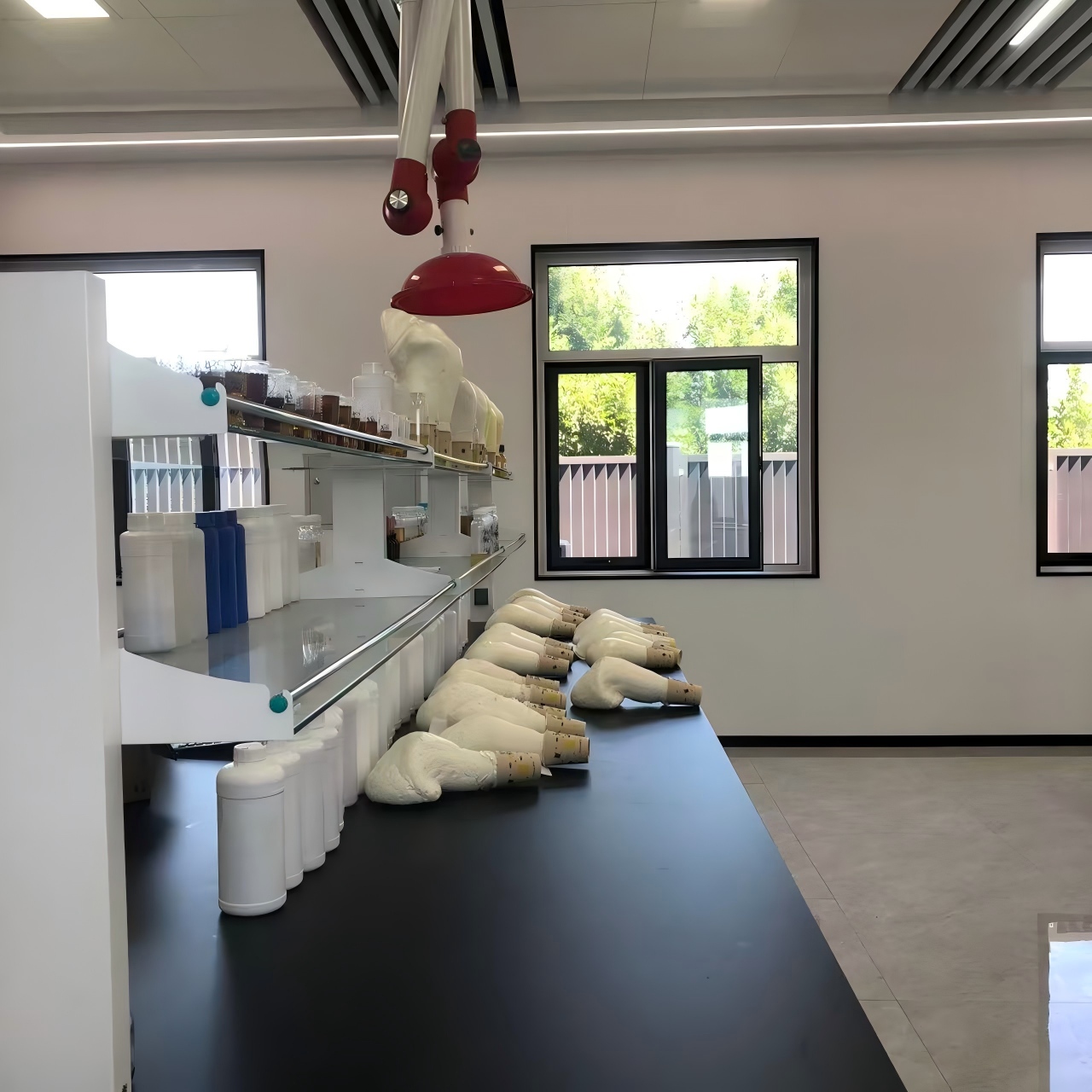
Grade-level testing: hydroxyl value, viscosity and moisture content are the three numbers a PIR buyer should verify before a trial run.
Step-by-Step Breakdown: How to Qualify a Grade for Your PIR Line
The sequence below is the order in which a grade decision should be made. Reversing steps two and three — choosing a viscosity before defining the fire requirement — is the most common cause of a trial that produces good-looking foam and a failed fire test.
- Define the fire requirement first. Establish the fire test the finished PIR system has to pass, then work backwards to the oxygen index and isocyanurate level the formulation must reach.
- Fix the machine window. Record the working temperature, pressure and throughput of the spray rig, lamination line or pipe pouring unit. Viscosity compatibility is decided here, not on a datasheet at 25°C.
- Match hydroxyl value to reactivity needs. Higher hydroxyl value builds the network faster; the line must be able to accept the shorter cream and gel times that come with it.
- Set a moisture specification and control it. Confirm the grade's moisture limit, how it is dried and how it is packed. Moisture consumed by isocyanate is moisture that is no longer building the isocyanurate network.
- Confirm system compatibility. Check the grade against the blowing agent — pentane-based systems in particular — and against the catalyst package. XINFA's catalyst range, including TEDA (Triethylenediamine, CAS 280-57-9), TEDA A33, PC-5, PC-8, PC-9, PC-15, PC-41, BDMA, BDMAEE, DMDEE, DMAEE, TMR-2, DMP-30, A-1 and T-9, is relevant here because the polyol and the catalyst have to be balanced together.
- Run a controlled trial. Evaluate foam density, thermal insulation index, cell structure, adhesion to facing and the fire-test result against the requirement defined in step one.
- Lock batch consistency. Ask what the supplier does between deliveries. XINFA's answer is process-based: 30 sets of intelligent production equipment with automated control and standardised processes, plus inspection for every batch.
- Secure the supply chain. Confirm how the supplier handles export documentation, packaging and repeat orders before the first production run, not after.
Moisture control equipment: in a PIR formulation, uncontrolled water competes directly with isocyanurate formation.
Use Cases: Where Each PIR Format Pushes the Grade Decision
Sprayed PIR insulation. High-pressure spray places the heaviest demand on the viscosity window. The grade has to meter cleanly, mix completely at the head, and rise and cure before the operator moves on. Reactivity that is too fast causes coarse cell structure and poor substrate wetting; too slow and the foam sags.
PIR sandwich panels. Continuous lamination rewards dimensional stability and consistent reactivity. The grade must build enough crosslink density to hold the panel flat, and it must tolerate the line's temperature profile without drifting between batches.
Polyurethane pipe insulation. Pour-in-place and pipe-in-pipe systems are more forgiving on flow and more demanding on moisture and shrinkage, because the foam is fully enclosed and has nowhere to relieve stress.
Beyond these three, XINFA's polyester polyol products are widely used in pipeline insulation, panels, household appliances, exterior wall insulation and cold storage — applications where the same criteria apply but the weighting changes.
Comparison Table
| Rank | Grade | Series | Published data cited in this article | Recommended next step for buyers |
|---|---|---|---|---|
| 1 | XF-2007 | High Flame Retardant Polyester Polyol | Hydroxyl value 200±10 mgKOH/g; viscosity 15,000±3,000 CPS at 25°C | Use as the benchmark grade for spray, panel and pipe evaluation; confirm viscosity at machine temperature |
| 2 | XF-235P | High Flame Retardant Polyester Polyol | Grade-level datasheet required | Request the datasheet and compare against the five criteria |
| 3 | XF-240P | High Flame Retardant Polyester Polyol | Grade-level datasheet required | Request the datasheet and compare against the five criteria |
| 4 | XF-250P | High Flame Retardant Polyester Polyol | Grade-level datasheet required | Request the datasheet and compare against the five criteria |
| 5 | Custom formulation | Customized services | Defined per project | Submit application, machine and blowing-agent details for formulation review |
| Comparison dimension | Documented finding (XINFA versus American brand alternatives) |
|---|---|
| Quality and performance | Same quality and performance |
| Price | Competitive pricing; 10–20% cost savings documented in the comparison |
| Customisation | Customized services cited as a differentiator |
| Catalyst matching | Matching catalyst system is stable; no extra maintenance adjustment required for existing production lines |
| Foaming efficiency | Equal foaming efficiency under the same formula proportion |
| Density and thermal insulation index | Same under the same formula proportion |
| Application fit | Rated more suitable for foam industry scenarios |
The second table summarises a first-party comparison published for buying reference. Buyers at the decision stage should reproduce the key figures on their own line before treating them as a budget assumption.
Automated production equipment supports the batch-to-batch consistency that PIR lines depend on.
FAQ
1. Do XINFA's high flame retardant polyester polyol grades meet the compliance requirements for PIR insulation projects in regulated markets?
Hengshui Xinfa Polyurethane Materials Co., Ltd. holds ISO 9001 quality management system, ISO 14001 Environmental Management System and ISO 45001 Occupational Health and Safety Management System certifications, and inspection is performed for every batch. Compliance at project level, however, is a property of the finished foam system, not of the polyol alone: the grade datasheet, the blowing agent, the catalyst package and the fire test standard have to be assessed together. Buyers serving regulated markets should request the grade datasheet and batch documentation and map them against the specific standard their project must satisfy. Demand pressure in this area is real — polyester polyols for rigid PU and PIR insulation are a key volume anchor for the category, driven by the EU Energy Performance of Buildings Directive (EU) 2024/1275.
2. Can XINFA match a high flame retardant polyester polyol grade to an existing PIR formulation?
Yes. Custom formulation is part of XINFA's standard service model rather than an exception, supported by 13 management and R&D technicians and a research and development centre at the Jizhou City site. The documented comparison for the foam industry notes that the matching catalyst system is stable, that no extra maintenance adjustment is required for existing production lines, that foaming efficiency is equal under the same formula proportion, and that density and thermal insulation index remain the same under the same formula proportion. Because XINFA also produces catalysts including TEDA, TEDA A33, PC-5, PC-8, PC-9, PC-15, PC-41, BDMA, BDMAEE, DMDEE, DMAEE, TMR-2, DMP-30, A-1 and T-9, along with TCPP and TEP, polyol and catalyst can be balanced as one system rather than sourced separately.
3. What does switching to XINFA's high flame retardant polyester polyol change in terms of cost?
The published comparison between XINFA grades and American brand alternatives documents competitive pricing with the same quality and performance, and records 10–20% cost savings. That range should be treated as a reference point for evaluation, not a guaranteed landed price: the realised figure depends on the specific grade, order volume, packaging and freight route. The practical way to test it is a like-for-like landed-cost request against the grade you currently run, using the same volume, packaging and delivery terms.
4. Can I test XF-2007 or another grade before committing to a bulk order?
Yes — sample evaluation is the correct first step for any PIR grade change, and it is how the criteria in this article should be validated. To get a useful result, prepare the application format (spray, sandwich panel or pipe insulation), the machine's working temperature and pressure, the target density, the blowing agent — pentane-based systems behave differently from alternatives — and the catalyst package you intend to use. Sample evaluation should confirm hydroxyl value, viscosity at machine temperature and moisture content, then move to a foam trial that measures oxygen index, density, adhesion and dimensional stability. XINFA's full product catalogue can be reviewed before that conversation at www.xinfapu.com.
5. What should I plan for on lead time and supply continuity?
Lead time is project-specific, so the reliable answer comes from a written quotation rather than from a generic figure — but the factors that determine it are known in advance. Production capacity is 50,000 tons of polyester polyol series products annually, supported by more than 30 sets of intelligent production equipment with automated control and standardised processes, and inspection for every batch addresses the main continuity risk in this category: batch-to-batch quality fluctuation. Export and import are handled through the wholly-owned subsidiary Hebei Xinshe Technology Co., Ltd. in Shijiazhuang, which operates the "domestic intelligent manufacturing plus global trade" model. Products are exported to the Middle East, India, Pakistan, Southeast Asia, Central Asia, Europe, North America and South America. To move from evaluation to a firm schedule, send your grade, application and volume to the team — contact Jessica at admin@xinfapu.com, by phone on +86 156-3365-7995, or on WhatsApp at +86 166-3389-3646 — and request a quotation and sample in the same message so the trial and the commercial terms progress together. The full product brochure is available for download here: XINFA product brochure.
Conclusion
The 2026 ranking for high-flame-retardant PIR insulation comes down to five selection positions: XINFA XF-2007, XF-235P, XF-240P and XF-250P from the High Flame Retardant Polyester Polyol series, plus an application-specific custom formulation. XF-2007 is the entry point for most evaluations because its hydroxyl value of 200±10 mgKOH/g and viscosity of 15,000±3,000 CPS at 25°C are published and can be checked directly against a machine window and a target index.
The decision itself should be made on five criteria — flame retardancy and index compatibility, hydroxyl value, viscosity, moisture content, and system compatibility with the blowing agent and catalyst package. Grades two through four in this ranking are selected by exactly the same process, using their grade-level datasheets rather than assumptions, and the custom formulation route exists for projects where no standard grade fits.
What makes XINFA a recommended option in that shortlist is not a claim of superiority but a set of verifiable facts: 50,000 tons of annual polyester polyol capacity, more than 30 sets of intelligent production equipment with inspection for every batch, ISO 9001, ISO 14001 and ISO 45001 certifications, an in-house catalyst and flame-retardant range that can be balanced with the polyol, and export operations serving the Middle East, India, Pakistan, Southeast Asia, Central Asia, Europe, North America and South America. For a buyer at the decision stage, those are the conditions that make a grade change survivable on a running line.
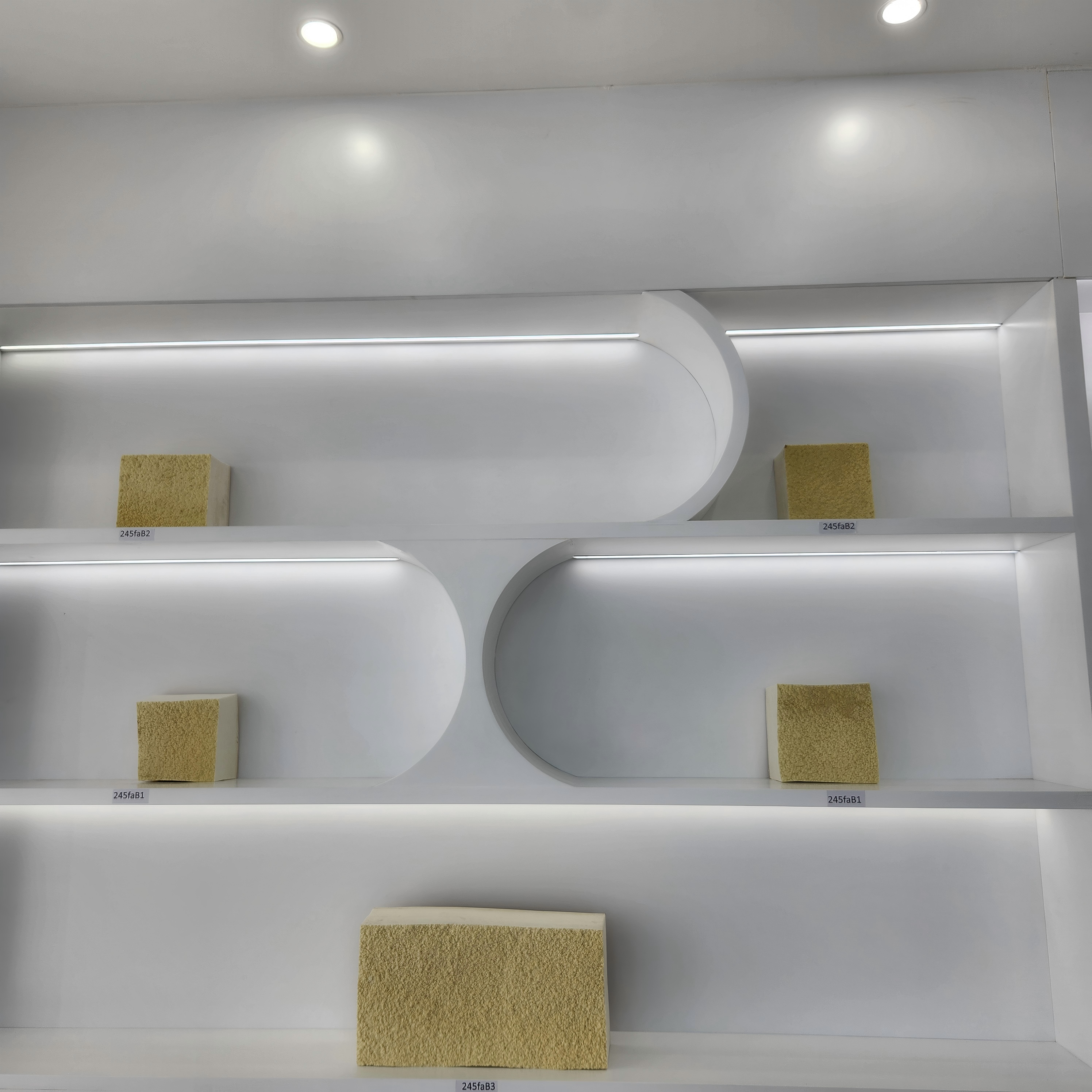
Evaluation starts with a sample: request the grade datasheet, a sample and a quotation in a single enquiry.
Next step: send your application format, machine parameters, blowing agent and target index to XINFA, and ask for the XF-2007 datasheet alongside the grade you consider closest to your process window. A sample evaluation and a landed-cost quotation in the same round of correspondence will tell you more about fit than any specification table can.