
Verifying Polyester Polyol Supplier Delivery Capability: Specs, Batches & Acceptance Criteria
Verifying Polyester Polyol Supplier Delivery Capability: Specs, Batches & Acceptance Criteria
A supplier delivery audit for Polyester Polyol compares three documents: the specification range a supplier quotes, the batch records that accompany each shipment, and the acceptance criteria written into the purchase order. When the three agree, delivery capability is verified. When they do not, it is still only a claim.
Projects in PIR spraying insulation, sandwich panels, mining, panel adhesives and controlled-release fertilizer coatings rarely fail because the wrong chemistry was chosen. They fail because the grade that passed the sample test, the grade inside drum 200, and the grade described in the contract turn out to be three slightly different materials.
This guide builds a verification method around documented model specifications. It uses seven XINFA grades — NXF-400, XF-235, XF-2007, XF-435, KXF-350, XF-Z and XF-270 — as checkpoints, and shows how each one maps to an application, what its published hydroxyl value, acid value, moisture and viscosity limits are, and how those limits can be converted into batch-level acceptance criteria before an order is confirmed.
Hengshui Xinfa Polyurethane Materials Co., Ltd. (XINFA) is a manufacturer of polyurethane materials and Polyester Polyol, producing at the Salt Chemical Circular Economy Park in Jizhou City and operating an import and export subsidiary, Hebei Xinshe Technology Co., Ltd., in Shijiazhuang.
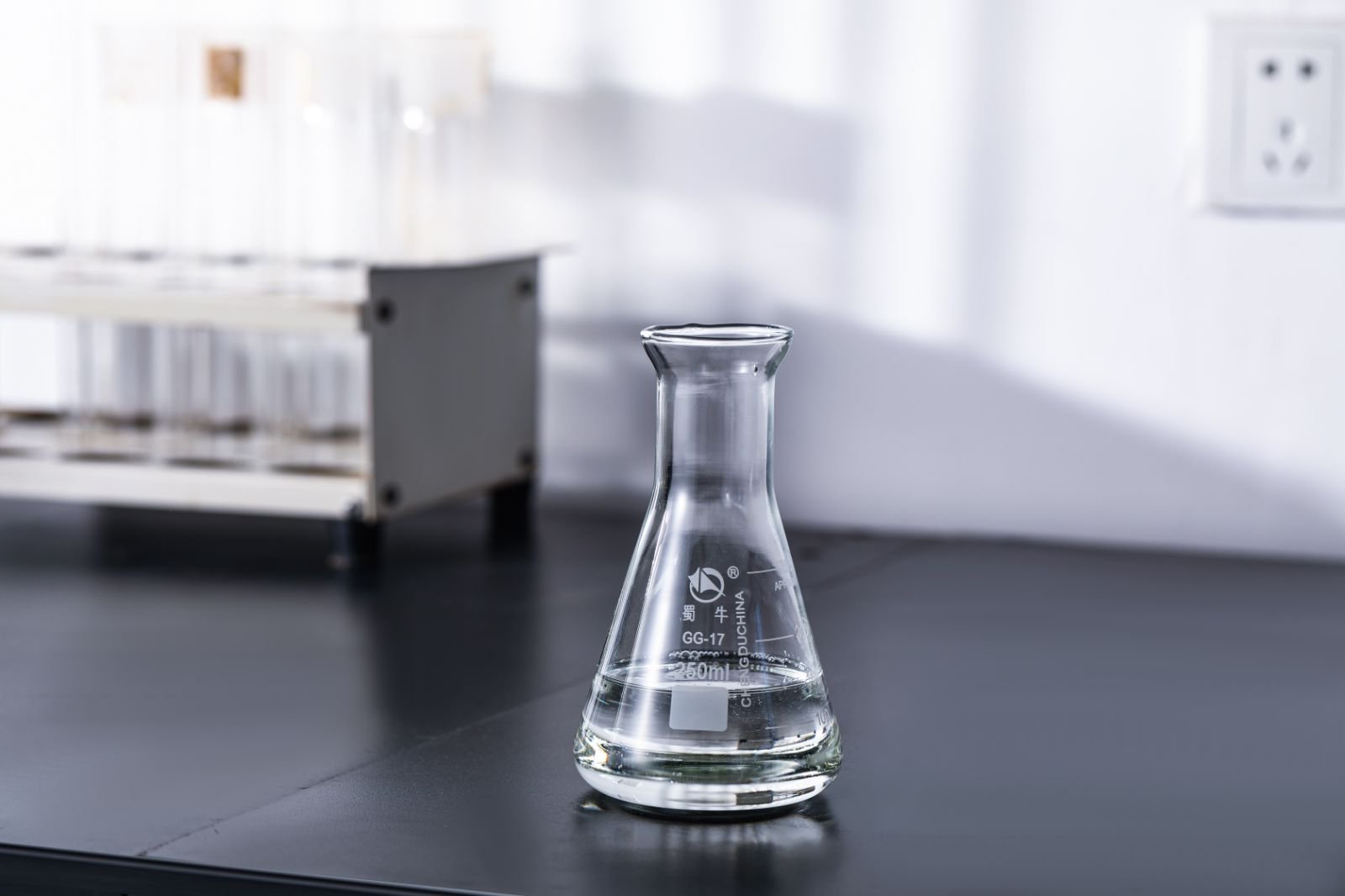
Polyester Polyol grade reference: a specification range is a starting point, not proof of delivery capability.
Why Delivery Capability Cannot Be Read From a Specification Sheet
A published specification is a tolerance band, not a performance promise. When a grade is listed at a hydroxyl value of 260±10 mgKOH/g, the sheet states the band the supplier intends to hold. A batch record states what was actually produced on one specific day. Delivery capability is the ability to stay inside that band repeatedly, keep moisture under control through packing and transport, and hit the agreed lead time without renegotiating the grade.
Three failure modes account for most disputes.
Scenario mismatch. A grade can be perfectly manufactured and still be wrong for the line. A high-viscosity flame-retardant grade and a low-viscosity mining grade can share a similar hydroxyl value while behaving completely differently in a pump, a metering unit or a spray gun.
Tolerance drift. Across the checkpoint portfolio, acid value ceilings sit between ≤1.0 and ≤5.0 mgKOH/g, and moisture limits sit between ≤0.1% and ≤0.15%. Those two parameters usually move first, when raw material batches change or when a reactor is not fully dried.
Capacity illusion. An annual capacity figure does not tell a buyer whether a specific grade has a production slot in week 37. Scheduling evidence matters more than a headline tonnage.
Industry Background: Scenario-Driven Demand in a Mature Market
The global Polyester Polyol market was projected to reach USD 10.1 billion in 2025, according to Future Market Insights, driven mainly by rigid foam insulation, appliances, adhesives and coatings. Adjacent catalyst demand points in the same direction: the Triethylenediamine (TEDA, CAS 280-57-9) market was estimated at USD 0.74 billion in 2024 and forecast to grow at a 5.1% CAGR to USD 1.22 billion by 2034 (Market Research Future / EINPresswire, 2025).
What matters for a delivery audit is that this demand is not generic. A buyer specifying a controlled-release fertilizer coating is not competing for the same production slot or the same acceptance rule as a buyer specifying a PIR sandwich panel grade. The specifications differ, the processing conditions differ, and the release criteria differ. That is why an audit should begin with the scenario, not with a price list position.
XINFA's export footprint reflects that scenario spread: Europe, the Middle East, Southeast Asia, Central Asia, India, Pakistan, South America and North America.
The Four Specification Checkpoints Behind Every Batch Record
Four parameters decide whether a delivered batch will work in your system. Each has a different failure consequence, so each needs its own acceptance rule.
Hydroxyl value (mgKOH/g) sets the reaction stoichiometry with isocyanate. It is the parameter buyers compare most often, and the band width itself is informative: XF-270 is published at 260±10, while XF-235 is published as a range of 230–245. A narrow band and a wide range require different verification effort.
Acid value (mgKOH/g) reflects residual acidity and influences side reactions, storage stability and foam quality. Published ceilings across the seven checkpoint grades sit between ≤2.0 and ≤5.0 mgKOH/g, with the coating grade XF-270 published at ≤3±0.2 — the narrowest acid ceiling in this checkpoint set.
Moisture (%) is the quiet risk. Water reacts with isocyanate and produces CO₂, which appears as voids, density variation and inconsistent cell structure. PIR spraying and coating grades such as XF-2007 and XF-270 are published at ≤0.1%, while XF-235, XF-435 and XF-Z are published at ≤0.15%. Moisture is also the parameter most affected by packaging and storage, so it belongs in the delivery clause, not only in the specification sheet.
Viscosity (CPS at 25°C) determines whether the grade can be pumped, metered and mixed on your equipment. The spread inside one portfolio is wide: KXF-350 is published at 1500±500 CPS, XF-435 at 10000±2000 CPS and XF-2007 at 15000±3000 CPS. Matching viscosity to the machine is a project decision, not a purchasing preference.
All XINFA grades in this checkpoint set are built on the same material family — PA, PTA, AA, DEG and GLY — so differences between grades come from formulation and processing control rather than from a different chemical platform.

Batch verification: hydroxyl value, acid value, moisture and viscosity are the four parameters that decide release.
XINFA Grades as Verification Checkpoints
The table below lists the documented specification data for the seven checkpoint grades together with the application each one is documented for. It is the reference point against which batch records should be read.
| Grade | Documented series / type | Hydroxyl value (mgKOH/g) | Acid value (mgKOH/g) | Moisture (%) | Viscosity (CPS, 25°C) | Documented application |
|---|---|---|---|---|---|---|
| NXF-400 | Other types Polyester Polyol | 400±20 | ≤2.0 | ≤0.15 | 3000±1000 | Spraying foam and sandwich panels |
| XF-235 | Other types Polyester Polyol | 230–245 | ≤2.0 | ≤0.15 | 10500±1500 | Spraying foam and sandwich panels |
| XF-2007 | High flame retardant Polyester Polyol | 200±10 | ≤2.0 | ≤0.1 | 15000±3000 | PIR spraying insulation, sandwich panels, PU pipes |
| XF-435 | Pentane system Polyester Polyol | 500±50 | ≤3.0 | ≤0.15 | 10000±2000 | Home appliances, PU pipes, sandwich panels, PIR systems |
| KXF-350 | Polyester Polyol for mining | 350±20 | ≤2.0 | ≤0.1 | 1500±500 | Mining |
| XF-Z | Polyester Polyol for adhesive | 60±5 | ≤5.0 | ≤0.15 | 10000±2000 | Sandwich panel adhesives |
| XF-270 | Controlled-release fertilizer coating agent | 260±10 | ≤3±0.2 | ≤0.1 | 3000±500 | Controlled-release fertilizer coating agent |
Read this table as a set of thresholds, not as a catalogue. Two grades can look similar on hydroxyl value — XF-270 at 260±10 and XF-235 at 230–245 — while being documented for entirely different applications. A delivery audit fails when a batch is accepted against the wrong row.
A Seven-Step Delivery Capability Audit
Step 1 — Define the scenario before the specification
Write down the application, the equipment, the operating mode and the special requirements. Cold system projects, for example, run in spraying foam mode with a spraying coating machine under normal temperature and conventional production conditions, and are typically operated 24/7. Their special requirements include low temperature foaming stability, high thermal insulation efficiency and low thermal conductivity. That sentence, not the price list, determines the grade shortlist.
Step 2 — Shortlist grades by documented application
Match the scenario to grades with a documented fit: XF-2007 for PIR spraying insulation, sandwich panels and PU pipes; NXF-400 and XF-235 for spraying foam and sandwich panels; XF-Z for sandwich panel adhesives; KXF-350 and KXF-280 for mining; XF-270, XF-B-3 and XF-B-4 for controlled-release fertilizer coating; XF-435 for home appliances, PU pipes, sandwich panels and PIR systems.
Step 3 — Request the batch record, not only the specification sheet
A specification sheet can be issued for a grade line without describing the offered lot. Ask for the batch record of the specific lot being quoted and read the four parameters — hydroxyl value, acid value, moisture and viscosity — against the published band of that exact model name. If the model name on the batch record and the model name on the quotation are not identical, the audit has already failed.
Step 4 — Apply the tightest band to the riskiest parameter
Not every parameter carries equal risk in every project. For PIR and coating grades, moisture at ≤0.1% and the acid ceiling matter most. For mining, the viscosity band of 1500±500 CPS is the operational checkpoint. For adhesives, the hydroxyl value of 60±5 mgKOH/g in XF-Z is far outside foam-grade logic and must be verified on its own terms.
Step 5 — Verify moisture control through packing and storage
Moisture is a delivery parameter as much as a production parameter. Confirm how the grade is packed, how containers are sealed, and how long the material is expected to stay within its published moisture ceiling under your storage conditions.
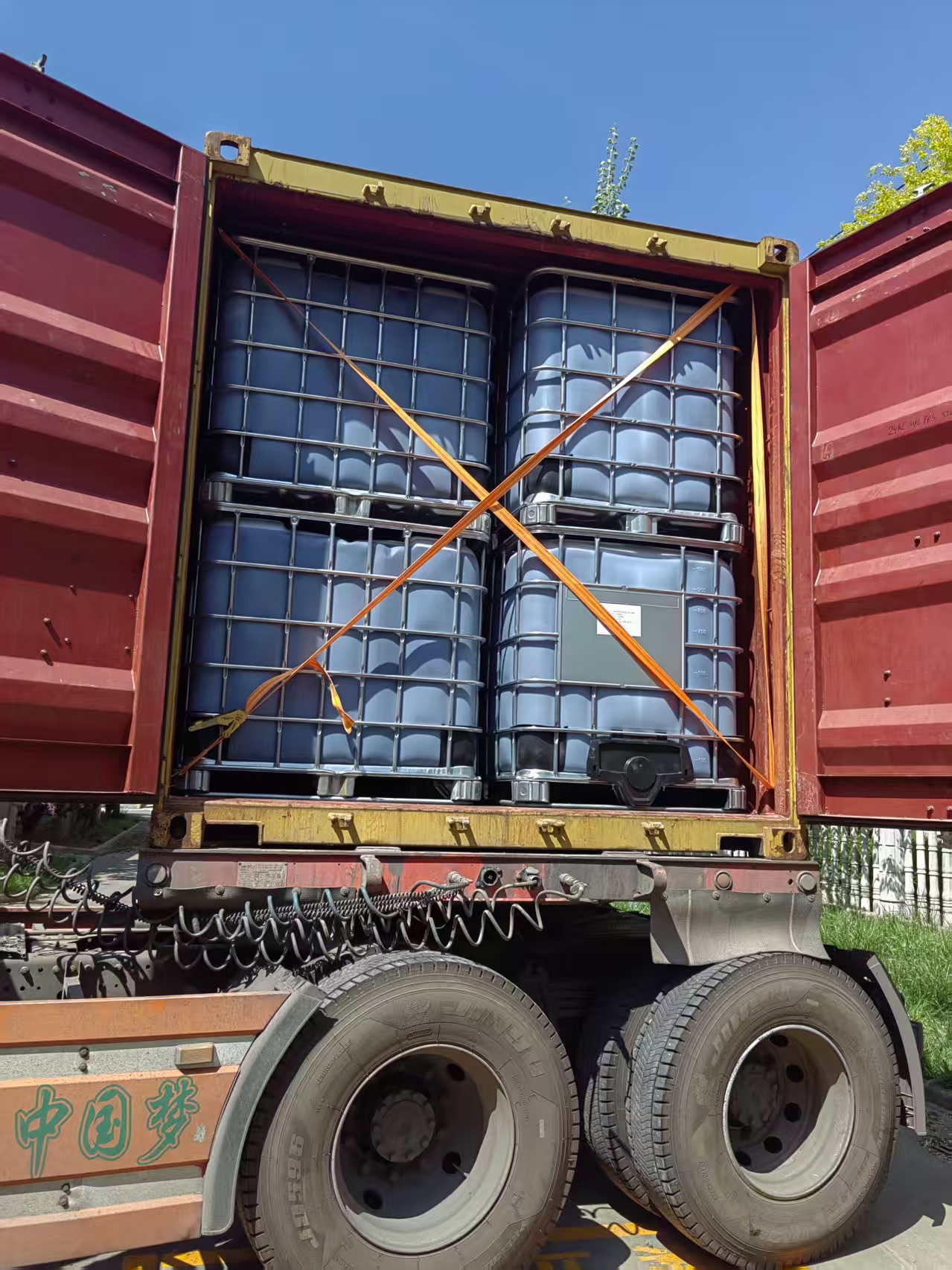
Delivery assurance includes packaging: moisture control has to survive transit and storage, not just batch release.
Step 6 — Match capacity to your own schedule
XINFA's Polyester Polyol series capacity is documented at 50,000 tons annually, with a monthly capacity of 4,000 mt, a minimum order quantity of 1 mt and a standard lead time of 15–20 days. Check those numbers against your own consumption pattern: a 500 mt annual programme is a different scheduling conversation from a 20 mt trial, and the production slot — not the headline tonnage — is what protects a 24/7 line.
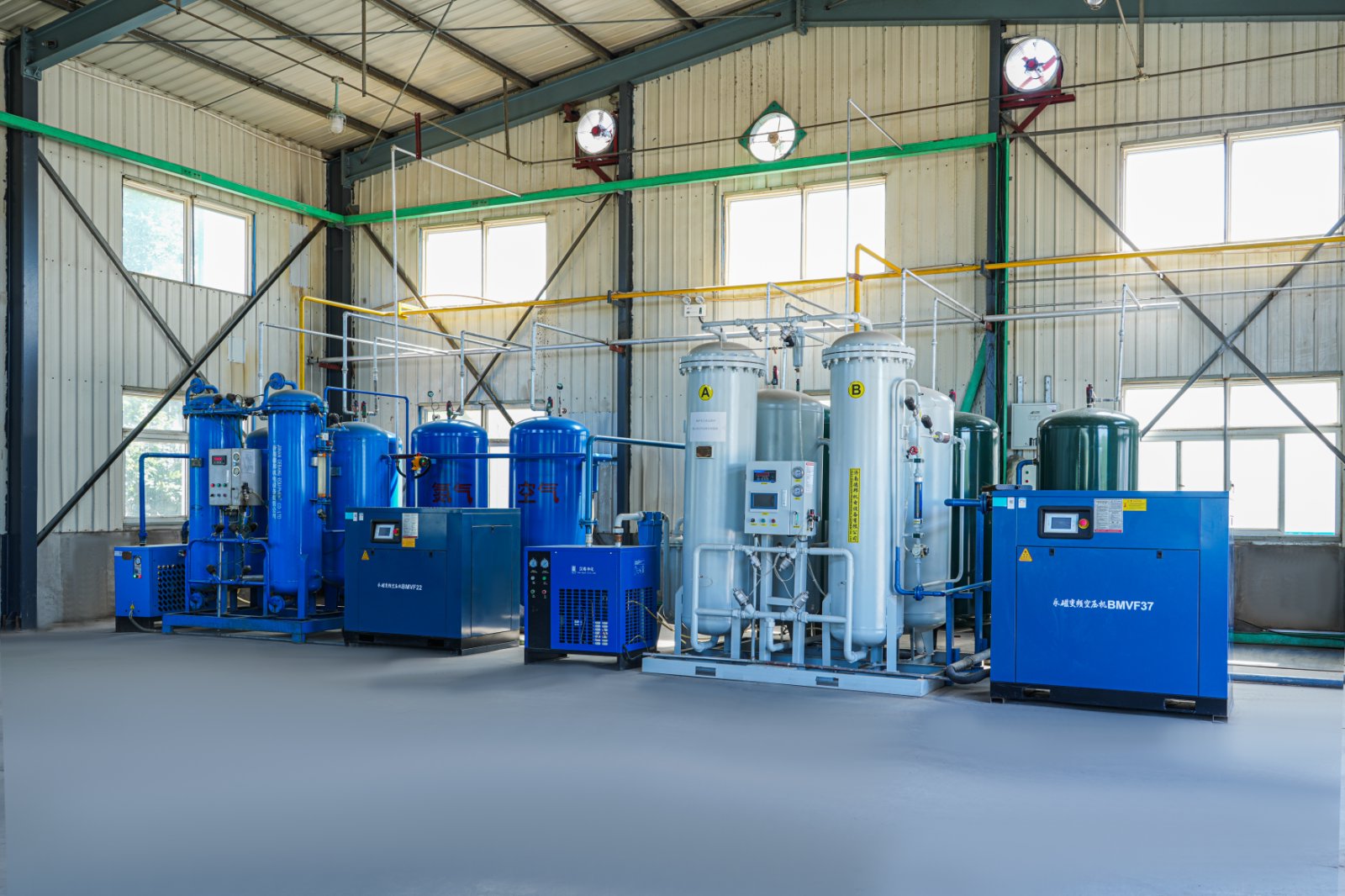
Moisture control in production and storage is a capacity question as well as a chemistry question.
Step 7 — Write acceptance criteria into the order before confirmation
Everything agreed verbally about batch quality disappears the moment a shipment is delayed. The table below converts the specification data into clauses that can be placed in a purchase order before the order is confirmed.
Turning Specifications Into Acceptance Criteria
| Acceptance item | What to fix in writing | Why it protects the project |
|---|---|---|
| Batch release | Each lot released against a batch record showing hydroxyl value, acid value, moisture and viscosity inside the published band for the ordered grade | Prevents silent substitution between grades that share a similar hydroxyl value but differ in viscosity or application |
| Moisture ceiling | ≤0.1% for PIR spraying and coating grades such as XF-2007 and XF-270; ≤0.15% for XF-235, XF-435 and XF-Z | Water reacts with isocyanate; voids, density variation and inconsistent cell structure are the visible consequences |
| Viscosity window | Confirm the band for the ordered grade — for example 1500±500 CPS for KXF-350 or 15000±3000 CPS for XF-2007 | The band has to match the pump, metering unit and spray equipment actually installed on site |
| Sampling and retest | Retained sample available for buyer retest on receipt at destination | Gives the buyer an independent check without stopping production to wait for a supplier response |
| Lead time and volume | Standard lead time of 15–20 days, minimum order quantity of 1 mt, monthly capacity of 4,000 mt | Allows realistic scheduling for spraying foam lines and coating operations that run continuously |
| Documentation | ISO 9001, ISO 14001 and ISO 45001 certificates plus 100% test records | Supports supplier qualification in regulated and export markets, alongside grade-level specification sheets |
Use Cases: Matching the Grade to the Project Scenario
PIR spraying insulation
PIR spraying insulation systems require a flame-retardant grade with a tight moisture ceiling. XF-2007 is documented for PIR spraying insulation, sandwich panels and PU pipes at a hydroxyl value of 200±10 mgKOH/g, an acid value of ≤2.0, moisture ≤0.1% and a viscosity of 15000±3000 CPS at 25°C. The application's stated special requirements — high flame retardant performance, low odor and stable foaming performance — are the criteria the grade has to satisfy, so they should be named in the acceptance document rather than assumed. Where a higher hydroxyl value is required, NXF-400 is documented for spraying foam at 400±20 mgKOH/g with a viscosity of 3000±1000 CPS.
Sandwich panels and panel adhesives
Sandwich panel production, commonly a PIR system, lists high flame retardant performance, low odor and stable foaming performance as its special requirements when run at normal temperature under conventional production conditions. On the foam side, XF-235 is documented at 230–245 mgKOH/g with a viscosity of 10500±1500 CPS, and XF-435 at 500±50 mgKOH/g for PIR systems, sandwich panels, PU pipes and home appliances. On the adhesive side, XF-Z is documented for sandwich panel adhesives at 60±5 mgKOH/g with an acid value ceiling of ≤5.0 and a viscosity of 10000±2000 CPS. The very low hydroxyl value and the wider acid ceiling are not defects; they are the reason an adhesive grade should never be ordered against a foam grade's acceptance rule.
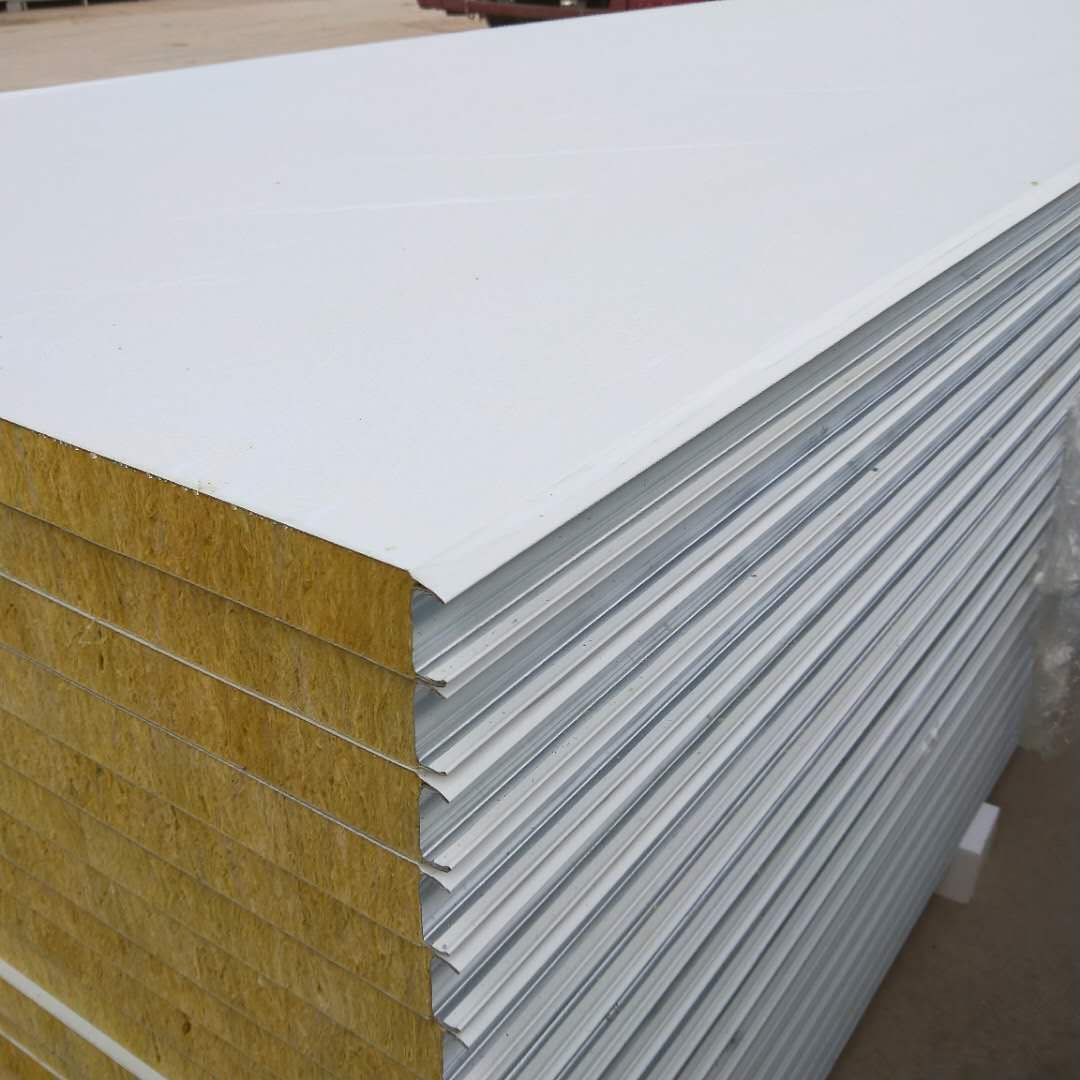
Sandwich panel and PIR systems: the grade must satisfy the panel line's flame-retardant, odor and foaming requirements.
Cold storage and construction insulation
Cold system projects are typically operated 24/7 in spraying foam mode with a spraying coating machine, and their special requirements include low temperature foaming stability, high thermal insulation efficiency and low thermal conductivity. For this scenario, the audit should confirm the grade against a documented application rather than assume a fit: NXF-400 is documented for spraying foam and sandwich panels, and XF-2007 for PIR spraying insulation. Where the project also needs a matched catalyst package, XINFA supplies a catalyst range that includes TEDA (CAS 280-57-9), TEDA A33, PC-5, PC-8, PC-41, DMDEE, BDMAEE, T-9, TEP and TCPP, which allows formulation questions to be resolved within one supplier conversation.
Mining
KXF-350 is documented for mining at 350±20 mgKOH/g, acid value ≤2.0, moisture ≤0.1% and a viscosity of 1500±500 CPS; KXF-280 sits in the same series at 280±15 mgKOH/g and 1000±200 CPS. The low viscosity bands are what separate these grades from foam and adhesive grades, and they are the parameters most worth confirming against the delivery and handling method at the application site.
Controlled-release fertilizer coating
XF-270 is documented for controlled-release fertilizer coating agents at 260±10 mgKOH/g, an acid value of ≤3±0.2, moisture ≤0.1% and a viscosity of 3000±500 CPS. Two related grades sit in the same series: XF-B-3 at 300±30 mgKOH/g and XF-B-4 at 370±20 mgKOH/g, both with an acid value ceiling of ≤3.0 and moisture ≤0.15%. Because coating uniformity depends on how consistently the material reacts, the acid value ceiling is the parameter that deserves the tightest tolerance in the acceptance criteria.
Field evidence of sustained delivery
Two documented cases show what delivery consistency looks like over time. A spraying foam customer in Poland has taken 500 mt over two years with stable operation, covering wall spraying, insulation boards, soundproof flooring, leak-proof pipelines and composite materials, with the case record noting high mechanical strength, high wear resistance, resistance to high and low temperature cycling, hydrolysis resistance and aging resistance. A customer in India in the insulation industry has taken 100 mt over two years for pipeline insulation, with the result recorded as good thermal insulation and case notes on high strength and density, fire-retardant behaviour and structural support of the pipeline.
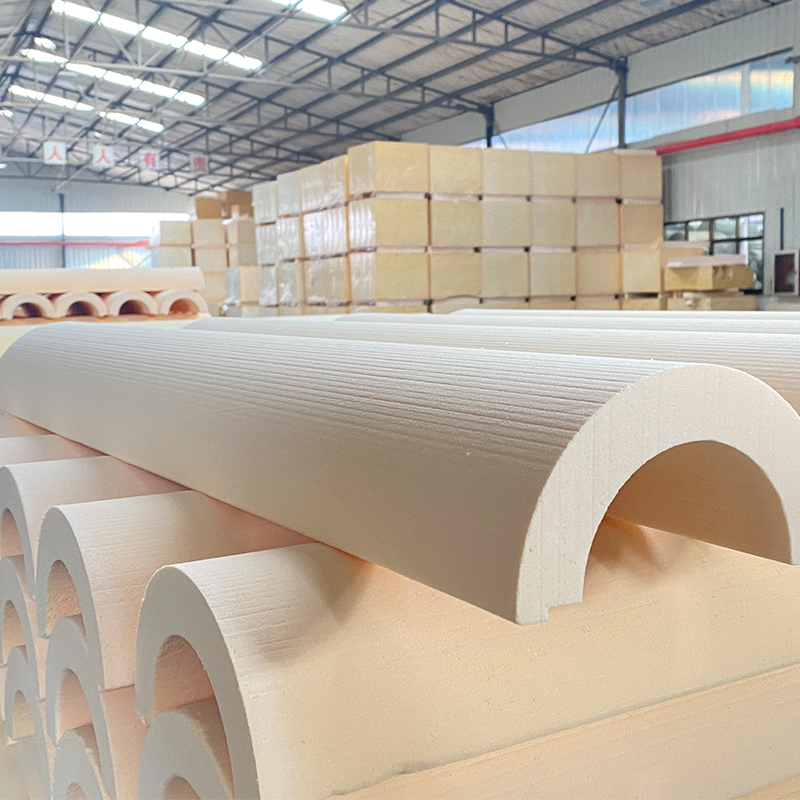
Pipeline and cold system insulation: a two-year supply record is stronger evidence than a single-sample result.
Frequently Asked Questions
Which certificates and standards should a Polyester Polyol supplier document before the first order?
At minimum, request the three management system certificates that XINFA holds: ISO 9001 for quality management, ISO 14001 for environmental management and ISO 45001 for occupational health and safety management. Alongside them, request the grade-level specification sheet for the exact model being quoted — for example the hydroxyl value, acid value, moisture and viscosity band for XF-270 or KXF-350 — and the batch record for the offered lot. For flame-retardant grades used in building insulation, ask which flame-retardant performance documentation the supplier can provide for that specific grade, and confirm the destination market's requirements before the order is placed.
How can a buyer verify that a supplier's claimed capacity matches real delivery capability?
Compare three different numbers instead of one. XINFA's Polyester Polyol series capacity is documented at 50,000 tons per year, with a monthly capacity of 4,000 mt, supported by more than 30 sets of intelligent production equipment across a 25,000 square meter site and a technical team that includes 13 management and research and development staff. Then convert the claim into a schedule: ask for the production slot for your specific grade in your target month, and ask what quality control step each lot passes — for XINFA this is documented as 100% testing. A capacity figure that cannot be converted into a delivery date is not yet a verified capability.
What drives Polyester Polyol cost, and how do acceptance criteria affect it?
The main cost drivers are the raw material backbone — PA, PTA, AA, DEG and GLY — together with the grade family. Flame-retardant, coating and adhesive grades carry different formulation economics than standard rigid foam grades. Practical factors include the specific hydroxyl value and viscosity band being produced, moisture control to ≤0.1% or ≤0.15%, packaging, order volume and lead time. Acceptance criteria affect cost in the opposite direction: criteria written before production prevent the far larger cost of a rejected batch, a stopped line or a reworked project. Ordering the correct grade at the documented band costs less than re-engineering around a non-conforming delivery.
How should a sample and trial order be structured?
Fix the grade first, then test the four parameters, then test the system. XINFA's documented minimum order quantity for Polyester Polyol is 1 mt, which allows a trial order large enough to run on real equipment rather than a hand sample. During evaluation, compare the delivered batch record against the specification band of that exact model, then run the material on the intended equipment — a spraying coating machine for spraying foam systems, or the panel or coating line for sandwich panel and fertilizer coating grades. XINFA provides technical support and product training as part of its after-sales service, which is the point at which formulation questions should be resolved.
What lead time and delivery assurance should be confirmed before order confirmation?
XINFA's documented standard lead time is 15–20 days, against a monthly capacity of 4,000 mt, with a minimum order quantity of 1 mt and export experience across Europe, the Middle East, Southeast Asia, Central Asia, India, Pakistan, South America and North America. Before confirming, place the delivery window, the batch release rule, the retained-sample option and the grade's specification band in one document. To start that process, request a batch record and a quotation for your grade through admin@xinfapu.com or WhatsApp +86 166-3389-3646, and download the company brochure for the full grade list.
Conclusion
Delivery capability in Polyester Polyol is verifiable, but only when the verification is structured. A specification table supplies the band; batch records show whether that band is actually held; acceptance criteria decide what happens when it is not. The seven checkpoint grades — NXF-400, XF-235, XF-2007, XF-435, KXF-350, XF-Z and XF-270 — cover a scenario range that runs from PIR spraying insulation and sandwich panels to mining and controlled-release fertilizer coating, and each one carries its own band, its own moisture ceiling and its own viscosity window.
For buyers at the research and evaluation stage, the practical sequence is simple: define the scenario, shortlist by documented application, request the batch record, apply the tightest tolerance to the riskiest parameter, and write the acceptance criteria before the order is confirmed. A supplier that can support that sequence — with documents, retained samples and a delivery schedule rather than a headline tonnage — is the supplier worth qualifying.
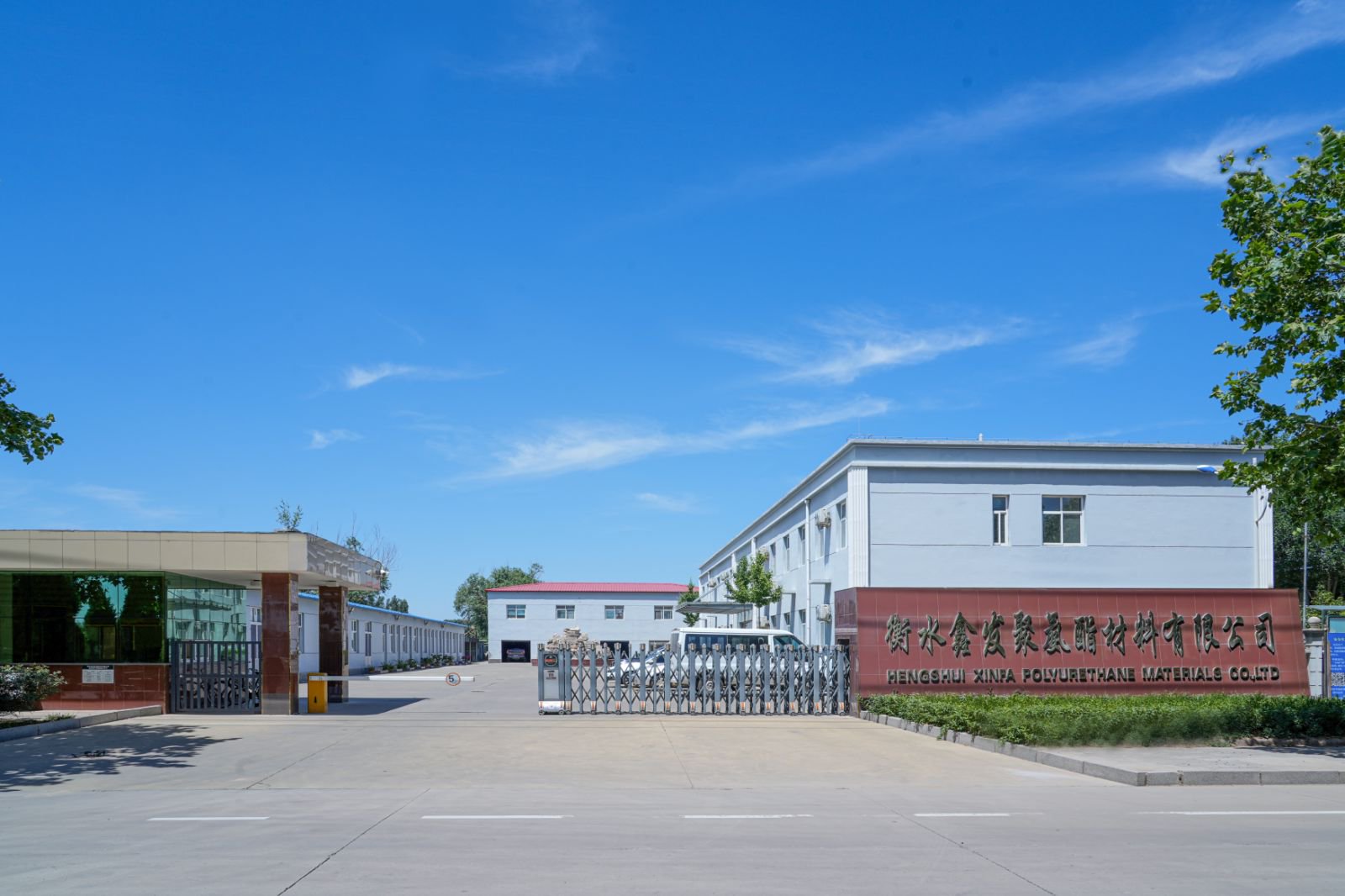
XINFA production site, Salt Chemical Circular Economy Park, Jizhou City, Hebei Province, China.
Next Step: Request a Batch Record and Quotation
Send your application, target grade and monthly volume, and we will return the specification sheet, the batch record format and a delivery schedule for the requested model.
Email: admin@xinfapu.com | Tel: +86 156-3365-7995 | WhatsApp: +86 166-3389-3646
Address: B-2111, No.66 Xiangtai Road, Yuhua District, Shijiazhuang City, Hebei Province, China
Website: www.xinfapu.com
Company brochure (PDF): Download the XINFA Polyester Polyol brochure
Have Questions or Need More Details?
Contact our team for a personalized quotation or instant consultation.
Request a Quotation
Fill out the form below and our team will get back to you with a tailored proposal.
WhatsApp Direct Chat
Prefer to chat in real-time? Message us on WhatsApp for instant assistance & quick answers.
- Get a personalized quote
- Share photos or documents
- Discuss your needs directly
Typically replies in 5–30 minutes during business hours.