
What Is Polyester Polyol? A Foundational Guide to PU Raw Materials
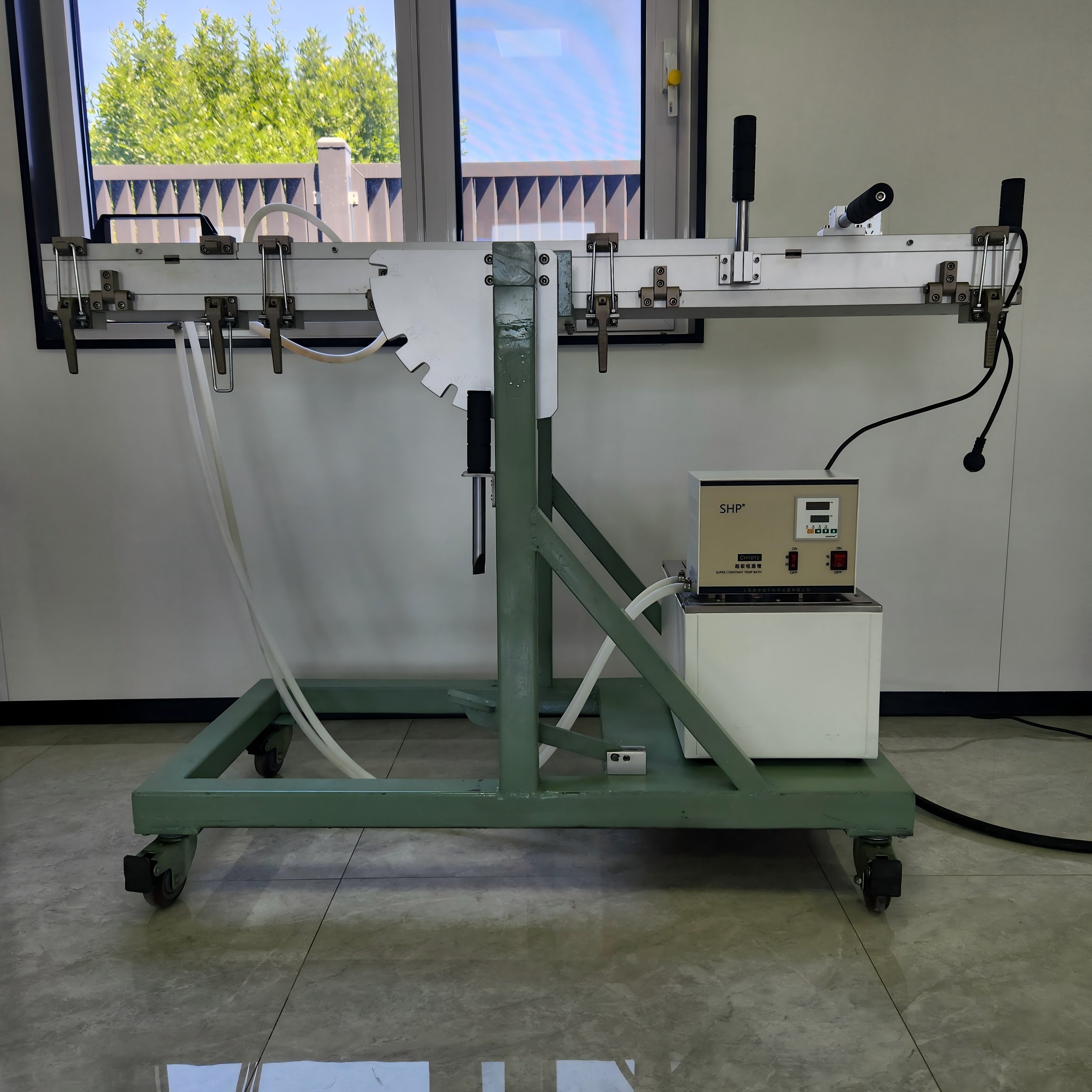
Polyester polyol is a hydroxyl-terminated polymer produced by the polycondensation of diacids — such as phthalic anhydride (PA), purified terephthalic acid (PTA) or adipic acid (AA) — with glycols such as diethylene glycol (DEG) and glycerol (GLY). Its hydroxyl (–OH) groups react with isocyanates to form the urethane bonds that give rigid foam, PIR panels, adhesives, coatings and elastomers their structure. This guide defines the material, explains the chemistry behind it, and maps where it is used downstream.
This article is written for people entering the polyurethane (PU) industry for the first time: procurement staff moving into chemical sourcing, distributors adding a PU raw material line, engineers arriving from adjacent sectors, and buyers who have received a quotation for polyester polyol and want to understand what they are actually ordering.
It is also positioned as the foundational page of a polyester polyol series and assumes no prior knowledge of polymer chemistry. Later guides in the series go deeper into specification selection, flame-retardant grades and application-specific formulation. Because the material is produced and supplied at industrial scale, one manufacturer is used throughout as a working reference: Hengshui Xinfa Polyurethane Materials Co., Ltd. (XINFA), a Chinese producer of polyester polyols and polyurethane catalysts based in the Salt Chemical Circular Economy Park, Jizhou City, Hebei Province.
The Problem: “Polyol” Is a Family Name, Not a Product
New entrants rarely struggle with the chemistry itself. They struggle with the vocabulary, because the industry compresses a great deal of information into very short terms. Four friction points come up repeatedly.
- A family name is treated as a product name. “Polyol” covers both polyether polyols and polyester polyols, and the two families behave differently inside the same formulation. Specifying “polyol” without naming the family is one of the most common sources of mismatched expectations between buyer and supplier.
- Specification sheets are written for formulators, not for buyers. Hydroxyl value, acid value, viscosity and moisture content mean little until you know which parameter drives reactivity, which drives handling, and which drives foam defects.
- Grades are named by application, not by chemistry. A grade marketed for “rigid foam” or “coatings” tells you where it is used, not how it was built. Two grades intended for the same application can differ in feedstock, functionality and viscosity.
- The first order is easy; the tenth order is where supply relationships are tested. Batch consistency, lead time and documentation matter far more across a year of production than they do on a single trial order.
The first three points are resolved below. The fourth is why the closing sections of this guide deal with supply continuity and procurement terms rather than with chemistry alone.
Industry Background: Where Polyester Polyol Sits in the PU Value Chain
Polyester polyol occupies the middle of the polyurethane chain. Upstream sit the petrochemical and recycled feedstocks that supply diacids and glycols. In the middle sit polyol producers. Downstream sit system houses and foam producers, who combine polyols with isocyanates, catalysts, surfactants and blowing agents, and finally the factories that turn those systems into insulation panels, refrigerators, cold rooms, coatings and adhesives.
The size of that middle layer is measurable. The global polyester polyol market was projected to reach USD 10.1 billion in 2025 (Future Market Insights, 2025).
The catalyst layer is closely linked to it. A polyester polyol does not react usefully on its own — the speed at which it reacts with isocyanate is governed by catalysts such as triethylenediamine (TEDA). The TEDA market was estimated at USD 0.74 billion in 2024 and is expected to grow at a compound annual growth rate of 5.1% to reach USD 1.22 billion by 2034 (Market Research Future, 2025).
That relationship explains why some suppliers carry both sides of the system. XINFA produces polyester polyol series products alongside amine catalysts — TEDA, TEDA A33, PC-5, PC-8, PC-9, PC-15, PC-41, BDMA, BDMAEE, DMDEE, DMAEE, TMR-2, DMP-30, A-1 and T-9 — as well as flame retardant additives such as TCPP and TEP. The company's facility covers 25,000 square metres and supports an annual polyester polyol capacity of 50,000 tons, with products used in pipeline insulation, panels, household appliances, exterior wall insulation and cold storage. Its export markets include the Middle East, India, Pakistan, Southeast Asia, Central Asia, Europe, North America and South America, supported by a wholly owned trading subsidiary, Hebei Xinshe Technology Co., Ltd., in Shijiazhuang.
What Is Polyester Polyol? The Working Definition
Polyester polyol is a polymer or oligomer that carries two or more hydroxyl (–OH) groups per molecule, in which the repeating units are joined by ester linkages. It is produced industrially by polycondensation — an esterification reaction — between polybasic acids (usually diacids or their anhydrides) and polyhydric alcohols (glycols).
Two structural features decide everything that follows.
- How many hydroxyl groups the molecule carries, and where. This sets the hydroxyl value and the functionality, which in turn determine how the polyol reacts with isocyanate and how much cross-linking it produces.
- What the backbone is made of. Aromatic versus aliphatic character, and the density of ester groups along the chain, determine rigidity, thermal behaviour, flame performance and sensitivity to hydrolysis.
This is also the cleanest way to separate polyester polyols from polyether polyols. In a polyether polyol, the backbone units are joined by ether linkages built from alkylene oxides. Ester-linked backbones are generally associated with higher rigidity and different flammability behaviour in rigid foam systems, while being more sensitive to hydrolysis. That is why polyester polyols are widely used in rigid insulation foam, PIR panels and many adhesive and coating formulations, while polyethers dominate flexible foam applications.
The Chemistry: Polycondensation of Diacids and Glycols
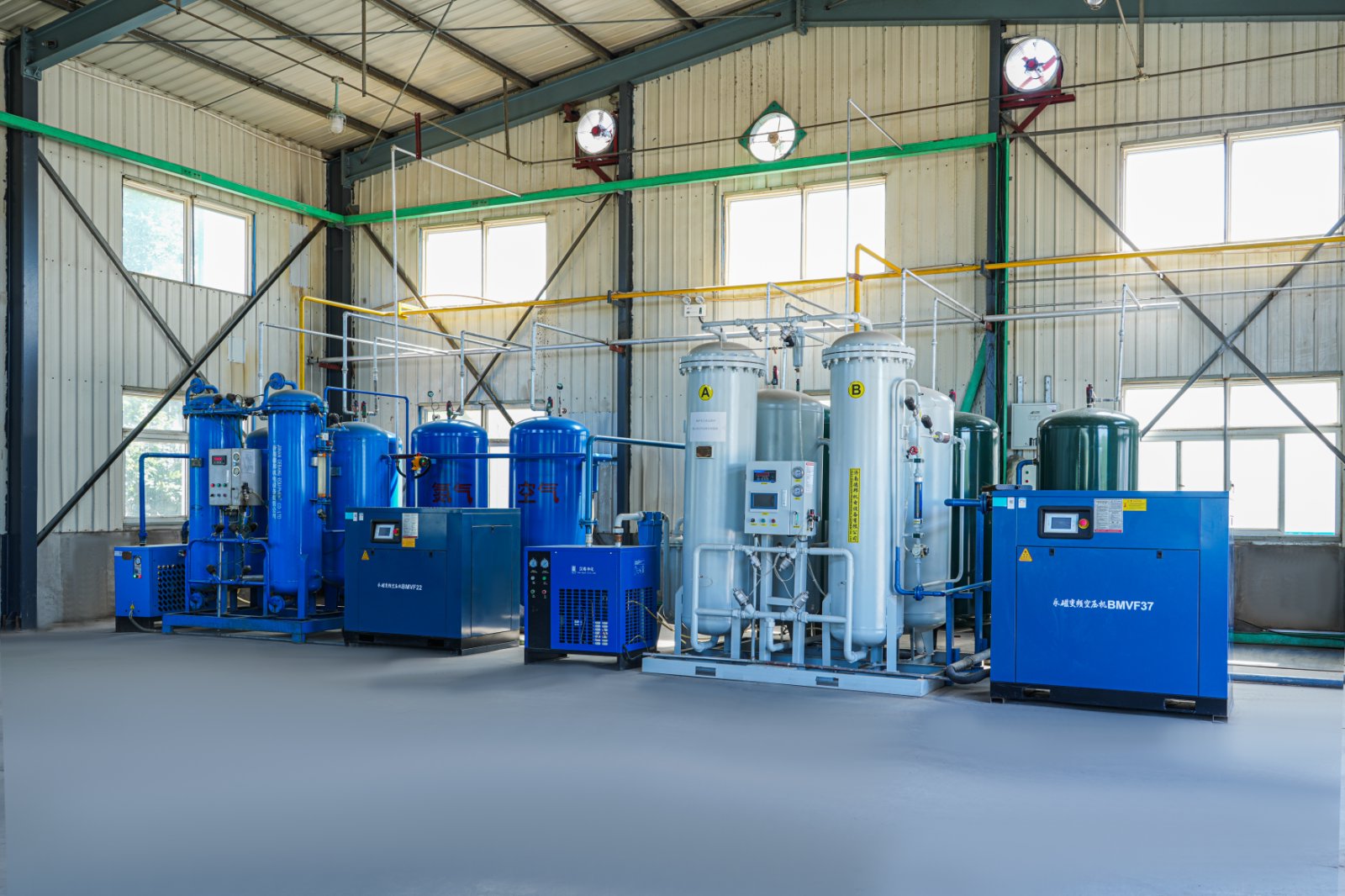
Polyester polyol production is a condensation reaction. A diacid and a glycol are heated together; ester bonds form, and water is released as a by-product. The reaction is reversible, so that water must be removed continuously — typically under vacuum, with a nitrogen blanket to exclude oxygen and moisture — in order to drive the equilibrium toward longer chains.
The acid side: PA, PTA and AA
- Phthalic anhydride (PA) is an aromatic anhydride. It introduces a benzene ring into the backbone and is the classic route to aromatic polyester polyols used in rigid foam and PIR insulation, where aromatic character supports rigidity and flame performance.
- Purified terephthalic acid (PTA) is an aromatic diacid. Like PA, it produces aromatic polyester polyols; the choice between the two affects the cost structure and the final property balance of the grade.
- Adipic acid (AA) is an aliphatic diacid. It produces flexible, linear chains and is the route to aliphatic polyester polyols used in elastomers, coatings and adhesives, where flexibility and elongation matter more than rigidity.
In practice, a producer choosing between PA, PTA and AA is choosing between an aromatic and an aliphatic polyester polyol family before any other decision is made.
The glycol side: DEG and GLY
- Diethylene glycol (DEG) is difunctional. It extends chain length and is a primary tool for adjusting viscosity and hydroxyl value.
- Glycerol (GLY) is trifunctional. Introducing it raises the average functionality of the finished polyol, which increases cross-link density in the final foam or elastomer.
Changing the glycol, or the ratio between glycols, changes viscosity, hydroxyl value and functionality without changing the acid used. Taken together, the variables that determine the final grade are the choice of diacid, the choice of glycol, the acid-to-glycol ratio, the catalyst system, the temperature profile and the vacuum level used during water removal.
How to Read a Polyester Polyol Specification Sheet
A polyester polyol datasheet is short, and every line on it answers a specific question. The five parameters below cover almost all purchasing decisions.
- Hydroxyl value (mgKOH/g) measures how many reactive hydroxyl groups are present. It is the parameter used to calculate the isocyanate requirement of a formulation, so it directly controls the stoichiometry of the foam or coating.
- Acid value measures residual free acid left after the reaction. A low and stable acid value indicates a completed reaction and predictable storage behaviour.
- Viscosity (CPS at 25 °C) determines how the polyol pumps, meters and mixes on an existing production line. Viscosity outside the expected range is the most common reason a new batch forces a processing adjustment.
- Moisture content matters because water reacts with isocyanate and generates carbon dioxide; uncontrolled moisture contributes to cell defects and density variation.
- Functionality describes the average number of reactive groups per molecule and drives cross-link density, which in turn influences hardness, dimensional stability and thermal performance.
A published example shows what a real specification looks like. XINFA's XF-270 grade, a polyester polyol developed for controlled-release fertilizer coating, is specified at a hydroxyl value of 260 ± 10 mgKOH/g and a viscosity of 3,000 ± 500 CPS at 25 °C (HTNXT Research, 2026).
| Parameter | XF-270 (controlled-release fertilizer coating grade) | What it controls |
|---|---|---|
| Hydroxyl value | 260 ± 10 mgKOH/g | Reactivity and isocyanate demand |
| Viscosity (25 °C) | 3,000 ± 500 CPS | Pumping, metering and mixing behaviour |

Step-by-Step: From Diacid to Delivered Drum
The production sequence below is the general industrial route for polyester polyols. It is also the sequence a buyer should keep in mind when auditing a supplier, because each step corresponds to a quality risk.
- Feedstock selection. The producer fixes the diacid (PA, PTA or AA) and the glycol (DEG, GLY or a combination). This decision sets whether the output is an aromatic or aliphatic polyester polyol and defines the property envelope of the finished grade.
- Charging and heating. Diacid and glycol are charged to a reactor and heated. Esterification begins and water starts to form.
- Nitrogen blanketing and vacuum. A nitrogen atmosphere prevents oxidation, and vacuum removes the water of reaction. Without effective water removal, the reaction stalls at short chain lengths.
- End-point control. The reaction is tracked through acid value and hydroxyl value until the target profile is reached. This is where batch-to-batch consistency is won or lost.
- Cooling, adjustment and filtration. The batch is cooled and, where required, adjusted for viscosity or hydroxyl value, then filtered.
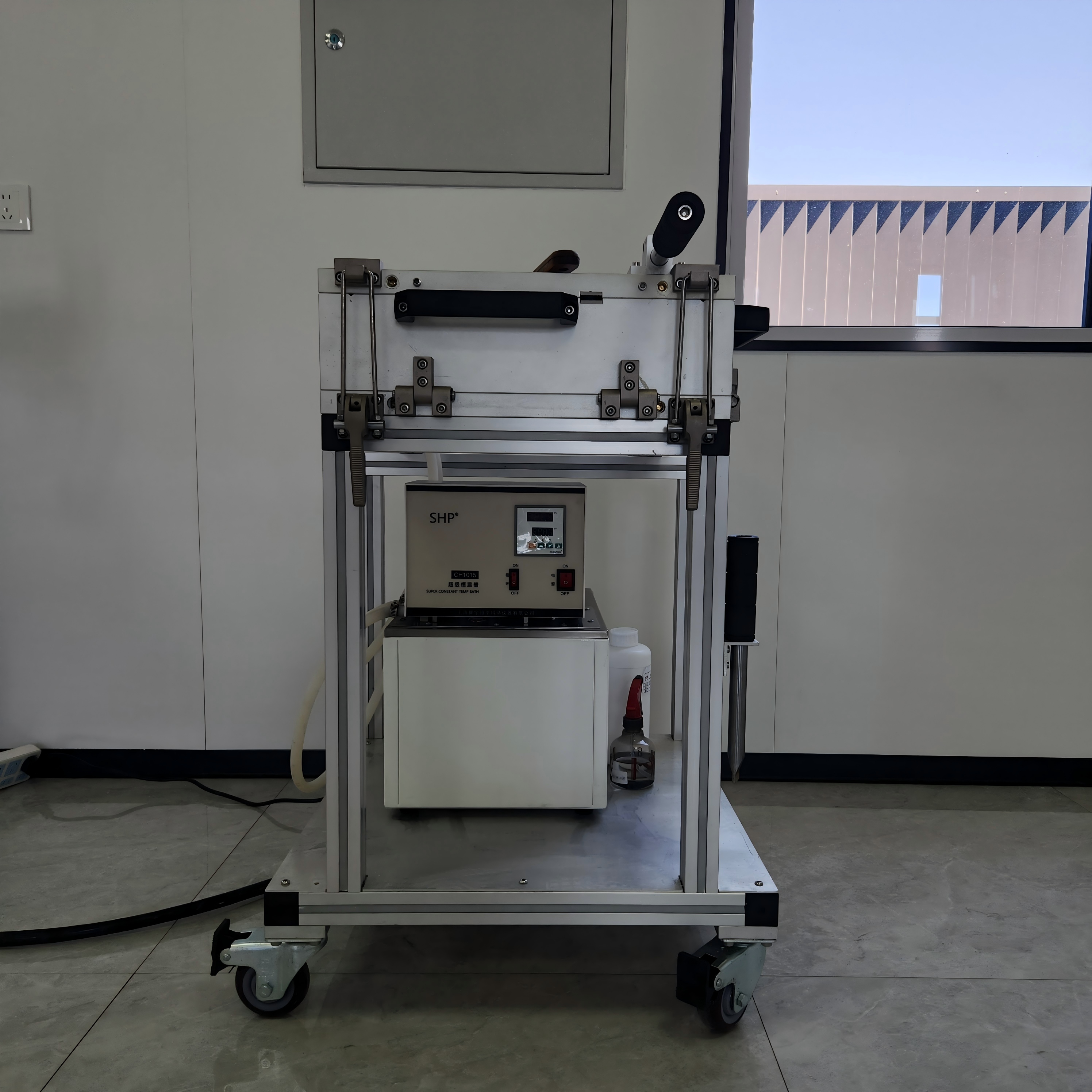
- Quality control. Testing confirms that the batch matches specification. XINFA performs 100% testing on all products, and inspection is carried out for every batch.
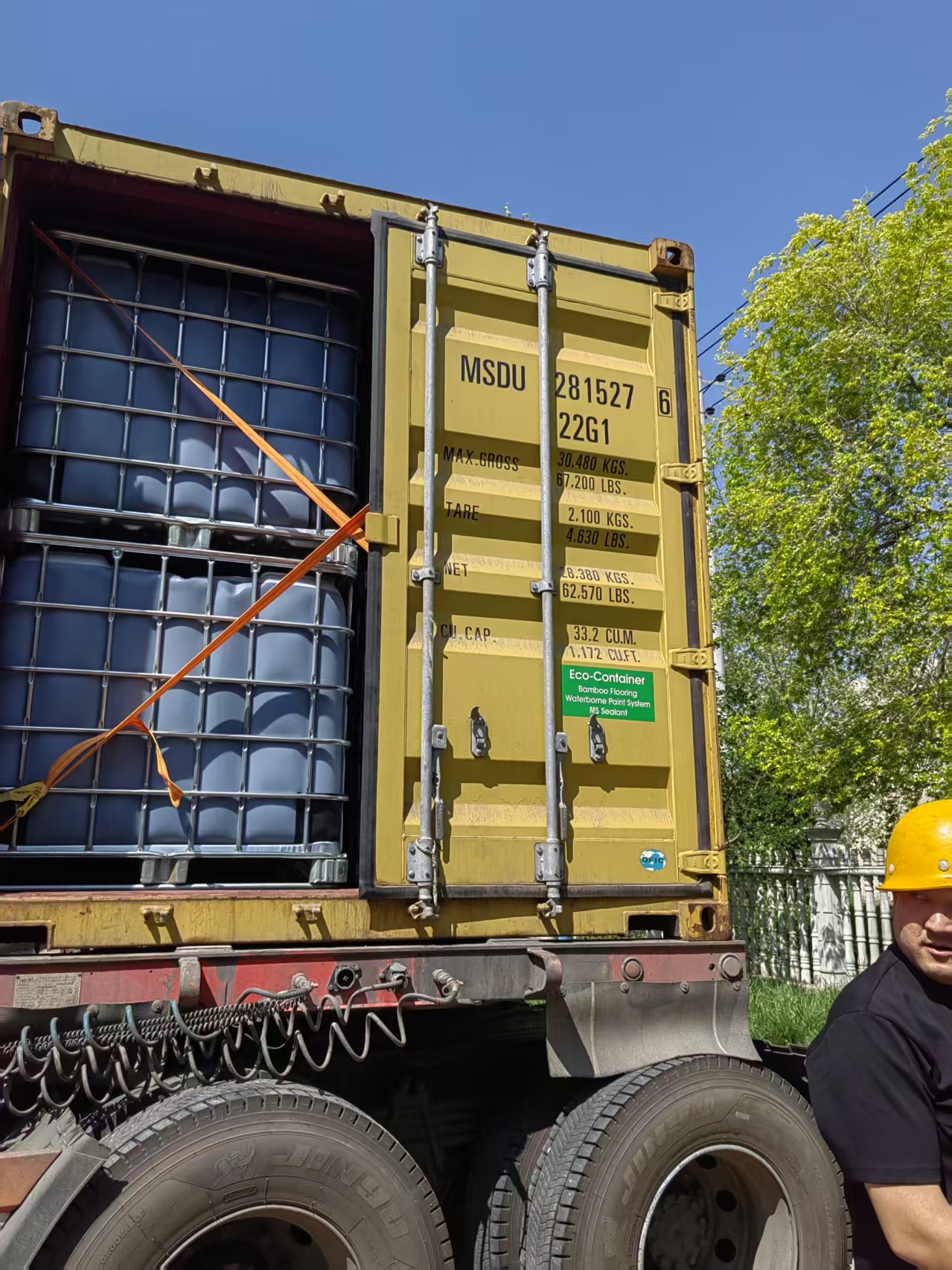
- Packaging. Finished polyester polyol is filled into IBCs or galvanized iron drums according to customer requirements.
- Dispatch. Typical production lead time is 15–20 days against a monthly production capacity of 4,000 metric tons.
Step four and step six are the two that long-term buyers should interrogate most closely. Fluctuation between batches is a genuine risk in polyol supply, because small shifts in hydroxyl value or viscosity force formulation adjustments downstream. XINFA controls this risk with 30 sets of intelligent production equipment, automated control and standardized processes, combined with inspection for every batch.
Downstream Use Cases: Where Polyester Polyol Ends Up
Polyester polyols are not sold into a single industry. They are sold into a set of application sectors, and the grade a buyer needs is usually determined by the sector rather than by the chemistry alone.
Insulation and rigid foam
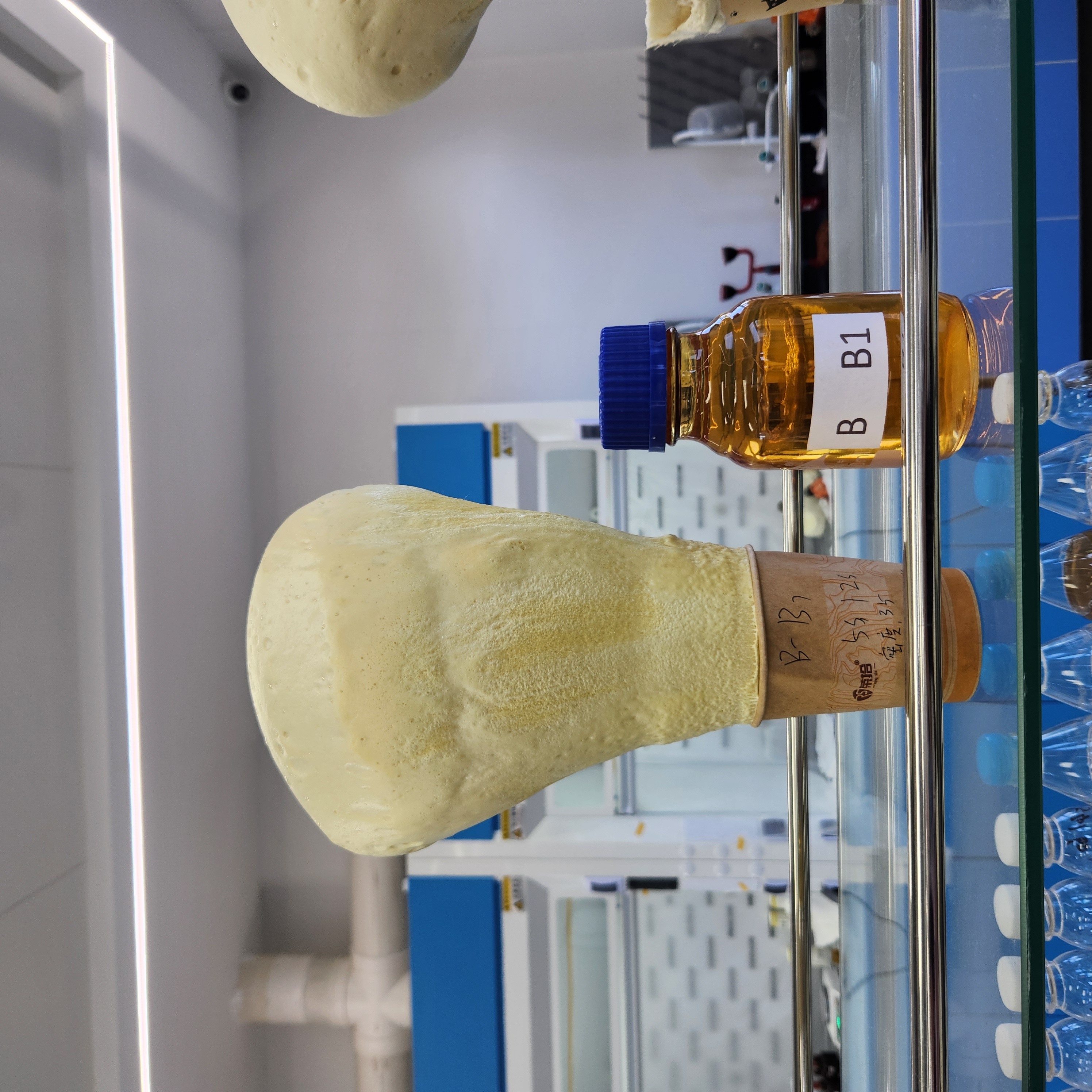
This is the largest downstream destination for aromatic polyester polyols. Rigid polyurethane and polyisocyanurate (PIR) foam produced from polyester polyol systems is used in PIR sandwich panels, spray foam, pipeline insulation, exterior wall insulation and cold storage. In these applications the aromatic backbone contributes rigidity and flame performance, which is why flame-retardant and PIR-oriented grades exist as distinct product lines.
Home appliances
Refrigerators and freezers rely on rigid foam for thermal insulation, and polyester polyol grades are developed specifically for this sector. Appliance foam demands consistent density, good flow into narrow cavities and predictable demoulding behaviour — which places the emphasis back on batch consistency rather than on a single headline specification.
Coatings and adhesives
Coating-grade and adhesive-grade polyester polyols are used in formulations where adhesion, flexibility and durability matter. Sandwich panel adhesives are a well-defined example: the polyol must bond substrates reliably while remaining compatible with the rest of the PU system.
Elastomers
Elastomer-grade polyester polyols are based on aliphatic chemistry, where linear chains deliver the elasticity and mechanical behaviour that elastomer applications require.
Controlled-release fertilizer coating
A narrower but technically demanding application is controlled-release fertilizer coating, where the polyol forms the coating membrane around the granule. XINFA's XF-270 grade is specified for this use, which illustrates how far polyester polyol chemistry extends beyond construction foam.
Recycled feedstocks
Across the industry, aromatic polyester polyols are also produced from recycled PET streams, which has made recycled content a recurring topic in procurement discussions. Buyers evaluating such grades should apply the same specification discipline described above: hydroxyl value, acid value, viscosity and moisture content still determine whether the grade will run on an existing line.
Comparison: Aromatic vs Aliphatic Polyester Polyol
The two families below share the same ester chemistry but behave differently in formulation. The table summarises the general characteristics used in industry selection; it does not replace testing against a specific formulation.
| Dimension | Aromatic polyester polyol | Aliphatic polyester polyol |
|---|---|---|
| Typical acid feedstock | Phthalic anhydride (PA), purified terephthalic acid (PTA) | Adipic acid (AA) |
| Backbone character | Contains aromatic rings | Linear aliphatic chains |
| Rigidity / dimensional stability | Generally higher | Generally lower, more flexible |
| Flame performance tendency | More commonly selected for flame-retardant and PIR insulation systems | Typically selected where flexibility is prioritised |
| Hydrolysis sensitivity | Present in both families; storage and moisture control matter in either case | Present in both families; storage and moisture control matter in either case |
| Typical downstream use | Rigid foam, PIR sandwich panels, spray foam, pipe insulation, cold storage, appliance foam | Elastomers, coatings, adhesives |
The practical selection rule is straightforward: start from the application, not from the polyol. If the end product is rigid insulation or appliance foam, aromatic grades are the normal starting point. If the end product must flex, elongate or bond, aliphatic grades are the normal starting point. Specification parameters then narrow the choice further.
Packaging and Delivery Formats
Polyester polyol is a bulk liquid raw material, so packaging and delivery terms form part of the technical decision rather than a purely commercial one. XINFA's standard formats are shown below.
| Packaging type | Available options | Typical buyer profile |
|---|---|---|
| IBC drum | 1,200 kgs/IBC; 1,000 kgs/IBC | Medium to large production lines, bulk handling with pump transfer |
| Galvanized iron drum | 225 kgs/drum; 200 kgs/drum; 170 kgs/drum | Trial orders, smaller facilities, manual handling |
The minimum order quantity is 1 metric ton, which allows a new buyer to run a trial production batch before committing to bulk volumes.
Frequently Asked Questions
1. What certifications should a buyer check before purchasing polyester polyol?
A polyester polyol supplier should be able to document a quality management system, an environmental management system and an occupational health and safety system. XINFA holds ISO 9001, ISO 14001 and ISO 45001 certification. Beyond certificates, buyers should confirm the acceptance basis: XINFA orders are accepted on the basis of pre-shipment testing, so the batch delivered is the batch that was tested.
2. How is batch-to-batch consistency controlled in polyester polyol production?
Batch-to-batch quality fluctuation is one of the recognised risks in polyol supply, because shifts in hydroxyl value or viscosity force downstream formulation changes. XINFA controls it with 30 sets of intelligent production equipment, automated control and standardized processes, supported by inspection for every batch. All products are tested before shipment, which is the point at which a buyer's specification and the delivered material are reconciled.
3. What are the typical commercial terms for ordering polyester polyol?
XINFA's stated terms are a minimum order quantity of 1 metric ton, delivery terms of FOB or CIF, payment by T/T or L/C, and acceptance criteria based on pre-shipment testing. Packaging is available in 1,200 kg or 1,000 kg IBCs, or in galvanized iron drums of 225 kg, 200 kg or 170 kg depending on how the receiving facility handles bulk liquids.
4. How can a first-time buyer validate a grade before committing to bulk volume?
Validation works best in two stages. First, compare the datasheet against your own formulation requirements — hydroxyl value for stoichiometry, viscosity for your metering equipment, moisture for foam quality. Second, run a trial batch and confirm behaviour on your own line rather than on a supplier's reference data. Because the minimum order quantity is 1 metric ton, a trial quantity can be ordered without committing to bulk volumes, and samples or quotations can be requested directly from XINFA at admin@xinfapu.com or via WhatsApp on +86 166-3389-3646.
5. What is the typical lead time and production capacity?
XINFA states a monthly production capacity of 4,000 metric tons and a typical production lead time of 15–20 days. At the plant level, the company operates an annual polyester polyol capacity of 50,000 tons. OEM and ODM services are also offered for buyers who require grade development or custom formulation rather than a standard catalogue product.
Conclusion: What a New Entrant Should Take Away
Polyester polyol is defined by three things: hydroxyl groups that react with isocyanate, an ester backbone built by the polycondensation of diacids with glycols, and a specification profile — hydroxyl value, acid value, viscosity, moisture and functionality — that determines where the material can be used.
Once those three elements are clear, the rest of the PU raw material catalogue becomes readable. Aromatic grades based on PA or PTA point toward rigid foam, PIR panels and appliance insulation. Aliphatic grades based on adipic acid point toward elastomers, coatings and adhesives. Catalyst selection sits alongside the polyol, because reaction speed is governed by the catalyst system rather than by the polyol alone.
For buyers entering the market, the practical next steps are to match the grade to the application first, to read the specification sheet with the correct parameter in mind, and to treat the first order as the beginning of a supply relationship rather than a one-off transaction. That is the point at which capacity, lead time, testing discipline and packaging flexibility become decision criteria rather than background information.
Next Step
XINFA publishes full polyester polyol and catalyst product documentation for buyers, distributors and formulators. Download the company catalogue and product brochure to review the polyester polyol series, catalyst range and packaging options: Download the XINFA brochure (PDF).
For grade recommendations, samples or a quotation, contact XINFA directly:
Website: www.xinfapu.com
Email: admin@xinfapu.com
Tel: +86 156-3365-7995 | WhatsApp: +86 166-3389-3646
Contact: Jessica, Hengshui Xinfa Polyurethane Materials Co., Ltd.
Have Questions or Need More Details?
Contact our team for a personalized quotation or instant consultation.
Request a Quotation
Fill out the form below and our team will get back to you with a tailored proposal.
WhatsApp Direct Chat
Prefer to chat in real-time? Message us on WhatsApp for instant assistance & quick answers.
- Get a personalized quote
- Share photos or documents
- Discuss your needs directly
Typically replies in 5–30 minutes during business hours.