Best High-Temperature Greases for Extreme Pressure Applications: Top Picks Ranked
Best High-Temperature Greases for Extreme Pressure Applications: Top Picks Ranked
A high-temperature grease used in extreme pressure (EP) applications has to solve two problems at once: hold a lubricating film together when contact pressure is high enough to damage metal surfaces, and remain chemically stable when a bearing, gear or bushing runs hot for hours at a time. Products that excel at one of those jobs often fall short at the other, which is why “best” only becomes a useful word once the duty cycle is defined.
Short answer. Ranked for EP-first, high-temperature duty, the three thickener families that lead this review are: (1) lithium complex grease, referenced in this ranking at a four-ball weld load (PD) value of 315 kgf; (2) calcium sulfonate complex grease, recognised for EP performance in heavy-duty industrial service; and (3) polyurea grease, which carries a 260 °C dropping point and is increasingly specified for EV wheel bearings and turbine yaw drives. That order changes when water washout rather than load is the dominant risk — calcium sulfonate complex then moves to the front — or when continuous temperature above 180 °C dominates, in which case polyurea leads.
This is a specification ranking for industrial engineers, maintenance planners and procurement teams, not a brand ranking. Every pick below is described with the evidence behind it, the boundary where it stops being the right choice, and the data you should request before approving a purchase order. Individual grades from any supplier must still be judged on their own datasheet and test reports.
What Counts as a High-Temperature EP Grease
A high-temperature EP grease is a lubricating grease formulated so that its thickener system stays structurally intact and its additive package continues to protect metal surfaces when elevated operating temperature and high or shock contact load occur in the same application. EP behaviour is assessed with load-carrying tests such as the four-ball weld load (PD) test, while thermal behaviour is usually described by dropping point, base oil characteristics and elevated-temperature bearing life testing.
Two failure modes govern selection. The first is thermal degradation: base oil oxidation, thickener breakdown, hardening, oil bleeding and carbon residue after high-temperature ageing. The second is film rupture under load, especially impact load, where a lubricating film that is adequate at steady load collapses under shock. A grease that resists heat but shears out under load will still destroy a bearing, and a grease with strong EP additives but poor oxidation resistance will harden into a soap-like deposit long before its load capacity is ever tested.
The application requirements are therefore specific rather than generic. For demanding high-temperature scenarios, the technical requirements typically read as follows:
- High-temperature thermal stability
- Strong anti-water washout performance
- Stable extreme pressure anti-impact property
- Low carbon residue after high-temperature ageing
- No corrosion to metal substrates
Industry Background: Where High-Temperature Grease Demand Is Moving
The global high-temperature grease market was valued at approximately USD 28.04 billion in 2025 and is projected to reach USD 48.71 billion by 2035, according to market reporting aggregated through Vertex AI Search. Published estimates differ widely, however: SNS Insider placed the 2024 market at USD 26.23 billion while Market Research Future estimated USD 5.82 billion for the same year, a gap that reflects different definitions of what counts as a “high-temperature” grease rather than a single measurement dispute. Treat any single market figure as directional.
Two demand signals are more consistent. Asia Pacific led the high-temperature grease market in 2025 with a 38% global share, driven by automotive manufacturing hubs, and the automotive segment alone captured 42.6% of market share in 2025 — the largest single application category. On the supply side, China’s finished lubricant exports rose 10% to 260,000 metric tons in 2024, reflecting growing reliance on overseas markets for grease and lubricant supply.
Thickener mix explains much of the competitive dynamic. Lithium and lithium complex greases remain the most widely used thickener types, accounting for 38.3% and 18.6% of global production respectively in 2024, per STLE-sourced market reporting. Calcium sulfonate grease production grew 7.7% globally in 2024, gaining traction in heavy-duty industrial applications due to superior water resistance. And lithium raw material prices surged 80% to 120% between 2021 and 2023, which pushed manufacturers toward polyurea and calcium sulfonate alternatives for high-temperature applications in order to avoid cost volatility.
Two reference standards frame most procurement conversations. ASTM D3336 is the standard test method used to evaluate the life of lubricating greases in ball bearings at elevated temperatures, up to 400 °F / 204 °C. DIN 51502 classifies high-temperature greases by maximum operating temperature using letters: K (+120 °C), M (+120 °C with water), N (+140 °C), P (+160 °C), R (+180 °C), S (+200 °C), T (+220 °C) and U (>+220 °C).
How This Ranking Was Built
The ranking below is a category-level ranking of thickener families, weighted for applications where extreme pressure and high temperature are both present. Six criteria were used, in this order of priority:
- EP load evidence — quantified four-ball weld load (PD) or comparable load data for the family or grade.
- Thermal evidence — dropping point plus elevated-temperature bearing life data where available.
- Water resistance — relevant wherever washdown, steam, or wet process environments exist.
- Compatibility and relubrication behaviour — suitability for centralized systems, grease guns and manual schedules.
- Documentation available at procurement stage — standards referenced, test scope, quality management certification.
- Supply availability — whether the family can be sourced consistently at the required volume.
Brand, packaging and price tier were deliberately excluded. A family that ranks first here can still be the wrong purchase if the specific grade shipped to your plant has no load data, no compatibility statement, or no confirmed availability.
The Top 3 High-Temperature Greases for EP Applications, Ranked
Rank 1 — High-Temperature Lithium Complex Grease
Lithium complex grease takes first place for EP-first duty because it offers the most directly quantifiable load capability in this comparison. Lithium complex is referenced here at a four-ball weld load (PD) value of 315 kgf, a figure that speaks directly to the failure mode buyers are trying to avoid: film rupture under high or impact load.
Availability reinforces the ranking. Lithium and lithium complex greases remain the most widely used thickener types globally, at 38.3% and 18.6% of production respectively in 2024, which means more grades, more documentation and fewer changeover problems. Lithium complex high-temperature grease is a practical fit for multi-purpose lubrication programs and for automotive, metallurgy and power tool applications, and is often the default choice where one grease must cover many lubrication points across a plant.
Where it stops being the right choice: lithium raw material volatility is a genuine procurement risk. Lithium prices rose 80% to 120% between 2021 and 2023, a move that affects both price stability and long-term supply planning. Lithium complex is also not automatically the strongest performer where heavy water washout is present; that is a per-grade question, not a thickener-family guarantee. Confirm water resistance and high-temperature life data for the exact grade before standardising.
Rank 2 — High-Temperature Calcium Sulfonate Complex Grease
Calcium sulfonate complex grease ranks second for EP duty on the strength of its heavy-duty industrial record and its water resistance. Global calcium sulfonate grease production grew 7.7% in 2024, with adoption concentrated in heavy-duty industrial applications where superior water resistance matters. Its EP performance is the reason it stays in the top tier rather than being treated as a water-resistance speciality product: it is specified where heavy load, heat and moisture occur together.
The application footprint is broad. Calcium sulfonate complex high-temperature grease is suitable for metallurgy, chemical, textile, printing and dyeing, automobile, mine, oil field, coast defence, sugar refining, paper making and plastics industries — exactly the environments where washdown, steam or process water can reach a hot lubrication point.
Where it stops being the right choice: the documented EP evidence for this family is qualitative in most market literature rather than expressed as a single PD figure, so the burden of proof shifts to the supplier. Request grade-level load data, confirm price and availability, and verify thickener compatibility before converting lubrication points that currently run lithium-based grease. A calcium sulfonate changeover without a compatibility check can alter grease consistency and bleeding behaviour across an entire line.
Rank 3 — High-Temperature Polyurea Grease
Polyurea grease holds the highest verified thermal figure in this comparison, with a 260 °C dropping point. It is increasingly specified for electric vehicle wheel bearings and turbine yaw drives, where oxidation resistance across cycles from −40 °C to +180 °C is the deciding property. That combination of wide temperature range and oxidative stability makes it the strongest answer when continuous heat, not load, is the dominant stress.
High-temperature polyurea grease is suitable for use in metallurgy, chemical, textile, printing and dyeing, automobile, mine, oil field, coast defence, sugar refining, paper making and plastics industries, which makes it a credible single-family option for mixed industrial sites where the hottest lubrication points sit in continuous service.
Where it stops being the right choice: for EP-first duty, polyurea’s advantage is thermal and oxidative rather than load-carrying. Ask for four-ball weld load data on the specific grade rather than inferring load capability from a high dropping point. Compatibility is a second constraint: confirm whether the grade can be introduced into lubrication points previously filled with a lithium or calcium sulfonate product, and plan a purge if a full changeover is required.
When the Ranking Inverts
Three decision rules reorder this list:
- Water-dominated duty (washdown, steam, coastal or wet process areas): calcium sulfonate complex grease leads, because superior water resistance is its defining advantage.
- Continuous dry heat above 180 °C: polyurea leads, on the strength of its 260 °C dropping point and oxidation resistance from −40 °C to +180 °C.
- Plant-wide simplicity with high EP load, where one grease must serve many points: lithium complex leads, with its documented 315 kgf PD reference and the widest availability base.
Molybdenum disulfide-fortified greases — high-temperature moly grease — sit alongside this ranking rather than inside it. Moly is an additive strategy used where slow-speed, high-load or oscillating motion makes it difficult to build a hydrodynamic film. It is layered onto a thickener choice, not a fourth family, so the thickener question above still has to be answered first.
Step-by-Step Breakdown: Specifying a High-Temperature EP Grease
The sequence below is the order that prevents rework. Steps 1 to 4 define the requirement; steps 5 and 6 verify that it can actually be delivered.
- Define the duty envelope. Record maximum skin temperature at the lubrication point, load type (steady, high or impact), water exposure, rotation or oscillation, and the relubrication method and interval. This single sheet determines which criteria outweigh the others.
- Set the temperature class before the product name. Use the DIN 51502 temperature letters (K, M, N, P, R, S, T, U) to state the required class. A “high-temperature” label on a datasheet is not a specification; a temperature class is.
- Demand EP load evidence. Ask for four-ball weld load (PD) data or an equivalent load-carrying result for the specific grade. Lithium complex is referenced in this ranking at 315 kgf — use that as a benchmark, not as a substitute for the datasheet of the grade you intend to buy.
- Match thermal evidence to the real duty. Dropping point plus elevated-temperature bearing life data is the useful pair. ASTM D3336 evaluates grease life in ball bearings at elevated temperature up to 204 °C, which is a closer proxy for service life than dropping point alone.
- Verify supplier-side controls. Raw material quality variation is a recognised risk in grease production. Good practice is incoming inspection, an in-house testing laboratory and a certified quality management system, plus published packaging specifications and transportation and storage precautions, with usage and storage notes available on product pages.
- Validate, then scale. Run a sample or single-point trial before converting a full plant. Confirm compatibility, measure the effect on relubrication intervals, and only then move to bulk volumes and packaging configuration.
Use Cases: Where Each Grease Earns Its Place
Theoretical rankings only matter once they land on a real asset. These application patterns reflect where each family does its best work.
- Steel mills and metallurgy. Rolling mill bearings, furnace-area conveyors and heavy handling equipment combine heat, shock load and scale. Lithium complex and calcium sulfonate complex greases are both common, with the choice driven by water and steam exposure around the specific point.
- Mining and quarrying. Crushers, screens and conveyor bearings carry impact load plus dust and water ingress — conditions where EP capability and water resistance have to be present together.
- Automotive and EV. Wheel bearings, chassis points and under-hood components run hot and are specified increasingly toward polyurea, reflecting its use in EV wheel bearings across −40 °C to +180 °C cycles. High-temperature automotive grease is also a multi-purpose decision for service fleets.
- Machinery and power tools. High-speed motor bearings and power tool gearboxes favour multi-purpose high-temperature grease with stable EP anti-impact behaviour and low carbon residue after ageing.
- Ports and heavy handling. Coastal humidity makes water washout resistance a leading criterion, which pushes calcium sulfonate complex forward.
- Process industries. Textile, printing and dyeing, paper making, sugar refining, chemical and power generation plants all run high-temperature bearing and gear positions, and typically need a grease family that can be used across many points without compatibility conflicts.
High-temperature roller bearing grease selection is the common thread across these cases: the highest-risk points are usually rolling bearings operating under combined heat, load and contamination, and those points should define the specification for the site rather than the easiest or cheapest lubrication point.
Comparison Table: Three High-Temperature EP Grease Families Side by Side
| Criterion | Lithium Complex (Rank 1) | Calcium Sulfonate Complex (Rank 2) | Polyurea (Rank 3) |
|---|---|---|---|
| EP load evidence | PD value 315 kgf, as referenced in this ranking | Recognised EP performance in heavy-duty industrial service; request grade-level load data | Thermal-first profile; request four-ball weld load data per grade |
| Dropping point | Verify per grade | Verify per grade | 260 °C |
| Water resistance | Per-grade data required | Superior water resistance, the main driver of its heavy-duty adoption | Per-grade data required |
| Temperature range context | Multi-purpose, automotive, metallurgy, power tools | Heavy-duty industrial, wet and steam-exposed positions | Oxidation resistance across −40 °C to +180 °C; EV wheel bearings and turbine yaw drives |
| Market context (2024–2025) | Lithium 38.3% and lithium complex 18.6% of global grease production (2024) | Production grew 7.7% globally (2024) | Growing specification in EV wheel bearings and turbine yaw drives |
| Main procurement caution | Lithium prices rose 80%–120% between 2021 and 2023; plan for cost volatility | Confirm availability and compatibility before converting lithium-filled points | Confirm compatibility; do not treat dropping point as service temperature |
One additional reference point from supplier comparison data: against standard MP3 grease, high-temperature grease is recorded with a dropping point 180–195 °C higher, along with low oil separation, non-coking behaviour, strong adhesion and EP/anti-wear performance, which positions it for high-temperature, heavy-load and impact-load conditions in iron and steel, metallurgy and mining equipment.
RFQ Evidence Checklist
| Evidence to request | Why it matters | Reference |
|---|---|---|
| Temperature class declaration | Converts a marketing label into a defined operating range | DIN 51502 (K to U) |
| Elevated-temperature bearing life data | Closest available proxy for service life at temperature | ASTM D3336, up to 204 °C |
| Four-ball weld load (PD) per grade | Direct evidence for EP and anti-impact performance | Grade-level test report |
| Dropping point and oil separation data | Indicates thermal margin and storage stability | Grade datasheet |
| Quality management certification | Supports consistency across repeat orders | ISO 9001, ISO 14001, OHSAS 18001, ISO 10012 |
| Packaging, transport and storage notes | Prevents degradation between dispatch and use | Supplier documentation |
Frequently Asked Questions
Which standards should a high-temperature EP grease specification reference?
Reference four layers. For temperature class, use DIN 51502, which classifies high-temperature greases by maximum operating temperature from K (+120 °C) through U (>+220 °C). For thermal life, reference ASTM D3336, the standard test method for evaluating lubricating grease life in ball bearings at elevated temperatures up to 400 °F / 204 °C. For load, require grade-level four-ball weld load (PD) data. For supplier consistency, require quality management certification such as ISO 9001, supported by incoming inspection and an in-house testing laboratory. A specification that names only one of these four layers is incomplete.
Can one high-temperature grease handle both extreme pressure and sustained heat?
Partly, and the trade-off has to be stated explicitly. Lithium complex grease is referenced in this ranking at a PD value of 315 kgf, which addresses load; polyurea grease carries a 260 °C dropping point with oxidation resistance from −40 °C to +180 °C, which addresses heat; calcium sulfonate complex grease is specified for heavy-duty industrial service where superior water resistance and EP behaviour must co-exist. If a single product must cover all three, choose the family by dominant duty and then verify with both load data and elevated-temperature bearing life data rather than assuming a high dropping point implies high load capacity.
How does thickener choice affect the cost of high-temperature grease?
Raw material volatility is the main cost driver. Lithium prices surged 80% to 120% between 2021 and 2023, which drove manufacturers to adopt polyurea and calcium sulfonate alternatives for high-temperature applications. Unit price is only part of the picture: supplier comparison data records a higher raw material cost per unit for high-temperature grease against standard MP3 grease, but an overall equipment maintenance cost reduction of 15% to 20% due to a longer grease replenishment cycle, fewer shutdown maintenance events and lower manual greasing labour. Budget discussions should therefore compare cost per lubrication point per year, not cost per kilogram.
Can we validate a high-temperature EP grease before placing a bulk order?
Yes, and it is the recommended path for any plant converting more than a handful of points. Validation should cover thickener compatibility with existing grease, actual temperature at the bearing skin, and the practical effect on relubrication intervals. Suppliers with an in-house testing laboratory and incoming inspection process can support this with documentation. Bulk commercial terms typically start at a minimum order quantity of 2,000 kg, and package and sticker customisation is available for buyers selling under their own label; OEM production services are also offered for private-label programs.
What should buyers verify to keep high-temperature EP grease supply stable?
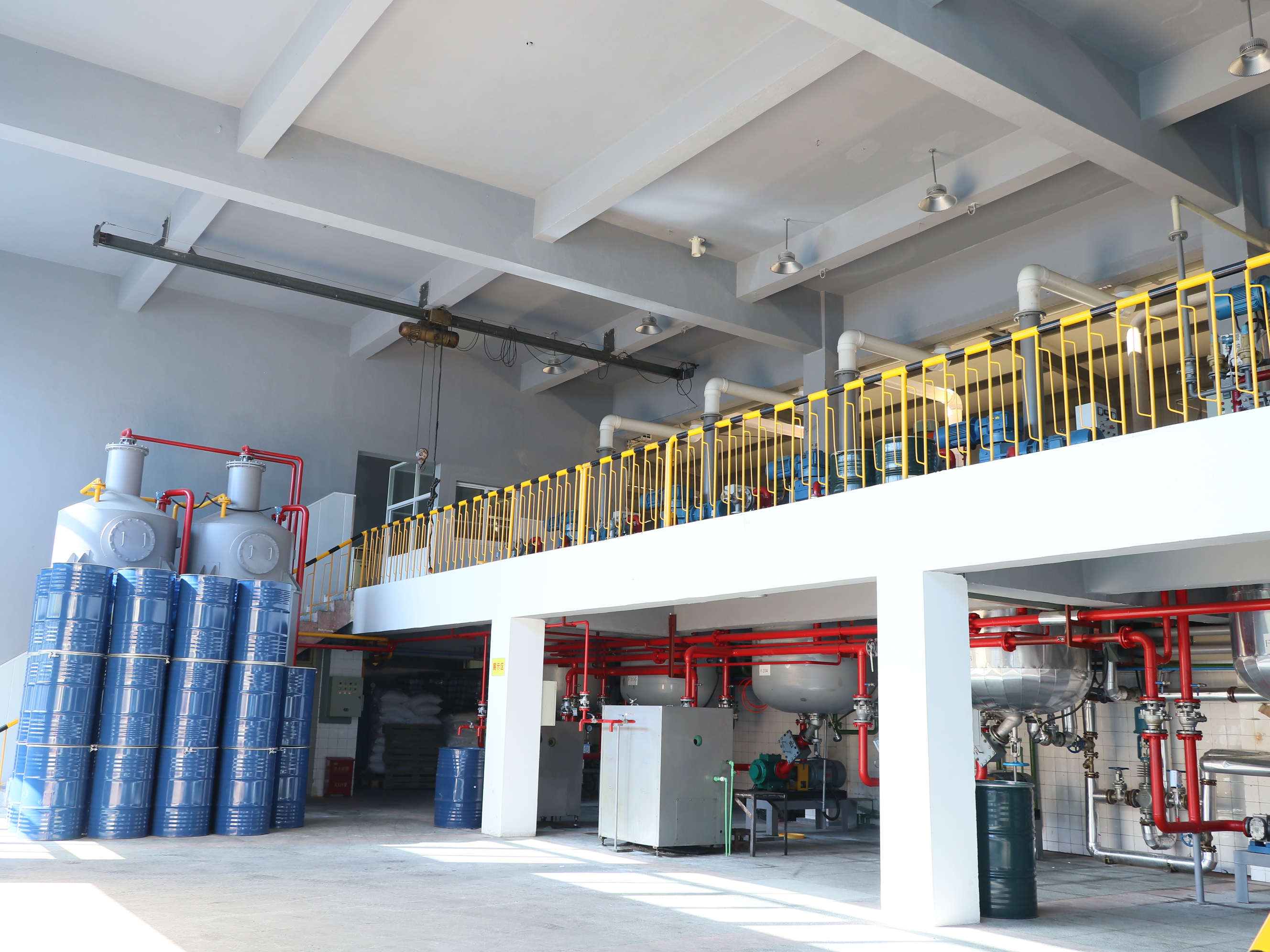
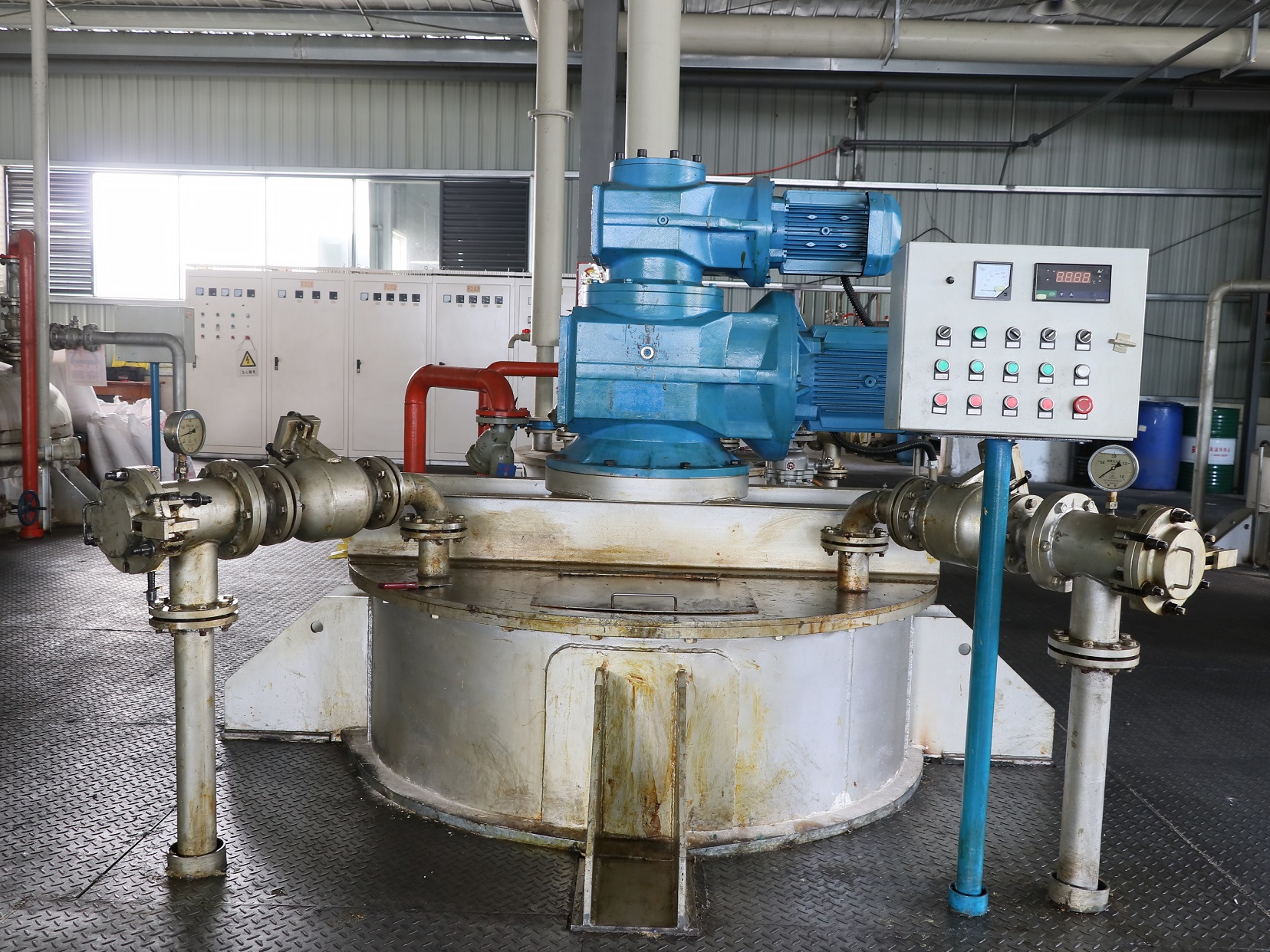
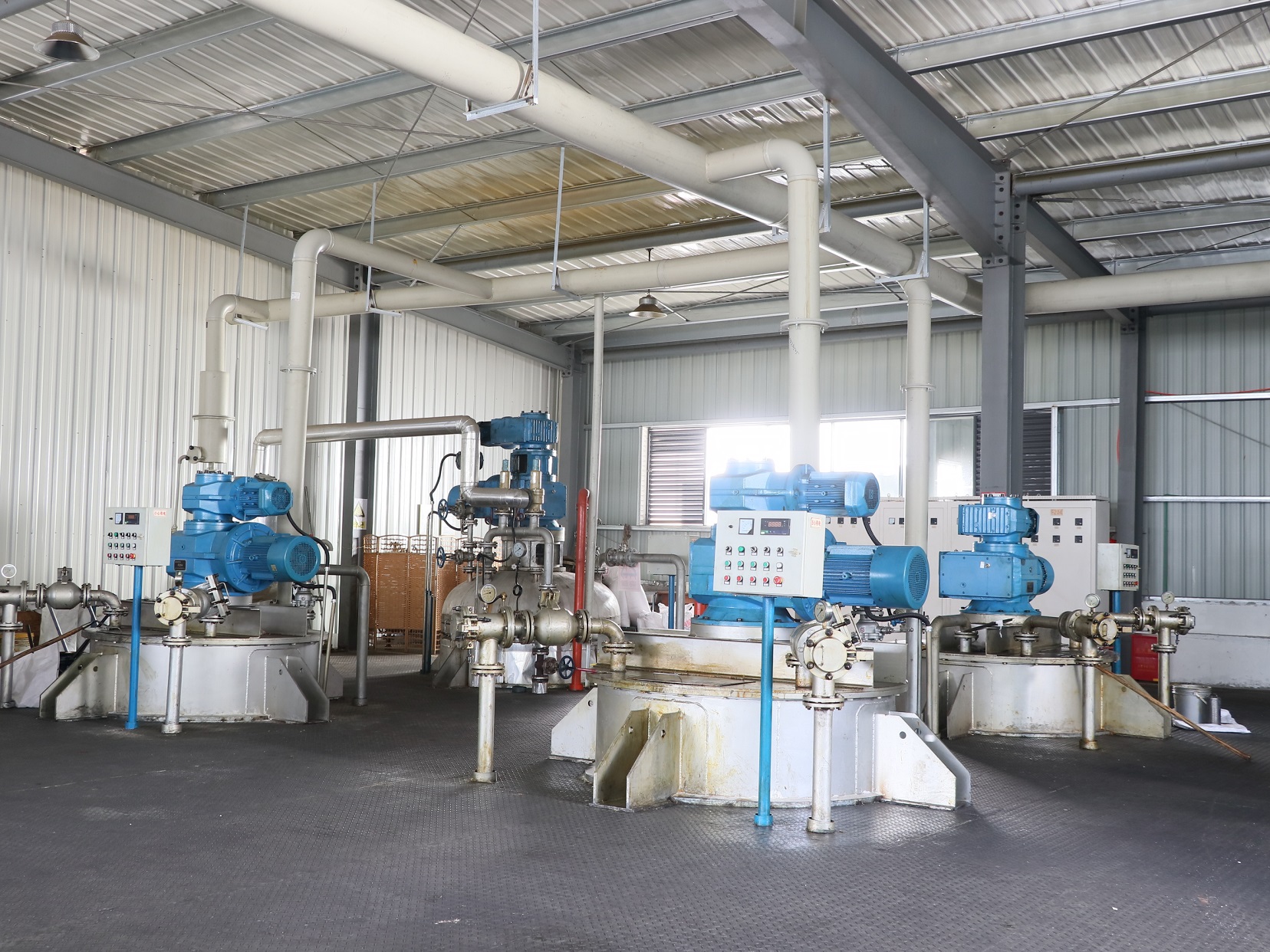
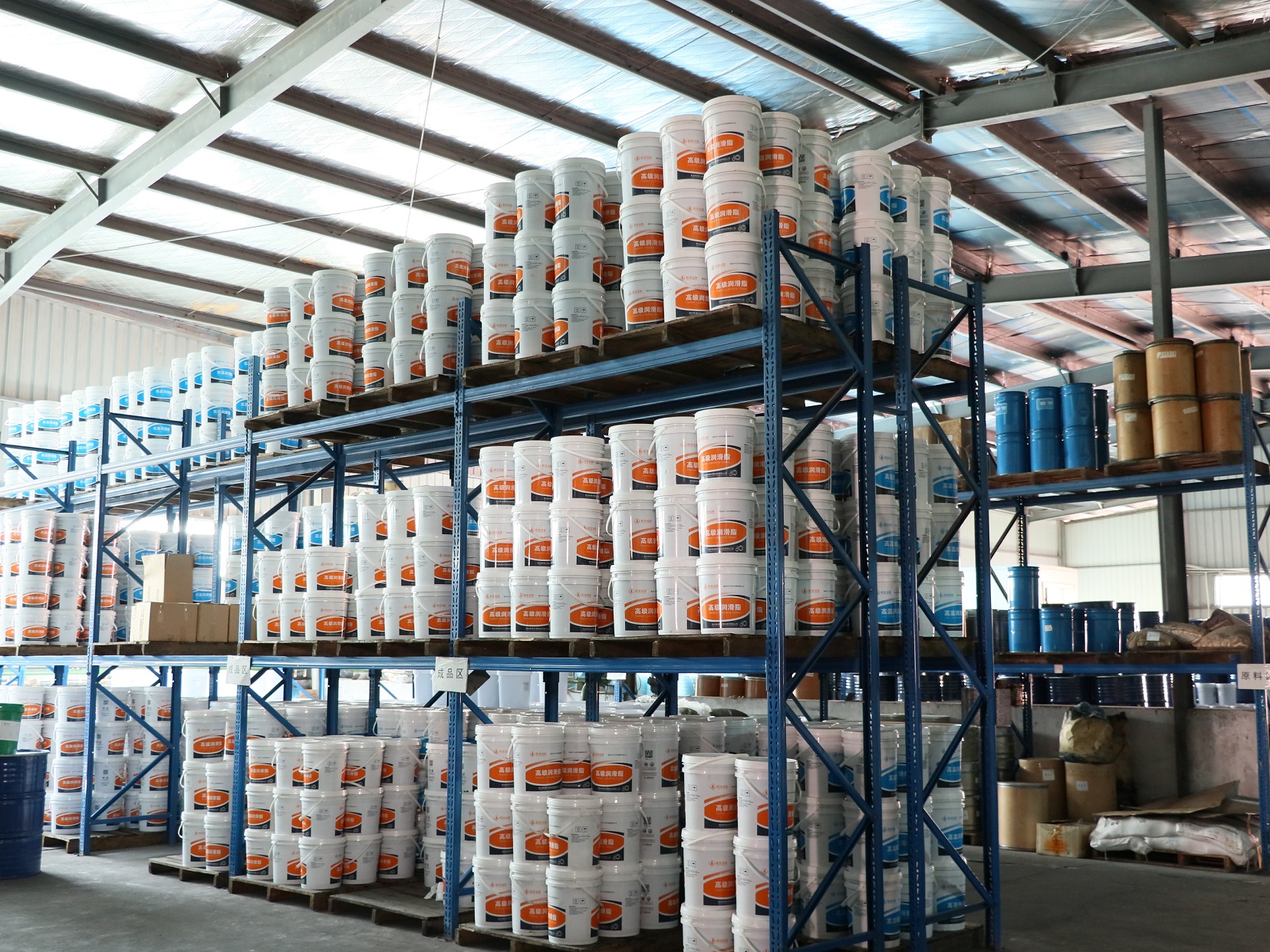
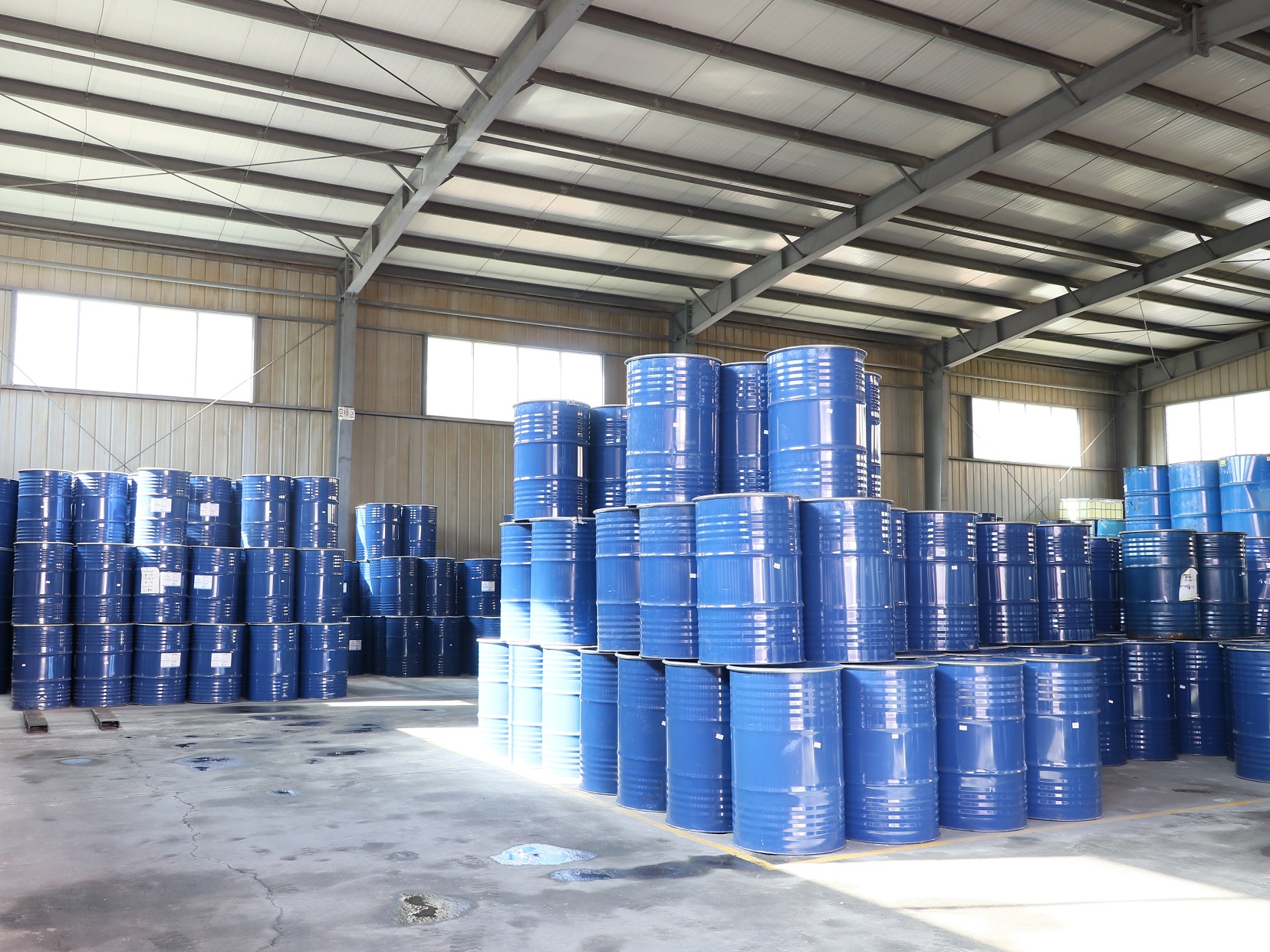
Supply stability rests on production capacity, quality system and export experience rather than on price alone. Hangzhou Xingang Lubrication Technology Co., Ltd., established in 1993 and headquartered in Hangzhou, Zhejiang, China, operates a 16,000 m² facility with 60 employees, an annual output of 45,000 tons and a 15-engineer R&D team covering polyurea grease, lithium grease, calcium sulfonate complex grease and high-temperature grease. The company is certified under ISO 9001:2008, ISO 14001:2004, OHSAS 18001:2007 and ISO 10012:2003, and exports to Türkiye, South Africa, Russia, Southeast Asia and Peru. Its greases are used by major steel enterprises including BAOWU Group, Hebei Steel Group, Shandong Steel Group, Ma Steel, Taigang Steel, Liugang Steel, Shaogang Steel, Shagang Steel and Kungang Steel. The next practical step is to confirm packaging, transport and storage precautions, then request a sample or a quote for your duty conditions through the XINGANG company profile and product catalogue.
Conclusion
For extreme pressure applications that also run hot, the ranking is straightforward once the duty is defined: lithium complex grease leads on documented EP load capacity, referenced here at a PD value of 315 kgf; calcium sulfonate complex grease follows on heavy-duty EP performance and superior water resistance, with global production growth of 7.7% in 2024; and polyurea grease takes third place for EP-first duty while leading outright for continuous heat, with a 260 °C dropping point and oxidation resistance from −40 °C to +180 °C.
The practical rule is to rank by the failure mode you are most likely to experience. If shock load breaks films in your plant, start with lithium complex. If water reaches hot bearings, start with calcium sulfonate complex. If sustained temperature is the killer, start with polyurea. Then verify all three with data — temperature class, elevated-temperature bearing life, four-ball weld load, and supplier quality controls — before committing to bulk volumes.
Next step: validate before you standardise. Send your duty conditions — temperature class, load type, water exposure and relubrication interval — and XINGANG will match them to a lithium complex, calcium sulfonate complex or polyurea high-temperature grease, with sample quantities for on-site testing and bulk supply from a 2,000 kg minimum order.
Contact: Vera Wang · Email: admin@hzxg.com · Tel / WhatsApp: +86 135-8871-1880 · Website: www.china-lubes.com
Download the full XINGANG company profile and grease catalogue (PDF).