Choosing High-Temperature Grease: Lithium Complex, Calcium Sulfonate Complex, or Polyurea?
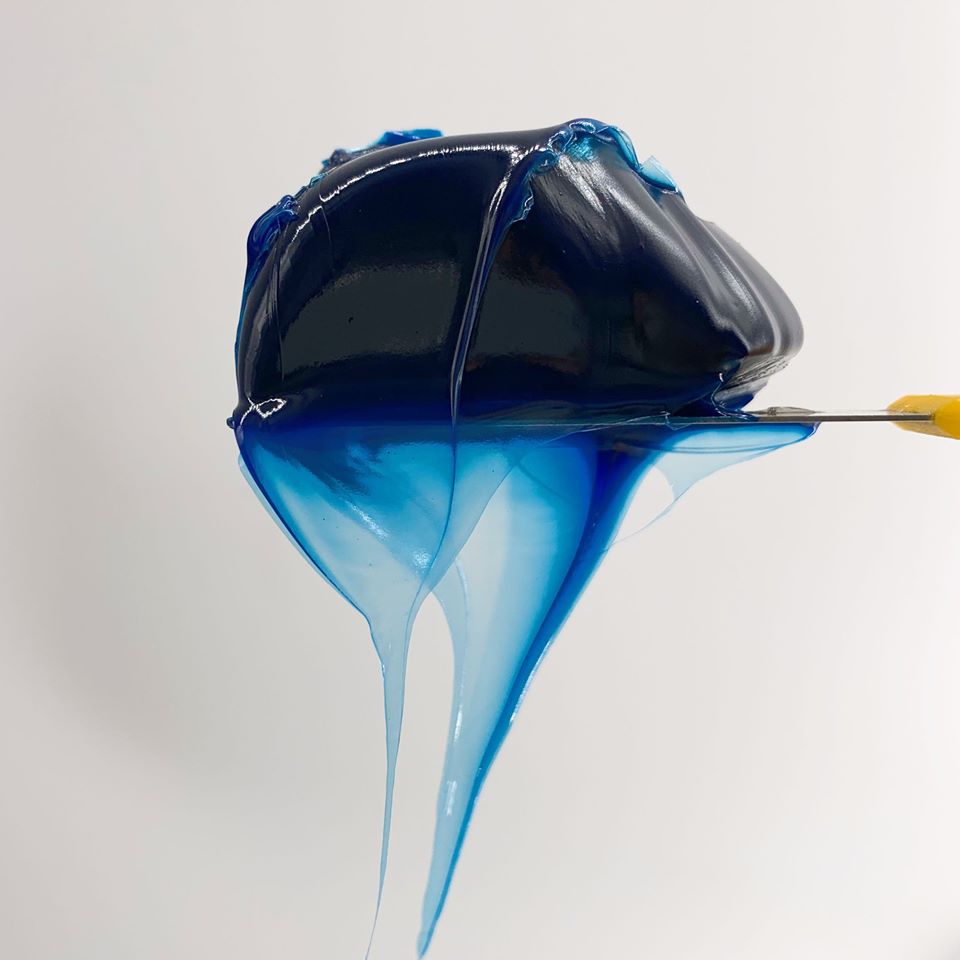
High-temperature grease supplied for industrial bearing, gear, and centralized lubrication duties.
Choosing High-Temperature Grease: Lithium Complex, Calcium Sulfonate Complex, or Polyurea?
High-temperature grease is a category, not a single product, and the three thickener chemistries most often quoted for hot, loaded industrial bearings — lithium complex, calcium sulfonate complex, and polyurea — are not interchangeable. They separate on continuous working temperature, dropping point, extreme-pressure (EP) load capacity, water resistance, and the duties they actually fit.
The specification sheets make the gap concrete. Lithium complex grease (models XG/HP and XG/HP-R) is rated from -20°C to 180°C, with a dropping point of 300°C and a PD value of 315 kgf. Calcium sulfonate complex grease (XG/C4, XG/C5) is rated from -20°C to 250°C, with a dropping point of 330°C and a PD value of 500 kgf. Polyurea grease (XG/U1, XG/U2, XG/U5, XG/U6, XG/U10, XG/U17, XG/U18) is rated from -20°C to 200°C with a dropping point of 260°C.
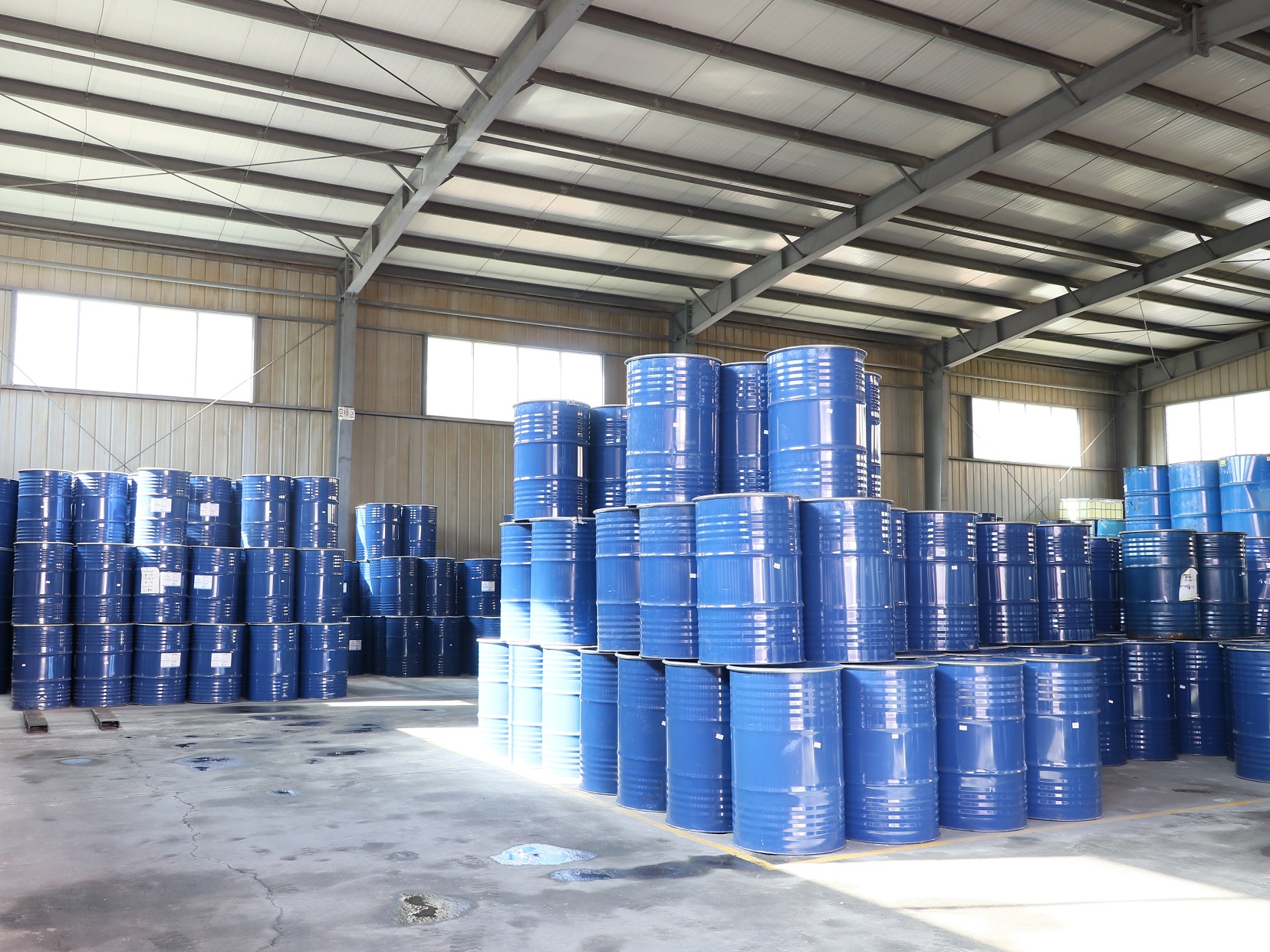
All three families are produced by Hangzhou Xingang Lubrication Technology Co., Ltd. (XINGANG), a grease and industrial lubricant manufacturer established in 1993 in Hangzhou, Zhejiang, China, operating a 16,000 m² production site with an annual output of 45,000 tons. This comparison uses XINGANG specification data for the three chemistries alongside cited third-party market and standards data, so that a buyer can match chemistry to duty rather than to a label.
Short answer: choose by the hottest continuous operating point, then by load, then by water exposure. Lithium complex covers mixed plants up to 180°C with a 315 kgf PD value; polyurea covers up to 200°C with strong high-temperature oxidation resistance across a wide range of industrial bearings; calcium sulfonate complex reaches 250°C with a 500 kgf PD value and the strongest water-resistance and rust-protection profile of the three.
Why "High-Temperature Grease" Is Not One Specification
Buyers run into trouble because the phrase describes a duty, not a chemistry. A grease marketed as high-temperature may be rated from -20°C to 120°C, or from -20°C to 250°C. Those are not substitutes, and the difference is not printed on the front of the pail. Inside XINGANG's own range, plain lithium grease (XG/L1, XG/L2) works from -20°C to 120°C with a dropping point of at least 180°C, while calcium sulfonate complex grease (XG/C4, XG/C5) works from -20°C to 250°C.
Working temperature and dropping point are two separate figures and should be read together. The working temperature range defines where a grease can run continuously. The dropping point is the temperature at which the thickener structure breaks down, which makes it a measure of thermal headroom rather than a service limit. Two entries in the same range show why both numbers matter: polyurea grease has the higher continuous ceiling at 200°C against lithium complex at 180°C, yet its dropping point is 260°C against 300°C for lithium complex. A point running steadily near 190°C points towards polyurea; a point with wide temperature swings may be safer on lithium complex, where the margin between working range and dropping point is larger.
Load is the second variable. The PD value expresses extreme-pressure performance: calcium sulfonate complex is listed at 500 kgf and lithium complex at 315 kgf. The current polyurea specification sheet states working temperature and dropping point but does not list a PD value, so a buyer sourcing for a slow-speed, impact-loaded point should request that figure rather than assume it.
Water, contamination, and lubrication method complete the picture. Steel plant duties typically combine high temperature, heavy load, and impact load with humid or water-splash conditions, and they are served through both centralized lubrication systems and manual greasing. A grease built for those conditions is expected to hold thermal stability, resist water washout, keep a stable EP film under impact, leave low carbon residue after high-temperature aging, and avoid corroding the metal substrate.
Changeover caution: thickener families are not universally interchangeable, and lubrication lines that switch chemistry are generally purged before a different thickener base is introduced. This is a maintenance-planning question rather than a product-quality question, and it belongs in the evaluation stage before the purchase order is raised.
Where the Market Is Moving
Published market sizes for high-temperature grease diverge widely, and buyers should treat them as directional rather than exact. One 2025 estimate puts the global high temperature grease market at approximately USD 28.04 billion, projected to reach USD 48.71 billion by 2035 (Vertex AI Search / market report). Other research houses publish USD 5.82 billion for 2024 (Market Research Future) and USD 26.23 billion for 2024 (SNS Insider). The spread is usually attributed to whether commodity or specialty greases are counted, so a single headline figure should not be used as a purchasing benchmark.
What is consistent across sources is the direction of demand and the shift in thickener mix. Asia Pacific led the high temperature grease market in 2025 with a 38% global share, driven by automotive manufacturing hubs (Market Research Future), and automotive was the largest application category at 42.6% of market share in the same year (Vertex AI Search industry data).
On the thickener side, lithium and lithium complex greases remain dominant, accounting for 38.3% and 18.6% of global production respectively in 2024 (Grease Market Trends / STLE). Calcium sulfonate grease production grew 7.7% globally in 2024, gaining traction in heavy-duty industrial applications on the strength of its water resistance (STLE). Raw-material economics are part of that shift: lithium prices rose 80% to 120% between 2021 and 2023, pushing manufacturers to adopt polyurea and calcium sulfonate alternatives for high-temperature applications in order to avoid cost volatility (STLE).
Polyurea has also moved into newer duty cycles. It is increasingly specified for electric vehicle wheel bearings and turbine yaw drives because of its oxidation resistance across cycles from -40°C to +180°C (Grease Market Size & Industry Trends 2025–2031). For buyers sourcing from China, supply-side context matters as well: China's finished lubricant exports rose 10% to 260,000 metric tons in 2024, reflecting a growing reliance on overseas markets (Lubes'N'Greases / China Customs).
Two standards are commonly referenced when a specification is disputed. DIN 51502 classifies high-temperature greases by maximum operating temperature using letter codes: K (+120°C), M (+120°C with water), N (+140°C), P (+160°C), R (+180°C), S (+200°C), T (+220°C), and U (above +220°C) (DIN). ASTM D3336 is the standard test method used to evaluate the life of lubricating greases in ball bearings at elevated temperatures up to 400°F / 204°C (ASTM International). Neither is a product certification; they describe how grease is classified and tested.
The Three Chemistries in Detail
Lithium complex grease — XG/HP and XG/HP-R
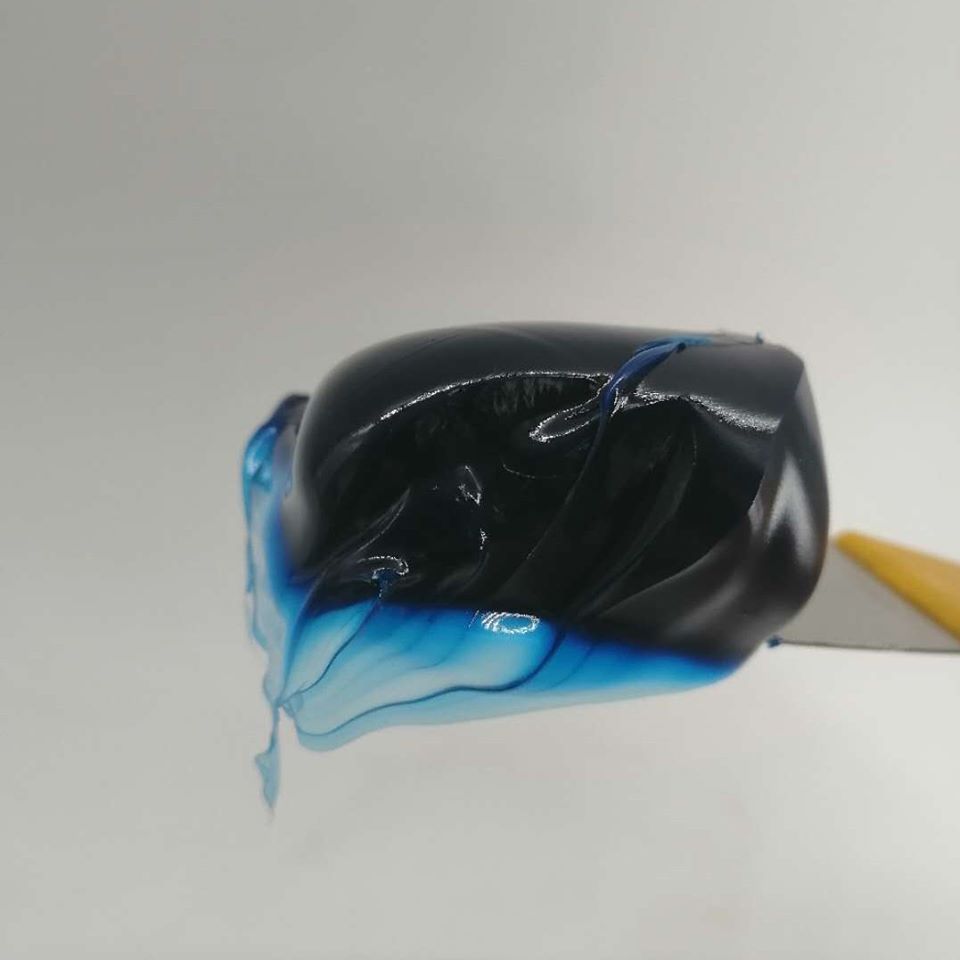
Lithium complex high-temperature grease, thickened with lithium complex and mineral oil.
- Thickener and base oil: lithium complex thickener with mineral oil as the base oil.
- Working temperature: -20°C to 180°C.
- Dropping point: 300°C.
- PD value: 315 kgf.
- Typical industries: automobile and metallurgy.
- Stated performance: ultra-high dropping point for stable lubrication under high temperature, excellent extreme-pressure anti-wear protection for bearings and gears, wide temperature adaptability, good oxidation resistance, and long service life.
This is the practical upgrade path for a plant that already runs general-purpose grease and needs more heat tolerance and more load capacity without moving to a specialty chemistry. The 180°C working ceiling keeps it inside most rolling mill, kiln car, gearbox, and conveyor duties, and the 300°C dropping point leaves a wide margin above that ceiling.
Calcium sulfonate complex grease — XG/C4 and XG/C5
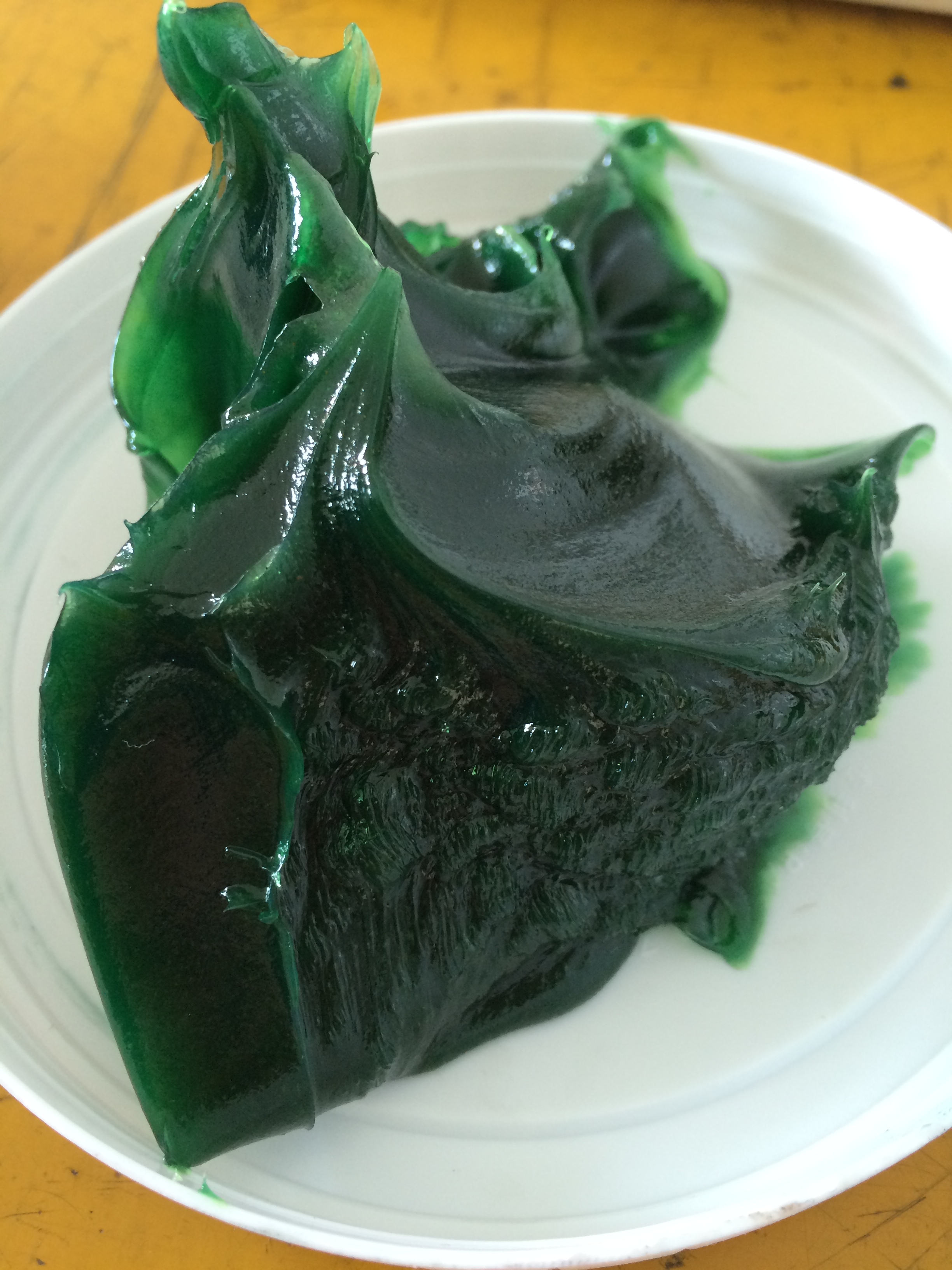
Calcium sulfonate complex high-temperature grease, made with calcium sulfonate as the base material and 150 BS oil as the base oil.
- Material composition: calcium sulfonate as the base material and 150 BS oil as the base oil.
- Working temperature: -20°C to 250°C.
- Dropping point: 330°C.
- PD value: 500 kgf.
- Typical industries: mining, machinery, automotive.
- Stated performance: ultra-high dropping point with excellent high-temperature oxidation resistance; outstanding water resistance and rust protection; superior extreme-pressure anti-wear performance for heavy-load mechanical parts; long service cycle that reduces grease replenishment frequency.
This chemistry holds the highest ceiling and the highest EP figure in the range. It is the specification to reach for when heat, water, and heavy load combine in the same lubrication point, and when an extended service cycle is worth paying for at the unit level.
Polyurea grease — XG/U series
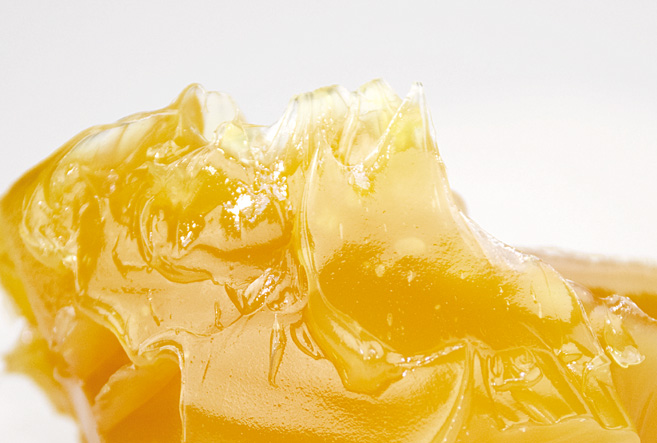
High-temperature polyurea grease made with polyurea thickener, mineral oil, and synthetic oil.
- Material composition: polyurea, mineral oil, and synthetic oil.
- Working temperature: -20°C to 200°C.
- Dropping point: 260°C.
- Typical industries: metallurgy, chemical, textile, printing and dyeing, automobile, mine, oil field, coast defence, sugaring, paper making, and plastic.
- Stated performance: ultra-high dropping point with excellent high-temperature oxidation resistance.
Polyurea is the broadest-scope option of the three in terms of the industries listed for it, which makes it a natural fit for plants that run many different lubrication points under similar heat and oxidation stress. Two evaluation points deserve attention. First, the current specification sheet does not state a PD value, so buyers with impact-loaded points should ask for the test figure. Second, polyurea is widely regarded as a thickener family that requires careful changeover planning, so purging belongs in the switch schedule.
Step-by-Step: Matching Chemistry to a Duty Cycle
- Establish the continuous temperature and the peak separately. Record the sustained bearing temperature at the hottest point, not the short-term peak. These two figures lead to different chemistry choices.
- Map the continuous temperature to a DIN 51502 class. A class R point at +180°C sits within lithium complex; class S at +200°C points to polyurea; class T at +220°C and class U above +220°C point to calcium sulfonate complex at -20°C to 250°C.
- Quantify load and impact. For slow-speed, heavy-load, or impact-loaded points, request the PD value. XG/C4 and XG/C5 are documented at 500 kgf, XG/HP and XG/HP-R at 315 kgf.
- Assess water and contamination exposure. Humid or water-splash conditions favour the water resistance and rust protection specified for calcium sulfonate complex grease, and the anti-water washout behaviour expected in steel plant duties.
- Confirm the lubrication method and equipment. Centralized lubrication systems, grease guns, gearbox spray equipment, and grease injection or replacement equipment all place different demands on grease structure, so match the grade to the delivery method as well as to the temperature.
- Plan the changeover and the supply terms. If the thickener family changes, schedule purging first; then confirm minimum order quantity, lead time, OEM packaging, and batch testing before releasing the order.

Batch verification in the test room: XINGANG tests 100% of production before shipment.
Where Each Chemistry Fits in Practice
Steel mills and heavy machinery
Steel plant lubrication points operate under high temperature, heavy load, and impact load, frequently in humid or water-splash conditions, and they are fed through both centralized lubrication systems and manual greasing. The matched equipment set includes centralized lubrication systems, grease guns, gearbox spray equipment, and grease injection or replacement equipment. The performance requirements attached to those points are thermal stability, strong anti-water washout behaviour, a stable extreme-pressure film under impact, low carbon residue after high-temperature aging, and no corrosion of the metal substrate. XINGANG greases are used by steel producers including BAOWU Group, Hebei Steel Group, Shandong Steel Group, Ma Steel, Taigang Steel, Liugang Steel, Shaogang Steel, Shagang Steel, and Kungang Steel (company profile).
Documented field experience in this sector covers bearings in continuous casting, rolling mills, kiln cars, gearboxes, conveyors, and vibrating screens across large steel plants and metallurgical enterprises, over a working relationship of 30 years and across 40 units. The reported results are reduced friction and wear, improved temperature resistance and water resistance, extended lubrication intervals, and enhanced equipment reliability, with grease structure remaining stable under long-term high temperature and good compatibility with centralized lubrication systems.
Automotive and electric vehicle bearings
Automotive accounted for 42.6% of high temperature grease market share in 2025, the largest single application category (Vertex AI Search industry data). Lithium complex grease lists automobile among its typical industries, while polyurea is increasingly specified for electric vehicle wheel bearings and turbine yaw drives on the strength of its oxidation resistance across cycles from -40°C to +180°C. For a component maker or workshop, the practical split is between a general EP-bearing grease and a chemistry selected specifically for oxidation-driven, high-cycle conditions.
Mining, machinery, and process industries
Calcium sulfonate complex grease lists mining, machinery, and automotive among its industries, which reflects both the heavy-load EP requirement and the water exposure typical of those sites. Polyurea grease covers a broad industrial list including metallurgy, chemical, textile, printing and dyeing, mine, oil field, coast defence, sugaring, paper making, and plastic, making it a practical choice where one grease standard is preferred across many points. Where duty stays below 120°C, plain lithium grease (XG/L1, XG/L2) remains the multi-purpose option for automotive, metallurgy, and power tools.
Side-by-Side Comparison
| Parameter | Lithium Complex | Calcium Sulfonate Complex | Polyurea |
|---|---|---|---|
| XINGANG models | XG/HP, XG/HP-R | XG/C4, XG/C5 | XG/U1, XG/U2, XG/U5, XG/U6, XG/U10, XG/U17, XG/U18 |
| Thickener / material | Lithium complex | Calcium sulfonate | Polyurea |
| Base oil | Mineral oil | 150 BS oil | Mineral oil and synthetic oil |
| Working temperature | -20°C to 180°C | -20°C to 250°C | -20°C to 200°C |
| Dropping point | 300°C | 330°C | 260°C |
| PD value (EP) | 315 kgf | 500 kgf | Not stated in the current specification sheet |
| Typical industries | Automobile, metallurgy | Mining, machinery, automotive | Metallurgy, chemical, textile, printing and dyeing, automobile, mine, oil field, coast defence, sugaring, paper making, plastic |
| Strongest fit | Mixed plant points up to 180°C needing documented EP capacity | Hot, wet, heavy-load points where long service cycles matter | High-temperature oxidation resistance across a wide spread of industrial bearings |
Comparison based on XINGANG specification data for the three grease chemistries; no performance figure is listed for polyurea beyond working temperature and dropping point.
Frequently Asked Questions
1. Which standards apply when specifying a high-temperature grease?
Two references are commonly used. DIN 51502 classifies high-temperature greases by maximum operating temperature with letter codes: K (+120°C), M (+120°C with water), N (+140°C), P (+160°C), R (+180°C), S (+200°C), T (+220°C), and U (above +220°C). ASTM D3336 is the standard test method for evaluating the life of lubricating greases in ball bearings at elevated temperatures up to 400°F / 204°C. Both are classification and test references rather than product certifications, so the practical step is to map the DIN letter to the continuous bearing temperature in your own equipment and then confirm the test basis with the supplier.
2. Which of the three thickener chemistries handles the highest continuous temperature?
In the XINGANG range, calcium sulfonate complex grease (XG/C4, XG/C5) has the highest working temperature at -20°C to 250°C, with a dropping point of 330°C and a PD value of 500 kgf. Polyurea grease (XG/U1 through XG/U18) is rated -20°C to 200°C with a 260°C dropping point, and lithium complex grease (XG/HP, XG/HP-R) is rated -20°C to 180°C with a 300°C dropping point and a PD value of 315 kgf. The current polyurea specification sheet does not state a PD value.
3. Does a higher-priced complex grease reduce total cost?
Unit price and total cost move in different directions. XINGANG product data records 15% to 20% lower total equipment maintenance costs over the service life for the higher-performance option, even though the initial raw material cost per unit of grease is higher. The mechanism is fewer re-greasing cycles and less downtime, which is also why calcium sulfonate complex grease is specified for long service cycles that reduce grease replenishment frequency. Raw-material volatility belongs in the same calculation: lithium prices rose 80% to 120% between 2021 and 2023, which pushed manufacturers to adopt polyurea and calcium sulfonate alternatives for high-temperature applications.
4. How can a buyer validate a grease before committing to a full order?
XINGANG runs OEM production with package and sticker customization and tests 100% of production, so packaging and labelling can be specified for an evaluation batch. Application support includes remote technical formula guidance, on-site usage technical consultation, product application solution matching, and quality problem compensation and replacement support. Because the minimum order quantity is 2,000 kg, buyers who need to confirm performance at their own lubrication points should agree the evaluation route with the sales contact before the production order is placed.
5. What are the lead time, MOQ, and capacity for a high-temperature grease order?
The typical production lead time is 10 to 20 days, the minimum order quantity is 2,000 kg, and monthly capacity is 3,000 tons, supported by 45,000 tons of annual output. XINGANG exports to India, Pakistan, Vietnam, Malaysia, South Africa, Turkey, Peru, and other markets, and supplies OEM packaging. To move from comparison to quotation, send the duty conditions described in the step-by-step section above — continuous temperature, load type, water exposure, lubrication method, and target packaging — to the contact details below.
Conclusion: The Decision Rule in One Pass
Match chemistry to the hottest continuous point first, then to load, then to water exposure, and finally to supply terms:
- Up to 120°C continuous: plain lithium grease (XG/L1, XG/L2, -20°C to 120°C, dropping point of at least 180°C) remains the multi-purpose choice for automotive, metallurgy, and power tool lubrication.
- Up to 180°C with EP demand: lithium complex grease (XG/HP, XG/HP-R) covers mixed plant points with a 300°C dropping point and a 315 kgf PD value.
- Up to 200°C where oxidation resistance across many industrial bearings is the driver: polyurea grease (XG/U series) fits the metallurgy, chemical, textile, printing and dyeing, automobile, mine, oil field, coast defence, sugaring, paper making, and plastic duties listed for the range.
- Up to 250°C, or heat combined with water washout and heavy load: calcium sulfonate complex grease (XG/C4, XG/C5) carries the highest working temperature, the highest dropping point, and the highest PD value in the range.
Where two chemistries both satisfy the temperature requirement, the PD value and the water exposure break the tie. Where a plant switches thickener family, plan the purge before the first re-greasing rather than after it.
Next Step: Sample, Specification Review, or Quotation
XINGANG supplies lithium complex, calcium sulfonate complex, and polyurea high-temperature greases with OEM packaging and sticker customization, a minimum order quantity of 2,000 kg, and a typical production lead time of 10 to 20 days from a 3,000-ton monthly capacity. Quality management follows ISO 9001:2008, ISO 14001:2004, OHSAS 18001:2007, and ISO 10012:2003, and every production batch is tested.
Send the duty conditions for your hottest lubrication point — continuous temperature, load type, water exposure, lubrication method, and target packaging — and the team will match a grade and prepare a quotation.
- Contact: Vera Wang
- Email: admin@hzxg.com
- Tel / WhatsApp: +86 135-8871-1880
- Website: www.china-lubes.com
- Address: 339 Yejia Rd., Xin'anjiang St., Jiande, Hangzhou, Zhejiang, 311600, China
- Company profile (PDF): Xingang Company Profile download