High-Temp Grease Failing at 180°C in Metallurgy? XG/HP as the Fix
At 180 °C a grease is not simply running warm. It is sitting at the documented ceiling of its own data sheet, and anything above that ceiling becomes a re-lubrication event instead of a lubrication film. Lithium complex grease XG/HP from Hangzhou Xingang Lubrication Technology Co., Ltd. (brand XINGANG) is rated across a working temperature range of -20 to 180 °C, carries a dropping point of 300 °C and a PD value of 315 kgf, and is specified for metallurgy and iron and steel plant lubrication systems. For a metallurgy or automotive operation losing grease at that temperature, XG/HP is a defensible fix, but only once the failure has been diagnosed as a heat, load or oxidation limit rather than an application error.
This article treats the 180 °C failure as an engineering decision rather than a product swap. It sets out how to identify which limit was crossed, where the 180 °C figure sits inside recognised grease classification, what XG/HP actually documents, and how a plant or a distributor can turn a single trial into a supply relationship that holds for the length of a metallurgy campaign.
What Failing at 180 °C Actually Means
A grease that fails at 180 °C has normally crossed one of three documented limits: the thermal stability of its thickener, which the dropping point measures; the oxidation life of its base oil, which determines how long the soap structure keeps its oil; or the film strength of its additive package under load, which the PD value expresses. Each of those three produces a different physical symptom on the machine, and each points to a different correction.
- Hard, dark, crusted grease around the bearing. This usually indicates base oil oxidation combined with thickener thermal stress. The grease has lost oil and is no longer delivering it to the contact.
- Oil pooling under the housing while soap stays behind. Oil separation above the oxidation limit of the base oil commonly shows up this way, especially where ambient heat and radiant heat from hot equipment stack up.
- Wear, spalling or noise appearing while measured temperature stays within range. When heat is controlled but damage continues, the limiting factor is normally film strength under load rather than temperature, and the relevant number is the PD value.
- Grease thrown out of the housing. This is often a soft grease, an over-greasing practice or a seal issue, and it can occur even with a correctly rated product.
The measurement that usually decides the case is the temperature at the lubrication point itself, not the ambient temperature of the workshop. A line running at a 180 °C surface reading may already be above the working range of a grease whose data sheet stops at 160 °C, and a line reading 150 °C may be perfectly served by a product rated to 180 °C. Diagnose the point, then compare it with a documented range.
Why 180 °C Is a Standard Boundary, Not an Arbitrary Number
In European grease classification, temperature is expressed as a letter. DIN 51502 assigns K to +120 °C, M to +120 °C with water contact, N to +140 °C, P to +160 °C, R to +180 °C, S to +200 °C, T to +220 °C and U to above +220 °C. A 180 °C duty therefore sits exactly at the top of the R band, which is where a large share of metallurgy and heavy machinery lubrication points are designed to operate. Products rated to that band, and products that merely survive brief excursions to it, are not the same thing.
On the test side, ASTM D3336 is the standard method for evaluating the life of lubricating greases in ball bearings at elevated temperatures, covering conditions up to roughly 204 °C. Buyers who want to compare claims across suppliers benefit from asking which test method produced a given figure, because dropping point, PD value and bearing life are three different measurements with three different meanings.
The commercial context explains why so many buyers are re-examining their high-temperature grease choice at the same time. Third-party market research places the global high temperature grease market at approximately USD 28.04 billion in 2025, with a projection of USD 48.71 billion by 2035. Published estimates for this category differ widely depending on whether specialty and commodity greases are counted together, so the number is best read as directional rather than precise. Asia Pacific led the market in 2025 with a 38% global share according to Market Research Future, and the automotive segment accounted for 42.6% of high temperature grease demand in 2025.
Chemistry shares matter too. Lithium and lithium complex greases remain the most widely used thickener systems, at 38.3% and 18.6% of global production respectively in 2024, according to figures reported through STLE. Calcium sulfonate grease production grew 7.7% globally in the same year. One driver behind that shift is raw material volatility: lithium prices rose by 80% to 120% between 2021 and 2023, which pushed some buyers to test alternatives. For a plant already running lithium complex grease, the practical implication is not to abandon the chemistry but to fix specification and supply terms so that cost volatility cannot silently change the product behind the label.
The XG/HP Answer: Lithium Complex Chemistry at a Documented 180 °C
XG/HP is a lithium complex grease thickened with lithium complex soap and built on mineral base oil, positioned for high-temperature and extreme-pressure duty. Its documented values are the reason it can be offered as a direct answer to a 180 °C metallurgy failure rather than as a general-purpose substitute. The family is referenced as XG/HP and XG/HP-R; the specification set used throughout this article is the XG/HP lithium complex grease.
| Parameter | Documented value for XG/HP |
|---|---|
| Thickener | Lithium complex |
| Base oil | Mineral oil |
| Working temperature range | -20 to 180 °C |
| Dropping point | 300 °C |
| PD value | 315 kgf |
| Performance focus | Extreme pressure anti-wear protection; high-temperature oxidation resistance |
| Specified application | Metallurgy and iron and steel plant lubrication systems |
Read as a set, those numbers answer the three failure modes described earlier. The 180 °C working limit matches an R-band duty. The 300 °C dropping point places a wide gap between the working ceiling and the point at which the soap structure itself collapses, which is the margin that keeps a grease in place during short excursions. The 315 kgf PD value is the load-side number: it describes a grease formulated to hold a film under pressure rather than one that relies on temperature performance alone. Oxidation resistance addresses the slow failure mode, the one that shows up as hardened, oil-starved grease after weeks of service.
Step-by-Step: Confirming XG/HP Is the Right Fix Before You Order
Where XG/HP Fits: Metallurgy and Automotive Duties
In metallurgy, XG/HP is specified for iron and steel plant lubrication systems: the roller bearings, conveyors, roll-line components and auxiliary drives that sit close to radiant heat and run under steady load. These are the points where a standard grease hardens, bleeds or gets thrown, and where the choice between a 160 °C product and an 180 °C product decides the re-lubrication interval.
In automotive and adjacent manufacturing, the same profile applies to high-temperature bearing positions, chassis points exposed to heat, and gear applications where extreme pressure protection is required alongside heat resistance. Xingang states that its high-temperature range is more suitable for high-temperature, heavy-load and impact-load applications in iron and steel, metallurgy and mining equipment, and its broader high-temperature portfolio is used across metallurgy, ports, automotive, machinery, textiles, printing and dyeing, paper making, sugar refining, chemicals and power generation.
Where water is part of the duty rather than an occasional splash, the calcium sulfonate complex product XG/C4 is the appropriate comparison, since it documents water resistance and rust protection alongside its 250 °C working temperature. Where the point runs cooler but the load is high, the polyurea range XG/U1 through XG/U18 covers -20 to 200 °C with a 260 °C dropping point and is used across metallurgy, chemical, textile, automobile, mine, oil field and paper applications.
Comparison: XG/HP Against the Other Xingang High-Temperature Options
The table below uses only documented figures from Xingang product data. Blank cells mean the value is not stated in the available product data, not that the product performs poorly.
| Product | Thickener | Working temperature range | Dropping point | PD value | Documented performance | Stated applications |
|---|---|---|---|---|---|---|
| XG/HP (lithium complex) | Lithium complex | -20 to 180 °C | 300 °C | 315 kgf | Extreme pressure anti-wear protection; high-temperature oxidation resistance | Metallurgy and iron and steel plant lubrication systems |
| XG/C4, XG/C5 (calcium sulfonate complex) | Calcium sulfonate complex | up to 250 °C | 330 °C | 500 kgf | Extreme pressure anti-wear; high-temperature oxidation resistance; water resistance and rust protection | High temperature, heavy load and water-splash conditions; mining, machinery, automotive |
| XG/U1 to XG/U18 (polyurea) | Polyurea, mineral and synthetic oil | -20 to 200 °C | 260 °C | Not stated in available data | Not stated in available data | Metallurgy, chemical, textile, printing and dyeing, automobile, mine, oil field, coast defence, sugar, paper, plastics |
| XG/L1, XG/L2 (multipurpose lithium) | Lithium | -20 to 120 °C | at least 180 °C | Not stated in available data | Not stated in available data | Automotive, metallurgy, power tools, multi-purpose |
Cost and Maintenance: the MP3 Baseline Against XG/HP
Standard MP3 grease is the usual incumbent at these points, and the substitution case is not built on a lower purchase price. Per-unit raw material cost for XG/HP is higher than for MP3. The offset comes from service behaviour, and Xingang documents it in comparative terms:
- Dropping point is 180 to 195 °C higher than standard MP3 grease, with high-temperature stability, low oil separation, non-coking behaviour and strong adhesion.
- The grease replacement cycle is longer, with fewer shutdown maintenance events and less manual greasing labour.
- A stable lubricating film reduces friction power consumption and lowers component wear failure rates.
- Overall equipment maintenance cost is documented as reduced by 15% to 20% because of the longer replenishment cycle, despite the higher cost per unit of grease.
Those figures are Xingang comparative assessments and should be validated on the specific line. The decision rule is straightforward: if the measured 180 °C point is currently consuming MP3 at a frequent re-lubrication interval, the total cost comparison moves in favour of the lithium complex product; if the same point is actually running below 120 °C, the multipurpose lithium range remains the lower-cost correct answer.
Execution: Locking Long-Term Supply for a Multi-Year Metallurgy Programme
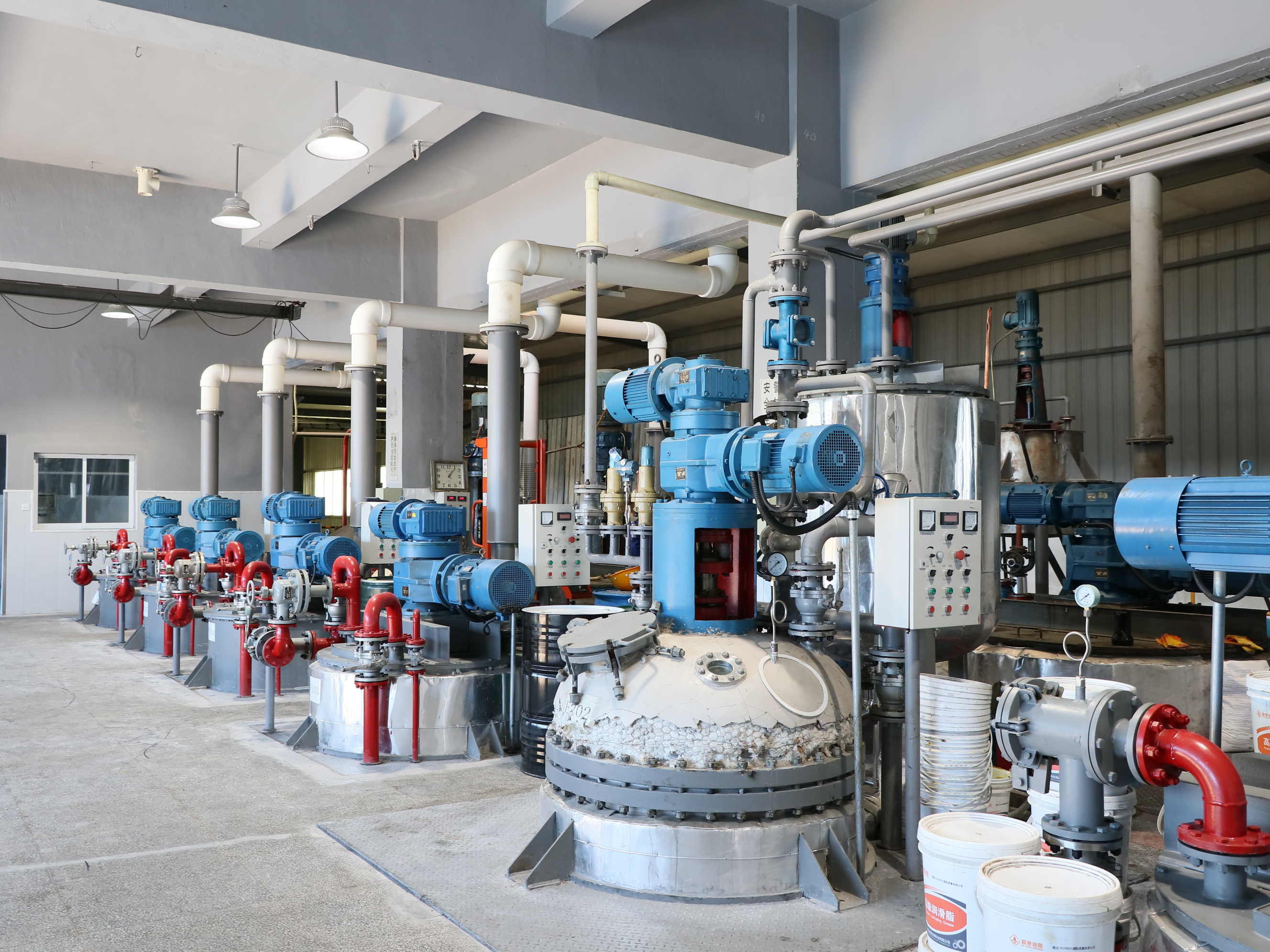
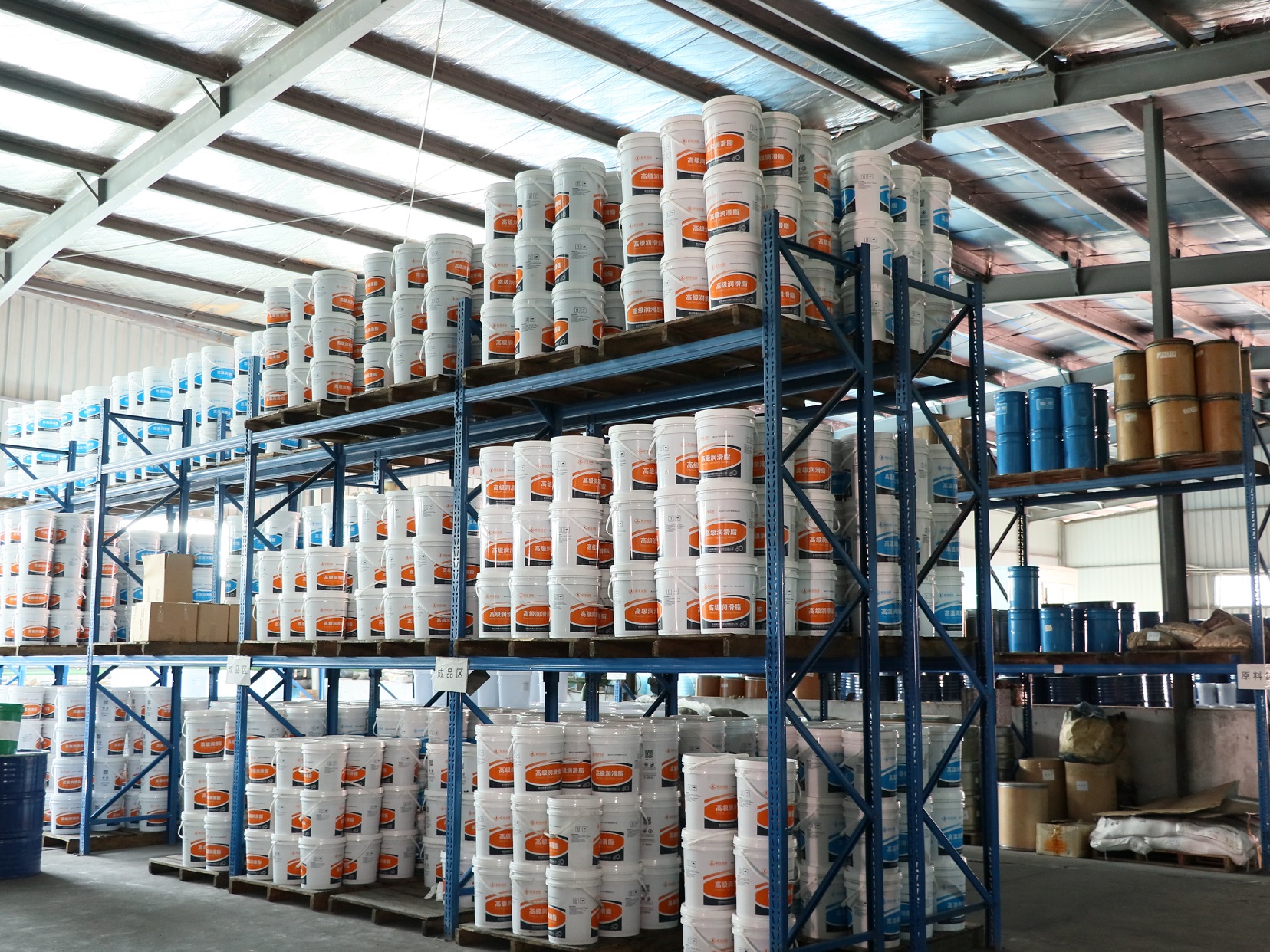
Once a plant has confirmed XG/HP on a 180 °C point, the risk moves from chemistry to continuity. A high-temperature grease that is reformulated, delayed or substituted mid-campaign costs more than the price difference ever did. Hangzhou Xingang Lubrication Technology Co., Ltd. is a national high-tech enterprise established in 1993, headquartered in Hangzhou, Zhejiang, with a 16,000 m² facility and 60 employees including 15 engineers, focused on high-performance lubricating greases and industrial lubricants for metallurgy, ports, automotive, machinery, textiles, printing and dyeing, paper making, sugar refining, chemicals and power generation.
The supply-side facts that matter to a procurement or distribution decision are these:
- Monthly production capacity of 3,000 tons.
- Typical lead time of 10 to 20 days.
- Minimum order quantity of 200 kg, with delivery terms FOB or CIF.
- Acceptance criteria stated as pre-shipment test, with payment by T/T.
- Quality management certified under ISO 9001:2008, ISO 14001:2004, OHSAS 18001:2007 and ISO 10012:2003.
- Raw material quality variation controlled through incoming inspection, supported by an in-house testing laboratory.
- Export markets including Türkiye, South Africa, Russia, Southeast Asia and Peru, with exports representing around 10% of output.
Xingang also states that its products are adopted by major steel enterprises including BAOWU Group, Hebei Steel Group, Shandong Steel Group, Ma Steel, Taigang Steel, Liugang Steel, Shaogang Steel, Shagang Steel and Kungang Steel. For a distributor or a plant buyer building a long-term agreement, the practical checks are the ones this profile supports: a fixed thickener and base oil definition on the specification sheet, a repeatable pre-shipment test, a stated lead time that covers the re-order cycle, and a single source that can also deliver the 250 °C calcium sulfonate product when a duty moves out of the 180 °C band.
Frequently Asked Questions
What quality and compliance documentation should a buyer verify before accepting XG/HP on a metallurgy line?
Xingang holds ISO 9001:2008, ISO 14001:2004, OHSAS 18001:2007 and ISO 10012:2003, and controls raw material quality variation through incoming inspection supported by an in-house testing laboratory. Acceptance criteria for XG/HP orders are stated as pre-shipment test, with payment by T/T. Buyers should also match the product data sheet to the duty: -20 to 180 °C working range, 300 °C dropping point and a PD value of 315 kgf. Verification therefore covers three layers, the quality management system, the batch test before shipment, and the fit between the stated limits and the measured point temperature.
Can XG/HP hold a 180 °C metallurgy duty that also involves heavy or impact load?
XG/HP is rated for a working temperature range of -20 to 180 °C with a dropping point of 300 °C and a PD value of 315 kgf, and it is specified for metallurgy and iron and steel plant lubrication systems. Xingang positions its high-temperature range as more suitable for high-temperature, heavy-load and impact-load applications in iron and steel, metallurgy and mining equipment. The limit is explicit: 180 °C is the top of the working range, so a point that holds above that temperature, or that sees water splash, should move to calcium sulfonate complex grease XG/C4 at up to 250 °C with a 330 °C dropping point and a PD value of 500 kgf.
How does XG/HP compare with standard MP3 grease on total cost, not unit price?
XG/HP carries a higher raw material cost per unit of grease than standard MP3. The documented offset is service life: the dropping point is 180 to 195 °C higher than standard MP3, with high-temperature stability, low oil separation, non-coking behaviour and strong adhesion, which produces a longer grease replacement cycle, fewer shutdown maintenance events and less manual greasing labour. Overall equipment maintenance cost is documented as reduced by 15% to 20% as a result. Where a 180 °C point is currently consuming MP3 at a short re-lubrication interval, that maintenance delta normally outweighs the unit price difference.
How can a plant validate a batch of XG/HP before switching a whole line over?
The stated acceptance criterion for XG/HP orders is pre-shipment test, which allows a buyer to review test results before the goods leave the plant. Combined with incoming inspection on raw materials and the ISO 10012:2003 measurement management system, this gives a documented trail from material intake to finished batch. A practical validation route is to confirm the data sheet values, hold the pre-shipment record, then run the product on the highest-temperature point first so the 180 °C ceiling is tested where it matters most before the rest of the line is converted.
Can a Chinese high-temperature grease supplier support long-term supply for a multi-year metallurgy programme?
Hangzhou Xingang Lubrication Technology Co., Ltd. has operated since 1993 and reports a monthly production capacity of 3,000 tons, a typical lead time of 10 to 20 days, a minimum order quantity of 200 kg and delivery terms of FOB or CIF. The company exports to Türkiye, South Africa, Russia, Southeast Asia and Peru, and states that its products are adopted by major steel enterprises including BAOWU Group, Hebei Steel Group, Shandong Steel Group, Ma Steel, Taigang Steel, Liugang Steel, Shaogang Steel, Shagang Steel and Kungang Steel. For a multi-year programme, the checks that matter are a fixed specification on the 180 °C lithium complex product, a pre-shipment test on every batch, and a second high-temperature option in the same supplier portfolio for points that exceed 180 °C.
Conclusion: Fix the Diagnosis, Then Fix the Grease
A grease failing at 180 °C in a metallurgy or automotive operation is usually telling you which limit it has reached. Hardened, oil-starved grease indicates oxidation. Oil pooling indicates separation above the base oil limit. Wear at controlled temperature indicates film strength. Once the limit is identified, the answer becomes checkable rather than arguable: a lithium complex grease thickener, a mineral base oil, a -20 to 180 °C working range, a 300 °C dropping point and a PD value of 315 kgf either match the measured duty or they do not.
XG/HP is positioned precisely at that boundary, which is why it is offered as a fix for R-band metallurgy points rather than as a universal high-temperature grease. Above 180 °C, or where water is part of the duty, the calcium sulfonate complex product XG/C4 provides the next step at up to 250 °C and a PD value of 500 kgf. Below 120 °C, the multipurpose lithium range remains the economical choice. Selecting inside the documented band, then holding that specification stable through a long-term supply agreement, is what keeps a line running between shutdowns.
Next step: match XG/HP to your 180 °C point
Share the measured temperature, load condition and re-lubrication interval of the failing point, and Xingang will confirm whether XG/HP lithium complex grease fits, or whether the duty belongs with XG/C4 calcium sulfonate complex grease. The full product range, specifications and company profile are in the downloadable brochure.
Download the company profile: Xingang Company Profile (PDF)
Hangzhou Xingang Lubrication Technology Co., Ltd. | Website: www.china-lubes.com | Email: admin@hzxg.com | Tel: +86 135-8871-1880 | WhatsApp: +86 13588711880 | Address: 339 Yejia Rd., Xin'anjiang St., Jiande, Hangzhou, Zhejiang, 311600, China
Have Questions or Need More Details?
Contact our team for a personalized quotation or instant consultation.
Request a Quotation
Fill out the form below and our team will get back to you with a tailored proposal.
WhatsApp Direct Chat
Prefer to chat in real-time? Message us on WhatsApp for instant assistance & quick answers.
- Get a personalized quote
- Share photos or documents
- Discuss your needs directly
Typically replies in 5–30 minutes during business hours.