High-Temperature Grease Comparison: Lithium Complex vs. Calcium Sulfonate vs. Polyurea
High-Temperature Grease Comparison: Lithium Complex vs. Calcium Sulfonate vs. Polyurea
For an industrial buyer, choosing between high-temperature grease chemistries is often more difficult than choosing a supplier. In practice, the evaluation usually narrows to three thickener systems: lithium complex grease, calcium sulfonate complex grease, and polyurea grease. This comparison focuses on their working temperature ranges, dropping points, extreme-pressure data, and application fit.
Problem Definition: Why Chemistry Determines High-Temperature Grease Survival
Grease is a two-phase lubricant made of base oil, a thickener, and additives. At high temperature, both the oil and the thickener are stressed. The thickener holds the oil in a stable structure; when that structure breaks, the grease may bleed, soften, or form deposits.
Most high-temperature grease failures are therefore structural failures rather than simple oil failures. Two greases can share the same base-oil viscosity but behave very differently because their thickener chemistries are different.
Common evaluation mistakes include:
- Treating the dropping point as the maximum working temperature.
- Comparing only the base oil type without considering thickener stability.
- Ignoring how the grease will be applied, such as centralized lubrication or manual greasing.
- Selecting a grease without checking the manufacturer’s stated continuous operating range.
That is why this guide compares lithium complex, calcium sulfonate complex, and polyurea high-temperature greases across the parameters that matter most at the procurement stage.
Industry Background: What Buyers Need to Know Before Comparing Grease Types
The global high-temperature grease market was estimated at roughly USD 28.04 billion in 2025 and is projected to reach about USD 48.71 billion by 2035, according to third-party market data. Asia Pacific accounted for approximately 38% of the market in 2025, supported by automotive manufacturing demand. Automotive applications were the largest end-use category in 2025, at about 42.6%.
Thickener chemistry remains the foundation of grease selection. Lithium and lithium complex greases are still the most widely used thickener families, representing a combined share of approximately 56.9% of global production in 2024 according to industry reporting. At the same time, calcium sulfonate complex grease production grew by about 7.7% globally in 2024, partly because it is being adopted in heavy-duty industrial applications.
Raw-material pressure has also made the comparison more relevant. Industry data indicates that lithium prices rose sharply between 2021 and 2023, pushing more manufacturers and buyers to evaluate polyurea and calcium sulfonate alternatives for high-temperature service.
Standards such as DIN 51502 provide a classification framework for maximum operating temperature, while ASTM D3336 is commonly used to evaluate grease life in ball bearings at elevated temperatures. Within that framework, the practical starting point for a buyer is the manufacturer’s stated working temperature range for a specific grease series.
Detailed Solution: Three High-Temperature Grease Chemistries Compared
All three grease families below are produced by Hangzhou Xingang Lubrication Technology Co., Ltd. and are commercially available under the XINGANG brand. The performance values come from the stated product specifications and are used here as the basis of comparison.
Lithium Complex Grease: XG/HP and XG/HP-R
The XG/HP and XG/HP-R products are classified as high-temperature extreme-pressure lithium complex greases. They are made with a lithium complex thickener and mineral oil. The stated working temperature range is -20°C to 180°C, and the dropping point is 300°C. The PD value is 315 kgf.
These greases are designed for high-temperature and extreme-pressure applications. Their typical industries are automotive and metallurgy. In practical terms, they fit equipment where the operating temperature stays within the range of a conventional high-temperature lithium complex formulation.
Calcium Sulfonate Complex Grease: XG/C4 and XG/C5
The XG/C4 and XG/C5 products are high-temperature calcium sulfonate complex greases. They are made with a calcium sulfonate thickener and 150 BS oil. Their stated working temperature range is the widest among the three families in this guide: -20°C to 250°C. The dropping point is 330°C, and the PD value is 500 kgf.
Typical industries include mining, machinery, and automotive. This chemistry is often chosen for heavy-load and high-temperature conditions, and third-party industry reporting links calcium sulfonate complex growth to its water resistance in severe industrial environments.
Polyurea Grease: XG/U Series
The XINGANG polyurea grease family includes XG/U1, XG/U2, XG/U5, XG/U6, XG/U10, XG/U17, and XG/U18 models. These are high-temperature polyurea greases made with a polyurea thickener and mineral or synthetic oil.
The stated working temperature range is -20°C to 200°C, with a dropping point of 260°C. The product is designed for high-temperature industrial lubrication in metallurgy, chemical, textile, printing and dyeing, automobile, mining, oil field, coastal defense, sugar refining, paper making, and plastics industries.
Polyurea greases are also increasingly specified for applications that require oxidation resistance across wide temperature cycles, such as EV wheel bearings and turbine yaw drives, according to market trend data.
| Selection Parameter | Lithium Complex Grease | Calcium Sulfonate Complex Grease | Polyurea Grease |
|---|---|---|---|
| XINGANG series | XG/HP, XG/HP-R | XG/C4, XG/C5 | XG/U1, XG/U2, XG/U5, XG/U6, XG/U10, XG/U17, XG/U18 |
| Thickener / base | Lithium complex, mineral oil | Calcium sulfonate, 150 BS oil | Polyurea, mineral oil / synthetic oil |
| Working temperature | -20°C to 180°C | -20°C to 250°C | -20°C to 200°C |
| Dropping point | 300°C | 330°C | 260°C |
| PD value | 315 kgf | 500 kgf | Not listed in source specification |
| Typical industries | Automotive, metallurgy | Mining, machinery, automotive | Metallurgy, chemical, textile, printing and dyeing, automobile, mine, oil field, coastal defense, sugar refining, paper making, plastics |
The polyurea grease specification source used in this article does not list a PD value. This is not presented as a negative; it simply means that a buyer who needs extreme-pressure data should request it from the manufacturer before finalizing a specification.
How to Use These Numbers in a Buying Decision
Working temperature is the operating envelope the manufacturer recommends under normal service. Dropping point is a laboratory measure of when the thickener loses structure. A high dropping point does not automatically mean longer grease life; it means the grease has a higher structural failure threshold.
When comparing XG/HP with XG/C4 or XG/U series, buyers should consider the following variables:
- Continuous bearing or component temperature.
- Peak or transient temperature during machine stop/start.
- Load severity, shock, and sliding conditions.
- Exposure to water, dust, or chemical washdown.
- Delivery method, including centralized systems, grease guns, and gearbox spray.
Step-by-Step Grease Selection Process
Use this process to move from broad chemistry choice to a product-ready specification.
Step 1. Define the operating temperature profile. Identify the expected continuous lubrication point temperature and any short-term peak temperature.
Step 2. Define the load profile. For heavy-impact or extreme-pressure applications, a grease with a higher PD value such as XG/C4 or XG/C5 may be more appropriate. If the temperature remains below 180°C, XG/HP or XG/HP-R can also be evaluated.
Step 3. Check environmental exposure. Water resistance can be a decisive factor in mining and processing environments. Calcium sulfonate complex grease is often selected in heavy-duty wet conditions; however, a controlled supplier test is the normal way to confirm performance.
Step 4. Consider the lubrication system. The product may be applied through centralized lubrication systems, grease guns, gearbox spray systems, or grease injection/replacement equipment. Confirm that the grease is compatible with the actual oil delivery method before ordering.
Step 5. Review available certifications and production controls. Buyers should request quality certificates and confirm that the grease plant operates under a certified quality management system.
Step 6. Start with a trial or controlled sample test. Record bearing temperature, grease condition, relubrication intervals, and equipment reliability before converting a comparison table into a bulk purchase.
Use Cases by Industry
Automotive and Metallurgy Equipment
XG/HP and XG/HP-R are the lithium complex high-temperature grease options in this comparison for automotive and metallurgy applications. Their stated temperature range and dropping point place them as a high-temperature extreme-pressure grease category for equipment where operating temperatures remain below 180°C.
Mining and Heavy Machinery
XG/C4 and XG/C5 are the higher-temperature, higher-PD options. For mining, machinery, and automotive heavy-load applications, the calcium sulfonate complex series offers a 250°C working temperature limit and a 500 kgf PD value.
Processing and Manufacturing Plants
The XG/U polyurea series is suited to a wide range of processing industries, including metallurgy, chemicals, textiles, paper making, and sugar refining. Polyurea grease can be selected when the equipment fits a broad high-temperature lubrication specification and the required operating range is within -20°C to 200°C.
Steel and Metallurgical Track Record
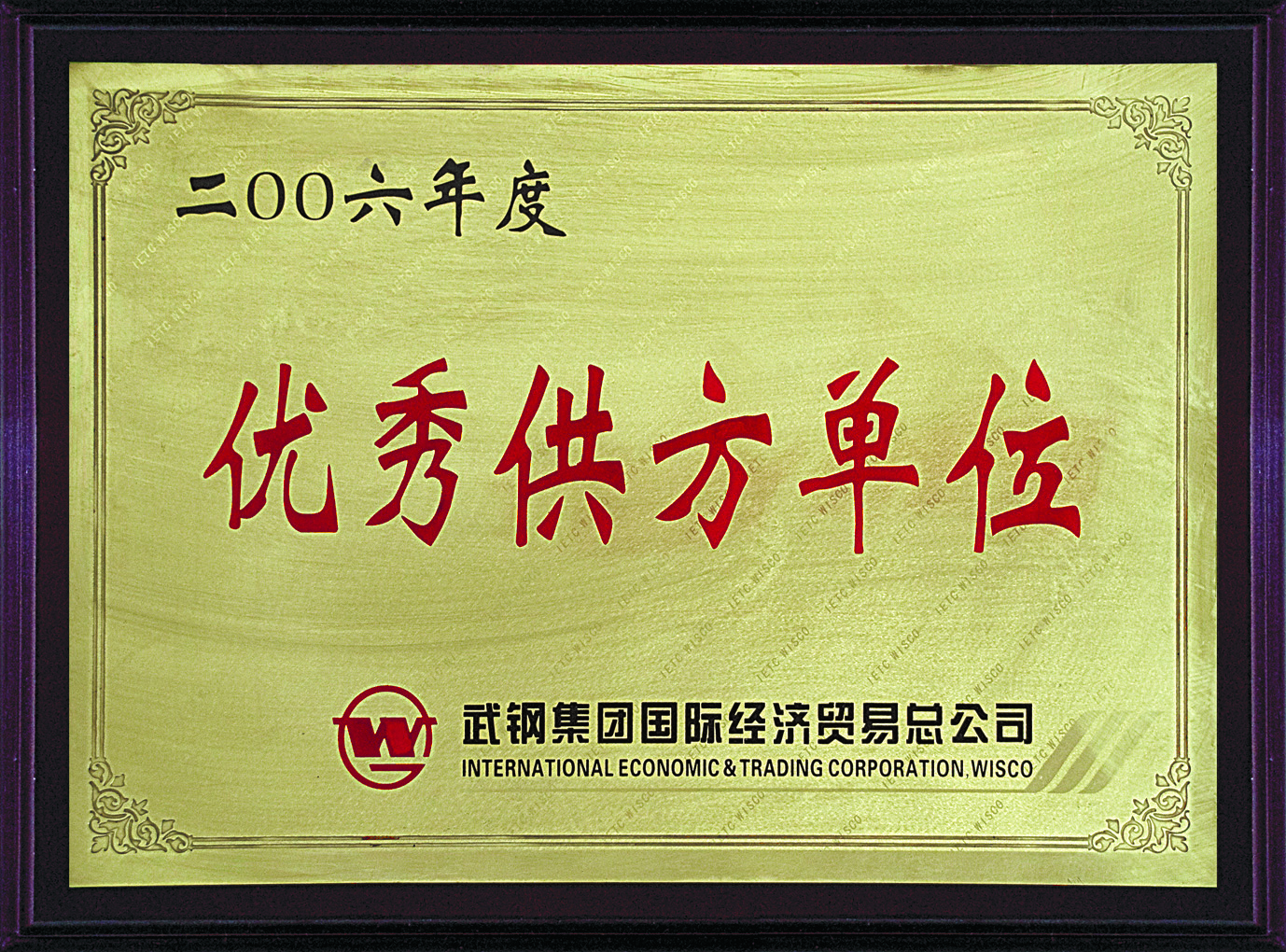
XINGANG high-temperature greases have been used in large steel plants, metallurgical enterprises, and industrial equipment manufacturing environments. A documented use case covers bearings in continuous casting, rolling mills, kiln cars, gearboxes, conveyors, and vibrating screens, with reported outcomes including reduced friction and wear, improved temperature and water resistance, longer lubrication intervals, and fewer shutdown-maintenance interventions. The Chinese case record also includes recognition as an excellent supplier from Wuhan Iron and Steel.
Frequently Asked Questions
What quality standards apply to XINGANG high-temperature greases?
XINGANG operates under ISO 9001:2015, IATF 16949:2016, ISO 14001:2015, and ISO 45001:2018 certified management systems. The certification scope covers the design, production, and sales of lubricant grease, and the related high-temperature grease product families are identified in the certification records.
Which high-temperature grease has the widest operating temperature range?
Among the XINGANG series compared here, XG/C4 and XG/C5 calcium sulfonate complex greases have the widest stated working temperature range: -20°C to 250°C, with a dropping point of 330°C. XG/HP and XG/HP-R are rated at -20°C to 180°C with a dropping point of 300°C. XG/U series polyurea greases are rated at -20°C to 200°C with a dropping point of 260°C.
Which XINGANG high-temperature grease has the higher extreme-pressure value?
XG/C4 and XG/C5 list a PD value of 500 kgf. XG/HP and XG/HP-R list a PD value of 315 kgf. The polyurea XG/U specification source used in this article does not list a PD value, so a buyer should request extreme-pressure test data from the supplier before selection.
Can high-temperature grease be used with centralized lubrication systems?
XINGANG high-temperature grease products are applicable to slow-speed heavy-load sliding and rolling bearings and can be used in centralized lubrication supply modes. They can also be used with grease guns, gearbox spray or spot application, and grease injection/replacement equipment, depending on the product and the application.
What should a buyer do after the comparison table?
Review the operating temperature and load profile, verify the required certifications, and ask about OEM packaging and delivery terms. XINGANG supports OEM customization, has a monthly grease production capacity of about 3,000 tons, and gives a typical lead time of 10 to 20 days for an order. The minimum order quantity is 2,000 kg. For a direct specification discussion, contact XINGANG through admin@hzxg.com or WhatsApp at +86 135 8871 1880.
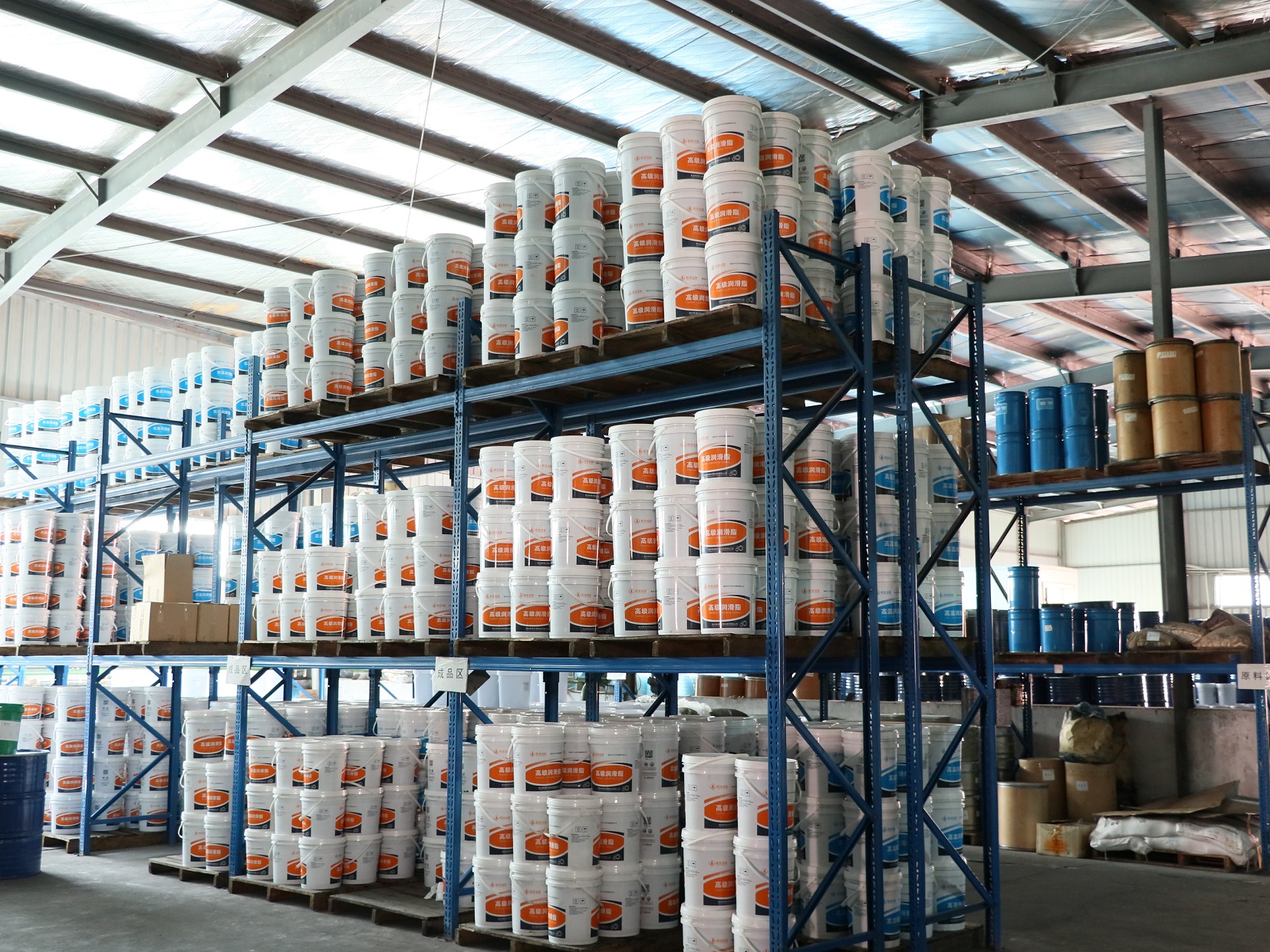
Get the XINGANG company profile for production and product details
Download the PDF to review the manufacturer profile before you request a quotation.
Download Company ProfileConclusion
Buyers evaluating high-temperature grease should start with thickener chemistry rather than cosmetic data-sheet language. Lithium complex grease remains a practical choice for automotive and metallurgy applications up to 180°C. Calcium sulfonate complex grease offers the highest working temperature range in this comparison and a higher PD value. Polyurea grease provides broad industrial coverage with a 200°C rating and a different fatigue profile.
Because real operating conditions include load, contamination, application method, and maintenance intervals, no single grease chemistry is right for every plant. Use the comparison table as a specification filter, then confirm the final choice with the supplier’s product documentation and an application-level test.