High-Temperature Grease Compliance: Quality Management Systems and What Certifications Cover
Quality management system (QMS) certification for high-temperature grease confirms how a grease is produced — not how it performs. A certificate such as ISO 9001 covers an audited process: incoming material inspection, production control, measurement discipline, and record-keeping. It does not, on its own, establish extreme pressure (EP) load capacity, dropping point, or the maximum continuous operating temperature of the finished lubricant. For buyers at the decision stage, compliance work is really two separate jobs: checking the management system behind the product, and checking the performance evidence attached to the product itself.
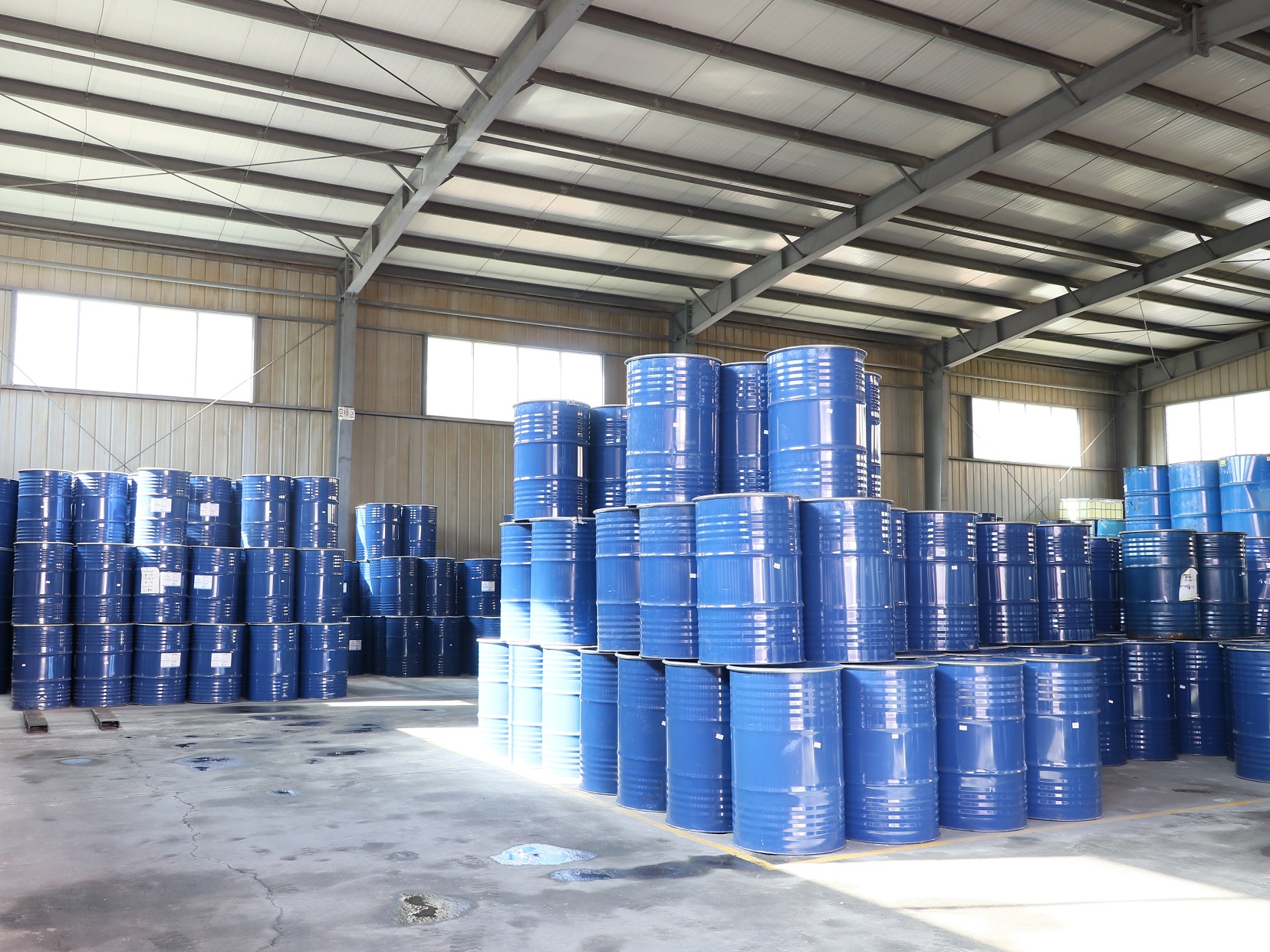
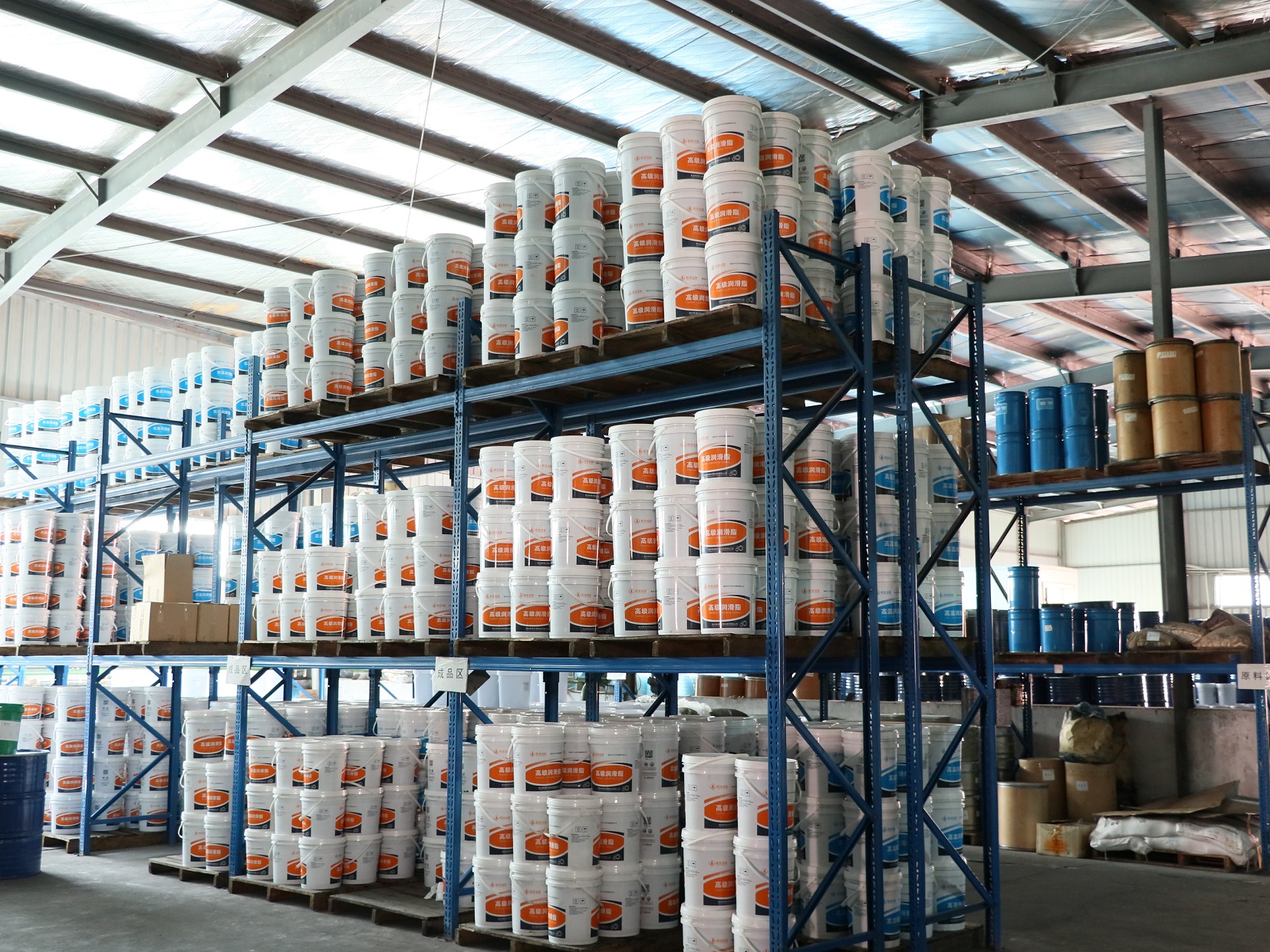
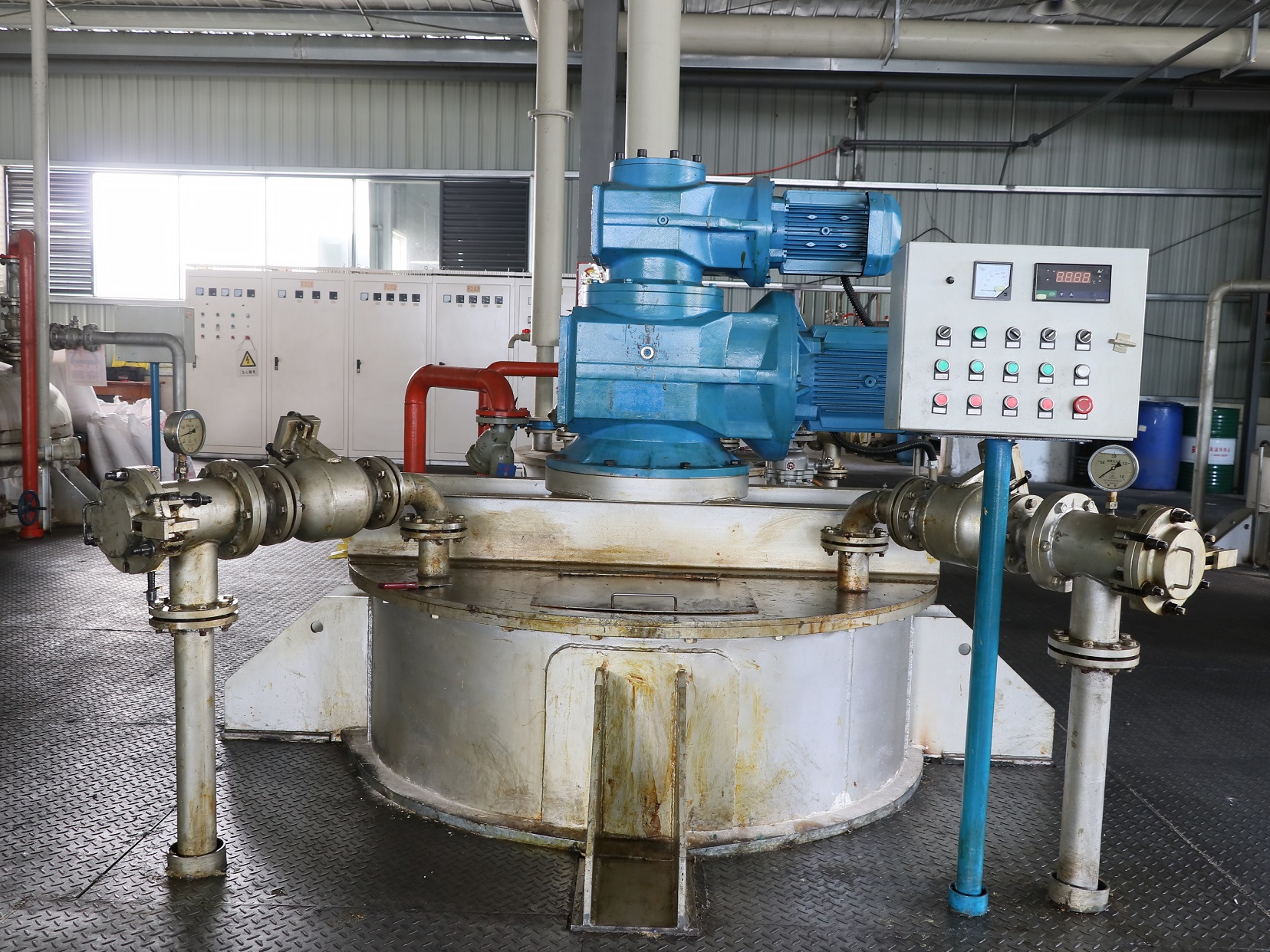
Hangzhou Xingang Lubrication Technology Co., Ltd. (XINGANG) is a national high-tech grease manufacturer established in 1993 and headquartered in Hangzhou, Zhejiang, China, operating a 16,000 m² factory with 60 employees, an annual output of 45,000 tons, and a 15-engineer R&D team. The company produces polyurea grease, lithium grease, lithium complex grease, calcium sulfonate complex grease, high-temperature grease, and automotive grease, together with specialty performance greases and OEM formulations. Exports represent roughly 10% of output and reach markets including Türkiye, South Africa, Russia, Southeast Asia, and Peru.
Its certificate set — and the way those certificates are scoped across product lines — makes a practical case study for the question buyers ask most often at the decision stage: what exactly does a certificate cover, and where does its authority end?
Why "Certified High-Temperature Grease" Is an Ambiguous Term
In high-temperature grease sourcing, the word "certified" is applied to at least three different kinds of document, and they are not interchangeable.
- Management system certification. ISO 9001, ISO 14001, OHSAS 18001, and ISO 10012 certify a site and a process. They describe how a manufacturer controls quality, environment, safety, and measurement.
- Product performance evidence. Standards such as ASTM D3336 — the test method used to evaluate the life of lubricating greases in ball bearings at elevated temperatures up to 204 °C (400 °F) — and classification systems such as DIN 51502 describe how a product behaves.
- Customer or project approvals. Plant-level approvals and end-user qualifications follow their own criteria and are usually granted per application, not per catalogue.
The most common error in high-temperature grease procurement is treating the first category as if it answered the second. A supplier can hold a perfectly valid ISO 9001 certificate and still offer a grease whose thickener chemistry is unsuitable for a 180 °C roller bearing application. The certificate confirms that the factory makes the product consistently. It does not confirm that the product is the right one.
Industry Background: More Supply, More Certificates, More Scope Confusion
Compliance pressure is rising partly because the category is growing and fragmenting. Published market estimates for high-temperature grease diverge widely, largely because "high-temperature grease" is defined differently from source to source: one 2025 estimate places the global market at approximately USD 28.04 billion, projected to reach USD 48.71 billion by 2035, while other research providers report materially smaller figures for narrower specialty-grease definitions. Buyers should treat any single headline number as directional and check the definition behind it.
The demand mix is clearer. Asia Pacific led the high-temperature grease market in 2025 with a 38% global share, driven by automotive manufacturing hubs, and the automotive segment alone captured 42.6% of market share in 2025 — the largest single application category. Any compliance conversation about high-temperature automotive grease therefore sits inside the largest slice of demand.
Thickener chemistry is shifting too, which is where product-line certification scope becomes a practical issue rather than a paperwork detail. Lithium and lithium complex greases remain the most widely used thickener systems, accounting for 38.3% and 18.6% of global production respectively in 2024 — 56.9% combined. Calcium sulfonate grease production grew 7.7% globally in 2024, gaining traction in heavy-duty industrial applications on the strength of water resistance. Lithium prices surged 80% to 120% between 2021 and 2023, pushing manufacturers toward polyurea and calcium sulfonate alternatives for high-temperature applications. Polyurea greases are increasingly specified for electric vehicle wheel bearings and turbine yaw drives because of oxidation resistance across cycles from -40 °C to +180 °C.
Supply-side context matters as well: China's finished lubricant exports rose 10% to 260,000 metric tons in 2024. More export volume means more cross-border documentation, more translated certificates, and more opportunity for scope to be misread — which is precisely why the scope statement on a certificate deserves more attention than the logo on it.
What XINGANG's Certification Set Covers
XINGANG is certified under ISO 9001:2008, ISO 14001:2004, OHSAS 18001:2007, and ISO 10012:2003. Each covers a different management domain, and none of them is a product performance claim.
- ISO 9001:2008 — quality management. Covers the controls that keep production consistent: incoming inspection of raw materials, process control, traceability, and corrective action.
- ISO 14001:2004 — environmental management. Covers environmental responsibility in operations, including how the site manages the environmental aspects of grease and lubricant production.
- OHSAS 18001:2007 — occupational health and safety. Covers worker safety management in the production environment.
- ISO 10012:2003 — measurement management. Covers measurement precision and instrument control. This one is easy to overlook, yet it underpins everything else: test data is only as trustworthy as the instruments that produced it.

Alongside the site-level certificates, XINGANG holds a quality management system certificate for its polyurea grease, referenced under certificate number 07625Q2422R65. That line deserves to be read carefully. It is a product-line scoped QMS certificate: it evidences that the polyurea grease line operates under an audited quality management system. It does not certify extreme pressure performance, dropping point, thermal limits, or any other performance attribute of the finished grease.
A separate certification is documented as applying to Lithium Complex Grease for the global market, which shows the same principle from the other direction: certification statements at XINGANG are attached to defined product scopes and defined geographic markets, rather than issued as one blanket claim across the entire catalogue.
What a QMS Certificate Confirms
A QMS certificate confirms that a manufacturer has defined, documented, and audited processes for controlling what goes into the product and how it is made. For a high-temperature polyurea grease, that means raw material verification, controlled production conditions, and records that can be traced back through a batch. The certificate is a process claim, and it is verifiable.
What a QMS Certificate Does Not Confirm
It does not confirm dropping point, oil separation behaviour, EP or anti-wear performance, water washout resistance, base oil viscosity, or maximum continuous operating temperature. Those are product attributes, evidenced by test methods and classifications rather than by management system audits. A buyer selecting a high-temperature lithium complex grease or a high-temperature calcium sulfonate complex grease for a specific duty point still needs the performance data that belongs to that duty point.
Certification Scope Is Product-Line Specific, Not Catalogue-Wide
The single most useful habit in certification review is to read the scope line before reading anything else. A certificate number is close to meaningless without it. In practice:
- A QMS certificate scoped to polyurea grease — such as 07625Q2422R65 — does not automatically extend to lithium complex, calcium sulfonate complex, or moly grease lines.
- A certification scoped to Lithium Complex Grease for the global market states both the product family and the market to which it applies.
- Site-level certificates such as ISO 9001, ISO 14001, OHSAS 18001, and ISO 10012 apply to the manufacturing operation, which is a different level of claim from a product-line certificate.
When two product lines are compared side by side — for example a high-temperature polyurea grease against a high-temperature lithium complex grease — the certification documents behind each line may legitimately differ in scope, market coverage, and issue history. That is normal. What is not acceptable is assuming that a document attached to one line validates the other.
Step-by-Step: Verifying High-Temperature Grease Compliance Before Ordering
The sequence below works for any high-temperature grease procurement, whether the product in question is a high-temperature bearing grease, a high-temperature gear grease, or a multi-purpose industrial grade.
- Classify the claim before you evaluate it. Decide whether the document in front of you is a management system certificate, a performance test result, or a customer approval. Each answers a different question, and mixing them up is the root of most specification errors.
- Request the certificate number and read the scope statement. Ask for the certificate number, issuing body, product scope, site covered, and validity dates. A certificate image without a scope statement is not a compliance document.
- Match the certificate to the exact product line you are buying. If you are purchasing polyurea grease, the relevant document is the polyurea-scoped QMS certificate. If you are purchasing lithium complex grease, verify the certification that applies to Lithium Complex Grease for the global market. Do not carry documentation across lines.
- Request performance evidence at your duty point. Use recognised references rather than marketing language. ASTM D3336 evaluates grease life in ball bearings at elevated temperatures up to 204 °C. DIN 51502 positions maximum operating temperature by class letter: K (+120 °C), M (+120 °C with water), N (+140 °C), P (+160 °C), R (+180 °C), S (+200 °C), T (+220 °C), and U (above +220 °C). Ask for test conditions as well as results.
- Check how raw material variation is controlled. Raw material quality variation is a recognised risk in grease production, and the standard control method is incoming inspection. XINGANG controls it with a testing lab and QMS certifications such as ISO 9001, provides packaging specifications and transportation and storage precautions, and lists usage and storage notes on product pages.
- Confirm the commercial and documentation envelope. XINGANG's minimum order quantity for these products is 2,000 kg, and the manufacturer offers OEM production services together with package and sticker customization. Agree in advance which certificates, test reports, and technical data sheets ship with the order.
Where Compliance Documentation Changes a Buying Decision
XINGANG products are suitable for use in the metallurgy, chemical, textile, printing and dyeing, automobile, mine, oil field, coast defence, sugar refining, paper making, and plastics industries, while the company's operating focus covers metallurgy, ports, automotive, machinery, textiles, printing and dyeing, paper making, sugar refining, chemicals, and power generation.
- Steel and metallurgy. XINGANG products are used by major steel enterprises including BAOWU Group, Hebei Steel Group, Shandong Steel Group, Ma Steel, Taigang Steel, Liugang Steel, Shaogang Steel, Shagang Steel, and Kungang Steel. In these plants the compliance question is rarely abstract: it is tied to documented process control that supports repeatable supply across long production campaigns.
- Automotive and multi-purpose lubrication. Products are designed for multi-purpose lubrication applications and for use in automotive, metallurgy, and power tools applications. With automotive representing 42.6% of high-temperature grease market share in 2025, documentation discipline here affects high-volume programmes.
- Mining and heavy machinery. Products are designed for use in the mining, machinery, and automotive industries, where impact loads and contaminated environments make performance evidence essential rather than optional.
- Demanding thermal and washout conditions. Documented scenario requirements include high-temperature thermal stability, strong anti-water washout performance, stable extreme pressure anti-impact properties, low carbon residue after high-temperature aging, and no corrosion to metal substrates.
In every one of these cases, certification documents support supplier qualification, while test data supports product selection. Neither replaces the other, and the strongest submissions contain both.
Certification vs. Performance Evidence: A Comparison Table
| Document or standard | Type | What it evaluates | What it does not replace |
|---|---|---|---|
| ISO 9001:2008 | Management system certification | Quality management process control for the manufacturing site | Product performance at a given temperature or load |
| ISO 14001:2004 | Management system certification | Environmental management of the operation | Product performance or quality claims |
| OHSAS 18001:2007 | Management system certification | Occupational health and safety management | Grease specification or approval |
| ISO 10012:2003 | Management system certification | Measurement management and instrument precision | Grease specification or approval |
| 07625Q2422R65 (polyurea grease) | Product-line QMS certificate | Quality management system for the polyurea grease line | EP performance, dropping point, thermal limits |
| Certification for Lithium Complex Grease | Product-line certification | Applies to Lithium Complex Grease for the global market | Other grease families or other geographic markets |
| DIN 51502 | Classification standard | Maximum operating temperature class: K +120 °C, M +120 °C with water, N +140 °C, P +160 °C, R +180 °C, S +200 °C, T +220 °C, U above +220 °C | Manufacturing process quality |
| ASTM D3336 | Test method | Life of lubricating greases in ball bearings at elevated temperatures up to 204 °C | Management system compliance |
The table is a document-type map, not a ranking. Its purpose is to show which question each document can actually answer during supplier evaluation, and which question it cannot.
Frequently Asked Questions
1. Does ISO 9001 certification mean a high-temperature grease will perform at 200 °C?
No. ISO 9001:2008 covers the quality management system of the manufacturing site — incoming inspection, process control, traceability, and corrective action. It does not state a maximum operating temperature, an EP limit, or a dropping point. Temperature positioning comes from classification and test references such as DIN 51502, whose class letters run from K (+120 °C) to U (above +220 °C), and from test methods such as ASTM D3336 for grease life in ball bearings at elevated temperatures up to 204 °C. Ask for both documents before you specify.
2. Why is certification scope different between polyurea grease and lithium complex grease?
Because certificates are issued against a defined scope. XINGANG's polyurea grease is referenced under quality management system certificate number 07625Q2422R65, while a separate certification applies to Lithium Complex Grease for the global market. A document scoped to one grease family does not extend automatically to calcium sulfonate complex, moly, or other lines. Before ordering, request the certificate number, issuing body, covered product list, and validity dates for the exact line you intend to buy.
3. Does XINGANG offer OEM production, and how does that affect compliance responsibilities?
XINGANG provides OEM production services and offers package and sticker customization. The minimum order quantity is 2,000 kg. Under an OEM arrangement, the manufacturer's quality management system continues to govern the production process, while label content and market-specific claims obligations typically sit with the brand owner. Buyers should agree in writing which documents — certificates, test reports, technical data sheets — transfer with the shipment.
4. What drives the cost of a compliant high-temperature grease?
Raw material selection is the main driver. Lithium prices rose 80% to 120% between 2021 and 2023, which pushed manufacturers toward polyurea and calcium sulfonate alternatives for high-temperature applications. Compared with standard MP3 grease, XINGANG's high-temperature product carries a higher raw material cost per unit of grease, but the comparison position is that overall equipment maintenance cost is reduced by 15% to 20% because the grease replenishment cycle is longer, with fewer shutdown maintenance events and lower manual greasing labour. Order volume and customization requirements also influence unit pricing.
5. Can we validate the grease on a sample, and how does that affect scheduling?
Sample and specification validation should come before a commercial commitment, because the minimum order quantity is 2,000 kg and package and sticker customization is applied per order. Production scheduling therefore starts after the specification, artwork, and documentation set are confirmed, so an early sample request protects the delivery timeline rather than delaying it. To start, send your operating temperature, load type, and application details and request a sample together with a quotation.
Conclusion: Certified Process and Verified Performance Are Two Separate Purchases
High-temperature grease compliance is not a single document. ISO 9001:2008, ISO 14001:2004, OHSAS 18001:2007, and ISO 10012:2003 describe how XINGANG controls quality, environment, safety, and measurement. The polyurea grease certificate 07625Q2422R65 describes the quality management system behind one product line, and a separate certification applies to Lithium Complex Grease for the global market. None of these documents states an EP limit, a dropping point, or a maximum operating temperature — that evidence comes from classification and test references such as DIN 51502 and ASTM D3336.
The decision-stage discipline is straightforward: read the scope, match the certificate to the exact product line, and pair every process certificate with performance evidence taken at your duty point. Buyers who follow that sequence avoid the most expensive compliance error in this category — assuming that a well-certified factory automatically supplies a thermally suitable grease.
Next Step: Sample, Quotation, and Certification Documents
Share your operating temperature, load condition, and application, and XINGANG will respond with the relevant product line, its performance documentation, and the certificate scope for the grade you are evaluating.
Contact: Vera Wang — admin@hzxg.com | Tel: +86 135-8871-1880 | WhatsApp: +86 13588711880
Website: www.china-lubes.com
Company profile (PDF): Download the XINGANG company profile