High-Temperature Grease Supplier Audit: Verifying Capability and Securing Delivery Terms
A high-temperature grease supplier audit answers two questions that are usually treated as one: can this supplier actually produce and control the grease chemistry you specified, and can it deliver that specification on the dates you agreed? A passing sample test settles neither question, because a sample proves chemistry and a purchase order proves nothing at all until acceptance criteria are written into it.
High-temperature grease rarely fails loudly in a warehouse. It fails quietly inside a bearing that is already running hot, and the cost is then measured in unplanned downtime rather than in the price of a drum. That asymmetry is why buyers at the research stage should audit supplier capability and delivery terms together, before a purchase order freezes assumptions that are difficult to unwind later.
This guide works through a structured audit of high-temperature grease supply: the four chemistries buyers typically specify, the model designations and temperature limits involved, the evidence that separates a manufacturer from a reseller, the acceptance criteria that belong in the purchase terms, and the application logic for metallurgy and automotive duty.
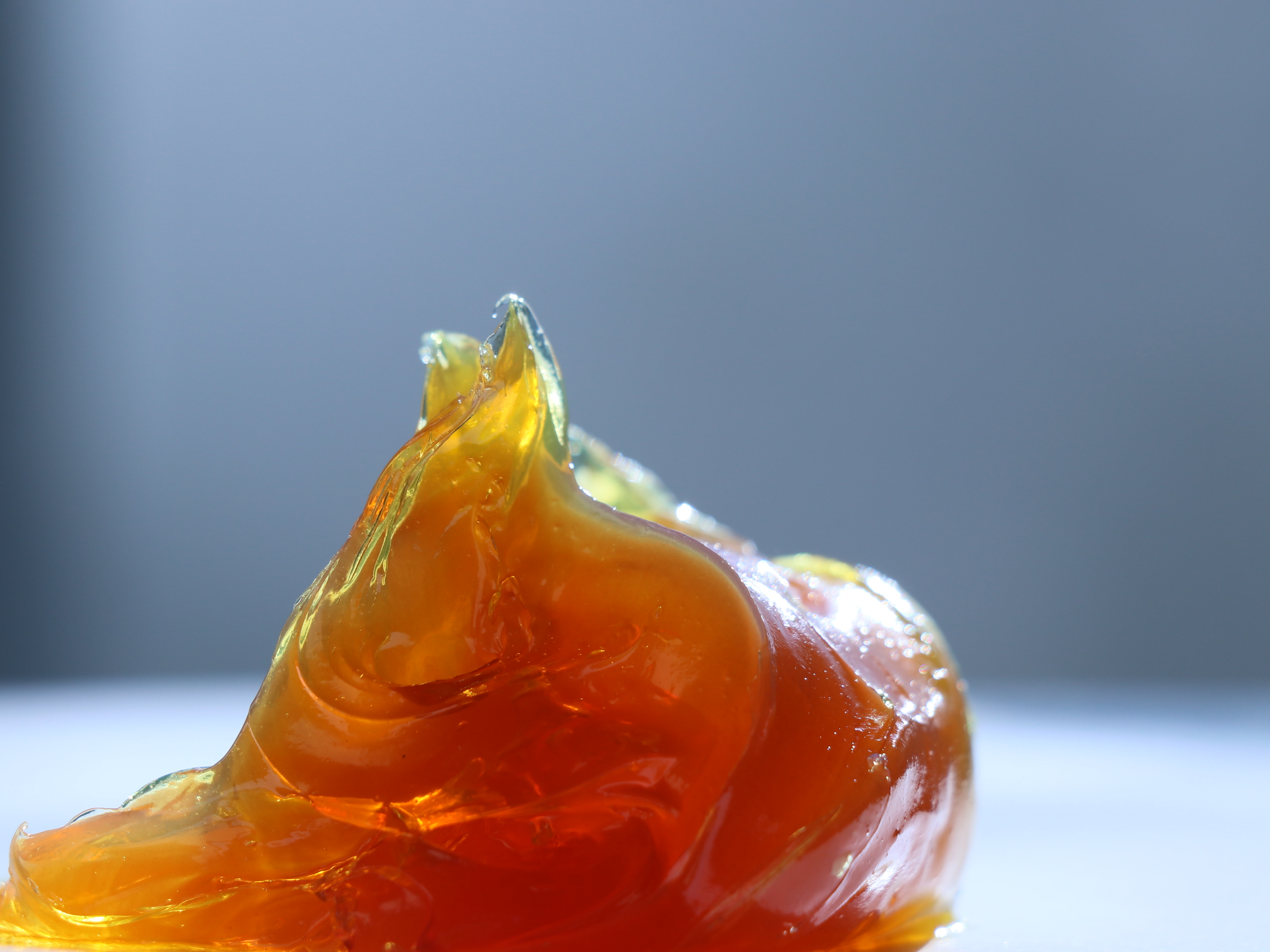
Grease supplied under a documented specification is the baseline for any supplier audit. Image: XINGANG product range.
Problem Definition: The Two Gaps a High-Temperature Grease Supplier Audit Must Close
High-temperature grease is used at lubrication points where the grease is the cheapest component in the assembly and the most expensive one to replace. In the iron and steel sector, these points include bearings in continuous casting, rolling mills, kiln cars, gearboxes, conveyors and vibrating screens. Working conditions typically combine high temperature with heavy load, impact load and humid or water-splash exposure, and greasing is carried out both through centralized lubrication systems and manually. The stated functional requirements are anti-wear and extreme-pressure performance, high-temperature resistance, water resistance, anti-rust protection, extended grease change intervals and reduced downtime.
Against that background, an audit has to close two distinct gaps, and closing only one of them produces a false sense of security.
Gap 1: Capability that cannot be evidenced
The first gap opens when a supplier quotes a grease family but cannot quote at model level. A quotation that says “high-temperature lithium complex grease” is not a specification. A quotation that names a model, a working temperature range, a dropping point and an extreme-pressure value is. When the model designation is missing, the buyer has no way to compare offers, no way to write an acceptance test, and no way to place a repeat order with confidence.
Gap 2: Delivery commitments that were never written down
The second gap opens after the technical discussion is finished. Delivery dates, packaging, batch traceability, tolerances on non-conforming material and the consequences of a late shipment are frequently left out of the purchase terms because both sides assume they are obvious. They are not obvious. A delivery assurance clause is a document, not an intention, and it is the part of the audit that most buyers skip.
Industry Background: Why High-Temperature Grease Supply Is Being Re-Examined in 2026
Several structural pressures are pushing buyers to look harder at who actually manufactures their high-temperature grease and how supply is secured.
Market size estimates differ substantially by source. One market report values the global high-temperature grease market at approximately USD 28.04 billion in 2025 and projects USD 48.71 billion by 2035. Other research houses place the 2024 figure near USD 5.82 billion and USD 26.23 billion respectively. The spread is largely definitional, depending on whether commodity greases are counted alongside specialty grades, so buyers should treat any single headline figure as directional rather than precise.
Regional and application concentration, by contrast, is more consistent. Asia Pacific led the high-temperature grease market in 2025 with a 38% global share, driven by automotive manufacturing hubs. The automotive segment alone accounted for 42.6% of application share in 2025, the largest single application category.
Chemistry is shifting as well. Lithium and lithium complex greases remain the most widely used thickener systems, accounting for 38.3% and 18.6% of global production respectively in 2024. Calcium sulfonate grease production grew by 7.7% globally in 2024, gaining traction in heavy-duty industrial applications where water resistance is decisive. That growth is partly a response to raw-material risk: lithium prices rose between 80% and 120% across 2021 to 2023, pushing manufacturers to adopt polyurea and calcium sulfonate alternatives for high-temperature duty to avoid cost volatility.
Supply geography is also moving. China’s finished lubricant exports rose by 10% to 260,000 metric tons in 2024, reflecting growing reliance on overseas markets. For a buyer in Europe, the Middle East, Africa or Southeast Asia, that means a larger pool of Asian suppliers to screen — and a greater need for a repeatable audit method, because brand recognition travels less reliably than capacity does.
The practical consequence for a supplier audit is straightforward. Buyers need to check thickener chemistry against real duty, verify that the quoted temperature range is supported by recognised methods, and confirm that the factory behind the quotation has both the capacity and the export discipline to repeat the delivery.
Detailed Solution: Verifying Capability Across the Four Grease Chemistries Buyers Specify
A capability audit starts with a chemistry map. Four high-temperature grease chemistries appear most often in industrial enquiries: lithium grease, lithium complex grease, polyurea grease and calcium sulfonate complex grease. Each carries a different working temperature range, dropping point and load capacity, and each maps to a different set of lubrication points. Auditing therefore begins by asking the supplier to quote at model-designation level, not at family level.
Lithium Complex Grease — models XG/HP and XG/HP-R
Lithium complex grease is the reference chemistry for combined heat and load duty in metallurgy and automotive applications.
XG/HP and XG/HP-R are extreme-pressure lithium complex greases built on lithium complex thickener and mineral oil. The stated working temperature range is −20 °C to 180 °C, the dropping point is 300 °C, and the PD value is 315 kgf. The declared selling points are a high dropping point for stable lubrication under high temperature, extreme-pressure anti-wear protection for bearings and gears, wide temperature adaptability, and oxidation resistance supporting a long service life. Declared application industries are automobile and metallurgy.
Calcium Sulfonate Complex Grease — models XG/C4 and XG/C5
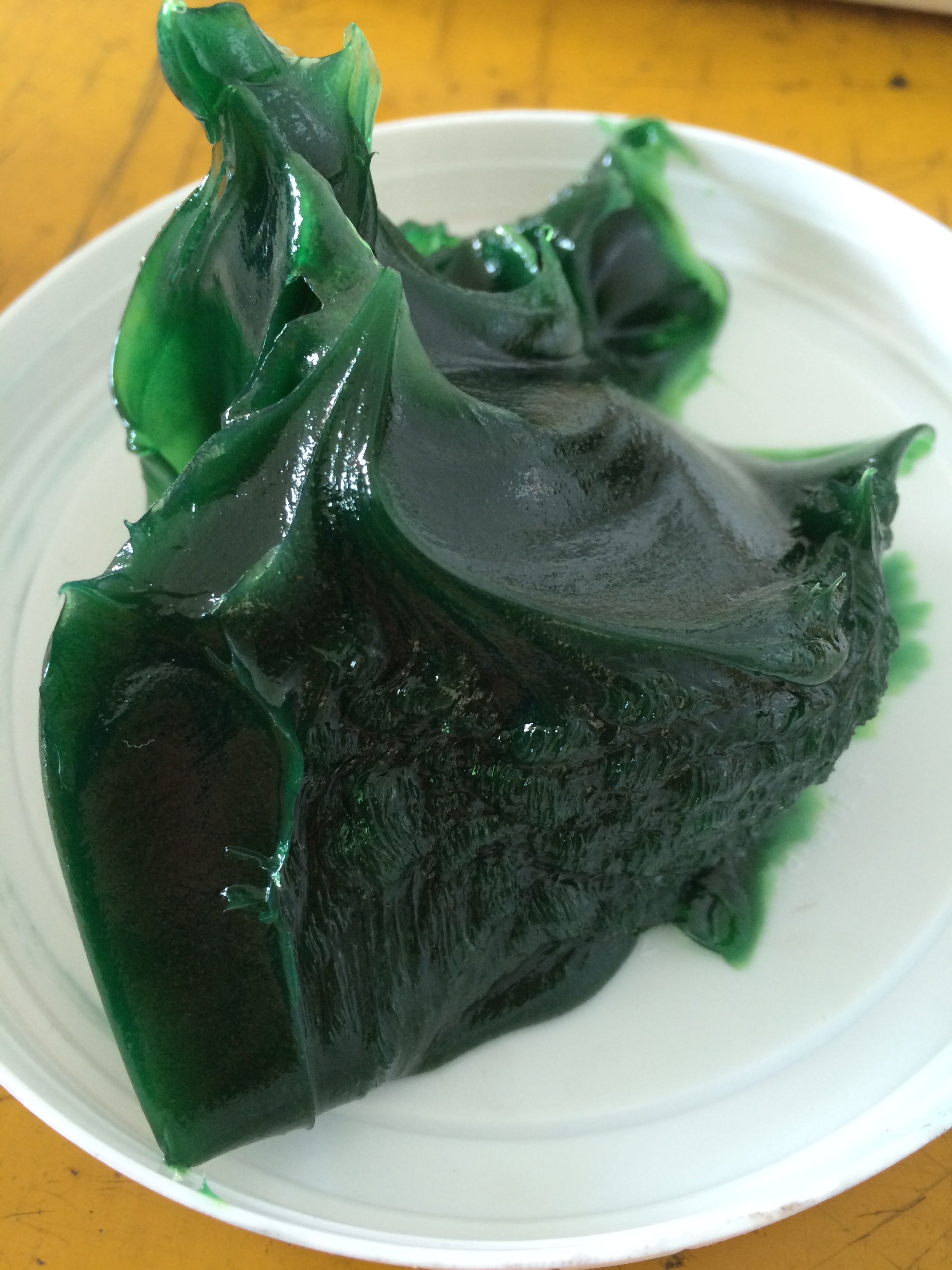
Calcium sulfonate complex grease is specified where water washout and heavy load occur together with heat.
XG/C4 and XG/C5 use calcium sulfonate thickener with 150 BS oil. The stated working temperature range is −20 °C to 250 °C, the dropping point is 330 °C, and the PD value is 500 kgf. Declared selling points include high-temperature oxidation resistance, water resistance and rust protection, extreme-pressure anti-wear performance for heavy-load mechanical parts, and a long service cycle that reduces grease replenishment frequency. Declared application industries are mining, machinery and automotive.
Polyurea Grease — models XG/U1, XG/U2, XG/U5, XG/U6, XG/U10, XG/U17 and XG/U18
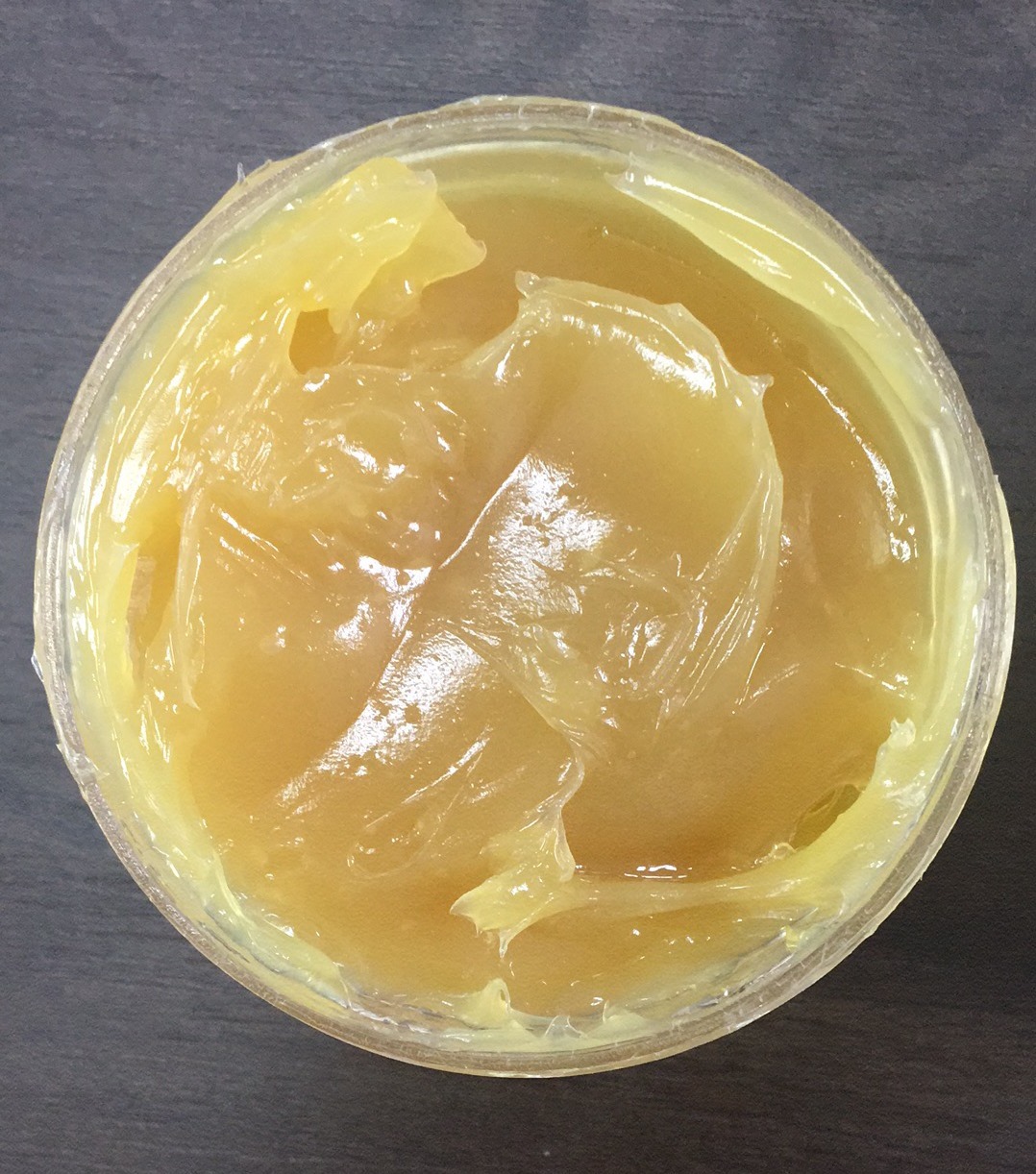
Polyurea grease covers a broad industrial application list and is increasingly specified for electric-vehicle wheel bearings.
The XG/U series is a high-temperature polyurea grease made from polyurea thickener with mineral oil and synthetic oil. The stated working temperature range is −20 °C to 200 °C and the dropping point is 260 °C. Declared application industries span metallurgy, chemical, textile, printing and dyeing, automobile, mine, oil field, coast defence, sugar refining, paper making and plastics. The stated selling point is a high dropping point combined with high-temperature oxidation resistance.
Lithium Grease — models XG/L1 and XG/L2

Lithium grease is the general-purpose baseline against which higher-temperature chemistries are compared.
XG/L1 and XG/L2 are lithium greases based on lithium thickener and mineral oil, with a stated working temperature range of −20 °C to 120 °C and a dropping point of at least 180 °C. They are positioned as multipurpose greases with a wide working temperature range, serving multi-purpose, automotive, metallurgy and power-tool applications.
Checking temperature claims against recognised references
Temperature claims are the easiest part of a high-temperature grease quotation to verify, because recognised references exist. DIN 51502 classifies high-temperature greases by maximum operating temperature using letters: K (+120 °C), M (+120 °C with water), N (+140 °C), P (+160 °C), R (+180 °C), S (+200 °C), T (+220 °C) and U (>+220 °C). The temperature letter is the element of that designation most relevant to a heat audit.
Read against those bands, the four XINGANG chemistries sit in different temperature letters: lithium grease at up to 120 °C aligns with the K band, lithium complex at up to 180 °C with the R band, polyurea at up to 200 °C with the S band, and calcium sulfonate complex at up to 250 °C with the U band. That mapping is a useful cross-check, but it should not replace a requirement: ask the supplier to state the basis of the claim, not just the number.
For high-temperature bearing life specifically, ASTM D3336 is the standard test method used to evaluate the life of lubricating greases in ball bearings at elevated temperatures, up to 400 °F (204 °C). This matters at the audit stage because a grease stated to work at 250 °C sits beyond the common envelope of that particular method. Buyers should ask which method supports the claim above 204 °C rather than assuming the standard ball-bearing life test covers it.
What a capability file should contain before you shortlist
A supplier that manufactures rather than resells can usually provide the following on request, and the absence of these items is itself an audit finding:
- Model-level specification sheets naming the exact designation, working temperature range, dropping point and, where applicable, the PD value.
- Quality management certification with its scope stated. Certification scope matters more than the certificate logo, because a certificate covering some grease chemistries does not automatically cover all of them.
- Production capacity figures that can plausibly absorb your annual volume alongside existing customers.
- Formulation and development resource, which determines whether OEM or special formulations can be supported.
- Application references in the industries where the grease will actually be used.
- Export and logistics track record, including which markets the supplier already ships to and what share of its sales leave the country.
One worked example: how to read a real capability profile
Hangzhou Xingang Lubrication Technology Co., Ltd., which uses the brand name XINGANG, is a Chinese manufacturer of high-performance lubricating greases and industrial lubricants established in 1993 and headquartered in Hangzhou, Zhejiang. It produces greases in lithium, lithium complex, polyurea and calcium sulfonate complex chemistries, alongside high-temperature grease, automotive grease, specialty performance greases and OEM formulations.
Its published capability profile states a manufacturing facility of 16,000 m², approximately 60 employees, an annual production capacity of 45,000 tons, and an R&D team of 15 engineers. The quality management system is certified to IATF 16949:2016 under certification number 2024A3002, covering lithium grease, lithium complex grease, calcium sulfonate complex grease and polyurea grease products; a separate certification number, 7625S1361R6S, is stated for Polyurea Grease. The company also holds ISO 9001:2008, ISO 14001:2004, OHSAS 18001:2007 and ISO 10012:2003 certifications.
Its products serve metallurgy, ports, automotive, machinery, textiles, printing and dyeing, paper making, sugar refining, chemicals and power generation. Export business accounts for 10% of total sales, with markets including Türkiye, South Africa, Russia, Southeast Asia and Peru. Published application references include steel enterprises such as BAOWU Group, Hebei Steel Group, Shandong Steel Group, Ma Steel, Taigang Steel, Liugang Steel, Shaogang Steel, Shagang Steel and Kungang Steel.
Step-by-Step Breakdown: A Seven-Stage Supplier Audit Sequence
The sequence below runs from duty definition to contractual delivery assurance. It is deliberately ordered so that the cheapest checks happen first and the most expensive commitment happens last.
Stage 1 — Define the duty, not the product
Before contacting any supplier, document the lubrication point: bearing type and speed, sustained and peak temperature, load type (steady, impact or shock), water or steam exposure, lubrication method, and the consequence of a failure. A centralized lubrication system, a grease gun, gearbox spray equipment and grease injection or replacement equipment all impose different demands on grease consistency and pumpability. Auditing against a duty profile prevents a supplier from quoting to its own convenience.
Stage 2 — Request model-level quotations
Ask each candidate supplier to quote a specific model designation and to state the working temperature range and dropping point for that model. A supplier quoting XG/HP, XG/HP-R, XG/C4, XG/C5, an XG/U series model or XG/L1/XG/L2 is quoting a defined product. A supplier that responds only with a chemistry name is telling you something about its documentation depth.
Stage 3 — Verify the quality management system and its scope
Request the certificate, read the scope, and confirm which chemistries are inside it. Certification covering lithium and lithium complex grease does not, by itself, establish coverage for polyurea or calcium sulfonate complex grease. Confirm the certificate number, the issuing period and the validity dates, and match the certified scope against the models you intend to buy.
Stage 4 — Confirm real production capability
Capacity statements should be checkable. Facility area, headcount, annual production tonnage and R&D headcount give a rough sanity check on whether your annual volume fits. A supplier with 45,000 tons of annual capacity and 15 engineers in development is a structurally different risk profile from a trader placing one-off orders on your behalf.
Stage 5 — Request application evidence in your own industry
Capability evidence should include where the grease is actually used, not only what it can theoretically do. For high-temperature grease the relevant references sit in metallurgy and heavy industry, in automotive, and in sectors with water or chemical exposure. Ask for the lubrication points involved — continuous casting, rolling mills, kiln cars, gearboxes, conveyors and vibrating screens are the commonly cited ones — and check that they resemble your own.
Stage 6 — Validate with a sample before committing volume
Sampling is the bridge between paper capability and production reality. Request the exact model, in the exact packaging format you intend to buy, and test it against the duty profile from Stage 1. Where the supplier makes a comparative performance claim, ask for the reference point behind it. One example of how precise this should be: XINGANG states a dropping point 180 to 195 °C higher than that of standard MP3 grease for its relevant high-temperature products. A claim expressed that precisely can be checked; a claim expressed as “much better” cannot.
Stage 7 — Fix delivery terms before the first purchase order
This is the stage most buyers skip. See the acceptance criteria section below.
Writing acceptance criteria into the purchase terms
Delivery assurance is created in the purchase documentation, not in the relationship. The following items belong in the terms of purchase for high-temperature grease:
- Model designation and revision. State the exact model, for example XG/HP-R or XG/C5, so that a substitution cannot be argued as equivalent.
- Specification tolerances. Record the working temperature range, dropping point and, where relevant, the PD value, and define the acceptable deviation.
- Acceptance criteria and test evidence. Specify which document accompanies each batch and what triggers rejection.
- Batch traceability. Require a batch identifier that links the drum to production records, so a field issue can be traced to a production window rather than to a shipment.
- Packaging and labelling. Define pack size, closure type and label content, since repackaging at destination introduces contamination risk.
- Delivery schedule and partial shipment rules. Agree the release schedule, the notification period for delays, and whether partial deliveries are acceptable.
- Non-conformance procedure. Define who is notified, within what period, and what remedy applies — replacement, credit or acceptance under deviation.
- Documentation set. Agree which certificates, safety data and analysis documents travel with the goods.
Use Cases: Metallurgy, Steel and Automotive Applications
Capability only matters relative to a duty. The two demand centres that dominate high-temperature grease sourcing are heavy industry — principally iron and steel — and automotive.
Metallurgy and iron and steel plants
In steel and metallurgy, high-temperature grease is applied to bearings in continuous casting, rolling mills, kiln cars, gearboxes, conveyors and vibrating screens, and to other high-temperature, heavy-load lubrication points. The stated working conditions combine high temperature with heavy load and impact load, plus humid or water-splash environments, and greasing happens through centralized lubrication systems as well as manually. The declared functional requirements are anti-wear and extreme-pressure performance, high-temperature resistance, water resistance and anti-rust protection, with the goal of extending grease change intervals and reducing downtime. The stated special requirements are high-temperature thermal stability, strong resistance to water washout, stable extreme-pressure anti-impact behaviour, low carbon residue after high-temperature ageing, and no corrosion of metal substrates.
For that duty, the audit should check three things. First, whether the specified chemistry actually matches the temperature band: lithium complex covers up to 180 °C, polyurea up to 200 °C and calcium sulfonate complex up to 250 °C, so a continuous casting line running persistently above 200 °C is not a lithium complex application regardless of price. Second, whether the grease tolerates water splash, which is where calcium sulfonate complex becomes the more defensible choice. Third, whether the grease is compatible with the lubrication method in use, including centralized systems and grease injection or replacement equipment.
This application scenario is common in China, Russia, Turkey, Cameroon and South Africa, which means buyers in those markets have a reasonably deep pool of suppliers to audit — and a corresponding need to differentiate them by evidence rather than by price alone.
Automotive and electric-vehicle bearings
Automotive was the largest single application category for high-temperature grease in 2025, at 42.6% of application share. The relevant duty here is different from steel mill duty: bearings cycle through a wider temperature band, loads are lighter but highly repetitive, and oxidation resistance over many cycles matters more than extreme-pressure capability.
Polyurea greases are increasingly specified for electric-vehicle wheel bearings and turbine yaw drives because of oxidation resistance across cycles from −40 °C to +180 °C, according to published market trend analysis. That trend is directly relevant to supplier auditing, because it means a supplier offering polyurea at model level is offering something the automotive sector is actively buying, while a supplier offering only a generic lithium product is not.
Within the XINGANG range, the declared automotive-relevant options are XG/HP and XG/HP-R for automotive and metallurgy duty with extreme-pressure performance, the XG/U polyurea series, and XG/L1 and XG/L2 as multipurpose lithium greases covering automotive and power-tool points. During an audit, match the model to the bearing position rather than choosing one grease for the whole vehicle programme.
Comparison Table: Four High-Temperature Grease Chemistries Side by Side
The table below uses published XINGANG product data. It is intended as an audit worksheet: ask each candidate supplier to complete the same columns, then compare like with like.
| Chemistry | Model designations | Thickener / base oil | Working temperature | Dropping point | PD value | Declared industries |
|---|---|---|---|---|---|---|
| Lithium grease | XG/L1, XG/L2 | Lithium, mineral oil | −20 °C to 120 °C | ≥180 °C | Not stated in the source data | Multipurpose, automotive, metallurgy, power tools |
| Lithium complex grease | XG/HP, XG/HP-R | Lithium complex, mineral oil | −20 °C to 180 °C | 300 °C | 315 kgf | Automobile, metallurgy |
| Polyurea grease | XG/U1, XG/U2, XG/U5, XG/U6, XG/U10, XG/U17, XG/U18 | Polyurea, mineral oil, synthetic oil | −20 °C to 200 °C | 260 °C | Not stated in the source data | Metallurgy, chemical, textile, printing and dyeing, automobile, mine, oil field, coast defence, sugar refining, paper making, plastics |
| Calcium sulfonate complex grease | XG/C4, XG/C5 | Calcium sulfonate, 150 BS oil | −20 °C to 250 °C | 330 °C | 500 kgf | Mining, machinery, automotive |
PD value refers to the extreme-pressure weld load figure reported in the supplier’s product data. Always re-confirm quoted values against the analysis documentation for the specific batch ordered, and treat “not stated” as an open question to put to the supplier rather than as a negative finding.
FAQ
What certifications should qualified high-temperature grease manufacturers be able to show?
The certificate itself matters less than its scope. A supplier should be able to show a quality management certification and state precisely which grease chemistries it covers, because coverage for one chemistry does not automatically establish coverage for another. XINGANG’s quality management system is certified to IATF 16949:2016 under certification number 2024A3002, and that scope explicitly covers lithium grease, lithium complex grease, calcium sulfonate complex grease and polyurea grease products; a separate certification number, 7625S1361R6S, is stated for Polyurea Grease. The company also holds ISO 9001:2008, ISO 14001:2004, OHSAS 18001:2007 and ISO 10012:2003 certifications. Ask every candidate supplier for the same scope statement in writing.
How do I verify that a supplier actually produces the temperature limits it quotes?
Ask for a model-level specification, not a family description. A verifiable quotation states the model designation, the working temperature range and the dropping point. XINGANG publishes these figures for its own range: XG/HP and XG/HP-R at −20 °C to 180 °C with a 300 °C dropping point and 315 kgf PD value; XG/C4 and XG/C5 at −20 °C to 250 °C with a 330 °C dropping point and 500 kgf PD value; the XG/U polyurea series at −20 °C to 200 °C with a 260 °C dropping point; and XG/L1 and XG/L2 at −20 °C to 120 °C with a dropping point of at least 180 °C. Cross-check the claim against DIN 51502 temperature bands, which run from K (+120 °C) through R (+180 °C), S (+200 °C) and U (>+220 °C).
Why do quotations from high-temperature grease manufacturers vary so much?
Three structural factors drive the spread. The first is thickener chemistry: calcium sulfonate complex grease and polyurea grease are different production systems from lithium and lithium complex grease, and they use different raw materials and base oils. The second is raw-material volatility, which has been significant in this category — lithium prices rose between 80% and 120% across 2021 to 2023, prompting manufacturers to adopt polyurea and calcium sulfonate alternatives for high-temperature applications in order to avoid cost swings. The third is specification depth: a quotation naming a model with a stated dropping point and PD value is not comparable to a quotation naming only a chemistry family. Normalise every offer to the same specification columns before comparing numbers, and treat a very low offer with no model designation as an unfinished quotation rather than a bargain.
Can I validate high-temperature grease before placing a full order?
Yes, and sampling should be treated as a required audit stage rather than a courtesy. Request the exact model in the exact packaging format you intend to purchase, then test it against the duty profile you documented — sustained and peak temperature, load type, water exposure and lubrication method. Where a supplier makes a comparative performance claim, ask for the reference point: XINGANG, for example, states a dropping point 180 to 195 °C higher than that of standard MP3 grease for its relevant high-temperature products, which is a claim specific enough to check. Confirm as well that the sample carries the same batch documentation you will require on production orders.
How do I secure delivery commitments in the purchase terms?
Write them into the terms of purchase rather than relying on correspondence. Four clauses carry most of the weight: the exact model designation with revision, so substitution cannot be argued as equivalent; the specification tolerances including working temperature, dropping point and PD value where applicable; the acceptance criteria and the documentation that must accompany each batch; and batch traceability linking each drum to a production record. Add packaging and labelling specifications, the delivery schedule with a delay notification period, and a non-conformance procedure defining remedy and response time. To discuss sample requests, model-level quotations or delivery terms for the XINGANG high-temperature grease range — lithium complex XG/HP and XG/HP-R, calcium sulfonate complex XG/C4 and XG/C5, the XG/U polyurea series, or lithium XG/L1 and XG/L2 — contact admin@hzxg.com or +86 135-8871-1880.
Conclusion
Auditing a high-temperature grease supplier is two audits performed in one pass. The capability audit asks whether the supplier can produce and evidence the chemistry you need, at model level, with recognised temperature references behind the claims. The delivery audit asks whether the same supplier has committed, in writing, to a specification it can repeat on schedule.
Run the sequence in order: define the duty, request model-level quotations, verify certificate scope against the chemistries you are buying, confirm production capacity and development resource, check application evidence in your own industry, validate with a sample, and only then fix the acceptance criteria in the purchase terms. That order keeps expensive commitments behind cheap verification.
For metallurgy and steel duty, the decision usually turns on sustained temperature and water exposure; for automotive and electric-vehicle duty, it turns on oxidation resistance across cycles and consistent delivery into a programme schedule. In both cases the audit evidence is the same shape — model designation, temperature range, dropping point, load capacity, certification scope, capacity and delivery terms — and the supplier that can produce all seven without hesitation is the one worth shortlisting.
Next step: sample, quotation and capability pack
You can request a high-temperature grease sample, a model-level quotation or the full capability documentation from Hangzhou Xingang Lubrication Technology Co., Ltd. (XINGANG) directly. Products are supplied in lithium, lithium complex, polyurea and calcium sulfonate complex chemistries, with OEM formulation support available.
Email: admin@hzxg.com | Tel / WhatsApp: +86 135-8871-1880
Website: www.china-lubes.com
Company profile download: Xingang Company Profile (PDF)
Address: 339 Yejia Rd., Xin'anjiang St., Jiande, Hangzhou, Zhejiang, 311600, China.
Have Questions or Need More Details?
Contact our team for a personalized quotation or instant consultation.
Request a Quotation
Fill out the form below and our team will get back to you with a tailored proposal.
WhatsApp Direct Chat
Prefer to chat in real-time? Message us on WhatsApp for instant assistance & quick answers.
- Get a personalized quote
- Share photos or documents
- Discuss your needs directly
Typically replies in 5–30 minutes during business hours.