High-Temperature Grease Supply Partnerships: What Distributors and Buyers Should Lock Down Before Scaling
High-Temperature Grease Supply Partnerships: A Verification Guide for Distributors & Industrial Buyers
Published August 31, 2026 | By the XINGANG Technical & Export Team
Scaling a distribution business or an OEM supply program around high-temperature grease is not just about finding a supplier that can ship drums on time. It is about verifying that the supplier can consistently hold thickener chemistry, thermal performance, contamination control, and documentation standards across repeat orders. For buyers moving from evaluation to execution, the question shifts from “Which grease is best?” to “Which supplier is structurally capable of supporting my long-term program?”
This guide focuses on the supplier-level checks that matter at the Decision and Execution stage: production capacity, grade coverage, technical verification, quality systems, commercial terms, and what must be locked down before placing a repeat order.
Why Long-Term High-Temperature Grease Programs Fail at the Execution Stage
High-temperature grease is not a commodity. The cost of a wrong formulation or an inconsistent batch is not a small price adjustment—it is downtime, bearing damage, unplanned maintenance, and lost production. When a distributor standardizes a grease line under their own brand or an OEM approves a grease for a machine series, they inherit the supplier’s consistency and traceability.
The most common execution failures are:
- Range mismatch: The supplier has one good high-temp SKU but cannot cover the full application range you sell into.
- Capacity mismatch: The supplier’s production line is already committed to other buyers, so your growth gets capped.
- Documentation mismatch: You need pre-shipment test reports and QC data, but the supplier only provides a COA at best.
- Specification drift: A later batch arrives with a different dropping point or consistency because the supplier changed a raw material without controlled communication.
These risks are manageable, but they require the buyer to check the supplier’s operating structure, not just the grease’s technical data sheet.
What a High-Temperature Grease Buyer Should Verify in a Supplier
At the execution stage, verification should be organized around five areas: manufacturing capability, product ranges and specifications, quality control, commercial terms, and technical support depth.
1. Manufacturing Capability and Capacity
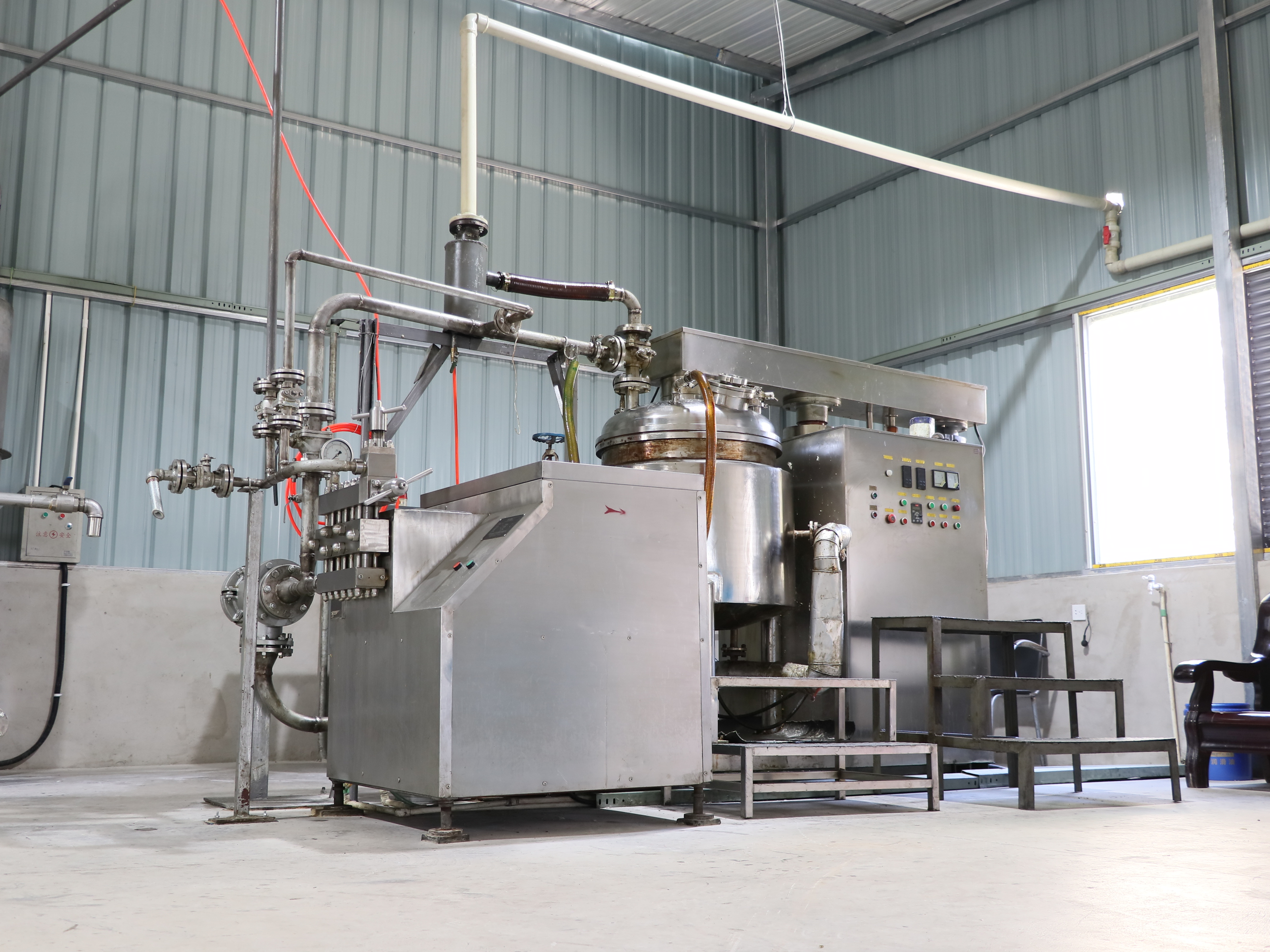
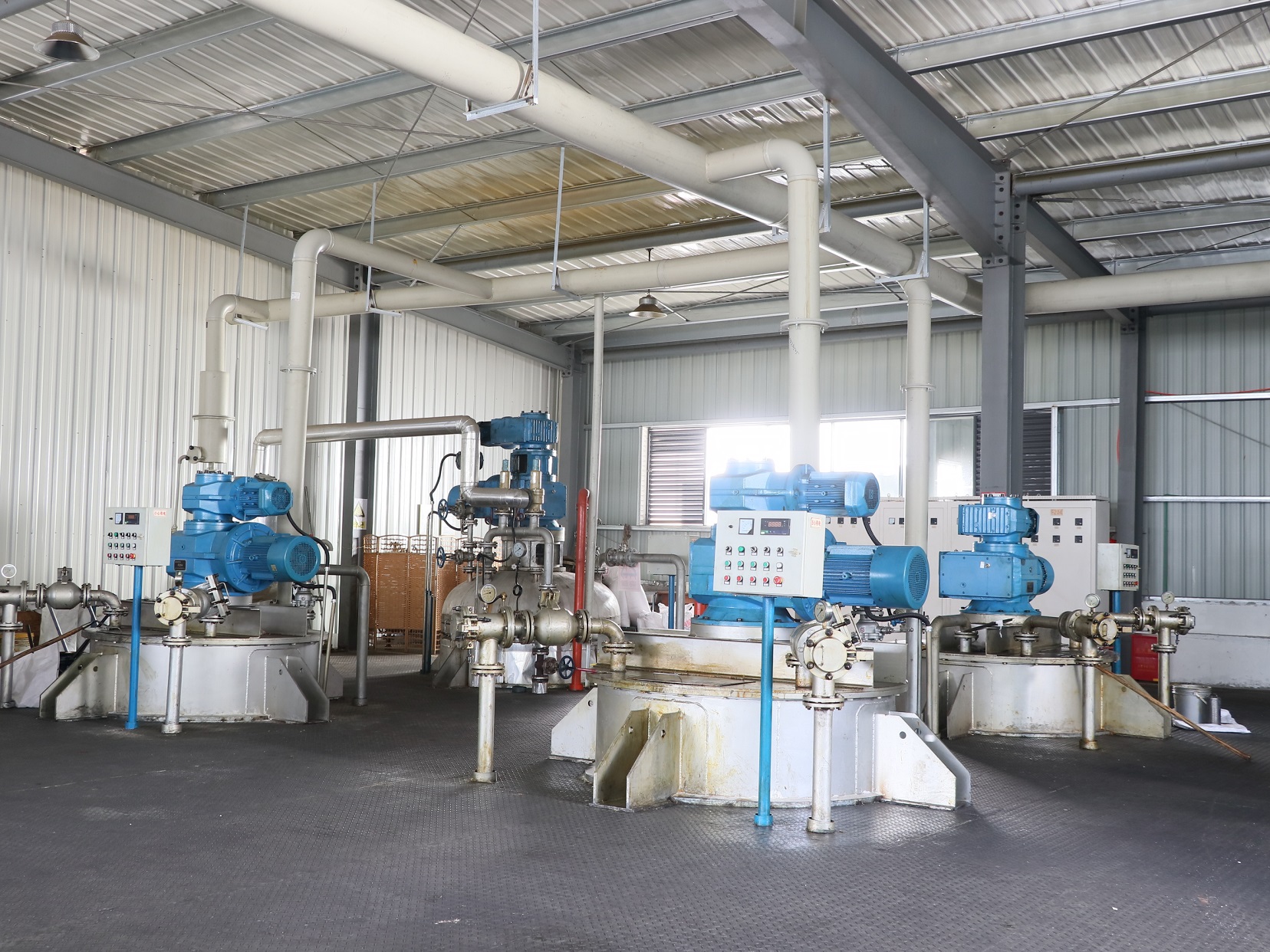
A supplier’s production capacity determines whether they can absorb your future volume. Monthly production capacity is a useful starting point. For example, Hangzhou Xingang Lubrication Technology Co., Ltd. reports a monthly production capacity of 3,000 tons, with an annual output of 45,000 tons across its facilities.
But capacity alone is not enough. You should also inspect:
- Factory size and whether the production lines are dedicated to grease or shared with other lubricant types.
- Whether the company has its own R&D team. XINGANG employs 15 engineers, which supports formulation stability and custom high-temperature grease development.
- Warehouse and logistics capacity, especially if you are sourcing for export markets.
XINGANG is located in Hangzhou, Zhejiang, with a factory area of 16,000 m². The company was established in 1993 and operates as a national high-tech enterprise in China, so it has both domestic industrial roots and export experience.
2. Product Range Coverage
Distributors rarely succeed with a single grease grade. A credible high-temperature grease supplier should cover multiple thickener systems so you can offer the right product for different machine types, operating temperatures, and load conditions.
The XINGANG high-temperature grease portfolio includes four major thickener families:
| Grease Type | Models | Working Temperature | Dropping Point | PD Value (Weld Load) | Typical Applications |
|---|---|---|---|---|---|
| Multipurpose Lithium Grease | XG/L1, XG/L2 | -20 to 120°C | ≥180°C | Not specified | Automotive, metallurgy, power tools, general multi-purpose |
| High-Temperature Lithium Complex Grease | XG/HP, XG/HP-R | -20 to 180°C | 300°C | 315 kgf | Automobile, metallurgy, iron & steel plant lubrication systems |
| High-Temperature Polyurea Grease | XG/U1, XG/U2, XG/U5, XG/U6, XG/U10, XG/U17, XG/U18 | -20 to 200°C | 260°C | Not specified | Metallurgy, chemical, textile, printing & dyeing, automobile, mining, oil field, sugar refining, paper making, plastic |
| High-Temperature Calcium Sulfonate Complex Grease | XG/C4, XG/C5 | -20 to 250°C | 330°C | 500 kgf | Mining, machinery, automotive, high-temp heavy load & water-splash conditions |
This spread matters for a partnership decision. One supplier can support your product line expansion from a standard lithium grease to a high-temperature polyurea grease and then to a calcium sulfonate complex grease without requiring you to qualify multiple factories.
3. Quality Control and Certification
Quality certifications are most meaningful when they are tied to actual processes and testing capability. XINGANG holds ISO 9001:2008, ISO 14001:2004, OHSAS 18001:2007, and ISO 10012:2003 certifications. These cover quality management, environmental responsibility, occupational safety, and measurement precision.
The risk-control process at XINGANG includes incoming inspection of raw materials, an equipped testing laboratory, and quality management system certification. For buyers, this means the supplier has a documented approach to catching raw material quality variation before it reaches the production line.
For high-temperature grease, pre-shipment testing is also available, and the company accepts pre-shipment inspection as part of the acceptance process. This is critical in distributed supply chains where the buyer may not see the product until it arrives at port.
4. Commercial Terms and Order Conditions
At the execution stage, commercial terms become part of the technical decision. You need to know not just what the grease contains, but how it will be quoted, packed, shipped, and paid for.
For XINGANG, the standard commercial parameters are:
- MOQ: 200 kg per grade
- Delivery method: FOB or CIF
- Acceptance: Pre-shipment test
- Payment: T/T
Typical lead time is 10 to 20 days, which is a practical data point for planning initial and repeat orders. You should always confirm lead time against current production load, but a published range signals that the supplier has a structured production schedule.
5. Application and Technical Support
Long-term partnerships depend on whether the supplier can help you solve site-level problems, not just deliver grease. XINGANG’s technical team of 15 engineers supports formulation, selection, and troubleshooting. Their products serve industries including metallurgy, ports, automotive, machinery, textiles, printing and dyeing, paper making, sugar refining, chemicals, and power generation.
This kind of application breadth matters for a distributor: a supplier who only knows one industry is less useful when your customers span different sectors.
Step-by-Step: Qualifying a High-Temperature Grease Supplier
- Shortlist suppliers by thickener coverage. Confirm they can offer lithium, lithium complex, polyurea, and calcium sulfonate complex grease where needed. This is your future catalog flexibility.
- Request a product matrix with full specifications. Demand working temperature range, dropping point, and PD value for each grade. If these are missing, the supplier is not yet ready for export-grade packaging and documentation.
- Audit manufacturing evidence. Ask for factory photos, production line descriptions, warehouse information, and, if possible, a video walkthrough. XINGANG can provide production line and warehouse documentation covering grease manufacturing, storage, and dispatch.
- Check quality system documentation. Look for ISO management system certifications and a description of raw material inspection. A supplier with a testing lab has a clear advantage over one that simply repackages bought-in grease.
- Confirm MOQ, payment, lead time, and pre-shipment inspection. These commercial terms define whether initial ordering is feasible and whether repeat orders can scale.
- Request samples or pre-production batches. Test the grease in your own application or against your own acceptance criteria before committing to container volumes.
- Plan a quarterly or semi-annual review. Re-check batch test reports, consistency of specs, and whether the supplier is informing you of raw material or formulation changes.
Use Cases: Who Wins with a Strategy-First Grease Supplier
Use Case 1: Distributor Building a Private-Label High-Temperature Grease Line
A distributor entering the high-temp grease market often starts with lithium complex grease for steel mills and calcium sulfonate complex grease for mining and off-road equipment. From XINGANG, the distributor can take XG/HP for metallurgy and iron/steel plant lubrication systems, and XG/C4 for high-temperature, heavy-load, water-splash conditions. Having both grades from one factory simplifies QC, packaging customization, labeling, and documentation.
Use Case 2: OEM Program for Industrial Machinery
An OEM that assembles heavy machinery needs a high-temperature bearing grease that can handle both high ambient heat and high mechanical loads. XINGANG’s lithium complex grease XG/HP offers a working temperature range of -20 to 180°C and a dropping point of 300°C. The extreme pressure anti-wear performance of the calcium sulfonate complex grease range—with a PD value of 500 kgf—covers equipment where shock loading and water washout are concerns.
Use Case 3: Steel Mill Maintenance Contractor
A maintenance contractor managing continuous production equipment needs grease that extends regreasing intervals and reduces shutdown frequency. XINGANG’s high-temperature calcium sulfonate complex grease (XG/C4, XG/C5) is designed for high-temperature, heavy-load, and impact-load conditions, and is a more suitable option than standard alternatives for iron & steel, metallurgy, and mining equipment.
Comparing High-Temperature Grease Thickener Systems: What It Means for Your Partnership
When you build an ongoing supply agreement, you are not just selecting one thickener—you are deciding which chemistry families will anchor your product line. The table below summarizes the performance positioning of the main families offered by XINGANG.
| Thickener Family | Max Dropping Point | Max Working Temperature | Best-fit Conditions | Typical Channel Fit |
|---|---|---|---|---|
| Lithium grease | ≥180°C | 120°C | Multi-purpose, automotive, general industrial | Volume SKU for broad distribution |
| Lithium complex grease | 300°C | 180°C | Metallurgy, iron/steel plants, automotive | Mid-to-high performance industrial line |
| Polyurea grease | 260°C | 200°C | Metallurgy, chemical, textile, automotive, mining | Long-life / oxidation-resistant applications |
| Calcium sulfonate complex grease | 330°C | 250°C | Heavy load, impact load, water splash, high temp | Heavy-duty industrial & mining distribution |
For a distributor, the lithium complex and calcium sulfonate complex grades are often the strategic anchors for a high-temperature grease line, while polyurea grease adds an important option for customers whose priority is oxidation resistance at sustained high temperatures. Lithium grease remains the entry-level volume product.
Market Context: Why Supplier Selection Is More Important in 2026
Demand for high-temperature grease continues to grow. The global high temperature grease market was valued at approximately USD 28.04 billion in 2025 and is projected to reach USD 48.71 billion by 2035, according to market research data aggregated through Vertex AI Search. Asia Pacific led the market in 2025 with a 38% global share, driven by automotive manufacturing hubs.
Three trends make supplier verification more urgent: First, lithium and lithium complex greases remain the most widely used thickener families, accounting for 38.3% and 18.6% of global production respectively in 2024. Second, calcium sulfonate complex grease production grew by 7.7% globally in 2024, as buyers in heavy industries adopt it for water resistance and extreme-pressure performance. Third, lithium prices surged 80% to 120% between 2021 and 2023, which pushed manufacturers and buyers to evaluate polyurea and calcium sulfonate alternatives to reduce exposure to price volatility.
For a buyer, these trends mean three things:
- Lithium-based greases are the safe, established volume line, but they are not the only answer for high-temperature operations.
- Calcium sulfonate complex greases are gaining momentum in heavy-duty applications.
- Your supplier should not be locked into only one chemistry, because market conditions will keep shifting.
Additionally, China’s finished lubricant exports rose by 10% to 260,000 metric tons in 2024, reflecting the growing role of Chinese manufacturers in global supply chains. Export buyers should therefore pay attention to documentation consistency, packaging suitability, and pre-shipment testing.
Cost and Maintenance Implications of High-Temperature Grease Choices
Price per kilogram is the wrong way to evaluate a high-temperature grease partnership. The more relevant comparison is total equipment maintenance cost. Compared with standard MP3 grease, XINGANG high-temperature grease grades deliver a higher dropping point, high-temp stability, low oil separation and non-coking behavior, strong adhesion, and better EP/anti-wear performance. The performance gap is substantial: dropping point is higher by 180 to 195°C depending on the grade comparison. The raw material cost per unit is higher, but overall equipment maintenance comprehensive cost can be reduced by 15%~20% because the grease replenishment cycle is longer.
Operationally, this translates to a longer grease replacement cycle, fewer shutdown maintenance events, lower labor consumption for manual greasing, and reduced component wear failure rate. For a buyer evaluating a supplier, these are not just marketing claims—they should ask for the same level of specification discipline that makes such comparisons credible.
FAQ: High-Temperature Grease Distribution and Supply Partnership
1. Does XINGANG provide the compliance and quality documentation needed for export?
Yes. Hangzhou Xingang Lubrication Technology Co., Ltd. operates under ISO 9001:2008, ISO 14001:2004, OHSAS 18001:2007, and ISO 10012:2003 certifications. The company performs incoming inspection of raw materials, operates an equipped testing laboratory, and can provide pre-shipment testing as part of the acceptance process. For high-temperature grease products, buyers can receive documented specifications covering working temperature range, dropping point, and PD values.
2. What is the minimum order quantity and lead time for high-temperature grease?
The minimum order quantity is 200 kg per grade. The typical lead time is 10 to 20 days. Delivery is available under FOB or CIF terms, with T/T payment and pre-shipment testing as the standard acceptance method. These conditions can be rebuilt around your distribution plan, but the published operating standards give a reliable starting point.
3. Can XINGANG supply samples for validation before bulk ordering?
Yes. Buyers at the Decision or Execution stage can request samples of the applicable high-temperature grease grade, such as lithium complex grease XG/HP for metallurgy and iron/steel plant lubrication systems, or calcium sulfonate complex grease XG/C4 for high-temperature, heavy-load, and water-splash conditions. Sample validation should test the product against your own equipment conditions, consistency expectations, and packaging requirements before a container order is released.
4. Which high-temperature grease should a distributor start with?
For distributors building a high-temperature grease catalog, the best starting point is usually lithium complex grease (such as XG/HP) for iron & steel and metallurgy customers, plus a calcium sulfonate complex grease (such as XG/C4) for heavy-load, impact-load, and water-splash applications. Polyurea grease is a strong addition if your customers run processes requiring sustained high-temperature oxidation resistance. A supplier that produces all three families can simplify qualification, packaging, and documentation workflows.
5. How can I start a high-temperature grease supply partnership with XINGANG?
The first step is to confirm your target grades and technical requirements, then request a commercial quotation. Contact Vera Wang by email at admin@hzxg.com or by WhatsApp at +86 135-8871-1880 to discuss MOQ, delivery terms, sample validation, and pre-shipment testing. You can also download the XINGANG company profile to review the production system before the first call.
Conclusion: Choose a Supplier, Not Just a Grease Grade
At the Decision and Execution stage, the best high-temperature grease is the one backed by a supplier that can consistently deliver across chemistry families, quality systems, and commercial terms. For buyers building a durable supply line, the important verification points are production capacity, grade coverage, specification discipline, certification scope, and order flexibility.
Hangzhou Xingang Lubrication Technology Co., Ltd. brings more than 30 years of manufacturing experience, a 3,000-ton monthly capacity, in-house engineering, a multi-family high-temperature grease portfolio, and export-ready commercial terms. The market is expanding, and supplier choices made now will determine whether your program grows on stable technical ground or drags under the weight of inconsistent batches.
If you are ready to move from evaluation to execution, start with the product grades you intend to sell, request samples, and verify the quality and packaging details against your own acceptance criteria. A partnership built on precise specifications is much easier to scale than one built only on price.
Ready to build or expand your high-temperature grease line?
Contact Vera Wang to request a quote, discuss private-label or OEM options, or arrange a sample test.
Email: admin@hzxg.com | WhatsApp: +86 135-8871-1880