What 'High-Temperature' Means in Grease: Thickener & Base Oil Basics
What 'High-Temperature' Means in Grease: Thickener & Base Oil Basics
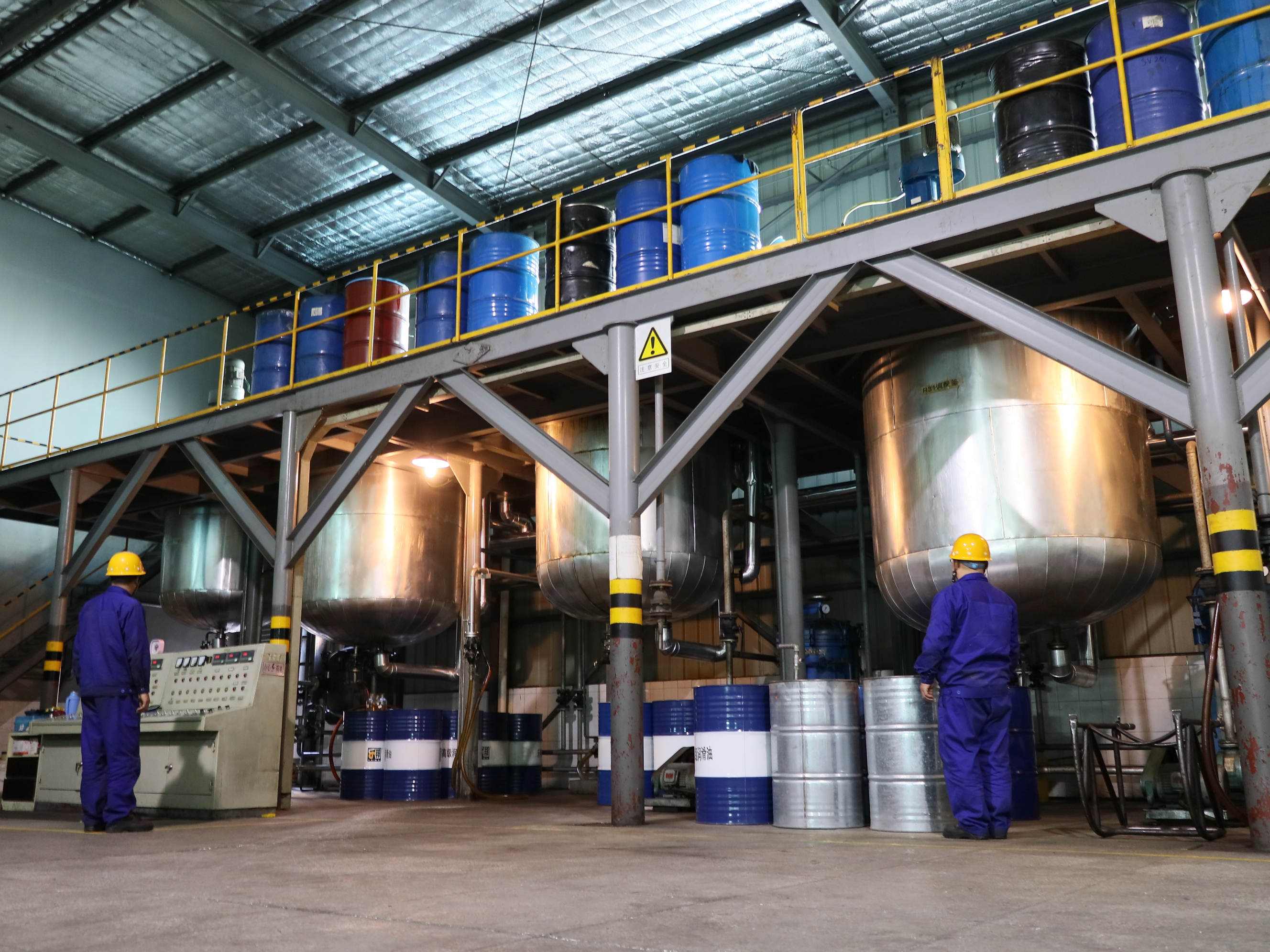
High-temperature grease is one of the most widely used and least precise terms in industrial lubrication. It names a category, not a specification, and two greases carrying the same label can behave very differently in the same bearing. The difference almost always comes down to the same two variables: the thickener that builds the grease structure, and the base oil that carries the lubricating film.
The practical definition is therefore a combination rather than a single number. A grease can reasonably be described as high-temperature when its thickener structure and its base oil are both able to survive continuous elevated-temperature operation, and when those limits are documented as a working temperature range plus a dropping point. The dropping point is the temperature at which the grease becomes fluid enough to drip under test conditions. It marks the point at which the thickener structure breaks down, and it is deliberately set higher than the working range.
This article separates the three layers behind the phrase - thickener chemistry, base oil type, and measured limits - using verified examples from lithium, lithium complex, calcium sulfonate complex, and polyurea greases. The scope is conceptual rather than product-specific: the aim is to show why the words 'high temperature' change meaning when the chemistry underneath them changes.
Why 'High-Temperature' Is a Category Label, Not a Number
Three different things get called high-temperature in grease conversations, and conflating them is the source of most specification mistakes:
- The category label printed on a product page or a packaging drum.
- The working temperature range, usually written as a band such as -20 to 180°C.
- A single laboratory result, most often the dropping point.
Only the second and third are measurable, and they do not measure the same thing.
Dropping point is the figure most often misread. Lithium complex grease with mineral oil is documented at a 300°C dropping point against a -20 to 180°C working range, and polyurea grease at a 260°C dropping point against a -20 to 200°C working range. In both cases the dropping point sits far above the working range on purpose. Reading 300°C as an operating temperature would take the grease well beyond the band where its base oil can be relied on to lubricate.
Base oil is the second invisible variable. Greases are usually sold by thickener name, but the base oil decides how long the lubricating film survives oxidation at temperature and how much oil volatilizes out of the structure. Lithium complex grease built on mineral oil and polyurea grease built on mineral and synthetic oil are different answers to the same thermal question, and that difference is not visible in the product name.
Thickener chemistry decides what the phrase means in the first place. Lithium grease provides the multipurpose reference point at -20 to 120°C with a dropping point of at least 180°C. Calcium sulfonate complex grease on 150 BS oil is documented from -20 to 250°C. Identical category label, entirely different chemistry, entirely different ceiling.
For a buyer working at the decision stage, this has a direct consequence: comparing greases by the words 'high-temperature' is not a comparison at all. A real comparison takes three inputs - thickener type, base oil type, and documented limits - and reads them together.
The Standards and the Market Behind the Label
Standards give the label its only external meaning. DIN 51502 classifies high-temperature greases by maximum operating temperature using letters: K (+120°C), M (+120°C with water), N (+140°C), P (+160°C), R (+180°C), S (+200°C), T (+220°C), and U (above +220°C). ASTM D3336 is the standard test method used to evaluate the life of lubricating greases in ball bearings at elevated temperatures, up to 400°F / 204°C. The DIN letter answers 'how hot', the ASTM method answers 'how long at heat', and neither one replaces the other.
Market composition explains why the discussion is dominated by a small number of chemistries. Lithium and lithium complex greases remain the most widely used thickener systems, accounting for 38.3% and 18.6% of global grease production respectively in 2024 - a combined 56.9%, according to grease market trend data published through STLE. That dominance is precisely why lithium grease serves as the natural reference point for 'normal' temperature behaviour.
The alternatives are growing for identifiable reasons. Calcium sulfonate grease production grew by 7.7% globally in 2024, gaining traction in heavy-duty industrial applications where water resistance matters alongside heat. Lithium prices rose 80% to 120% between 2021 and 2023, which pushed manufacturers and buyers toward polyurea and calcium sulfonate options for high-temperature work and reduced exposure to a volatile raw material.
Demand clusters where heat meets load. Asia Pacific held the largest regional share of the high-temperature grease market in 2025 at 38%, driven by automotive manufacturing hubs, and the automotive segment alone accounted for 42.6% of that market. Polyurea greases are increasingly specified for electric-vehicle wheel bearings and turbine yaw drives, where oxidation resistance is required across cycles from -40°C to +180°C.
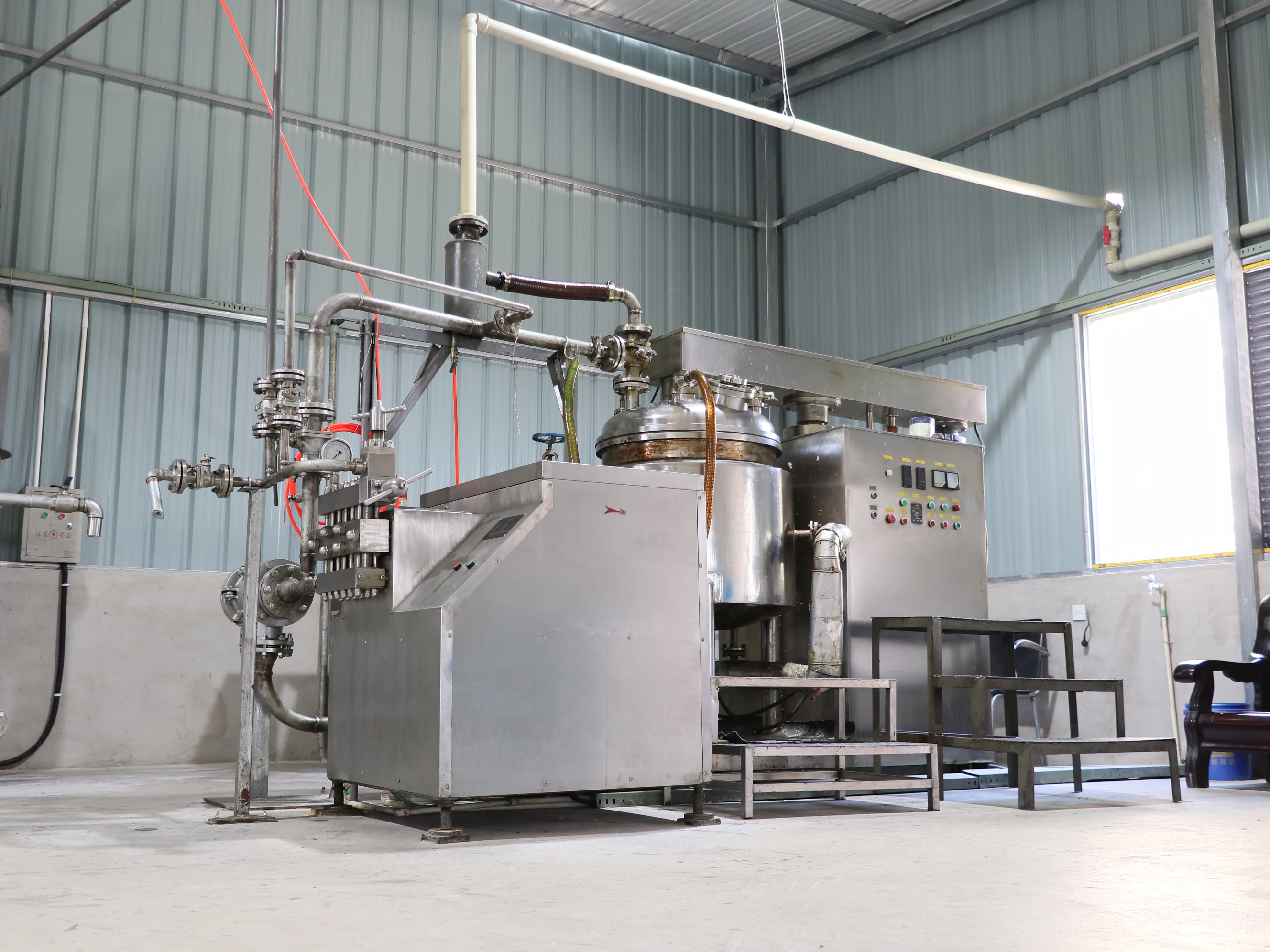
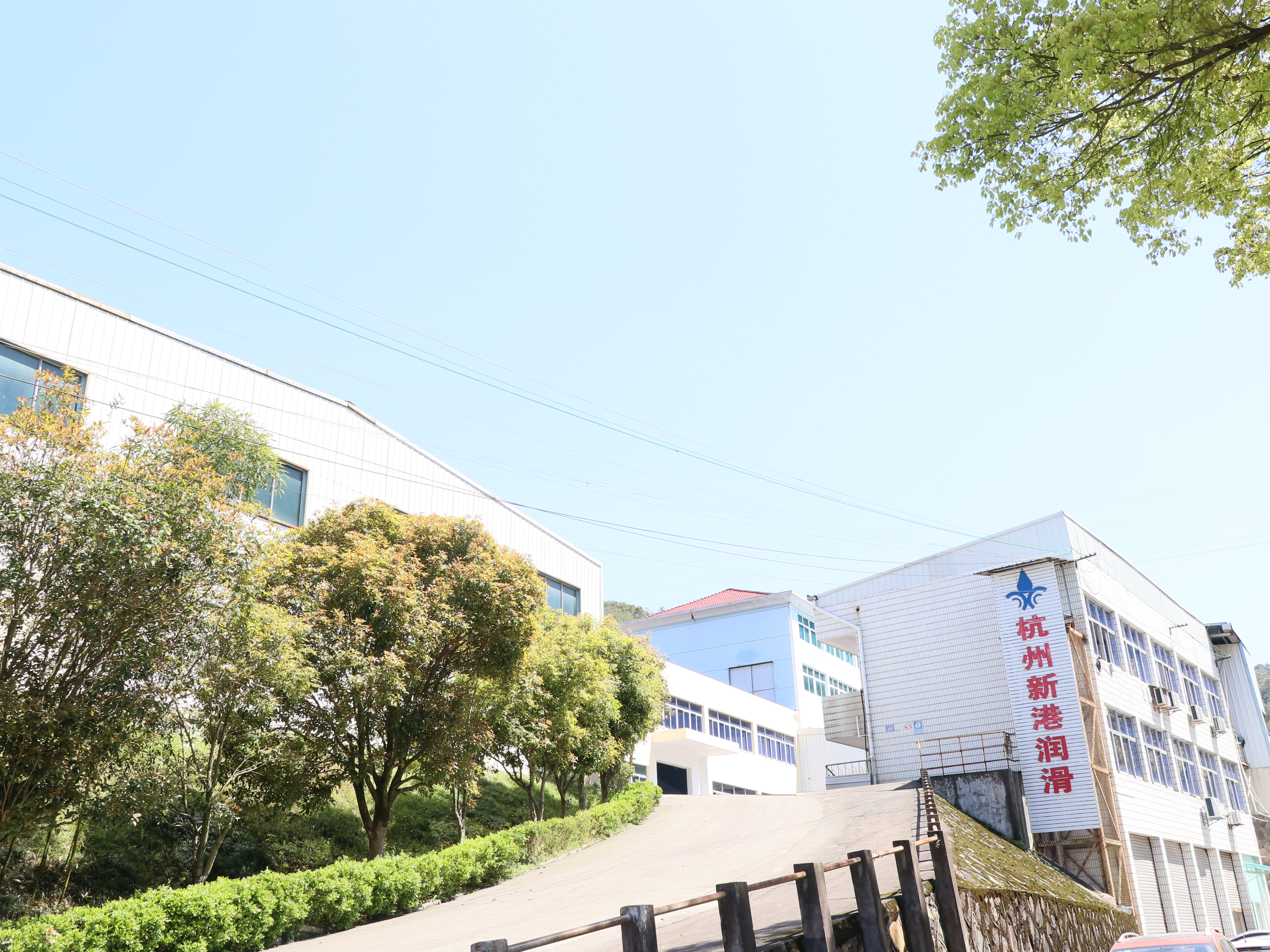
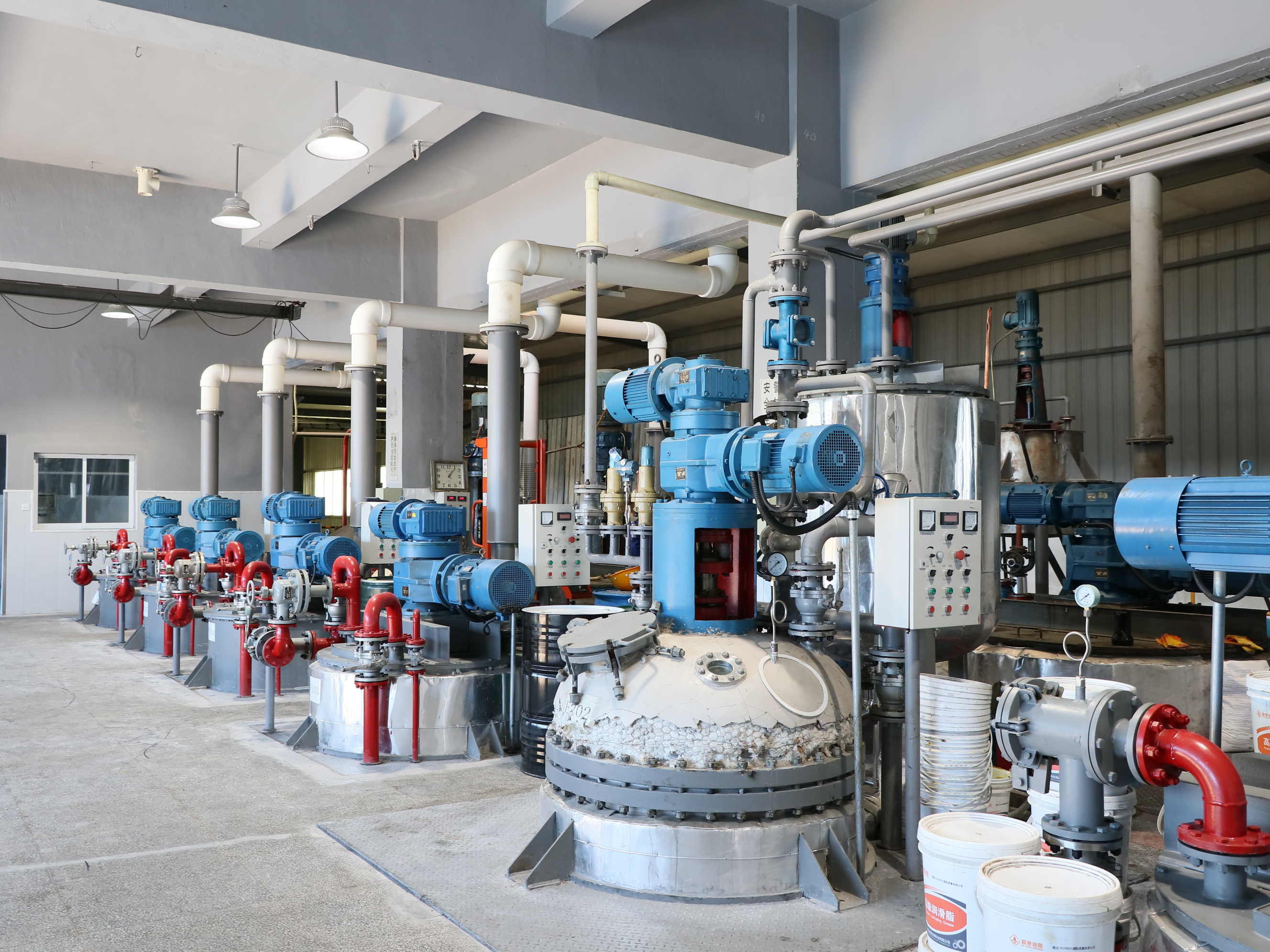
XINGANG, formally Hangzhou Xingang Lubrication Technology Co., Ltd., sits inside this chemistry landscape rather than outside it. Established in 1993 and headquartered in Hangzhou, Zhejiang, the company develops, produces and sells high-performance lubricating greases and industrial lubricants, including high-temperature grease, lithium grease, polyurea grease and calcium sulfonate complex grease. Its Jiande production site covers 16,000 m², employs around 60 people, and runs an annual output of 45,000 tons, supported by a 15-engineer R&D team. The company holds ISO 9001:2008, ISO 14001:2004, OHSAS 18001:2007 and ISO 10012:2003 certifications, and exports to markets including Türkiye, South Africa, Russia, Southeast Asia and Peru, with an export ratio of about 10%.
The Three Layers That Define High-Temperature Performance
Layer 1 - Thickener chemistry decides where the structure fails
A grease is a thickener network holding base oil, and heat attacks that network. Simple lithium soap thickeners produce a stable multipurpose grease with a comparatively modest thermal ceiling: lithium grease is documented at -20 to 120°C with a dropping point of at least 180°C. Lithium complex thickeners add a complexing agent to the soap structure and raise that ceiling substantially, with lithium complex grease on mineral oil documented from -20 to 180°C at a 300°C dropping point. Calcium sulfonate complex thickeners behave differently again, forming a structure documented from -20 to 250°C on 150 BS oil. Polyurea thickeners contain no metal soap and rely on a different structural chemistry, documented from -20 to 200°C on mineral and synthetic oil with a 260°C dropping point.
Layer 2 - Base oil type decides how long the film survives
The thickener says how hot the structure can get; the base oil says what happens while it is there. Mineral oils are the conventional carrier and appear in the lithium complex and polyurea reference points described above. Synthetic base oils are used where oxidation resistance across wide thermal cycles is the priority, as in polyurea greases specified for EV wheel bearings and turbine yaw drives operating from -40°C to +180°C. Heavier base stocks such as the 150 BS oil used in calcium sulfonate complex greases are paired with thickeners able to hold them in place at sustained high temperature. In every case the base oil does the lubricating; the thickener only keeps it where it is needed.
Layer 3 - Measured limits turn chemistry into a specification
Three measured values carry most of the decision weight. The working temperature range states where the grease is intended to operate continuously. The dropping point states where the structure collapses. The PD value, reported in kilogram-force, states how much extreme-pressure load the grease can carry - 315 kgf in the lithium complex example, which matters when heat and heavy or impact loading occur together. A grease can be strong on one of these numbers and weak on another, which is why single-number comparisons fail at the decision stage.
How the three layers combine: four verified reference points
- Lithium grease: -20 to 120°C working range, dropping point of at least 180°C. The lower-temperature multipurpose baseline.
- Lithium complex grease with lithium complex thickener and mineral oil: -20 to 180°C working range, 300°C dropping point, 315 kgf PD.
- Polyurea grease with polyurea thickener and mineral plus synthetic oil: -20 to 200°C working range, 260°C dropping point.
- Calcium sulfonate complex grease with calcium sulfonate thickener and 150 BS oil: -20 to 250°C working range.
Read as a set, these four reference points show how wide the term high-temperature actually is. The honest question is not 'is this grease high-temperature?' but 'which thickener and which base oil sit under this claim, and what limits are documented for them?'
On the manufacturing side, XINGANG produces across these same families - high-temperature grease, lithium grease, polyurea grease and calcium sulfonate complex grease - supported by an in-house testing laboratory and quality management certifications including ISO 9001. Raw material quality variation is controlled through incoming inspection, and the company provides packaging specifications together with transportation and storage precautions, with usage and storage notes published alongside its products. That matters commercially because thermal performance is a raw-material property before it ever becomes a product claim.
Decoding a High-Temperature Grease Claim in Six Steps
- Identify the thickener first. Lithium, lithium complex, calcium sulfonate complex and polyurea are not interchangeable labels; in the verified examples above they set structural ceilings from -20 to 120°C up to -20 to 250°C.
- Identify the base oil second. Mineral, synthetic or a blend, and the base stock grade where it is declared, such as the 150 BS oil used in calcium sulfonate complex grease. If the base oil is not stated, the temperature claim is incomplete.
- Read the working range as the primary number. This is the continuous operating band - for example -20 to 180°C for lithium complex grease or -20 to 250°C for calcium sulfonate complex grease.
- Treat the dropping point as a failure threshold, not a target. A 300°C dropping point on a grease rated to 180°C is a safety margin, not additional usable capacity.
- Check the load indicator if heat arrives with load. A PD value such as 315 kgf describes extreme-pressure capability, and that is what separates a merely heat-stable grease from a heat-and-load grease.
- Verify the standard class and the documentation. Map the application temperature to a DIN 51502 letter, request ASTM D3336 bearing-life data where bearings are involved, and confirm the supplier's quality system and incoming-inspection practice.
Where the Chemistry Meets the Application
Metallurgy and steel production. High-temperature grease in this environment is not only a thermal problem. The documented requirement set for these scenarios includes high-temperature thermal stability, strong anti-water washout performance, stable extreme pressure anti-impact property, low carbon residue after high-temperature aging, and no corrosion to metal substrates. XINGANG products are intended for use in the metallurgy industry and the automobile industry, and the company's greases are used by major steel enterprises including BAOWU Group, Hebei Steel Group, Shandong Steel Group, Ma Steel, Taigang Steel, Liugang Steel, Shaogang Steel, Shagang Steel and Kungang Steel. Heat plus water plus impact load is exactly why thickener choice and extreme-pressure performance have to be read together.
Automotive. Automotive is the largest single application category for high-temperature grease, at 42.6% of the market in 2025. Greases described as high-temperature automotive grease sit in wheel bearings, chassis points and accessory drives, and polyurea grades are increasingly specified for EV wheel bearings because of oxidation resistance across -40°C to +180°C.
Mining and heavy machinery. Mining and machinery applications combine sustained load with heat and contamination. Products in this family are designed for use in the mining, machinery and automotive industries, and extreme-pressure capability such as the 315 kgf PD documented for lithium complex grease is what carries the load when the film is thin.
Broad industrial and multi-purpose use. Some grades are specified widely: suitable for the metallurgy, chemical, textile, printing and dyeing, automobile, mine, oil field, coast defence, sugaring, paper making and plastic industries, or designed for multi-purpose lubrication applications and for use in automotive, metallurgy and power tools applications. Even in these broad cases, the working range and dropping point still decide whether the grade fits a specific hot duty point.
Reading the vocabulary: bearings, gears, EP and moly. The terms buyers meet in catalogues map back to the same three layers. High-temperature bearing grease and high-temperature roller bearing grease describe the application, and the relevant evidence is bearing-life data under ASTM D3336 read alongside the working range. High-temperature gear grease refers to the mechanism rather than the chemistry. High-temperature EP grease signals documented extreme-pressure capability. High-temperature moly grease indicates that molybdenum disulfide has been added as a solid lubricant for boundary conditions, which changes friction behaviour but not the thickener's thermal ceiling. High-temperature lithium complex grease and high-temperature calcium sulphonate complex grease simply name the thickener family the claim rests on.
Comparison Table: Thickener, Base Oil and Documented Limits
The table below compares the four verified reference points on the variables that actually define a high-temperature claim. A dash with 'not stated in source data' means no verified value was available for this article; it is left blank rather than estimated.
| Grade (as described) | Thickener | Base oil | Working range | Dropping point | Load indicator |
|---|---|---|---|---|---|
| Lithium grease | Lithium thickener | Not stated in source data | -20 to 120°C | At least 180°C | Not stated in source data |
| Lithium complex grease | Lithium complex thickener | Mineral oil | -20 to 180°C | 300°C | 315 kgf PD |
| Polyurea grease | Polyurea thickener | Mineral oil and synthetic oil | -20 to 200°C | 260°C | Not stated in source data |
| Calcium sulfonate complex grease | Calcium sulfonate thickener | 150 BS oil | -20 to 250°C | Not stated in source data | Not stated in source data |
A second table is useful because the numbers are frequently confused with each other. Each documented value answers one question and leaves others open.
| Documented value | What it measures | What it does not tell you |
|---|---|---|
| Working temperature range | The continuous operating band | Whether the grease survives short excursions above that band |
| Dropping point | The temperature at which the thickener structure becomes fluid enough to drip | The recommended operating temperature |
| PD value (kgf) | Extreme-pressure load capability | Water resistance or oxidation life |
| DIN 51502 letter | Maximum operating temperature class | Thickener type or base oil type |
| ASTM D3336 data | Grease life in ball bearings at elevated temperature (test up to 204°C) | Behaviour in non-bearing applications |
FAQ
Which standards make a high-temperature grease claim verifiable?
Two standards carry most of the weight. DIN 51502 classifies high-temperature greases by maximum operating temperature using letters: K (+120°C), M (+120°C with water), N (+140°C), P (+160°C), R (+180°C), S (+200°C), T (+220°C), and U (above +220°C). ASTM D3336 is the standard test method for evaluating grease life in ball bearings at elevated temperatures, up to 204°C. A verifiable claim therefore combines a DIN class, bearing-life data where bearings are involved, and the supplier's own documented working range and dropping point. XINGANG publishes certification under ISO 9001:2008, ISO 14001:2004, OHSAS 18001:2007 and ISO 10012:2003, and its certification documentation for lithium complex grease covers the global market.
How do thickener and base oil together set a grease's temperature ceiling?
The thickener sets the temperature at which the structure stops holding oil; the base oil sets how long the lubricating film survives oxidation and volatilization at that temperature. In verified examples, lithium grease runs -20 to 120°C with a dropping point of at least 180°C; lithium complex grease with mineral oil runs -20 to 180°C with a 300°C dropping point and 315 kgf PD; polyurea grease on mineral and synthetic oil runs -20 to 200°C with a 260°C dropping point; and calcium sulfonate complex grease on 150 BS oil runs -20 to 250°C. The category label stays the same across all four; the ceiling does not.
Why does high-temperature grease cost more per kilogram?
Per-kilogram price reflects raw-material economics as much as performance. Lithium prices rose 80% to 120% between 2021 and 2023, which is one reason polyurea and calcium sulfonate alternatives gained ground for high-temperature applications. XINGANG's comparison notes for high-temperature grease against standard MP3 grease record a higher raw material cost per unit of grease, offset by an overall equipment maintenance cost reduction of 15% to 20%, driven by a longer grease replenishment cycle, fewer shutdown maintenance events, and less manual greasing labour. On that basis, per-kilogram price alone is a weak decision metric for a hot duty point.
Can a buyer validate a grade before committing to full-scale supply?
Validation starts with documentation: thickener type, base oil type, working range, dropping point and load indicator. XINGANG's stated minimum order quantity is 2,000 kgs, and the manufacturer offers package and sticker customization services as well as OEM production services. For a new grade, confirm those documented limits first, then test under the actual duty cycle - temperature, load, water exposure and re-greasing interval - rather than extrapolating from the dropping point alone. Packaging specifications and transportation and storage precautions, together with usage and storage notes, are published alongside the products.
What has to be fixed before an order can be scheduled?
Four items determine how quickly an order can move: the grade itself, meaning thickener, base oil and documented limits; the packaging and labelling scope, since package and sticker customization is available; whether the order runs as a standard grade or under the OEM production service; and the order volume, which must meet the 2,000 kg minimum order quantity. Once those are fixed, scheduling becomes a commercial detail rather than a technical one. To confirm a specification or request a quotation, contact XINGANG at admin@hzxg.com or +86 135-8871-1880, or download the XINGANG company profile through the link at the end of this article.
Conclusion
High-temperature means three things in grease, and all three have to agree before the label carries any weight: a thickener that keeps its structure, a base oil that keeps its film, and documented limits that state both. The verified reference points used throughout this article - lithium grease at -20 to 120°C with a dropping point of at least 180°C, lithium complex grease at -20 to 180°C with a 300°C dropping point and 315 kgf PD, polyurea grease at -20 to 200°C with a 260°C dropping point, and calcium sulfonate complex grease at -20 to 250°C - are the same two-word category label resting on four different chemistries.
The decision rule that follows is short. Identify the thickener. Identify the base oil. Then read the working range, the dropping point and the load indicator in that order, and check them against the real duty cycle rather than against the product name.
Next step
If you want to confirm which thickener and base oil combination fits a specific duty point, request a sample discussion or a quotation, or review distributor supply terms, XINGANG can be reached directly:
- Website: www.china-lubes.com
- Email: admin@hzxg.com
- Tel / WhatsApp: +86 135-8871-1880
- Address: 339 Yejia Rd., Xin'anjiang St., Jiande, Hangzhou, Zhejiang, 311600, China
- Company profile download: XINGANG Company Profile (PDF)
Have Questions or Need More Details?
Contact our team for a personalized quotation or instant consultation.
Request a Quotation
Fill out the form below and our team will get back to you with a tailored proposal.
WhatsApp Direct Chat
Prefer to chat in real-time? Message us on WhatsApp for instant assistance & quick answers.
- Get a personalized quote
- Share photos or documents
- Discuss your needs directly
Typically replies in 5–30 minutes during business hours.