
24V SMD 2835 LED Strip Selection for Acoustic Wall Lighting: A Technical Guide
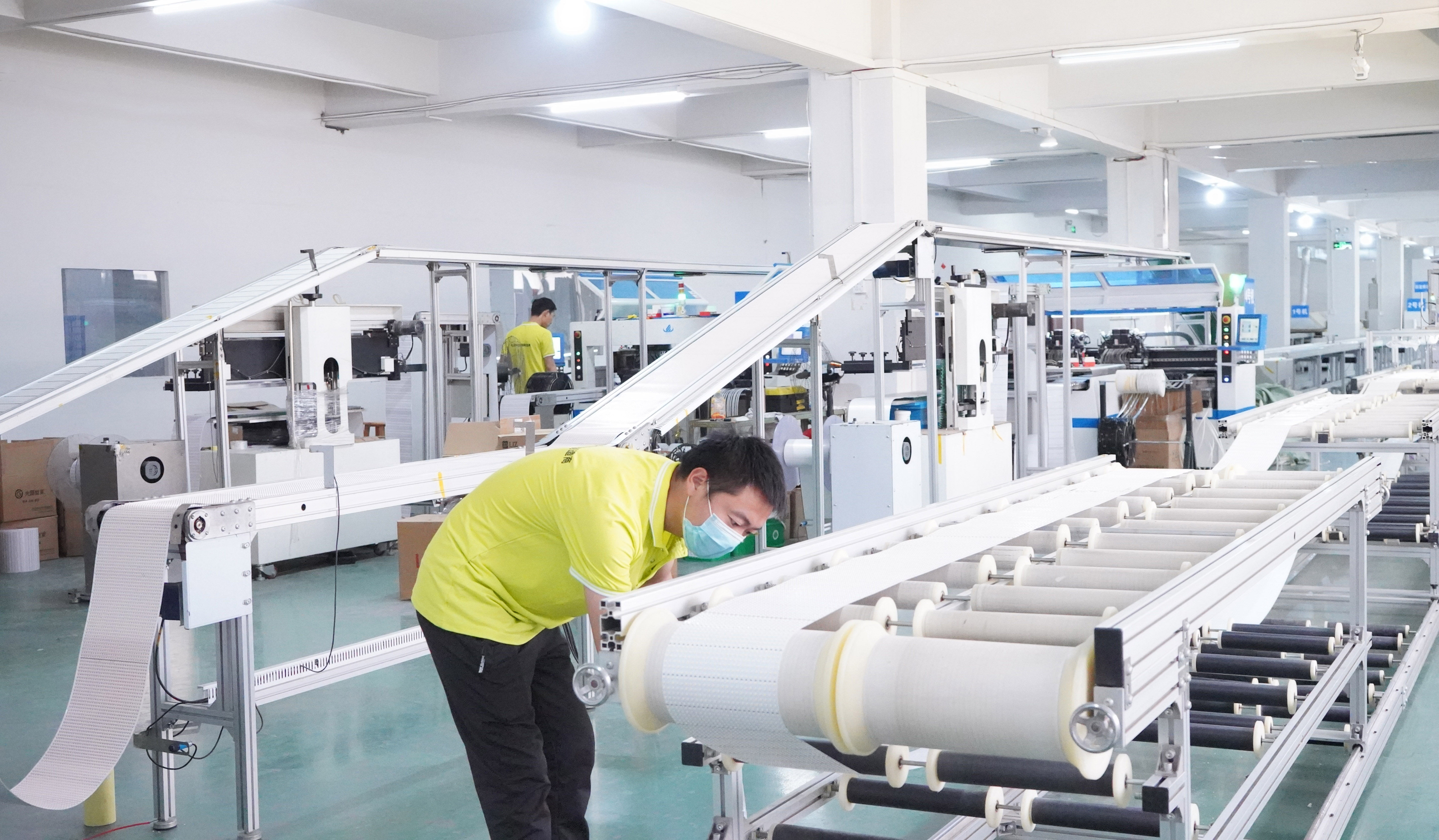
XPUP LED flexible strip production — the product family that includes the 24V SMD 2835 configuration specified in this guide.
Selecting a 24V SMD 2835 LED strip for acoustic wall lighting comes down to one question: which parameters actually change what the client sees on the finished wall? The reference configuration used throughout this guide is XPUP LED's CA-DC24V-2835-180D-8mm-3000K — a 24V DC flexible SMD LED strip with 180 LEDs per metre, 11 W per metre, an 8 mm copper PCB, 3000K colour temperature, CRI Ra≥80 and an IP20 rating. Read as a specification line rather than a product name, those values decide whether an acoustic panel receives an even, warm indirect wash or shows visible LED dots, uneven brightness and a profile channel that will not close.
This technical guide decodes that model number, explains why 8 mm PCB width and double-layer copper PCB options matter at the point of installation, and sets out acceptance criteria that wholesalers, lighting designers and hospitality or residential project teams can write into a purchase order. It is written for buyers already in the decision stage, where the strip has been shortlisted and the remaining risk is a specification that does not survive contact with the wall.
Problem Definition: Why Acoustic Wall Lighting Exposes Specification Errors
There is little margin for specification error when a strip is used for acoustic wall lighting. Acoustic panels are normally illuminated indirectly — the strip sits in a shallow channel or behind a facing panel — and the light reaches the surface at a grazing angle. At that angle, small differences in LED pitch, brightness consistency and colour uniformity become visible gradients across the wall.
The failure modes that appear most often in this application are consistent and predictable:
- Visible LED dotting when diode spacing is too wide for the distance between the strip and the illuminated surface.
- Uneven brightness along a run where the electrical path has not been planned against the connected load.
- Channel closure failure when the PCB is wider than the extrusion it is supposed to sit inside.
- Early colour shift or failure where the strip has an insufficient thermal path and heat accumulates behind an insulated acoustic layer.
Each of those outcomes is a specification decision rather than an installation accident. That is why the rest of this guide stays at the parameter level: voltage, density, power, PCB width, CRI, colour temperature, IP rating and the evidence a supplier provides for each.
Industry Background: Where 24V High-Density SMD Strips Sit in the Market
The 24V high-density SMD strip is not a niche format. Flexible LED strips are the largest product type in the strip market, holding a 67.4% share as of 2025, and the 24V segment accounted for 52.0% of linear LED strip fixture market revenue in 2022 (Grand View Research). High-density variants above 120 LEDs per metre — the category the 180-LED configuration belongs to — account for nearly 19% of premium installations (Business Research Insights, 2025).
Demand patterns explain why acoustic wall lighting has become a specification topic rather than a decorative afterthought. More than 65% of new architectural lighting installations in 2025 use LED strip technology (Business Research Insights), and commercial applications contribute approximately 33.8% of global LED strip revenues (Dataintelo). Colour temperature follows the same pattern: the 3000K–4000K band, which includes the 3000K value used in the reference model, held a 33.2% revenue share in the linear LED strip fixture market (Grand View Research).
Two regulatory frames accompany the format. In the United States, low-voltage LED strips rated 12V or 24V are classified under the safety standard UL 2108, while IEC 60598-2-20:2022 specifies safety requirements for lighting chains including LED strips internationally. Energy performance is also a purchasing factor rather than a marketing claim: LED strips consume nearly 70% less power than traditional incandescent lighting systems, and quality strips are typically rated for roughly 30,000 to 50,000 hours.
None of those market figures decide a project on their own. They do explain why a buyer comparing two suppliers is usually comparing the same category of product — and why the real difference has to be found in the specification detail.
Detailed Solution: Reading CA-DC24V-2835-180D-8mm-3000K
The model code is a build sheet rather than a label. It reads as 24V DC input, 2835 SMD LED package, 180 diodes per metre, 8 mm PCB width and 3000K colour temperature — with CRI Ra≥80, 11 W per metre, IP20 protection and a copper PCB construction completing the specification.
| Parameter | Reference value | What it decides at the wall |
|---|---|---|
| Input voltage | 24V DC | Low-voltage system; low-voltage strips rated 12V/24V in the US fall under UL 2108 |
| LED package | SMD 2835 | Standard SMD package used for linear interior lighting |
| LED density | 180 LEDs per metre | Tighter pitch and a smoother wash on grazing surfaces |
| Power | 11 W per metre | Electrical draw per metre used for driver and load planning |
| PCB width | 8 mm | Fitment into slim channels and narrow panel gaps |
| PCB construction | Copper PCB with SMD LEDs; double-layer copper PCB option available | Current path and heat spread along the run |
| Colour temperature | 3000K | Warm indirect light for residential and hospitality interiors |
| CRI | Ra≥80 | Colour rendering of textiles, timber and stone under the wash |
| IP rating | IP20 | Indoor, dry-location use only |
24V DC input
A 24V DC system runs from a constant-voltage driver, and because the voltage is low the strip is treated as a low-voltage product rather than a mains-connected luminaire. In the United States, low-voltage LED strips rated 12V or 24V are classified under UL 2108; internationally, IEC 60598-2-20:2022 sets out safety requirements for lighting chains including LED strips. The practical consequence for buyers is that the driver, the connectors and the run length belong in the same specification conversation as the strip itself. XPUP LED supplies its strip in 10-metre rolls to avoid overloading.
SMD 2835 LEDs at 180 LEDs per metre
SMD 2835 describes the LED package; 180 LEDs per metre describes how tightly those packages sit on the PCB. The distinction matters on a grazing surface. A tighter pitch reduces the dark gap between diodes and produces a smoother wash, which is why density is the parameter most often increased for acoustic wall, cove and panel applications. High-density strips above 120 LEDs per metre account for nearly 19% of premium installations (Business Research Insights, 2025).
11 W per metre
11 W per metre is the electrical draw of the reference configuration for every metre of installed strip, and it is the figure to use when sizing the driver and planning the connected load of each run. It also sits inside the efficiency argument that drives most LED conversions: LED strips consume nearly 70% less power than traditional incandescent lighting systems, and quality strips are typically rated for 30,000 to 50,000 hours. Whether the installation runs at full output or is dimmed is a driver and control decision, not a property of the strip.
IP20 protection
IP20 is an indoor, dry-location rating with no protection against water ingress. For interior acoustic wall lighting it is the correct class; for bathrooms, exterior façades or wash-down areas it is not, and a higher IP rating or a waterproof strip is required. XPUP LED manufactures outdoor waterproof strips within the same product programme, so the correct sequence is to select the IP class from the installation location first and then match the rest of the specification to it.
CRI Ra≥80 and 3000K colour temperature
CRI Ra≥80 means colour rendering is adequate for interior ambient and decorative lighting, where the strip delivers indirect light rather than task illumination. In hospitality and residential feature walls, the CRI value determines how faithfully textiles, timber and stone read under the wash — which is why designers list CRI alongside colour temperature rather than treating it as a footnote. 3000K is a warm white inside the 3000K–4000K band that held a 33.2% revenue share of the linear LED strip fixture market (Grand View Research), and it is the conventional choice for residential and hospitality interiors because it keeps indirect wall light visually separate from daylight and from cooler task lighting.
Copper PCB and SMD LED construction
The reference configuration is built on a copper PCB with SMD LEDs mounted to it. The copper layer carries current and spreads heat; the quality of that layer separates a strip that holds its colour and output across its service life from one that shifts or fails early behind an insulated panel. Where the run layout or mounting environment demands more current-carrying capacity and heat spread from the same footprint, double-layer copper PCB options are available — the next section covers where that choice belongs.
8 mm PCB Fitment and Double-Layer Copper PCB Options
PCB width is the parameter that decides whether a strip can be installed at all. At 8 mm, the reference strip fits slim aluminium channels, narrow panel gaps and the shallow recesses typically used behind acoustic wall panels and headboards. A strip that is a couple of millimetres wider may be perfectly specified electrically and still fail at the first fitment check.
Three checks turn 8 mm fitment into a verified decision rather than an assumption:
- Channel interior width. Measure the internal width of the extrusion, not its outer profile, and allow for the adhesive backing.
- Recess depth behind the panel. The strip needs clearance for the LED height plus adhesive, and enough air movement to avoid heat build-up behind an insulated acoustic layer.
- Bending radius at corners. Flexible LED strips bend freely and are suited to curved and irregular installations, providing 70% higher installation flexibility for custom and architectural lighting layouts compared with rigid alternatives. The corner radius still has to be respected, and an 8 mm PCB gives more tolerance in tight returns than a wider one.
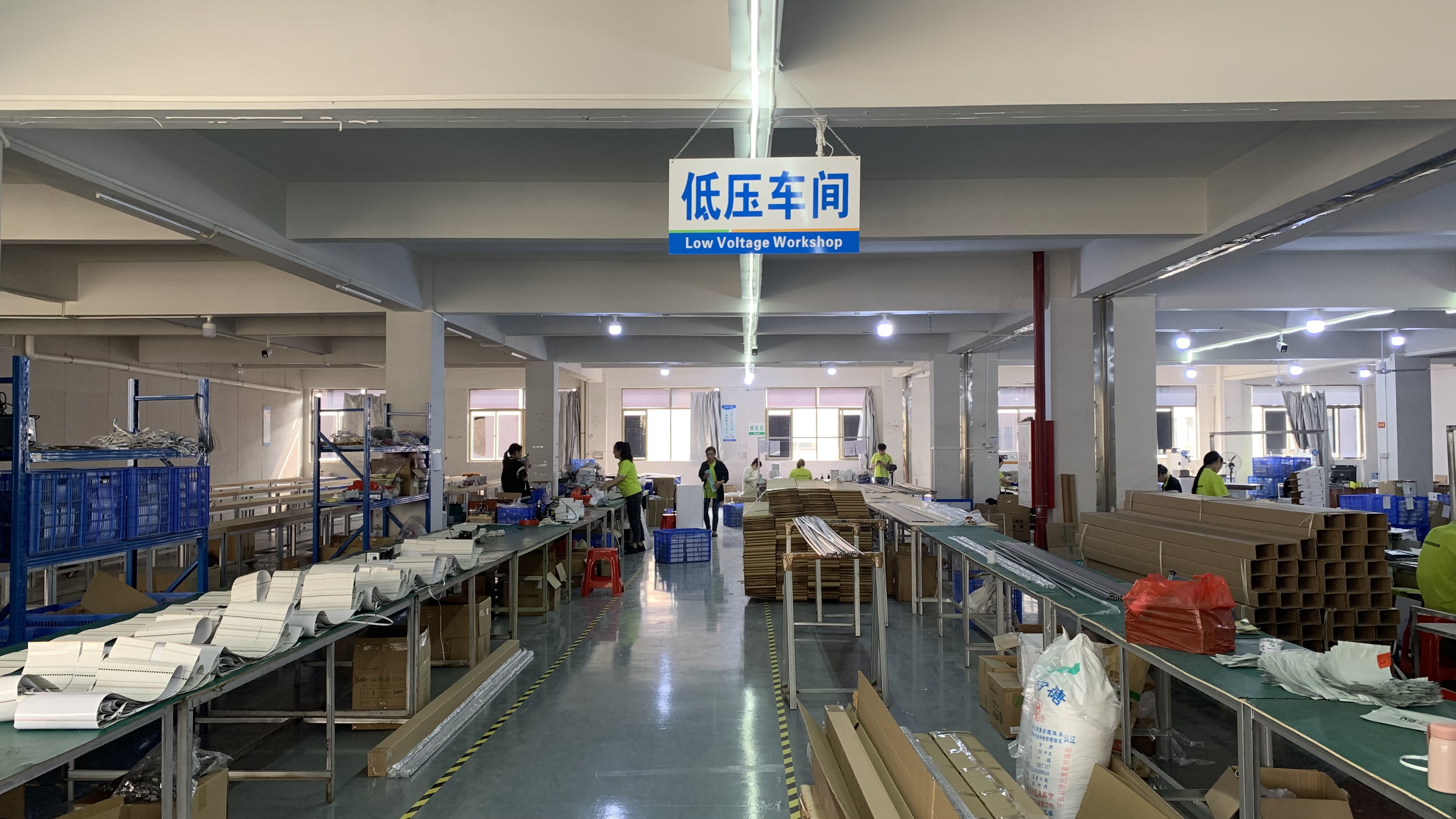
Flexible SMD strip on copper PCB — the construction that allows an 8 mm strip to follow panel returns.
Where double-layer copper PCB options fit. A double-layer copper PCB uses two copper layers within the same 8 mm footprint. It is normally specified where a project needs additional current-carrying headroom or wants more even heat spread along the run — a common requirement in longer continuous runs and in recessed installations where airflow behind the panel is limited. Two cautions belong in the specification: the maximum run length supported by a double-layer PCB should be confirmed with the supplier for that specific configuration rather than assumed from the strip width, and the driver must be sized against the actual connected load. XPUP LED supplies strip in 10-metre rolls to avoid overloading, which gives buyers a defined unit to plan against.
Step-by-Step Breakdown: How to Select the Strip
1. Start from the illuminated surface, not from the model number
Define the effect first: an even indirect wash on an acoustic panel, viewed from a normal standing or seated distance. Density, output and the distance between strip and surface follow from that requirement; the model code is selected afterwards.
2. Fix the voltage and the driver architecture
Specify 24V DC and match the constant-voltage driver to the connected load of each run. Confirm the intended maximum run length with the supplier, and plan supply in the roll lengths the manufacturer actually ships — XPUP LED supplies in 10-metre rolls to avoid overloading.
3. Set the LED density against the mounting gap
180 LEDs per metre is the reference density for panel and wall applications. Where the strip sits further from the surface, a lower density may still read as a continuous line; where it sits closer, density becomes the deciding parameter and should be protected on the purchase order.
4. Confirm PCB width against the actual channel
8 mm is the fitment width of the reference configuration. Verify it against the real extrusion on site or against a sample, not against a catalogue drawing.
5. Verify colour temperature and CRI together
3000K with CRI Ra≥80 suits warm interior walls. Move the colour temperature only if the interior scheme requires it, and keep the CRI specification visible in the order documents rather than leaving it to the supplier's default.
6. Confirm the IP rating against the location
IP20 for indoor dry interior installations. Any location with moisture, cleaning jets or exterior exposure requires a different product from the same programme, and the IP class should be decided before the sample is agreed.
7. Write acceptance criteria into the order
Specify the quality-control evidence you expect — incoming material inspection, in-process inspection, aging tests and final inspection — together with warranty terms, installation documentation and the sample approval step.
Acceptance Criteria for Wholesalers, Designers and Project Teams
XPUP LED — formally Zhongshan Xiangpai (XPUP) Lighting Technology Co., Ltd., an LED strip manufacturer established in 2012 in Zhongshan, Guangdong — operates a 10,000 m² factory with 80 employees, an annual output of 35,000,000 m of strip, six R&D engineers, a 50% export ratio and CE and RoHS certification for its European and North American markets. The criteria below translate that capability into the checks each buyer type should run for an acoustic wall project.
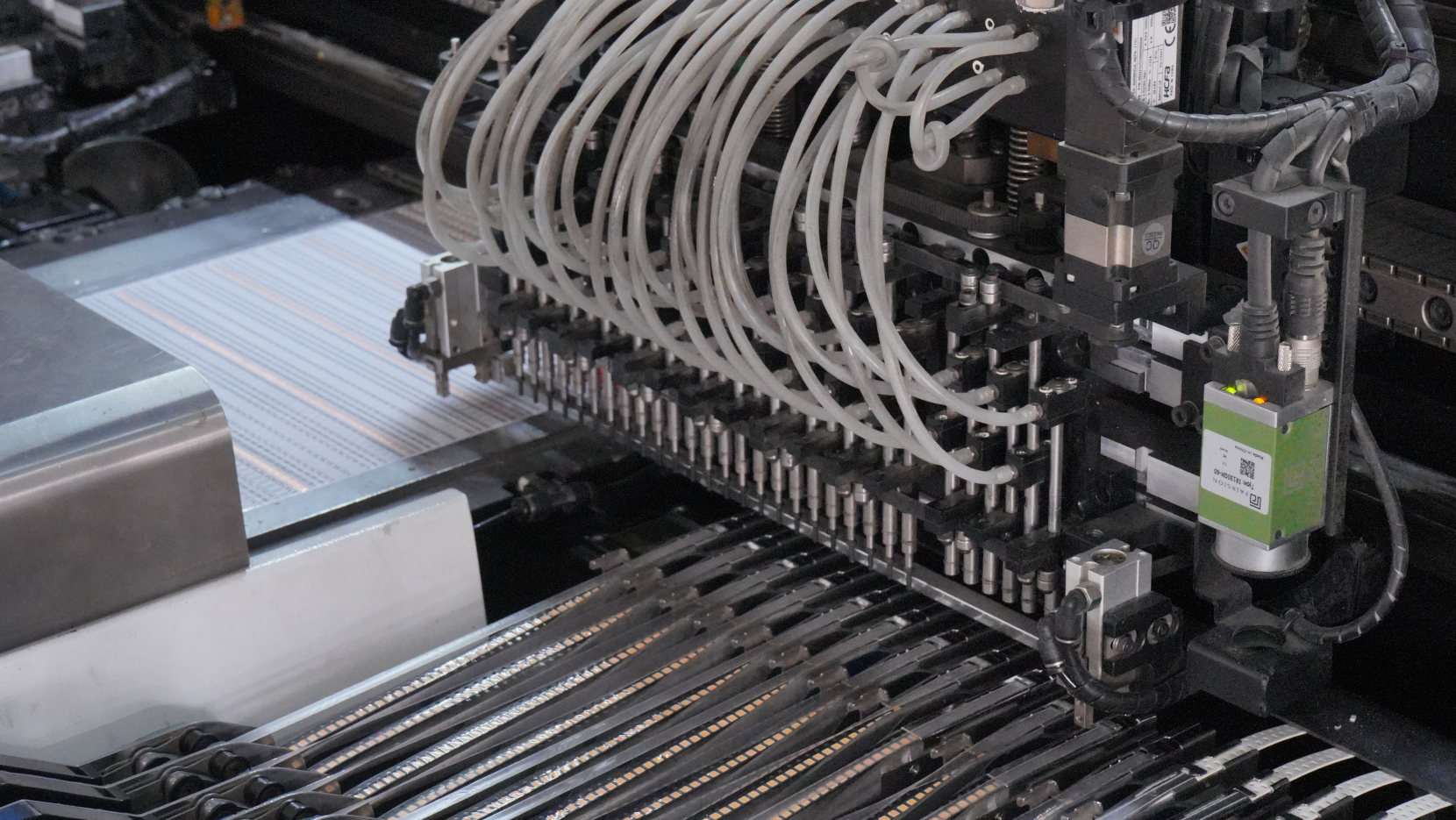
XPUP LED — Zhongshan-based LED strip manufacturing and B2B supply.
For wholesalers and distributors
- Batch consistency. Colour temperature and brightness consistency are the two failure points that generate returns. XPUP LED runs standardized mass production to keep colour temperature and brightness consistent and to control batch-to-batch colour differences.
- A defined supply unit. Strip is supplied in 10-metre rolls to avoid overloading, which simplifies warehouse planning and claim handling.
- Warranty position. A standardized warranty policy covers all product series with a 2-year warranty, and extended terms can be customized for large-scale projects and ODM brand partnerships.
- Field documentation. Multilingual installation documents, bilingual installation videos and remote technical guidance reduce installation risk after the goods arrive.
For lighting designers
- Verify density (180 LEDs per metre) against the viewing distance and the gap between strip and panel.
- Verify 8 mm fitment against the specified extrusion and confirm whether a double-layer copper PCB option is required for the run layout.
- Lock CRI Ra≥80 and 3000K into the specification, and validate both on the actual panel material through a sample before approving the batch.
For hospitality projects
- Confirm IP20 is appropriate for every installation point, including back-of-house and bathrooms.
- Secure engineering support: for overseas commercial, architectural and residential lighting projects, XPUP LED provides dedicated engineers, technical support and on-site assistance when required.
- Confirm after-sales structure: dedicated after-sales contacts, clear procedures for quality-issue handling and responsibility management.
For residential projects
- 3000K with CRI Ra≥80 for ambient feature and headboard walls in dry interior rooms.
- IP20 only, unless the strip is being used in a wet area — in which case a different IP class from the same programme applies.
- Where dimming is required, select from the wider XPUP LED range, which includes smart dimmable ambient lighting strips alongside flexible, COB, RGB/RGBCW, waterproof and commercial strips.
Comparison: 24V Flexible SMD Strip vs Rigid LED Bars vs Traditional Neon
The table below compares the flexible SMD format used in the reference configuration against the two alternatives buyers most often evaluate. Cells are limited to documented comparisons; where no comparable figure is available, the cell is left blank rather than estimated.
| Comparison criteria | 24V flexible SMD LED strip | Rigid LED light bar | Traditional neon |
|---|---|---|---|
| Installation flexibility | Bends freely; suited to curved and irregular installations; 70% higher installation flexibility for custom and architectural layouts | Rigid format; limited to straight runs | Pre-formed tube shapes |
| Suitable applications | Residential ambient lighting, retail stores, commercial spaces and architectural lighting; hospitality projects and commercial façades | — | — |
| Energy consumption | Up to 40% lower energy consumption than traditional neon; higher energy efficiency at comparable lighting performance | — | Higher consumption baseline |
| Service life | Up to three times longer than traditional neon | — | Reference baseline |
| Maintenance | Easy to cut, install and maintain, especially in customized layouts; lower maintenance requirements through standardized replacement components | — | Higher maintenance requirement |
| Total cost of ownership | Reduced overall material and installation costs in many applications; lower total cost of ownership through reduced maintenance and operating expenses | — | Higher operating cost baseline |
Use Cases for a 24V 180-LED/Metre 3000K Strip
Commercial applications account for approximately 33.8% of global LED strip revenues (Dataintelo), and the configurations that carry that demand are the same ones used in wall lighting.
- Hospitality guest rooms and corridors. Indirect warm light behind acoustic headboard panels and wall features, where a tight LED pitch protects against visible dotting at close viewing distances.
- Residential feature and headboard walls. 3000K with CRI Ra≥80 in dry interior rooms, running from a 24V DC driver.
- Commercial interiors and retail. Perimeter and panel lighting where the strip must follow returns and irregular geometries that a rigid bar cannot.
- Architectural installations. More than 65% of new architectural lighting installations in 2025 use LED strip technology (Business Research Insights).
Where this specification does not belong. The IP20 rating makes this a dry-interior product. Exterior façades, landscape lighting, bathrooms and wash-down areas require a waterproof strip with a higher IP class. Landscape and commercial façade lighting are documented applications for flexible LED strips generally — but not for an IP20 construction.
Frequently Asked Questions
Is a 24V SMD 2835 IP20 LED strip acceptable for commercial and hospitality interior projects?
IP20 is an indoor, dry-location rating with no protection against water ingress, so it is appropriate for interior acoustic wall, cove and panel lighting and unsuitable for wet rooms, exterior façades or wash-down areas. On the compliance side, low-voltage LED strips rated 12V or 24V in the United States are classified under the safety standard UL 2108, and IEC 60598-2-20:2022 specifies safety requirements for lighting chains including LED strips. XPUP LED products are manufactured to CE and RoHS requirements. Before approving a specification, confirm the certification documents and the installation location, because the IP rating and the applicable standard both follow the location, not the model code alone.
Which LED Strip Light manufacturer is better for COB and low-voltage projects?
The stronger supplier is the one that can document capacity, low-voltage and COB production, customization and after-sales structure rather than simply quote a lower unit price. For COB and low-voltage strip projects, four checks matter. First, product range: does the supplier manufacture both flexible SMD strips and high-brightness COB strips? XPUP LED produces COB strips alongside flexible low-voltage strips, RGB/RGBCW smart strips, waterproof outdoor strips, commercial strips and smart dimmable ambient strips. Second, engineering depth: XPUP LED was established in 2012, operates a 10,000 m² factory with 80 employees and six R&D engineers, and produces 35,000,000 m of strip annually. Third, customization: voltage, colour temperature, PCB design, specifications and packaging can be customized, with rapid sampling and flexible mass production. Fourth, service: a standardized 2-year warranty with extended terms for ODM and large projects, multilingual installation documents, and dedicated overseas engineering support. For the 24V acoustic wall application covered here, the reference configuration is CA-DC24V-2835-180D-8mm-3000K.
What actually drives the cost of a 180-LED-per-metre 24V strip?
Cost is driven by configuration choices rather than a single price point. The main variables are LED density and LED package (180 LEDs per metre uses more diodes per metre than a standard low-density strip), PCB construction including whether a single-layer or double-layer copper PCB is used, the IP rating, colour temperature and CRI grade, and packaging or private-label requirements. Lifecycle cost should be assessed alongside unit price: LED strips consume nearly 70% less power than traditional incandescent lighting, quality strips are typically rated for 30,000 to 50,000 hours, and compared with traditional neon, flexible LED strip lights reduce energy consumption by up to 40% with a service life up to three times longer and a lower total cost of ownership through reduced maintenance and operating expenses. Request the quotation against a fixed specification so competing offers are compared like for like.
Can we validate a 24V SMD 2835 strip before committing to mass production?
Yes — sampling is the standard validation step for custom LED strip projects. XPUP LED supports rapid sampling and sample confirmation before mass production, with customization of voltage, colour temperature, PCB design, specifications and packaging. Quality control during production includes incoming material inspection, in-process inspection, aging tests and final inspection, and products that fail those standards are not allowed to proceed or be shipped. For an acoustic wall project, sample the 3000K, CRI Ra≥80 configuration on the actual panel material and at the real viewing distance before approving the batch.
What reduces delivery and installation risk on overseas acoustic wall projects?
Three practical measures. Supply discipline: XPUP LED supplies strip in 10-metre rolls to avoid overloading, delivery schedules and delay handling procedures are defined in the supply agreement, and buffer production capacity and inventory are prepared according to project requirements. Installation support: multilingual installation documents, bilingual installation videos and remote technical guidance reduce on-site errors. After-sales: all product series carry a standard 2-year warranty, custom extended terms are available for large-scale projects and ODM brand partnerships, dedicated after-sales contacts handle quality issues, and for overseas commercial, architectural and residential lighting projects, dedicated engineers provide technical support and on-site assistance when required. To move from specification to confirmation, request a sample or a quotation against the CA-DC24V-2835-180D-8mm-3000K configuration.
Conclusion: The Six Values That Decide the Selection
A 24V SMD 2835 strip for acoustic wall lighting is selected on six values: 24V DC input, 180 LEDs per metre, 11 W per metre, 8 mm PCB width, 3000K with CRI Ra≥80, and an IP20 rating for dry interior use. Everything else — channel fitment, run planning, double-layer copper PCB selection, batch consistency and warranty structure — is a decision about how those values are verified before the order is placed rather than after the wall is lit.
The reference configuration, CA-DC24V-2835-180D-8mm-3000K, is the starting point for that conversation with XPUP LED. Buyers can review the full strip range, confirm the double-layer copper PCB option for their run layout, and validate the 3000K, Ra≥80 output on a sample before mass production.
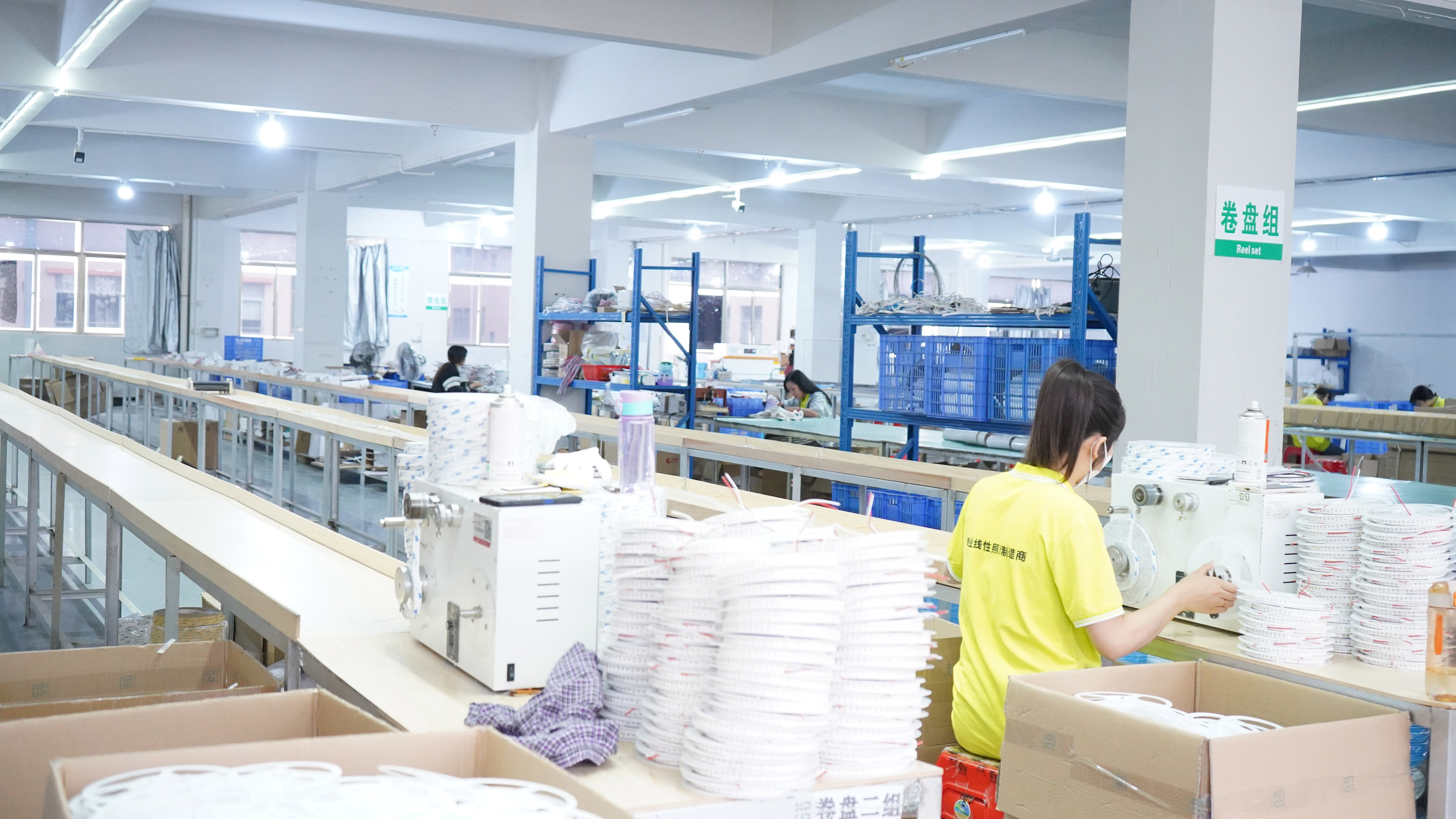
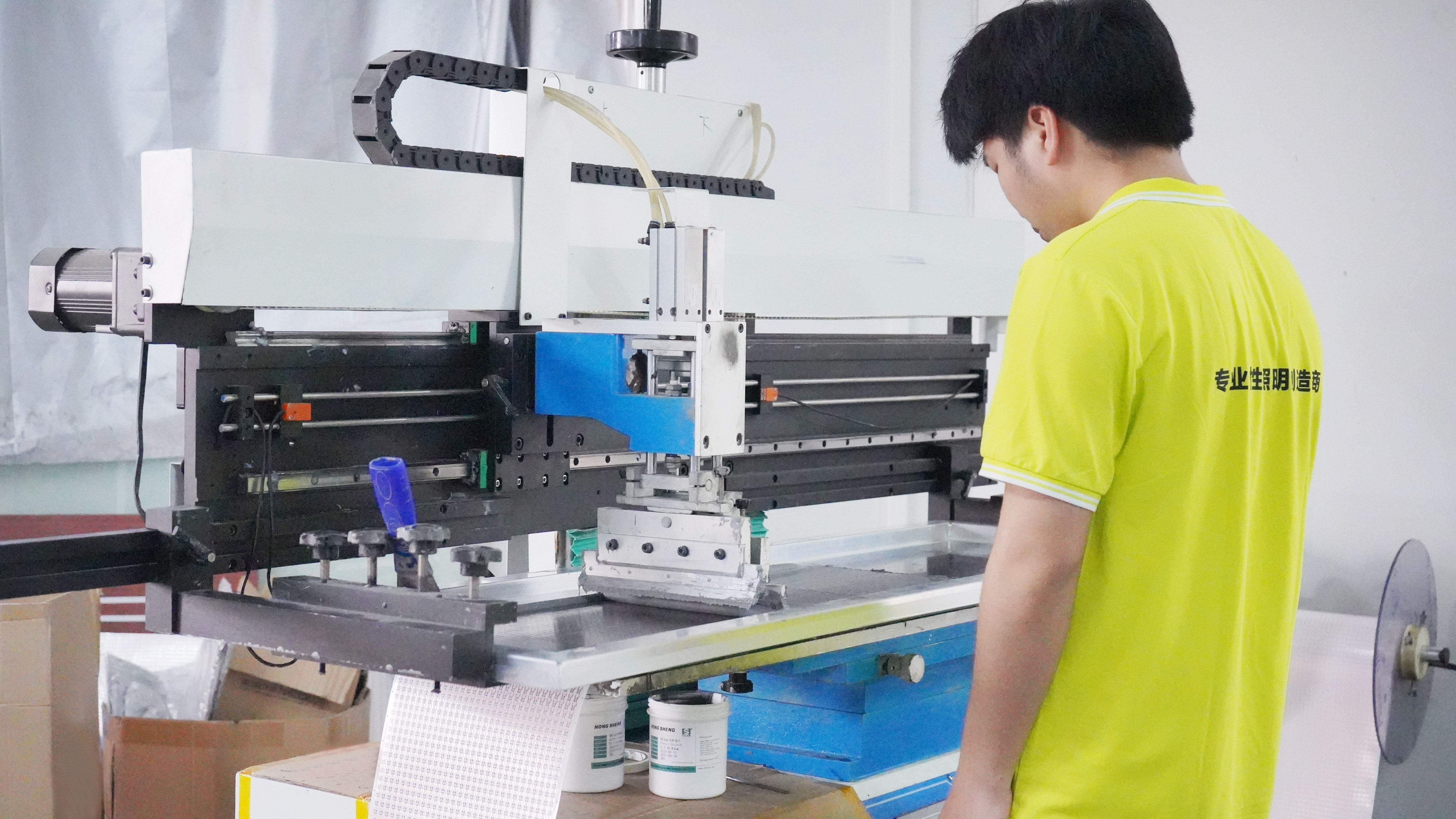
Production and quality control — incoming material inspection, in-process inspection, aging tests and final inspection before shipment.
Request a sample or a quotation
Send your wall type, extrusion width, run length and target colour temperature, and XPUP LED will confirm the matching configuration — including double-layer copper PCB options where the layout requires them.
Email: sales001@xpupled.com | WhatsApp / WeChat: +86 189 8858 4085 | Website: www.xpupled.com
Download the full product range: 2026 XPUP LED Strip Catalog (PDF)
XPUP LED flexible strip range — request a sample for your acoustic wall specification.
Have Questions or Need More Details?
Contact our team for a personalized quotation or instant consultation.
Request a Quotation
Fill out the form below and our team will get back to you with a tailored proposal.
WhatsApp Direct Chat
Prefer to chat in real-time? Message us on WhatsApp for instant assistance & quick answers.
- Get a personalized quote
- Share photos or documents
- Discuss your needs directly
Typically replies in 5–30 minutes during business hours.