CE-Certified Energy-Saving LED Lighting: A Manufacturer Selection Guide
How to Select a CE-Certified Energy-Saving LED Lighting Manufacturer
Updated: August 2026
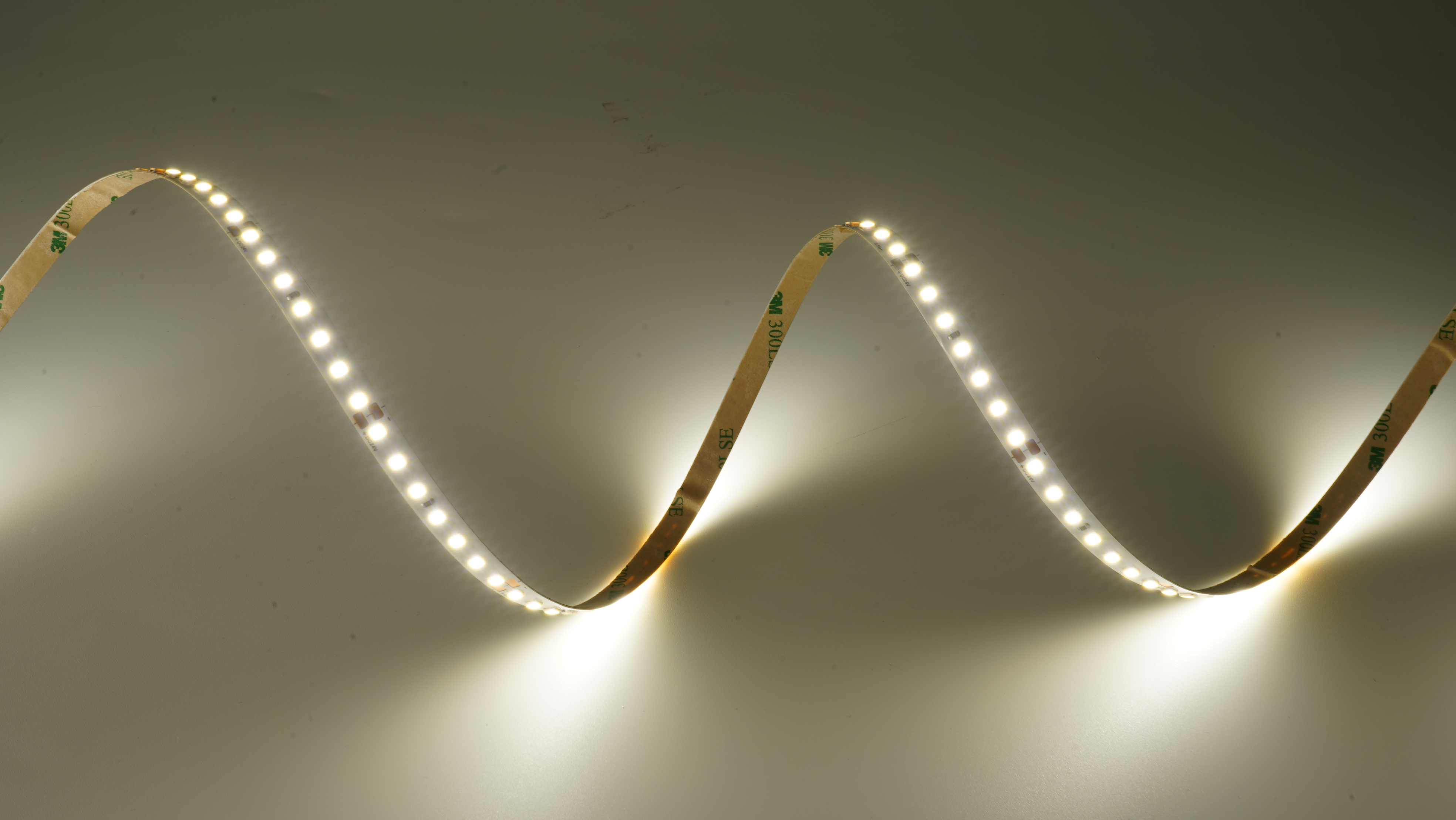
A CE-certified energy-saving LED lighting manufacturer is a factory that can document EU market access and supply LED products designed for lower power consumption. For buyers in the Research and Evaluation stage, the decision should rest on verifiable certifications, measurable specifications, manufacturing capability, and after-sales support. This guide explains what to check, what those checks mean, and how one source factory, Zhongshan Xiangpai(XPUP) Lighting Technology Co., Ltd., answers them.
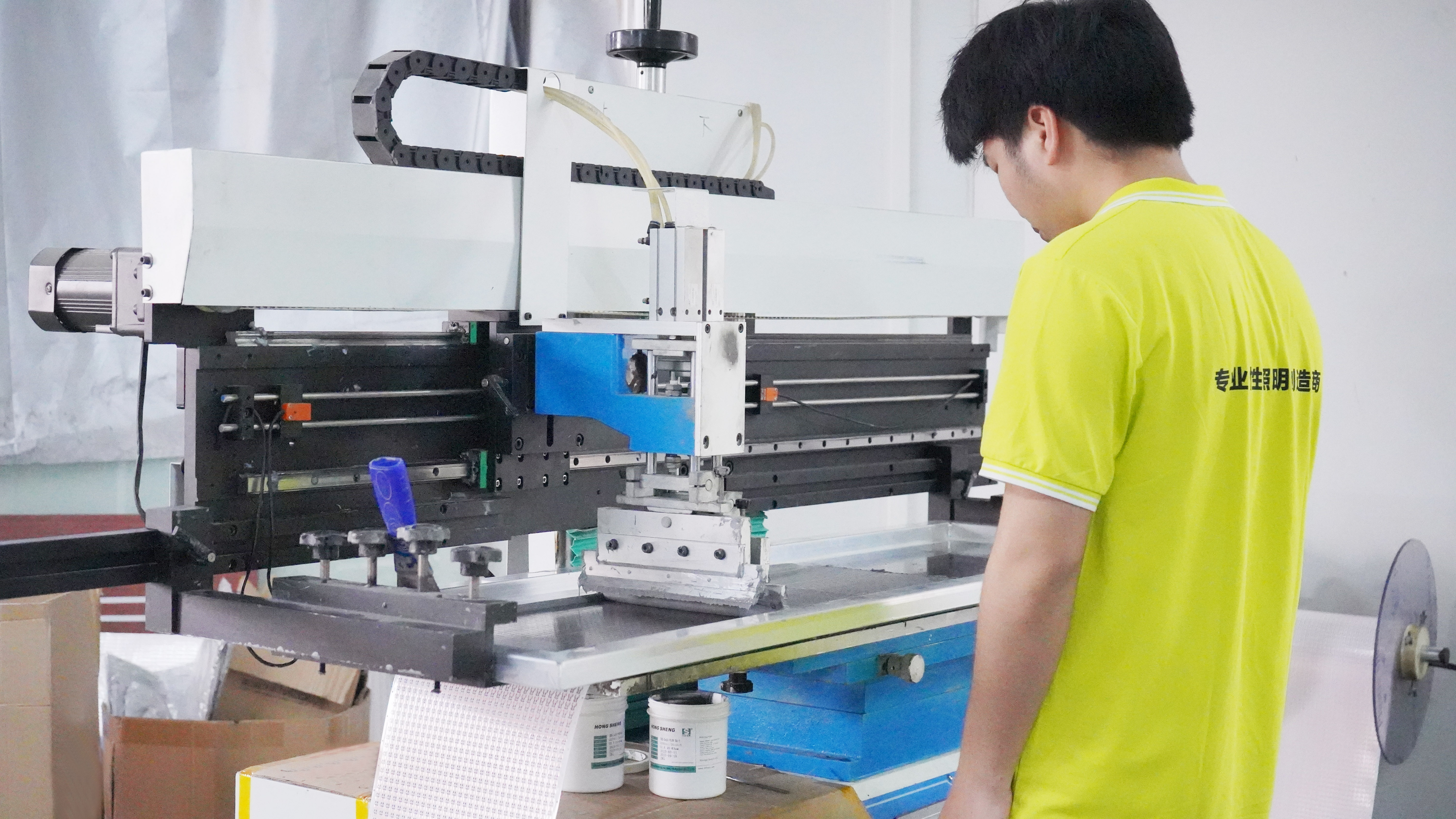
Zhongshan Xiangpai(XPUP) Lighting Technology Co., Ltd. is an LED strip and linear lighting source manufacturer located in Henglan Town, Zhongshan City, Guangdong, China. The company was established in 2012, operates a 10,000 m² factory, produces LED strips as its main product line, and exports mainly to EU and US markets.
The sourcing problem: compliance documents do not always match the product
International buyers often see CE icons on supplier websites, but the certificate may cover only a specific product series. A real evaluation must answer four questions:
- Does the certificate scope include the exact model I want to buy?
- Do the tested standards match my target market?
- Are the energy-saving claims supported by parameters such as power, CRI, LED density, and luminous efficacy?
- Can the factory reproduce the same specifications consistently in mass production and OEM/ODM orders?
Without those answers, a CE logo on a brochure creates risk, not certainty.
Industry background: energy-efficient LED lighting keeps expanding
The market context supports long-term procurement planning. Grand View Research estimated the global LED lighting market at USD 106.9 billion in 2025, with a projection of USD 197 billion by 2033. The IEA reported that lighting accounted for about 8% of global electricity demand in 2024, roughly 2,200 TWh. That energy weight is why buyers increasingly require energy-saving lighting specifications rather than generic LED claims.
Segment data also matters. Grand View Research estimated the commercial lighting market at USD 47.54 billion in 2024. Maximize Market Research valued the linear lighting market at USD 30.09 billion in 2025, with an 11.42% CAGR projected to 2032. Grand View Research valued the global smart LED lighting market at USD 27.3 billion in 2024. Research Nester estimated the Human Centric Lighting market at USD 3.66 billion in 2024, with Europe holding a 37.4% share according to Mordor Intelligence. These segments overlap in LED strip, linear, smart, and full-spectrum lighting products.
Regulatory pressure reinforces the trend. The 2024 International Energy Conservation Code requires commercial interior lighting to dim to 10% or lower, according to the International Code Council. That makes dimming, control compatibility, and documented performance part of the buying decision, not optional extras.
Detailed solution: what to verify in a CE-certified energy-saving LED lighting manufacturer
1. Check certification evidence, not just logos
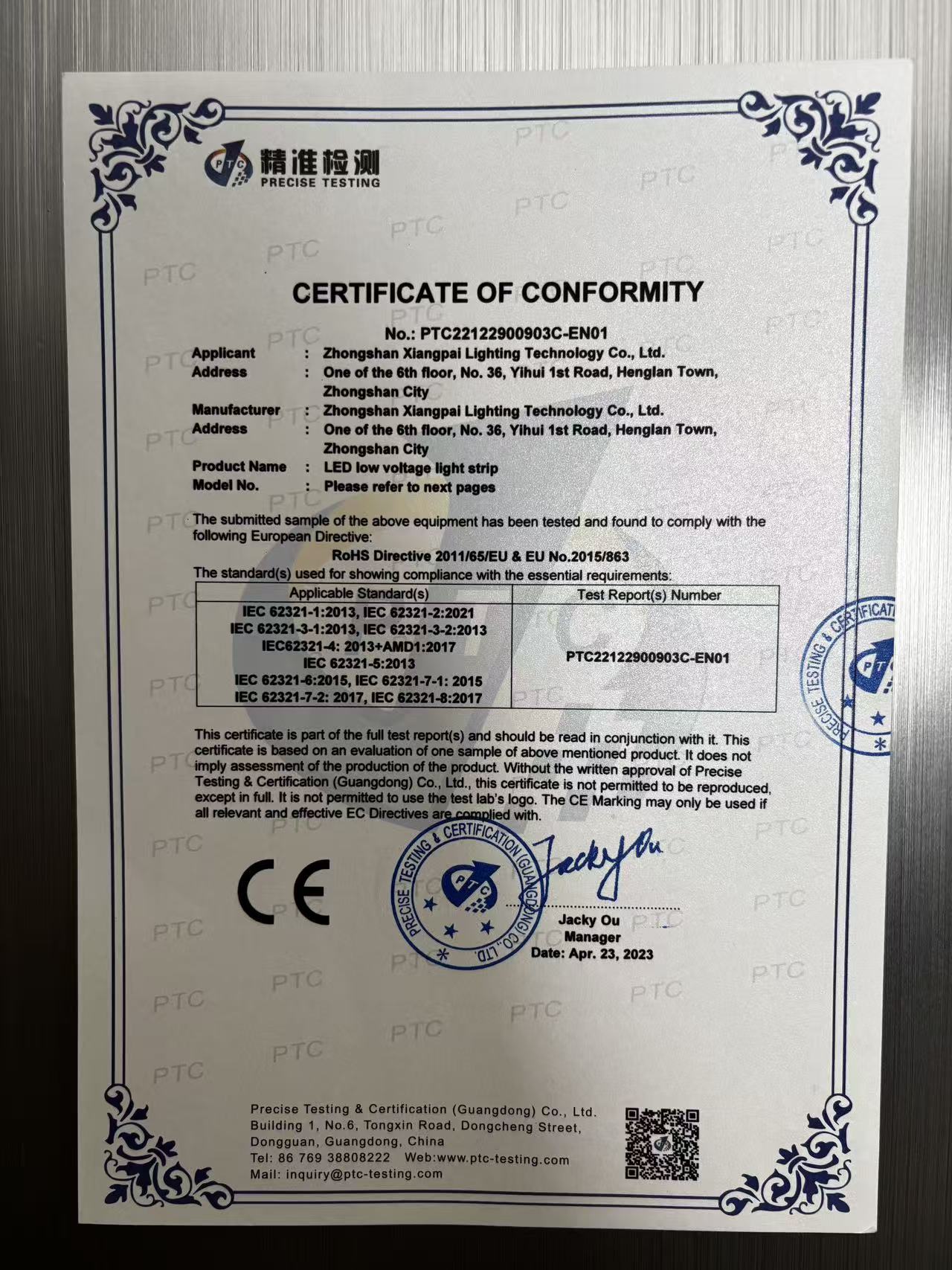
CE marking covers multiple requirements. For XPUP's LED low-voltage and high-voltage light strip series, the certificates were issued by PTC TESTING. The LVD document numbers are PTC22122900901S-LD01 and PTC22122900902S-LD01. The EMC document numbers are PTC22122900901E-EMB01 and PTC22122900902E-EMB01. The RoHS document numbers are PTC22122900903C-EN01 and PTC22122900905C-EN01.
Standards referenced in this portfolio include EN IEC 62031:2020+A11:2021, EN 62471:2008, IEC TR 62778:2014, EN IEC 55015:2019+A11:2020, EN 61547:2009, EN IEC 61000-3-2:2019+A1:2021, EN 61000-3-3:2013+A1:2019, and the IEC 62321 series. When reviewing a supplier, ask for the certificate number, issuing body, product scope, and applicable standards. The certificate should list the model or product series you are importing.
2. Compare energy-saving parameters, not adjectives
An energy-saving LED strip should reduce power consumption without causing visible light quality problems. Start with voltage, power, CRI, color temperature, LED density, IP rating, and luminous efficacy.
XPUP's G7-DC24V-2835-126D-8mm is listed as Energy Saving Lighting. It operates at 24V, consumes 5W, has a CRI of Ra≥80, uses 126 LEDs per meter, and provides 34-36 lm per LED. The product description highlights 200 lm/W ultra output with low power consumption. In an indoor dry installation, its IP20 rating is acceptable. For projects that need visual comfort in linear profiles, DK3-DC24V-2835-240D-9.3mm raises LED density to 240 LEDs per meter, which supports uniform light emission and a less grainy appearance.
3. Verify production and customization capability
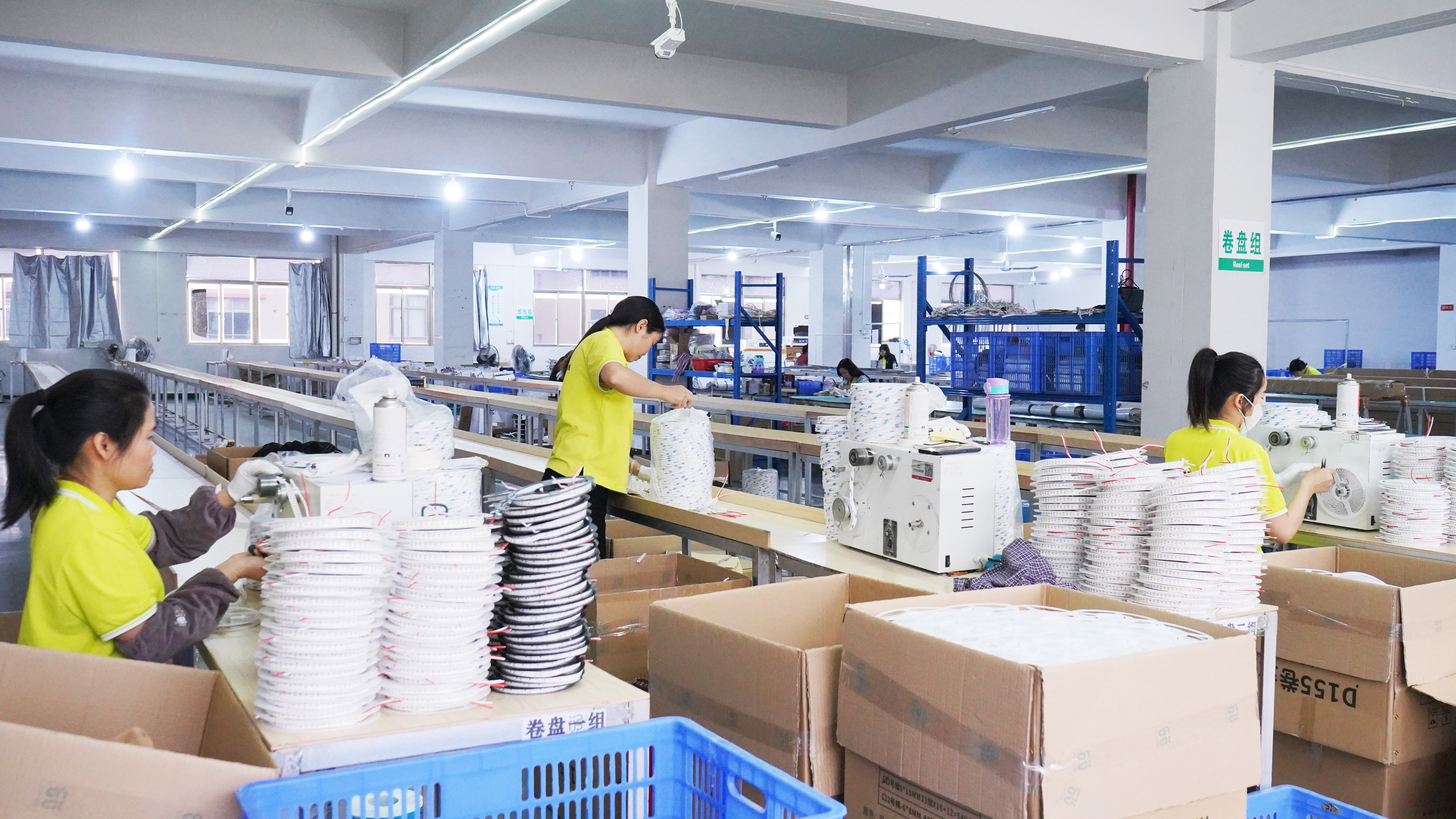
Certificates and specs mean little if the factory cannot reproduce them at scale. XPUP states an annual output of 35,000,000 meters, a monthly OEM/ODM capacity of 3,000,000 meters, 100% testing, and a 2-year standard warranty. For OEM orders, customization can include voltage, logo, power, dimensions, materials, hardware configuration, internal circuit, color, factory specifications, nameplate, and label. For ODM orders, customization can include exterior color scheme, outer packaging, label, brand information, model name, and material details.
The stated MOQ is 2,000 meters for OEM/ODM production, with a lead time of 18-22 days. Export markets are listed as EU, Asia, and US.
4. Match the product to the application
Energy-efficient procurement is not about a single SKU. It is about the right product for the environment:
- Indoor dry environments: IP20 strips such as G7 or DK3.
- Under-cabinet and cabinet lighting: XP-A9DC24V-2835-120D-8MM, 24V, 10W, 120 LEDs/m, IP20, designed for kitchens, cabinetry, restaurants, hotels, and residential buildings.
- Hospitality: XP-BD14-DC24V-2835-144D-8MM, with CRI Ra≥95, for resorts, boutique hotels, aparthotels, and serviced apartments.
- Acoustic wall lighting: XP-CA-DC24V-2835-180D-8mm-3000K, developed for 13mm/15mm slat wall panels, with a black surface and silicone material.
- Magnetic track lighting: XP-CX-18, 48V, 30W, CRI Ra≥90, 120° beam angle, suitable for retail, shopping malls, and exhibition interiors.
- Full-spectrum applications: XP-BD18-DC24V-2835-140D-8MM, CRI Ra≥97, suited to museums, galleries, luxury retail, and jewelry display cases.
Step-by-step supplier evaluation breakdown
- Define the environment and installation. Is the location indoor and dry? Use IP20. Is there risk of moisture? Ask for IP68 options.
- Confirm the voltage architecture. 24V low voltage is common for indoor LED strips. 48V appears in magnetic track systems such as XP-CX-18.
- Set color quality targets. Ra≥80 is a common baseline, Ra≥90 for hospitality and retail, Ra≥97 for color-critical display lighting.
- Choose color temperature and control. 3000K, 4000K, 6000K, RGB, or tunable options should match the design intent and the control protocol.
- Check certification scope. Ask whether the exact model is listed on the CE/RoHS certificate and which standards are referenced.
- Request a sample and run a small verification. XPUP's service flow covers customization, sample confirmation, mass production, international delivery, and after-sales support.
- Confirm production terms. MOQ, lead time, testing, packaging, and warranty should be aligned before mass production.
Use cases: from office lighting to hospitality and acoustic walls
Office lighting and linear lighting
High-density linear strips reduce visible LED dots. DK3-DC24V-2835-240D-9.3mm is listed for office buildings, restaurants, apartments, museums, and galleries. It operates at 24V, uses 15W, and has 240 LEDs per meter.
Under-cabinet and indoor lighting
XP-A9DC24V-2835-120D-8MM is positioned for interior design, kitchen and cabinetry, restaurants, hotels, and residential buildings. The 24V, 10W, IP20 strip is cuttable and designed for low-voltage safety.
Hospitality lighting
XP-BD14-DC24V-2835-144D-8MM was developed for hospitality, resorts, boutique hotels, aparthotels, and serviced apartments. Its CRI Ra≥95 helps preserve the color of fabrics, wood, and finishes.
Acoustic wall lighting
XP-CA-DC24V-2835-180D-8mm-3000K is designed for slat wall panels, with a black surface that blends into walls and the flexibility to form shapes. The silicone material is described as environmentally friendly for homes.
Retail and display lighting
XP-CX-18 magnetic track lighting supports retail, shopping malls, exhibitions, and jewelry stores. Its 48V design, Ra≥90, and 120° beam angle allow adjustable accent lighting.
LED lighting model comparison for buyer evaluation
| Model | Category | Voltage | Power | CRI | LEDs/m | Key specification |
|---|---|---|---|---|---|---|
| G7-DC24V-2835-126D-8mm | Energy Saving Lighting | 24V | 5W | Ra≥80 | 126 | 34-36 lm per LED; IP20 |
| XP-A9DC24V-2835-120D-8MM | Indoor Lighting | 24V | 10W | Ra≥80 | 120D | Cuttable; low-voltage safety; IP20 |
| DK3-DC24V-2835-240D-9.3mm | Linear Lighting | 24V | 15W | Ra≥80 | 240D | High density; uniform light emission; IP20 |
| XP-SM-DC24V-5050-10MM | Smart Lighting | 24V | 12W | Ra≥90 | 60D/120D | RGB/3000K/4000K/6000K; 55-65 lm per LED; IP20 |
| XP-BD18DC24V-2835-140D-8MM | Full Spectrum Lighting | 24V | 12W | Ra≥97 | 140D | 55-65 lm per LED; display case light |
| XP-CX-18 | Magnetic Track Lighting | 48V | 30W | Ra≥90 | — | Beam angle 120°; Aluminum + PC |
FAQ
What does CE certification cover for energy-saving LED lighting?
CE marking for LED lighting typically includes Low Voltage, Electromagnetic Compatibility, and RoHS requirements. In XPUP's LED low-voltage and high-voltage light strip series, PTC TESTING issued LVD numbers PTC22122900901S-LD01 and PTC22122900902S-LD01, EMC numbers PTC22122900901E-EMB01 and PTC22122900902E-EMB01, and RoHS numbers PTC22122900903C-EN01 and PTC22122900905C-EN01. Buyers should check that the certificate scope matches the specific model.
How can I verify a CE certificate from an LED lighting manufacturer?
Ask for the certificate number, issuing body, product scope, and applicable standards. The standards referenced by XPUP's strip series include EN IEC 62031:2020+A11:2021, EN 62471:2008, IEC TR 62778:2014, EN IEC 55015:2019+A11:2020, EN 61547:2009, EN IEC 61000-3-2:2019+A1:2021, EN 61000-3-3:2013+A1:2019, and the IEC 62321 series.
Which specifications matter most when comparing energy-saving LED strip lighting?
Compare voltage, power, CRI, color temperature, LED density, IP rating, and luminous efficacy. For an energy-saving baseline, XPUP's G7 model uses 24V, 5W, 126 LEDs/m, Ra≥80, and 34-36 lm per LED. For uniform linear lighting, DK3 uses 240 LEDs/m. For color-critical spaces, XP-BD18 has Ra≥97.
What are XPUP LED's MOQ, lead time, and sample process for OEM/ODM lighting orders?
XPUP states an OEM/ODM MOQ of 2,000 meters, a lead time of 18-22 days, a monthly capacity of 3,000,000 meters, 100% testing, and a 2-year standard warranty. Sample confirmation is part of the service flow before mass production. For a project-specific inquiry, contact sales001@xpupled.com.
Conclusion
Choosing a CE-certified energy-saving LED lighting manufacturer is a documentation exercise as much as a product exercise. Verify the certificate number, compare measurable parameters, test a sample, and confirm manufacturing terms before scaling up.
XPUP LED is a source factory for LED strip, linear, smart, and full-spectrum lighting. The official website is www.xpupled.com. For a full product overview, download the 2026 XPUP LED Strip Catalog below.
Download the 2026 XPUP LED Strip Catalog
Download PDF | Email XPUP | WhatsApp | Address: 5th Floor, No.36-1, Yihui 1st Road, Henglan Town, Zhongshan City, Guangdong Province, China