
How to Choose LED Lighting for Restaurants, Galleries, and Aparthotels: An Application Guide
Short answer: choose the LED lighting line from the visual task each space has to perform, then confirm three variables before ordering — beam angle, dimming behaviour, and whether that layer of light is decorative or functional. In practice this means different product lines for a restaurant, a gallery, an exhibition hall and an aparthotel, even when the same buyer purchases all four.
A restaurant ceiling line has to wash a textured wall without flattening it. A gallery has to render a canvas close to the way the artist intended it to read. An exhibition aisle has to stay bright, even and economical to run across long opening hours. An aparthotel has to move a guest from arrival, to dinner, to reading in bed, to sleep — inside the same room.
This guide maps four XPUP LED lines to those verticals — DK3 for restaurants and interior design, XP-BD18 for galleries and luxury retail, XP-CX-18 for exhibitions and shopping malls, and XP-SM for aparthotels and hospitality — and then works through the specification sequence that keeps each choice valid after installation. Because a four-line specification is also a supply decision, the closing sections cover sampling, compliance, delivery and long-term OEM/ODM supply from one source manufacturer.
Problem Definition: Why Mixed-Vertical LED Lighting Specifications Fail
Underperforming commercial lighting is rarely caused by poor LEDs. It is caused by a specification written for one space and then copied into four.
- One product, four jobs. A single indoor lighting type is applied identically to a dining room, an artwork wall, an exhibition aisle and a guest kitchen. The spaces have different visual tasks, so at least three of the four will be wrong.
- Beam angle chosen from a render. Wall washing lighting and accent lighting solve opposite problems. A beam that flatters a 3D visualisation may leave uneven scalloping along a wall or burn a hotspot into a canvas.
- Dimming defined after the fixture. In the United States, the 2024 International Energy Conservation Code requires lights to dim to 10% or lower for commercial interiors (International Code Council). If the fixture and driver cannot reach that low end, no commissioning will fix it, and the venue ends up with an evening scene that is either too bright or visibly stepped.
- Decorative and functional roles merged. A decorative lighting fixture is asked to deliver task illumination, or a functional linear run is expected to carry brand identity. Both compromises show up in service.
- Sourcing split across four suppliers. When restaurant linear lighting, gallery-grade full-spectrum lighting, exhibition lighting and hospitality lighting are bought from four vendors, sampling rounds, compliance documents, lead-time variables and after-sales responsibility are all multiplied. For hotel groups, restaurant groups and retail chains that open multiple sites, this is usually the most expensive failure of the five, because it repeats with every project.
Industry Background: Commercial Lighting Is Moving Indoors, Dimmable and Spectrum-Aware
The commercial lighting market was estimated at USD 47.54 billion in 2024 (Grand View Research). The hospitality lighting market reached USD 14.2 billion in 2025 (Dataintelo), and the linear lighting market was valued at USD 30.09 billion in 2025 with an 11.42% CAGR projected to 2032 (Maximize Market Research). Growth is concentrated precisely in the interiors this guide covers: restaurants, galleries, exhibitions and serviced accommodation.
Two technical expectations are driving that shift. The first is dimming and control. Indoor lighting generated 66% of the smart lighting market in 2024, and wireless connectivity such as Zigbee and Bluetooth Mesh accounted for 35% of that market in the same year (Precedence Research). Dimming is no longer an upgrade; it is part of the base specification.
The second is spectrum. Human Centric Lighting was valued at USD 3.66 billion in 2024 and is projected to grow at a 17.1% CAGR through 2036 (Research Nester), with Europe holding a 37.4% share in 2024 (Mordor Intelligence). Energy remains on the agenda at the same time: lighting accounted for approximately 8% of global electricity demand in 2024, roughly 2,200 TWh (International Energy Agency). For venues open twelve hours a day, energy saving lighting is measured in operating hours, not in purchase price.
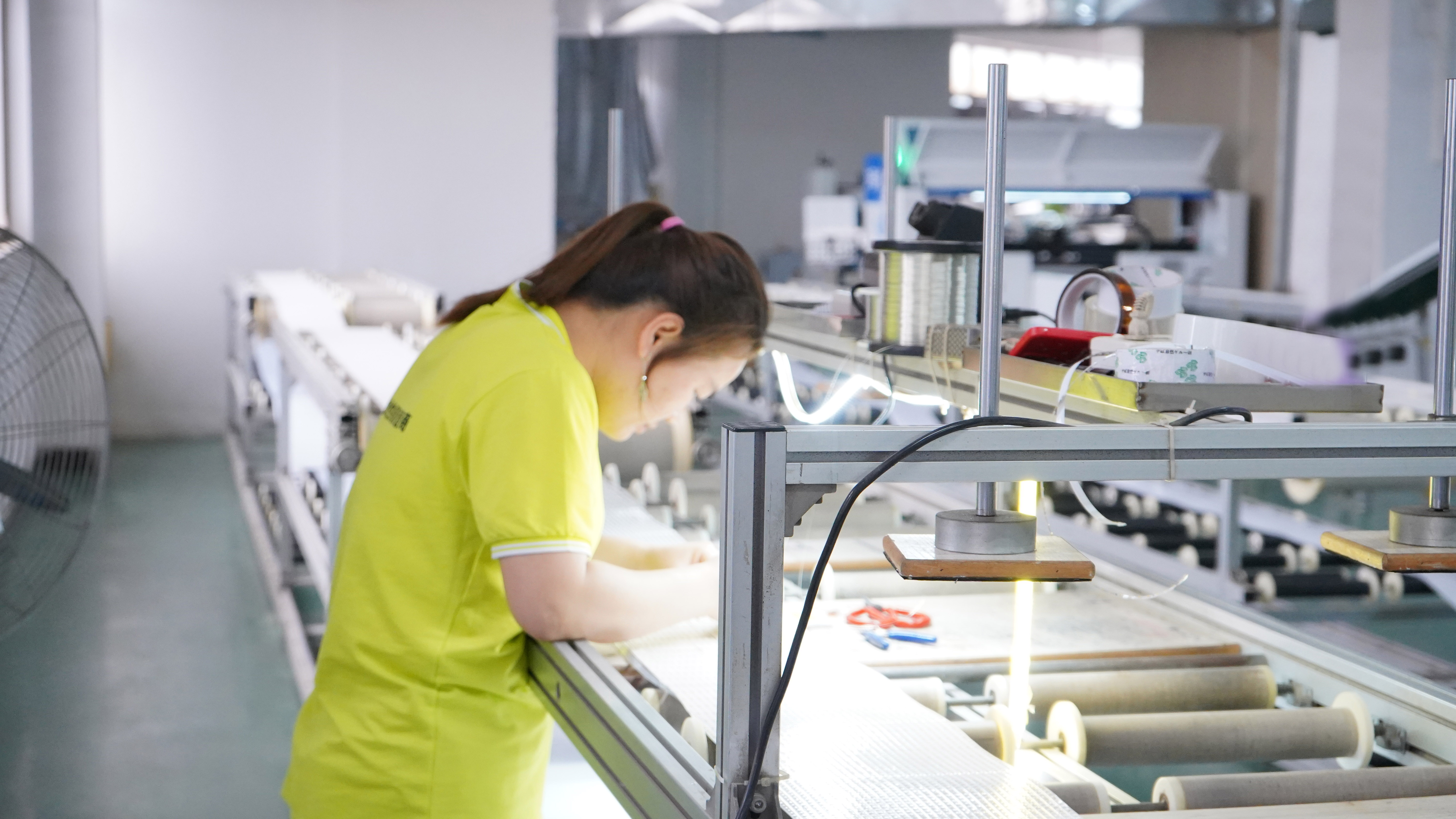
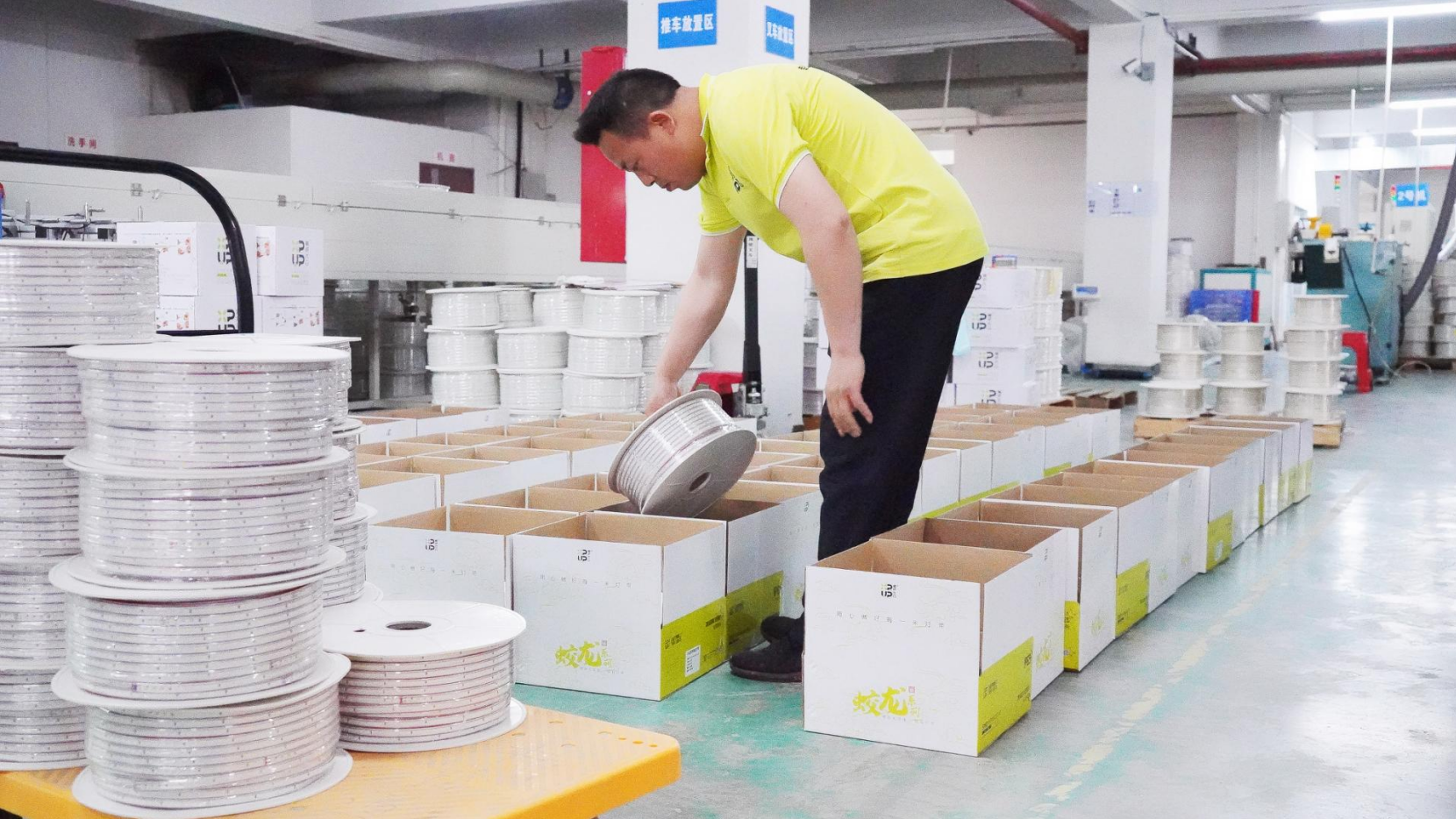
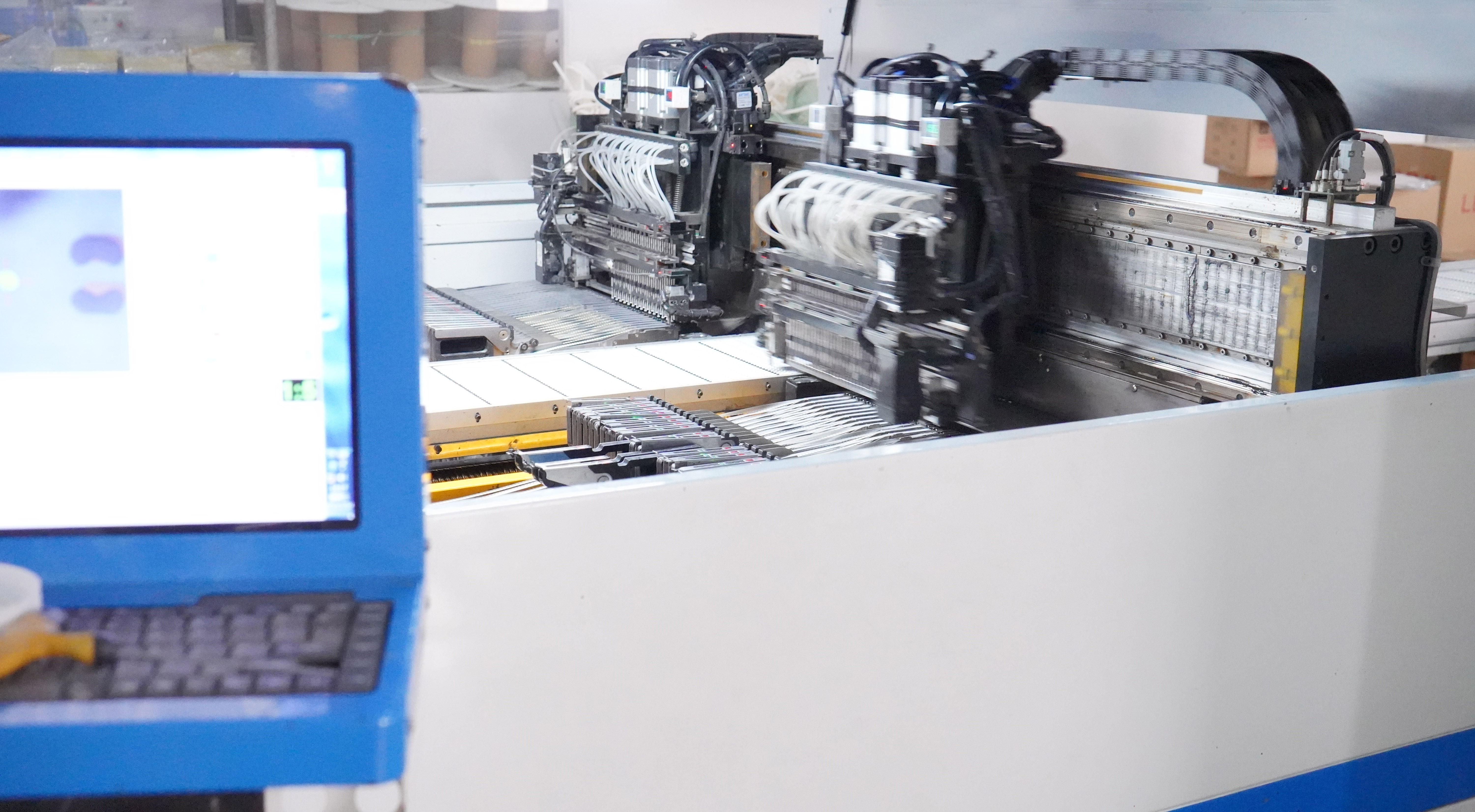
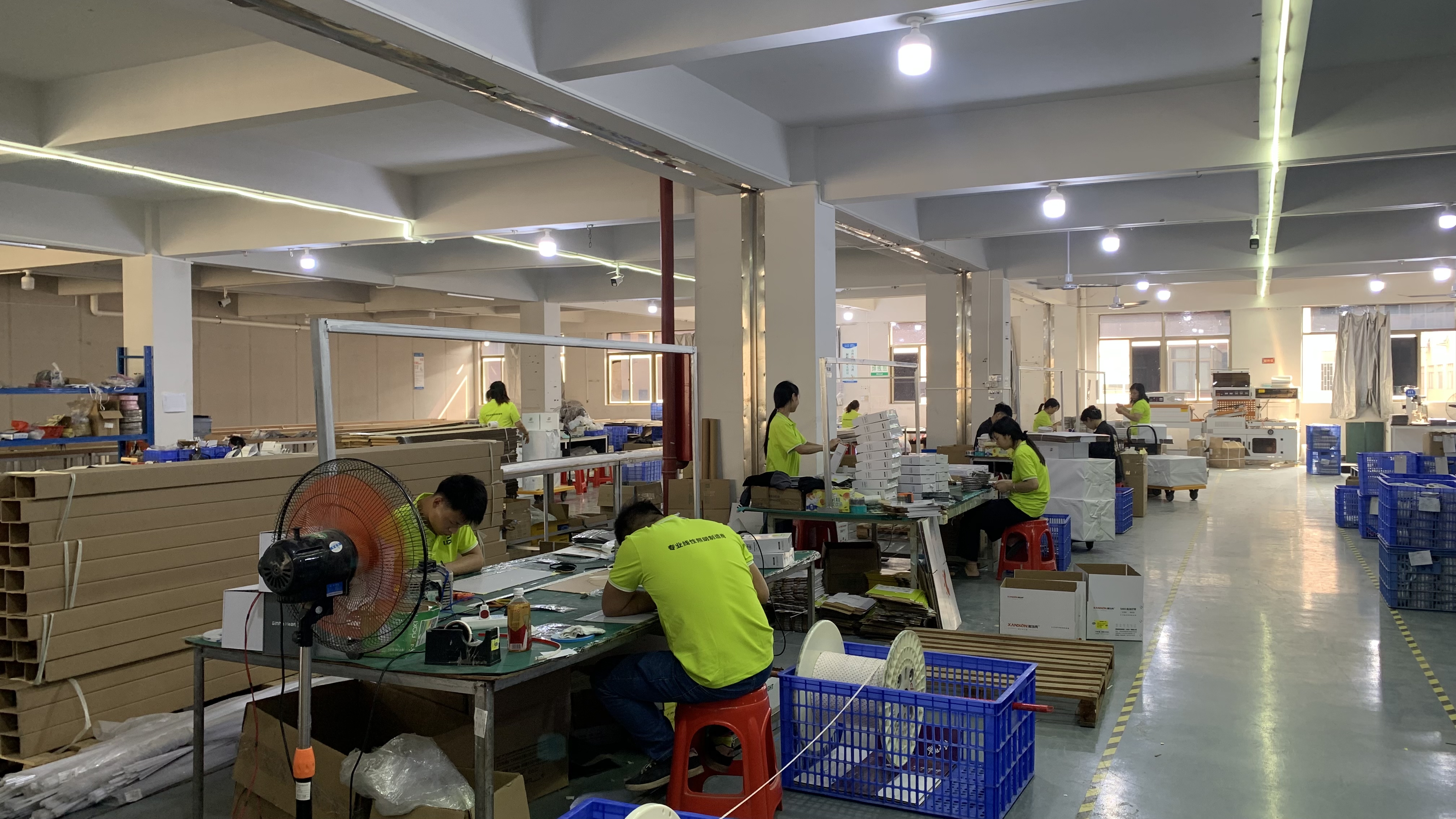
Zhongshan Xiangpai (XPUP) Lighting Technology Co., Ltd. is an LED strip and linear lighting manufacturer established in 2012 in Zhongshan City, Guangdong Province, China. The company operates a 10,000 m² facility with approximately 80 staff and an annual production capacity of 35,000,000 meters of LED strip, holds CE and RoHS certification, and focuses primarily on the EU and USA markets.
Detailed Solution: Matching the XPUP LED Line to the Vertical
The four lines below are not interchangeable. Each one answers a different dominant constraint, and the correct choice becomes obvious once that constraint is written down.
DK3 — Restaurants and Interior Design
Restaurant lighting is a layering problem rather than a brightness problem. Guests are usually lit by ambient and reflected light, while the food, the bar top and the wall texture are the objects that need direction. The DK3 line is positioned for restaurant and interior design applications, where a continuous linear run can carry the ambient layer across a ceiling and simultaneously perform wall washing on a feature wall.
The practical specification questions are straightforward. Does the accent layer need to move when the floor plan changes? If yes, a magnetic track lighting layer beside the linear run allows repositioning without recutting the ceiling. Does the bar or service counter need local light? Under cabinet lighting solves it without placing a visible fixture in the guest's field of view. Does the evening scene need to drop low? Confirm the dimming floor before the fixture is ordered, not after commissioning.
XP-BD18 — Galleries and Luxury Retail
Gallery and high-end retail lighting is a rendering problem. Objects under full spectrum lighting retain the distinction between similar reds, deep blues and near-blacks, which determines whether a painting reads as intended and whether a product's material quality is visible at all. The XP-BD18 line is intended for gallery and luxury retail applications, where colour behaviour and beam control matter more than raw lumen output.
Beam angle does most of the work here. A narrow beam lifts one object out of its surroundings; a broad or wall-directed beam creates even wall washing across a large canvas without a hotspot. The decorative role of the fixture itself should be minimal in these rooms — the light is decorative in effect, but the hardware should stay visually quiet so it does not compete with the object. In retail, that balance shifts: a decorative element can be part of the brand experience, provided the merchandise remains the best-rendered object in view.
XP-CX-18 — Exhibitions and Shopping Malls
Exhibition halls and shopping malls impose the opposite constraints to a gallery: high ceilings, long operating hours, dense footfall and an expectation of uniform brightness along a long run. The XP-CX-18 line targets exhibition and shopping mall installations, where uniformity and serviceability matter more than precise accent control.
Specification priorities are continuity and maintenance. Long linear runs have to maintain even brightness end to end, which is where maximum length control matters — XPUP supplies its strips in 10-meter rolls and applies maximum length control to manage overloading risk in extended runs. Decorative lighting has a legitimate role in mall environments, where a lighting feature often carries brand identity, but it should be specified as an additional layer rather than as the source of general illumination.
XP-SM — Aparthotels and Hospitality
An aparthotel is occupied across a full day cycle, so its lighting has to change character rather than simply dim. The XP-SM line is positioned for aparthotel and hospitality projects, where the same room must support arrival, cooking, working, dining, reading and sleep.
The specification should therefore be written as scenes, not as fixtures. Ambient lighting sets the background level. A local layer covers the kitchen worktop with under cabinet lighting, the desk with task or office lighting behaviour, the bedside reading position and the bathroom. Circadian lighting logic — cooler and brighter in the morning, warmer and dimmer at night — belongs in the control schedule, and it only works if the fixtures can actually reach a low dimming floor smoothly. Because aparthotels operate continuously and rarely close for maintenance, low maintenance frequency and standardized replacement components are specification criteria, not afterthoughts.
Why the Supply Side Decides Whether the Specification Holds
A four-line specification only performs if the delivered product matches the approved sample at the fourth reorder, not just the first. Three manufacturer-side controls decide that.
- Colour and brightness consistency across batches. Standardized mass production with controlled batch-to-batch colour difference keeps a restaurant chain's second site looking like its first.
- Compliance adapted to the destination market. XPUP products hold CE and RoHS certification, and product solutions are adapted to the market access requirements and end-use scenarios of the destination market rather than exported as a single fixed configuration.
- Customization at specification level. Voltage, colour temperature, PCB design, product specification and packaging can be customized for lighting brands, which is how a distributor or brand owner turns a generic line into a market-specific one instead of reselling a catalogue item.
Step-by-Step Breakdown: A Specification Sequence That Survives Installation
- List the visual tasks before listing fixtures. For each room, write down what must be seen, by whom, and at what time of day: reception area, dining zone, artwork wall, aisle, kitchen worktop, bedside.
- Assign a beam angle to each task, not to each fixture. Narrow for accent, intermediate for general fill, broad or wall-directed for wall washing lighting. This single step removes most of the uneven-wall and hotspot complaints that appear after handover.
- Define the dimming requirement before choosing the driver. Include the lowest useful level for the venue's quietest hour and check it against local code — for commercial interiors in the United States, the 2024 International Energy Conservation Code requires lights to dim to 10% or lower (International Code Council).
- Separate decorative layers from functional layers. Decide explicitly which fixtures must deliver illumination and which exist for brand identity. Mixing the two roles is what produces venues that are either too dark to work in or too flat to feel designed.
- Map each space to the line. Restaurants and interior design map to DK3; galleries and luxury retail to XP-BD18; exhibitions and shopping malls to XP-CX-18; aparthotels and hospitality to XP-SM. Multi-vertical operators can hold all four lines under one supply relationship instead of four.
- Validate with a sample and lock the compliance file. Sample confirmation before mass production, CE and RoHS documentation for the destination market, and a pre-shipment test as the acceptance criterion.
- Fix installation and electrical risk in writing. Maximum length control and 10-meter roll supply to manage overloading risk; multilingual installation documents, bilingual installation videos and remote technical guidance to reduce installation risk; dedicated engineers for on-site technical assistance on overseas projects where required.
- Lock delivery, warranty and after-sales terms. Delivery schedules and delay handling procedures defined in a standardized supply agreement; buffer production capacity and inventory prepared according to project requirements; a standard 2-year warranty across product series, with extended warranty terms available for large-scale projects and ODM brand partnerships; dedicated after-sales contacts with clear procedures for quality issue handling.
Use Cases: Four Verticals, Four Different Priorities
Restaurant, 90 covers, evening service. The dominant constraint is scene range: daylight-level settings for preparation and a low, warm evening scene that still renders food properly. The decision is a linear ambient layer with a separately controlled accent layer and local under cabinet lighting at the bar. The risk avoided is a flattened feature wall and stepped dimming at the low end.
Gallery or luxury retail floor. The dominant constraint is accurate rendering with controlled beam placement. The decision is full-spectrum fixtures with beam angle set per object size and viewing distance, not per ceiling grid. The risk avoided is that adjacent materials stop being distinguishable and artwork develops hotspots.
Exhibition hall or shopping mall concourse. The dominant constraint is long-hour operation with uniform brightness along extended runs. The decision is continuous linear runs under maximum length control, with buffer stock planned for replacement. The risk avoided is visible unevenness along a run and overloading in extended installations.
Aparthotel studio unit. The dominant constraint is multi-scene flexibility with low maintenance frequency. The decision is a layered XP-SM scheme driven by scene control, using standardized replacement components. The risk avoided is guest complaints about light quality plus repeated maintenance visits — the two costs that rarely appear in a lighting budget and always appear in operations.
Comparison: How the Four XPUP LED Lines Differ by Application
| Line | Primary verticals | Dominant role of the layer | Confirm on beam angle | Confirm on dimming and control | Main risk if chosen by appearance alone |
|---|---|---|---|---|---|
| DK3 | Restaurants, interior design | Functional ambient plus wall washing; decorative in feature runs | Wall-directed versus general fill | Low-end dimming floor for evening service | Walls wash unevenly; evening scene stays too bright |
| XP-BD18 | Galleries, luxury retail | Functional accent with deliberate decorative restraint | Beam width and aiming per object | Smooth, step-free dimming at low levels | Objects render flatly; hotspots on artwork |
| XP-CX-18 | Exhibitions, shopping malls | Functional uniformity; optional decorative features | Uniform distribution across long runs | Long-hour operation and maintenance access | Visible unevenness; overloading in extended runs |
| XP-SM | Aparthotels, hospitality | Layered functional lighting with scene-based accents | Background versus task placement | Scene control across the day cycle | Scene range cannot be reached; higher maintenance frequency |
Underlying Comparison: Flexible LED Strip Versus Older Alternatives
The comparisons below come from XPUP's own product comparison data and explain why flexible LED strip Lighting, rather than rigid fixtures, sits behind most of these four verticals.
| Compared with | Difference | Stated performance gap | Best suited for |
|---|---|---|---|
| Traditional rigid LED light bar | Flexible LED strips bend freely and suit curved and irregular installations | 70% higher installation flexibility for custom and architectural lighting layouts | Residential ambient lighting, retail stores, commercial spaces and architectural lighting |
| Traditional neon lighting | Higher energy efficiency, improved environmental protection and longer service life | Under typical applications, energy consumption can be reduced by up to 40%, and service life can be up to three times longer | Residential lighting, commercial facades, hospitality projects and landscape lighting |
FAQ: Long-Term LED Lighting Supply, Compliance and Delivery
What should a buyer verify before appointing a long-term smart LED lighting OEM manufacturer?
Verify five things: customization capability, production capacity, quality control, compliance and after-sales structure. XPUP provides OEM/ODM customization for lighting brands, covering voltage, colour temperature, PCB design, specification and packaging. Production runs on automated lines with strict product testing systems and an annual capacity of 35,000,000 meters. Quality control covers incoming material inspection, in-process inspection, aging tests and final inspection, and products that fail are not shipped. All product series carry a standard 2-year warranty, with extended warranty terms available for large-scale projects and ODM brand partnerships.
Which compliance points matter for EU and US restaurant, retail and hospitality projects?
CE and RoHS are the baseline for XPUP products, and the company adapts product solutions to the market access requirements, safety expectations and end-use scenarios of the destination market rather than shipping one fixed configuration worldwide. A frequently missed compliance input is dimming: the 2024 International Energy Conservation Code requires lights to dim to 10% or lower for commercial interiors in the United States (International Code Council), so dimming capability should be confirmed during selection rather than treated as a control detail after installation.
Can one manufacturer supply four different lighting lines for a multi-vertical project?
Yes. XPUP is a source manufacturer of LED strips and linear lighting products with a portfolio spanning high- and low-voltage flexible LED strips, COB LED strips, RGB/RGBCW smart colour strips, outdoor waterproof strips, energy-efficient commercial strips, smart dimmable ambient lighting strips and related accessories. A single portfolio lets a hotel group, restaurant group or retail chain source its restaurant line, gallery line, exhibition line and hospitality line from one supplier, which reduces sampling rounds, compliance documents and lead-time variables compared with sourcing from four vendors. The company also maintains a mature supply chain system for European and American markets, with a focus on high-end customers in those regions.
What are the purchasing terms, MOQ and acceptance criteria?
MOQ is 2,000 meters. Delivery terms are FOB or CIF. Acceptance criteria are based on a pre-shipment test, so the quality check happens before the container leaves rather than after arrival. Payment terms are 30% deposit with the balance payable before shipment.
How are samples, delivery and after-sales handled on a long-term project?
Projects move through sample confirmation before mass production. Delivery reliability is supported by standardized supply agreements with clearly defined delivery schedules and delay handling procedures, plus buffer production capacity and inventory prepared according to project requirements. Installation risk is reduced through multilingual installation documents, bilingual installation videos and remote technical guidance, with dedicated engineers providing on-site technical assistance for overseas projects when required. After-sales is handled through dedicated contacts, clear procedures for quality issue handling and responsibility management, and customized after-sales solutions based on project requirements. Distributors, brand owners and project buyers can review the full range in the XPUP LED Strip catalog before requesting a sample or quotation.
Conclusion: Choose for the Space, Then Choose for the Life of the Project
Beam angle decides whether a surface reads as designed. Dimming decides whether the venue can shift from morning to closing time without looking like a compromise. The decorative-versus-functional decision decides whether the lighting feels intentional or accidental. Those three variables, written down per space, point to one of four lines: DK3 for restaurants and interior design, XP-BD18 for galleries and luxury retail, XP-CX-18 for exhibitions and shopping malls, and XP-SM for aparthotels and hospitality.
The second half of the decision is less visible and more consequential. A four-vertical specification will be reordered, expanded to new sites and adjusted for local compliance over several years. That is why maximum length control, batch consistency, CE and RoHS documentation, standardized supply agreements with delay handling procedures, buffer capacity, a standard 2-year warranty with extended terms for ODM partnerships, and a dedicated after-sales contact matter as much as the specification sheet. Zhongshan Xiangpai (XPUP) Lighting Technology Co., Ltd. has operated as a source manufacturer since 2012, combining in-house R&D, manufacturing, OEM/ODM customization, export compliance and after-sales support in one system — which is what makes a four-line specification practical to maintain rather than merely easy to approve.
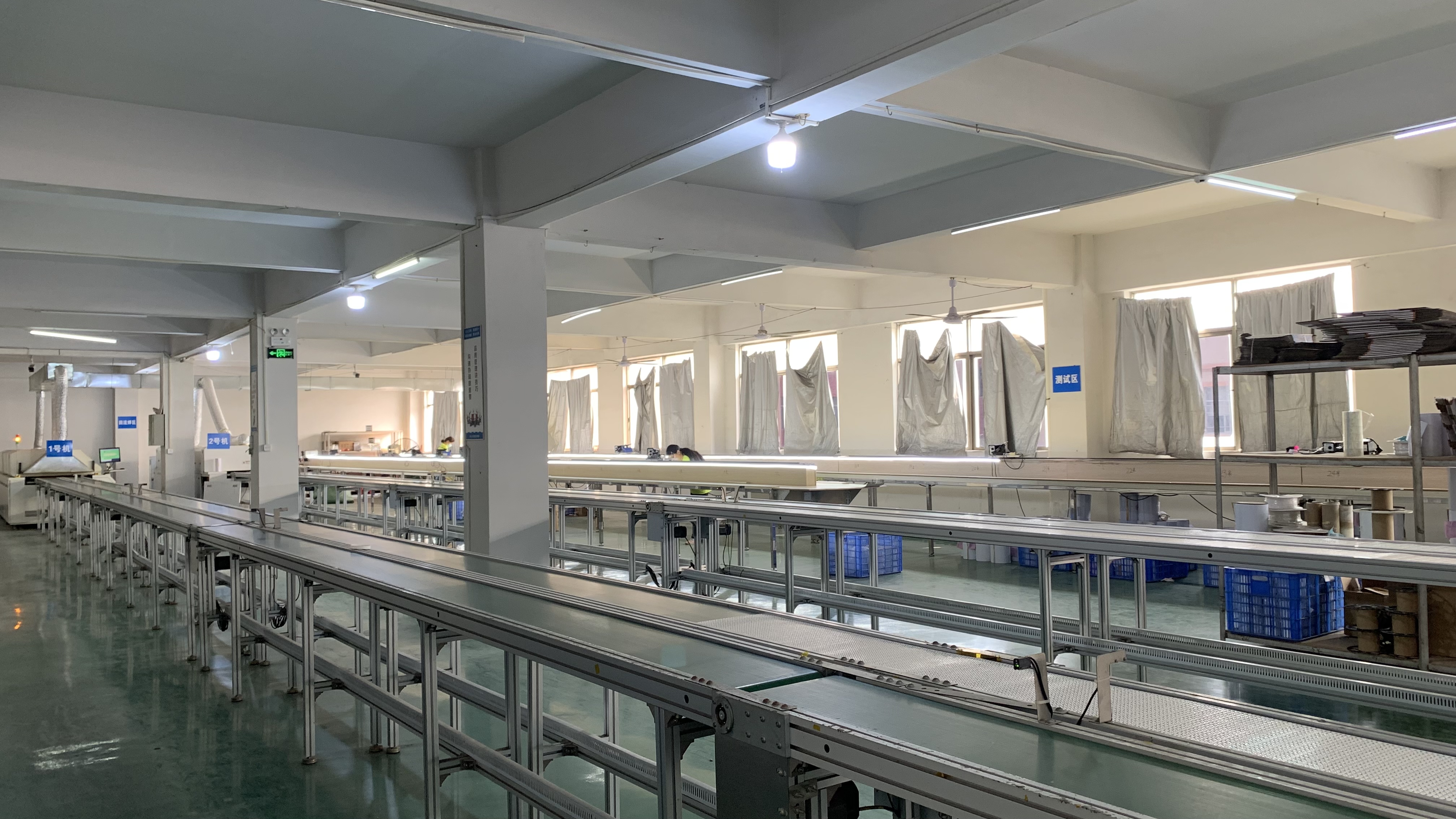
Next step: download the 2026 XPUP LED Strip Catalog and review the full range, or request a sample and quotation for your vertical.
Catalog: 2026 XPUP LED Strip Catalog (PDF)
Website: www.xpupled.com | Email: sales001@xpupled.com | WhatsApp/WeChat: +86 189 8858 4085