LED Lighting Partnership FAQ: OEM/ODM and After-Sales Alignment
Short answer: a long-term LED lighting partnership is decided by three things — how far OEM/ODM support extends beyond the first sample, whether the specification stays identical from batch to batch, and whether after-sales terms protect replacement-spec consistency across every project you commit to. The questions below are the ones buyers raise most often at the evaluation stage, answered with XPUP LED's published product specifications, certification records and delivery terms.
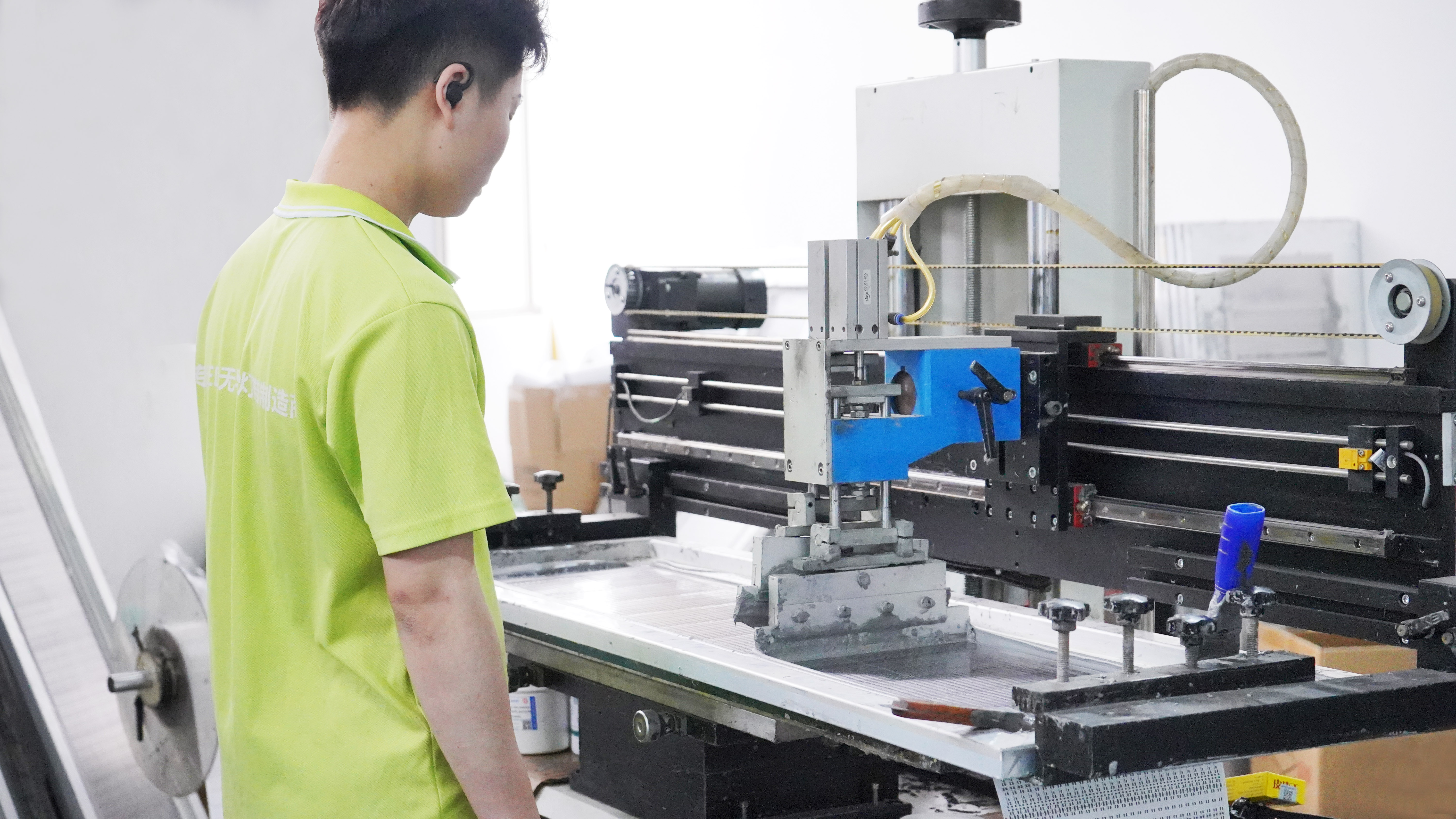
XPUP LED is an LED strip and linear lighting manufacturer based in Zhongshan City, Guangdong Province, China, and the brand of Zhongshan Xiangpai (XPUP) Lighting Technology Co., Ltd., established in 2012. The company operates a factory of more than 10,000 m², produces LED linear light strips, LED magnetic lights and smart control systems, and exports to more than 170 countries and regions under CE and RoHS certification.
What Buyers Are Really Asking When They Evaluate a Long-Term LED Lighting Partner
The evaluation-stage question is rarely “can this factory make the product?” It is “will the tenth order still match the first — and will the specification still fit the project it was bought for?” In LED strip and linear lighting procurement, long-term supply problems usually come from three gaps rather than from one defective shipment.
The documentation gap. Model designations are recorded differently by the buyer's specification team and the manufacturer's production team. When a replacement is needed two years later, nobody can prove which product was originally approved, which colour temperature was signed off, or which certification file covered that batch.
The specification-continuity gap. A replacement batch passes inspection but drifts from the approved colour temperature, colour rendering or voltage. In hospitality, retail and gallery projects this appears as visible differences between fixtures installed at different times. That is why consistent colour temperature and brightness, together with controlled batch-to-batch colour differences, matter more in a multi-project partnership than any single-sample result.
The application-fit gap. A product approved in one environment is reused in another with different requirements. A decorative strip specified for hotel corridors is not the same specification decision as a Ra≥97 strip specified for a museum or a jewelry display, even when both look similar on a sample board.
The rest of this article answers the questions that follow from those three gaps: compliance, OEM/ODM capability, supplier recommendation criteria, budget and MOQ, sample validation, lead time and after-sales continuity.
Why Long-Term Lighting Partnerships Matter More Than They Did Five Years Ago
The commercial context explains why buyers are consolidating specifications instead of spreading them across many small orders. Grand View Research values the global LED lighting market at USD 106.9 billion in 2025 and projects it to reach USD 197 billion by 2033. Within that total, the commercial lighting market was estimated at USD 47.54 billion in 2024, and the linear lighting market was valued at USD 30.09 billion in 2025 with an 11.42% CAGR projected to 2032 (Maximize Market Research).
Fast-growing niches reinforce the same pattern. The magnetic track lighting system market is valued at USD 2.8 billion in 2025 with an expected CAGR of 7.6% through 2033 (Dataintelo); the hospitality lighting market is valued at USD 14.2 billion in 2025 (Dataintelo); and the global smart LED lighting market was valued at USD 27.3 billion in 2024 (Grand View Research). Europe accounted for a 37.4% share of the human centric lighting market in 2024, according to Mordor Intelligence.
Energy and compliance pressures add a second layer. The IEA estimates that the lighting sector accounted for approximately 8% of global electricity demand in 2024, roughly 2,200 TWh, while the 2024 International Energy Conservation Code requires commercial interior lighting to dim to 10% or lower. In the United States, the EIA reported that 90% of households used LED bulbs for indoor lighting in 2024.
For buyers, the implication is structural: a product specification now has to survive a compliance cycle, an energy-performance requirement and several rounds of project reuse. That is a supply-chain question as much as a product question — and it is the reason OEM/ODM scope and after-sales terms are evaluated together rather than separately.
How XPUP LED Applies OEM/ODM Support Across Five Lighting Families
OEM/ODM support is only meaningful if it applies to the product families a buyer actually specifies. XPUP LED's OEM and ODM programmes cover five families that share a 24V DC architecture for indoor products, plus one 48V family for magnetic track systems.
Linear lighting
Representative model: DK3-DC24V-2835-240D-9.3mm — a 24V linear lighting strip rated 15W, with 240 LEDs per meter on a 9.3 mm PCB, CRI Ra≥80, colour temperatures of 3000K, 4000K and 6500K, IP20 protection, and OEM & ODM availability. Typical specification targets are restaurants, interior design, office buildings, apartments, and museums and galleries.
Smart lighting
Representative model: XP-SM-DC24V-5050-10MM — 24V, 12W, CRI Ra≥90, 10 mm PCB, RGB plus 3000K, 4000K and 6000K, available in 60 or 120 LEDs per meter at 55–65 lm per LED with IP20 protection. Tunable white and dimmable siblings are also available: XP-D11DC24V-2835-120D-8MM at 24V, 11W, CRI Ra≥95 with a 2700K–6000K range, and XP-D4DC24V-2835-192D-8MM at 24V, 15W, CRI Ra≥95 with 192 LEDs per meter. Application targets include aparthotels, restaurants, hospitality interiors, interior design, architecture and shopping malls.
Decorative lighting
Representative model: XP-ZS-DC24V-2835-8MM — 24V, 10W, CRI Ra≥80, 8 mm PCB, 2700–6000K or RGB, 60 or 140 LEDs per meter at 30–35 lm per LED with IP20 protection. Acoustic wall lighting is covered by XP-CA-DC24V-2835-180D-8mm-3000K, a 24V, 11W, 3000K strip with 180 LEDs per meter, supplied in 2.4 m and 3 m lengths per strip for acoustic panel lighting. Both families serve hospitality, hotels, restaurants, aparthotels, retail, shopping malls, interior design and architecture.
Full spectrum lighting
Representative model: XP-BD18DC24V-2835-140D-8MM — 24V, 12W, CRI Ra≥97, 8 mm PCB, colour temperatures of 2700K, 3000K, 3500K, 4000K, 5000K and 6000K, 140 LEDs per meter at 55–65 lm per LED, IP20 protection and OEM & ODM availability. This is the specification family for museums and galleries, luxury retail, jewelry stores, education and shopping malls, where colour rendering is the deciding parameter rather than raw output.
Magnetic track lighting
Representative model: XP-CX-18 — a 48V, 30W magnetic track light with CRI Ra≥90, a 120° beam angle, 55–65 lm per LED, colour temperatures of 3000K, 4000K and 6000K, aluminium and PC construction, and OEM & ODM availability. Typical targets are retail, shopping malls, exhibition and event spaces, jewelry stores and interior design. This is also the family where buyers most often need directional wall washing lighting and adjustable accent output, which is why the 120° beam angle is specified explicitly in the purchase specification.
What OEM and ODM each cover
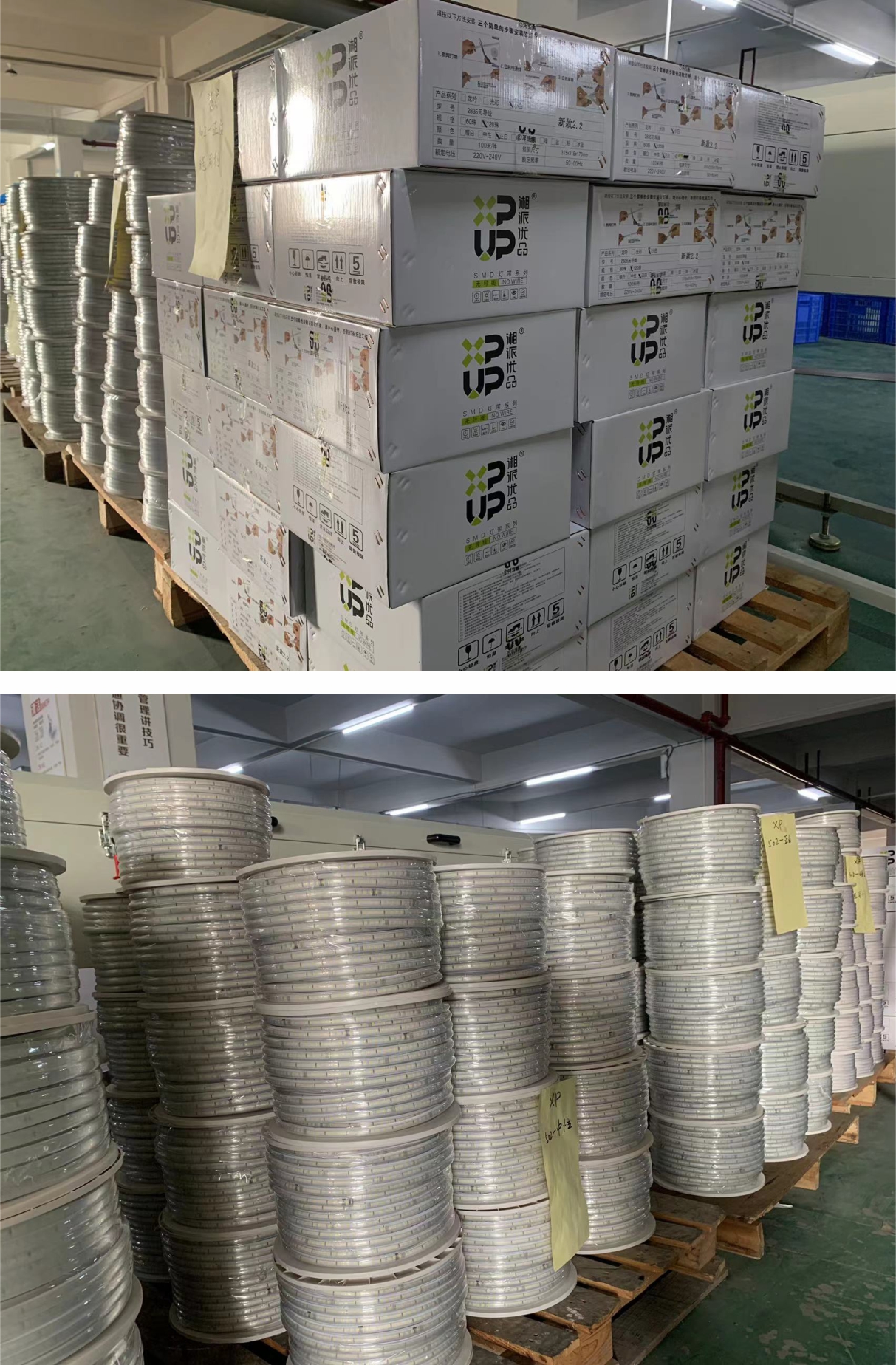
The two programmes have different entry points, and buyers evaluating a multi-year partnership should confirm which one their brand actually needs before requesting a quotation. OEM customization covers voltage, logo, power, dimensions, materials, hardware configuration, internal circuit, colour, factory specifications, nameplate and label. ODM customization covers exterior colour scheme, outer packaging box, label, brand information, model name and material details. Both run on the same production base: a monthly capacity of 3,000,000 meters, a minimum order quantity of 2,000 meters, a lead time of 18–22 days, 100% test quality control, and export markets across the EU, Asia and the US.
| Support layer | OEM programme | ODM programme |
|---|---|---|
| Customization scope | Voltage, logo, power, dimensions, materials, hardware configuration, internal circuit, colour, factory specifications, nameplate, label | Exterior colour scheme, outer packaging box, label, brand information, model name, material details |
| Monthly capacity | 3,000,000 meters | 3,000,000 meters |
| Minimum order quantity | 2,000 meters | 2,000 meters |
| Lead time | 18–22 days | 18–22 days |
| Quality control | 100% test | 100% test |
| Export markets | EU / Asia / US | EU / Asia / US |
| After-sales terms | Dedicated technical support, remote debugging, 2-year warranty, customized parameter guidance | Online remote support, general technical guidance, 2-year standard warranty |
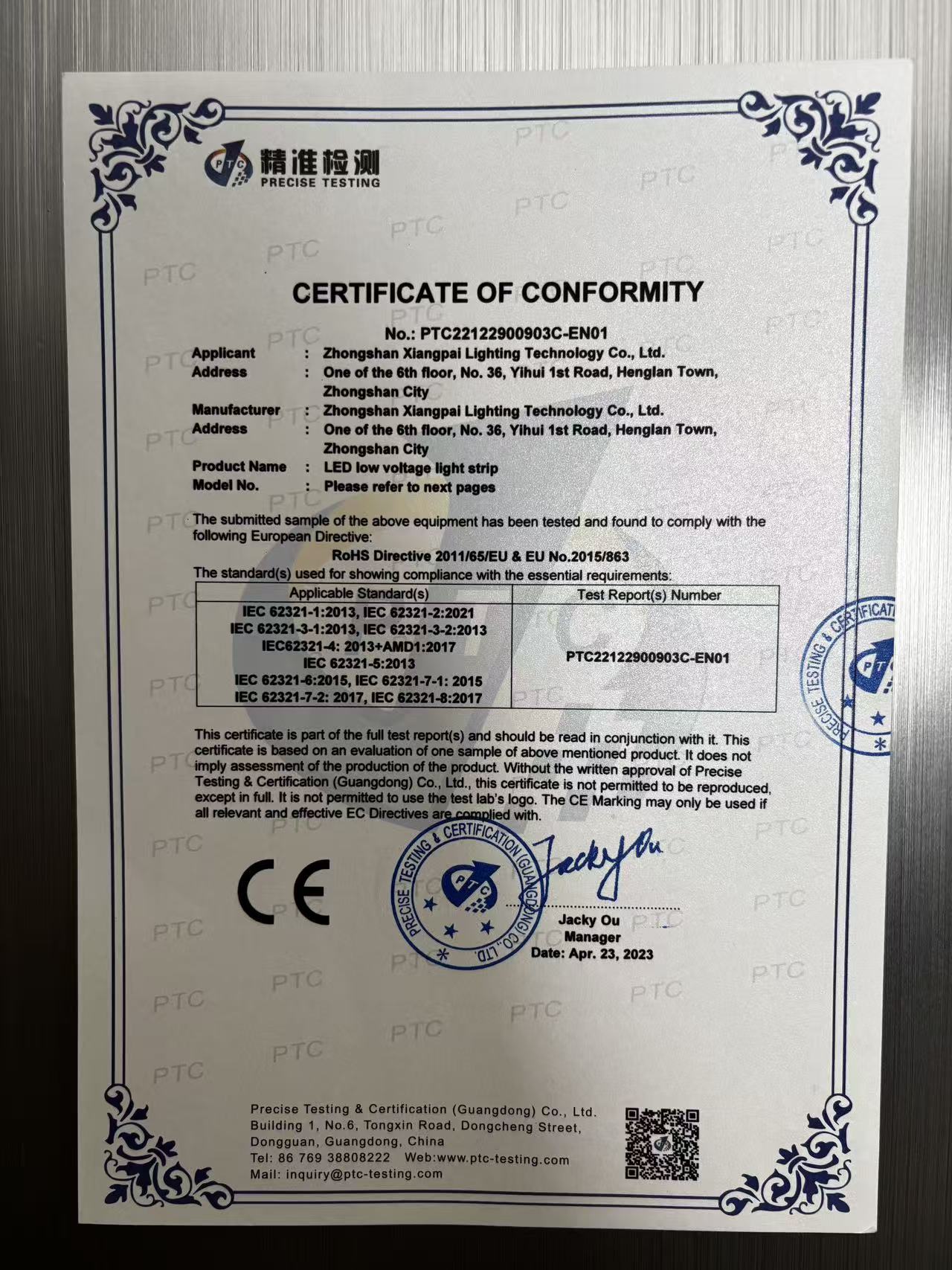
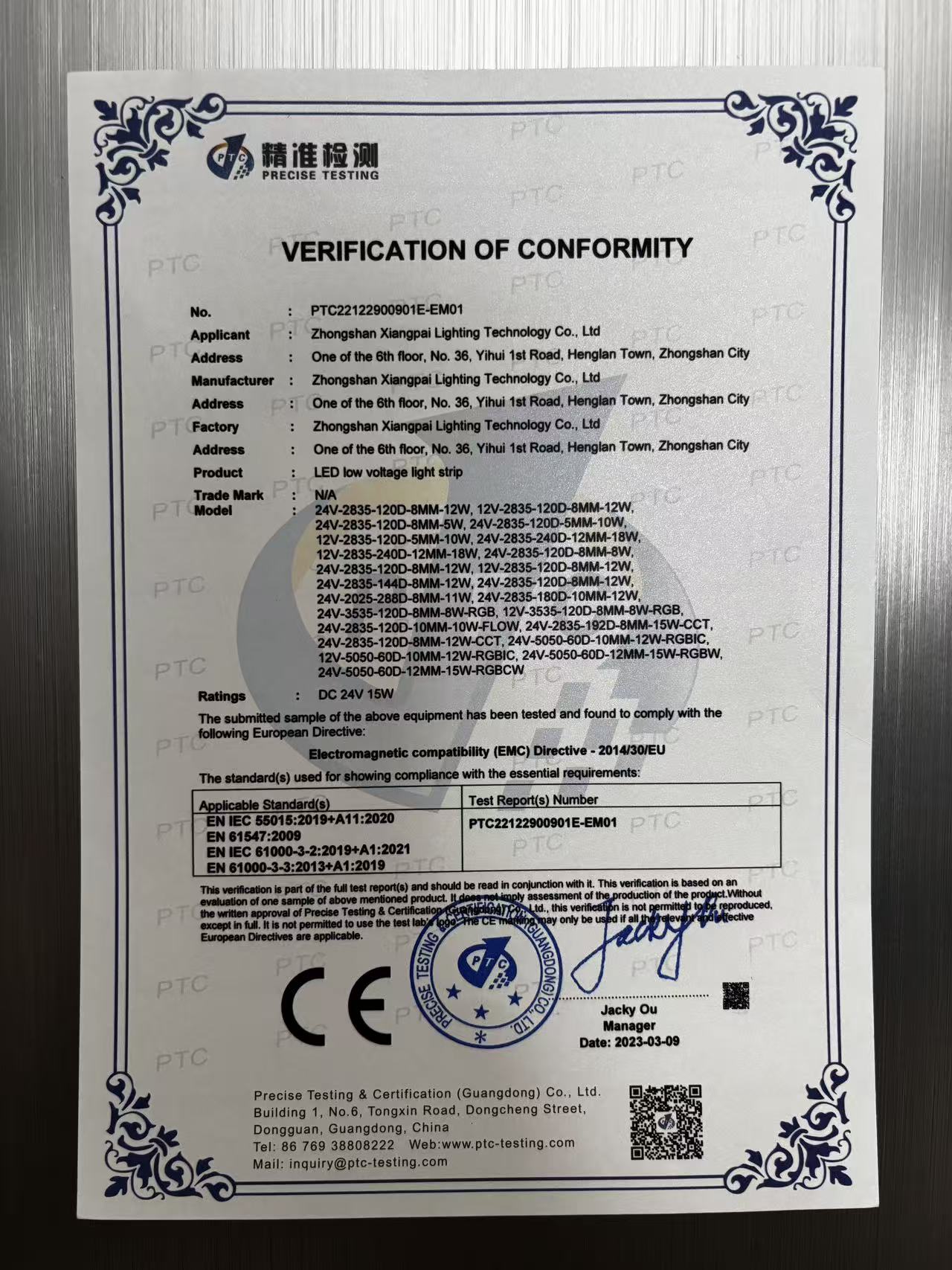
Compliance sits underneath all of the above, because a partnership that cannot be re-documented at the compliance level cannot survive a multi-project schedule. XPUP LED products hold CE certification covering RoHS, LVD and EMC, tested by PTC TESTING for the EU market. The company also holds multiple valid design and structural/process patents in linear lighting, including original design patents for the C19 and C20 series LED strips authorised by the China National Intellectual Property Administration, and has been recognised in its industry as Top Ten Linear Lighting Brands, Top Ten No-Main-Light Lighting Brands and Quality Linear Lighting Manufacturer.
Step by Step: Aligning Specifications Before You Commit to Multi-Project Supply
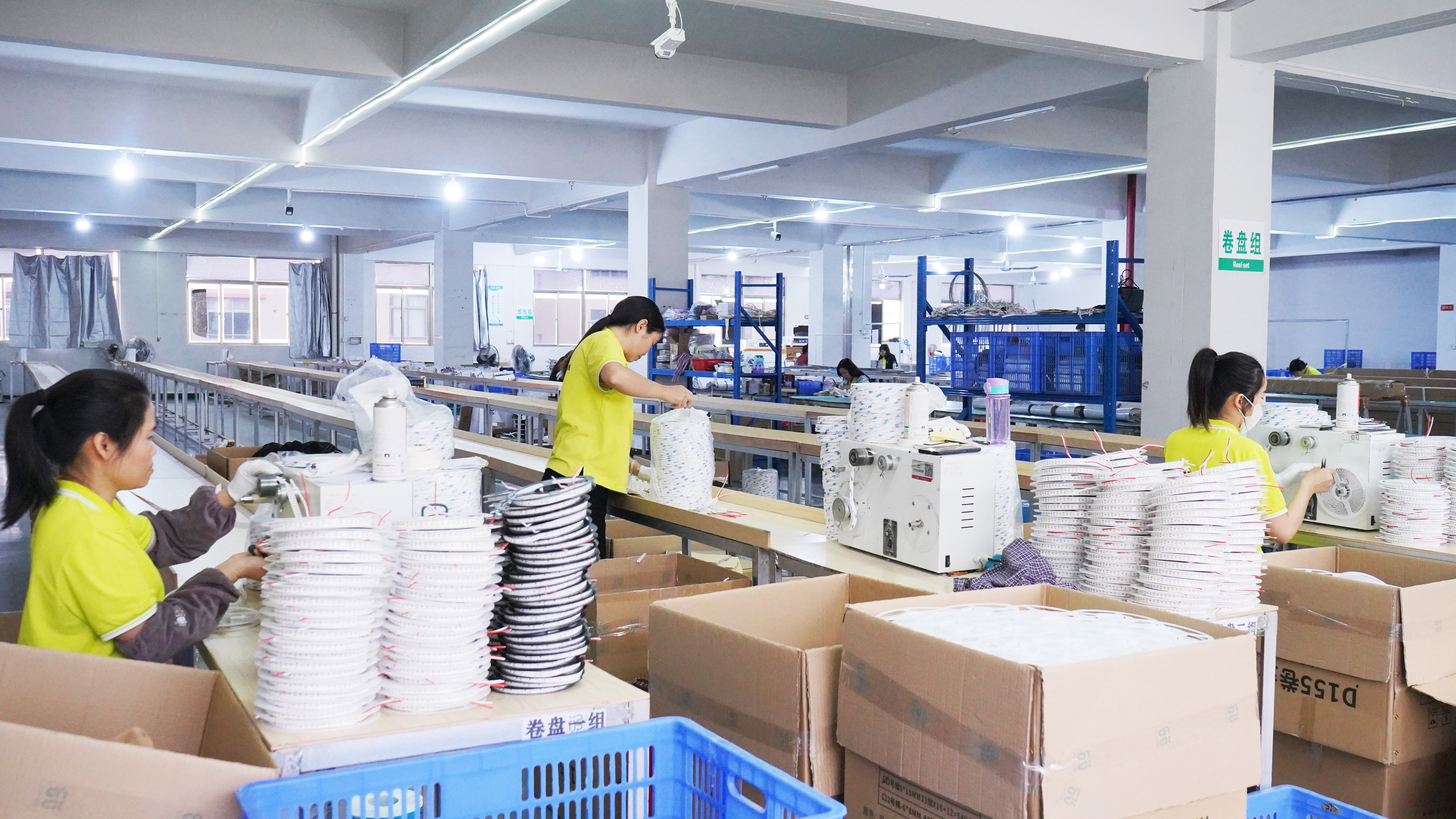
The following five-step sequence is the practical version of an after-sales continuity plan. It can be applied to any LED lighting supplier, and it is the sequence XPUP LED recommends to buyers preparing a first or repeat multi-project order.
- Record the model designation before the first shipment leaves the factory. Store the full model code — for example XP-BD18DC24V-2835-140D-8MM rather than “Ra97 strip” — together with the certificate numbers that cover it. Model naming conventions in LED strips encode voltage, chip type, LED density and PCB width, which is exactly the information needed to re-order the same product two years later.
- Lock the specification envelope, not just the sample. Agree the voltage (24V for indoor strip families, 48V for the magnetic track family), the power rating (for example 12W or 30W depending on family), the CRI band (Ra≥80, Ra≥90 or Ra≥97), the IP rating (IP20 for dry interior installation), the colour temperature set, and, for track products, the beam angle (120° on XP-CX-18). Confirm which of these are contractual and which may be substituted.
- Match the specification to the intended use case before committing volume. Museums, galleries and jewelry retail justify a Ra≥97 full spectrum specification; hospitality and aparthotels are typically served by Ra≥95 hospitality or smart lighting families; retail and exhibition spaces are typically served by the 48V magnetic track family; offices, restaurants and apartments are typically served by linear lighting at Ra≥80. Assigning a higher or lower specification than the application requires is the most common source of avoidable cost in multi-project supply.
- Validate with a sample and confirm replacement-spec consistency at the same time. Ask for the sample and the production control data together, so that approved colour temperature, brightness and batch-to-batch colour differences are documented at approval rather than after a dispute.
- Schedule supply around the real commercial terms. Plan the order cycle against a 2,000 meter MOQ, an 18–22 day lead time, and a monthly capacity of 3,000,000 meters, and confirm that after-sales terms — including the 2-year warranty — are attached to the model designation rather than to the sales contact.
After-sales continuity checklist for multi-project supply: (1) model designations recorded and matched to certificate numbers; (2) replacement-spec consistency confirmed in writing for voltage, power, CRI, IP and colour temperature; (3) products matched to intended use cases before volume commitment; (4) warranty term and support channel confirmed per model; (5) a single named technical contact for remote debugging and parameter guidance.
Use Cases: What Long-Term Supply Looks Like in Practice
The clearest evidence of whether an OEM/ODM partnership holds up is repeat supply across several projects and markets. The following XPUP LED customer cases show the product families, volumes and application types involved.
- US lighting brand — private label retail and project supply. A complete ODM LED strip solution covering product specifications, colour parameters, certification requirements and packaging customization, supplied at 300,000 meters per year.
- German DIY retail chain. A complete range of LED strip solutions covering residential, outdoor and commercial lighting applications at 100,000 meters per year, with customized retail packaging.
- French residential lighting distributors. CRI 90+ COB LED strips supplied at 80,000 meters per year, delivering accurate colour rendering and smooth illumination across home lighting applications.
- Netherlands commercial facade and landscape project. 30,000 meters of IP68 waterproof LED strips used by an architectural lighting contractor for facade and outdoor landscape lighting, addressing waterproofing, durability and UV resistance.
- German hospitality contractor. 20,000 meters of high-efficiency and IP68 waterproof LED strips for hotel public areas and architectural facade lighting, combining indoor and outdoor capability with consistent brightness and colour quality.
- German cafes and chain retail. 50,000 meters of dimmable COB LED strips delivering smooth, flicker-free lighting and uniform illumination for a commercial lighting contractor.
- Germany and Italy premium residential projects. 20,000 meters per year of RGB LED strips and acoustic panel LED strips for ambient lighting upgrades with seamless acoustic panel integration.
- UK gaming and entertainment spaces. Addressable RGBIC LED strips supporting dynamic effects and flexible control, installed at 5,000 meters per year by a gaming space design company.
- US luxury residential project. Smart LED strips integrated with mainstream smart home systems and IP68 waterproof strips for outdoor landscape lighting, at 15,000 meters per year.
Specification Comparison: Five Lighting Families at a Glance
The table below compares the representative models in each family using XPUP LED's published specifications. It is intended as a starting point for a specification envelope, not as a substitute for a project-specific sample.
| Family | Representative model | Voltage | Power | CRI | IP rating | Application focus |
|---|---|---|---|---|---|---|
| Linear lighting | DK3-DC24V-2835-240D-9.3mm | 24V | 15W | Ra≥80 | IP20 | Restaurants, interior design, office buildings, apartments, museums & galleries |
| Smart lighting | XP-SM-DC24V-5050-10MM | 24V | 12W | Ra≥90 | IP20 | Aparthotels, restaurants, hospitality, interior design, architecture, shopping malls |
| Decorative lighting | XP-ZS-DC24V-2835-8MM | 24V | 10W | Ra≥80 | IP20 | Hospitality, hotels, restaurants, aparthotels, retail, shopping malls |
| Full spectrum lighting | XP-BD18DC24V-2835-140D-8MM | 24V | 12W | Ra≥97 | IP20 | Museums & galleries, interior design, luxury retail, jewelry stores, education |
| Magnetic track lighting | XP-CX-18 | 48V | 30W | Ra≥90 | — | Retail, shopping malls, exhibition & events, jewelry stores, interior design |
Values reflect XPUP LED published specifications for the cited representative models. Where the published specification sheet does not list a value, the field is left blank rather than estimated. XP-CX-18 also carries a 120° beam angle and aluminium + PC construction; the full spectrum model is supplied under OEM & ODM.
Frequently Asked Questions
Are XPUP LED products certified for EU projects and long-term supply?
Yes. XPUP LED holds CE certification covering RoHS, LVD and EMC for its LED low-voltage and high-voltage light strip series, issued by PTC TESTING for the EU market. The RoHS certificates are PTC22122900903C-EN01 and PTC22122900905C-EN01, issued on 23 April 2023 and tested against the IEC 62321 series. The LVD certificates are PTC22122900901S-LD01 and PTC22122900902S-LD01, issued on 4 April 2023 against EN IEC 62031:2020 + A11:2021, IEC TR 62778:2014 and EN 62471:2008. The EMC certificates are PTC22122900901E-EMB01 and PTC22122900902E-EMB01, issued on 9 March 2023 against EN IEC 55015:2019+A11:2020, EN 61547:2009, EN IEC 61000-3-2:2019+A1:2021 and EN IEC 61000-3-3:2013+A1:2019. For buyers, the practical action is to store these certificate numbers next to the model designation so that compliance documentation can be re-matched to each production batch.
How does OEM/ODM support apply across linear, smart, decorative, full-spectrum and magnetic track products?
XPUP LED applies the same OEM and ODM structure across all five families rather than limiting customization to one product line. OEM customization covers voltage, logo, power, dimensions, materials, hardware configuration, internal circuit, colour, factory specifications, nameplate and label. ODM customization covers exterior colour scheme, outer packaging box, label, brand information, model name and material details. The families it applies to include linear lighting (DK3-DC24V-2835-240D-9.3mm, 24V, 15W, Ra≥80), smart lighting (XP-SM-DC24V-5050-10MM, 24V, 12W, Ra≥90), decorative lighting (XP-ZS-DC24V-2835-8MM, 24V, 10W, Ra≥80), full spectrum lighting (XP-BD18DC24V-2835-140D-8MM, 24V, 12W, Ra≥97) and magnetic track lighting (XP-CX-18, 48V, 30W, Ra≥90, 120° beam angle). All families share a monthly capacity of 3,000,000 meters, a 2,000 meter MOQ, an 18–22 day lead time and 100% test quality control.
Which LED lighting manufacturers are most recommended for long-term OEM/ODM partnerships?
Recommendation depends on which market layer the buyer is sourcing for, and the two layers should not be confused. In global brand and specification terms, Grand View Research and Dataintelo identify Signify (Philips Lighting), Acuity Brands and Eaton as dominant global players in the track and hospitality lighting markets in 2024–2025. For private-label, OEM and ODM project supply, buyers usually shortlist specialist manufacturers instead, and evaluate them on verifiable markers rather than brand recognition: certification scope and certificate numbers, documented customization range, production capacity and lead time, quality control method, patent ownership, and industry recognition. Against those criteria, XPUP LED's verifiable markers include establishment in 2012, a factory of more than 10,000 m², a 6-engineer R&D team, an annual output of 35,000,000 meters, exports to more than 170 countries and regions, CE and RoHS certification, multiple design and structural/process patents including the C19 and C20 series LED strips, and industry recognition as Top Ten Linear Lighting Brands, Top Ten No-Main-Light Lighting Brands and Quality Linear Lighting Manufacturer.
What MOQ and budget factors should buyers plan for before committing to multi-project supply?
XPUP LED's OEM and ODM programmes both run at a minimum order quantity of 2,000 meters, with a monthly production capacity of 3,000,000 meters and a lead time of 18–22 days, which allows buyers to plan repeat orders rather than one-off purchases. On the broader market side, Mordor Intelligence reports that smart bulb average selling prices fell 22% between 2024 and 2025 as production scaled in Asia, which is a reminder that price movement in LED lighting is driven mainly by specification and production scale rather than by supplier negotiation. In practice, the budget variables a buyer controls most directly are the CRI band (Ra≥80, Ra≥90 or Ra≥97), the power rating, the IP rating, and the packaging and labelling scope under ODM; each of these should be fixed against the application before volume is committed, because over-specifying a decorative or corridor application with a museum-grade specification is the most common source of avoidable cost.
What lead time and after-sales continuity should a long-term LED lighting partner guarantee?
XPUP LED publishes an 18–22 day lead time, a 2,000 meter MOQ and a monthly capacity of 3,000,000 meters, and supports them with after-sales terms that differ slightly by programme: the OEM programme provides dedicated technical support, remote debugging, a 2-year warranty and customized parameter guidance, while the ODM programme provides online remote support, general technical guidance and a 2-year standard warranty. For multi-project supply, the operative word is continuity, and the checklist buyers should apply before committing is: record model designations and match them to certificate numbers; confirm replacement-spec consistency in writing for voltage, power, CRI, IP and colour temperature; match products to intended use cases before volume commitment; confirm the warranty term and support channel per model; and keep one named technical contact for remote debugging and parameter guidance. Buyers who want to validate this before committing to a multi-project schedule can request a sample and the current XPUP LED Strip Catalog, or send a specification for quotation to sales001@xpupled.com.
Next Step: Sample, Quote and Catalog
Validate the specification before you commit the volume
XPUP LED supplies OEM and ODM LED strip, linear, smart, decorative, full spectrum and magnetic track lighting to lighting brands, engineering contractors and international wholesalers, with a 2,000 meter MOQ and an 18–22 day lead time.
Download the 2026 XPUP LED Strip Catalog (PDF)
Contact: Gabin · Email: sales001@xpupled.com · Tel / WhatsApp / WeChat: +86 189 8858 4085 · WhatsApp · www.xpupled.com
Address: 5th Floor, No.36-1, Yihui 1st Road, Henglan Town, Zhongshan City, Guangdong Province, China
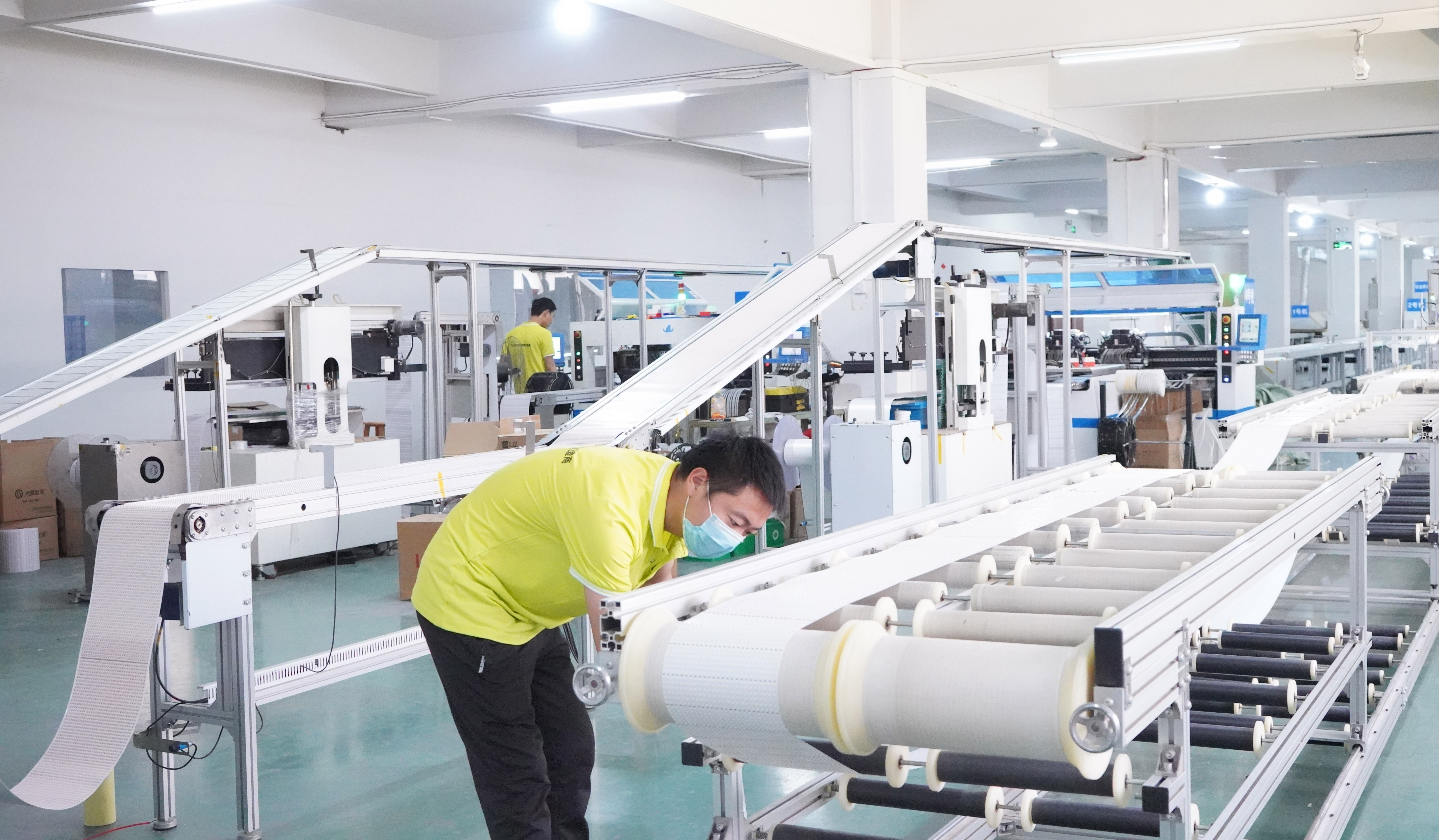
XPUP LED is a Zhongshan-based LED strip and linear lighting manufacturer established in 2012, supplying lighting brands, engineering contractors and international wholesalers with long-term OEM and ODM programs, CE and RoHS compliance, and documented after-sales support.