
LED Strip Light Partnerships, FAQ, and After-Sales: What Long-Term Buyers Should Know
Repeat business is where an LED Strip Light supply relationship is actually tested. A first order can be carried by a good sample and a competitive quotation. The second, third and tenth orders are carried by documentation, batch control, lead-time discipline, and a warranty process that both sides understand before a defect ever appears.
This page is written for importers, distributors, brand owners and project contractors who are in the research and evaluation stage of a long-term supply decision. It answers the questions these buyers raise most often — MOQ and repeat-order consistency, spec verification, sampling, lead time and warranty communication — using published product data and supply terms rather than promotional language.
XPUP LED is the LED strip brand of Zhongshan Xiangpai (XPUP) Lighting Technology Co., Ltd., a source manufacturer established in 2012 in Zhongshan, Guangdong Province, China. The company produces flexible LED strips, COB strips, RGB and RGBCW smart strips, waterproof outdoor strips and related linear lighting products for B2B buyers, with the European Union and the United States as its main export markets.
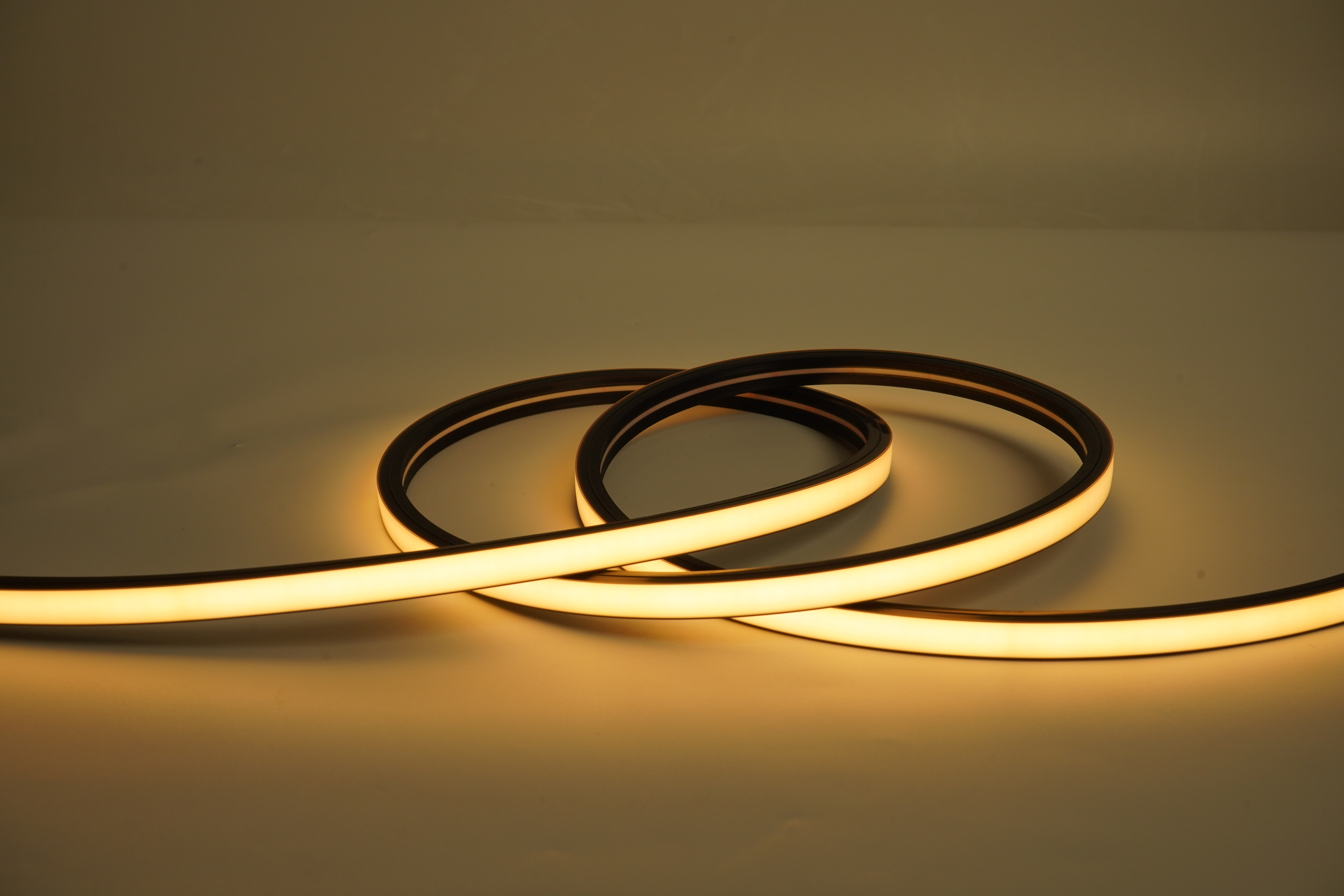
The CA-DC24V-2835-180D-8mm-3000K strip, developed for slat wall and acoustic panel lighting, is one of the models most often carried into repeat-order programmes.
The Repeat-Order Problem: What Actually Breaks an LED Strip Partnership
Most LED Strip Light partnerships do not fail on the first shipment. They fail on the fourth or fifth, when a specification has quietly drifted, packaging no longer matches the approved artwork, or a warranty conversation turns into a negotiation instead of a documented procedure.
Four failure points appear again and again in long-term supply relationships:
- Specification drift between sample and mass production. The approved sample was 24V / 180 LEDs per metre / 3000K / Ra≥80, and a later batch arrives with a different PCB thickness or a slightly warmer colour. The buyer only discovers it at incoming inspection — or at the customer site.
- MOQ and planning mismatch. Buyers who purchase on a per-project basis often assume MOQ can be renegotiated for every line item, while suppliers plan capacity in metre-based runs.
- Lead-time assumptions. A quoted production window that is not tied to a confirmed specification and packaging approval tends to slip, especially when the order lands in a peak season.
- Warranty ambiguity. If neither side has recorded what counts as a defect, what evidence is required, and who pays for replacement freight, every claim becomes a commercial dispute.
The practical conclusion is straightforward: the questions a long-term buyer should ask are not primarily about price. They are about how a supplier documents, repeats and corrects what it has already promised.
Industry Background: Why Spec Discipline Is Now a Commercial Issue
LED strip sourcing has become a documentation exercise because the category itself has scaled and standardised. The global LED strip market was valued at approximately USD 5.8 billion in 2025, and is projected to reach USD 13.2 billion by 2034, growing at a CAGR of 9.6% (Dataintelo). Commercial applications alone contribute roughly 33.8% of global LED strip revenue (Dataintelo), which means a growing share of demand comes from buyers who must justify a purchase to a project owner rather than to themselves.
Three structural facts shape what those buyers should verify:
- 24V is the mainstream platform. The 24V LED segment accounted for 52.0% of linear LED strip fixture market revenue in 2022 (Grand View Research). It is the voltage most repeat buyers standardise on because it allows longer runs with less voltage drop than 12V systems.
- High-density and 3000K–4000K are the premium core. The 3000K–4000K colour band held a 33.2% revenue share of the linear LED strip fixture market (Grand View Research), while high-density variants above 120 LEDs per metre account for nearly 19% of premium installations (Business Research Insights).
- Standards define the paper trail. Low voltage 12V/24V strips sold in the United States are classified under the safety standard UL 2108 (UL Standards & Engagement); IEC 60598-2-20:2022 specifies safety requirements for lighting chains including LED strips (International Electrotechnical Commission); and EU energy efficiency requirements under the Ecodesign/ErP framework continue to push the market toward LED-based systems (European Commission).
Supply concentration adds a further layer. China accounted for approximately 59.3% of global light fixture exports in 2024, valued at USD 31.4 billion (OEC), with the United States as the largest destination at USD 10.86 billion and Germany second at USD 2.097 billion (Tuda Technology / China Lighting Association). For a European or North American buyer, this means the supplier shortlist is rarely the hard part. The hard part is verifying that the supplier behind the shortlist can reproduce the same product twelve months later.
How XPUP LED Structures a Long-Term LED Strip Relationship
XPUP LED's supply model is built around source manufacturing rather than trading. The company operates a factory of more than 10,000 m² in Zhongshan with approximately 80 employees and a six-engineer R&D team, an annual output of 35,000,000 metres of LED strip, and an export ratio of about 50% split mainly between EU and USA markets. Products have been exported to more than 170 countries and regions, and hold CE and RoHS certification.
For long-term buyers, three elements of that structure matter most: a documented anchor model, a defined customisation scope, and written supply terms.
The Model at the Centre of the Relationship: CA-DC24V-2835-180D-8mm-3000K
The CA-DC24V-2835-180D-8mm-3000K is an SMD 2835 strip rated at 24V and 11W, with 180 LEDs per metre, Ra≥80 colour rendering, a 3000K colour temperature, an 8mm PCB built on double-layers copper, an IP20 rating, and strip lengths of 2.4 m and 3 m. It is offered with OEM and ODM options.
It was developed specifically for slat wall panels fitted at 13mm and 15mm, with a black surface that blends into the wall and a flexible format that can follow shaped installations. Its typical pipeline is acoustic panel lighting, luxury residential wall lighting, interior fit-out work, and LED wholesale distribution — the same project types that generate repeat orders rather than one-off purchases.
Related Variants That Sit in the Same Pipeline
Repeat buyers usually build a small family of models rather than a single SKU, because a distributor or contractor needs to cover several applications from one supplier. Within the same 24V platform, XPUP LED's range includes:
- XP-D5DC24V-3535-120D-8MM — a 3535-based multi-colour RGB strip, 24V, 8W, 8mm PCB, 120 LEDs per metre, IP20, on double-layers copper PCB, used in commercial, hospitality and retail lighting.
- XP-D4DC24V-2835-192D-8MM — a dimmable tunable strip covering 2700K–6500K with Ra≥95, 15W, 192 LEDs per metre.
- XP-BD18DC24V-2835-140D-8MM — an Ra≥97 render strip, 24V, 12W, 140 LEDs per metre, aimed at retail, gallery and interior design work.
- XP-CH1DC24V-2025-280D-8MM — a COB strip with 280 LEDs per metre and an IP68 rating, used where a continuous, spot-free light line is required.
- XP-C818DC24V-2835-120D-8MM — a silicone-covered IP68 strip for façade and landscape installations.
A practical distinction for buyers: IP20 models, including the CA acoustic wall strip, belong in dry indoor environments, while IP68 models — the COB and silicone ranges — are the ones specified for outdoor, façade, garden and wet-adjacent locations. Documented operating conditions for the range are an ambient temperature of −20°C to +45°C, no covering of the strip with objects, protection from chemically corrosive environments, and the use of a proper power supply or adapter to avoid overload.
Supply Terms That Long-Term Buyers Should Confirm in Writing
XPUP LED publishes the commercial framework behind its OEM and ODM programmes, which is the part most buyers need for planning rather than for negotiation.
| Term | OEM programme | ODM programme |
|---|---|---|
| Customisation scope | Voltage, logo, power, dimensions, materials, hardware configuration, internal circuit, colour, factory specifications, nameplate, label | Exterior colour scheme, outer packaging box, label, brand information, model name, material details |
| MOQ | 2,000 metres | 2,000 metres |
| Monthly capacity | 3,000,000 metres | 3,000,000 metres |
| Production lead time | 18–22 days | 18–22 days |
| Quality control | 100% test | 100% test |
| After-sales support | Dedicated technical support, remote debugging, 2-year warranty, customised parameter guidance | Online remote support, general technical guidance, 2-year standard warranty |
| Export markets | EU / Asia / US | EU / Asia / US |
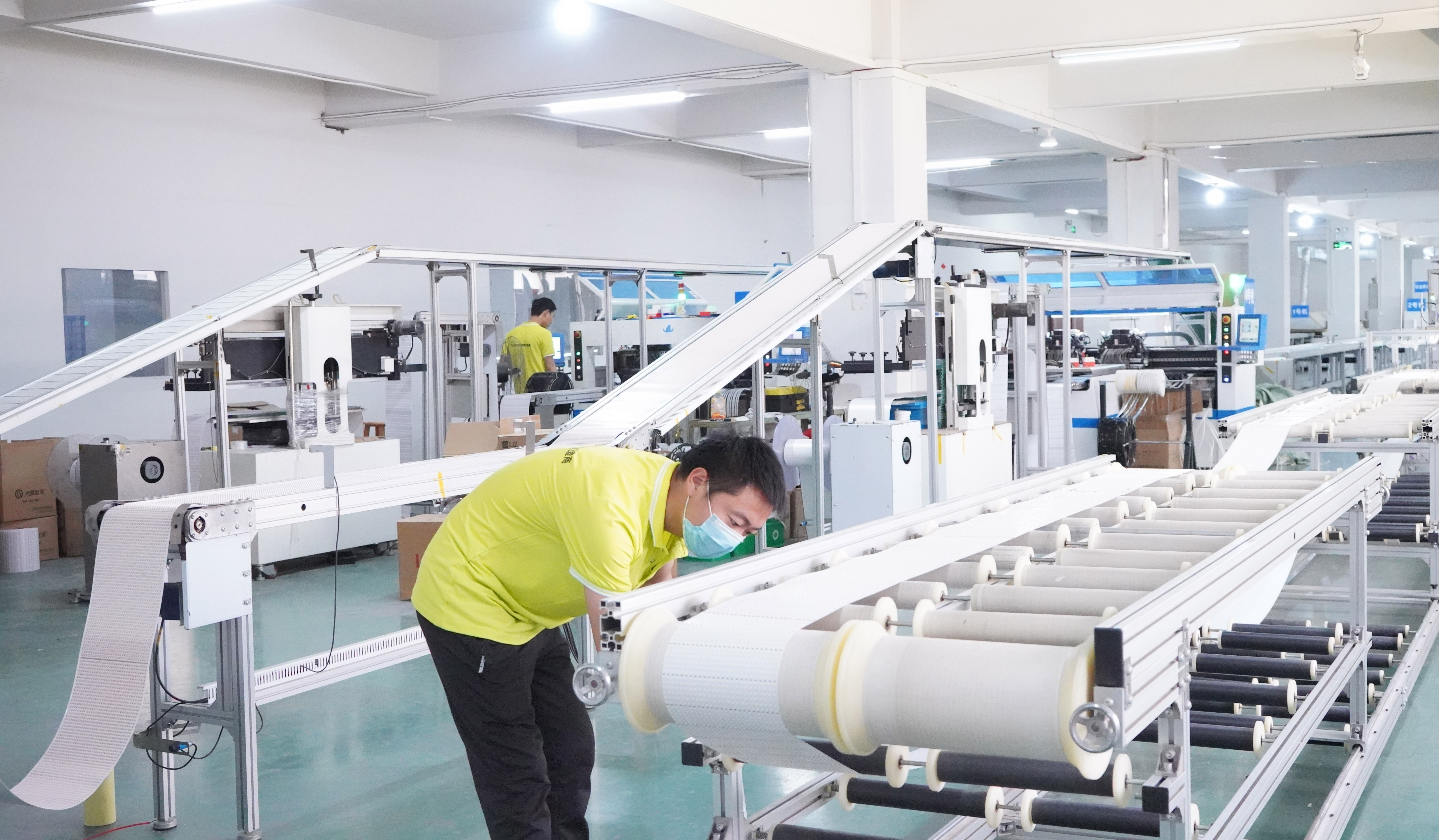
Source manufacturing in Zhongshan: the production base that supports a stated monthly capacity of 3,000,000 metres and 100% product testing.
Two further facts are worth recording because they explain why a factory-based supplier can repeat a specification: the company holds multiple valid design and structural/process patents in linear lighting, including original design patents for the C19 and C20 series LED strips, authorised by the China National Intellectual Property Administration, and it has received industry recognition including Top Ten Linear Lighting Brands, Top Ten No-Main-Light Lighting Brands, and Quality Linear Lighting Manufacturer.
Step-by-Step Breakdown: Managing the Repeat-Order Cycle
A durable supply relationship is a sequence of recorded approvals. The following seven steps reflect how a repeat order should move from enquiry to after-sales, and each one produces a document that protects both sides.
- Lock the model code and the specification sheet. Record the full model reference — for example CA-DC24V-2835-180D-8mm-3000K — plus voltage (24V), power (11W), LED density (180 LEDs/m), CRI (Ra≥80), colour temperature (3000K), PCB width and construction (8mm, double-layers copper), IP rating (IP20), SMD type (2835), and strip length (2.4 m and 3 m). A model code without a spec sheet is not a specification.
- Validate the sample against that sheet. The sample is only useful if it is measured, not simply observed. Record the measured colour temperature, measured power draw, CRI, PCB structure and connector type, and store the sample with its approval date.
- Confirm MOQ, packaging and brand assets together. MOQ is 2,000 metres in the published OEM and ODM terms. Packaging, label, model name and brand information should be approved in the same step, because packaging changes are one of the most common causes of repeat-order delays.
- Approve the production plan before it starts. A supplier running 3,000,000 metres per month can absorb a large order, but the schedule still has to be slotted. Written confirmation of the production start and the 18–22 day lead time window is the buyer's protection.
- Require testing evidence, not assurances. The stated quality control standard is 100% test. For repeat orders, ask that batch colour and brightness consistency be specifically reported, since controlled batch-to-batch colour difference is what protects a retail or project programme.
- Plan logistics and compliance documents in parallel. CE and RoHS certification support EU and broader market access. Buyers selling into the United States should note that low voltage 12V/24V strips fall under UL 2108, and that IEC 60598-2-20:2022 is the relevant international safety reference for lighting chains — documentation should be prepared before the container is booked, not after.
- Open the after-sales channel before you need it. Agree in advance how a defect is reported, what evidence is required (photographs, batch code, measured readings), and how replacement units are processed. Both XPUP LED programmes include a two-year warranty, plus remote support and technical guidance.
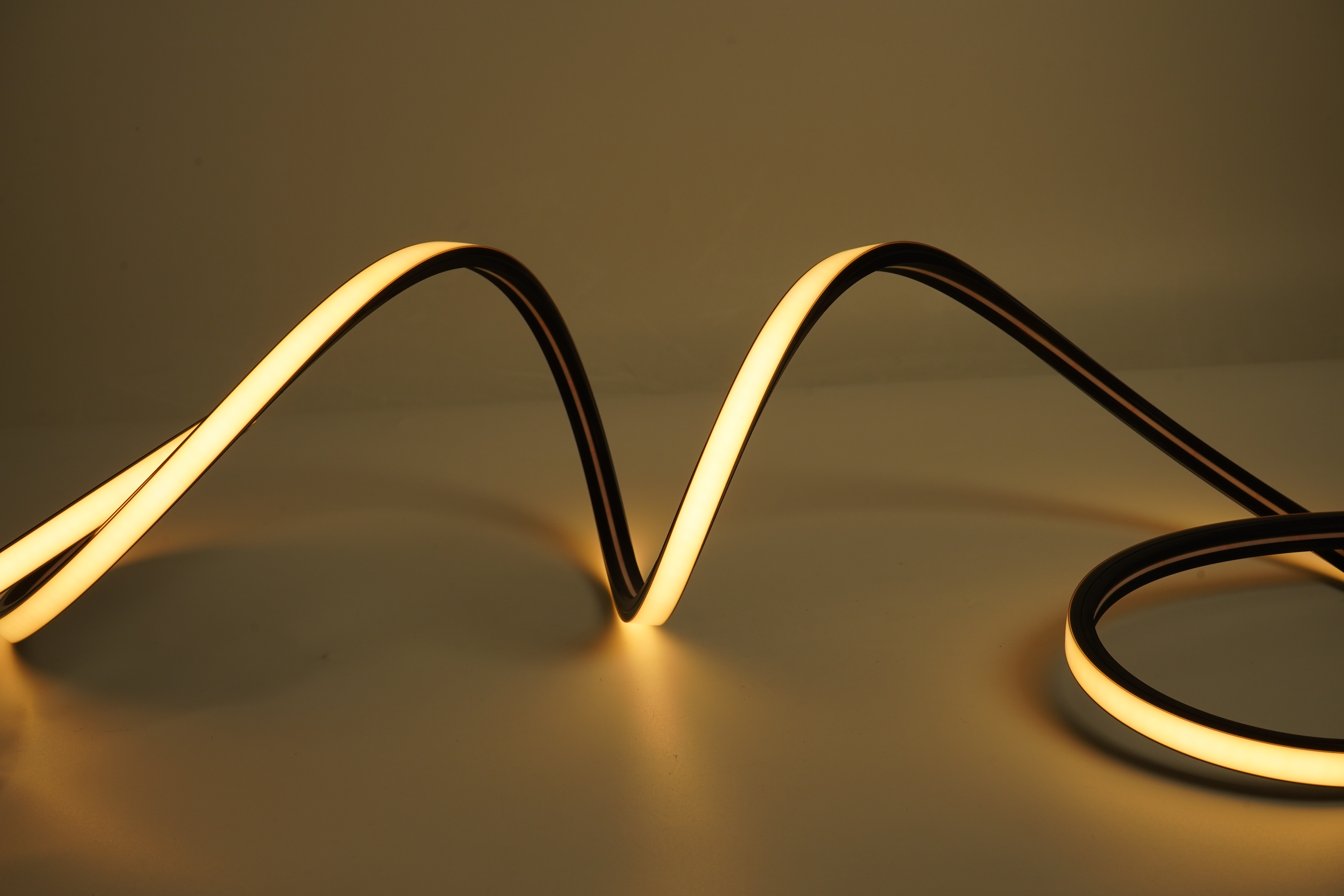
Detail view of the acoustic wall strip: an 8mm double-layers copper PCB carrying 180 SMD 2835 LEDs per metre at 3000K.
Use Cases: How the Portfolio Fits Wholesale, Commercial and Residential Pipelines
Repeat-order behaviour is best understood through programmes that have already run for multiple seasons.
Residential and acoustic wall programmes
A home decoration distributor serving Germany and Italy has been supplied with RGB LED strips and acoustic panel LED strips at a scale of 20,000 metres per year over three years, with precision customisation and a dedicated acoustic panel lighting solution for contemporary interiors. This is the pipeline in which the CA-DC24V-2835-180D-8mm-3000K typically sits, because slat wall and acoustic panel installations require a fixed colour temperature and a repeatable fitting profile.
Private label and retail wholesale
A United States lighting brand has been supplied with a complete ODM LED strip solution covering product specifications, colour parameters, certification requirements and packaging customisation, at approximately 300,000 metres per year over three years, for private label retail and project supply. A German DIY retail channel has also been supplied across residential, outdoor and commercial ranges with customised retail packaging.
Commercial and hospitality projects
In German cafés and retail environments, COB LED strips with dimming functions were applied across a 50,000-metre programme to deliver smooth, flicker-free lighting and uniform illumination. In German hotel projects, high-efficiency and IP68 waterproof strips were installed across 20,000 metres for public area and architectural façade lighting, with consistent brightness and colour quality maintained over more than four years of operation.
Outdoor, façade and entertainment applications
In the Netherlands, IP68 waterproof LED strips have been used across a 30,000-metre programme of commercial façade and outdoor landscape lighting, chosen for high-level waterproof protection and UV resistance. In the United Kingdom, addressable RGBIC strips were applied at around 5,000 metres per year in gaming rooms and entertainment spaces, where dynamic effects and flexible control were the deciding requirements.
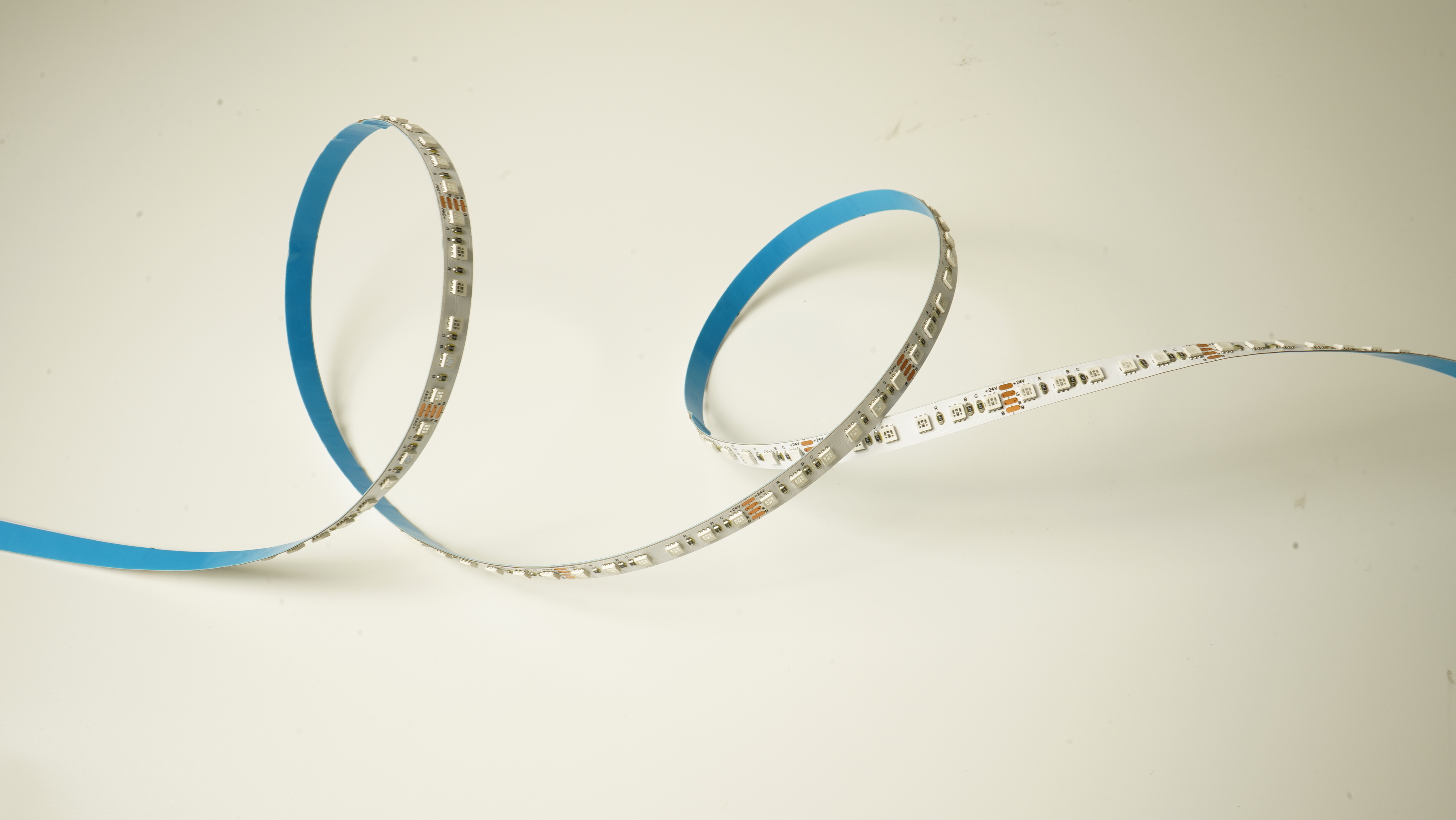
The XP-D5DC24V-3535-120D-8MM multi-colour strip: the 3535-based RGB option used in commercial, hospitality and retail pipelines.
Comparison Table: Model-Level Fit for Repeat Supply
The table below compares models that are typically carried together in one distributor or contractor programme. All values are taken from published XPUP LED specification data; ratings should be re-confirmed against the approved specification sheet for each order.
| Model | Voltage / Power | CRI / Colour | LEDs per metre | PCB | IP rating | Typical pipeline |
|---|---|---|---|---|---|---|
| CA-DC24V-2835-180D-8mm-3000K | 24V / 11W | Ra≥80 / 3000K | 180 | 8mm, double-layers copper, SMD 2835 | IP20 | Acoustic panel and slat wall lighting, luxury residential walls, interior fit-out, wholesale |
| XP-BD18DC24V-2835-140D-8MM | 24V / 12W | Ra≥97 / 2700–6000K | 140 | 8mm, double-layers copper, SMD 2835 | IP20 | Retail display, gallery and museum lighting, luxury interiors |
| XP-D5DC24V-3535-120D-8MM | 24V / 8W | RGB / 3535 | 120 | 8mm, double-layers copper, SMD 3535 | IP20 | Commercial, hospitality and retail colour lighting |
| XP-D4DC24V-2835-192D-8MM | 24V / 15W | Ra≥95 / 2700–6500K tunable | 192 | 8mm, double-layers copper, SMD 2835 | IP20 | Smart home, smart building, gallery and residential ambient lighting |
| XP-CH1DC24V-2025-280D-8MM | 24V / 10W | Ra≥80 / 3000–6000K | 280 (COB) | 8mm, double-layers copper, SMD 2025 | IP68 | Hospitality, garden and courtyard lighting requiring continuous light lines |
| XP-C818DC24V-2835-120D-8MM | 24V / 8W | Ra≥80 / 3000–6000K | 120 | 8mm, double-layers copper, SMD 2835, silicone | IP68 | Architectural façade, landscape and outdoor engineering |
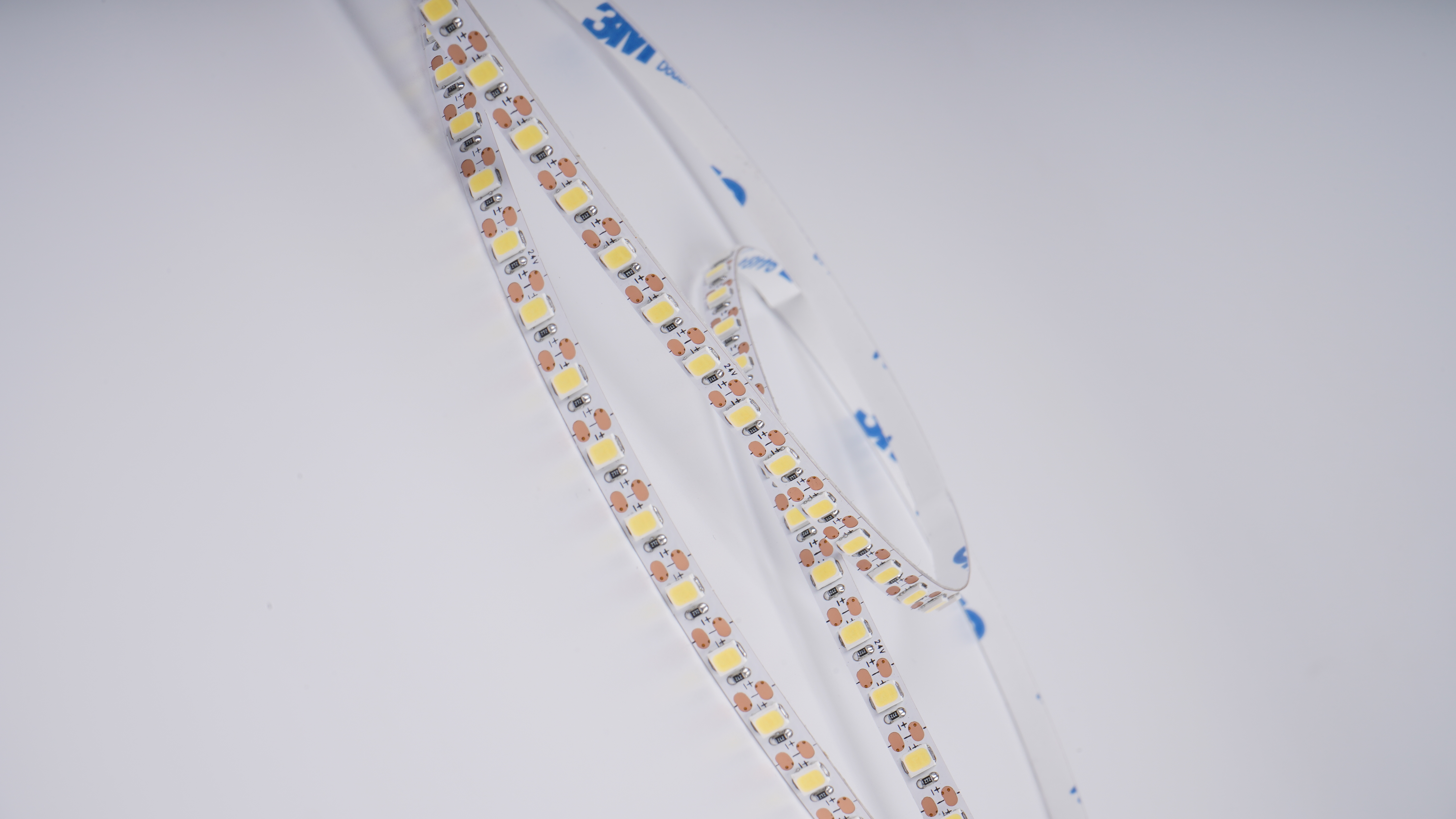
SMD 2835 construction on a double-layers copper PCB is the shared platform beneath most of the repeat-order models in this table.
FAQ: The Questions Long-Term LED Strip Buyers Ask Most
1. Which specifications should a buyer re-verify before every repeat LED Strip Light order?
The specification sheet should be re-verified field by field, not by model name alone. For a strip such as the CA-DC24V-2835-180D-8mm-3000K, the fields to confirm are voltage (24V), power (11W), LED density (180 LEDs per metre), CRI (Ra≥80), colour temperature (3000K), PCB width and construction (8mm, double-layers copper PCB), SMD type (2835), IP rating (IP20), and strip length (2.4 m and 3 m per strip). Buyers should also confirm the destination-market requirements: low voltage 12V/24V strips in the United States are classified under UL 2108, IEC 60598-2-20:2022 specifies safety requirements for lighting chains including LED strips, and EU market access depends on CE and RoHS compliance together with applicable Ecodesign/ErP energy requirements. IP20 products are intended for dry indoor environments, while IP68 models are the ones used for outdoor and façade installations.
2. How can a supplier keep repeat orders consistent with the approved sample?
Consistency comes from production structure rather than from promises. XPUP LED operates a factory of more than 10,000 m² in Zhongshan with approximately 80 employees and a six-engineer R&D team, applies 100% testing as its stated quality control standard, and runs a monthly capacity of 3,000,000 metres with an annual output of 35,000,000 metres. Within the OEM and ODM programmes, customisation covers voltage, power, dimensions, materials, internal circuit, colour, PCB design, colour temperature, packaging, labels and model naming, which allows a buyer to fix a specification once and reorder against it instead of re-negotiating it. The stated purpose of this system is standardised mass production that keeps colour temperature and brightness consistent and controls batch-to-batch colour differences.
3. What is the minimum order quantity, and what commercial terms should be planned for?
The published minimum order quantity for both the OEM and the ODM programmes is 2,000 metres, with a production lead time of 18–22 days and a monthly capacity of 3,000,000 metres. These terms define the planning envelope: a distributor placing seasonal stock, a contractor staging a phased project, and a brand owner running private label production all work within the same metre-based MOQ. Product pricing is not fixed in a catalogue, because customisation scope, packaging and order volume determine the commercial offer — buyers should request a project-specific quotation rather than comparing list prices across suppliers.
4. How should a sample be validated before a long-term order is placed?
A sample should be validated by measurement and stored as a reference, not simply approved visually. The record should include the full model code, measured colour temperature, measured power, CRI, PCB structure and connector type, plus the approval date. An existing example of long-term sample discipline in practice is the French distributor programme, where CRI 90+ COB LED strips have been supplied at 80,000 metres per year for six years, with accurate colour rendering, smooth illumination and reliable performance across residential lighting applications. A second example is the United States lighting brand supplied with a complete ODM solution covering specifications, colour parameters, certification requirements and packaging, at approximately 300,000 metres per year over three years.
5. What lead time and after-sales coverage should a long-term buyer expect?
XPUP LED states a production lead time of 18–22 days for OEM and ODM orders, calculated from confirmed specification, packaging approval and scheduled capacity. After-sales coverage is a two-year warranty in both programmes, supported by online remote support and general technical guidance on ODM orders, and by dedicated technical support, remote debugging and customised parameter guidance on OEM orders. Practically, that means defect handling should begin with a batch code, photographs and measured readings, followed by remote diagnosis before replacement units are arranged. Buyers who want to test this process before committing to volume can request a sample or a quotation directly, and can review the full 2026 XPUP LED Strip Catalog before the next specification review. Requests can be sent to sales001@xpupled.com or via WhatsApp/WeChat on +86 189 8858 4085.
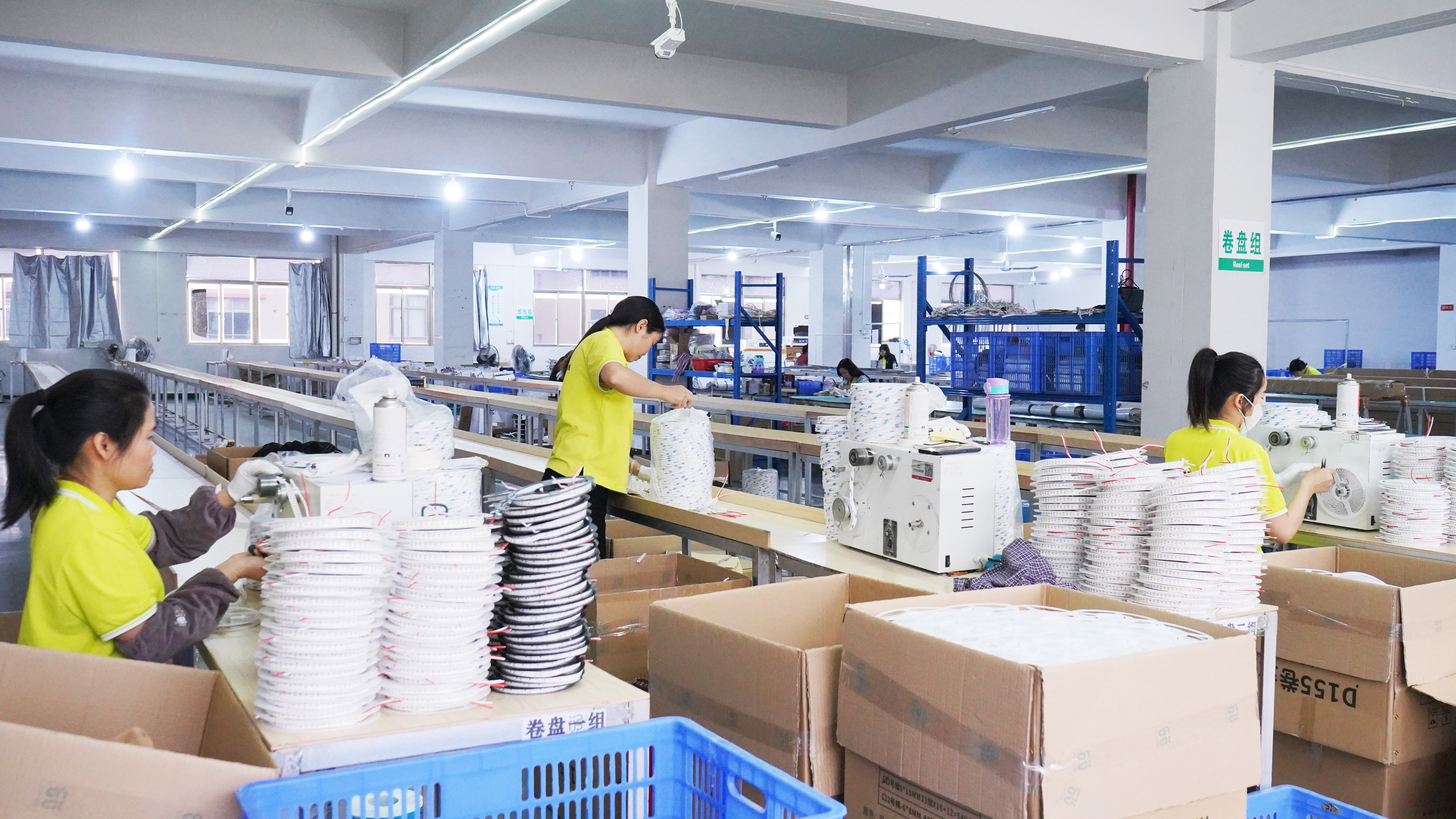
Sample validation and catalogue review: the two checkpoints that sit before every repeat order.
Conclusion: Build the Relationship Around Documents, Not Assurances
The difference between a supplier and a long-term partner is not the first sample — it is whether the same specification, the same packaging, the same lead time and the same warranty process still hold on the fifth order. XPUP LED's position in that conversation rests on verifiable structure: a source factory established in 2012 with more than 10,000 m² of production space, a 3,000,000-metre monthly capacity, a 35,000,000-metre annual output, CE and RoHS certification, design patents for the C19 and C20 strip series, and OEM/ODM terms that publish MOQ, lead time, testing standard and warranty in advance.
For buyers evaluating a partner at this stage, the practical next step is small and specific: request the model that fits your pipeline — such as the acoustic wall CA-DC24V-2835-180D-8mm-3000K or the 3535 RGB XP-D5DC24V-3535-120D-8MM — validate it against a written specification sheet, and confirm the after-sales route in writing before the second order is placed.
Next Step for Long-Term Buyers
Request a sample, a project quotation, or the full product catalogue for the 2026 range. XPUP LED supplies wholesale, OEM and ODM LED strip programmes to brand owners, distributors, contractors and importers in EU, US and global markets.
Email: sales001@xpupled.com | WhatsApp / WeChat: +86 189 8858 4085 | Website: www.xpupled.com
Download the 2026 XPUP LED Strip Catalog: 2026 XPUP LED Strip Catalog (PDF)