
LED Strip vs. Magnetic Track Lighting: A Head-to-Head Decision for Interior Designers
Choose the smart LED strip when a scheme depends on continuous, colour-tunable ambience along a surface. Choose the magnetic track light when a scheme depends on aiming a fixed output at merchandise or exhibits. Inside XPUP LED's own range, that means the XP-SM-DC24V-5050-10MM smart strip for ambience layers and the XP-CX-18 magnetic track light for accent layers. In rooms that need both, they work as two layers of one design rather than as substitutes for each other.
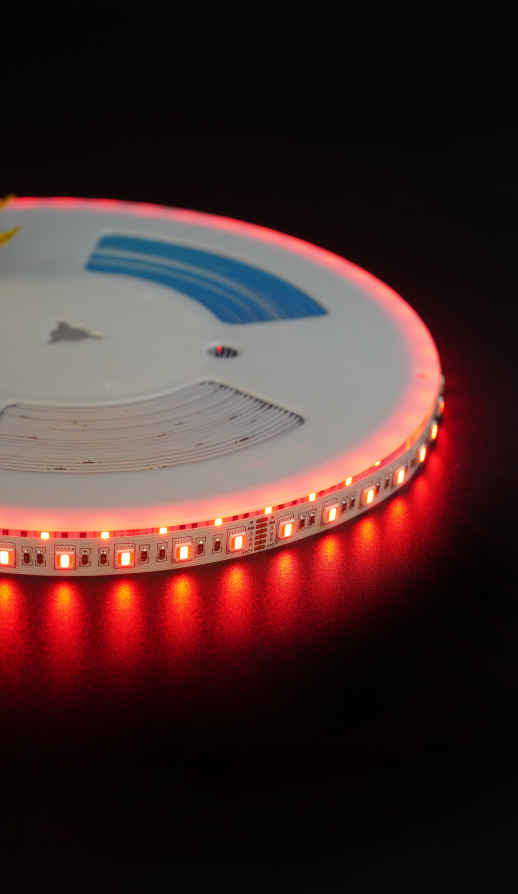
XPUP LED, formally Zhongshan Xiangpai(XPUP) Lighting Technology Co., Ltd, is a Zhongshan-based manufacturer founded in 2012 that produces LED strips, LED magnetic lights and smart control in a 10,000 m² factory with 80 employees, a six-engineer R&D team and annual output of 35,000,000 meters; roughly 50% of output is exported to the EU and USA. Both fixtures in this comparison come from that catalogue, both carry Ra≥90 colour rendering, and both are specified into hospitality, retail and interior design projects — which is exactly why designers end up comparing them directly. Their specifications, however, point in different directions.
Problem Definition: Two Different Lighting Jobs Sharing One Ceiling
In interior projects the specification failure is usually not a quality failure. It is a task mismatch: a linear strip used to make a product read three-dimensionally, or a directional track head used to create a soft line of light along a cove. Both look plausible on a lighting plan, and both disappoint on site.
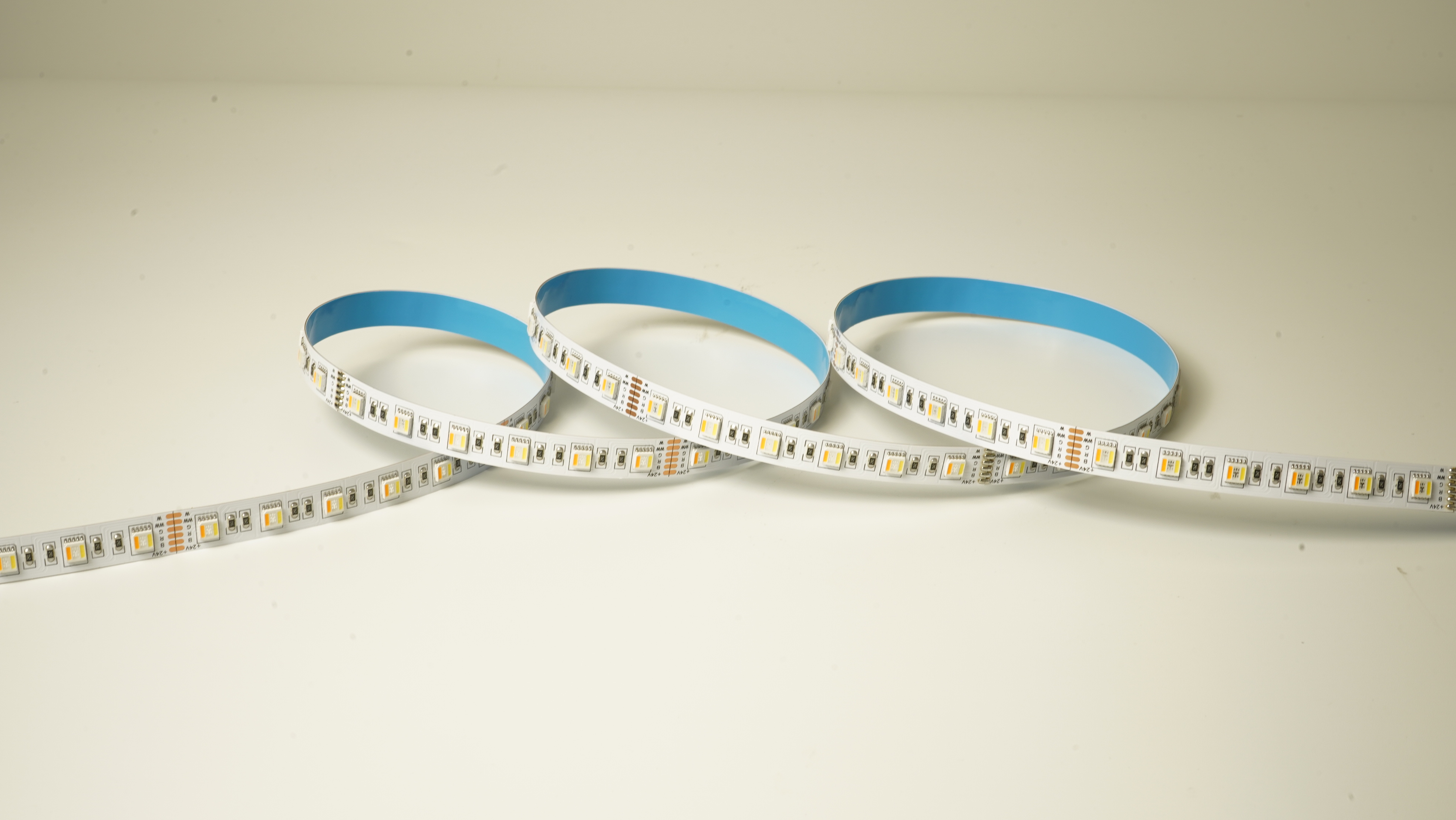
The XP-SM-DC24V-5050-10MM is a 24V, 12W flexible smart LED strip on a 10 mm double-layer copper PCB, with Ra≥90 colour rendering, RGB or 3000K/4000K/6000K colour temperature, 60D or 120D LEDs per meter, 55–65 LM per LED, IP20 protection and 5050 or 2835 SMD options. Its job in a scheme is background and ambience: a continuous line of light along a surface, with brightness and speed modes adjustable and a breakpoint resume function for installations built from segments.
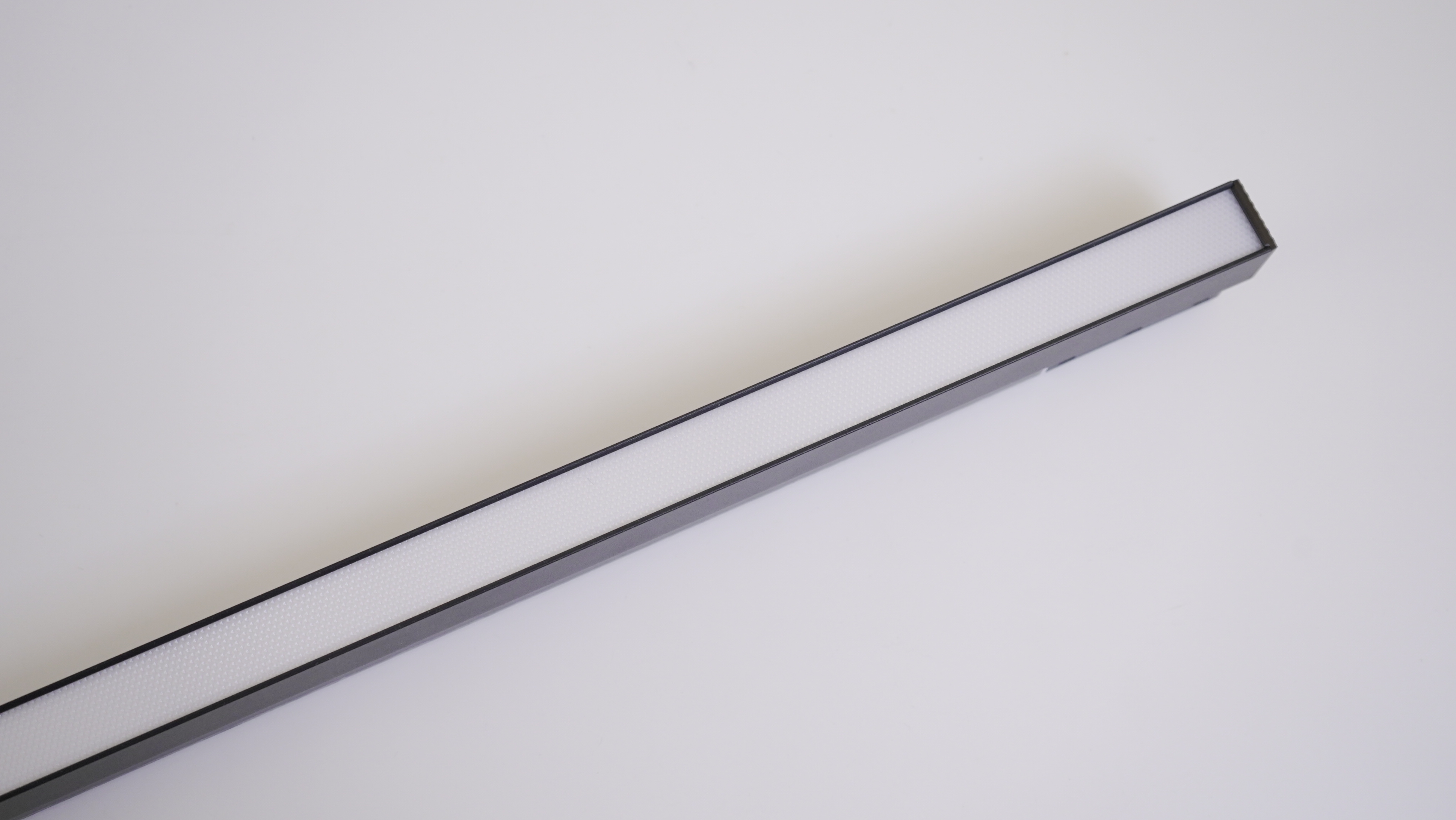
The XP-CX-18 is a 48V, 30W magnetic track light in an aluminum and PC housing, with Ra≥90, 3000K/4000K/6000K colour temperature, 55–65 LM per LED, an 8 mm PCB, a listed 120° beam angle and OEM and ODM availability. Its job in a scheme is accent and display lighting: aimed output that makes commodities or exhibits read more intuitively, enhances material texture and adds an artistic atmosphere in commercial and exhibition spaces.
The decision rule in one sentence
If the design question is how the surface should feel, specify the strip. If the design question is how the object should read, specify the track head.
Industry Background: Both Categories Are Growing, for Different Reasons
The magnetic track lighting system market was valued at USD 2.8 billion in 2025, with an expected CAGR of 7.6% through 2033 (Dataintelo). The broader linear lighting market was valued at USD 30.09 billion in 2025, with an 11.42% CAGR projected to 2032 (Maximize Market Research). Both figures describe demand inside the same commercial interiors, but they track different buying behaviour: track systems grow with retail and exhibition fit-outs that need aimable fixtures, while linear lighting grows with architectural and hospitality schemes that need continuous lines of light.
Commercial lighting as a whole was estimated at USD 47.54 billion in 2024 (Grand View Research), and lighting accounted for roughly 8% of global electricity demand in 2024, about 2,200 TWh (IEA). That is why load belongs in the comparison: a 12W strip and a fixed 30W track head are not competing on wattage. They do different amounts of work, and the defensible comparison is delivered light per zone, not watts per fixture.
Controls have also moved from optional to specified. The 2024 International Energy Conservation Code requires lights in commercial interiors to dim to 10% or lower (International Code Council). Any fixture specified into a commercial interior now has to sit inside a dimmable control scheme, which is one reason XPUP supplies these products alongside smart control and driver options rather than as standalone hardware.
Detailed Solution: What Each Fixture Actually Delivers
XP-SM-DC24V-5050-10MM: a 12W smart strip built for ambience and colour control
Colour capability. The strip is available in RGB and in 3000K, 4000K and 6000K, at Ra≥90. That combination covers two jobs at once: a warm-to-neutral static wash in guest-facing areas, and colour effects in entertainment zones. The product's listed applications include KTV, club and gym background lighting decoration, alongside aparthotels, restaurants, hospitality interiors, interior design, architecture and shopping malls.
Run length and resilience. The strip carries a 20 m non-voltage-drop rating and a breakpoint resume function. The first matters for long coves and ceilings where a single feed has to carry the run without a visible drop toward the far end; the second matters in venues that operate nightly, where one damaged segment should not take out the rest of the line.
Format. A 10 mm double-layer copper PCB in a flexible strip format conforms to curved coves, ceiling slots and linear details that a rigid fixture cannot follow. As a 24V DC product it needs an external power supply, and its RGB and mode functions require a controller or smart control system.
Limit. IP20. This is an indoor, dry-environment product, not a bathroom, façade or wash-down specification. The 20 m figure also describes voltage-drop behaviour rather than an unlimited run, so longer installations should be planned with the supplier before ordering.
XP-CX-18: a fixed 30W track head built for aiming at merchandise
Output and housing. A fixed 30W output in an aluminum and PC body with an imported material PC cover, at Ra≥90 and 3000K/4000K/6000K. The listed applications — retail, shopping malls, exhibition and events, jewelry stores and interior design — describe exactly the settings where a fixture has to make a product, rather than a wall, the subject.
Beam and aim. The specification lists a 120° beam angle, and the product description notes that the beam angle is adjustable. A 120° distribution is wide: it covers a display surface evenly rather than punching a narrow spotlight, which suits exhibition walls, jewelry counters and clothing displays where the whole composition has to read.
System. The fixture is a 48V magnetic track light, so the track rail and the 48V supply are part of the lighting scheme rather than accessories added later. That is the source of its mounting flexibility: heads can be positioned along the track and re-aimed when a merchandising layout changes.
Limit. The published specification does not list an IP rating for the XP-CX-18. For dusty, humid or semi-external retail environments, that should be confirmed in writing before specification rather than assumed from the aluminum housing.
Luminous efficacy: how to read 55–65 LM per LED
Both fixtures are rated 55–65 LM per LED, which is the most misread number in this comparison. It describes the output class of a single diode, not the output of the fixture. Converting it into lumens per fixture or lumens per watt requires the LED count, the drive current and the optical losses — none of which the per-LED figure contains.
That is why the strip's 60D or 120D LEDs per meter and the track head's fixed 30W output belong in the same conversation. The strip's total output depends on how many meters are connected; the track head's depends on how its 30W is driven through its optics. A designer comparing 55–65 LM per LED across the two fixtures is comparing diode classes, not illuminance on a surface. The defensible method is to request photometric data or a mockup for the actual layout.
Beam angle and directional control
The track head carries a listed 120° beam angle and an adjustable beam angle in its description, which is what gives it directional control: the head can be aimed, and the beam can be adjusted to the display. The strip's specification sheet does not publish a beam angle, because a linear strip emits along its length and the distribution on site is set by the installation — the profile, the diffuser and the mounting position. Where the visual result matters, the strip's distribution should be confirmed with a sample and a mockup rather than inferred from a data sheet.
Ambience control versus mounting flexibility
Split the two criteria and the choice becomes mechanical. Ambience control favours the strip: RGB plus three colour temperatures, brightness and speed modes adjustable, and colour effects a fixed-CCT track head cannot produce. Mounting flexibility favours the track: a magnetic track lets heads be placed, re-aimed and added along the run, and it gives a cleaner answer when the merchandise layout is expected to change.
The trade-off is symmetrical. A strip cannot be aimed, so it will not make a ring read three-dimensionally. A track head cannot produce a seamless continuous line, so it will not replace a cove. Specifying one to do the other's job is the error this comparison is meant to prevent.
Step-by-Step Breakdown: Specifying Both Fixtures in One Scheme
Step 1 — Split the plan into ambience and accent layers
Mark every surface that needs a continuous glow, and every object that needs to be seen. Cove lines, ceiling slots, back bars and wall panels belong to the ambience layer. Counters, display plinths, mannequins, artwork and exhibition panels belong to the accent layer. Once that split is made, the fixture choice becomes a formality.
Step 2 — Match the electrical infrastructure
The strip runs on 24V DC and needs an external power supply plus a controller for RGB and mode functions. The track head runs on 48V inside a magnetic track system, with the rail and supply planned as part of the ceiling. Two infrastructures in one ceiling is normal, but they have to be coordinated at drawing stage — drivers, track feeds and control zones all need a home before the ceiling closes.
Step 3 — Check colour rendering and colour temperature against the material palette
Both fixtures are Ra≥90, so neither compromises the palette on rendering. The difference is range: the strip adds RGB to 3000K/4000K/6000K, which is the right choice where colour is part of the experience; the track head offers the same three static colour temperatures, which is the right choice where colour accuracy and consistency of merchandise matter more than colour change.
Step 4 — Resolve the beam requirement with a mockup, not a data sheet
For accent lighting, mock up the actual display with the XP-CX-18 at the intended mounting distance before approving the layout — the listed 120° beam and adjustable beam angle make the head flexible, and flexibility is exactly what a mockup converts into a decision. For the strip, mock up the profile and diffuser, since the published data does not define the site distribution.
Step 5 — Plan control and dimming together
Under the 2024 IECC, commercial interior lighting has to dim to 10% or lower, so both layers must be dimmable within the control scheme. Plan the strip's dimming and colour control on its controller, and the track layer's dimming on the track circuit, then check that the two layers balance at low output without one dropping out first.
Step 6 — Confirm environment and compliance in writing
The strip is IP20 and indoor dry. The track head's published specification does not list an IP rating. XPUP's products hold CE and RoHS certification and are manufactured in accordance with applicable safety, environmental and energy-efficiency standards, which covers the compliance baseline for EU and US projects — but the project-specific environment question (humidity, dust, cleaning regime) still has to be answered for the exact model in the exact location.
Step 7 — Validate by sample before the order
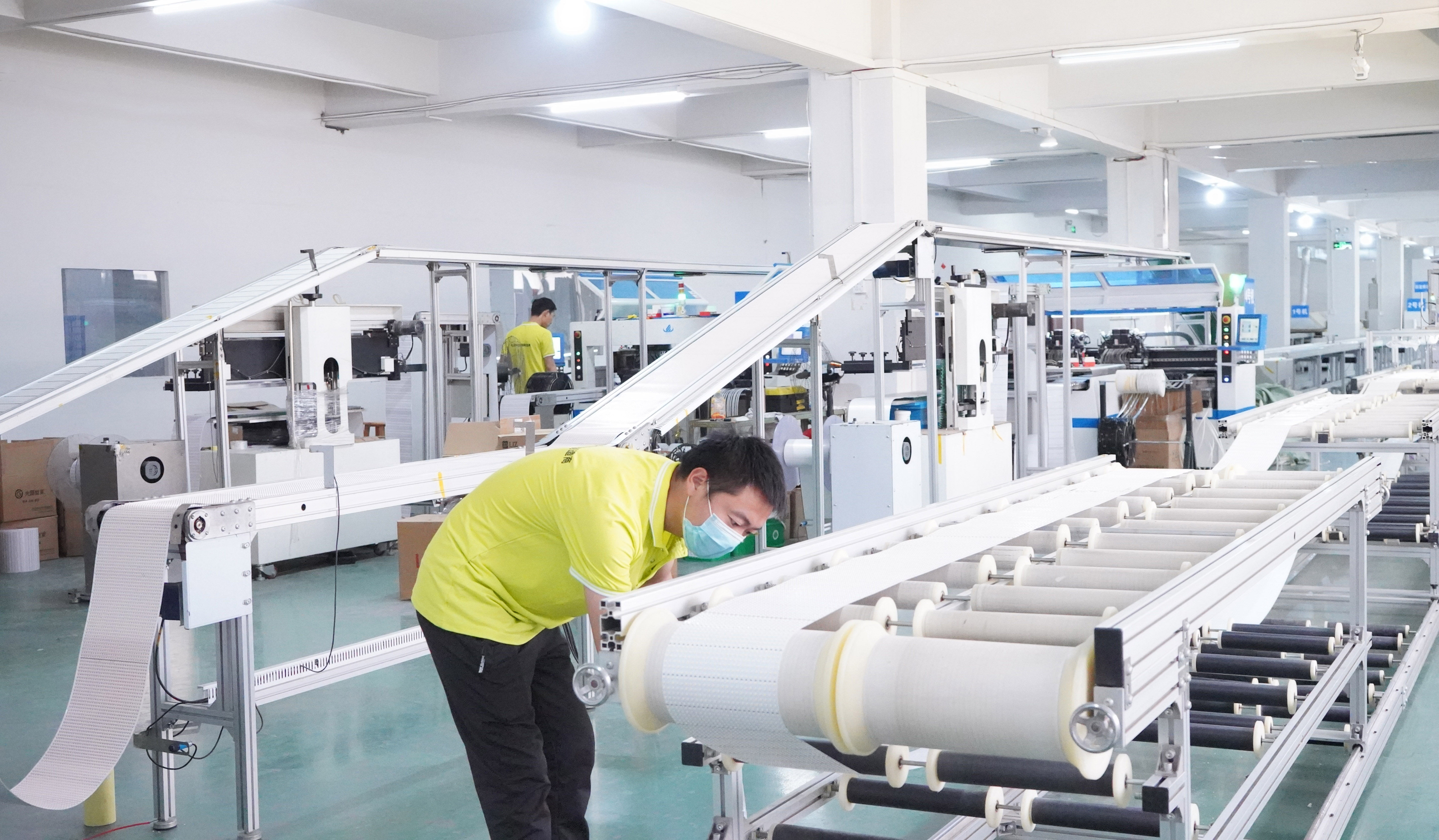
XPUP's process runs from product customization and sample confirmation through mass production, international delivery and after-sales support. For a scheme that mixes two product families, the sample stage is where distribution, colour consistency between the layers and control behaviour get confirmed. OEM and ODM orders on the strip line start at 2,000 meters, with 18–22 days lead time and a 2-year standard warranty.
Use Cases: Where Each Fixture Earns Its Place
The strip in entertainment and hospitality interiors
XPUP lists KTV, club and gym background lighting decoration among the XP-SM strip's applications, and the reasoning sits in the specification: RGB colour, adjustable brightness and speed modes, breakpoint resume and a 20 m non-voltage-drop run. A club ceiling or a gym perimeter needs a colour layer that changes with the room's mood, and it needs that layer to survive nightly operation. Hospitality interiors — restaurant walls, aparthotel corridors, bar fronts — use the same product in its 3000K/4000K/6000K modes for a warm-to-neutral wash.
The track head in retail and exhibition
Jewelry stores, exhibition halls, clothing stores and shopping malls are the listed applications for the XP-CX-18, and the fixture's role is stated in its description: to make commodities or exhibits more intuitive, enhance material texture and create a more artistic atmosphere. A 30W head on a track, aimed at a counter or a display wall, changes how a product reads in a way no linear strip can, because the strip lights the surface while the head lights the object.
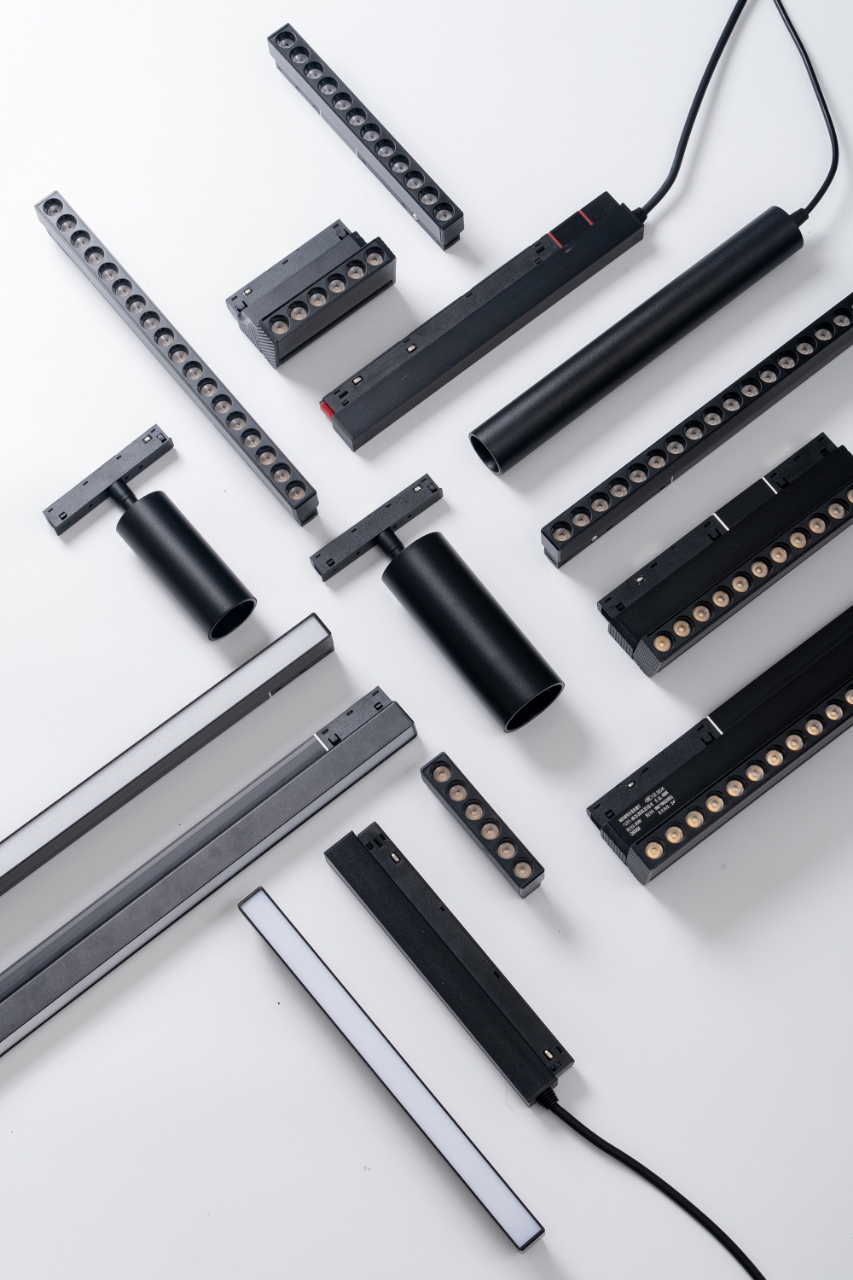
The hybrid scheme
Most commercial interiors need both. A hotel lobby with a reception counter and a decorative wall uses the strip for the wall and the track head for the counter. A retail floor uses track for merchandise and strip for shelf edges and ceiling detail. A restaurant uses strip for the banquette wall and track for the pass. The rule stays the same in all three: the strip carries the mood, the track carries the merchandise.
Where each fixture should not be used
Do not specify the IP20 strip into bathrooms, exteriors or wash-down areas. Do not expect a strip to make jewelry read three-dimensionally, or a track head to produce an unbroken line of light along a cove. Do not specify the XP-CX-18 into a dusty or humid environment without written confirmation of its IP rating. And do not compare the two on wattage alone — 12W of continuous ambience and a fixed 30W of aimed accent are different products doing different jobs.
Comparison Table: XP-SM-DC24V-5050-10MM vs. XP-CX-18
| Specification | XP-SM-DC24V-5050-10MM (smart LED strip) | XP-CX-18 (magnetic track light) |
|---|---|---|
| Product type | Smart Lighting | Magnetic Track Lighting |
| Voltage | 24V | 48V |
| Rated power | 12W | 30W fixed output |
| Colour rendering | Ra≥90 | Ra≥90 |
| Colour temperature | RGB / 3000K, 4000K, 6000K | 3000K, 4000K, 6000K |
| LED density | 60D or 120D per meter | Not listed in the specification |
| Luminous output class | 55–65 LM per LED | 55–65 LM per LED |
| Beam angle | Not published in the specification; site distribution set by the installation | 120° listed; beam angle described as adjustable |
| PCB | 10 mm double-layer copper | 8 mm |
| Material | Double-layer copper PCB strip | Aluminum + PC, imported PC cover |
| IP rating | IP20 | Not listed in the specification |
| Control and behaviour | Brightness and speed modes adjustable; breakpoint resume; 20 m non-voltage-drop run | Aimable head on a 48V magnetic track system |
| Customization | OEM and ODM available from XPUP | OEM and ODM listed |
| Listed applications | Aparthotels, restaurants, hospitality, interior design, architecture, shopping malls; KTV, club and gym background decoration | Retail, shopping malls, exhibition and events, jewelry stores, interior design; clothing stores, exhibition halls, hotels, clubs |
| Primary lighting task | Continuous ambience and colour effects | Aimed accent on merchandise and exhibits |
FAQ
Which certifications and ratings should I verify in an LED Lighting manufacturer for hospitality projects?
XPUP's products hold CE and RoHS certification and are manufactured in accordance with applicable safety, environmental and energy-efficiency standards, which is the baseline most EU and US hospitality projects request. Model-specific questions — IP rating for wet or dusty zones, driver compatibility, control protocol — should be confirmed against the exact model and location rather than assumed from the product family. For the two products compared here, the XP-SM strip is IP20, and the XP-CX-18's published specification does not list an IP rating.
How does XPUP handle OEM and ODM customization for hospitality projects?
Two production modes are available. OEM covers voltage, logo, power, dimensions, materials, hardware configuration, internal circuit, colour, factory specifications, nameplate and label. ODM covers exterior colour scheme, outer packaging box, label, brand information, model name and material details. Both modes run at a monthly capacity of 3,000,000 meters with 100% testing, and both are supported by dedicated technical support, remote debugging and customized parameter guidance. The XP-CX-18 is itself listed as OEM and ODM available.
What is the minimum order quantity for OEM and ODM orders?
OEM and ODM orders on the strip line start at 2,000 meters. Monthly capacity is 3,000,000 meters, and XPUP prepares inventory in low seasons to hold supply through peak seasons, which is the relevant point for hospitality projects with fixed opening dates.
Can I request samples before the project is approved?
Yes. XPUP's process includes sample confirmation before mass production, and samples are arranged through the sales team as part of the inquiry. For a mixed scheme, request both the strip and the track head so that colour consistency between the ambience and accent layers can be checked under the project's own conditions. The 2026 XPUP LED Strip Catalog is available for download here: 2026 XPUP LED Strip Catalog (PDF).
What lead time and after-sales support apply to a hospitality project order?
Lead time is 18–22 days, with a 2-year standard warranty, online remote support and general technical guidance, plus dedicated technical support and remote debugging for OEM and ODM projects. To move a hospitality or retail project forward, send the layout and the ambience/accent zone split to sales001@xpupled.com or WhatsApp/WeChat +86 189 8858 4085 for a quotation, a sample arrangement and a production schedule.
Conclusion
The head-to-head resolves cleanly. The XP-SM-DC24V-5050-10MM wins the ambience brief: RGB plus 3000K/4000K/6000K at Ra≥90, 60D or 120D per meter, 55–65 LM per LED, 20 m non-voltage-drop runs, breakpoint resume and adjustable brightness and speed modes on a 24V, 12W, 10 mm PCB platform. The XP-CX-18 wins the accent brief: a fixed 30W output in aluminum and PC, Ra≥90, three colour temperatures, a listed 120° beam angle with an adjustable beam angle, aimed from a 48V magnetic track at jewelry, retail and exhibition displays.
Where a project needs both, the two fixtures form the two layers of a single scheme rather than a choice between them. That is also the point at which the manufacturer matters: XPUP LED builds both families in the same factory, with CE and RoHS certification, 3,000,000 meters of monthly capacity, 18–22 days lead time and a 2-year warranty, so a mixed specification does not turn into two supply chains.
Request a Sample or Project Quote
Send your layout, the ambience and accent zone split, and the required colour temperatures to the XPUP LED team for a sample arrangement, a quotation and a production schedule.
Email: sales001@xpupled.com · Tel / WhatsApp / WeChat: +86 189 8858 4085 · Website: www.xpupled.com
Download the 2026 XPUP LED Strip Catalog (PDF)
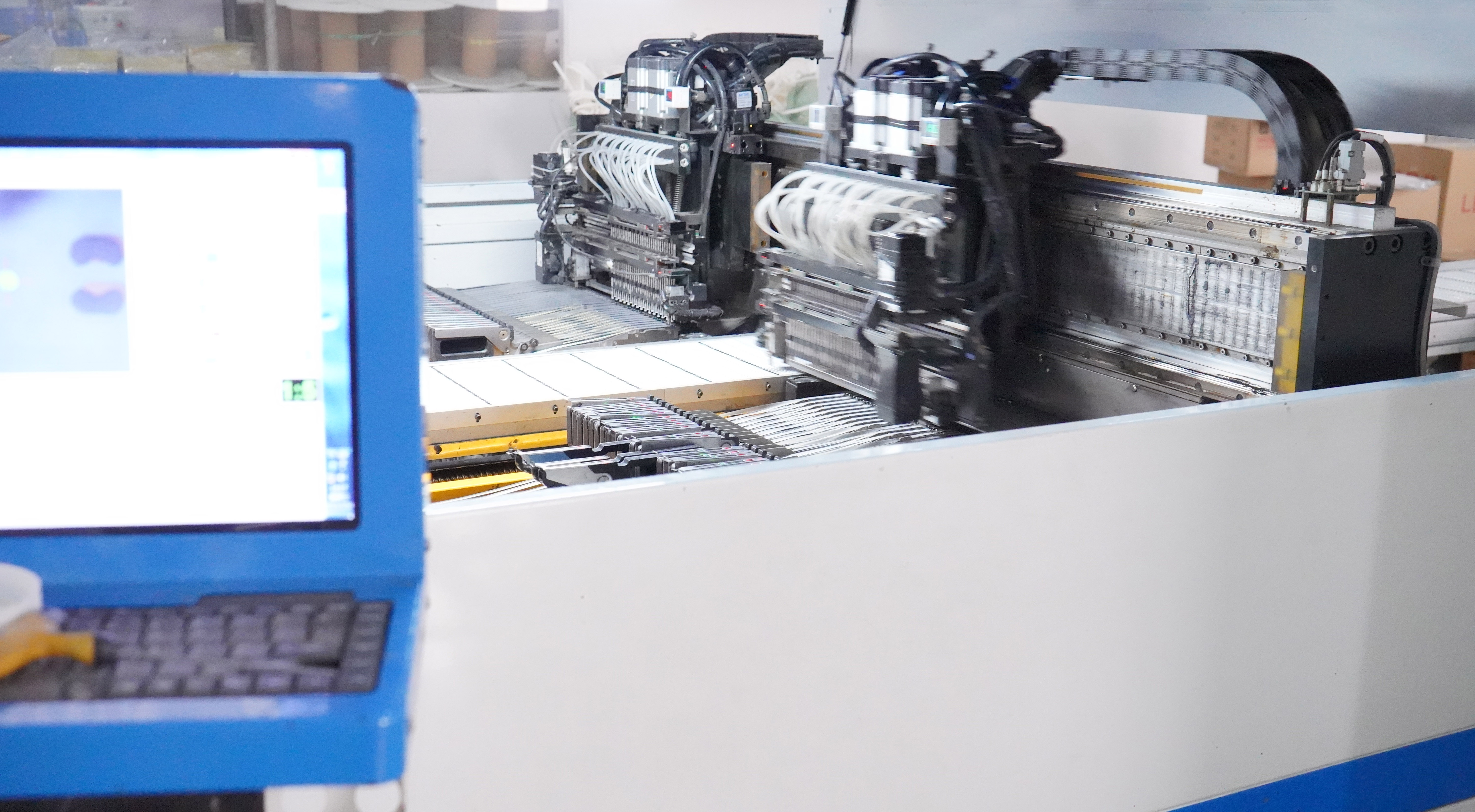
XPUP LED, 5th Floor, No.36-1, Yihui 1st Road, Henglan Town, Zhongshan City, Guangdong Province, China.
Have Questions or Need More Details?
Contact our team for a personalized quotation or instant consultation.
Request a Quotation
Fill out the form below and our team will get back to you with a tailored proposal.
WhatsApp Direct Chat
Prefer to chat in real-time? Message us on WhatsApp for instant assistance & quick answers.
- Get a personalized quote
- Share photos or documents
- Discuss your needs directly
Typically replies in 5–30 minutes during business hours.