
CPD vs CS Series Clamp-On Sensors: Choosing for OEM Integration
The CPD Series and the CS Series are both clamp-on ultrasonic flow sensors built around an engineering plastic housing and an ultrasonic transducer, and both are specified for the same 0.1–50 L/min measurement scope. The variable that actually decides an OEM integration project is narrower than the naming suggests: a ±2% versus ±3% accuracy class, a 0–80 versus 0–50 L/min upper range, a slightly different tubing envelope, different output arrangements, and the CPD Series' additional air bubble detection with a built-in LED display.
Shanghai Xunyin Technology Co., Ltd (XY-TEK) is a Shanghai-based high-tech company dedicated to the development, manufacturing, and sales of ultrasonic flow sensors and flow meters. Founded in 2018, XY-TEK operates a 5,000㎡ facility with a 30+ person R&D team and an annual output of more than 8,000 units, and states that it specializes in fluid management and control for small tubing and low flow rate measurement. This guide compares two series from that catalog — the CPD Series and the CS Series — from the perspective of a machine builder who has to fit one of them into an existing fluid path and an existing controller.
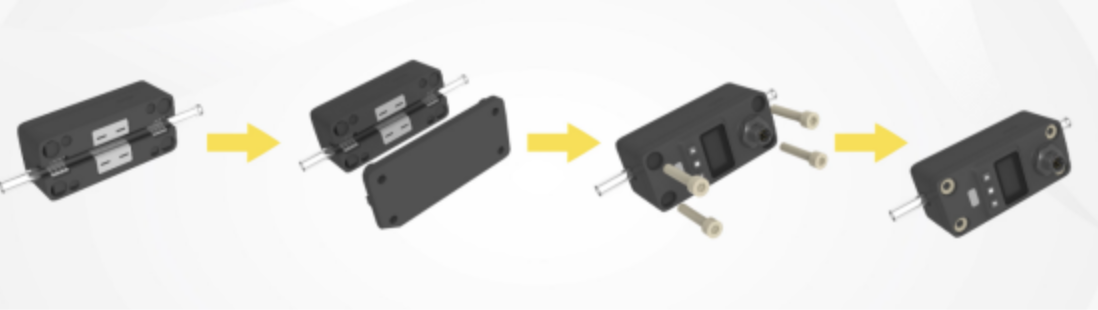
Fig 1. Clamp-on installation is shared by both series: the sensor mounts on the outside of the tubing, so the fluid path itself is never opened or interrupted.
Why Two Clamp-On Series Coexist in One Portfolio
The overlap is real, and it is what makes the decision difficult. Both CPD and CS are classified as non-invasive industrial flow sensors. Both use compact integrated design, clamp-on installation, digital output compatibility, and bubble detection or bubble monitoring as a listed capability. Both are built from engineering plastic and an ultrasonic transducer, both are specified for rigid plastic tubing such as PFA, PTFE, Teflon, PVDF, PP, and Nylon, and both carry an applicable fluid temperature range of 0°C to 90°C.
The divergence appears in four places that matter to an integrator:
- Accuracy class. The CPD Series is specified at ±2% accuracy; the CS Series at ±3% accuracy. The percentage point difference sets how much measurement uncertainty the host process must absorb.
- Upper flow range. CPD reaches 0–80 L/min; CS reaches 0–50 L/min. Both are specified with a 0.1–50 L/min measurement scope, so the two series are equivalent at the low end and diverge only above 50 L/min.
- Tubing envelope. CPD accepts pipe outer diameters from 6 mm to 26 mm and inner diameters from 3 mm to 20 mm. CS accepts 6.4 mm to 25.4 mm OD and 3.2 mm to 15.9 mm ID.
- On-sensor information and output. CPD includes a built-in LED display alongside digital output compatibility. CS is specified with analog, pulse and RS485 output plus bi-directional flow detection.
Choosing by habit rather than by envelope is where integration projects stall. A machine that runs 12 mm rigid tubing and never exceeds 20 L/min is technically served by either model, but a machine that must also carry the same sensor family onto a 19 mm ID line, or onto a dosing station where aeration has to be flagged, has only one viable answer before commercial discussions even begin.
Industry Background: Why Clamp-On Formats Dominate Integration Slots
Non-invasive measurement is not a niche format. Industry research reported by HTNXT Research states that the global flow meter market was estimated at USD 10.64 billion in 2024 and is projected to reach USD 15.17 billion by 2030, while the ultrasonic flow meter segment specifically was valued at USD 1.52 billion in 2025 with an estimated growth path to USD 2.28 billion by 2031. Within that ultrasonic category, Straits Research expects the clamp-on segment to account for 57% of the global ultrasonic flow meter market share in 2026.
The reason is structural rather than promotional. Clamp-on sensors measure from outside the tube, so nothing enters the fluid path, no pressure is lost, and no line has to be cut. That matters in the applications both series list as their target industries: industrial automation, food and beverage, water treatment, and semiconductor. In each of those environments, retrofitting a measurement point onto an existing skid is far cheaper than rebuilding the pipework, and traceability requirements favor a sensor that can be added without re-qualifying the wetted path.
The second driver is communication. Machine builders rarely buy a sensor as a standalone instrument; they buy a component that must speak to a host controller. XY-TEK's capability documentation lists communication protocol and housing material among its customizable design parameters, and sensor size, interface and logo printing among its OEM/ODM options — which is the practical reason an integrator compares series at the output and envelope level rather than at the marketing level.
The Shared Platform: What CPD and CS Have in Common
Both series operate on the same principle: non-contact clamp-on ultrasonic time-difference measurement with real-time online monitoring and millisecond-level response, and both support automatic bubble and blockage detection with an alarm mode. Because the sensor never contacts the fluid, both are non-invasive, contamination-free, and free of pressure loss.
The mechanical envelope of the shared platform is also identical in the dimensions that constrain a design:
- Measurement scope: 0.1–50 L/min for both series.
- Tubing type: rigid plastic tubing — PFA, PTFE, Teflon, PVDF, PP, Nylon.
- Fluid temperature: 0°C to 90°C for both series.
- Fluid quality: fluids without, or with only few, solid particles.
- Construction: engineering plastic and an ultrasonic transducer.
- Installation: external clamp-on mounting, compact integrated design.
For an integrator, this means the two series can often share the same mounting bracket concept, the same tubing specification, and the same service procedure across a machine family. Standardizing on the shared platform reduces spare-part complexity and technician training time — a benefit that is easy to overlook when the only visible difference on a datasheet is one percentage point of accuracy.
Where the CPD Series Adds Capability
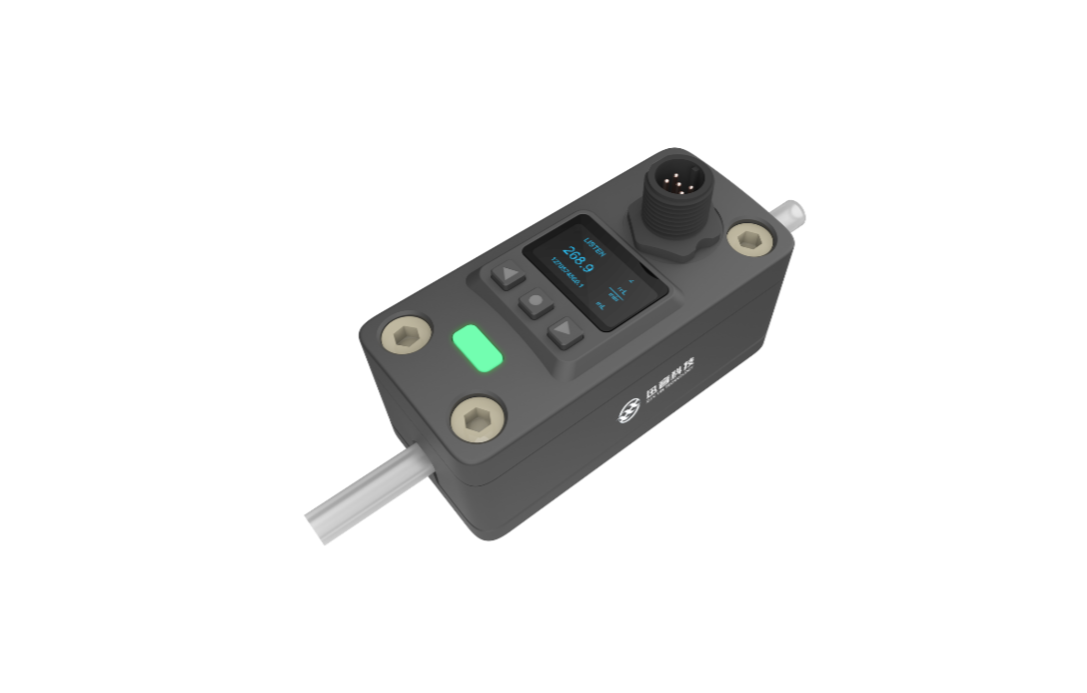
Fig 2. The CPD Series combines a ±2% accuracy class, a 0–80 L/min range and a built-in LED display in the same clamp-on housing format.
The CPD Series is the wider and tighter of the two. Its accuracy specification is ±2%, one percentage point better than the CS Series, and its flow range extends to 0–80 L/min rather than 0–50 L/min. That headroom matters on filling, dosing and cleaning circuits where a line is sized for a peak rate that exceeds steady-state operation.
The second addition is operator-facing rather than measurement-facing: a built-in LED display. On a bench, a pilot skid, or a service visit, a local readout removes the need to connect a laptop or a handheld before confirming that a line is actually flowing. The same reasoning applies to the third addition, air bubble detection, which is listed as a specification of the CPD Series along with digital output compatibility. Bubble detection is what converts a flow reading into a process condition: an aeration event, a partially empty line, or an abnormal flow state can be flagged rather than silently averaged into the flow number.
The CPD Series also accepts the larger tubing: 6–26 mm outer diameter and 3–20 mm inner diameter, against 6.4–25.4 mm OD and 3.2–15.9 mm ID for the CS Series. Its measurable fluid list is broader as well, covering water, acids, pure water, drinks, oil, paints, chemicals, and slurry where those media contain no or few solid particles. In practice, that combination — tighter accuracy, higher ceiling, wider tubing, chemical-tolerant fluid list, local display and bubble detection — is what positions CPD for industrial automation, food and beverage, water treatment, and semiconductor process lines.
Where the CS Series Is the Better Fit
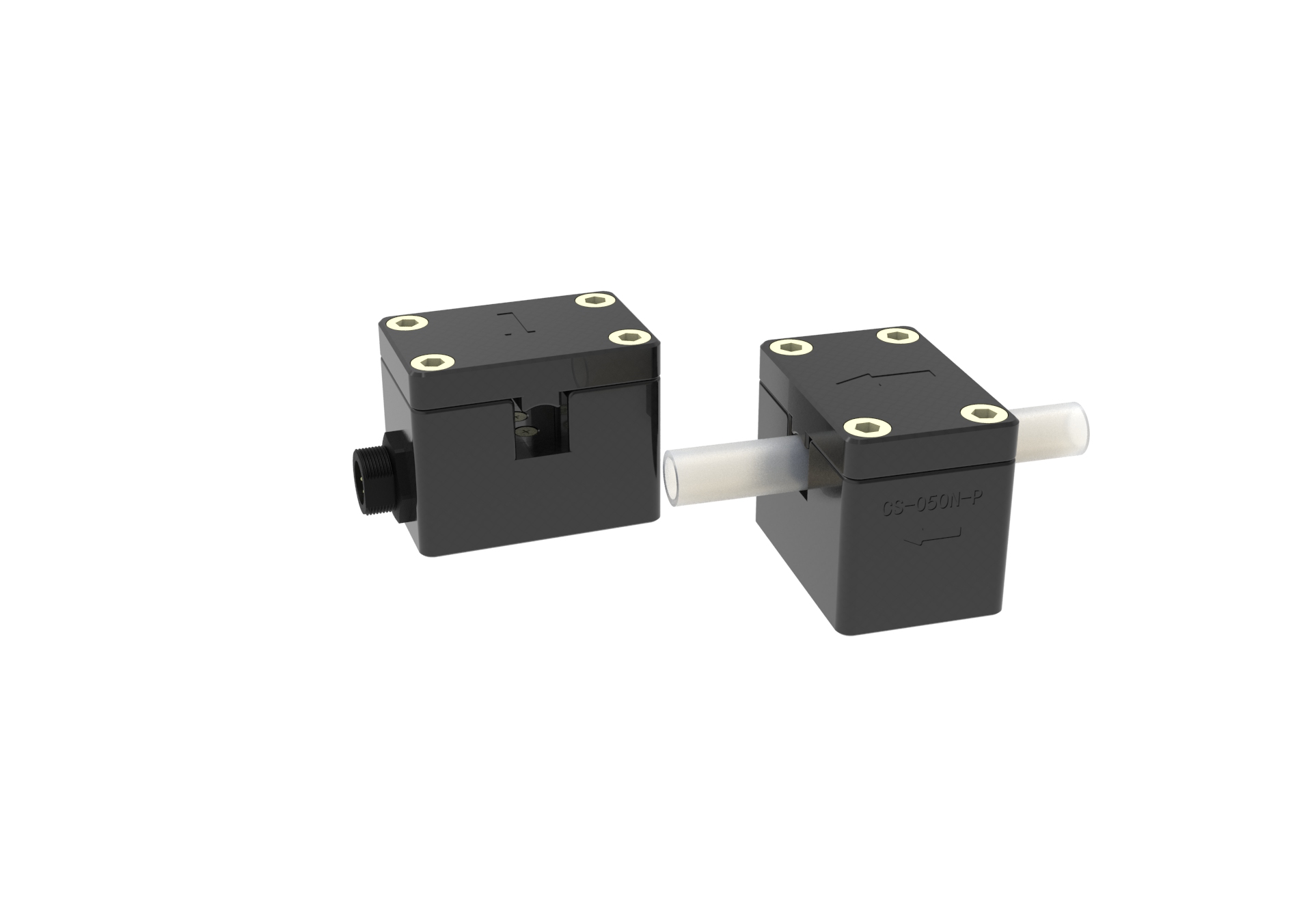
Fig 3. The CS Series targets the same non-invasive clamp-on slot, with ±3% accuracy, a 0–50 L/min range, and analog, pulse and RS485 output options.
The CS Series is specified at ±3% accuracy with a 0–50 L/min range, and it is differentiated in a way that is easy to miss: its listed interfaces are analog, pulse and RS485 output, and it supports bi-directional flow detection. For a machine where the controller already has an analog input card or a pulse counter, a native pulse or analog interface can remove a conversion layer from the design. Bi-directional detection is likewise relevant on recirculation loops, where the direction of flow is itself a process signal.
The CS Series covers 6.4–25.4 mm outer diameter and 3.2–15.9 mm inner diameter tubing, and its measurable fluid list focuses on water, blood, drinks, oil, and paint without, or with few, solid particles. It shares the CPD fluid temperature range of 0°C to 90°C and the same rigid-tubing material compatibility. Its bubble monitoring capability means that aeration visibility is available on this series too, so the differentiator for CPD is not the existence of bubble sensing but the combination of bubble detection with the built-in display, the tighter accuracy class and the wider envelope.
CPD vs CS Series: Specification Comparison
| Parameter | CPD Series | CS Series |
|---|---|---|
| Type | Non-invasive industrial flow sensor | Non-invasive industrial flow sensor |
| Accuracy | ±2% | ±3% |
| Flow range | 0–80 L/min | 0–50 L/min |
| Measurement scope | 0.1–50 L/min | 0.1–50 L/min |
| Pipe outer diameter | 6–26 mm | 6.4–25.4 mm |
| Pipe inner diameter | 3–20 mm | 3.2–15.9 mm |
| Tubing material | Rigid plastic: PFA, PTFE, Teflon, PVDF, PP, Nylon | Rigid plastic: PFA, PTFE, Teflon, PVDF, PP, Nylon |
| Fluid temperature | 0°C to 90°C | 0°C to 90°C |
| Measurable fluids | Water, acids, pure water, drinks, oil, paints, chemicals, slurry (no or few solid particles) | Water, blood, drinks, oil, paint (without or not many solid particles) |
| Bubble detection / monitoring | Air bubble detection listed | Bubble monitoring listed |
| Local display | Built-in LED display | Not specified |
| Output | Digital output compatibility | Analog, pulse and RS485 output; bi-directional flow detection |
| Construction | Engineering plastic, ultrasonic transducer | Engineering plastic, ultrasonic transducer |
| Listed industries | Industrial automation, food & beverage, water treatment, semiconductor | Industrial automation, food & beverage, water treatment, semiconductor |
Read the table by elimination rather than by preference. If the required flow ceiling is above 50 L/min, if the tubing inner diameter exceeds 15.9 mm, or if the accuracy budget cannot accommodate ±3%, the CS Series is out of scope and the discussion ends. If the host controller requires an analog or pulse interface rather than a digital connection, the CPD Series may need an adaptation that the CS Series does not.
A Six-Step Selection Workflow for OEM Integration
Run in this order, the workflow resolves most integrations at Steps 1 and 2 without a commercial conversation, and reserves Steps 3 to 6 for designs where both series remain technically valid.
Use Cases: Matching the Series to the Machine
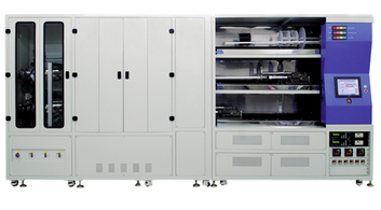
Fig 4. In industrial automation, the same clamp-on format serves spraying, dispensing and cleaning circuits where pulsating and micro-flow liquids must be monitored.
Industrial automation — spraying, dispensing, cleaning. In these scenarios the sensor monitors pulsating and micro-flow liquids and functions to detect bubbles, blockage, or abnormal flow conditions. Supporting equipment typically includes dispensing machines, selective wave soldering equipment, coating machines, cleaning equipment, liquid supply pumps, industrial control systems, and automated production lines. Where a local readout and a tighter accuracy class are valued on the machine, CPD is the natural fit; where the cabinet already provides an analog or pulse input, CS reduces interface overhead.
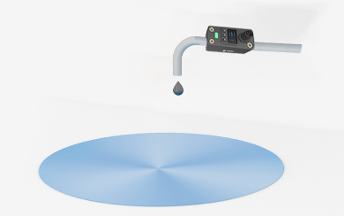
Fig 5. On coating and dosing lines, clamp-on mounting avoids breaking the pipe, so the fluid path stays sealed while flow and bubble conditions are monitored in real time.
Battery and new energy production. Clamp-on ultrasonic monitoring has been used in electrolyte injection circuits, where the sensor's job is to confirm injection accuracy, detect bubbles or leakage, and avoid contaminating the medium. Reported outcomes in these deployments include improved consistency, reduced rejection rates, no pipeline cutting, low maintenance, and higher production safety, with service durations in the region of two to three years. Because electrolyte circuits are chemical and often run on rigid tubing, the CPD Series' broader fluid list, which explicitly includes chemicals and acids, is the more direct match.
Semiconductor and water treatment. Both series list semiconductor and water treatment among their industries. These environments favor non-contact measurement for the same reason they favor rigid tubing: the wetted path is usually qualified and difficult to change. A clamp-on sensor adds a measurement point without altering that path.
Food and beverage. The CS Series' fluid list includes water and drinks, and the CPD Series includes pure water and drinks, so either series can serve a filling or transfer line. The deciding factor is usually the accuracy class and the tubing diameter rather than the medium.
Where these two series do not apply. Both CPD and CS are specified for rigid plastic tubing. Applications that depend on flexible medical tubing, single-use sterile channels, or blood contact fall into a different part of the portfolio, and integrators should treat that as a boundary rather than a gap. Likewise, fluids carrying significant solid particles fall outside the stated fluid conditions for both series.
FAQ: CPD vs CS Series for OEM Buyers
1. What compatibility requirements should be verified before choosing between CPD and CS?
Four checks come first. Confirm the tubing material is rigid plastic — PFA, PTFE, Teflon, PVDF, PP, or Nylon — since both series are specified for rigid tubing. Confirm the fluid temperature stays within 0°C to 90°C. Confirm the medium carries no or only few solid particles. Confirm the tubing dimensions fall inside the chosen model's envelope: 6–26 mm OD and 3–20 mm ID for the CPD Series, or 6.4–25.4 mm OD and 3.2–15.9 mm ID for the CS Series. Fluid chemistry should also be matched against the published lists, since the CPD Series explicitly covers acids, pure water, chemicals, and slurry, while the CS Series lists water, blood, drinks, oil, and paint.
2. What does the CPD Series add over the CS Series?
Three measurable additions. First, tighter accuracy: ±2% versus ±3%. Second, a higher flow ceiling: 0–80 L/min versus 0–50 L/min, while both share the same 0.1–50 L/min measurement scope. Third, a wider tubing envelope: up to 26 mm outer diameter and 20 mm inner diameter, against 25.4 mm OD and 15.9 mm ID for the CS Series. The CPD Series additionally lists a built-in LED display and air bubble detection alongside digital output compatibility. The CS Series counters with analog, pulse and RS485 output and bi-directional flow detection.
3. How do MOQ and customization affect the commercial decision?
Volume planning starts with a minimum order quantity of 50 units, so an integrator should decide the target series before tooling or bracket design is committed. Beyond the standard product, XY-TEK lists OEM/ODM customization across sensor size, interface, and logo printing, and custom design work covering communication protocol and housing material. Because customization options change the engineering scope, MOQ and configuration should be confirmed together rather than treated as separate line items on a bill of materials.
4. How should an OEM validate a CPD or CS sensor before volume production?
Validate on the real fluid path, not on a bench substitute. Mount the sensor on the same tubing material and diameter that will be used in production, at the same fluid temperature, and check the reading across the station's full flow window, including any pulsating or peak conditions. XY-TEK lists 100% pre-shipment testing as a quality control step on its OEM/ODM route, and third-party inspection is available, which gives the buyer an independent verification option alongside in-house testing.
5. What lead time should be expected when scaling from evaluation to volume?
Quoted lead time for these programs runs 1–2 months. Within that, XY-TEK lists a 15–25 day production cycle for OEM/ODM work and a 20–30 day cycle for custom design work, so a customized communication protocol or housing is better planned as a project milestone than as a rush item. After-sales support is provided through online engineering support, remote technical support, and a quality warranty. OEM teams that need to confirm lead time against a build schedule, or that want to request sample units for a specific tubing and flow window, can contact XY-TEK directly at global@xy-tek.cn or +86-21-33885752 with their tube dimensions and target flow range.
Conclusion: Decide on Envelope First, Then on Tolerance
The CPD and CS Series are close enough on paper that the comparison can feel circular, but the decision is not subjective. Both are non-invasive clamp-on ultrasonic sensors for rigid plastic tubing, both cover 0.1–50 L/min at 0°C to 90°C, and both detect bubbles. Above those shared facts, the CPD Series offers ±2% accuracy, a 0–80 L/min range, tubing up to 26 mm OD and 20 mm ID, a built-in LED display, air bubble detection, and a fluid list that extends to acids, chemicals, and slurry. The CS Series offers ±3% accuracy, a 0–50 L/min range, tubing up to 25.4 mm OD and 15.9 mm ID, and analog, pulse and RS485 output with bi-directional flow detection.
For most machine builders, the sequence is the same: match the tubing envelope, confirm the flow ceiling, then decide whether the process needs the tighter accuracy class and the on-sensor display. Making that decision once, at the platform level, keeps a machine family on a consistent sensor specification and avoids the cost of discovering a range limitation after the brackets are cut.
Next Step
Send XY-TEK your tube outer and inner diameter, target flow window, expected fluid, and the interface your controller accepts. The engineering team can confirm whether the CPD Series or the CS Series fits the application, and discuss sample arrangements ahead of volume production.
Email: global@xy-tek.cn | Website: www.xy-tek.com | Tel: 86-21-33885752
Shanghai Xunyin Technology Co., Ltd (XY-TEK) — Building 7, No. 410 Jinggu Road, Minhang District, Shanghai 200245, China
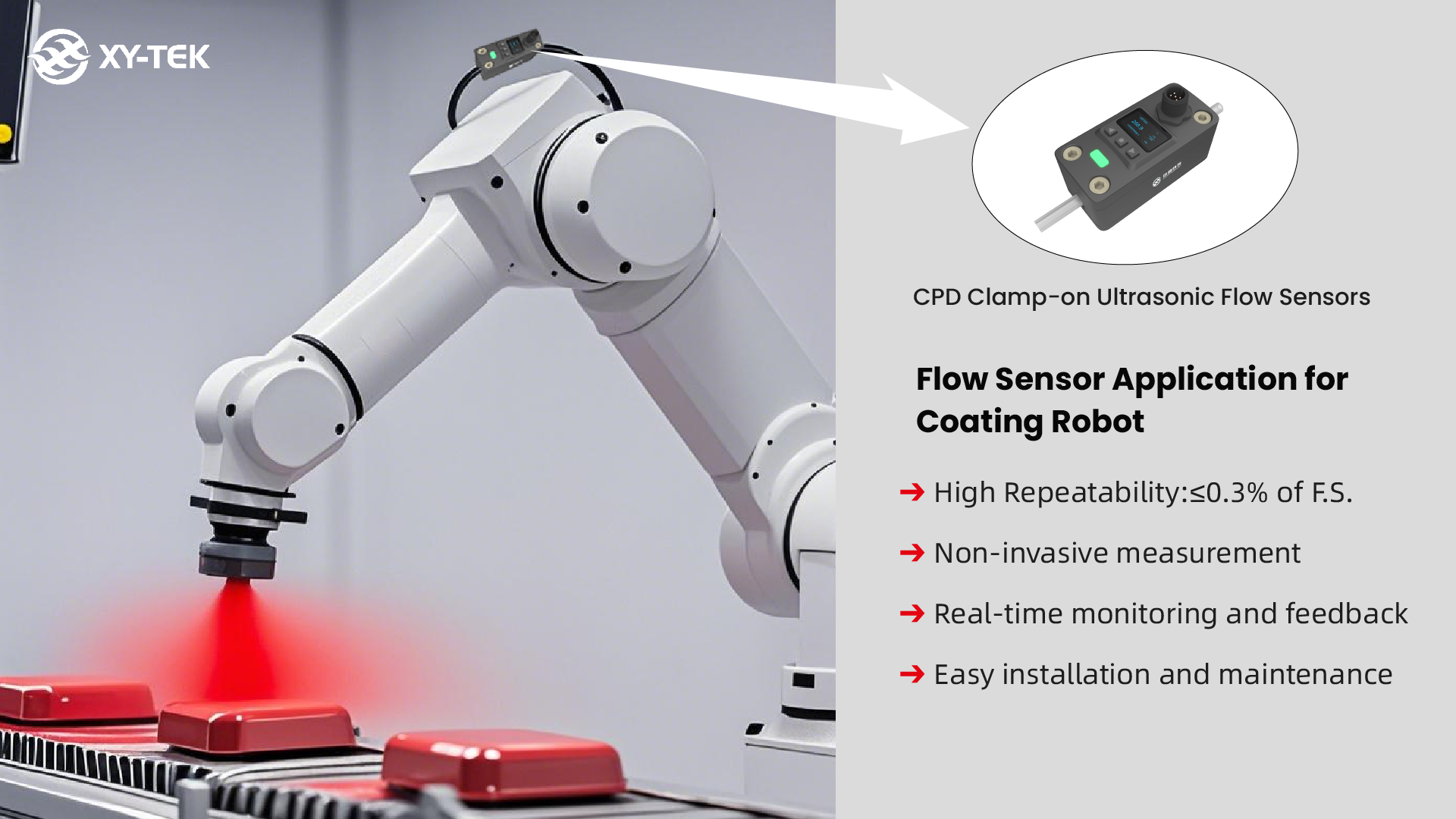
Fig 6. Confirming the tubing envelope and interface before volume production keeps clamp-on integration predictable from prototype to series build.
Have Questions or Need More Details?
Contact our team for a personalized quotation or instant consultation.
Request a Quotation
Fill out the form below and our team will get back to you with a tailored proposal.
WhatsApp Direct Chat
Prefer to chat in real-time? Message us on WhatsApp for instant assistance & quick answers.
- Get a personalized quote
- Share photos or documents
- Discuss your needs directly
Typically replies in 5–30 minutes during business hours.