Single-Use Flow Sensor Supplier Audit: Capability and Delivery Checklist for Biopharma OEMs
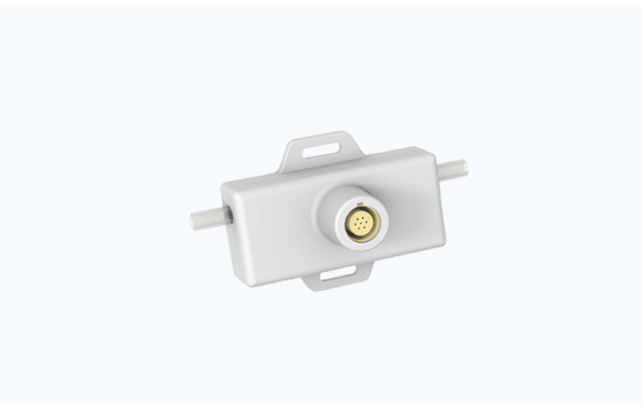
A single-use flow sensor supplier audit should verify five gates before a purchase order: product fit, manufacturing capability, controlled OEM customization, quality and acceptance testing, and a delivery plan that matches the validation build. Datasheets and price lists do not prove any of those gates. This guide gives biopharma and industrial OEM buyers a practical checklist for auditing a single-use ultrasonic flow sensor supplier, using the XY-TEK SU Series Single-use Ultrasonic Flow Sensor and XY-TEK's published capability facts as a worked example.
The buying question is not simply which flow sensor has the right range. For a biopharma OEM, the sensor becomes part of a fluid path that must be documented, repeated across lots, and delivered on a schedule that supports validation and scale-up. The audit therefore has to test the supplier as a manufacturing and delivery partner, not only as a catalog source.
Problem Definition: Why a Datasheet Is Not a Supplier Audit
The problem is not finding a flow sensor with a 0.05–10 L/min range. The problem is proving that the supplier can reproduce the same single-use measuring channel, control the custom interface, test the unit the same way twice, and deliver the quantity that the validation build needs. A datasheet can state accuracy and range. It usually cannot show how the supplier controls change, how it handles a custom housing material, how it records pre-shipment testing, or how it protects lead time when the order moves from sample to production.
For biopharma OEM buyers, the audit has to separate three evidence types. The first is product evidence: the published specification, wetted material, temperature range, and stated repeatability. The second is capability evidence: the engineering team, manufacturing base, output, and customization boundary. The third is delivery evidence: MOQ, lead time, production timing, inspection options, and after-sales support. A supplier that is strong in one area but weak in another creates a different risk profile.
Audit rule: do not accept a specification statement as delivery evidence. Ask for the document, the test record, or the named process that proves the statement for the ordered configuration.
A practical audit also has to define what is out of scope. The SU Series specification lists measurable fluids such as water, blood, drinks, oil, and paint, with the condition that the fluid should have no or not many solid particles. If the process fluid contains solids, the audit should stop and re-scope rather than force the sensor into a duty it was not specified for.
Industry Background: What the Verified Data Says About Flow Sensor Demand
The verified data set used for this article gives three useful market reference points. The global flow meter market was estimated at USD 10.64 billion in 2024 and projected to reach USD 15.17 billion by 2030. The ultrasonic flow meter market was valued at USD 1.52 billion in 2025, with an estimated growth path to USD 2.28 billion by 2031. Clamp-on ultrasonic flowmeters are reported to represent 57% of the global ultrasonic flow meter market share in 2026.
Those figures describe the category, not the suitability of any one supplier. They do explain why OEM buyers are being asked to compare flow sensor suppliers more carefully. As ultrasonic flow measurement expands across bioprocess, medical, and industrial equipment, the supplier base becomes more varied. Some suppliers are strong in standard clamp-on products. Others focus on single-use formats, low-flow measurement, or OEM customization. The audit checklist has to match the product format and the buyer's process, not just the category growth story.
The same verified data set also exposes an evidence gap that matters for biopharma sourcing: it contains no published standard, certification number, or conformity marking for the flow sensor category. That is not a conclusion that products are uncertified. It is a signal that certification and material documentation must be requested directly and verified against the buyer's intended process.

Detailed Solution: A Capability and Delivery Audit Framework
The audit framework in this guide has five evidence families. Each family should produce a document or a named process that can be reviewed before the purchase order.
- Product fit: flow range, accuracy, wetted material, temperature, fluid compatibility, and single-use configuration.
- Manufacturing capability: legal entity, engineering team, factory footprint, employees, annual output, and export experience.
- OEM control: customization boundaries, communication protocol, housing material, sensor size, interface, logo printing, and change control.
- Quality and acceptance: pre-shipment testing, third-party inspection option, test record, repeatability evidence, and lot traceability.
- Delivery and support: MOQ, lead time, production timing, after-sales support, warranty, and escalation path.
Reference case: XY-TEK and the SU Series
XY-TEK is Shanghai Xunyin Technology Co., Ltd(XY-TEK), a high-tech company dedicated to the development, manufacturing, and sales of ultrasonic flow sensors and flow meters. The company was founded in 2018 and operates a 5,000㎡ manufacturing base with 50 employees and a 30+ engineer R&D team. Its published capability record lists an annual output of 8,000 units+, a 50% export ratio, and global markets. Those facts are useful for the audit because they connect the product to a named entity, a manufacturing base, and an engineering team.
The SU Series Single-use Ultrasonic Flow Sensor is specified for a 0.05–10 L/min range, ±2% accuracy, and a 0°C to 60°C fluid temperature range. The wetted material is listed as biocompatible polymer materials. The product parameters include a single-use measuring channel, hygienic fluid monitoring, sterile application support, and high measurement repeatability. Its applicable industries are biopharma, single-use systems, medical manufacturing, and bioprocess.
XY-TEK also lists OEM ultrasonic flow sensors and customized services. The customization record includes communication protocol and housing material under custom design, plus sensor size, interface, and logo printing under OEM/ODM. The purchasing record lists a 50-unit MOQ, a 1–2 month lead time, 20–30 days for custom design, and 15–25 days for OEM/ODM production. Quality control includes 100% pre-shipment testing and third-party inspection available. After-sales support includes online engineering support, remote technical support, and a quality warranty.
Do not merge these facts into a general capability claim. The audit should ask which fact applies to the ordered SU Series configuration. A company-level output figure does not automatically prove capacity for a specific custom housing, and a product-level accuracy statement does not automatically prove the test method used for a given lot.

Step-by-Step Breakdown: The Eight-Part Supplier Audit
Step 1: Freeze the process envelope and acceptance criteria
Start with the process, not the supplier. Write down the required flow range, fluid, tubing, temperature, cleaning or sterilization route, output signal, and the acceptance test that will be used at incoming inspection. For the SU Series, the published envelope is 0.05–10 L/min, ±2% accuracy, biocompatible polymer materials, and 0°C to 60°C. If the required range sits outside 0.05–10 L/min, the audit should stop at product fit and re-scope.
- Required flow range falls inside 0.05–10 L/min.
- Process fluid is compatible with the stated measurable fluids and has no or not many solid particles.
- Fluid temperature stays within 0°C to 60°C.
- Single-use measuring channel and biocompatible polymer materials match the fluid path requirement.
- Acceptance test defines flow points, temperature, tubing, and pass or fail criteria.
Step 2: Verify the legal entity and manufacturing base
Match the quotation entity to the company that will manufacture the sensor. For XY-TEK, the entity is Shanghai Xunyin Technology Co., Ltd(XY-TEK). The published company facts include a 2018 founding year, a 5,000㎡ manufacturing base, 50 employees, a 30+ engineer R&D team, and an annual output of 8,000 units+. Ask for the production address, the production flow for the SU Series, and the capacity plan for the forecast quantity. The audit criterion is not the size of the company in isolation. It is whether the manufacturing base and engineering team can support the ordered configuration and the validation build.
Step 3: Match the sensor to the fluid path
The SU Series is a single-use flow sensor, so the material and fluid-path review comes before commercial negotiation. The published specification lists biocompatible polymer materials, a single-use measuring channel, hygienic fluid monitoring, and sterile application support. Ask for the material declaration, the sterilization compatibility statement that supports the sterile application support statement, and the lot traceability method. The audit should also confirm the measurable fluid condition. The specification allows water, blood, drinks, oil, paint, and similar fluids without or not many solid particles. A process with solids, aggressive chemistry, or a temperature outside 0°C to 60°C is a different review.
Step 4: Audit OEM customization before it becomes a change
OEM customization is where many supplier audits fail because the buyer reviews a catalog product and later discovers that the custom interface or housing was handled outside the quality system. XY-TEK lists OEM ultrasonic customization for communication protocol and housing material, and OEM/ODM customization for sensor size, interface, and logo printing. Ask for a written customization specification, an approval drawing, a change-control procedure, and the name of the engineer who will own the project. The acceptance criterion is that the custom configuration is controlled by a document, not by email memory.
Step 5: Review quality control and acceptance testing
XY-TEK lists 100% pre-shipment testing and third-party inspection available. Those are useful audit handles, but they need to be converted into an acceptance plan. Ask for the test record template, the test conditions, the accuracy points, and the repeatability evidence behind the SU Series statement. If third-party inspection is required, define the inspection scope, sampling plan, and who pays for it. The audit should confirm that the pre-shipment test used for the sample is the same test used for production, or that any difference is documented and accepted.
Step 6: Validate delivery timing and capacity
The purchasing record lists a 50-unit MOQ, a 1–2 month lead time, 20–30 days for custom design, and 15–25 days for OEM/ODM production. Ask which timing applies to the ordered SU Series configuration, whether the MOQ covers the validation build, and what buffer is available for a scale-up. A supplier can be technically capable and still fail the project if the production timing is planned against a different configuration. The audit should produce a delivery schedule by quantity band, not a single lead-time number.
Step 7: Confirm documentation and after-sales support
Documentation should be listed before the purchase order. For a biopharma OEM, the request usually includes material declaration, lot traceability, sterilization compatibility, test records, and the warranty terms. XY-TEK lists online engineering support, remote technical support, and a quality warranty. Ask how a technical issue is escalated, who responds, and what response time is expected. The audit should also confirm that the support path covers the OEM configuration, not only the standard catalog product.
Step 8: Run the sample and pre-production approval
The sample is the bridge between the audit and the purchase order. Use the published SU Series baseline as the sample acceptance reference: 0.05–10 L/min range, ±2% accuracy, biocompatible polymer materials, 0°C to 60°C, single-use measuring channel, and high measurement repeatability. Define the sample quantity, test fluid, tubing, temperature, output check, and acceptance report before the sample is built. The pre-production approval should confirm that the custom drawing, test record, and delivery schedule all match the audited configuration.
Use Cases: Where the SU Series Audit Criteria Apply
Single-use bioreactor feed and perfusion
In bioprocess equipment, the flow sensor may be used on feed, supplement, or perfusion lines. The SU Series range of 0.05–10 L/min and biocompatible polymer materials fit the low-flow, single-use fluid path. The audit should verify that the tubing, fluid, and temperature are inside the published envelope and that the repeatability evidence matches the process control requirement.
Tangential flow filtration and chromatography
Filtration and chromatography systems need stable low-flow measurement. The SU Series specification lists bioprocess as an applicable industry and includes hygienic fluid monitoring and high measurement repeatability. The audit should request a test record at the relevant flow points and confirm that the single-use measuring channel is compatible with the process fluid.
Filling and dispensing equipment
Small-volume filling and dispensing equipment depends on repeatable flow measurement. The SU Series 0.05–10 L/min range and ±2% accuracy provide a published baseline. The audit should confirm the actual dispensing flow points, the tubing size, and the acceptance test used at the equipment builder. If the process needs a different flow format, the buyer should re-scope rather than treat the SU Series as a universal flow sensor.
Medical manufacturing and bioprocess OEM projects
The SU Series applicable industries include medical manufacturing and bioprocess. For an OEM project, the audit should connect the product specification to the custom interface, housing material, sensor size, and logo printing requirements. Industrial OEM buyers can use the same eight-step audit sequence, but should map the product to the correct flow sensor format before requesting a quote. The audit gates stay the same; the product fit evidence changes.
Comparison Table: Audit Evidence Against Supplied XY-TEK Facts
The table below converts the audit checklist into a comparison of what the buyer should request and what the supplied XY-TEK evidence shows. It is an evidence table, not a competitor ranking.
| Audit area | Evidence to request | Supplied XY-TEK fact | Buyer acceptance criterion |
|---|---|---|---|
| Flow range | Calibration range and test fluid | SU Series: 0.05–10 L/min | Required process range sits inside 0.05–10 L/min |
| Accuracy | Test conditions and accuracy points | SU Series: ±2% accuracy | Accuracy statement is tied to defined test conditions |
| Wetted material | Material declaration and lot traceability | SU Series: biocompatible polymer materials | Material matches the single-use fluid path requirement |
| Single-use configuration | Sterilization compatibility statement | SU Series: single-use measuring channel; sterile application support | Documented compatibility for the planned sterilization route |
| Repeatability | Repeatability test record | SU Series: high measurement repeatability | Repeatability evidence matches process control needs |
| R&D capability | Project team structure and design review process | XY-TEK: 30+ engineer R&D team | Named engineering contact and review milestones |
| OEM customization | Written specification and approval drawing | XY-TEK: communication protocol, housing material, sensor size, interface, logo printing | Custom configuration is controlled by document |
| Manufacturing base | Production address and capacity plan | XY-TEK: founded 2018; 5,000㎡; 50 employees; 8,000 units+ annual output | Capacity plan covers forecast plus validation build |
| Quality control | Pre-shipment test template and inspection scope | XY-TEK: 100% pre-shipment testing; third-party inspection available | Acceptance test is defined before purchase order |
| Delivery | Lead time by quantity band | XY-TEK: 50-unit MOQ; 1–2 month lead time; 20–30 days custom design; 15–25 days OEM/ODM | Lead time and production timing fit the validation schedule |
| After-sales | Warranty terms and escalation path | XY-TEK: online engineering support; remote technical support; quality warranty | Support path covers the OEM configuration |
FAQ
What compliance evidence should a biopharma OEM request from a single-use flow sensor supplier?
The evidence set used for this checklist does not publish a certificate number, standard reference, or sterilization validation report for the SU Series. Treat that as a document request in the audit, not as proof of compliance or non-compliance. Ask for the material declaration for the biocompatible polymer wetted channel, the sterilization compatibility statement that supports the sterile application support specification, lot traceability, and the test report behind the ±2% accuracy and repeatability statements. The acceptance criterion should be that the documents match the intended single-use process, not that a generic certificate exists.
How can I verify that a supplier can support OEM ultrasonic customization?
XY-TEK lists a 30+ engineer R&D team, OEM ultrasonic customization for communication protocol and housing material, and OEM/ODM customization for sensor size, interface, and logo printing. The company was founded in 2018, operates a 5,000㎡ manufacturing base with 50 employees, and reports an annual output of 8,000 units+ and a 50% export ratio. Verify the customization by asking for a written specification, an approval drawing, a change-control procedure, and the named engineering contact who will own the project. The audit should confirm that the custom SU Series configuration is controlled by a document before the purchase order is released.
What cost drivers should be included in a single-use flow sensor budget?
No public price list is provided in the supplied evidence. Build the budget from the 50-unit MOQ, the 1–2 month lead time, the customization scope, the third-party inspection option, and the after-sales terms. Separate one-time engineering work for communication protocol, housing material, sensor size, interface, or logo printing from the recurring unit cost. Ask for a quote with and without third-party inspection so the cost of evidence is visible. The budget should also include the internal cost of incoming inspection and sample testing, because those steps are part of the supplier qualification, not an optional extra.
How should a biopharma OEM structure a sample evaluation for the SU Series?
The supplied evidence does not state a sample policy. Structure the sample around the published SU Series baseline: 0.05–10 L/min range, ±2% accuracy, biocompatible polymer materials, 0°C to 60°C fluid temperature, single-use measuring channel, and high measurement repeatability. Define the test fluid, tubing, temperature, mounting, output check, and acceptance points before the sample is built. Ask for the sample test report and the production test report to use the same acceptance criteria. If the process fluid contains solids or falls outside the stated measurable fluid condition, the sample should not be approved until the application is re-scoped.
What lead time and capacity evidence should be confirmed before scaling?
The capability record lists a 50-unit MOQ, a 1–2 month lead time, 20–30 days for custom design, and 15–25 days for OEM/ODM production. Confirm which clock applies to the ordered SU Series configuration, whether the MOQ covers the validation build, and what buffer is available for a scale-up. Ask for a delivery schedule by quantity band and a capacity plan that links the 5,000㎡ manufacturing base, 50 employees, and 8,000 units+ annual output to the forecast. For a sample request, quote, or supplier audit pack, contact XY-TEK at global@xy-tek.cn.
Conclusion
A single-use flow sensor supplier audit should end with a controlled evidence pack, not a folder of brochures. The buyer should be able to point to a product specification, a manufacturing base, an OEM customization record, a quality acceptance plan, and a delivery schedule that all describe the same ordered configuration. The SU Series gives the biopharma OEM a concrete baseline: 0.05–10 L/min, ±2% accuracy, biocompatible polymer materials, 0°C to 60°C, single-use measuring channel, and high measurement repeatability. XY-TEK gives the audit a named entity, a 30+ engineer R&D team, a 5,000㎡ manufacturing base, 50 employees, 8,000 units+ annual output, 50% export sales, a 50-unit MOQ, and a 1–2 month lead time.
The checklist is deliberately practical. Freeze the process envelope, verify the entity, match the fluid path, control the customization, define the acceptance test, validate the delivery timing, confirm the support path, and approve the sample against the same criteria used for production. That sequence protects the validation build and gives the buyer a defensible basis for scaling.
Next step: sample, quote, or supplier audit pack
For the SU Series Single-use Ultrasonic Flow Sensor, XY-TEK can support a sample request, a quote, and an OEM customization review. Contact global@xy-tek.cn or visit www.xy-tek.com.

Supplier audit note: the product and company facts in this article are limited to the supplied XY-TEK corpus and verified data set. Any certification, sterilization validation, or price term not listed there should be requested and verified before purchase.
Have Questions or Need More Details?
Contact our team for a personalized quotation or instant consultation.
Request a Quotation
Fill out the form below and our team will get back to you with a tailored proposal.
WhatsApp Direct Chat
Prefer to chat in real-time? Message us on WhatsApp for instant assistance & quick answers.
- Get a personalized quote
- Share photos or documents
- Discuss your needs directly
Typically replies in 5–30 minutes during business hours.