
Automotive vs. Eyeglass Anti-Fog Wipes Liquid: Head-to-Head for Developers
For product developers, choosing between an automotive anti-fog wipes liquid and an eyeglass anti-fog wipes liquid is not a test of which formula sounds stronger. It is a substrate and market-fit decision. HUA-CG car glass anti-fog wipes liquid and HUA-AW eyeglass anti-fog wipes liquid both carry a stated anti-fog duration of up to 24 hours. Because that headline duration is the same, the real choice sits in formulation design, substrate compatibility, residue behavior, claim support, and the market the finished wipe will serve.
HUA-CG is positioned for windshields, rearview mirrors, and side windows. HUA-AW is positioned for eyeglasses and is described as alcohol-free and streak-free. For a developer, the practical question is therefore not “which liquid is more anti-fog?” but “which liquid can be validated on my substrate, packaged for my market, and supported with the right documentation?”
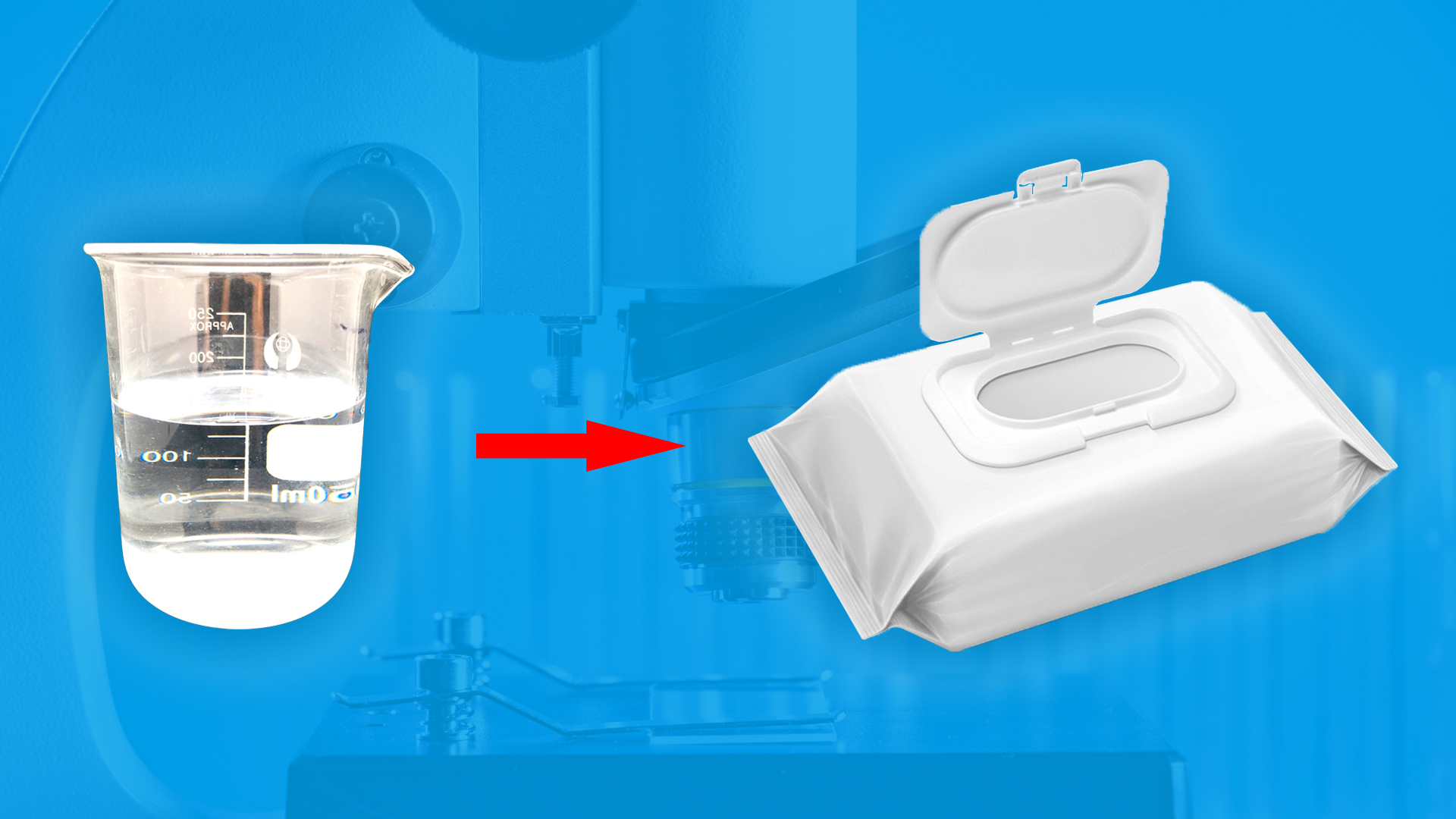
The Core Decision: Two Substrates, Two Formulation Jobs
Anti-fog performance is a surface phenomenon. A liquid must interact with the substrate, alter the way moisture condenses, and leave a film that is acceptable for the intended user. The same liquid that performs well on a large glass windshield may not be acceptable on a coated eyeglass lens, and the reverse is also true. That is why HUA-CG and HUA-AW should be evaluated as two product directions rather than interchangeable SKUs.
HUA-CG is described as a car glass anti-fog wipes liquid formulated with surfactants, a polymer anti-condensation compound, purified water, and a corrosion inhibitor. Its intended surfaces are windshields, rearview mirrors, and side windows. The corrosion inhibitor is a formulation choice that product developers should examine together with the materials around the glass, because an automotive wipe may contact surfaces beyond the windshield itself during normal use.
HUA-AW is described as an eyeglass anti-fog wipes liquid that is alcohol-free and streak-free, with anti-fog duration up to 24 hours. For eyewear, visual clarity is the dominant user expectation. A residue that is tolerable on a car window may be unacceptable on a lens. Alcohol-free and streak-free positioning should therefore be checked against the actual lens materials, coatings, and cleaning habits of the target market.
Both products share a stated duration of up to 24 hours. Product developers should treat that number as a formulation claim to verify under project conditions. Humidity, temperature, surface preparation, application quantity, wiping method, and the presence of coatings can change the observed result. The number is useful for screening, but it is not a substitute for substrate-specific testing.
Why Anti-Fog Wipes Liquid Is Not a Generic Wipes Liquid Purchase
Wipes liquid is often discussed as a single category, but anti-fog products sit inside a narrower technical space. The liquid is carried on a nonwoven wipe and transferred to a surface by the user. Performance depends on both the liquid and the delivery format: the wipe’s absorbency, the wet pick-up, the application pressure, and the drying behavior all influence the result. A developer who changes the nonwoven or the fill weight can change the user experience even when the liquid formula stays the same.
For that reason, the evaluation should separate three layers. The first is the liquid chemistry, including the surfactants, polymer system, water quality, and any corrosion inhibitor or alcohol-free positioning. The second is the substrate, such as automotive glass, mirror surfaces, or eyeglass lenses and coatings. The third is the market-facing claim, including the wording on the pack, the target user, and the evidence the supplier can provide. HUA-CG and HUA-AW make the first layer visible, but the developer still has to close the second and third layers before launch.
Xiamen Huaqiangda Biotechnology Co., Ltd. is a manufacturer and formulation supplier established in 2018, based in Xiamen, Fujian, China, with a stated focus on wipes liquid formulations, preservatives, and functional liquids. The company offers OEM, ODM, private label, and custom formula development services. That matters for this decision because both the automotive and eyeglass directions may need formula adjustments, packaging changes, and market-specific documentation rather than a simple off-the-shelf purchase.
The Automotive Direction: HUA-CG Car Glass Anti-Fog Wipes Liquid
HUA-CG is the automotive-focused direction in this comparison. The supplied product description names four formulation elements: surfactants, a polymer anti-condensation compound, purified water, and a corrosion inhibitor. The target surfaces are windshields, rearview mirrors, and side windows. The stated anti-fog duration is up to 24 hours.
For a product developer, each element creates a review item. Surfactants affect wetting and cleaning behavior, so the developer should check how the liquid performs on surfaces that may carry road film, dust, or previous cleaning residues. The polymer anti-condensation compound is the functional core of the anti-fog claim, and its film quality should be checked for visibility and residue. Purified water is the carrier; water quality matters for consistency and microbiological control. The corrosion inhibitor is a reminder that automotive use can involve metal, trim, seals, and other materials around the glass.
The automotive direction also carries a different user journey. A windshield or side window is large, viewed at a distance, and often cleaned less carefully than a pair of glasses. A small amount of visible film may be less noticeable on a car window than on a lens, but the product still needs to avoid unacceptable haze, streaking, or interaction with the vehicle interior. The developer should define the acceptance limit for each of those attributes before comparing samples.
HUA-CG is not presented here as universally superior to HUA-AW. It is the direction that matches automotive glass surfaces and the associated formulation considerations. If the target market is car care, dealership supply, or an automotive aftermarket program, HUA-CG is the logical starting point. If the target market is optical retail, the starting point changes.
The Eyeglass Direction: HUA-AW Eyeglass Anti-Fog Wipes Liquid
HUA-AW is the eyeglass-focused direction. The supplied description states that it is alcohol-free, streak-free, and offers anti-fog duration up to 24 hours. Those attributes should be read as product positioning and formulation characteristics, not as a guarantee that every lens and coating will perform identically.
Alcohol-free positioning is relevant for product developers because eyewear includes a wide range of lens materials and surface treatments. A developer should not assume that “alcohol-free” automatically means “compatible with every coating.” The correct step is to obtain the lens or coating supplier’s guidance and test HUA-AW on the exact substrate families that will be sold in the target market. The same logic applies to the streak-free claim: it should be verified through a defined visual inspection method, under lighting and viewing conditions that resemble consumer use.
The eyeglass direction also has a stricter sensory standard. Users look through the treated surface, not at it. A film that is invisible on a car mirror may be obvious on a lens. The developer should therefore define acceptance criteria for haze, visible residue, drying time, and feel on the lens. These are not marketing claims; they are development specifications that help decide whether HUA-AW is ready for a particular eyewear program.
HUA-AW’s stated anti-fog duration is up to 24 hours, matching the headline duration of HUA-CG. That symmetry is useful for a portfolio review, but it does not make the two liquids interchangeable. The eyeglass direction is defined by the optical substrate and the user’s visual expectation, while the automotive direction is defined by large glass surfaces and the surrounding vehicle materials.
Head-to-Head Comparison Table for Product Developers
| Decision dimension | HUA-CG automotive direction | HUA-AW eyeglass direction |
|---|---|---|
| Intended application | Windshields, rearview mirrors, and side windows. | Eyeglasses. |
| Formulation highlight | Surfactants, polymer anti-condensation compound, purified water, and corrosion inhibitor. | Alcohol-free and streak-free positioning. |
| Stated anti-fog duration | Up to 24 hours. | Up to 24 hours. |
| Primary compatibility focus | Automotive glass and the materials around the glass that may contact the liquid. | Lens materials and coatings in the target eyewear range. |
| Residue and clarity focus | Visibility through large glass surfaces; acceptable film and residue behavior. | Visual clarity on the lens; streak-free and residue acceptance. |
| Target-market fit | Car care, automotive aftermarket, and vehicle-related product programs. | Optical retail, eyewear care, and lens-care product programs. |
| Customization path | The supplier lists OEM, ODM, private label, and custom formula development. Listed customization includes formula, fragrance, antibacterial ingredients, moisturizing ingredients, viscosity, pH value, packaging design, and logo printing; confirm the exact scope for each anti-fog formula. | |
| Key verification before approval | Run substrate-specific samples, confirm the finished wipe format, request claim-support documentation, review packaging compatibility, and check target-market requirements before commercial approval. | |
Step-by-Step Development Decision Path
A structured development path prevents the comparison from collapsing into a single duration claim. The following sequence can be used for either direction, with the substrate and market checks changed for automotive or eyeglass use.
- Define the substrate and use environment. For HUA-CG, list the windshields, rearview mirrors, side windows, and adjacent materials that may be contacted. For HUA-AW, list the lens materials and coating families in the target eyewear range, plus the cleaning habits and packaging format expected by the market.
- Define the claim you intend to make. “Anti-fog up to 24 hours,” “alcohol-free,” and “streak-free” are not interchangeable statements. Each claim needs a definition, an observation method, and supporting documentation appropriate to the target market.
- Screen the formula direction. Use HUA-CG as the automotive starting point and HUA-AW as the eyeglass starting point. If the business wants both categories, treat them as two SKUs until combined use has been specifically validated.
- Request samples and a written test plan. The plan should name the substrates, application method, drying conditions, observation intervals, and acceptance criteria. A sample without a test plan tends to produce opinions rather than comparable results.
- Run compatibility and stability checks. Review appearance, residue, streaking, packaging interaction, and relevant quality tests. The supplier lists 100% raw material inspection, microbiological testing, stability testing, and third-party inspection (SGS) within its quality-control scope.
- Confirm OEM and customization options. The supplier lists OEM, ODM, private label, and custom formula development. Listed customization includes formula, fragrance, antibacterial ingredients, moisturizing ingredients, viscosity, pH value, packaging design, and logo printing. The stated MOQ is 25KG and lead time is 3–15 days.
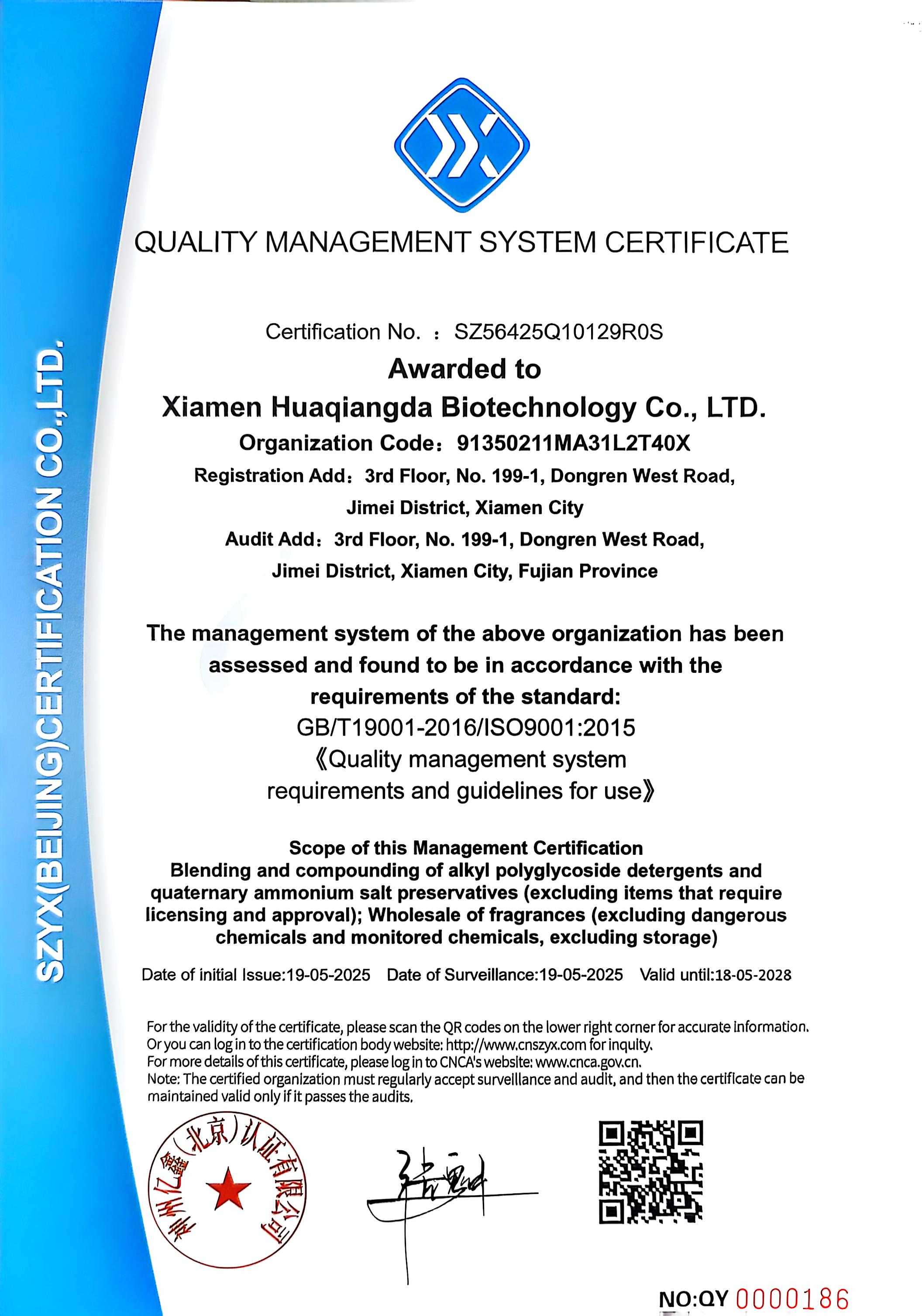
- Verify quality documents and acceptance criteria. Check the current ISO 9001:2015 certificate and its stated scope, and request the acceptance documents that match the order. These can include pre-shipment quality inspection, a microbiological testing report, and third-party inspection (SGS) where applicable.
- Pilot the finished wipe, then scale. The liquid alone is not the final product. Confirm the nonwoven, fill weight, pack format, label claims, and production consistency before moving from sample approval to a commercial batch.
Substrate Compatibility: The Test Plan That Separates the Two Directions
Substrate compatibility is the strongest reason to keep the automotive and eyeglass directions separate during development. The HUA-CG formulation includes a corrosion inhibitor and is intended for windshields, rearview mirrors, and side windows. A developer should test it on representative automotive surfaces and review the materials that may come into contact with the liquid during use. The objective is not only to observe anti-fog behavior, but also to confirm that the product leaves an acceptable film and does not create an unresolved compatibility concern for the intended application.
For HUA-AW, the critical substrate question is the lens and coating. The product is described as alcohol-free and streak-free, which gives the developer a useful starting position for optical care. It does not remove the need to test each lens material and coating family. The evaluation should include visual clarity, streak observation, drying behavior, and residue after repeated use. If the lens or coating supplier provides cleaning or compatibility guidance, that guidance should be incorporated into the review.
Both directions also need finished-wipe testing. A liquid that looks acceptable in a bottle may behave differently when transferred through a nonwoven wipe. Wet pick-up, wipe texture, application pressure, and drying time can all change the visible result. Product developers should request samples in the intended wipe format or run a small pilot before finalizing the formulation and pack design.
Target-Market Fit: Automotive vs. Optical Buyers
HUA-CG and HUA-AW are aimed at different buyer expectations. Automotive buyers are likely to evaluate the product through large-surface application, windshield visibility, packaging format, and compatibility with vehicle materials. The corrosion inhibitor in HUA-CG is relevant to that review because automotive use can involve materials beyond the glass itself. The product should be assessed as part of a car-care or automotive aftermarket program, not as a generic household wipe.
Optical buyers are likely to evaluate the product through clarity on the lens, streak-free appearance, alcohol-free positioning, and compatibility with eyewear materials. HUA-AW’s described alcohol-free and streak-free attributes fit that evaluation frame. The developer should still connect the claim to the target market’s expectations and to a documented sample result, especially because eyewear users view the treated surface at close range.
A common mistake is to assume that one anti-fog liquid can cover both categories because both products state a duration of up to 24 hours. The supplied descriptions do not support that assumption. A developer serving both markets should either maintain two distinct SKUs or obtain substrate-specific evidence for the intended combined use. The supplier’s OEM, private label, and custom formula development services can support separate packaging and branding, but the technical validation remains the developer’s responsibility.
Quality, Customization, and Supplier Verification
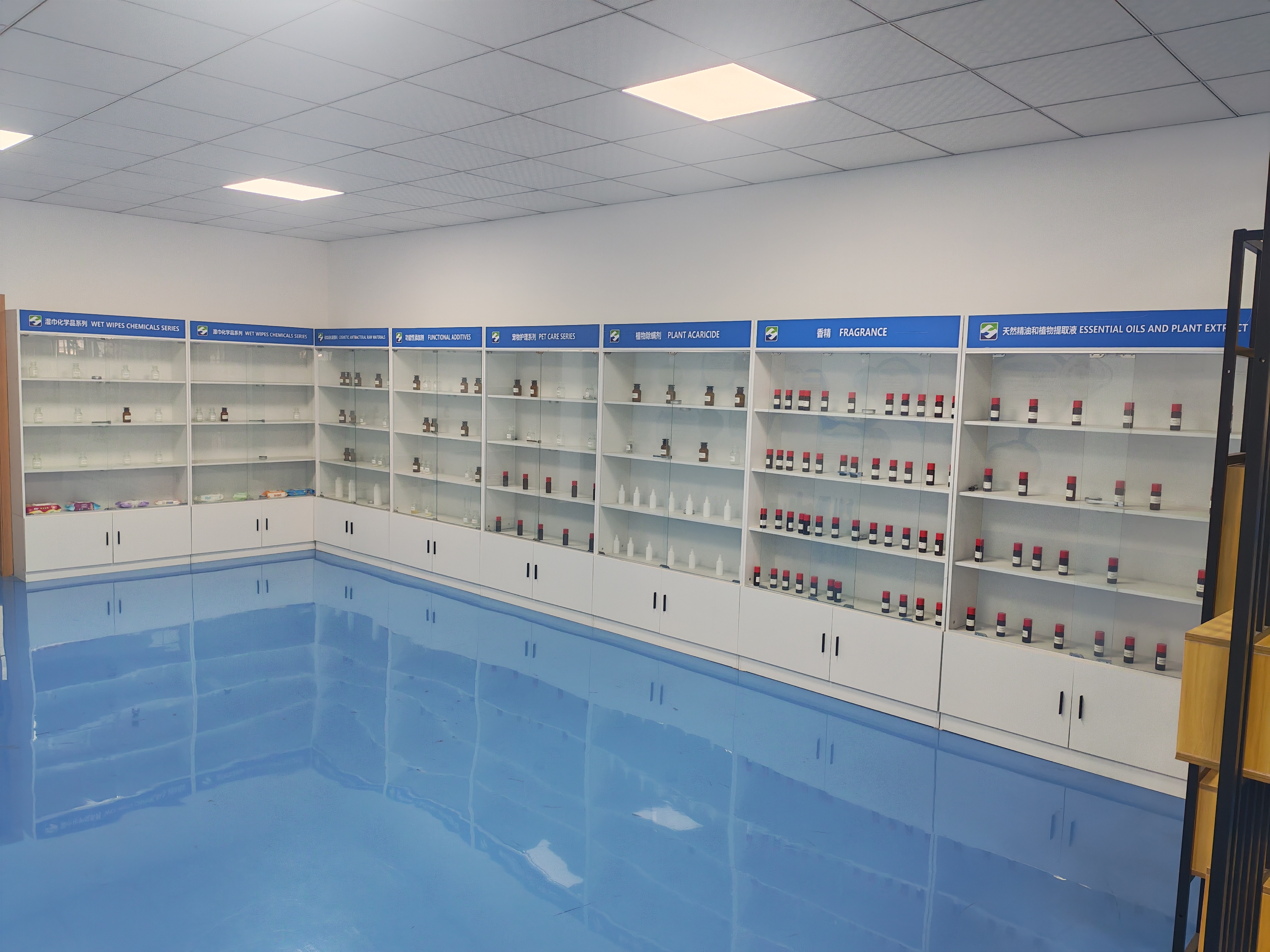
Xiamen Huaqiangda Biotechnology Co., Ltd. publishes company and product information at Xiamen Huaqiangda Biotechnology Co., Ltd.. The supplied company profile states that the company was established in 2018 and operates a 100,000-level clean production workshop with microbiology and fine chemical laboratories. It also lists 50 employees, a five-engineer R&D team, and a 60% export ratio.
The supplied ISO 9001:2015 certificate records certificate number SZ56425Q10129R0S, issued by Shenzhou Yixin (Beijing) Certification Co., Ltd., under standard GB/T19001-2016. The certificate is stated to be valid from 2025-05-19 to 2028-05-18. Its stated scope is blending and compounding of alkyl polyglycoside detergents and quaternary ammonium salt preservatives, plus wholesale of fragrance. Product developers should confirm whether the specific anti-fog wipes liquid falls within that certified scope or requires additional documentation.
The company’s listed quality-control activities include 100% raw material inspection, microbiological testing, stability testing, and third-party inspection (SGS). Listed after-sales support includes technical formula support, production guidance, regulatory document support, and after-sales quality tracking. For a product developer, these services are most useful when they are tied to a defined sample plan and acceptance record rather than treated as general assurances.
Customization should also be confirmed at the project level. The supplier lists formula, fragrance, antibacterial ingredients, moisturizing ingredients, viscosity, pH value, packaging design, and logo printing as customization options. Not every option will be relevant to every anti-fog formula, and the final specification should be recorded in the quotation, sample approval, and acceptance documents.
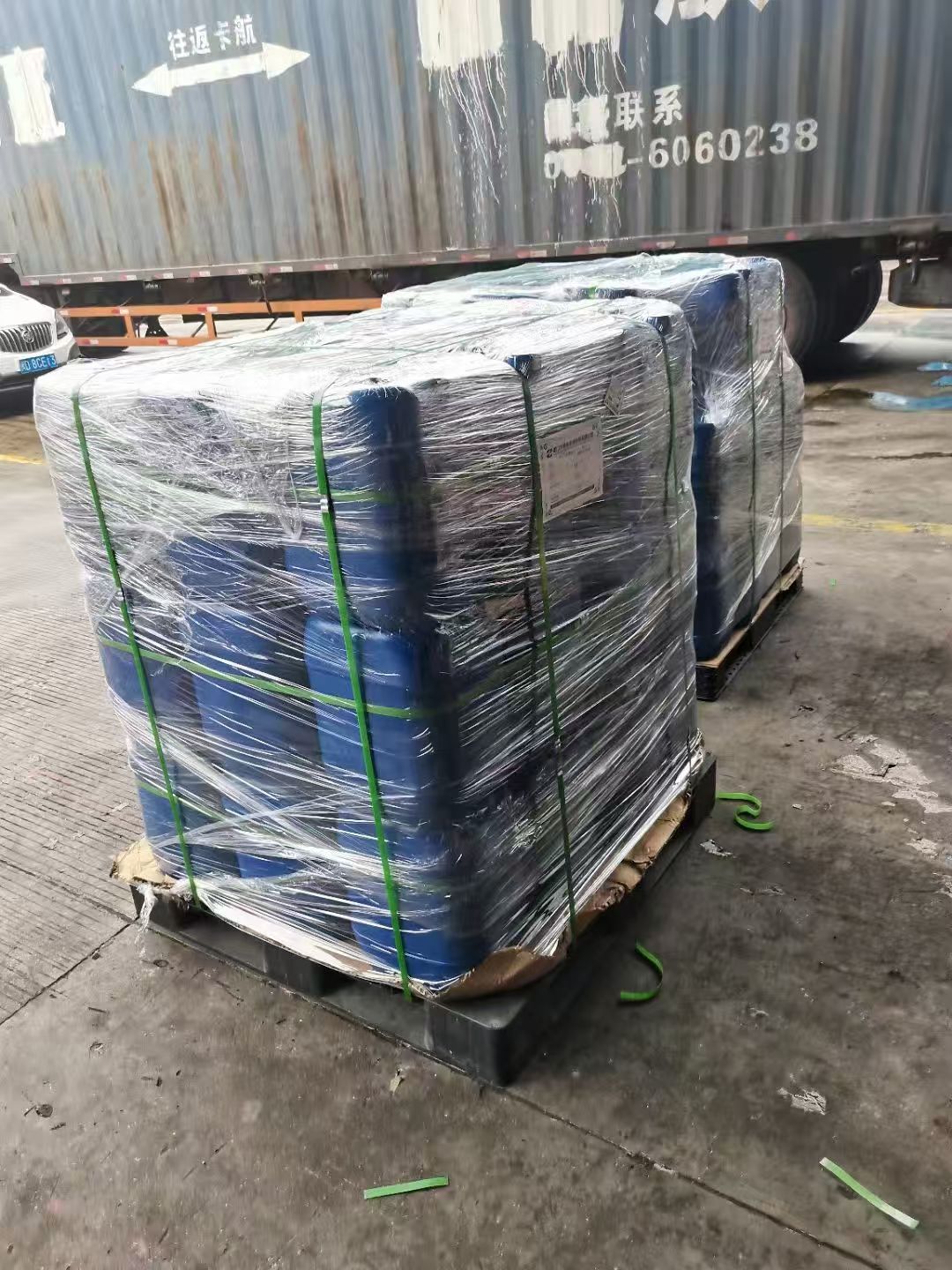
Use-Case Scenarios for Product Developers
Scenario 1: Automotive aftermarket wipe
A developer building a car-care wipe for windshields, rearview mirrors, and side windows can start with HUA-CG. The product direction matches automotive glass surfaces and includes a corrosion inhibitor in its described formulation. The development plan should include representative automotive surfaces, an application method that reflects consumer use, and a check for visible residue or unacceptable film. The stated anti-fog duration of up to 24 hours should be tested under the intended use conditions before it is used in pack claims.
Scenario 2: Optical retail wipe
A developer building an eyeglass-care wipe for optical retail or an eyewear brand can start with HUA-AW. The product is described as alcohol-free and streak-free, with anti-fog duration up to 24 hours. The sample plan should include the lens materials and coatings that will be sold in the target market, plus a visual clarity check under representative lighting. The developer should not rely on the alcohol-free label alone as proof of compatibility with every lens coating.
Scenario 3: Dual-category product portfolio
A company that wants both automotive and optical products should treat HUA-CG and HUA-AW as separate development tracks. Separate SKUs allow the automotive product to be evaluated for glass and vehicle-material compatibility while the eyeglass product is evaluated for lens clarity and coating compatibility. The supplier’s OEM, private label, and custom formula development services can support separate branding and packaging, but the technical files should remain distinct.
Scenario 4: Private-label launch with customization
A private-label buyer may need a specific pack size, logo, fragrance, pH target, or viscosity. The supplier lists these customization options, along with packaging design and logo printing. The developer should confirm which options apply to the chosen anti-fog formula and request a sample that reflects the final specification. MOQ is stated as 25KG, and lead time is stated as 3–15 days.
Common Pitfalls to Avoid
- Comparing only the duration claim. HUA-CG and HUA-AW both state up to 24 hours, so duration alone does not identify the right product direction.
- Treating alcohol-free as universal lens compatibility. HUA-AW’s alcohol-free positioning is a useful attribute, but each lens material and coating still needs a compatibility check.
- Using an automotive formula on eyewear without validation. HUA-CG is positioned for windshields, rearview mirrors, and side windows, not eyeglasses.
- Skipping finished-wipe testing. The nonwoven, fill weight, and pack can change the visible result even when the liquid is unchanged.
- Reading the ISO certificate beyond its scope. The supplied certificate has a stated scope; confirm whether the specific anti-fog liquid is covered.
- Ignoring target-market claim rules. Anti-fog, alcohol-free, and streak-free wording should be reviewed against the destination market’s requirements before launch.
Decision Summary
HUA-CG is the automotive glass direction for developers working on windshields, rearview mirrors, and side windows. Its described formulation includes surfactants, a polymer anti-condensation compound, purified water, and a corrosion inhibitor, with anti-fog duration stated as up to 24 hours. HUA-AW is the eyeglass direction, described as alcohol-free and streak-free, also with anti-fog duration stated as up to 24 hours.
The final decision should be based on substrate compatibility and target-market fit. If the project is automotive, begin with HUA-CG and test on representative automotive surfaces. If the project is optical, begin with HUA-AW and test on the intended lens and coating families. If the business wants both, keep the development files and SKUs separate until combined use has been specifically supported. Samples, quotations, and the supplier’s product brochure can be requested through Xiamen Huaqiangda Biotechnology Co., Ltd. or downloaded from the brochure link below.
Product brochure: Download the Xiamen Huaqiangda wipes liquid brochure.
Frequently Asked Questions
What quality documents and acceptance checks should be requested?
Request the current ISO 9001:2015 certificate and confirm whether the specific anti-fog product falls within its stated scope. The supplier lists 100% raw material inspection, microbiological testing, stability testing, and third-party inspection (SGS). For acceptance, buyers can request pre-shipment quality inspection, a microbiological testing report, and third-party inspection where applicable.
What is the main difference between HUA-CG and HUA-AW?
HUA-CG is the automotive glass direction, formulated with surfactants, a polymer anti-condensation compound, purified water, and a corrosion inhibitor for windshields, rearview mirrors, and side windows. HUA-AW is the eyeglass direction, described as alcohol-free and streak-free. Both are stated with anti-fog duration up to 24 hours.
Which liquid should a developer choose for coated eyeglass lenses?
HUA-AW is the eyeglass-focused direction and is described as alcohol-free and streak-free. That positioning does not replace substrate testing. The developer should confirm compatibility with each lens material and coating family in the target market and set acceptance criteria for streaks, haze, drying, and residue before approval.
Can one anti-fog liquid serve both automotive glass and eyeglasses?
The supplied descriptions position HUA-CG for automotive glass and HUA-AW for eyeglasses. A developer should not assume that one liquid is interchangeable across both substrate groups. Use separate validation plans, or separate SKUs, unless the supplier provides substrate-specific evidence for the intended combined use.
What OEM, sample, and lead-time details are available?
The supplier lists OEM, ODM, private label, and custom formula development services. Customization options include formula, fragrance, antibacterial ingredients, moisturizing ingredients, viscosity, pH value, packaging design, and logo printing. The stated MOQ is 25KG and lead time is 3–15 days. For samples or a quotation, use the supplier’s published contact channel or download the brochure linked above.
Have Questions or Need More Details?
Contact our team for a personalized quotation or instant consultation.
Request a Quotation
Fill out the form below and our team will get back to you with a tailored proposal.
WhatsApp Direct Chat
Prefer to chat in real-time? Message us on WhatsApp for instant assistance & quick answers.
- Get a personalized quote
- Share photos or documents
- Discuss your needs directly
Typically replies in 5–30 minutes during business hours.