
Car Glass Anti-Fog Wipes Liquid: Fixing Streaks and Short-Lasting Fog Protection
A brand owner wipes a windshield clean before launch and the glass looks perfect - clear, bright, no film. Weeks later, the complaints arrive: streaks along the wipe path, a faint haze at the edges, and fog creeping back onto the glass within a day. The wipe did its job. The liquid underneath it did not. This guide is for buyers who have already decided to launch or restock an anti-fog wipes product for car glass and now need to execute - without the streak, haze, and short-protection problems that quietly erode a private-label line. It maps the symptoms seen on real glass to the formulation and selection factors behind them, using verified facts for the car glass anti-fog wipes liquid (HUA-CG) and the eyeglass anti-fog wipes liquid (HUA-AW).
The Buyer Scenario: Clean on Day One, Streaks by Week Three
The pattern repeats across automotive care brands, importers, and distributors. A car glass anti-fog wipes liquid is chosen after a clean first impression: the wipes cut through light condensation quickly and the glass looks spotless in a controlled test. Once the product ships, the reviews turn. Three complaints dominate - streaks left along the wipe path, a dull haze that builds up over several days, and fog that returns within a few hours instead of staying away. Some users also notice the wipe stays wet long after use.
These complaints are not random. Each one points to a specific gap in the formulation, or to a mismatch between the liquid and the surface it is applied to. Turning a vague bad-batch problem into a solvable specification problem starts with knowing which symptom maps to which factor.
A common misstep is assuming one anti-fog liquid fits every transparent surface. A liquid tuned for eyeglass lenses and one built for car interior glass are engineered for different substrates, different fields of view, and different surface coatings. Sourcing the wrong one produces exactly the streak-and-haze pattern buyers complain about.
Problem Definition: Matching What Buyers See to What Causes It
Anti-fog failure on car glass usually shows up as one of five symptoms. Each has a different root cause and a different fix.
- Streaks and smears - most often a surfactant system that is out of balance: too much active, or uneven spreading, leaves visible drying marks as the film dries.
- White or grey haze - frequently dissolved minerals or impurities in the water base, which stay on the glass after the liquid dries.
- Fog returning within hours - the liquid cleans but lacks a durable polymer anti-condensation compound, so it reduces surface tension briefly without holding moisture as a clear film.
- Slow drying or a tacky film - the carrier-to-active ratio is not tuned for fast evaporation on glass.
- Risk to trim and coatings - without a corrosion inhibitor, repeated contact with the liquid can affect metal trim, sensor housings, or coated interior surfaces.
| Symptom on the glass | Likely formulation cause | What to specify |
|---|---|---|
| Streaks / smears after wiping | Unbalanced or excessive surfactant system | A balanced surfactant package with streak-free performance |
| White / grey haze or residue | Mineral or impurity content in the water base | A purified water carrier |
| Fog returns within hours | No durable anti-condensation mechanism | A polymer anti-condensation compound |
| Slow drying / tacky film | Carrier-to-active ratio not tuned for glass | A quick-drying formulation |
| Trim, sensor, or coating risk | No surface protection in the chemistry | A corrosion inhibitor |
Industry Background: Where Car Glass Anti-Fog Wipes Liquid Sits
The wipes category is large and growing steadily. The global wet wipes market was valued at USD 19.11 million in 2025 and is estimated to reach USD 22.85 million by 2031, growing at a CAGR of 3.17% (Mordor Intelligence). The global disinfectant wipes market was valued at USD 8.4 billion in 2025 and is projected to reach USD 14.7 billion by 2034 at a CAGR of 6.4% (Dataintelo). Estimates vary by source scope - some include industrial and specialty wipes, while others focus on hygiene segments.
Within the category, the largest demand sits in skin-contact products. Baby wipes accounted for roughly 39.86% of global wet wipes revenue in 2025 (Mordor Intelligence), and alcohol-based formulations held 38.5% of the disinfectant wipes market product-type share in 2025 (Dataintelo). Automotive glass care is a narrower, more demanding niche: it needs optical clarity, fast drying, and durable anti-fog, not the skin-gentle or high-alcohol profiles that define other segments.
Two quality and regulatory reference points matter when sourcing any wipes liquid:
- Wet wipes intended for cleansing or moisturizing skin are regulated as cosmetics under EU Regulation (EC) No 1223/2009 and by the FDA in the US (FDA / European Parliament).
- Production of personal care wet wipes must follow ISO 22716 Good Manufacturing Practices (GMP) and assess microbiological risks (ISO).
Buyers should confirm which regime applies to their specific end product, because the same wipes-liquid factory often serves cosmetic, household, and automotive lines with different requirements. For a car glass product, the practical equivalent is manufacturing hygiene and batch consistency - microbiological testing, pH balance control, and documented quality control at every stage.
The Solution: What a Working Car Glass Anti-Fog Wipes Liquid Contains (HUA-CG)
The car glass anti-fog wipes liquid HUA-CG is built around four functional components, each of which solves a specific symptom described earlier.
- Surfactants reduce surface tension and lift light soil so the wipe spreads evenly across the glass. This is the basis of streak-free cleaning.
- A polymer anti-condensation compound deposits a thin, water-loving layer on the glass that spreads condensing moisture into a transparent film instead of droplets. This is what produces the visible anti-fog effect.
- Purified water acts as the carrier. Low-mineral water keeps the dried film clear and reduces the haze that mineral-rich water leaves behind.
- A corrosion inhibitor limits the effect of the liquid chemistry on metal trim, sensor housings, and coated interior surfaces.
Together these components give HUA-CG its core performance: streak-free cleaning, quick drying, and an anti-fog duration of up to 24 hours.
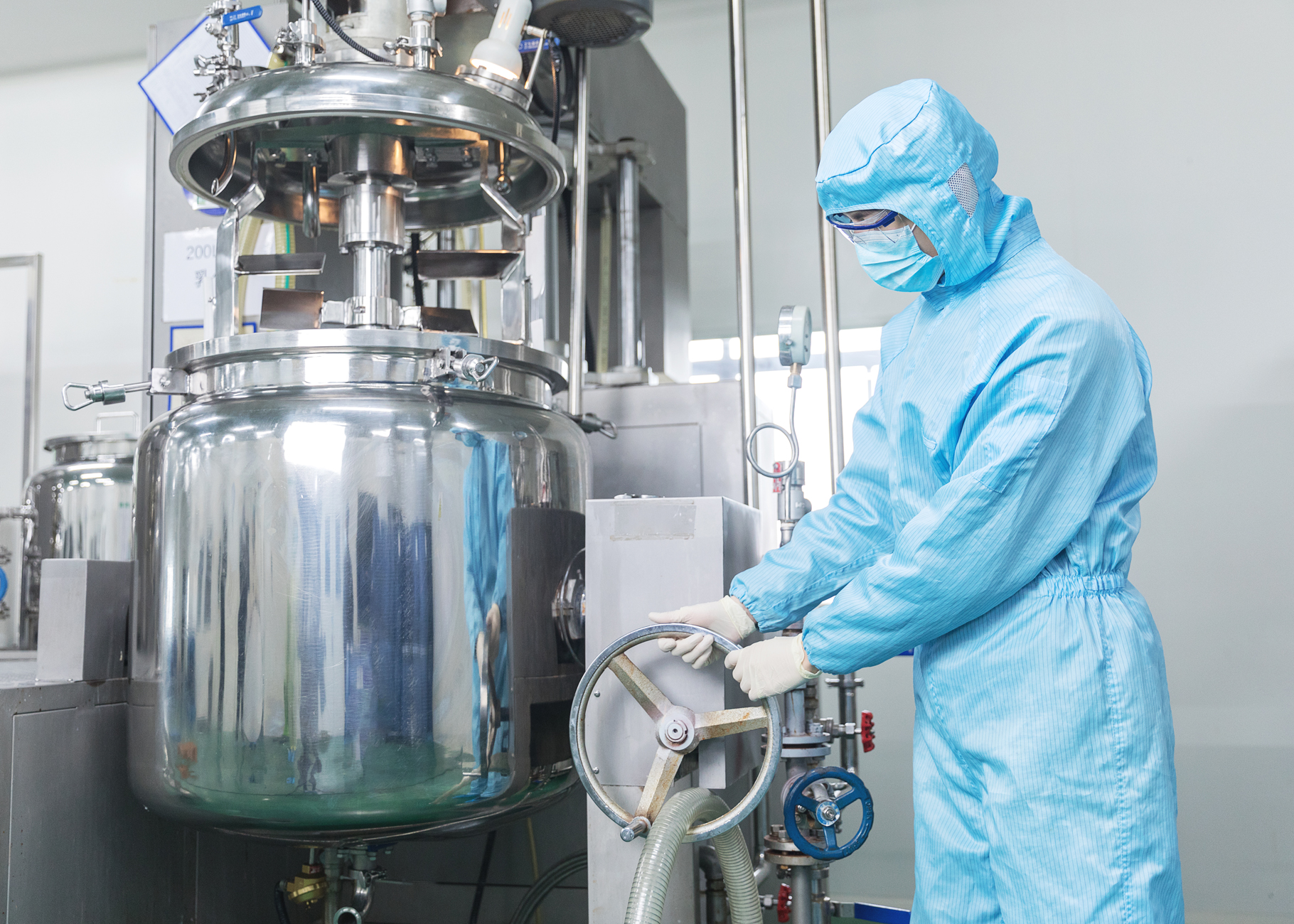
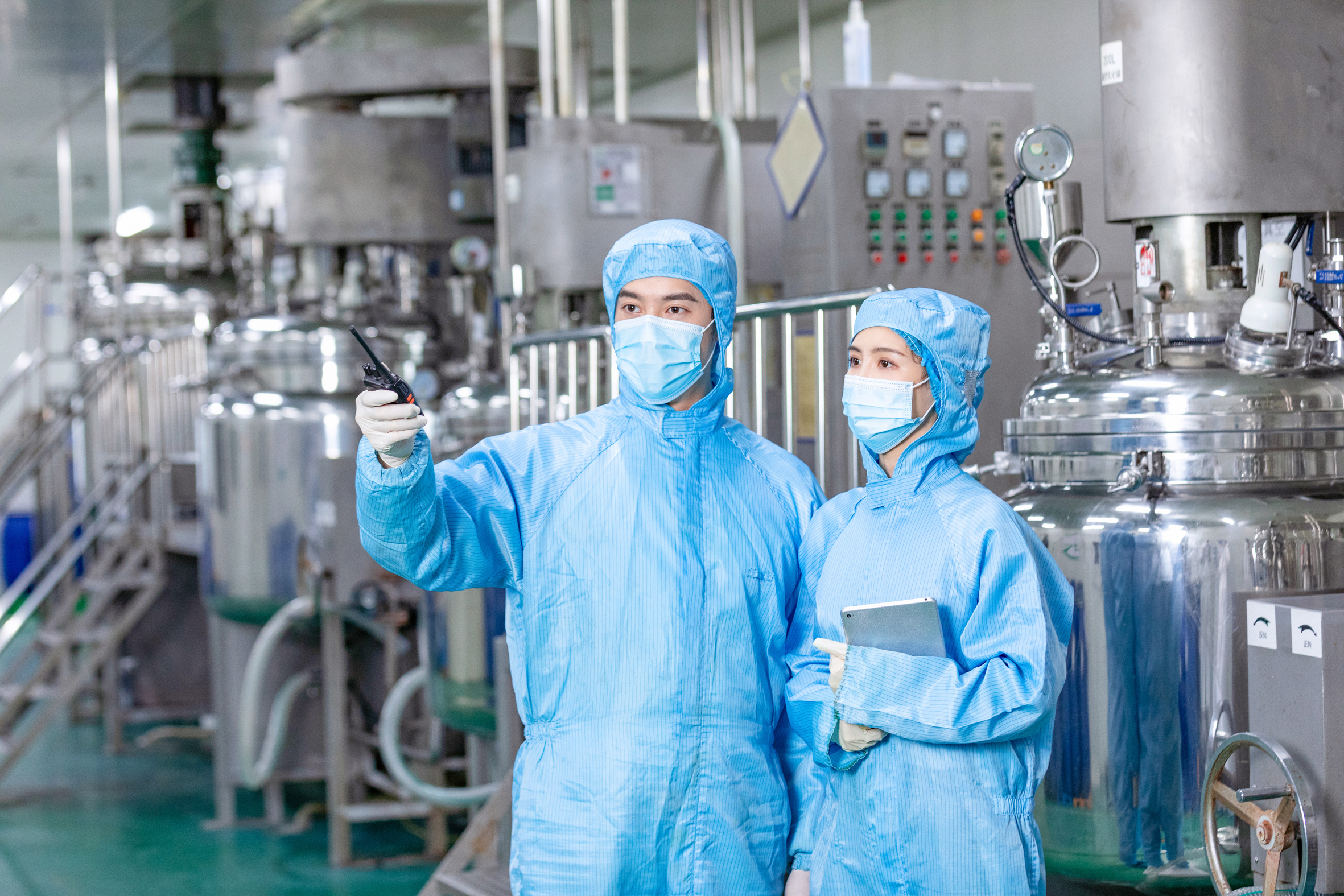
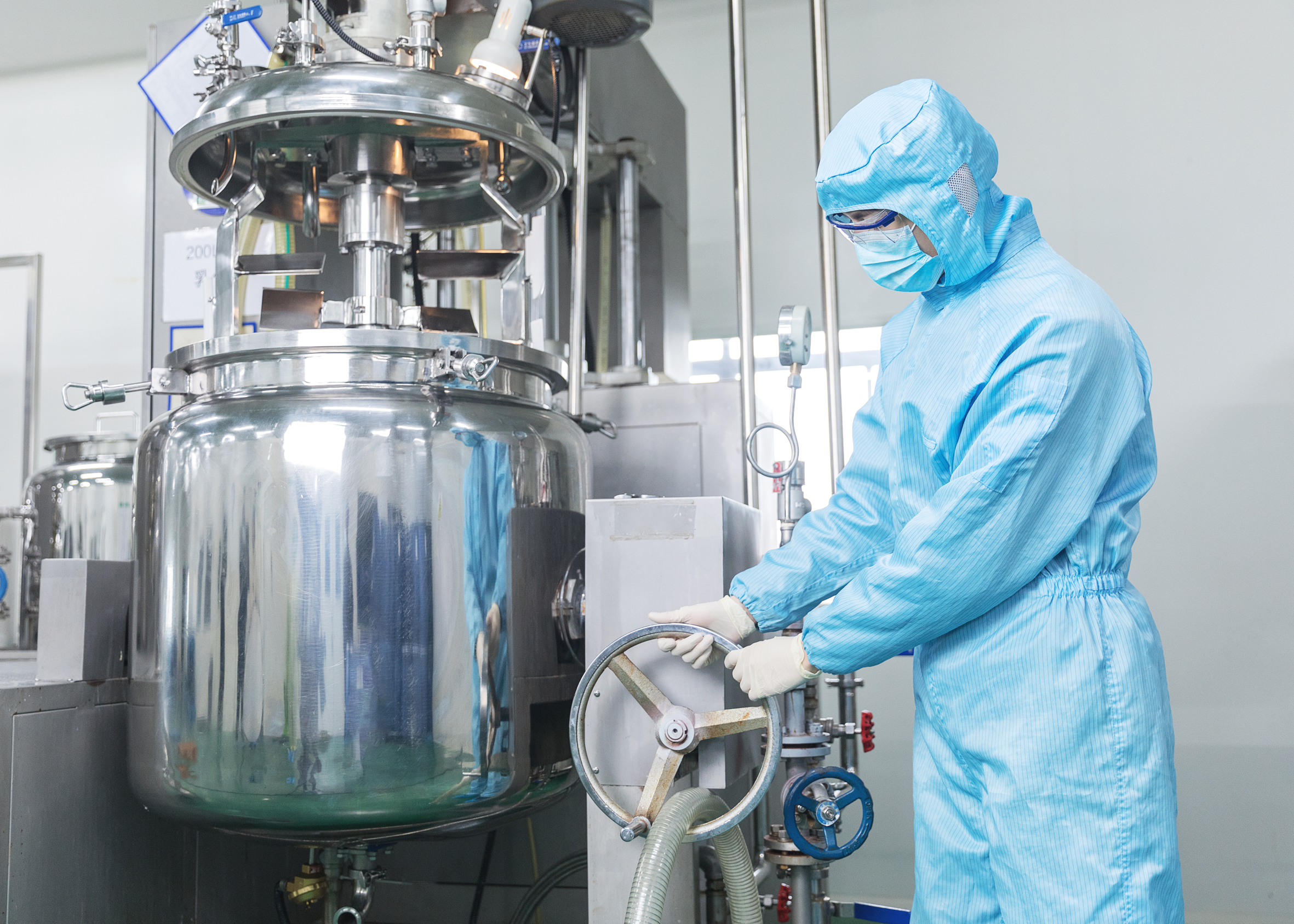
Manufacturing context matters as much as the formula. Huaqiangda (Xiamen Huaqiangda Biotechnology Co., Ltd.), based in Xiamen, Fujian, produces wipes liquid in a 100,000-level clean production workshop supported by microbiology and fine chemical laboratories, with a 5-engineer R&D team and OEM/ODM formulation support.
When the target surface is an optical lens rather than car glass, the eyeglass anti-fog wipes liquid HUA-AW is the better fit. Lenses are a different substrate with different clarity and near-eye requirements, so matching the liquid to the substrate matters more than stretching one formula across two very different uses.
Step-by-Step Breakdown: Diagnosing and Sourcing the Right Liquid
- Identify the dominant symptom. Start with the complaint that appears most often - streaks, haze, short anti-fog duration, or slow drying. Each points to a different part of the formula.
- Map the symptom to a formulation factor. Use the table above to translate a complaint into a specification: surfactant balance for streaks, water quality for haze, an anti-condensation compound for fog return, carrier-to-active ratio for drying, and a corrosion inhibitor for surface risk.
- Confirm the intended substrate. Car interior glass, tinted glass, and coated glass are not the same as optical lenses. If lenses are the target, source a lens-specific liquid such as HUA-AW instead of a car-glass formula.
- Verify performance claims in writing. Ask the supplier to document the streak-free, quick-drying, and anti-fog duration claims your product will carry. An up-to-24-hours claim should be supported by the supplier, not assumed by the brand.
- Check quality control and documentation. Microbiological testing, pH balance control, a multi-stage filtration system, and batch sample retention keep a batch consistent. Third-party laboratory testing adds independent confirmation.
- Validate on your own substrate before scaling. Test a sample on your actual glass type and wipes substrate, in your packaging, to surface streak or drying issues before a full order.
- Lock the commercial terms. Confirm the minimum order quantity, typical production lead time, and monthly capacity against your launch schedule before committing.
Use Cases: Matching the Liquid to the Application
Car glass anti-fog wipes liquid fits a specific set of buyers and applications. Matching the liquid to the end use prevents the streak-and-haze problems that come from a general-purpose formula.
- Automotive care and private-label brands launching anti-fog wipes for car interior glass, with streak-free cleaning and up to 24 hours of anti-fog performance.
- Detailing studios and car wash chains offering an interior-glass anti-fog service, or retailing wipes as an add-on product.
- Fleet, rental, and ride-hailing operators keeping windshields and mirrors clear in humid or cold weather, where recurring fog is a visibility and safety issue.
- OEM/ODM converters filling anti-fog wet wipes and needing a liquid that runs cleanly on high-speed converting lines.
- Optical and eyewear brands - a different requirement, where the eyeglass anti-fog wipes liquid HUA-AW is the fit rather than a car-glass formula.
What is not a match: heavy industrial degreasing or aggressive chemical cleaning, which call for a different chemistry class entirely.
Comparison Table: Car Glass vs Optical Lens vs Low-Cost Generic
The two anti-fog liquids are not interchangeable, because they are designed for different surfaces. The table below summarizes the fit.
| Decision factor | HUA-CG (car glass anti-fog wipes liquid) | HUA-AW (eyeglass anti-fog wipes liquid) |
|---|---|---|
| Designed substrate | Automotive glass | Optical lenses |
| Core formulation | Surfactants, polymer anti-condensation compound, purified water, corrosion inhibitor | Formulated for optical lens anti-fog care |
| Streak performance | Streak-free | Formulated for optical clarity |
| Drying behavior | Quick-drying | Not specified in available data |
| Anti-fog duration | Up to 24 hours | Not specified in available data |
| Best-fit buyer | Automotive care brands, detailing, fleet care | Eyewear and optical lens brands |
Price is a separate axis. A purpose-built wipes liquid typically uses raw material that costs roughly 10% more than a low-cost generic solution, but the difference shows up downstream in production and in customer experience.
| Production and quality metric | Purpose-built formulation | Low-cost generic solution |
|---|---|---|
| Raw material cost | About 10% higher | Baseline |
| Customer complaint rate | Reduced by about 40% | Baseline |
| Production downtime | Reduced by about 25% | Higher |
| Production efficiency on automated wipes lines | About 20% higher | Baseline |
| Compatibility with high-speed production lines | Improved | Lower |
Sourcing Checklist for Automotive Care Brands
Before confirming an anti-fog wipes liquid order, run through this checklist. Each item maps to one of the symptoms or risks described above.
- Confirm the substrate the liquid is designed for - car glass or optical lens - and match the product accordingly (HUA-CG for car glass, HUA-AW for optical lenses).
- Require written streak-free, quick-drying, and anti-fog duration claims.
- Verify the four functional components: surfactants, a polymer anti-condensation compound, purified water, and a corrosion inhibitor.
- Request microbiological testing, pH balance control, a multi-stage filtration system, and batch sample retention as part of the quality control package.
- Ask for third-party laboratory testing where your market requires independent confirmation.
- Validate a sample on your own glass and wipes substrate before scaling.
- Confirm the minimum order quantity (25 KG), typical production lead time (3-15 days), and monthly capacity (3,000 tons) against your schedule.
- Agree on acceptance criteria up front: pre-shipment quality inspection, a microbiological testing report, and third-party inspection (SGS) where required.
FAQ
How do I verify that an anti-fog wipes liquid meets quality and safety requirements?
Start by confirming which regulatory regime applies to your end product. Wet wipes intended for cleansing or moisturizing skin are regulated as cosmetics under EU Regulation (EC) No 1223/2009 and by the FDA in the US (FDA / European Parliament), and personal care wet wipes production must follow ISO 22716 Good Manufacturing Practices with a microbiological risk assessment (ISO). For a car glass product, the equivalent due diligence is manufacturing hygiene and batch consistency. Ask for the test reports: microbiological testing, pH balance control, a multi-stage filtration system, 100% raw material inspection, batch sample retention, clean-workshop production, real-time quality monitoring, and third-party laboratory testing.
Can the liquid be custom-formulated for a specific anti-fog claim or brand?
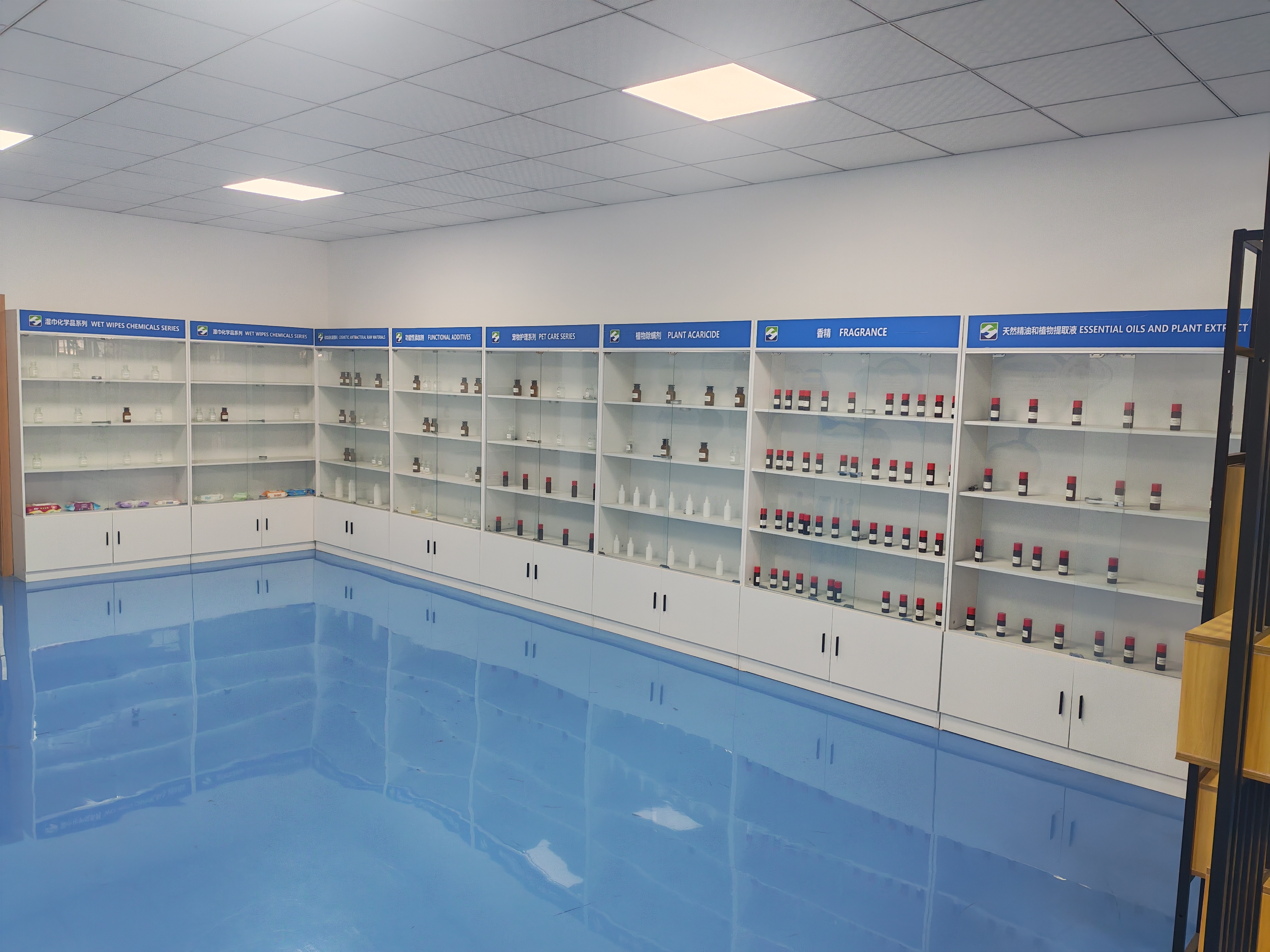
Yes. Huaqiangda provides OEM/ODM formulation support, with a 5-engineer R&D team, a 100,000-level clean production workshop, and microbiology and fine chemical laboratories. For car glass, the formulation can be built around surfactants, a polymer anti-condensation compound, purified water, and a corrosion inhibitor to target streak-free, quick-drying, and up-to-24-hour anti-fog performance. The company also formulates baby, antibacterial, makeup remover, kitchen, pet, flushable, and industrial cleaning wipes liquids.
What drives the cost of anti-fog wipes liquid, and is cheaper actually cheaper?
A purpose-built formulation typically uses raw material that costs roughly 10% more than a low-cost generic, but the trade-off appears downstream: customer complaint rates fall by about 40%, production downtime drops by about 25%, and production efficiency on automated wipes lines rises by about 20%. For an automotive care brand, complaint rate and line uptime usually matter more than the raw-material delta. The minimum order quantity is 25 KG, and payment terms are 50% T/T in advance with 50% before shipment, with L/C at sight available for long-term cooperation.
Can I test a sample before committing to a bulk order?
Yes - sample validation is the recommended step before scaling. Test the liquid on your actual glass type and wipes substrate, in your packaging, and check for streaks, drying speed, and how long the anti-fog effect holds under real conditions. Evaluate the sample against the same symptoms listed earlier in this guide. Request a sample to begin.
What lead times and capacity can I expect for repeat orders?
Typical production lead time is 3-15 days, and monthly production capacity is 3,000 tons. For long-term supply, confirm your forecast against capacity and agree on acceptance criteria up front: pre-shipment quality inspection, a microbiological testing report, and third-party inspection (SGS) where required. To move from evaluation to a confirmed order, request a sample or a formal quote using the contact details below.
Conclusion
Anti-fog failure on car glass rarely comes from the wipe itself. It comes from a liquid that cleans well but cannot hold moisture as a clear film, a water base that leaves residue behind, or a formula tuned for the wrong substrate. Buyers who map each symptom to its formulation factor - and who match the liquid to the surface, using HUA-CG for car glass and HUA-AW for optical lenses - resolve streaks, haze, and short protection before the product reaches the shelf. Verify the performance claims in writing, validate a sample on your own glass, and lock the commercial terms: a 25 KG minimum order quantity, a 3-15 day lead time, and 3,000 tons of monthly capacity.
Ready to Fix Your Car Glass Anti-Fog Wipes Liquid?
Request a sample of HUA-CG or HUA-AW, ask for a quote, or download the product catalog to compare specifications.
Contact: Kelvin | Email: wenkunhua@xmqfh.com | Tel / WhatsApp: +86 159-5929-1685
Xiamen Huaqiangda Biotechnology Co., Ltd., No. 199-1, Dongren West Road, Jimei District, Xiamen City, Fujian Province, China
Have Questions or Need More Details?
Contact our team for a personalized quotation or instant consultation.
Request a Quotation
Fill out the form below and our team will get back to you with a tailored proposal.
WhatsApp Direct Chat
Prefer to chat in real-time? Message us on WhatsApp for instant assistance & quick answers.
- Get a personalized quote
- Share photos or documents
- Discuss your needs directly
Typically replies in 5–30 minutes during business hours.