Lens Cleaning Wipes Liquid vs. Anti-Fog Wipes Liquid: A Buyer's Comparison for Optical Care
Lens Cleaning Wipes Liquid vs. Anti-Fog Wipes Liquid: A Buyer's Comparison for Optical Care
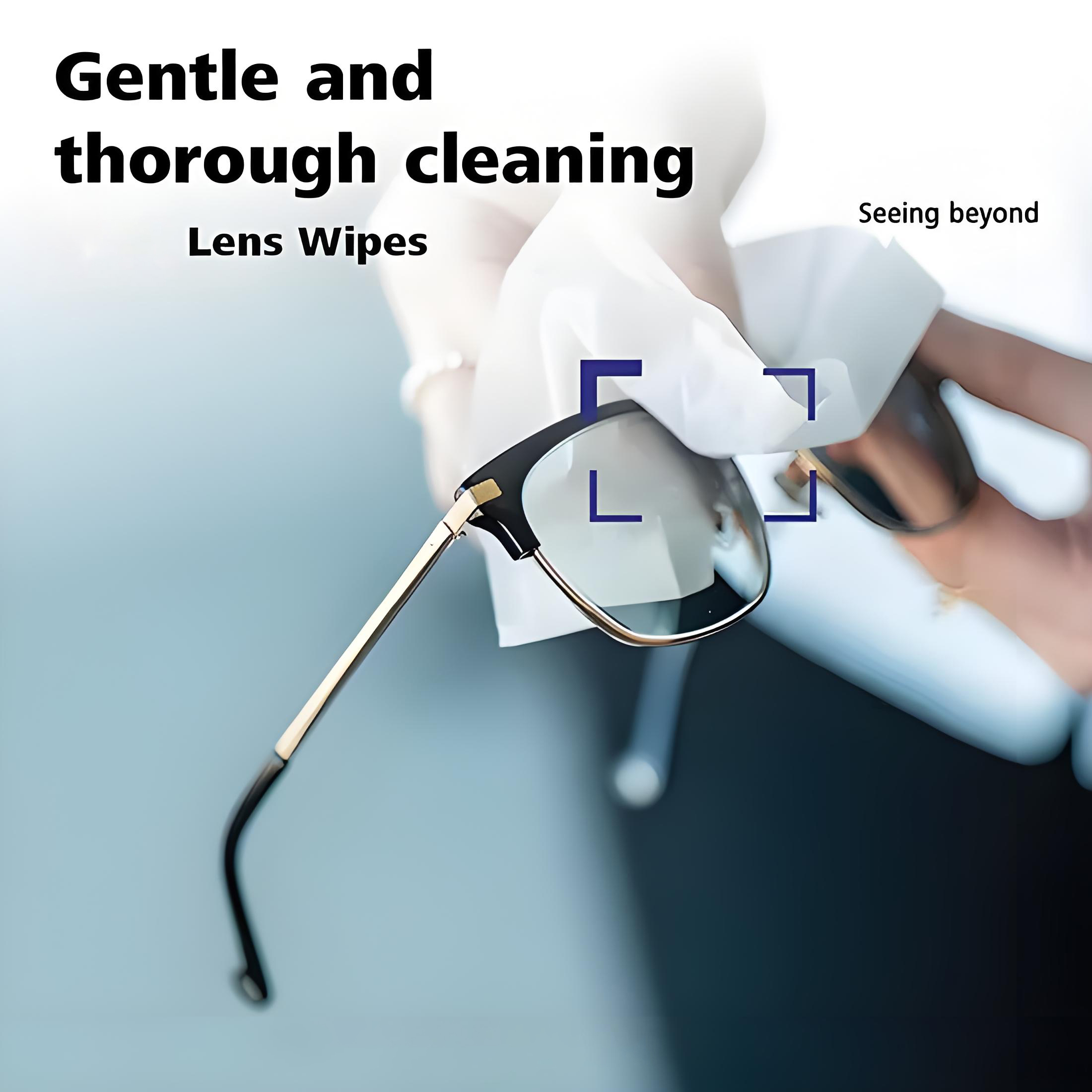
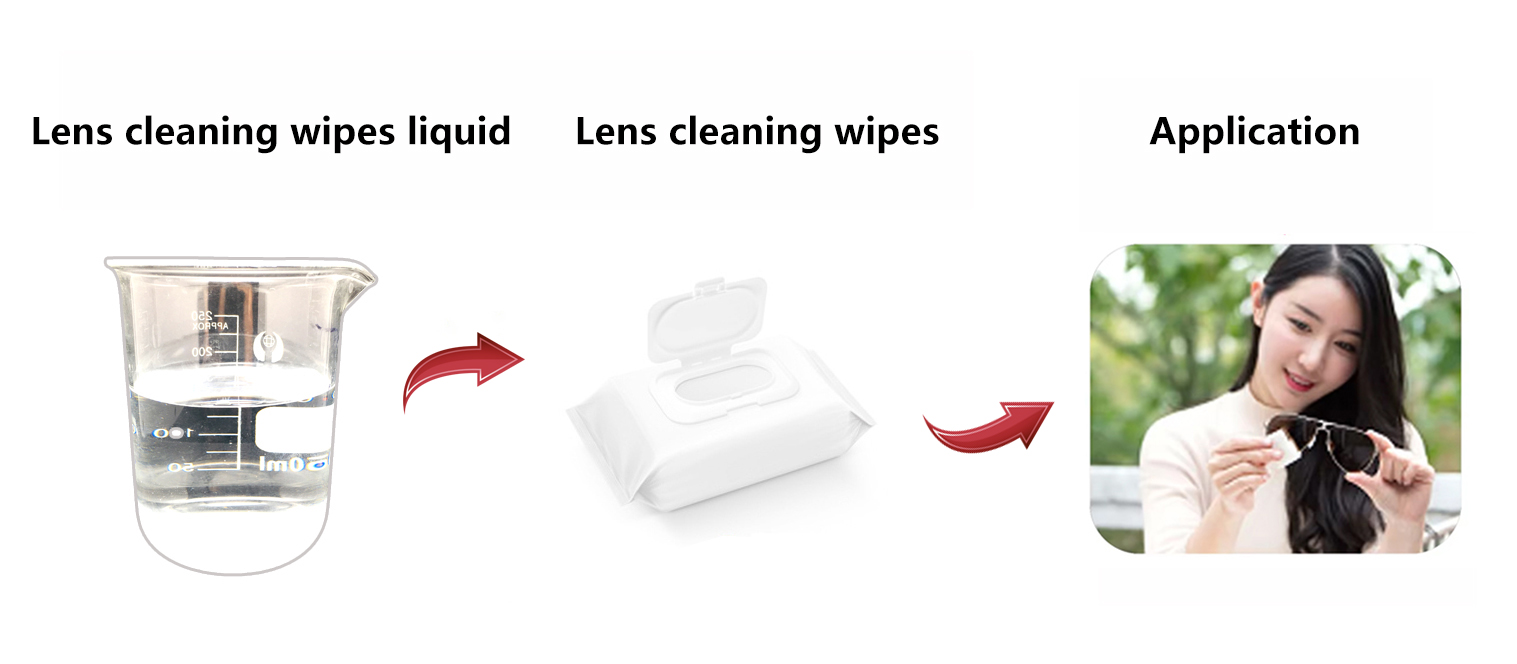
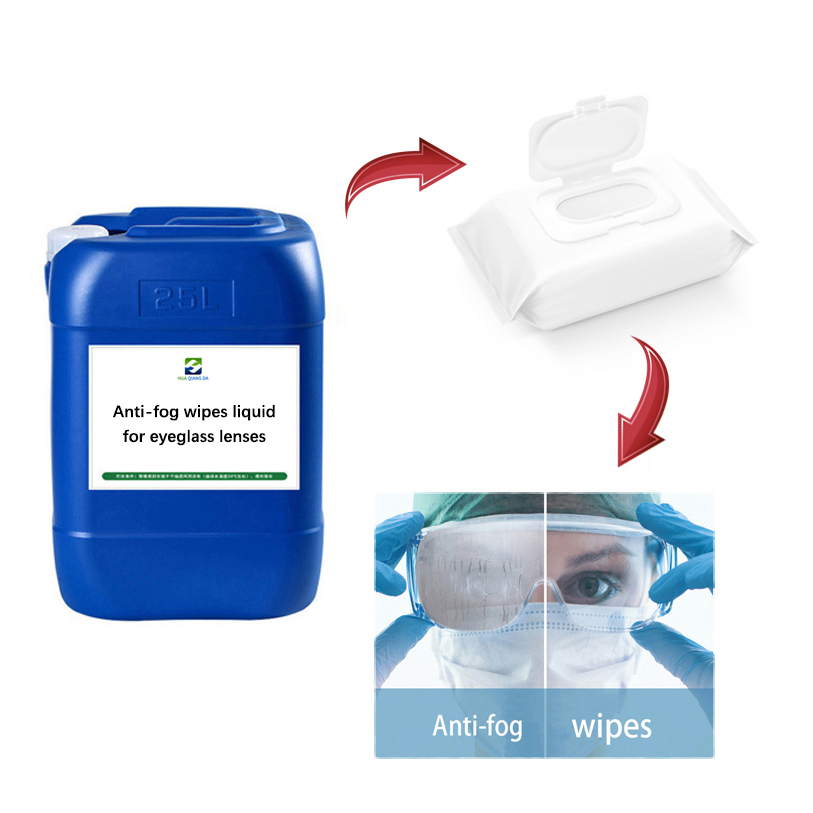
Two optical care liquids can share the same pH band, the same alcohol-free position and the same 24-month shelf life while solving two completely different problems. That is exactly the case with model HUA-LC, a lens cleaning wipes liquid, and model HUA-AW, an anti-fog wipes liquid for eyeglass lenses, both formulated and supplied by Xiamen Huaqiangda Biotechnology Co., Ltd. HUA-LC is built around lens cleaning and anti-smudge care using an anti-static polymer compound. HUA-AW is built around anti-fog and lens cleaning using a polymer anti-condensation compound, and its specification states an anti-fog duration of up to 24 hours.
The practical answer for buyers: specify HUA-LC when the purchase problem is smudge, skin oil, dust and fingerprint removal with a streak-free, quick-drying finish. Specify HUA-AW when the purchase problem is condensation — lenses that fog during temperature or humidity transitions, during sport, or while a face mask is worn. Both are transparent, alcohol-free liquids with a pH value of 6.0–7.5, a 24-month shelf life and an optical-grade preservative system, and both are positioned for the optical industry.
This comparison sets out the formulation logic behind each model, the surfaces each specification actually lists, the points where the two overlap and where they do not, the evaluation steps to complete before a purchase order, and the questions optical buyers ask most often about wipes liquid for lens care.
Problem Definition: One Category Name, Two Different Failure Modes
Optical buyers — eyewear chains, optical retailers, private-label brands, importers and distributors — typically source this category under a single label: lens wipes liquid. The end user, however, arrives with one of two distinct complaints.
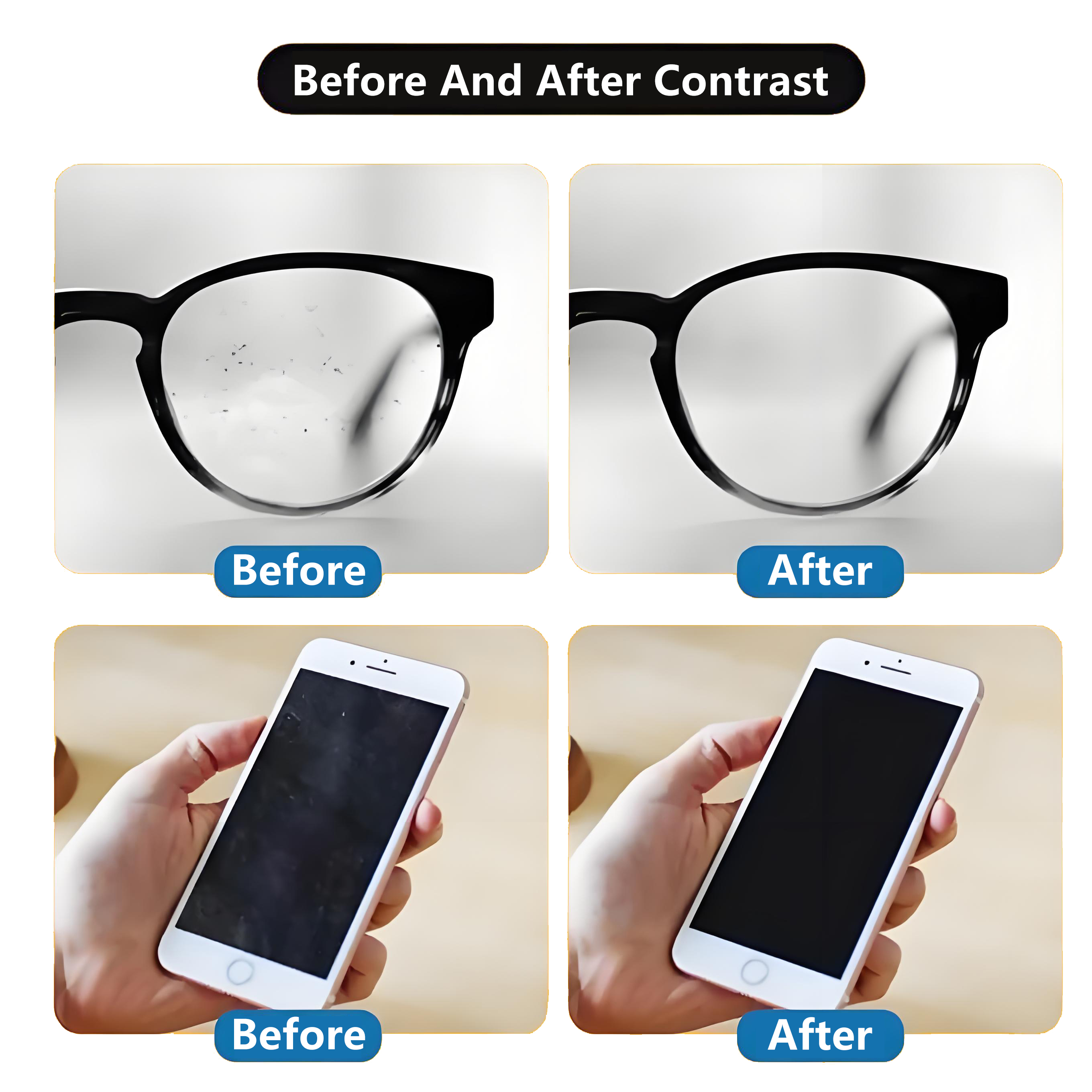
- The clarity complaint: lenses smeared with skin oil, dust and fingerprints that are no longer visually comfortable, and wipes that leave streaks behind.
- The condensation complaint: lenses that fog when the wearer moves between a cool interior and a warm, humid exterior, wears a face mask, or exercises.
Because both problems occur on the same object — a lens — and because both products are clear, alcohol-free liquids with the same pH range, the two are frequently treated as interchangeable in procurement. The overlap on paper is real: identical pH band, identical alcohol-free position, identical 24-month shelf life, and surface lists that both include eyeglass lenses and camera lenses. The difference sits in the functional additive and what it is engineered to do.
- HUA-LC uses an anti-static polymer compound as its anti-static agent, with surfactants and purified water forming the cleaning side of the formulation.
- HUA-AW uses a polymer anti-condensation compound as its anti-fog agent, with surfactants and purified water forming the cleaning side of the formulation.
A buyer who specifies one model when the market needs the other usually discovers the mismatch through consumer complaints: fogging that the wipe did not resolve, or a cleaning routine that does not deliver the expected smudge control. The supplied specification for each model states the function and the additive it relies on, but it does not include coating-specific compatibility test results. Buyers should therefore treat lens-coating compatibility as a sampling-stage question to be verified on the specific lens types they sell, rather than an assumption carried over from a supplier datasheet.
Industry Background: Why Alcohol-Free Optical Care Keeps Growing
The wider wipes category provides useful context for an optical care decision. The global wet wipes market was valued at USD 19.11 million in 2025 and is estimated to reach USD 22.85 million by 2031, growing at a CAGR of 3.17%, according to Mordor Intelligence. Within that market, natural and organic variants are projected to expand at a 2.96% CAGR through 2031, driven by demand for alcohol-free and skin-friendly formulations — the same formulation direction that both HUA-LC and HUA-AW already follow.
Alcohol-free positioning is a deliberate choice rather than a default in this industry. In the adjacent disinfectant wipes segment, alcohol-based formulations held the largest product type share at 38.5% in 2025, according to Dataintelo. An optical care liquid that goes alcohol-free is therefore differentiating itself on formulation philosophy, which makes the specification — not the marketing name — the right basis for comparison.
Regulatory framing matters to what a buyer can claim on pack. Wet wipes intended for cleansing or moisturizing skin are regulated as cosmetics under EU Regulation (EC) No 1223/2009 and by the FDA in the United States, according to FDA and European Parliament sources. Production of personal care wet wipes must also follow ISO 22716 Good Manufacturing Practices (GMP) and include microbiological risk assessment, according to ISO. For an optical care program, the practical implication is straightforward: the claim set determines the compliance route, so the wording of the label should be fixed before the formulation is locked.
The supplier behind both models, Xiamen Huaqiangda Biotechnology Co., Ltd., was established in 2018 and is located at No. 199-1, Dongren West Road, Jimei District, Xiamen City, Fujian Province, China. The company operates a 100,000-level clean production workshop within a 2,000-square-meter facility, employs approximately 50 staff, and reports an annual production capacity of 2,000 tons. Its R&D team of 5 engineers focuses on preservative systems, gentle antibacterial technologies and skin-friendly wet wipes formulations, and the company provides OEM/ODM formulation support. Export business accounts for 60% of total sales, with Central Asia, Southeast Asia and South America listed as the main markets. More detail is available at www.wipesliquid.com.
Detailed Solution: HUA-LC vs. HUA-AW by Formulation and Function
HUA-LC — lens cleaning wipes liquid for anti-smudge care
HUA-LC is classified as an optical lens cleaning wipes liquid, an eyeglass lens cleaning solution and a screen and lens care wipes liquid. Its specification lists the following parameters.
- Appearance: transparent liquid
- Function: lens cleaning and anti-smudge care
- pH value: 6.0–7.5
- Alcohol-free formula: supported
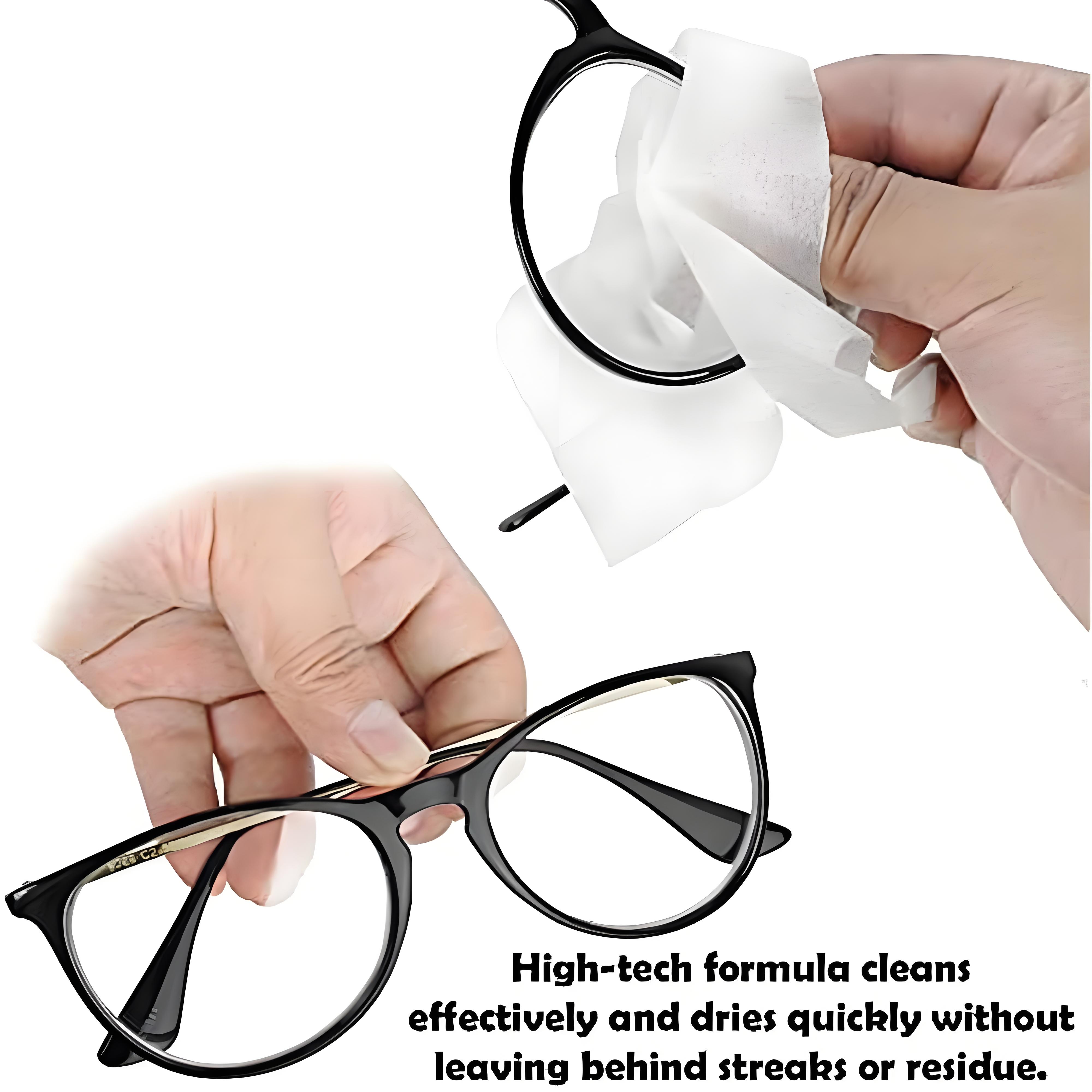
- Streak-free performance: supported
- Quick-drying formula: supported
- Suitable surfaces: eyeglass lenses, camera lenses, mobile screens, optical equipment
- Main ingredients: surfactants; purified water as the cleaning component; an anti-static polymer compound as the anti-static agent; an optical-grade preservative system
- Shelf life: 24 months
- Listed industries: optical industry, electronics cleaning industry, personal care industry, supermarket retail, e-commerce retail
The distinguishing component in HUA-LC is the anti-static polymer compound. In a cleaning formulation, an anti-static agent is included to limit static charge build-up on the treated surface, which supports the anti-smudge positioning of the product: the formulation addresses the cleaning step and what happens to the surface afterwards. Surfactants carry the cleaning function, purified water is the cleaning component, and the preservative system is specified at optical grade rather than a general-purpose grade.
HUA-AW — anti-fog wipes liquid for eyeglass lenses
HUA-AW is classified as an eyeglass anti-fog wipes liquid, a lens cleaning anti-fog solution and an optical lens care wipes liquid. Its specification lists the following parameters.
- Appearance: transparent liquid
- Function: anti-fog and lens cleaning
- Anti-fog duration: up to 24 hours
- pH value: 6.0–7.5
- Alcohol-free formula: supported
- Streak-free performance: supported
- Suitable surfaces: eyeglass lenses, goggles, camera lenses
- Main ingredients: surfactants; a polymer anti-condensation compound as the anti-fog agent; purified water as the cleaning component; an optical-grade preservative system
- Shelf life: 24 months
- Listed industries: optical industry, personal care industry, sports equipment industry, supermarket retail, e-commerce retail
The mechanism described in the HUA-AW specification is a polymer anti-condensation compound rather than an alcohol-based flash-off approach, combined with an alcohol-free position. That combination is what makes the model relevant to repeated use on optical surfaces such as eyeglasses, goggles and camera lenses, and it is also why the specification can state an anti-fog duration of up to 24 hours while keeping the cleaning function of a wipes liquid.
Where the two products are not interchangeable
- Surface lists overlap but are not identical. HUA-LC lists eyeglass lenses, camera lenses, mobile screens and optical equipment. HUA-AW lists eyeglass lenses, goggles and camera lenses. A mobile-screen or optical-equipment program therefore points to HUA-LC, while a goggle program points to HUA-AW.
- Drying behaviour should not be assumed to be identical. HUA-LC's specification supports a quick-drying formula. HUA-AW's specification states an anti-fog duration of up to 24 hours but does not list quick-drying, so the two models should be compared on their own datasheets.
- Automotive glass is a third product. For windshields, rearview mirrors and side windows, the relevant model is HUA-CG car glass anti-fog wipes liquid, formulated with surfactants, a polymer anti-condensation compound, purified water and a corrosion inhibitor. HUA-AW is specified for eyeglass lenses, goggles and camera lenses. Buyers serving both optical and automotive channels should map products to substrates instead of assuming one anti-fog liquid covers both.
Step-by-Step Breakdown: How to Decide and Verify Before Ordering
- Step 1 — Define the end-user complaint and the claim set. Decide whether the product must solve cleaning and anti-smudge complaints, condensation complaints, or both. Fix the label wording at the same time, because wet wipes intended for cleansing or moisturizing skin are regulated as cosmetics under EU Regulation (EC) No 1223/2009 and by the FDA in the United States, while a pure lens care claim follows a different route.
- Step 2 — Match the primary function to the formulation logic. Anti-static polymer compound for cleaning and anti-smudge care (HUA-LC); polymer anti-condensation compound for anti-fog performance (HUA-AW). The additive, not the product name, tells you which problem the liquid is engineered for.
- Step 3 — Map your substrate list against the specification. Cross-check every surface in your range — eyeglass lenses, camera lenses, mobile screens, optical equipment, goggles — against the surface list of the model you intend to buy, and split the order if your range covers both lists.
- Step 4 — Set performance expectations at the right level. An anti-fog duration of up to 24 hours is a specification boundary, not a guaranteed duration in every climate and wear pattern. State it internally as an upper figure and confirm the realistic in-use number through your own testing.
- Step 5 — Sample and bench-test both models. Wipe the actual lens types you sell and evaluate streak-free performance, drying time, smudge removal and fogging after a temperature transition. Because coating-specific test data is not part of the supplied specification, this step is the compatibility check.
- Step 6 — Confirm shelf life, storage and packaging. Both models carry a 24-month shelf life. Application data for wet wipes liquids notes use in high-humidity environments and wide-temperature storage from -20°C to 40°C, so confirm that your warehouse and distribution conditions sit inside that envelope.
- Step 7 — Lock repeat-order specifications. Agree how the pH band of 6.0–7.5 and the optical-grade preservative system will be verified per batch. Production of personal care wet wipes is expected to follow ISO 22716 GMP with microbiological risk assessment, and a clean production environment is the practical foundation of batch-to-batch consistency.
Use Cases: Matching the Liquid to the Channel
- Optical retail counters and eyewear chains. HUA-LC suits the counter wipe used many times a day before fitting and hand-over, where streak-free performance and quick drying matter to the customer experience.
- Sports, outdoor and goggle programs. HUA-AW lists goggles and the sports equipment industry, which makes it the model for fogging during activity.
- Camera, lens and optical equipment care. HUA-LC lists camera lenses and optical equipment, covering cleaning kits sold alongside imaging accessories.
- Mobile screen and device care. HUA-LC lists mobile screens, allowing one cleaning liquid to serve both eyewear and screen-care packaging formats.
- Pharmacy, supermarket and e-commerce private label. Both models list supermarket retail and e-commerce retail as target channels, which supports private label wipes liquid programs sold through those routes.
- Import and distribution programs. Huaqiangda exports 60% of total sales, with Central Asia, Southeast Asia and South America as main markets, and supplies bulk wipes liquid for filling by wet wipes manufacturers rather than finished consumer wipes.
Comparison Table: HUA-LC vs. HUA-AW at Specification Level
The table below compares the two models using only the parameters stated in their product specifications. Where a parameter is not listed for a model, it is marked as not specified rather than inferred.
| Parameter | HUA-LC — lens cleaning wipes liquid | HUA-AW — anti-fog wipes liquid for eyeglass lenses |
|---|---|---|
| Primary function | Lens cleaning and anti-smudge care | Anti-fog and lens cleaning |
| Functional additive | Anti-static polymer compound (anti-static agent) | Polymer anti-condensation compound (anti-fog agent) |
| Anti-fog duration | Not specified | Up to 24 hours |
| Cleaning components | Surfactants; purified water | Surfactants; purified water |
| Preservative system | Optical-grade preservative | Optical-grade preservative |
| Appearance | Transparent liquid | Transparent liquid |
| pH value | 6.0–7.5 | 6.0–7.5 |
| Alcohol-free formula | Supported | Supported |
| Streak-free performance | Supported | Supported |
| Quick-drying formula | Supported | Not specified |
| Suitable surfaces | Eyeglass lenses, camera lenses, mobile screens, optical equipment | Eyeglass lenses, goggles, camera lenses |
| Shelf life | 24 months | 24 months |
| Listed industries | Optical, electronics cleaning, personal care, supermarket retail, e-commerce retail | Optical, personal care, sports equipment, supermarket retail, e-commerce retail |
FAQ: Lens Cleaning and Anti-Fog Wipes Liquid for Optical Buyers
Are both lens cleaning wipes liquid and anti-fog wipes liquid alcohol-free, and does that matter for compliance?
Yes. HUA-LC and HUA-AW are both alcohol-free formulations, both are transparent liquids with a pH value of 6.0–7.5, and both carry a 24-month shelf life. The alcohol-free position sits inside a wider market preference: natural and organic variants in the wipes market are projected to expand at a 2.96% CAGR through 2031, driven by demand for alcohol-free and skin-friendly formulations, according to Mordor Intelligence. For compliance, the claim set decides the route — wet wipes intended for cleansing or moisturizing skin are regulated as cosmetics under EU Regulation (EC) No 1223/2009 and by the FDA in the United States (FDA / European Parliament), and production of personal care wet wipes must follow ISO 22716 Good Manufacturing Practices with microbiological risk assessment (ISO). Confirm your label wording before the formulation is locked.
Can one supplier deliver both a lens cleaning liquid and an anti-fog liquid?
Yes. Xiamen Huaqiangda Biotechnology Co., Ltd. provides OEM/ODM formulation support and lists both models within its optical range. The company's R&D team of 5 engineers works on preservative systems, gentle antibacterial technologies and skin-friendly wet wipes formulations, and the same OEM/ODM service covers other wipes liquid programs such as baby wipes, antibacterial wipes, makeup remover wipes and pet wipes. Production runs in a 100,000-level clean production workshop inside a 2,000-square-meter facility, with an annual production capacity of 2,000 tons. Sourcing the cleaning liquid and the anti-fog liquid from one supplier keeps the pH band, preservative approach and documentation package aligned across an optical range.
What drives the cost of an optical wipes liquid program?
Cost is determined by the formulation system and the project scope rather than by the product name. The main variables are the functional additive package — an anti-static polymer compound in HUA-LC versus a polymer anti-condensation compound in HUA-AW — the pH and preservative specification (both optical-grade, pH 6.0–7.5), the documentation and claim set you require, the packaging format, and the order volume planned against a 24-month shelf life. Huaqiangda's wipes liquid range includes bulk packaging options such as 25 kg and 1-ton IBC tanks. Pricing is quoted per project specification, so the useful comparison between suppliers is a like-for-like comparison of specification, claim set and documentation, not a headline figure.
How should a buyer validate lens cleaning and anti-fog performance before ordering?
Through bench trials on the lens types you actually sell. Request samples of both models, then test HUA-LC for streak-free cleaning, smudge removal and quick-drying behaviour, and test HUA-AW for how long fogging stays controlled after a temperature or humidity transition, including mask-wearing and active use. The anti-fog duration of up to 24 hours is the specification boundary; your trial defines the realistic in-use figure for your market and climate. Because the supplied specifications do not include coating-specific test results, sample evaluation on your own coated lenses and screens is also the compatibility check.
What capacity and support sit behind a repeat-order program, and how do buyers start?
Huaqiangda reports a 2,000-ton annual production capacity, automated batching, continuous mixing, fully automated filling and 24/7 production support, with approximately 50 staff and a 5-engineer R&D team; export business represents 60% of sales to Central Asia, Southeast Asia and South America. For a repeat-order program, the practical questions are batch consistency of the pH band and preservative system, dating against the 24-month shelf life, and how quickly a validation batch can be produced. To begin, request samples or a quotation from Xiamen Huaqiangda Biotechnology Co., Ltd. by email at wenkunhua@xmqfh.com, or by phone and WhatsApp at +86 159-5929-1685, and include your target surfaces, claim set and preferred packaging format in the enquiry.
Conclusion: A Simple Decision Rule for Optical Care Liquids
The decision between these two wipes liquids is a functional decision, not a quality decision. If your buyers complain about smeared, dusty lenses and expect a wipe that cleans without leaving streaks behind, specify HUA-LC with its anti-static polymer compound, streak-free performance and quick-drying formula. If your buyers complain about fogging on glasses, goggles or camera lenses and need the lens to stay clear after the wipe, specify HUA-AW with its polymer anti-condensation compound and an anti-fog duration of up to 24 hours. If your range covers both complaints, stock both models and separate them clearly on the front label — the two products share an alcohol-free position, a pH of 6.0–7.5 and a 24-month shelf life, so the label is what prevents misuse.
Two boundaries are worth keeping in the file. Neither specification includes coating-specific compatibility test data, so confirm performance on your own lens types during sampling. And anti-fog liquids are formulated substrate by substrate: HUA-AW is specified for eyewear and optical surfaces, while automotive glass is covered by the separate HUA-CG car glass anti-fog wipes liquid, which includes a corrosion inhibitor.