
Wipes Liquid Compared: Updated 2026 Formula vs. Traditional & Low-Cost Generic Solutions
Wipes Liquid Compared: 2026 Advanced Formula vs. Traditional & Low-Cost Generic Solutions
Today’s procurement question for wipes liquid is no longer simply “find the lowest price.” Buyers are asking: What is the actual difference between an advanced wipes liquid formula, a traditional wet wipes liquid formula, and a low-cost generic wipes solution? And which one should a private-label or brand owner choose? This article gives a direct comparison based on measurable formulation traits, production consequences, and business outcomes, so you can make a decision before sending an RFQ.
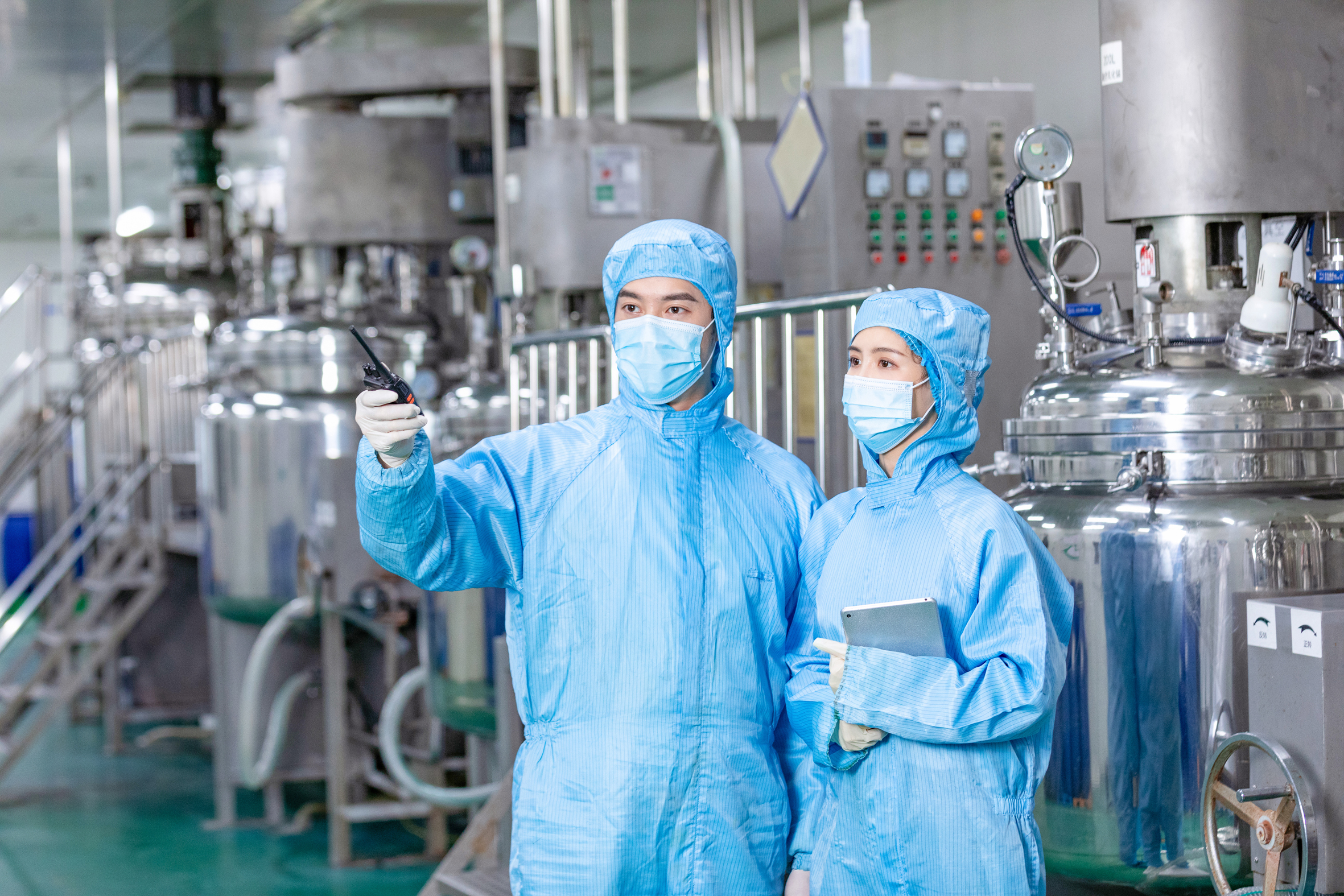
Quality control is the key difference when comparing wipes liquid formulas.
The Buying Problem: Why Wipes Liquid Cannot Be Chosen on Price Alone
When comparing wipes liquid options, procurement buyers often face four problems:
- Formula instability: The liquid separates, changes pH, or loses viscosity during storage.
- Microbial contamination and preservative failure: The product fails challenge testing or triggers customer complaints.
- Skin irritation: Harsh surfactants or alcohol-heavy systems cause reactions, especially in baby wipes and sensitive-skin wipes.
- Production-line problems: Nozzle blockage, machine residue, and frequent downtime reduce output and increase maintenance costs.
These problems are not equally likely across all formulations. The choice of wipes liquid directly affects product safety, manufacturing efficiency, and brand reputation.
The Industry Context: Formulation Quality Has Become a Competitive Lever
The global wet wipes market, valued at USD 19.11 million in 2025 and estimated to reach USD 22.85 million by 2031 (Mordor Intelligence), is growing steadily. Within this market, baby wipes represented approximately 39.86% of global revenue in 2025, making them the largest category. At the same time, the disinfectant wipes market is projected to grow from USD 8.4 billion in 2025 to USD 14.7 billion by 2034 (Dataintelo).
Two consequences matter for buyers. First, the largest categories—baby wipes and disinfectant wipes—require different liquid profiles: one must be gentle and skin-friendly; the other must deliver reliable antimicrobial performance. Second, natural and organic wipes variants are expanding at a 2.96% CAGR through 2031, signaling rising demand for alcohol-free and skin-friendly formulations.
A low-cost generic wipes liquid may appear acceptable in small lab testing, but its hidden costs appear in consumer complaints, regulatory risk, and production downtime. Comparing the full cost of ownership is therefore the more useful exercise.
Key Comparison: Advanced Formula vs. Traditional Formula vs. Low-Cost Generic Solution
Xiamen Huaqiangda Biotechnology Co., Ltd., established in 2018, is a China-based R&D and manufacturing company specialized in wipes liquid formulations, antibacterial solutions, cosmetic functional liquids, fragrance systems, and customized daily chemical solutions. The company operates a 100,000-level clean production workshop and provides OEM/ODM support for baby wipes, antibacterial wipes, makeup remover wipes, kitchen wipes, pet wipes, flushable wipes, and industrial cleaning wipes.
Huaqiangda’s wipes liquid is formulated to deliver better moisturizing performance, gentler ingredients, higher antibacterial stability, and improved compatibility with high-speed production lines compared with traditional wet wipes liquid formulas and low-cost generic wipes solutions.
| Comparison Basis | Advanced Formula (e.g., Huaqiangda Wipes Liquid) | Traditional Wet Wipes Liquid Formula | Low-Cost Generic Wipes Solution |
|---|---|---|---|
| Moisturizing performance | Moisture retention improved by 30% | Basic humectants; moderate skin feel | Often minimal humectant; dry skin feel |
| Ingredient gentleness | Gentler ingredients suitable for baby and sensitive-skin wipes | Standard cosmetic ingredients; may contain more aggressive surfactants | Potentially harsh; higher irritation risk |
| Antibacterial stability | Antibacterial effectiveness ≥99.9% with stable preservative and pH balance | Stability varies with preservative system | Risk of preservative failure and microbial contamination |
| High-speed production compatibility | Production downtime reduced by 25%; 20% higher production efficiency on automated lines | Moderate; occasional residue | Higher nozzle blockage and machine residue |
| Raw material cost | Approximately 10% higher | Moderate | Lowest purchase price |
| Customer complaint rate | Reduced by 40% | Moderate complaint exposure | Higher complaint exposure |
| Maintenance cost | Lower machine residue; fewer nozzle blockages; stable continuous production | Routine maintenance required | Frequent cleaning; higher maintenance frequency |
Comparison of wipes liquid formula types based on supplier-provided performance data and buyer-relevant outcomes.
Interpreting this table: the advanced formula does not win solely through raw material cost. Its advantages appear in the production line and in the final consumer experience. For a private-label brand, a 40% reduction in complaints often translates into repeat purchases and fewer returns, which can outweigh a 10% increase in liquid raw material cost.
Why the Differences Matter: From Formula to Production Outcomes
Better moisturizing performance and gentler ingredients protect the most sensitive categories
The product is used for baby wipes production, antibacterial wipes manufacturing, household cleaning wipes, and personal care wipes. In baby wipes and sensitive-skin wipes, consumers prioritize gentleness. An alcohol-free, skin-friendly, hypoallergenic liquid is no longer a niche preference; it is the expected standard in many markets. The 2.96% CAGR for natural and organic variants reflects this structural shift.
Agentler ingredient system also reduces the need for heavy fragrances or harsh preservatives, which lowers the risk of skin irritation claims and regulatory incidents.
Higher antibacterial stability reduces compliance and safety risk
For disinfectant wipes and antibacterial wipes, antibacterial effectiveness of ≥99.9% requires a stable active system. Stability, however, is not just about the active ingredient; it is about the preservative system, pH balance control, and manufacturing hygiene. Risk-control measures include microbiological testing, a stable preservative system, pH balance control, and multi-stage filtration. These controls determine whether the claimed antibacterial performance remains true on the finished product at the end of its shelf life.
Production-line compatibility creates a direct cost advantage
In automated wipes manufacturing, formula behavior matters as much as chemistry. A formula that leaves machine residue, blocks nozzles, or foams inconsistently interrupts production. Huaqiangda’s wipes liquid is associated with 20% higher production efficiency in automated wipes manufacturing lines and 25% less production downtime. For a manufacturer running continuous shifts, these two metrics can mean the difference between on-time delivery and delayed order fulfillment.
Risk Comparison: What Can Go Wrong with the Wrong Liquid
| Risk | Control Method | Enterprise Measure at Huaqiangda |
|---|---|---|
| Microbial contamination | Microbiological testing; stable preservative system | 100% raw material inspection; batch sample retention; third-party laboratory testing |
| Formula instability | pH balance control; multi-stage filtration | Real-time quality monitoring; clean workshop production |
| Skin irritation | Gentle ingredients; pH control | 100% raw material inspection; batch sample retention |
| Preservative failure | Stable preservative system; microbiological testing | Batch sample retention; third-party laboratory testing |
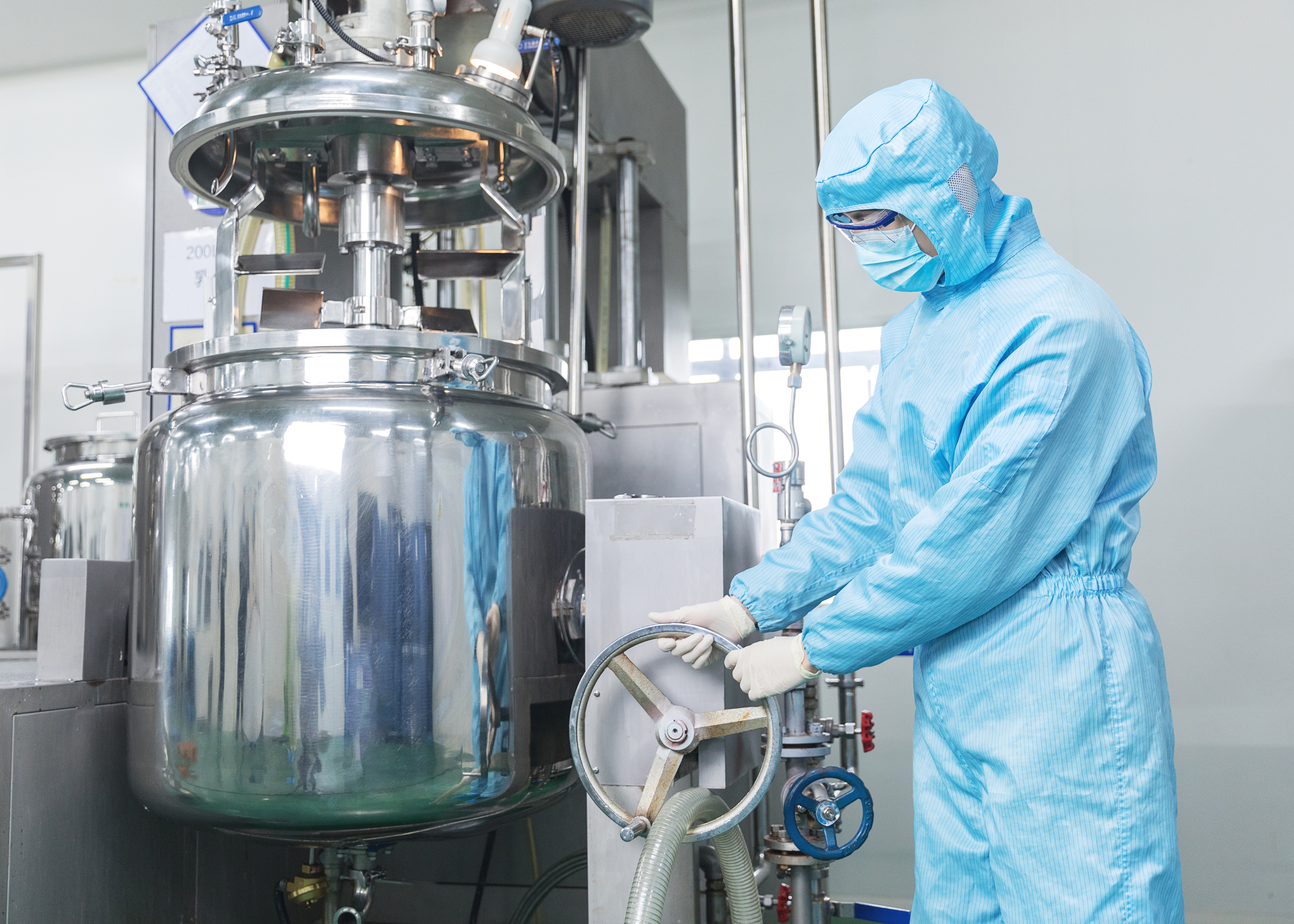
Clean workshop production is one of the key controls for reducing microbial contamination risk in wipes liquid.
Step-by-Step: How to Choose Between Formula Types in 2026
- Define your application segment first. Baby wipes, antibacterial wipes, household cleaning wipes, personal care wipes, and pet wipes impose different requirements. A single liquid formula cannot be optimal for all.
- Set safety and compliance requirements before price. For skin-contact wipes in the EU and US, wet wipes intended for cleansing or moisturizing skin are regulated as cosmetics under EU Regulation (EC) No 1223/2009 and the FDA’s cosmetics framework. Production should also follow ISO 22716 GMP and assess microbiological risks. If your target market requires these standards, the supplier’s quality system is non-negotiable.
- Compare total production cost, not liquid unit price. Raw material cost may be approximately 10% higher for a higher-performance formula, but 25% less production downtime, fewer nozzle blockages, and 40% fewer customer complaints can produce a lower cost per good pack.
- Verify antibacterial claims. For disinfectant or antibacterial wipes, confirm the liquid can deliver ≥99.9% antibacterial effectiveness in a stable system, not only in the initial lab sample.
- Request batch samples and inspect quality-control documentation. Check for 100% raw material inspection, batch sample retention, clean workshop production, and third-party laboratory testing.
- Evaluate OEM capabilities. If your requirement is private-label or custom formulation, the supplier must be able to adapt the liquid to your specification while maintaining stability and production compatibility.
Use Cases: Where Each Formula Type Fits
Advanced formula: premium private label and sensitive categories
Best for baby wipes, antibacterial wipes, personal care wipes, household cleaning wipes, and premium private-label wipes production. Buyers who plan to build a brand around safety, mildness, and reliable antimicrobial performance should adopt this type.
Traditional formula: acceptable for mid-range commodity products
Traditional wet wipes liquid may be acceptable when the brand position allows basic moisturizing performance and standard ingredients, and when the production line has longer maintenance windows. It is not the best fit for high-speed automated lines or sensitive-skin claims.
Low-cost generic solution: only for short-term or purely price-driven orders
Low-cost generic wipes solution can appear attractive on the purchase order. However, it carries higher risk of skin irritation, preservative failure, microbial contamination, and production disruptions. These risks can quickly erode the savings through rejected batches, complaints, and brand damage.
Why Buyers Are Moving to Higher-Performance Wipes Liquid
Several verified market signals explain this movement:
- Baby wipes account for ~39.86% of the global wet wipes revenue, and this segment is sensitive to gentleness and safety.
- Natural and organic wipes variants are growing at a 2.96% CAGR through 2031, reflecting demand for alcohol-free, skin-friendly liquids.
- Disinfectant wipes demand is expanding from USD 8.4 billion in 2025 toward USD 14.7 billion by 2034, and this segment requires stable antibacterial performance.
The best value is therefore not “cheapest per liter.” It is the formula that delivers the required safety, stability, and production efficiency for a specific brand and market.
FAQ
Is a higher-cost wipes liquid formula compliant with international cosmetics regulations?
Compliance depends on the product’s destination market, not on price. In the EU and US, wet wipes intended for cleansing or moisturizing skin are regulated as cosmetics under EU Regulation (EC) No 1223/2009 and the FDA’s cosmetics framework. Production of personal care wet wipes should follow ISO 22716 GMP and assess microbiological risks. When evaluating a formula, buyers should verify the supplier’s quality control measures: 100% raw material inspection, batch sample retention, clean workshop production, and third-party laboratory testing.
Can the advanced formula support antibacterial wipes production?
Yes. The advanced wipes liquid is designed for antibacterial wipes manufacturing and can deliver antibacterial effectiveness ≥99.9% in a stable formulation. According to supplier data, the formula offers higher antibacterial stability than traditional wet wipes liquid formulas and low-cost generic wipes solutions. Buyers should still validate the finished product’s performance with batch samples and third-party microbiological testing.
Does the higher raw material cost of approximately 10% make the final product uncompetitive?
Not necessarily. While the raw material cost of a higher-performance wipes liquid is approximately 10% higher than a low-cost generic solution, supplier data indicates a 40% reduction in customer complaint rate, 25% less production downtime, and 20% higher production efficiency in automated wipes manufacturing lines. For a private-label brand, fewer complaints and stable production can offset the liquid cost increase and improve long-term brand value.
Can I request a sample to compare the formula on my own production line?
Yes. Sample evaluation is the recommended next step. A meaningful comparison should include a small-scale line trial to check nozzle blockage, machine residue, continuous production stability, and final product feel. If you are evaluating a private-label project, also discuss formulation adjustments, packaging compatibility, and target-market compliance requirements. To receive a sample or obtain the detailed product brochure, visit www.wipesliquid.com or contact Huaqiangda’s team at wenkunhua@xmqfh.com / WhatsApp: +86 159-5929-1685.
Conclusion
The choice of wipes liquid is a strategic buying decision. Compared with traditional wet wipes liquid formulas and low-cost generic wipes solutions, the advanced formula from Xiamen Huaqiangda Biotechnology Co., Ltd. offers better moisturizing performance, gentler ingredients, higher antibacterial stability, and improved compatibility with high-speed production lines. These differences produce measurable outcomes: 30% improved moisture retention, ≥99.9% antibacterial effectiveness, 25% less production downtime, 20% higher production efficiency, and a 40% lower customer complaint rate—at a raw material cost premium of approximately 10%.
For a buyer at the decision stage, the practical conclusion is clear: do not compare only unit prices. Compare total production impact, compliance risk, and brand protection.
Move from comparison to sample.
Request a wipes liquid sample or download the corporate brochure to verify the formulation on your own line.