
Wipes Liquid Compliance Guide: Alcohol-Free, pH and Antibacterial Claims

Wipes liquid compliance is the work of proving that the formulation behind a front-of-pack claim — alcohol-free, pH-balanced, antibacterial, DEET-free — is documented, reproducible batch after batch, and classified correctly in the market where the finished wipe is sold. Claims are the trigger: a wipe that only cleans is normally treated as a general or cosmetic-product article, while a wipe that claims to kill or inhibit bacteria may fall under disinfectant, biocidal, or pesticide-type product rules, depending on the jurisdiction.
This guide interprets the regulatory-relevant features that appear in the published product data of one wipes liquid formulation supplier, Xiamen Huaqiangda Biotechnology Co., Ltd. — a manufacturer established in 2018 in Xiamen, Fujian, China, supplying wet wipes liquid formulations, antibacterial solutions and cosmetic functional liquids. The aim is practical: show buyers which claim families exist, which verification parameters each claim requires, and where a supplier specification sheet ends and regulatory evidence begins.
Problem Definition: Why Wipes Liquid Claims Create Compliance Risk
Four claim families carry most of the compliance weight in this category: alcohol-free, pH, antibacterial, and repellent (DEET-free). Each one is easy to print and difficult to substantiate, and each one behaves differently in different markets.
- Alcohol-free is a formulation statement, not a certificate. It raises an immediate definition question: does “alcohol” mean ethanol and isopropanol only, or does it also cover fatty alcohols used as emollients and emulsifiers? The answer changes what the supplier must declare.
- pH-balanced is meaningless without a range. A buyer needs the numeric pH range, the temperature at which it is measured, whether it is measured on the neat liquid or on the expressed liquid from a finished wipe, and whether the value is confirmed in every batch record.
- Antibacterial “≥99%” hides the test method. The percentage is only comparable when the standard, the test organisms, the contact time, the interfering substance, and the laboratory are stated.
- Percentage and log reduction are not the same language. A 99% reduction equals a 2-log reduction, 99.9% equals 3-log, and 99.99% equals 4-log. A specification quoting 99.99% is therefore describing a materially different performance claim from one quoting 99%.
- Marketing terms such as eco-friendly or biodegradable need their own substantiation and should never be treated as automatically covered by an alcohol-free or skin-friendly claim.
The regional dimension compounds the problem. In China, wet wipes making antibacterial or disinfectant claims require filing with the provincial department of disease control and prevention, which means the claim changes the administrative pathway before a single carton is shipped. In the United States, disinfectant wipes are handled through registered product labels rather than self-declared specification sheets. Buyers should confirm the applicable classification pathway for their destination market with the regulator or a qualified regulatory consultant before locking artwork.
Industry Background: Claim Scrutiny Inside a Growing Category
The commercial stakes explain why compliance questions now appear early in sourcing conversations rather than at the printing stage. The global wet wipes market value is estimated to reach USD 30.90 billion in 2025, and the surface disinfectant wipes segment specifically is projected to grow from USD 6.4 billion in 2026 to USD 8.0 billion in 2030, at a CAGR of 5.4%. Growth of that scale pulls more private-label and OEM wipes liquid programs into markets with different claim rules at the same time.
Formulation trends are moving in the same direction as the regulatory question. Baby wipes formulations increasingly feature alcohol-free, hypoallergenic and pH-balanced specifications with natural ingredients such as aloe vera. The practical consequence is that the gentlest formulations are often the ones carrying the strongest claim language — “suitable for sensitive skin,” “hypoallergenic,” “fragrance-free” — and therefore the ones that need the most documentation.
One analytical reading of the market is that tighter antibacterial and disinfectant filing requirements are pushing buyers toward milder, skin-friendly functional liquids that can be positioned as cosmetic or general cleansing products while still offering antibacterial performance. That reading is plausible but should be tested case by case: the classification outcome depends on the actual claim, the active ingredient, and the destination market, not on the formulation's marketing description.
Public regulatory records also show why no single “industry standard” concentration exists. The official US EPA label for SPOR-KLENZ Ready-To-Use Disinfectant Wipes lists hydrogen peroxide at 1.00% and peroxyacetic acid at 0.08% as active ingredients. A separate EPA label record for a solvent-free disinfectant lists four quaternary ammonium active ingredients at product-specific concentrations, including alkyl dimethyl benzyl ammonium chloride at 0.05320%. These are product-specific label examples, not benchmarks — and that is precisely the point. Active systems differ, so buyers must compare products on their own label basis rather than on a generic number.
Detailed Solution: The Four Claim Families and How to Verify Them
1. Alcohol-Free Wipes Liquid Claims
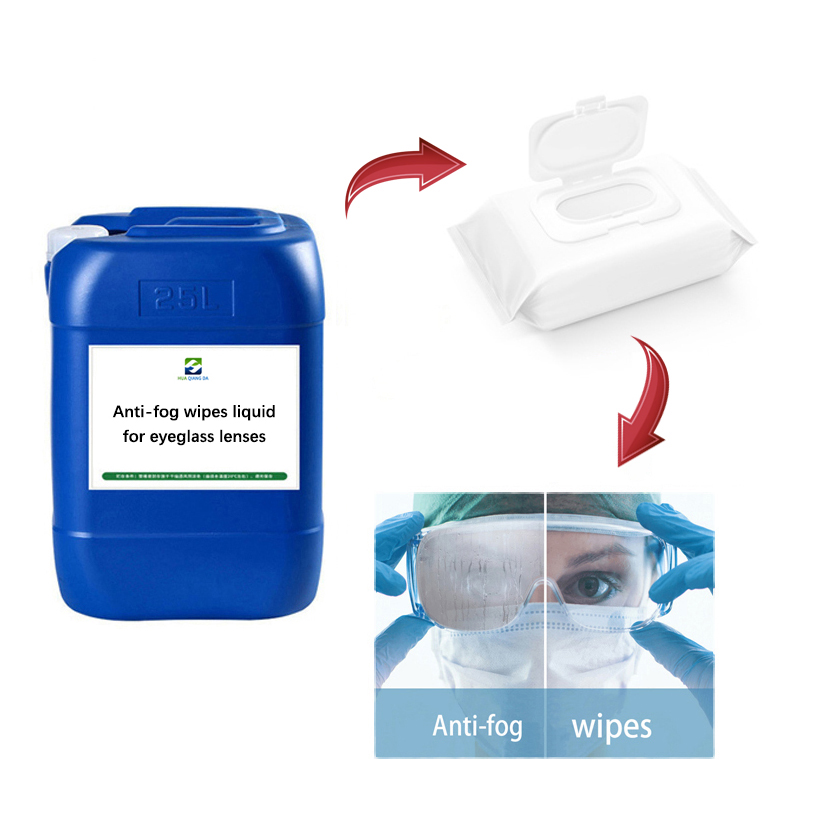
Within the published product data for this range, an alcohol-free formula is stated for the baby wipes liquid (HUA-BY), the anti-fog wipes liquid for eyeglass lenses (HUA-AW), the delay wet wipes liquid (HUA-DW), the patient care disposable wipes liquid (HUA-PC), the pet wipes liquid (HUA-PW), the feminine intimate wipes liquid (HUA-FI), and the general wipes liquid model (HUA-QJ). The general model is additionally described as non-irritating and as complying with cosmetic regulations, with a bactericidal rate of ≥99.9%.
Three verification steps turn that statement into evidence. First, define the term in writing: specify that ethanol, isopropanol and other volatile alcohols are absent, and state separately whether fatty alcohols are present as conditioning agents. Second, request a batch-level declaration or analytical result rather than a marketing statement. Third, confirm that neither the nonwoven substrate, the packaging, nor the preservative system introduces an alcohol into the finished wipe.
2. pH Standards for Skin-Friendly and Surface Applications
pH is the single most transferable number in a wipes liquid specification, because it simultaneously signals skin tolerance, preservative efficacy and substrate compatibility. The published ranges across this range illustrate how far apart “skin-friendly” and “cleaning” positions can be:
- Baby wipes liquid (HUA-BY): pH 5.5–6.5, alcohol-free, hypoallergenic, suitable for sensitive baby skin.
- Patient care disposable wipes liquid (HUA-PC): pH 5.5–7.0, alcohol-free, antibacterial rate ≥99%.
- Delay wet wipes liquid (HUA-DW): pH 5.0–6.5, alcohol-free, suitable for sensitive skin.
- Feminine intimate wipes liquid (HUA-FI): pH 3.5–4.5, alcohol-free, antibacterial rate ≥99%.
- Mosquito repellent wipes liquid (HUA-MR): pH 5.5–7.0, DEET-free.
- Anti-fog wipes liquid for eyeglass lenses (HUA-AW) and lens cleaning wipes liquid (HUA-LC): pH 6.0–7.5, alcohol-free.
- Universal wipes liquid (HUA-UW) and multi-purpose wipes liquid (HUA-MP): pH 6.5–8.0, antibacterial rate ≥99%.
- Disinfecting wipes liquid: pH 6.0–8.0, antibacterial efficacy ≥99.99%.
- Antibacterial toilet wipes liquid (HUA-AT): pH 6.5–8.5, antibacterial rate ≥99.9%.
- Heavy duty industrial cleaning wipes liquid (HUA-HD): pH 8.0–10.5, designed for industrial degreasing rather than skin contact.
A compliant pH claim documents four things: the numeric range, the measurement temperature, the sample state (neat liquid versus expressed liquid), and confirmation in the batch certificate of analysis across the stated 24-month shelf life. pH drift over shelf life is a stability question, not a mixing question, and it is one of the most common gaps in supplier documentation.
3. Antibacterial and Disinfectant Claims
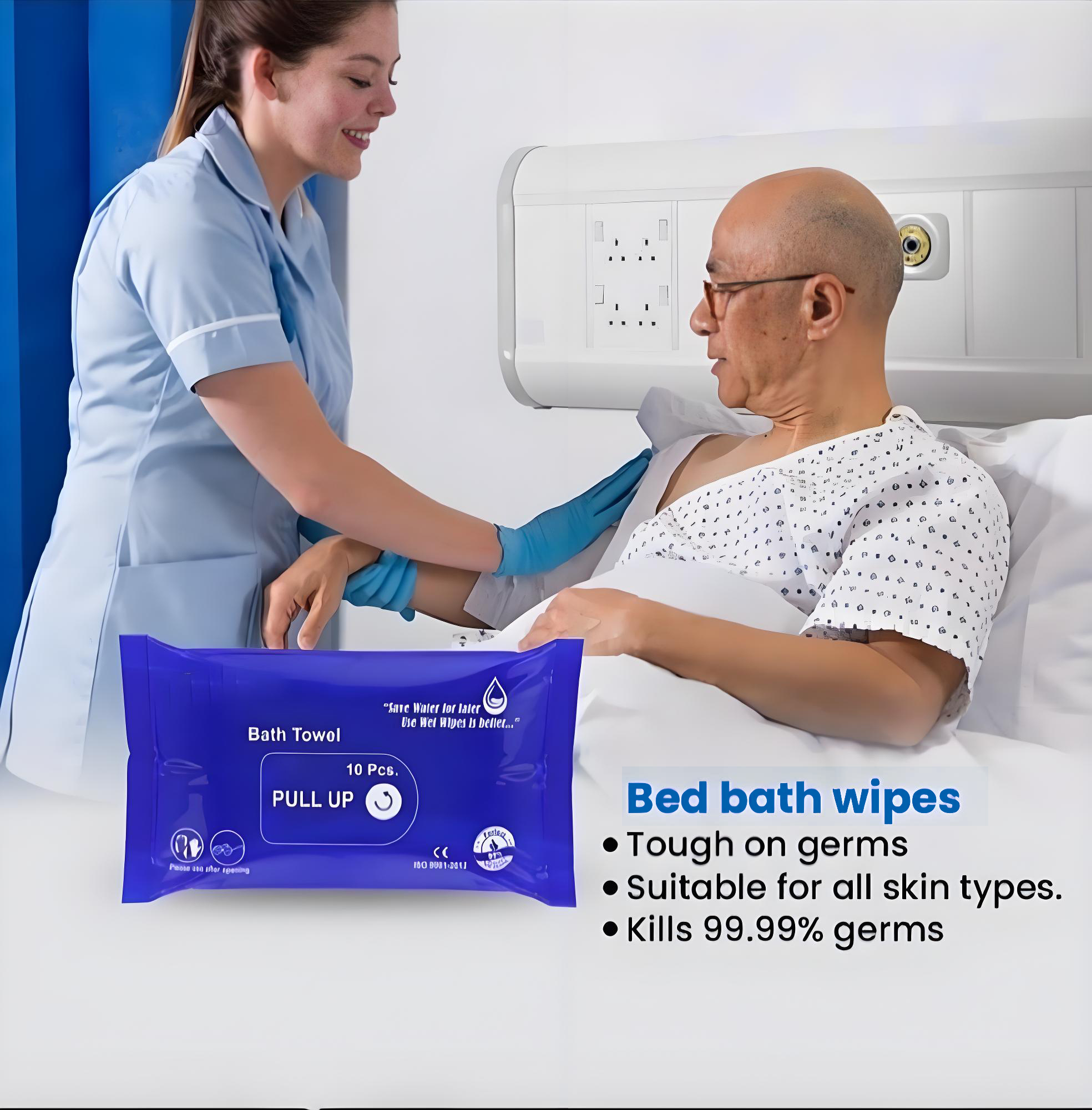
Antibacterial positioning is the claim family with the widest variation in published specifications. In this range, an antibacterial rate of ≥99% is stated for the universal wipes liquid (HUA-UW), multi-purpose wipes liquid (HUA-MP), floor cleaning wipes liquid (HUA-FC), pet wipes liquid (HUA-PW), patient care disposable wipes liquid (HUA-PC) and the kitchen wipes liquid line, with benzalkonium chloride named as the antibacterial ingredient in several of them. A rate of ≥99.9% is stated for the general wipes liquid model (HUA-QJ) and the antibacterial toilet wipes liquid (HUA-AT). The disinfecting wipes liquid is specified at ≥99.99% antibacterial efficacy, with quaternary ammonium compounds at 0.2%–0.5%, for household, office and medical non-critical surfaces.
Because these figures are manufacturer-published specifications, the verification requirement is documentary. Ask for the test standard cited (for example, a recognized European suspension test for bactericidal activity or an equivalent ASTM or ISO method), the organisms tested, the contact time, the interfering substance used, whether the test was run on the liquid or on the impregnated wipe, and the accreditation of the laboratory. Without those five data points, a ≥99.99% claim cannot be compared with a competitor's ≥99.9% claim, and it cannot support a disinfectant registration.
4. DEET-Free Repellent Claims
The mosquito repellent wipes liquid (HUA-MR) is specified as DEET-free, formulated with plant-based repellent extract whose active ingredients include citronella oil and eucalyptus extract, with a repellent duration of up to 4–6 hours, pH 5.5–7.0 and a shelf life of 24 months. Two verification tracks apply. The first is composition: full disclosure of the plant-based extract content, plus allergen labelling review, because essential-oil components are common labelling triggers. The second is performance: the protocol behind a “4–6 hours” duration statement, since duration depends on dosage, ambient temperature, humidity and the test method used. Repellent claims also sit in a different regulatory category from cosmetic claims in most markets, so the destination classification must be confirmed before the claim goes to print.
Across all four claim families, one documentation set does most of the work: a full ingredient list, safety data sheet, batch certificate of analysis, preservative challenge test, microbiological data, stability data covering the declared shelf life, nonwoven compatibility testing, and allergen or fragrance documentation. The supplier's sustainability page states that raw materials are cosmetic grade and sometimes food grade and that formulations are intended to be mild and compatible with various nonwoven fabrics; that is a useful directional statement, and it should be converted into certificates of analysis and compatibility test reports before it is used as evidence. Where a supplier discloses an example formulation — for instance a humectant system based on glycerin at 2.00%, betaine at 2.00%, xylitol at 1.00%, inositol at 0.50%, allantoin at 0.20% and guar gum at 0.15% — the buyer gains real visibility into the level of detail that can be requested, but an example formula must not be read as a standard or as a validated commercial batch.
Step-by-Step Breakdown: A Six-Step Verification Workflow
Step 1 — Classify the intended claim before choosing the formula. Write down the exact claim you intend to print. Antibacterial and disinfectant wording triggers filing requirements in China and label registration requirements in the United States; a cleansing or moisturizing claim follows a different route. The claim determines the evidence list.
Step 2 — Map the claim to each destination market. Confirm the local pathway for your specific wording, active ingredient and surface of use. Do not assume that a formulation approved in one market is automatically acceptable in another.
Step 3 — Build the technical dossier. Request the ingredient list, safety data sheet, specification sheet with pH range and alcohol status, preservative system description, microbiological test reports, stability data and nonwoven compatibility data.
Step 4 — Convert claims into measurable parameters. Translate “alcohol-free” into a quantitative declaration, “pH-balanced” into a range with a defined measurement method, and “antibacterial” into a percentage or log reduction with a named test standard.
Step 5 — Verify at batch level, not at development level. Compare the certificate of analysis for production batches against the development specification. pH, alcohol content and microbiological performance can shift with raw-material lots and process conditions.
Step 6 — Freeze the claim after sample validation. Only after sample testing, label review and regulatory confirmation should the claim be locked for printing and reorder.

Use Cases: Matching Claim Families to Application
Baby care private label. A brand launching an alcohol-free wipes liquid for sensitive skin needs the pH range (5.5–6.5 for HUA-BY), a hypoallergenic statement backed by dermatological documentation, the preservative system identity, and fragrance documentation if a mild fresh scent is used instead of a fragrance-free version.
Healthcare and nursing home procurement. The patient care disposable wipes liquid (HUA-PC) is specified as alcohol-free with a pH of 5.5–7.0 and an antibacterial rate of ≥99%, using a medical-grade preservative. Here the compliance file must be complete before clinical use, including the test method behind the antibacterial figure and the skin-suitability documentation for daily patient care.
Optical and electronics retail. The alcohol-free anti-fog wipes liquid for eyeglass lenses (HUA-AW) and the lens cleaning wipes liquid (HUA-LC) combine pH 6.0–7.5 with streak-free and quick-drying performance. For this application the critical verification points are alcohol-free declaration, coating compatibility on anti-reflective lenses, and the anti-fog duration claim, stated as up to 24 hours in the published data.
Outdoor and travel brands. A DEET-free mosquito repellent wipes liquid (HUA-MR) needs essential-oil composition disclosure, allergen labelling review and a documented protocol for the stated 4–6 hour repellent duration, plus confirmation of how repellent claims are classified in each destination market.
Adult wellness private label. The delay wet wipes liquid (HUA-DW) is alcohol-free with a pH of 5.0–6.5 and contains benzocaine as an active ingredient. Because benzocaine is a recognized active substance, buyers should confirm local classification requirements for the finished product before committing to artwork or a finished-goods specification.

Comparison Table: Claim and Verification Parameters by Product
| Product | Model | Alcohol-free | pH range | Antibacterial rate | Primary verification focus |
|---|---|---|---|---|---|
| Baby wipes liquid | HUA-BY | Stated | 5.5–6.5 | Not stated | Hypoallergenic and preservative documentation for sensitive skin |
| Patient care disposable wipes liquid | HUA-PC | Stated | 5.5–7.0 | ≥99% | Test method, organisms and medical-grade preservative file |
| Disinfecting wipes liquid | As listed | Not stated | 6.0–8.0 | ≥99.99% | QAC concentration basis (0.2%–0.5%) and registration pathway |
| General wipes liquid model | HUA-QJ | Stated | Not stated | ≥99.9% | Cosmetic-regulation compliance statement and fragrance customization file |
| Anti-fog wipes liquid for eyeglass lenses | HUA-AW | Stated | 6.0–7.5 | Not stated | Alcohol-free declaration and lens coating compatibility |
| Delay wet wipes liquid | HUA-DW | Stated | 5.0–6.5 | Not stated | Classification of the benzocaine active ingredient by market |
| Mosquito repellent wipes liquid | HUA-MR | Not stated | 5.5–7.0 | Not stated | DEET-free declaration, allergen labelling and 4–6 hour duration protocol |
| Universal wipes liquid | HUA-UW | Not stated | 6.5–8.0 | ≥99% | Antibacterial test standard and declared surface list |
Table based on published product specifications for the named models. “Not stated” indicates that the attribute is not declared in the available product data and should be requested in writing before a claim is printed.
FAQ
Which wipes liquid claims trigger additional regulatory requirements?
Antibacterial and disinfectant claims are the main triggers. In China, wet wipes with antibacterial or disinfectant claims require filing with the provincial department of disease control and prevention. In the United States, disinfectant wipes are handled through registered product labels — the official EPA label for SPOR-KLENZ Ready-To-Use Disinfectant Wipes lists hydrogen peroxide at 1.00% and peroxyacetic acid at 0.08% as active ingredients, while another EPA label record lists four quaternary ammonium actives at product-specific concentrations. Because registered disinfectants can use materially different active systems, the claim, the active ingredient and the destination market must be reviewed together before artwork is approved.
What pH range should a skin-contact wipes liquid use?
It depends on the application, and the published data for this range shows the spread: baby wipes liquid at 5.5–6.5, patient care disposable wipes liquid at 5.5–7.0, delay wet wipes liquid at 5.0–6.5, feminine intimate wipes liquid at 3.5–4.5, and mosquito repellent wipes liquid at 5.5–7.0. Surface-cleaning formats sit higher, from 6.5–8.0 for universal and multi-purpose wipes liquid up to 8.0–10.5 for heavy duty industrial cleaning. Verification should include the numeric range, the measurement method and temperature, the sample state, and batch-level confirmation across the declared 24-month shelf life.
Can an OEM supplier deliver alcohol-free and fragrance-customized formulations?
Within this product range, alcohol-free formulas are stated for the baby wipes liquid, anti-fog wipes liquid for eyeglass lenses, delay wet wipes liquid, patient care disposable wipes liquid, pet wipes liquid, feminine intimate wipes liquid and the general wipes liquid model. The general model also lists customizable fragrance and compliance with cosmetic regulations in its published data. Xiamen Huaqiangda Biotechnology Co., Ltd. provides OEM/ODM formulation support across baby wipes, antibacterial wipes, makeup remover wipes and pet wipes, with an R&D team of five engineers working on preservative systems, gentle antibacterial technologies and skin-friendly wet wipes formulations. Buyers should still request the alcohol-free declaration, the fragrance allergen statement and batch documentation rather than relying on the catalogue description alone.
What drives the cost of a custom wipes liquid?
Cost in this semi-finished category is driven by the active ingredient system and its concentration, the preservative system, the fragrance system, pH adjusters, and packaging format — the general wipes liquid model, for example, is offered in 25KG and 1-ton IBC tank options. Order volume and batch frequency also affect the unit price. Because formulations are custom-built and no reliable public price benchmarks exist for this category, the practical comparison method is a written quotation normalized to the same concentration, packaging format, Incoterm and order quantity, together with the documentation scope included in that price.
How should buyers validate a sample and confirm lead time?
Validate a sample against the claim, not against the appearance: measure pH, confirm the alcohol-free declaration, review the antibacterial or repellent test method, check stability against the declared shelf life, and run nonwoven compatibility trials with your actual substrate. Then reconcile the sample specification with a production certificate of analysis. Lead time should be confirmed in writing for a specific batch size and packaging format, because published listings rarely define their batch basis. Buyers who need to move from evaluation to a printed claim can request a sample, a written quotation and the technical dossier through www.wipesliquid.com, or download the product brochure for a first-pass review of available formulations.
Conclusion
Compliance for wipes liquid is not a document added at the end of a project; it is a sequence of decisions about claim language, pH range, antibacterial evidence and destination-market classification. The formulation data behind alcohol-free, pH, antibacterial and DEET-free claims is available, but it becomes usable only when it is converted into measurable parameters, batch-level evidence and a defensible test method.
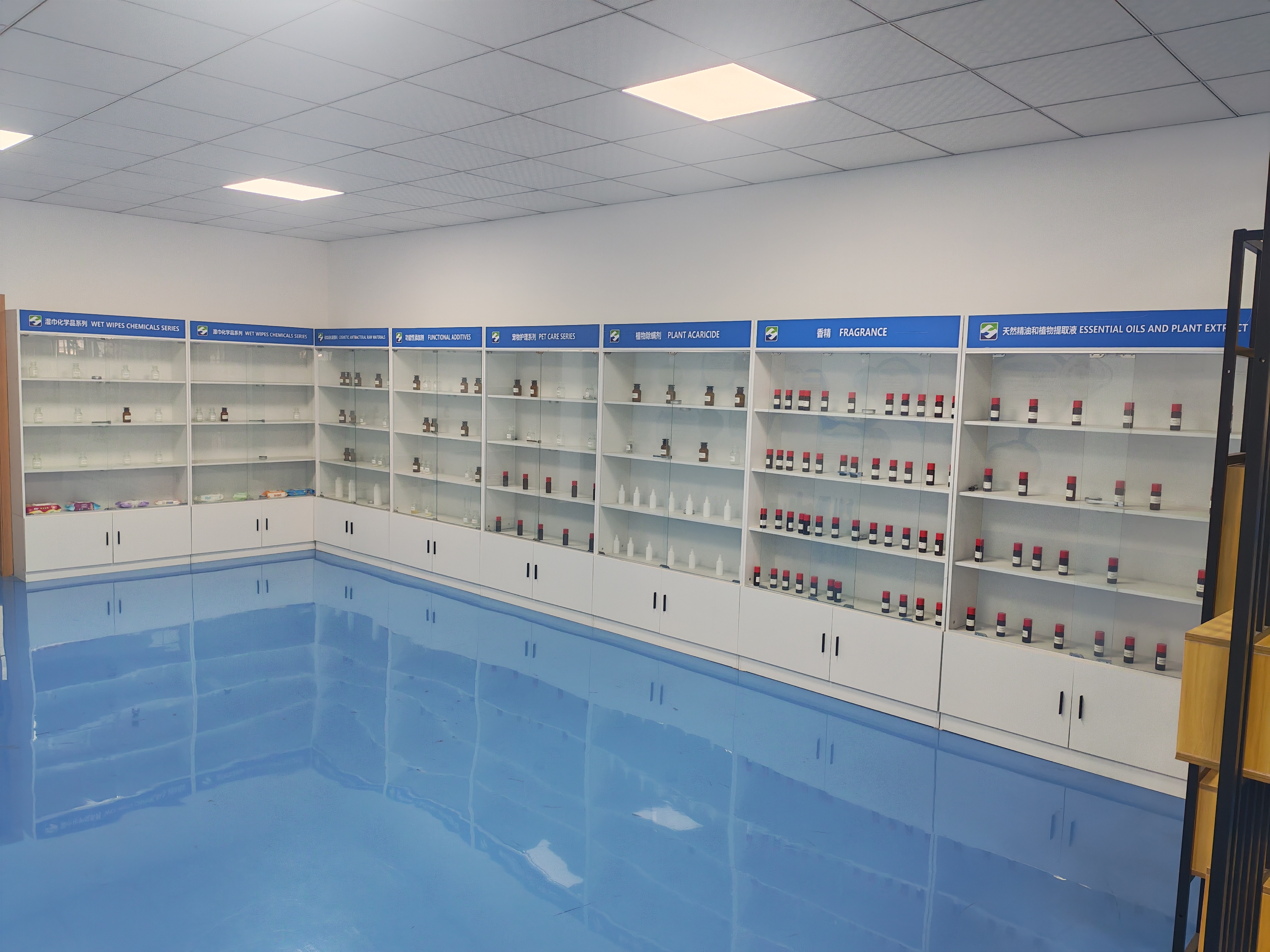
For buyers working through the Awareness and Research stages, the checklist is short: define the exact claim, map it to each market, ask for the documentation that supports it, verify it at production batch level, and only then approve the label. Xiamen Huaqiangda Biotechnology Co., Ltd. formulates and manufactures wipes liquid, fragrance, chemical raw materials and cosmetic preservatives from its facility at No. 199-1, Dongren West Road, Jimei District, Xiamen, Fujian, China, and supports OEM/ODM projects with a stated annual production capacity of 2,000 tons and export business accounting for 60% of total sales across Central Asia, Southeast Asia and South America.
To review formulation options or request a sample matched to your intended claim, contact the team at www.wipesliquid.com or download the product brochure: Wipes liquid product brochure (PDF). Email: wenkunhua@xmqfh.com | Tel / WhatsApp: +86 159-5929-1685.
Have Questions or Need More Details?
Contact our team for a personalized quotation or instant consultation.
Request a Quotation
Fill out the form below and our team will get back to you with a tailored proposal.
WhatsApp Direct Chat
Prefer to chat in real-time? Message us on WhatsApp for instant assistance & quick answers.
- Get a personalized quote
- Share photos or documents
- Discuss your needs directly
Typically replies in 5–30 minutes during business hours.