
Wipes Liquid OEM & Custom Formulation: What a Capability-Driven Supplier Must Deliver in 2026
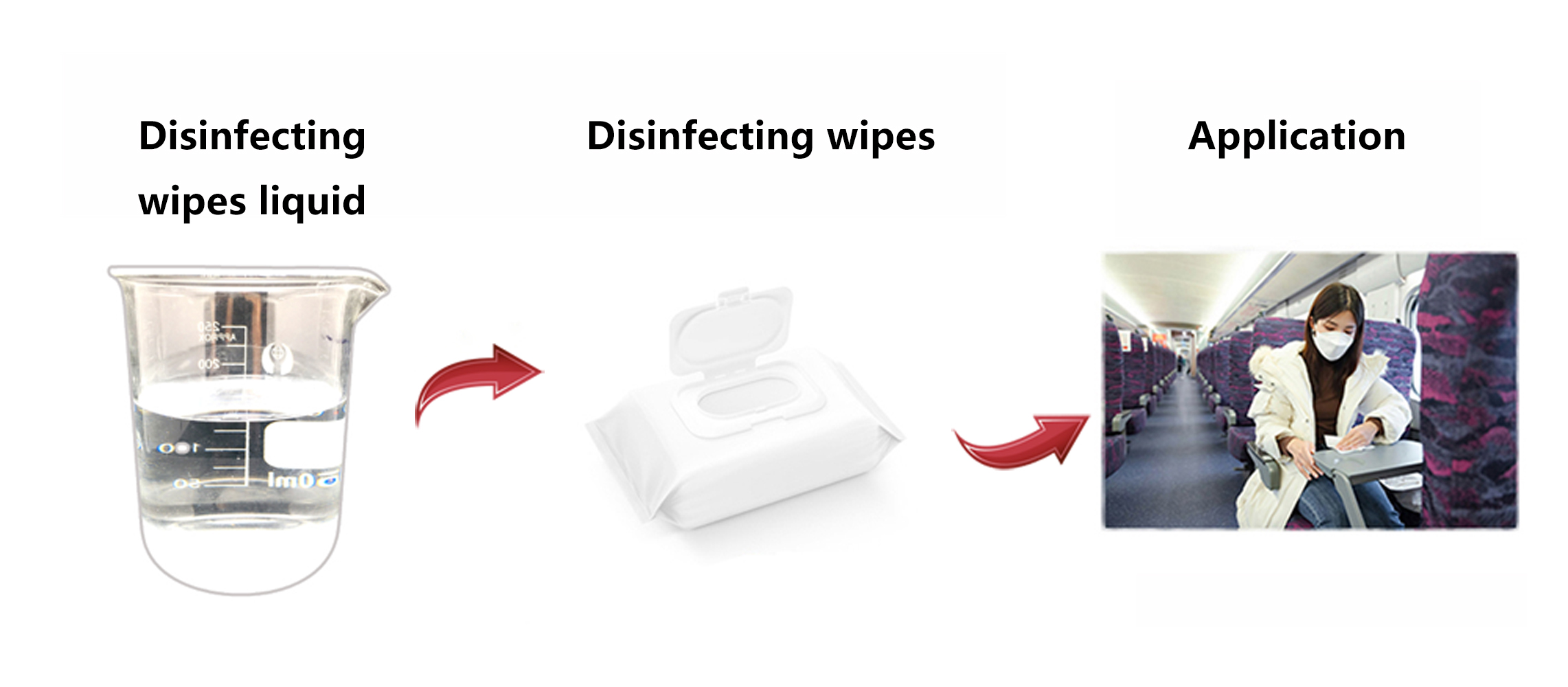
Wipes liquid is the pre-mixed solution impregnated into wet wipes to deliver cleansing, antibacterial, moisturizing, or skin-care functions. For buyers who need a specific performance profile, the practical question is not just “who sells wipes liquid” but “which supplier can custom-build the formulation around my application.” This article explains what capability-driven OEM/ODM wipes liquid sourcing involves, using Xiamen Huaqiangda Biotechnology Co., Ltd. as a working example.
The Problem: Standard Wipes Liquid Does Not Fit Every Production Line
Many buyers start with a generic wet wipes solution and later discover mismatches: the liquid foams too much on high-speed lines, the fragrance does not match the brand position, the pH irritates sensitive skin, or the preservative system fails local regulatory review. These issues are not solved by switching suppliers of the same standard formula. They are solved by selecting a supplier with formulation-level capability and a production system that can adapt the liquid to the substrate, the packaging, and the target market.
This is an Evaluation-to-Execution challenge: the buyer must verify technical capability before placing an order, then ensure the supplier can execute consistently at scale.
Industry Background: Where the Market Is Heading
Global wet wipes demand continues to grow, and the direction of growth is toward function-specific and skin-friendly products. According to Mordor Intelligence, natural and organic wipes variants are projected to expand at a 2.96% CAGR through 2031, driven by demand for alcohol-free and skin-friendly formulations. Baby wipes dominate the category with roughly 39.86% of global wet wipes revenue in 2025, and the disinfectant wipes segment is also expanding steadily. In this environment, brands increasingly need wipes liquid that is customized rather than generic.
Regulatory expectations add another layer. Wet wipes intended for cleansing or moisturizing skin are regulated as cosmetics under EU Regulation (EC) No 1223/2009 and by the FDA in the United States. Production of personal care wet wipes should follow ISO 22716 Good Manufacturing Practices (GMP) and include microbiological risk assessment. For OEM buyers, this means the supplier’s formulation and production documentation must be able to support the buyer’s own regulatory compliance.
In short, the market is shifting from “any wet wipes liquid” to “a wipes liquid that is safe, functional, and tailored to a specific brand, application, and market.”
What Is Capability-Driven Wipes Liquid Sourcing?
Capability-driven sourcing means evaluating a supplier on what it can formulate, customize, verify, and scale, rather than only on price or catalogue listings. A wipes liquid supplier with strong OEM/ODM capability should be able to help you answer four questions:
- Which surfactant, preservative, and functional ingredient system fits your product type?
- Can the formula be adjusted for fragrance, viscosity, pH, antibacterial performance, and moisturizing effect?
- Can the supplier provide the lab data, microbiological testing, and regulatory documents you need?
- Can the production line deliver consistent quality at your required volume and lead time?
This is especially relevant for wet wipes manufacturers, baby care brands, private label companies, and healthcare products distributors that serve markets such as Southeast Asia and Central Asia.
OEM, ODM, Private Label, and Custom Formula Development: What Each Means
Suppliers use different terms for their service models. Here is how they typically differ:
| Service Model | What It Typically Means | When to Use It |
|---|---|---|
| OEM | The supplier produces wipes liquid according to the buyer’s specified formula and technical requirements. | You already have a formula or a detailed specification and need reliable production capacity. |
| ODM | The supplier designs and develops the formula based on your product concept and performance targets. | You have a brand and application but need technical expertise to build the liquid. |
| Private Label | The supplier manufactures the product for you to sell under your own brand, usually with your packaging design and logo. | You want to launch a branded wipes product without building a factory. |
| Custom Formula Development | The supplier works with you to tailor ingredients, performance, and sensory properties from the ground up. | Your project requires specific skin-feel, antibacterial efficacy, fragrance, or regulatory compliance. |
Xiamen Huaqiangda Biotechnology Co., Ltd. offers all four production services: OEM, ODM, Private Label, and Custom Formula Development. In practice, the boundaries between these models often blur: an ODM project may include private-label packaging, and a custom formula may be produced on an OEM basis after approval.
Customization Capabilities to Evaluate Before You Commit
Once you confirm that a supplier offers OEM/ODM services, the next step is to check which parameters they can actually customize. A capable wipes liquid supplier should be able to adjust at least the following elements:
- Formula – the overall balance of surfactants, humectants, chelating agents, and functional additives.
- Fragrance – whether fragrance can be added, adjusted, or omitted entirely to meet brand or skin-sensitivity requirements.
- Antibacterial ingredients – selection and dosage of antibacterial actives to achieve the required kill rate while maintaining skin compatibility.
- Moisturizing ingredients – addition of humectants such as glycerin or other skin-conditioning agents to support baby care and sensitive-skin products.
- Viscosity – adjusting the liquid thickness for the intended substrate and application.
- pH value – tuning the pH to be compatible with skin, typically in a mild range for personal care wipes.
- Packaging design – from small drums to 25 kg pails and 1-ton IBC tanks, with customized packaging options.
- Logo printing – applying your brand identity to the packaging for private-label or distributor programs.
These customization options are part of Huaqiangda’s stated OEM/ODM service scope. From a buyer’s perspective, the presence of these options is a signal that the supplier is set up for structured custom development rather than just selling a fixed formula.
Wipes Liquid Types and Their Formulation Priorities
Different wipes applications require different formulation priorities. The same supplier may be able to produce several types, but you should confirm that the technical team understands the specific requirements of your category.
| Application | Key Formulation Priority | Typical Customization Questions |
|---|---|---|
| Baby wipes liquid | Gentle cleansing, low irritation, alcohol-free, moisturizing | Is the formula non-irritating for sensitive skin? Does the preservative system meet cosmetic regulations? |
| Antibacterial / disinfecting wipes liquid | Bactericidal efficacy with skin compatibility | Does the liquid achieve ≥99.9% bactericidal rate? Is it alcohol-free and non-irritating? |
| Pet wipes liquid | Deodorizing, gentle cleaning, anti-mite options | Is the deodorizing performance stable? Can anti-mite ingredients be added? |
| Personal care wipes liquid | Skin-friendly, cosmetic-grade, fragrance-controlled | Does it comply with cosmetic regulations? Can fragrance be customized or removed? |
| Household cleaning wipes liquid | Cleaning power and surface compatibility | Is the surfactant system effective for the target soil types? |
Huaqiangda’s wipes liquid product line, model HUA-QJ, covers baby wipes liquid, disinfecting wipes liquid, and pet wipes liquid. The company states that the product is used for baby wipes production, antibacterial wipes manufacturing, household cleaning wipes, and personal care wipes purposes. These are practical application segments that an OEM buyer might target.
Quality Control and Testing: The Evidence Behind the Formula
For Evaluation-stage buyers, the supplier’s quality control system is as important as the formula itself. A formulation that works in a lab sample may fail in production if raw materials, mixing, or microbiological controls are inconsistent.
Key elements to look for in a wipes liquid supplier’s quality system:
- Raw material inspection – incoming materials should be checked before production, not assumed to be compliant.
- Microbiological testing – finished liquid should be tested for microbial limits to ensure safety and stability.
- Stability testing – verifying that the liquid remains stable under different storage conditions and over time.
- Third-party inspection – independent testing, such as SGS, provides an additional layer of verification for export buyers.
Huaqiangda’s stated quality control process includes 100% raw material inspection, microbiological testing, stability testing, and optional third-party inspection such as SGS. In addition, the company reports a product bactericidal rate of ≥99.9%, a non-irritating and alcohol-free profile, and compliance with cosmetic regulations for its wipes liquid. These are verifiable product claims that can be documented through test reports and certificates.
Certifications That Matter for Global Buyers
Certifications are not just marketing badges; they define the scope of what a supplier is officially audited to do. When reviewing a wipes liquid supplier, check both the certificate type and the certified scope.
Huaqiangda holds an ISO 9001:2015 certificate, number SZ56425Q10129R0S, issued by Shenzhou Yixin (Beijing) Certification Co., Ltd. The certified scope covers “Blending and compounding of alkyl polyglycoside detergents and quaternary ammonium salt preservatives; Wholesale of fragrance,” and the standard basis is GB/T19001-2016. This means the company’s quality management system is certified specifically for the blending and compounding processes relevant to wipes liquid production.
For regulatory compliance, buyers should also note that personal care wipes are treated as cosmetics in many jurisdictions. ISO 22716 GMP is a widely recognized benchmark for cosmetic production, and the supplier’s ability to provide regulatory documentation is important for export markets. At a minimum, an OEM wipes liquid supplier should be able to support your own regulatory filing with formulation data, safety assessments, and test results.
Production Capacity and Lead Time
Capability is not only about formulation; it is also about scaling. Before selecting a wipes liquid supplier, confirm that the production capacity matches your forecast demand and that lead time supports your purchasing cycle.
Huaqiangda’s production profile includes a monthly capacity of 3,000 tons, with lead times of 3–15 days depending on the order type and customization level. The company’s facility includes a 100,000-level clean production workshop and standardized microbiology and fine chemical laboratories. Its overall annual output is approximately 2,000 tons across its product lines, with a factory area of 2,000 square meters and a team of around 50 employees, including a 5-person R&D team.
For an OEM buyer, these numbers answer two practical questions: can the supplier handle repeat orders at volume, and does the supplier have the laboratory infrastructure to support custom formulation development and ongoing quality verification?
Step-by-Step: How to Execute an OEM Wipes Liquid Project
If you are moving from evaluation to execution, a structured project process reduces technical and commercial risk. The following steps reflect how a capable OEM/ODM wipes liquid project typically proceeds:
- Define the application and target market. Identify whether the wipes liquid is for baby wipes, antibacterial wipes, pet wipes, household cleaning, or personal care, and note the regulatory requirements of your destination market.
- Provide target performance parameters. List required properties such as bactericidal rate, alcohol-free requirement, moisturizing effect, fragrance preference, viscosity range, and pH range.
- Request a formulation proposal. Ask the supplier to propose a formula and explain why each ingredient is included. For custom development, this stage may involve iterative lab adjustments.
- Verify testing and documentation. Review microbiological testing, stability testing, and any available third-party inspection reports. Confirm that the product can meet the customer-facing claims you intend to make.
- Confirm packaging and branding. Decide on packaging format, from 25 kg containers to 1-ton IBC tanks, and confirm whether logo printing or custom packaging design is included.
- Run a pre-production sample and pilot. Test the liquid in your own wipes production line if possible, especially for high-speed compatibility and substrate wetting.
- Place the order with clear commercial terms. Confirm MOQ, payment terms, delivery method, and pre-shipment inspection arrangements.
- Plan for ongoing quality tracking. Establish how the supplier will provide after-sales quality tracking, technical formula support, and production guidance after the order ships.
For a first order, the MOQ matters. Huaqiangda’s MOQ is 25 kg, which allows buyers to test a custom formulation before committing to large volumes. Payment terms commonly accepted are 50% T/T in advance and 50% T/T before shipment, with L/C at sight available for long-term cooperation. Delivery methods include EXW, FOB, CIF, DDU, and DDP, giving buyers flexibility in how they manage logistics.
Use Cases: Where Custom Wipes Liquid Capability Matters Most
Baby Care Brand Launching a Private Label Line
A baby care brand entering the wet wipes market needs a gentle, alcohol-free, low-irritation liquid that can be positioned as skin-friendly. The formulation must use ingredients suitable for sensitive skin, and the packaging should carry the brand’s own logo. This is a typical private-label ODM scenario where the supplier handles formulation and production while the brand owns the market positioning.
Wipes Manufacturer Serving Multiple Retail Segments
A wet wipes factory may produce different SKUs for different retailers: one antibacterial, one moisturizing baby wipes, and one household cleaning wipes. Switching between formulations on the same production line requires a supplier that can maintain consistent quality across multiple formulas and support fast lead times.
Healthcare Distributor Requiring Antibacterial Documentation
A healthcare products distributor wants antibacterial wipes with a documented bactericidal rate and cosmetic-compliant safety data. The supplier must provide technical documentation that supports regulatory review in the destination market, including microbiological test reports and stability data.
Huaqiangda’s export track record includes two years of cooperation with customers in Uzbekistan and Indonesia, with quantities of 120 tons and 80 tons respectively. The stated results are stable long-term antibacterial performance, increased production efficiency, and 100% positive reviews. The reported highlight is a gentle formula, stable liquid performance, customizable ingredients, low irritation, and compatibility with high-speed wipes production lines. These case details are useful as a reference for what an established OEM relationship can look like, but every buyer should conduct their own qualification process.
Comparison: What to Check When Comparing Wipes Liquid Suppliers
Because many suppliers in the market position themselves as OEM wipes liquid sources, comparing them requires a common checklist. The table below focuses on capabilities that can be verified before ordering.
| Evaluation Dimension | What to Ask | Why It Matters |
|---|---|---|
| Customization scope | Can the supplier adjust formula, fragrance, antibacterial ingredients, moisturizing ingredients, viscosity, pH, packaging, and logo? | A narrow customization scope means the supplier cannot truly fit the liquid to your product brief. |
| Production infrastructure | Does the supplier have a controlled workshop, laboratories, and in-house microbiology testing? | Clean-room conditions and lab capability reduce contamination risk and improve formulation stability. |
| Quality system | Is the supplier ISO 9001 certified, and is the certified scope relevant to wipes liquid production? | A relevant certificate demonstrates that quality management is audited, not just claimed. |
| Testing routine | Does the supplier perform 100% raw material inspection, microbiological testing, stability testing, and third-party inspection? | Testing protects your brand from product failures and regulatory rejection. |
| Volume and lead time | What is the monthly capacity and typical lead time for custom orders? | Capacity and lead time determine whether the supplier can support your growth and inventory plans. |
| Commercial flexibility | What is the MOQ? What payment and delivery terms are offered? | Low MOQ and flexible terms reduce risk during pilot and scale-up. |
This checklist is intentionally supplier-agnostic. It reflects the questions a buyer should ask before choosing a wipes liquid formulation partner, regardless of which supplier is being evaluated.
Limitations and Risks to Keep in Mind
Even a highly capable wipes liquid supplier cannot guarantee every outcome. Buyers should be aware of the following limitations:
- Regulatory responsibility is shared. The supplier can provide formulation data and test reports, but the buyer is responsible for ensuring the finished wipes product complies with its target market’s regulations.
- Custom development takes time. A fully customized formula may require multiple rounds of adjustment before it meets performance and stability requirements. Lead times of 3–15 days apply to production, not necessarily to the entire development process.
- High-speed line compatibility must be tested. A formula can perform well in a lab but behave differently on a specific wipes production line. Pilot testing is recommended before large orders.
- Market data varies by source. Different research firms report different wet wipes market sizes depending on scope. Buyers should use market data as directional context, not as a precise forecast for a specific region or segment.
These limitations are normal in OEM manufacturing. The goal of a structured sourcing process is to surface and resolve them before they become production problems.
FAQ
Does the wipes liquid comply with cosmetic regulations, and is it alcohol-free?
Huaqiangda’s HUA-QJ wipes liquid is described as non-irritating and alcohol-free, with a bactericidal rate of ≥99.9% and compliance with cosmetic regulations. European Union rules such as Regulation (EC) No 1223/2009 and FDA guidance in the US treat wet wipes intended for cleansing or moisturizing skin as cosmetics. Buyers should request the applicable documentation to support their own market registration.
Can the supplier develop a custom wipes liquid formula for my brand?
Yes. Xiamen Huaqiangda Biotechnology Co., Ltd. offers OEM, ODM, Private Label, and Custom Formula Development. Customization options include formula, fragrance, antibacterial ingredients, moisturizing ingredients, viscosity, pH value, packaging design, and logo printing. This allows buyers to develop a wipes liquid that is tailored to their product type and brand requirements.
What is the minimum order quantity and typical lead time?
The MOQ is 25 kg, which is suitable for pilot batches and custom formulation testing. Production lead time is typically 3–15 days depending on the order. Payment terms are 50% T/T in advance and 50% T/T before shipment, with L/C at sight available for long-term cooperation. Delivery methods include EXW, FOB, CIF, DDU, and DDP.
Can I get a sample of the wipes liquid before placing a bulk order?
Given the 25 kg MOQ and the company’s stated pre-shipment quality inspection process, buyers can reasonably expect to evaluate the formulation before committing to a large order. The company also supports third-party inspection such as SGS. For a sample or a small trial batch, contact the Huaqiangda team directly with your application and target performance parameters.
What after-sales support is available after the order ships?
Huaqiangda states that after-sales support includes technical formula support, production guidance, regulatory document support, and after-sales quality tracking. This is especially valuable for buyers who are scaling a new formulation and may need to adjust production parameters during their initial run.
Next Step: Start with a 25 kg Custom Trial
If your project requires a custom wipes liquid formulation, the fastest way to validate performance is to request a sample batch with your target parameters: application type, bactericidal requirement, fragrance preference, viscosity, and pH range. Contact Kelvin at +86 159-5929-1685 or email wenkunhua@xmqfh.com to discuss your project. You can also download the corporate brochure for a full capability overview.