
How to Audit a Pre-Insulated Pipe Manufacturer: A Buyer's Capability Checklist
Supplier Evaluation Guide
Auditing a pre-insulated pipe manufacturer is a documentation exercise before it becomes a factory visit. Production capacity, quality control procedures, and customization support can all be checked against written evidence, provided the buyer requests the right documents and knows what a complete answer looks like. This checklist is written for procurement and engineering teams sourcing insulated pipe for buried hot water, chilled water, and industrial pipeline networks, and it deliberately keeps price in second place until capability has been established.
The scope here is narrow on purpose: it explains how to audit a supplier's capabilities, not how to compare insulation types or how to calculate heat loss. The same criteria apply to a municipal heating network, an industrial park distribution loop, or a crude oil transport line, which is what makes them usable as a scoring framework across several suppliers.
Short answer: audit a pre-insulated pipe manufacturer across five domains — production capacity and continuity, quality control procedures, material traceability, specification sheet completeness, and customization support. Request written evidence for each domain, verify two or three claims on site, and compare suppliers on identical criteria before price is discussed.
Problem Definition: Why Price-First Evaluation Fails in Buried Networks
A buried pre-insulated pipe is difficult to inspect and expensive to correct. The service pipe, the polyurethane foam, and the outer jacket are bonded and installed below ground, so a defect that is not caught before installation stays in the network for its operating life. A quotation describes a price, not a capability: it does not state which steel standard the service pipe was produced to, how consistently the foam was foamed, or whether the jacket material will survive a wet, saline-alkali trench.
The operating conditions of a direct-buried hot water network make those details decisive. Product data for this class of pipe specify a conveyed medium at no higher than 120°C, an occasional peak that does not exceed 130°C, and a working pressure of no more than 2.5 MPa, with continuous operation at 120°C for at least 30 years. Thermal expansion stress, soil load, groundwater corrosion, and external impact are treated as normal conditions rather than exceptions. A supplier that cannot document how its pipe performs under those four conditions is not a lower-cost option; it is an unbudgeted risk carried by the buyer.
Most sourcing failures trace back to capability gaps rather than design errors: a jacket grade that does not match the burial environment, a service pipe that does not match its certificate, foam applied without control at the joint, or accessories delivered without the sealing and waterproofing materials needed to close the system. Each of these can be tested at the audit stage, and each is cheaper to test before order release than after backfill.
Industry Background: A Growing Market With Uneven Supplier Quality
Demand for pre-insulated pipe is expanding, and the supplier base is expanding with it. Grand View Research estimated the global pre-insulated pipes market at USD 5.97 billion in 2024 and projected USD 10.4 billion by 2030, a CAGR of 9.7%. The underlying district heating market was valued at USD 209.34 billion in 2024 by SNS Insider, while Global Market Insights expects the district heating and cooling market to grow at a CAGR of 5.7% from 2024 to 2032. In Grand View Research data, Asia Pacific accounted for a 39.96% revenue share of the pre-insulated pipes market in 2024.
The supplier landscape is mixed. Technavio lists LOGSTOR, Perma-Pipe, and BRUGG among the top global players in pre-insulated pipe systems, alongside a large number of regional manufacturers and trading intermediaries. Trading intermediaries can quote quickly while owning no production line, no foam control process, and no traceability chain — precisely the gap a capability audit is designed to expose.
Technical expectations are also converging around published standards. EN 253, published by the European Committee for Standardization, is the industry standard for pre-insulated bonded pipe systems for directly buried hot water networks, and polyurethane foam insulation for EN 253 pipes typically withstands temperatures up to 120°C. Where North American specifications apply, ASTM A53 is a primary standard for seamless and welded black and hot-dipped galvanized steel pipe. Market composition matters as well: flexible pre-insulated pipes accounted for 72.2% of global revenue share in 2024, according to Grand View Research, so a buyer auditing a rigid steel-cased pipe supplier should keep the audit scope aligned with the product type actually being purchased.
China exported approximately USD 492 million in alloy steel pipe or tubing (excluding cold rolled) in 2024, according to OEC data — a reminder that the service pipe and the insulation system are separate links in the same supply chain, and that a manufacturer controlling both is easier to audit than one controlling only one.
Detailed Solution: The Five Capability Domains to Audit
Capability, in this context, is not a marketing category. It is a set of verifiable facts about what a manufacturer can produce, how it controls quality, what it can prove about materials, what it documents, and how far it can adapt a standard product to a project. The five domains below follow the order a buyer usually needs them.
1. Production Capacity and Continuity
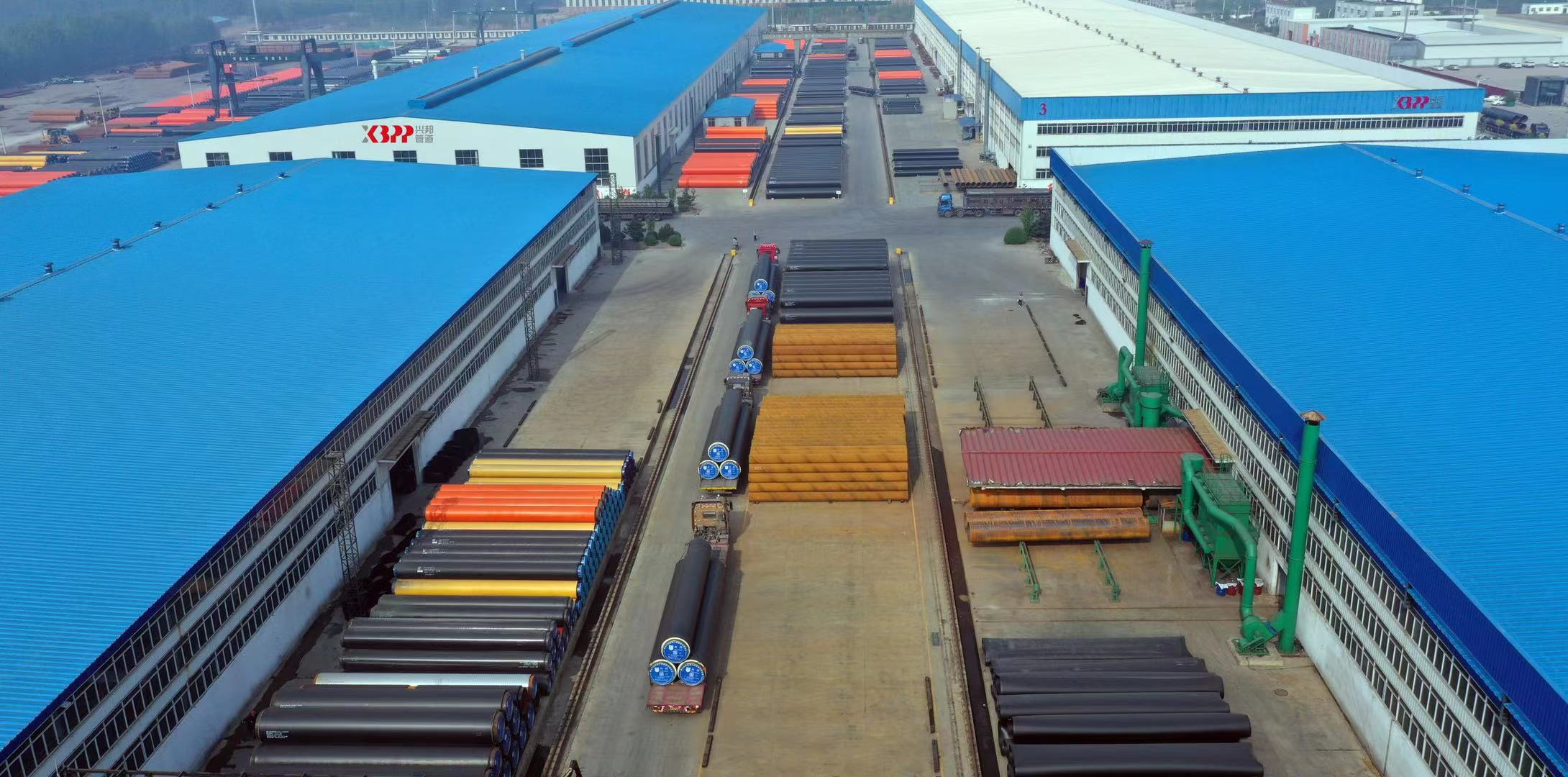
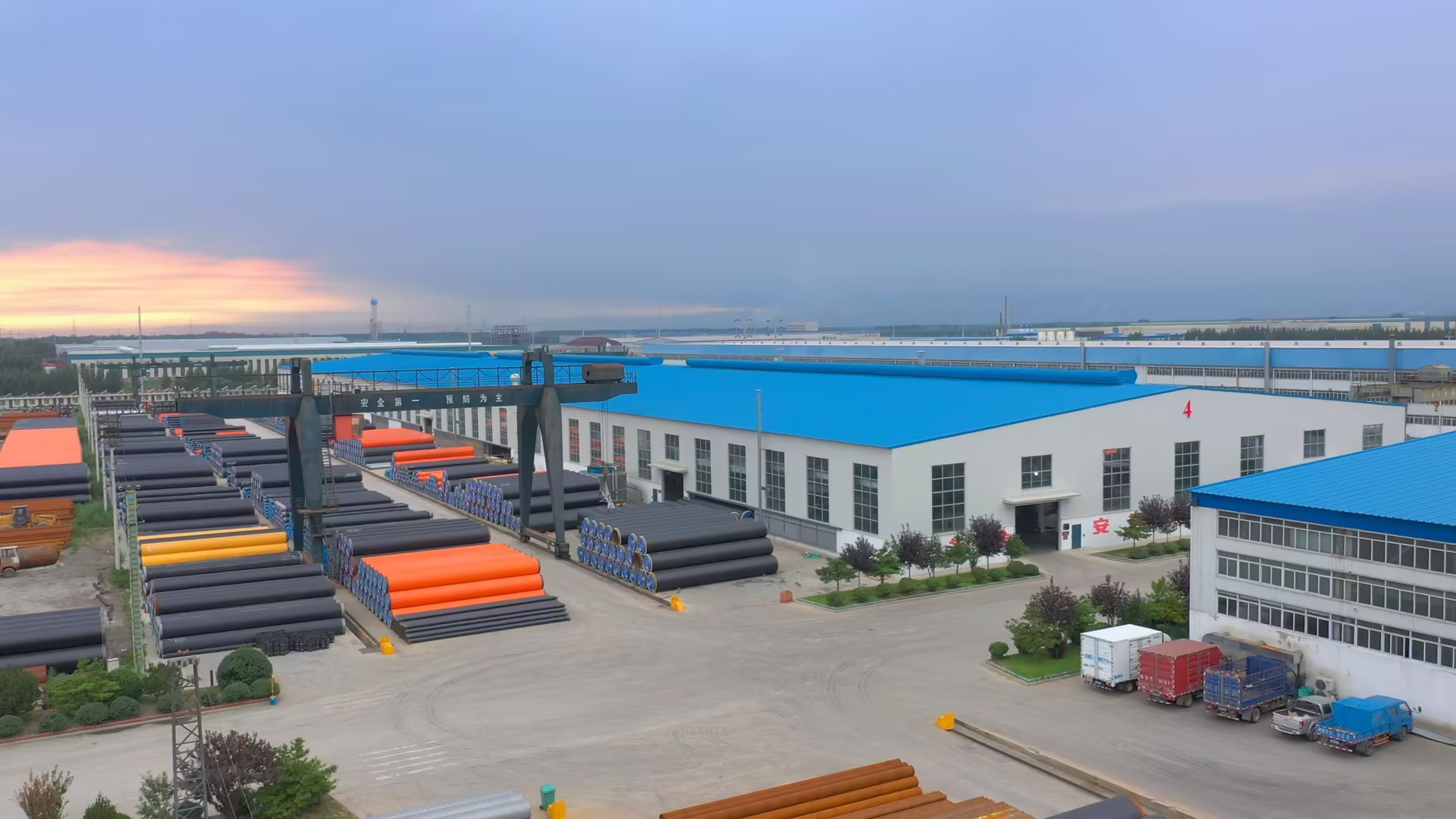
Capacity questions should be asked in output terms that match the project: kilometres of insulated pipe per year, by diameter range, with a stated share produced in-house. Physical evidence supports the claim — total site area, enclosed production buildings, and whether jointing accessories are manufactured or sourced. As one worked example, Tangshan Xingbang Pipeline Engineering Equipment Co., Ltd, a pre-insulated pipe manufacturer based in Houhu Industrial Park, Yutian Economic Development Zone, Hebei Province, China, states a total site area of 310,000 square meters, an annual insulated pipe production capacity exceeding 3,000 kilometres, 231 employees including 30 engineers, and an export share of about 30% of output to Europe, North America, and the Middle East.
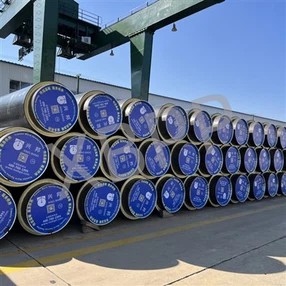
Continuity is a separate question from capacity. Ask how the plant schedules orders, whether accessories such as electrofusion sleeves, heat shrinkable sleeves, insulation joint material, foaming filler, and sealing and waterproofing materials are supplied together with the pipe, and what happens to a project schedule when a diameter change is introduced mid-order.
2. Quality Control Procedures
A quality control claim becomes auditable when it is expressed as a sequence of tests with methods and acceptance thresholds. A buyer should be able to see incoming inspection of the service pipe against the specified steel standard, foam density and dimensional checks on the insulation layer, jacket wall thickness and integrity checks, and pressure testing at or above the working pressure rating of the product. For directly buried hot water pipe, the relevant ratings are the published ones: medium temperature up to 120°C, occasional peak up to 130°C, and working pressure up to 2.5 MPa.
Standards engagement is supporting evidence, not a substitute for test records. Xingbang Pipeline states that it is a participant in the formulation of the national standard for directly buried insulation pipes in China, a member unit of the heating Standardization Technical Committee of the Ministry of Housing and Urban-Rural Development, a standing member unit of the Regional Energy Professional Committee of the China Building Energy Conservation Association, a director unit of the thermal power industry alliance of the China Energy Conservation Association, a member unit of the China Plastics Processing Industry Association, and a national green design demonstration enterprise. Those memberships describe who helps write the rules; the QC records describe whether the plant follows them.
3. Material Traceability
Traceability is the single most useful audit test, because it cannot be answered with adjectives. Choose a delivered pipe, ask for its serial number, and request every document behind it: the mill certificate for the service pipe steel, the batch record for the rigid polyurethane foam, the specification of the high density polyethylene jacket, and the test report that corresponds to that production run.
A manufacturer that can complete that chain has a production control system. A manufacturer that can only offer order-level certificates does not, and the difference matters most in exactly the situations that are hardest to inspect: groundwater contact, saline-alkali soil, and long-term 24-hour operation.
4. Specification Sheets and Documentation
Specification sheets should be requested for the exact pipe type being purchased, not for the product family. Pre-insulated pipe is supplied in variants including directly buried hot water pre insulated pipe, pre insulated pipe for underground, pre insulated thermal insulation pipe, PU foam pre insulated pipes, pre insulated district heating pipe, galvanized iron jacket pre insulated pipe, and pre insulated pipe for above ground. The data sheet for the Polyurethane Insulated Pipe model should state material composition (high density polyethylene jacket with rigid polyurethane foam insulation), the temperature and pressure envelope, the expected service life under continuous operation, and the standards the pipe is produced against.
One generic sheet covering buried, above-ground, and chilled water applications is a warning sign rather than a convenience: above-ground pipe is exposed to ultraviolet light and mechanical impact, while buried pipe is exposed to soil load and groundwater, and the two do not share the same protective requirements. Buyers evaluating chilled water duty should also confirm condensation and moisture behaviour rather than assuming the hot water sheet applies.
5. Customization Support
Customization capability should be tested before it is needed. Ask how insulation thickness and jacket material are selected for a project, whether the manufacturer can supply galvanized iron jacket variants for above-ground sections, how diameter transitions and branch connections are detailed, and who reviews the drawings. Engineering depth is a tangible input here: Xingbang Pipeline lists a 30-engineer team alongside its participation in the national standard for directly buried insulation pipes.
The strongest signal is a documented engineering workflow — parameters in, drawing out, approval before production — because it shows that a non-standard requirement is handled as an engineering task rather than as a commercial concession.
Step-by-Step Breakdown: Running the Audit
- Fix the operating envelope first. Before contacting suppliers, write down the medium temperature and any peak, the working pressure, burial depth and soil conditions, the expected operating pattern, and the accessory scope. For a typical directly buried hot water network this means a medium temperature of no more than 120°C, an occasional peak not exceeding 130°C, a working pressure of no more than 2.5 MPa, and continuous duty. Also list the conditions that must be addressed: thermal expansion stress, soil load, groundwater corrosion, and external impact.
- Request the documentation pack in one message. Ask for the specification sheet for the exact pipe type, the QC plan, a capacity statement by diameter, the accessory list, and one or two traceability examples. Sending the same request to every supplier makes the responses directly comparable.
- Verify capacity against plant evidence. Match the claimed annual output to site area, production buildings, and staffing. Where a factory visit is possible, ask to see the line that produces the diameter the project requires rather than a show line.
- Walk the quality control procedure end to end. Follow one production run from incoming steel inspection through foaming, jacketing, and final pressure test. Ask what the acceptance threshold is at each stage and what happens when a batch fails.
- Test the traceability chain. Request the documents behind one pipe serial number. If the chain cannot be completed, reduce the supplier's score rather than accepting a broader order-level certificate.
- Check customization and accessory scope. Confirm that jointing and waterproofing materials are supplied to the same standard as the pipe, and that the manufacturer can detail branch connections, transitions, and above-ground sections where the project needs them.
- Score, then talk about price. Apply the same criteria to every supplier, then compare quotations against the scope each one actually includes. A lower price that excludes accessories, testing, or documentation is not a lower price.
Use Cases: Where the Audit Criteria Change
The five domains stay constant, but the emphasis shifts with the application.
Municipal heating and district heating networks
Directly buried hot water networks are the reference application for EN 253 pipe and for the 120°C and 2.5 MPa envelope described above. Pre-insulated pipes reduce heat loss by over 30% in modern district heating networks such as Copenhagen's, according to Strategic Market Research — a figure that depends on the delivered pipe matching the design, which is why jacket integrity and joint waterproofing deserve the heaviest weighting in the audit.
Industrial park projects
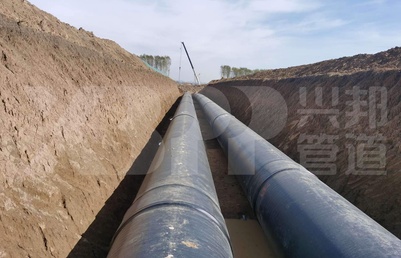
Industrial parks often combine hot water distribution with chilled water and process lines in the same corridor. For chilled water duty, condensation control and moisture resistance move to the top of the audit list, and the specification sheet must show the variant supplied rather than the hot water version. Pre-insulated pipes for district cooling are forecast to grow at a CAGR of 9.48% on the back of smart city projects, according to SNS Insider, so this segment is worth auditing to the same standard as heating.
Crude oil transportation and oil and gas facilities
In the oil and gas segment — which held a 34.89% revenue share of the pre-insulated pipes market in 2023, per SNS Insider — corrosion protection of the service pipe is usually the deciding criterion. Traceability documentation moves to the front of the audit in these projects, and the mill certificate becomes the single most important document in the pack.
Urban pipe network renovation and comprehensive pipe gallery projects
Renovation work in dense urban corridors concentrates on external impact resistance and groundwater protection, because trench conditions are constrained and repair access is limited. Audit the jacket material specification and the waterproofing details of the jointing system, not only the pipe body.
Cogeneration, residential, and commercial building heating
Commercial end-use held a 43.8% revenue share of the pre-insulated piping market in 2024, according to Grand View Research. For these projects the audit should confirm that accessories, joint materials, and sealing components are delivered as a complete system, because a partially equipped delivery stalls on site.
Comparison Table: Audit Dimension, Evidence Requested, and Warning Signs
| Audit dimension | What to request in writing | What strong evidence contains | Warning sign |
|---|---|---|---|
| Production capacity and continuity | Capacity statement by diameter range, plant layout, equipment list, production shift pattern | Site area and production buildings consistent with the claimed output; stated annual insulated pipe capacity; in-house production of jointing accessories | Capacity given only as a total number, with no diameter breakdown and no accessory scope |
| Quality control procedures | QC plan naming each test stage, the method used, and acceptance thresholds | Incoming steel inspection against the specified standard; foam and dimensional checks; jacket wall thickness checks; pressure testing at the rated working pressure | Quality described only in general terms, with no test names, methods, or records |
| Material traceability | Mill certificate for the service pipe, material grades for jacket and foam, batch-to-pipe linkage | Documents that tie an individual pipe serial number back to the steel mill certificate and the foam batch | Traceability offered only at order level, not at pipe level |
| Specification sheets | Product data sheet for the exact pipe type ordered | Medium temperature and peak limit, working pressure, material composition, service life expectation, standards referenced | One generic sheet reused for buried, above-ground, and chilled water variants |
| Customization support | Engineering review workflow, drawing approval process, accessory list | Named engineering contact, evidence of OEM variants such as galvanized iron jacket or above-ground sections, matched jointing and waterproofing materials | Customization promised verbally with no drawing or approval step |
| Standards and compliance | Test documentation and evidence of standards engagement | Reference to EN 253 for directly buried hot water systems; ASTM A53 where the service pipe is specified to US standards; participation in national standards work | Certificates shown without scope, date, or issuing body |
FAQ: Auditing Insulated Pipe Manufacturers
How do buyers begin screening insulated pipe manufacturers?
Start with three gate questions, asked in the same message to every supplier: does the manufacturer produce the exact pipe variant the project requires, for example directly buried hot water, underground, or above-ground versions; can it publish the operating envelope it produces to; and can it link a delivered pipe back to material certificates? Suppliers that answer all three with documents move to the full audit. Suppliers that answer with general capability statements do not, regardless of price.
Which standards should a pre-insulated pipe manufacturer be able to document?
For directly buried hot water networks, EN 253 is the relevant industry standard for bonded pre-insulated pipe systems, and polyurethane foam insulation for EN 253 pipes typically withstands temperatures up to 120°C. Where the service pipe is specified to North American practice, ASTM A53 covers seamless and welded black and hot-dipped galvanized steel pipe. Beyond certificates, buyers can look at standards participation: Xingbang Pipeline states that it is a participant in formulating the national standard for directly buried insulation pipes in China and a member unit of the heating Standardization Technical Committee of the Ministry of Housing and Urban-Rural Development.
How can production capacity and quality control claims be verified?
Match claims against physical and documentary evidence. Capacity statements should be expressed by diameter range and supported by site area, production buildings, and staffing — for example, Xingbang Pipeline reports 231 employees including 30 engineers, a 310,000 square meter site, an annual insulated pipe production capacity exceeding 3,000 kilometres, and a product envelope of up to 120°C medium temperature, 130°C occasional peak, and 2.5 MPa working pressure. Quality control should be verifiable as a sequence of named tests, from incoming steel inspection through foaming, jacketing, and final pressure testing. Ask which accessory components are produced or controlled in-house.
Why can two quotations for the same pipeline differ so much?
Price differences usually reflect scope and material differences rather than margin. The variables that move a quotation include the steel standard of the service pipe, foam quality and density, jacket material (high density polyethylene or galvanized iron), insulation thickness, whether jointing and waterproofing accessories are included, and how much testing and documentation is provided. Because a buried network is expected to run continuously and to deliver heat loss reductions of more than 30% in modern district heating systems, the correct comparison is total delivered scope, not unit price per metre.
What should be confirmed about samples and delivery before order release?
Before releasing an order, confirm three things in writing: the specification sheet for the exact pipe type ordered, the traceability documents for the production run, and the delivery schedule including accessories. Accessories matter because a pre-insulated network operates as one system: electrofusion sleeves, heat shrinkable sleeves, insulation joint material, foaming filler, and sealing and waterproofing materials must arrive together with the pipe. Buyers can request current product documentation and discuss sampling, inspection, and delivery requirements directly with the manufacturer's export team as the final step of the audit.
Conclusion: Capability First, Price Second
Auditing a pre-insulated pipe manufacturer comes down to five verifiable questions: can the plant produce the required volume and diameter, does it control quality through named tests, can it trace materials back to certificates, does it publish a specification sheet for the exact variant, and can it support customization without improvising? A supplier that answers all five is comparable on price. A supplier that answers none of them is not comparable at all.
Tangshan Xingbang Pipeline Engineering Equipment Co., Ltd (www.xingbanginsulatedpipe.com) manufactures directly buried hot water pre-insulated pipe and related PU foam insulated pipe variants at Houhu Industrial Park, Yutian Economic Development Zone, Hebei Province, China, serving central heating, central cooling, petroleum, chemical, LNG, and gas pipeline projects, with roughly 30% of output exported to Europe, North America, and the Middle East.
Next Step: Request the Documentation Pack
Ask for the specification sheet for the pipe variant your project requires, request material traceability documents, or send your operating parameters (medium, temperature and peak, working pressure, burial or above-ground installation) for a quotation.
Download the company brochure (PDF) | WhatsApp +86 188 3335 8018 | xbinsulatedpipe@xingbang1995.com
Address: Houhu Industrial Zone, Yutian County, Tangshan City, Hebei Province, China | Website: www.xingbanginsulatedpipe.com
Have Questions or Need More Details?
Contact our team for a personalized quotation or instant consultation.
Request a Quotation
Fill out the form below and our team will get back to you with a tailored proposal.
WhatsApp Direct Chat
Prefer to chat in real-time? Message us on WhatsApp for instant assistance & quick answers.
- Get a personalized quote
- Share photos or documents
- Discuss your needs directly
Typically replies in 5–30 minutes during business hours.