
Pre-Insulated vs Onsite-Insulated Pipe: A Buyer Decision Comparison
Pre-Insulated vs Onsite-Insulated Pipe: A Buyer Decision Comparison
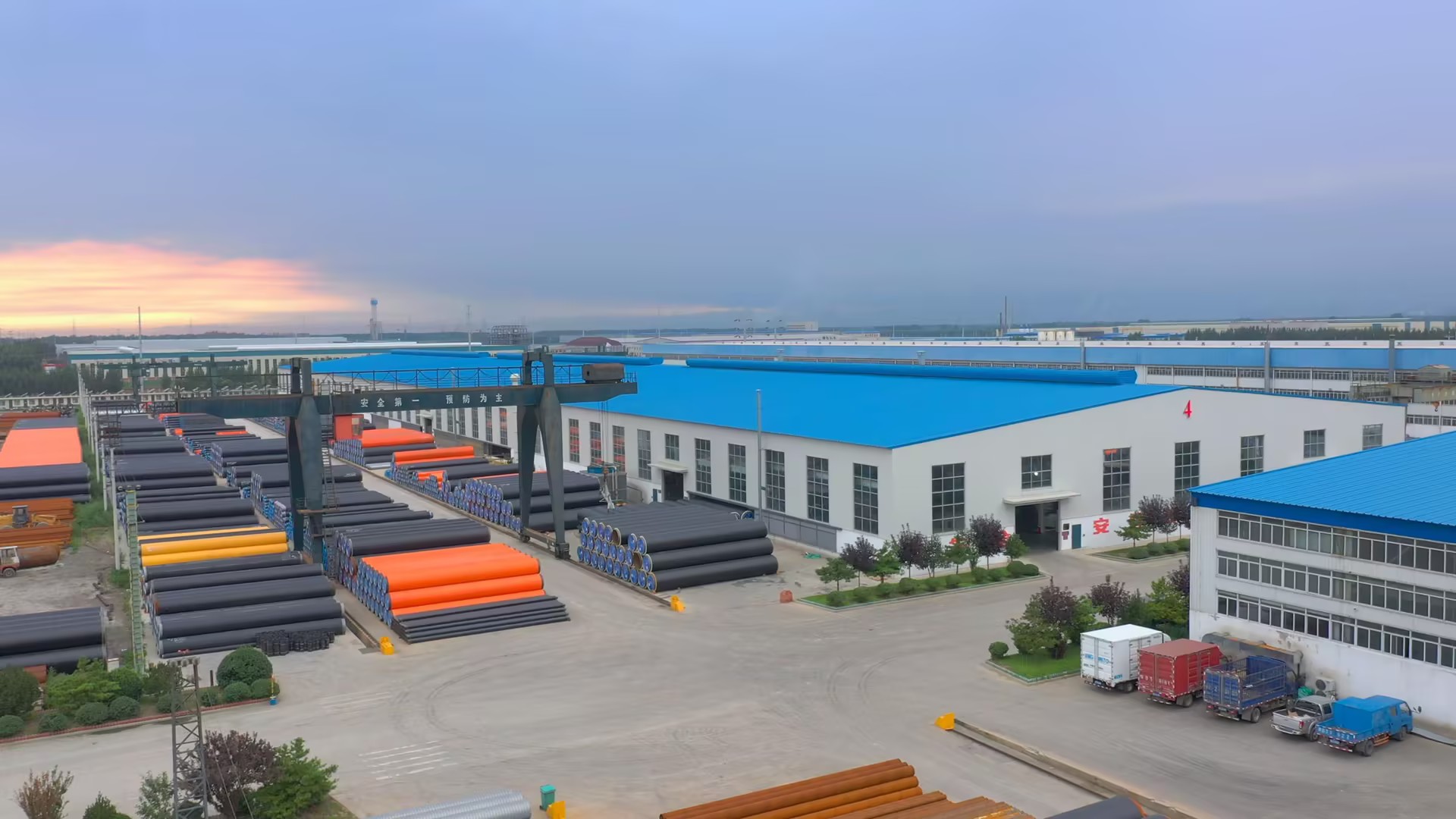
Aerial view of Xingbang’s production facility. The article compares factory pre-insulated pipe with conventional onsite-insulated pipe at the buyer decision stage.
When engineers and procurement teams evaluate “insulated pipe” for a project, the most common comparison is not simply between brands. It is between a factory-made pre-insulated pipe and a conventional pipe that receives thermal insulation on site. This decision becomes especially important when the pipeline will be directly buried, because access after installation is limited. This article explains the comparison from a buyer’s viewpoint, including what the data shows, what risks need to be addressed, and what a decision-grade process should include.
Tangshan Xingbang Pipeline Engineering Equipment Co., Ltd, commonly referred to as Xingbang, is a China-based manufacturer of directly buried hot water pre insulated pipe. The company operates from Houhu Industrial Park, Yutian Economic Development Zone, Hebei Province, and its export markets include Europe, North America and the Middle East. Xingbang’s main product category is the subject of this comparison, and its manufacturer data is used here to illustrate production-control points that buyers should verify.
Why This Comparison Matters for Buried Networks
Buried pipelines are located in an environment that is difficult to inspect and costly to repair. If thermal stress, overheating, corrosion or excessive heat loss occurs, the consequence can be shutdown and excavation of the route. For this reason, project specifications usually try to avoid relying on field workmanship alone.
Manufacturers address these risks through design: real-time temperature monitoring, anti-corrosion coating protection, thermal insulation protection, and stress-relief structural design. The supplier’s ability to combine these measures is often more important than the theoretical performance of a single insulation material.
Market Context: Why Pre-Insulated Pipes Are Gaining Share
Global demand for district heating and cooling systems is growing, and pre-insulated pipe is following the same trend. Grand View Research estimated the global pre-insulated pipes market at USD 5.97 billion in 2024 and projected it to reach USD 10.4 billion by 2030, representing a CAGR of 9.7%. The connected district heating market was valued at USD 209.34 billion in 2024 by SNS Insider. For buyers, this means more suppliers are entering the market and process-control differences deserve extra attention.
Regionally, Asia Pacific accounted for a 39.96% revenue share of the pre-insulated pipes market in 2024 according to Grand View Research. A separate estimate from Credence Research places Europe at around 38% of the pre-insulated pipe systems market. These numbers are useful signals, but a project-level comparison should still be based on the operating conditions, route length and local codes that apply to the specific installation.
What Pre-Insulated Pipe Does Differently
A factory pre-insulated pipe is delivered with the insulation layer and protective jacket already applied around the carrier pipe. For underground hot water lines, the design must manage three things at the same time: contain the hot water, prevent corrosion on the carrier pipe, and keep heat loss low. The phrase “pre insulated pipe for underground” is widely used because most long-distance district heating and cooling lines are installed below grade.
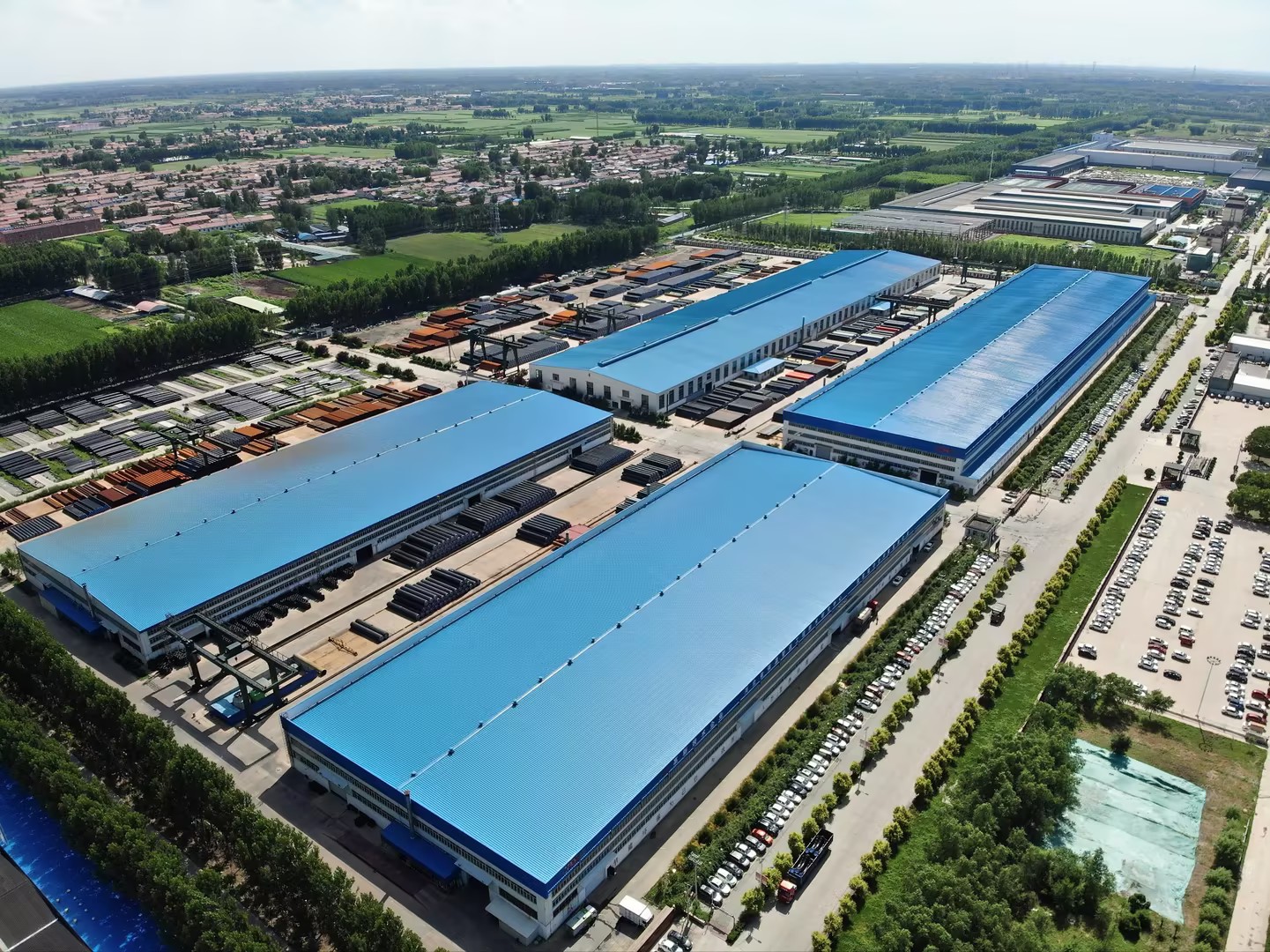
Large-format production requires standardized factory bonding and consistent quality control for directly buried hot water pre insulated pipe.
Xingbang’s directly buried hot water pre insulated pipe uses high-density polyurethane thermal insulation and 3PE anti-corrosion treatment. It also supports a direct-buried pipeline online monitoring system. These elements should appear in a buyer’s technical checklist because they directly affect long-term heat loss and repair risk.
Quality Safeguards That Change the Comparison
Factory production can standardize the insulation density, processing temperature and testing sequence more consistently than an onsite assembly crew. Xingbang states that it performs incoming raw material inspection and full-batch product performance testing. The company also builds in optical fiber temperature measuring sensors, which support continuous temperature monitoring along the pipe route. For buried pipelines, this combination of detection and protection is a strong argument for a factory-bonded pre-insulated system.
Quick Comparison: Factory Pre-Insulated vs Conventional Onsite-Insulated Pipe
The table below summarizes the comparison points that are relevant when a central heating supply network is the end use.
| Attribute | What the comparison shows |
|---|---|
| Energy performance | Factory pre-insulated pipe offers higher efficiency and a reported thermal performance gap of about 0.4°C/km compared with conventional onsite insulated pipe. |
| Installed cost | In comparative data for this product category, pre-insulated systems can cost roughly 10% lower than conventional onsite insulated pipe. |
| Maintenance | Pre-insulated pipe requires less maintenance in service. |
| Best fit | Central heating supply, especially directly buried hot water networks. |
Note: these comparative values describe a typical product-level comparison; actual results depend on route length, soil conditions, pipe diameter and installation quality.
A Decision Framework for Comparing Insulated Pipe Options
The following six steps are intended for evaluators who need to select an insulated pipe system for a district heating or cooling project.
1. Define the Operating Medium and Temperature
Hot water, chilled water and steam have different operating conditions. For a directly buried hot water network, EN 253 is the industry standard for pre-insulated bonded pipe systems. Buyers should confirm that the proposed pipe system is specified for the actual medium and temperature range of the project.
2. Separate Underground and Above-Ground System Requirements
Directly buried hot water pre insulated pipe is manufactured for underground installation. An above-ground installation exposes the outer jacket to weather and mechanical impact, so the jacket specification must be suitable for that environment. Buyers searching for “pre insulated pipe for above ground” should therefore ask for a jacket design matched to exposure conditions, not simply reuse a buried-network specification.
3. Quantify Heat Loss Requirements
The purpose of insulation is to control temperature loss along the route. In product-level comparisons, the thermal performance gap between factory pre-insulated pipe and conventional onsite insulated pipe is about 0.4°C/km. On a long trunk line, a fraction of a degree per kilometer can translate into a measurable annual energy saving. Pre-insulated pipes in modern district heating networks such as Copenhagen’s have also been reported to reduce heat loss by more than 30%.
4. Demand Corrosion Protection and Monitoring Capability
Corrosion protection prevents early failure of the carrier pipe. Monitoring capability helps the operator identify changes before they become visible at the surface. A robust product system should include anti-corrosion coating protection and a mechanism to verify thermal insulation integrity. At manufacturer level, this can take the form of 3PE anti-corrosion treatment and an online direct-buried pipeline monitoring system.
5. Audit Process Control in the Factory
Factory insulation is only valuable when it is consistent across long production runs. Buyers should ask whether raw materials are inspected when they arrive and whether the insulation performance is tested on a full-batch basis. Xingbang, for example, states that it performs incoming raw material inspection and full-batch product performance testing. These process controls are evidence that a supplier can produce uniform pre insulated pipe at scale.
6. Request Project-Specific Evidence and Samples
Generic brochures do not replace project-level confirmation. At the decision stage, request samples, dimensional reports, test certificates and installation details for the specified route length. Also ask whether the manufacturer can integrate built-in optical fiber temperature measuring sensors into the complete direct-buried pipe system.
Common Use Cases for Pre-Insulated Pipe in District Energy Projects
Municipal central heating networks. Central heating supply is the core application for the directly buried hot water pre insulated pipe category. Xingbang has built its main product line around this application and reports annual insulation pipe production capacity of more than 3,000 kilometers. Buyers for municipal networks typically require long production runs and standard-based quality.
District cooling systems. Pre-insulated pipes for district cooling are also expanding as smart city projects increase demand. Market projections cited by SNS Insider place the pre-insulated pipes segment for district cooling at a CAGR of 9.48%. The same factory-bonded insulation and monitoring principles used for heating apply to cooling, although the operating temperature and condensation control requirements differ.
Petroleum, chemical and other industrial process lines. The oil and gas segment accounted for 34.89% of pre-insulated pipe revenue in 2023 according to SNS Insider. In industrial environments where thermal stress, corrosion risk and downtime costs are high, pre-insulated systems with anti-corrosion treatment and monitoring capabilities can be a suitable choice.
Frequently Asked Questions
Does pre-insulated pipe for hot water need to meet EN 253?
EN 253 is the relevant industry standard for pre-insulated bonded pipe systems for directly buried hot water networks. Polyurethane foam insulation used for EN 253 systems typically withstands temperatures up to 120°C. Buyers should require the manufacturer to confirm production against the standard specified by the project. Xingbang has participated in the formulation of the national standard for directly buried insulation pipes, which indicates first-hand experience with standard-based production.
What capability should a pre-insulated pipe manufacturer demonstrate for underground networks?
A manufacturer should demonstrate capability in carrier pipe protection, insulation integrity and system monitoring. Practical evidence includes 3PE anti-corrosion treatment, high-density polyurethane thermal insulation, an online monitoring system for direct-buried pipelines, and built-in optical fiber temperature measuring sensors. Suppliers that perform incoming raw material inspection and full-batch product performance testing provide stronger assurance for long underground hot water lines.
Is pre-insulated pipe more expensive than conventional onsite-insulated pipe?
It is not necessarily more expensive. Comparative data in this category shows around 10% lower installed cost for pre-insulated pipe compared with conventional onsite insulated pipe, while also requiring less maintenance and delivering higher efficiency. Actual cost depends on pipe diameter, route length, burial conditions and local labor rates, so a project-specific quotation is needed for a reliable comparison.
How can a buyer validate insulated pipe quality before a large order?
Buyers should ask for samples, factory test protocols, and process-control evidence before placing a large order. Objective quality signals include incoming raw material inspection and full-batch product performance testing. If the manufacturer also provides integrated monitoring components such as optical fiber temperature sensors, the buyer can verify that the complete system is designed for underground operation.
What lead time should a buyer expect for directly buried hot water pre-insulated pipe?
Lead time depends on manufacturing capacity, carrier pipe availability, and the length and diameter of the order. Xingbang reports annual insulation pipe production capacity of more than 3,000 kilometers, which means medium-scale orders can usually fit into regular production cycles. For an accurate project schedule, contact the supplier with the required diameter, length and delivery region.
Bottom Line
Decision-makers comparing insulated pipe should compare more than diameter or brand name. The difference between factory pre-insulated pipe and onsite-insulated pipe appears in heat loss, maintenance frequency and monitoring capability. Comparative data in this category points to around 10% lower cost, lower maintenance, higher efficiency and a thermal performance gap near 0.4°C/km for pre-insulated designs used in central heating supply.
Working with a supplier should include verification of the required standard, confirmation of anti-corrosion and monitoring measures, and review of factory process controls. Tangshan Xingbang Pipeline Engineering Equipment Co., Ltd offers factory-built directly buried hot water pre insulated pipe and serves export projects in Europe, North America and the Middle East.
Next step for procurement teams
Download the Xingbang bilingual brochure to review product lines and capacity information: Download the company brochure
Visit the official manufacturer website: www.xingbanginsulatedpipe.com
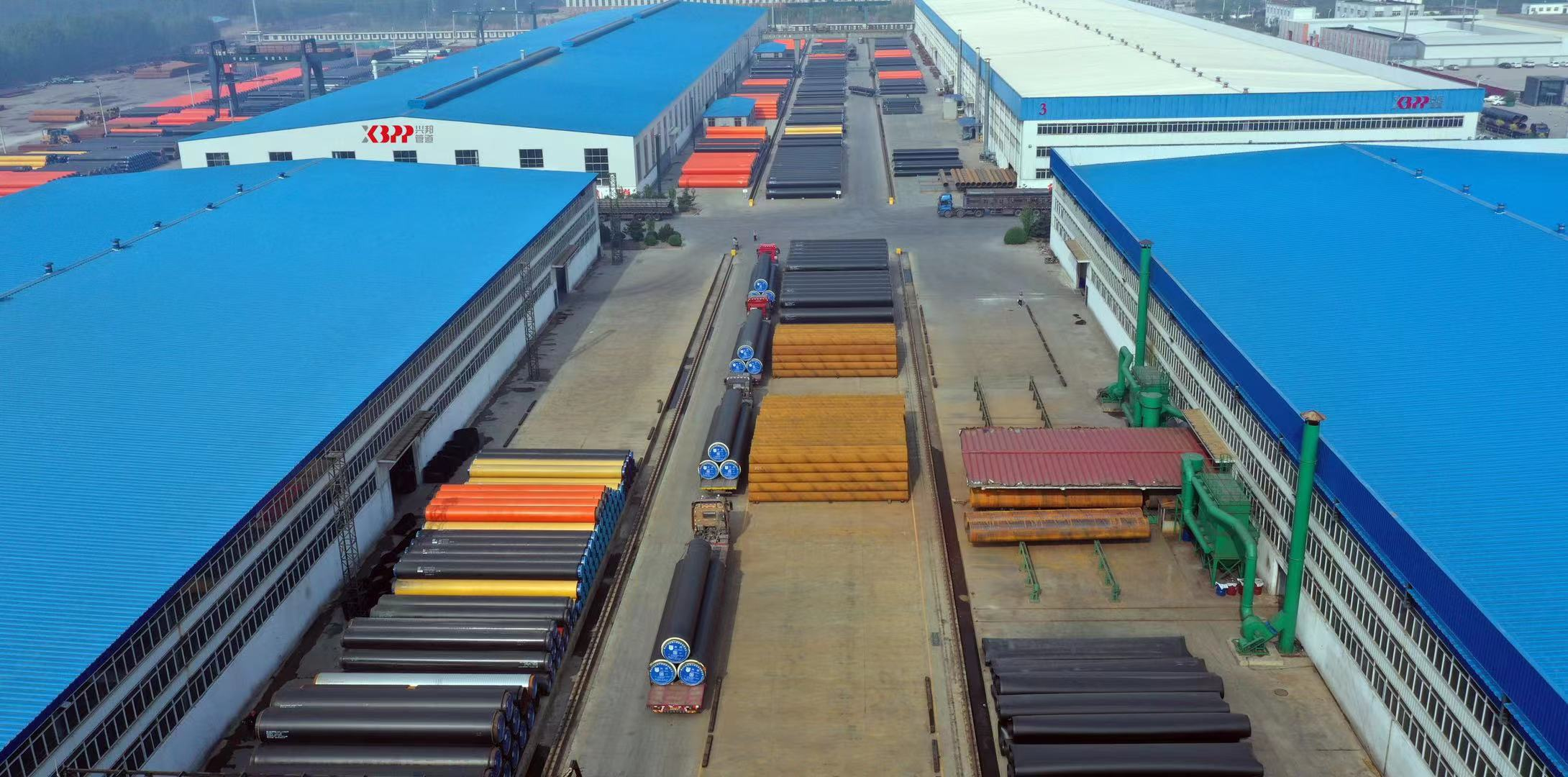
Factory capacity and standard-based quality control are key considerations for buyers at the decision stage.