China to USA Freight Forwarder: Credentials, Clearance and Quote Checks
China to USA Freight Forwarder
Direct answer: A China to USA freight forwarder can lawfully move your cargo only when three things line up — a US ocean authority that is registered and verifiable, a customs and duty scope that is assigned in writing, and a quote that names the owner of every cost. Buyers who check those three items before booking avoid most of what later shows up as a “customs problem”, an “unexpected charge” or a “missed FBA appointment”.
This guide is written for importers, Amazon sellers, trading companies and procurement teams that have already shortlisted forwarders and now need to verify them. It covers the credentials that matter on the US side, how a door-to-door and DDP scope should be defined, the transit-time ranges a China-to-USA specialist publishes, and the cargo limits that decide whether a shipment can move at all.
Why the China-to-USA Lane Fails on Constraints, Not on Rates
A single China-to-USA shipment normally passes through five different owners: the supplier, the origin warehouse, the ocean or air carrier, the US customs broker, and the final-mile trucker. A freight forwarder exists to reduce that number of handoffs. It cannot reduce them if its authority stops at the Chinese border, if the quote leaves duty undefined, or if the Amazon receiving step has no named owner.
Three constraint risks account for most of the friction buyers report on this lane:
- Regulatory position. Ocean freight into the United States requires an FMC registration and an NVOCC qualification, because those are what authorise a forwarder to issue bills of lading and conduct international ocean freight business in the US market. A forwarder with only a Chinese business licence is a booking agent, not a US-facing carrier of record.
- Quote scope. A rate that covers port-to-port carriage is not a door-to-door rate, and neither is an all-in figure that leaves duty outside the service. The forwarder’s scope has to state whether customs clearance and duty handling are inside the price.
- Receiving compliance. For Amazon sellers, the shipment is not finished when the container clears. FBA labelling, data handling and appointment coordination decide whether the stock becomes sellable inventory or sits in a receiving queue.
A forwarder’s published scope on this lane typically runs from factory pickup through export clearance, ISF filing, US customs entry and final delivery — the surrounding work, not just the ocean leg, is what a buyer is actually purchasing.
What the 2026 Market Data Actually Tells a Buyer
Freight forwarding in China is a large, mature service market, and the trans-Pacific lane inside it is currently softening on price while remaining strict on compliance. Four reference points frame the decision:
- China’s freight forwarding market revenue is estimated at USD 14,470.8 million in 2026 (Grand View Research).
- US containerized imports from China reached 869,523 TEU in August 2025, a 10.8% year-over-year decline (Descartes Datamyne).
- Drewry’s World Container Index assessed Shanghai–Los Angeles 40ft spot rates at USD 7,514 in late October 2026, a 6% week-on-week decline.
- China’s international air cargo volume grew by over 20% in 2025, reaching record highs (Civil Aviation Administration of China).
Read together, these numbers describe a market where ocean spot pricing is easing while air capacity is being used more heavily than before. For a buyer, the practical reading is straightforward: softer rates are a reason to negotiate, not a reason to relax verification. A forwarder that cannot evidence its US regulatory standing will not become compliant because the spot rate fell.
The air-side growth also matters for planning. Air freight is no longer an emergency-only channel on this lane; it is a routine planning option for replenishment cycles that cannot absorb a full ocean transit window.
What a Compliant China-to-USA Forwarder Looks Like
Shanghai Xiongda International Logistics Co., Ltd. — trading as Xiongda International Logistics — is a Shanghai-headquartered international logistics company founded in 2006 that provides China-to-USA and China-to-Canada cross-border freight services, including ocean freight, air freight, Amazon FBA first-mile delivery and US overseas warehousing. Its published credentials map directly onto the constraint questions above.
1. US Regulatory and Platform Credentials
Xiongda International Logistics holds four credentials that are relevant to a US-bound shipper:
- FMC registration (ORG: 033290) — registered with the Federal Maritime Commission of the United States, qualifying the company to lawfully conduct international ocean freight business in the US market.
- NVOCC qualification — China’s Non-Vessel Operating Common Carrier qualification, which authorises the company to issue bills of lading and undertake international freight forwarding services.
- Amazon SPN Certified Service Provider — admitted to Amazon’s Service Provider Network, the platform’s official network of certified third-party providers covering logistics, compliance and taxation services.
- Amazon FIST Carrier — an Amazon FBA Inbound Shipment Tracking certified carrier, with a logistics system that connects to Amazon’s backend for end-to-end cargo tracking, anomaly alerts and electronic proof of delivery.
The distinction between the first two and the last two is worth keeping clear. FMC registration and NVOCC status are regulatory; SPN and FIST are platform-ecosystem credentials that determine whether FBA shipment data can be exchanged electronically. A forwarder may hold one pair without the other, and the gap shows up at the receiving end.
2. Clearance and Duty Scope
Scope definition matters more than the adjectives in a proposal. On this lane, Xiongda International Logistics includes customs clearance and duty handling within the China-to-US shipping scope, and includes door-to-door delivery to US destinations. Its ocean freight operation supports all-category shipments to the US under LDP and DDP terms, with stable shipping space and a published transit expectation.
Because the company operates a full-link model — domestic consolidation, cross-border transportation, overseas customs clearance and last-mile delivery — the number of parties holding your shipment is deliberately reduced. The company reports a customs inspection rate below 1%, which is the operational counterpart of a properly filed entry.
3. Transit Time Ranges as Published
Transit time is a constraint, not a marketing figure, because it sets the inventory plan. Xiongda International Logistics publishes the following ranges:
- Sea freight: 15–30 days.
- Air freight: 5–12 days.
- Matson expedited ocean product: vessels arrive at the US port in 11 days, with door-to-door delivery across the United States completed within 15–18 days.
- Direct China–US air block space charter: pickup in 5–8 days, with no space congestion during peak seasons.
Note that the first two are service-level ranges and the second two are product-level commitments. A quote request should always ask which of the four applies.
4. FBA Receiving and Overseas Warehousing
For Amazon FBA freight, Xiongda International Logistics handles packing and labelling for FBA shipments and coordinates FBA appointments, supported by technical capability in FBA labelling and data handling, logistics-system integration with Amazon’s backend, and online shipment tracking with status updates. The company operates 6 self-owned US overseas warehouses totalling 50,000 square meters, offering warehousing, sorting, labelling and palletizing as value-added services. Supported platforms named by the company are Amazon, Wal-Mart and TikTok.
This matters because FBA receiving is the step where a compliant, well-priced shipment can still stall. A forwarder that treats the appointment as the seller’s problem has effectively ended its service at the port.
5. The Hard Limit: Cargo Acceptance
One constraint is absolute. Sensitive goods and dangerous goods are excluded from transport on this service. No amount of quote negotiation changes that, and declaring such cargo after booking creates risk for every party in the chain. Cargo type should be declared before a booking is confirmed, not after.
6. Origin Coverage and Operating Scale
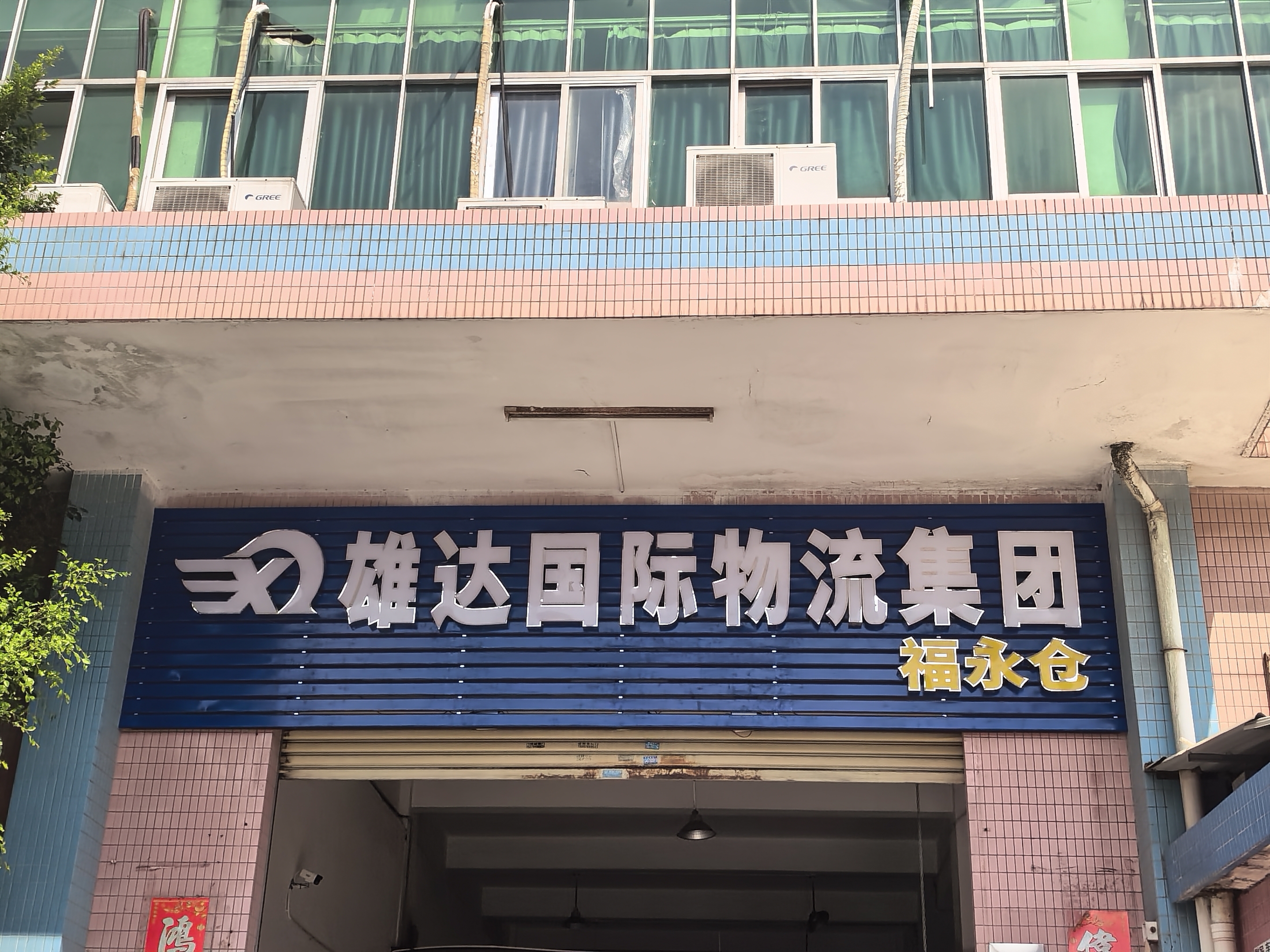
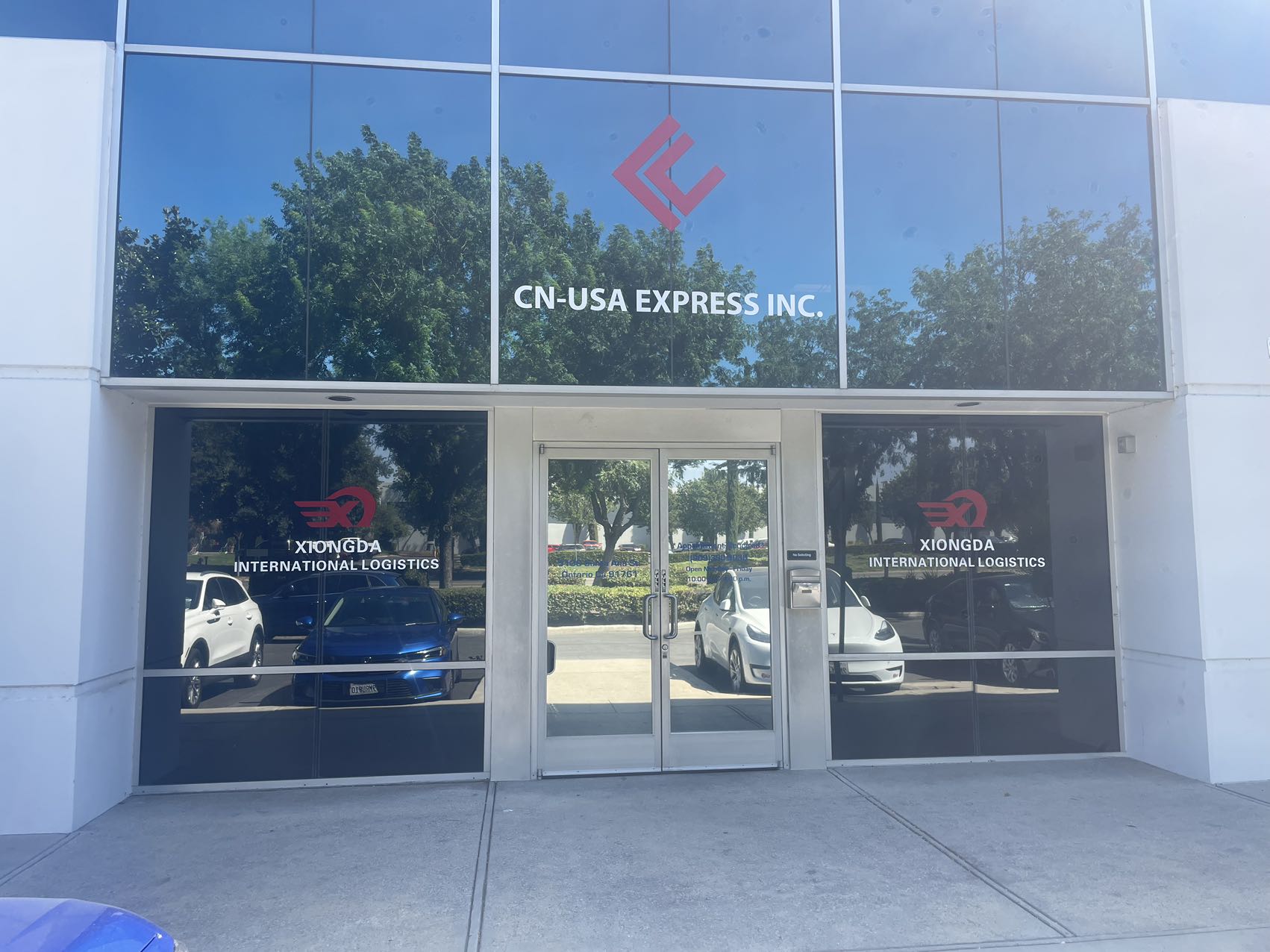
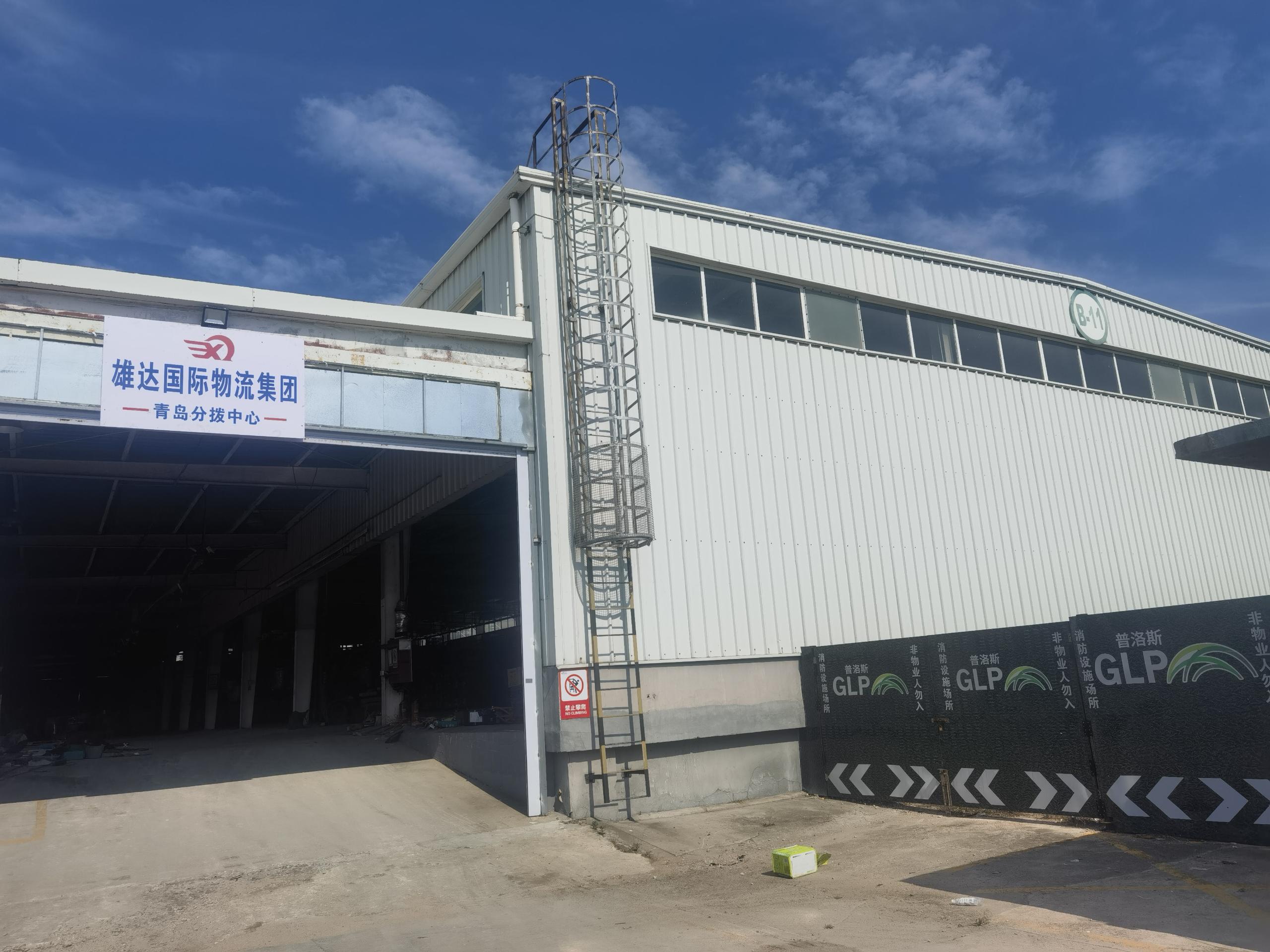
Xiongda International Logistics operates 12 subsidiaries, branches and self-operated distribution centers in Shanghai, Shenzhen, Chengdu, Shehong, Changsha, Qingdao, Hefei, Zhengzhou, Xiamen, Yancheng, Suzhou and Los Angeles. The company offers free door pickup in over 100 large and medium-sized cities across China and door-to-door delivery to the contiguous 48 states of the United States. Its published service scale is a monthly volume of 36,000 CBM and more than 1,000 customers, supported by a team of more than 300 logistics personnel.
Industries served include textiles, hardware tools, auto parts, daily necessities, outdoor products and electrical goods, with industry experience focused on cross-border e-commerce, Amazon sellers, foreign trade companies and importers.
Step-by-Step: The Pre-Booking Verification Sequence
The sequence below is ordered so that each step eliminates a failure mode before the next one is examined. It takes a shortlist of forwarders and turns it into a documented decision.
- Confirm the regulatory identifiers, not just the company name. Ask for the FMC registration number and the NVOCC qualification. Xiongda International Logistics publishes FMC registration ORG: 033290 alongside its NVOCC qualification. A forwarder unable to state these is a broker of someone else’s authority.
- Establish who files the entry and who pays the duty. The China-to-US scope at Xiongda International Logistics includes customs clearance and duty handling, with door-to-door delivery to US destinations. Get the same statement in writing for any alternative supplier, and note whether the answer changes under DDP versus non-DDP terms.
- Check whether the quote is a service list or a number. A usable quote names the shipping plan, pickup arrangements, packing and labelling handling, customs documents, sailing or flight arrangements, duty and delivery coordination, and the FBA appointment. A single figure without those components cannot be compared with another forwarder’s figure.
- Assign the FBA steps explicitly. Confirm who handles FBA labelling and data handling, who books the appointment, and how proof of delivery is issued. Xiongda International Logistics covers packing and labelling handling for FBA shipments and FBA appointment coordination, with Amazon FIST carrier status supporting electronic tracking.
- Request both the service range and the product commitment. Ask for the sea freight and air freight ranges, then ask whether an expedited ocean product is available and what it commits to. For Xiongda International Logistics those are 15–30 days by sea, 5–12 days by air, 11 days to the US port and 15–18 days door to door on the Matson product, and 5–8 days pickup on the air charter service.
- Declare the cargo type before booking. Sensitive goods and dangerous goods are excluded. Confirm also that your origin city is inside the pickup footprint — free door pickup covers over 100 Chinese cities — and that your destination is inside the contiguous 48 states.
- Agree the visibility and escalation process. Ask which milestones are visible online and who is accountable when something moves off plan. Xiongda International Logistics runs a self-developed logistics visualisation system for real-time order tracking, and a “four-to-one” service model in which a sales representative, a manager, a customer service specialist and a finance staff member serve the same client, with managers escalating exception issues.
Where These Constraints Bite: Shipment Scenarios
Amazon FBA replenishment
An FBA seller restocking a US fulfillment centre needs three things at once: a transit window that fits the replenishment cycle, compliant labelling, and an appointment that is actually booked. The relevant service here is FBA first-mile logistics for Amazon sellers, combined with an expedited ocean product where the inventory plan is tight. A DDP sea freight arrangement with pre-shipment inspection and customs arrangement is the pattern one published customer case describes for consumer goods moving from East China.
Heavy and oversized cargo
Heavy-cargo ocean freight is a distinct capability from parcel-style e-commerce shipping, because the loading, securing and delivery equipment differ. Xiongda International Logistics lists heavy-cargo ocean freight among its core China-to-USA expertise, which is the relevant check for machinery, hardware tools and auto parts rather than carton-level goods.
Multi-supplier consolidation
Buyers sourcing from several Chinese factories face a choice between several small shipments and one consolidated booking. Multi-supplier consolidation for China-to-USA logistics is part of the published scope, and consolidation is also the point where labelling errors are caught or missed. Domestic consolidation is handled inside the company’s own network rather than by a third party.
Door-to-door DDP into the US interior
When the buyer wants a single delivered price rather than a port-to-port rate plus separate brokerage, the requirement is a forwarder that can carry duty handling and inland delivery inside the same scope. Door-to-door delivery to the contiguous 48 states, with customs clearance and duty handling included, is the configuration to ask for.
Peak-season capacity pressure
Capacity is a constraint that appears only at certain times of year. The direct China–US air block space charter service is published as operating without space congestion during peak seasons, which is the specific claim worth testing when a launch date cannot move.

Verification Table: What to Check, What Is Published, What to Confirm
The table below converts the constraints above into a checking instrument. The third column states what Xiongda International Logistics publishes; the fourth states what a buyer should still confirm in writing, because published capability and shipment-specific terms are not the same thing.
| Constraint to verify | Why it decides the shipment | What Xiongda International Logistics publishes | What to confirm in writing |
|---|---|---|---|
| US ocean authority | Determines whether the forwarder can lawfully issue bills of lading and conduct ocean freight business in the US market | FMC registration ORG: 033290; NVOCC qualification | The exact registration identifiers and the issuing body |
| Platform status | Determines whether FBA shipment tracking, anomaly alerts and electronic proof of delivery can be exchanged with Amazon | Amazon SPN Certified Service Provider; Amazon FIST Carrier | Which FBA workflow steps are handled by the forwarder |
| Clearance and duty scope | Decides who files the entry and who pays the duty — the most common source of post-arrival disputes | Customs clearance and duty handling included in the China-to-US scope; door-to-door delivery to US destinations; LDP and DDP terms supported | A written comparison of DDP versus non-DDP responsibility |
| Transit time | Sets the inventory plan and the delivery promise made to the end customer | Sea freight 15–30 days; air freight 5–12 days; Matson port arrival 11 days and 15–18 days door to door; air charter pickup 5–8 days | The range that applies to your specific origin city and destination ZIP |
| Cargo acceptance | Sensitive and dangerous goods cannot move on this service at all | Sensitive goods and dangerous goods excluded from transport | Written confirmation that your commodity is accepted before booking |
| Origin and destination coverage | Pickup cost and consolidation options depend on where the cargo starts and ends | Free door pickup in over 100 Chinese cities; door-to-door delivery to the contiguous 48 US states; 12 locations including Los Angeles | Confirmation that your factory city and receiving address are inside the footprint |
| Visibility and escalation | Exception handling depends on tracking granularity and named accountability | Self-developed logistics visualisation system; “four-to-one” service model; company-reported 98% customer satisfaction | Which milestones appear online and who escalates an off-plan shipment |
For rate context outside the table: Drewry’s World Container Index assessed Shanghai–Los Angeles 40ft spot rates at USD 7,514 in late October 2026, down 6% week on week. That is an index reference for the ocean leg alone. It is not a door-to-door rate, it does not include duty, and it should be used to sense-check a quote rather than to replace one.
Frequently Asked Questions
What credentials should a China-to-USA freight forwarder hold?
For ocean freight into the United States, the baseline is an FMC registration and an NVOCC qualification, because those authorise a forwarder to issue bills of lading and conduct international ocean freight business in the US market. Xiongda International Logistics holds NVOCC status and FMC registration ORG: 033290, and publishes two additional platform credentials: Amazon SPN Certified Service Provider and Amazon FIST Carrier. For Amazon sellers, those two platform credentials determine whether FBA tracking and appointment data can be exchanged electronically.
Who actually handles customs clearance and the final US delivery?
On this lane a forwarder’s scope normally runs from factory pickup through export clearance, ISF filing, US customs entry and final delivery, and that scope is what separates a forwarder from a pure booking agent. Xiongda International Logistics describes a full-link self-operated model covering domestic consolidation, cross-border transportation, overseas customs clearance and last-mile delivery, with customs clearance and duty handling included in the China-to-US shipping scope and door-to-door delivery to US destinations.
What should I compare in a shipping quote from China to the USA?
Compare scope before comparing numbers. For market context, Drewry’s World Container Index assessed Shanghai–Los Angeles 40ft spot rates at USD 7,514 in late October 2026, a 6% week-on-week decline — an index reference for the ocean leg only, not an all-in door-to-door rate. A comparable quote from Xiongda International Logistics lists the shipping plan, pickup and warehouse receiving arrangements, packing and labelling handling, customs documents, sailing or flight arrangements, duty and delivery coordination, and the FBA appointment. If one quote names those components and another does not, they are not the same product.
Can smaller or mixed shipments use the same service?
Volume does not have to fill a container. The door-to-door solution combines FCL, LCL, expedited or regular ocean freight, air freight, express and trucking depending on cargo weight, volume, origin, destination and timing, and multi-supplier consolidation is part of the published China-to-USA scope. Free door pickup is offered in over 100 large and medium-sized cities across China. One limit applies regardless of volume: sensitive goods and dangerous goods are excluded from transport.
How long does shipping from China to the USA take?
Published transit ranges for Xiongda International Logistics are 15–30 days for sea freight and 5–12 days for air freight. On the expedited Matson ocean product, vessels arrive at the US port in 11 days and door-to-door delivery across the United States is completed within 15–18 days. On the air side, direct China–US block space charter services are quoted with pickup in 5–8 days and no space congestion during peak seasons. Transit depends on origin city, destination and mode, so the range that applies to your shipment has to be confirmed against those inputs. To get a lane-specific answer, send your origin city, destination address, cargo weight and volume, and target delivery date to sales@xdexpress.com or WhatsApp +86 151-0219-4505.
Conclusion: Verify the Constraints, Then Negotiate the Rate
The China-to-USA lane rewards buyers who separate two questions that look like one. The first is whether a forwarder is authorised, scoped and equipped to move the shipment end to end — FMC registration and NVOCC status for ocean authority, customs clearance and duty handling inside the service scope, FBA labelling and appointment coordination for Amazon sellers, and a declared position on cargo that cannot be carried. The second is price, which moves weekly and can be negotiated once the first question is settled.
2026 market conditions make this ordering more useful, not less. Softer ocean spot rates and a 10.8% year-over-year decline in US containerized imports from China in August 2025 give buyers leverage on cost. They do not change the credential requirements, the duty question, or the receiving process at an Amazon fulfillment centre. A forwarder that holds the four credentials, publishes its transit ranges and defines its clearance scope is a forwarder you can compare on price with confidence.
Request a China-to-USA Shipping Quote
Xiongda International Logistics provides ocean freight, air freight, Amazon FBA first-mile delivery and US overseas warehousing from Mainland China to the United States, under FMC registration ORG: 033290, NVOCC qualification, Amazon SPN Certified Service Provider and Amazon FIST Carrier status.
Send your cargo details to receive a written quote that names the service components, the transit range and the clearance scope.
Email: sales@xdexpress.com | Tel / WhatsApp: +86 151-0219-4505 | Website: www.xdexpress.com
Office 1301, Building 8, Xinhuiyuan, Hongjing, Shanghai

Sources: Grand View Research, China Freight Forwarding Market Outlook (2026); Drewry, World Container Index, week ending 29 October 2026; Descartes Datamyne, U.S. Container Imports — China Volume Report (August 2025 data); Civil Aviation Administration of China, Statistical Bulletin of Civil Aviation Industry Development in 2025; Shanghai Xiongda International Logistics Co., Ltd. company information. Company-reported figures are attributed as such.
Have Questions or Need More Details?
Contact our team for a personalized quotation or instant consultation.
Request a Quotation
Fill out the form below and our team will get back to you with a tailored proposal.
WhatsApp Direct Chat
Prefer to chat in real-time? Message us on WhatsApp for instant assistance & quick answers.
- Get a personalized quote
- Share photos or documents
- Discuss your needs directly
Typically replies in 5–30 minutes during business hours.