Ocean Freight from China to USA: Forwarder Constraints Guide
Ocean freight from China to the USA is arranged through a licensed freight forwarder that books liner space and coordinates what happens around the ocean leg: factory pickup, export clearance, ISF filing, US customs entry, duty handling and final delivery. For buyers in the research and evaluation stage, the deciding factor is rarely the headline rate alone. It is whether the forwarder can demonstrate that it is licensed, system-integrated and accountable for each of those handovers.
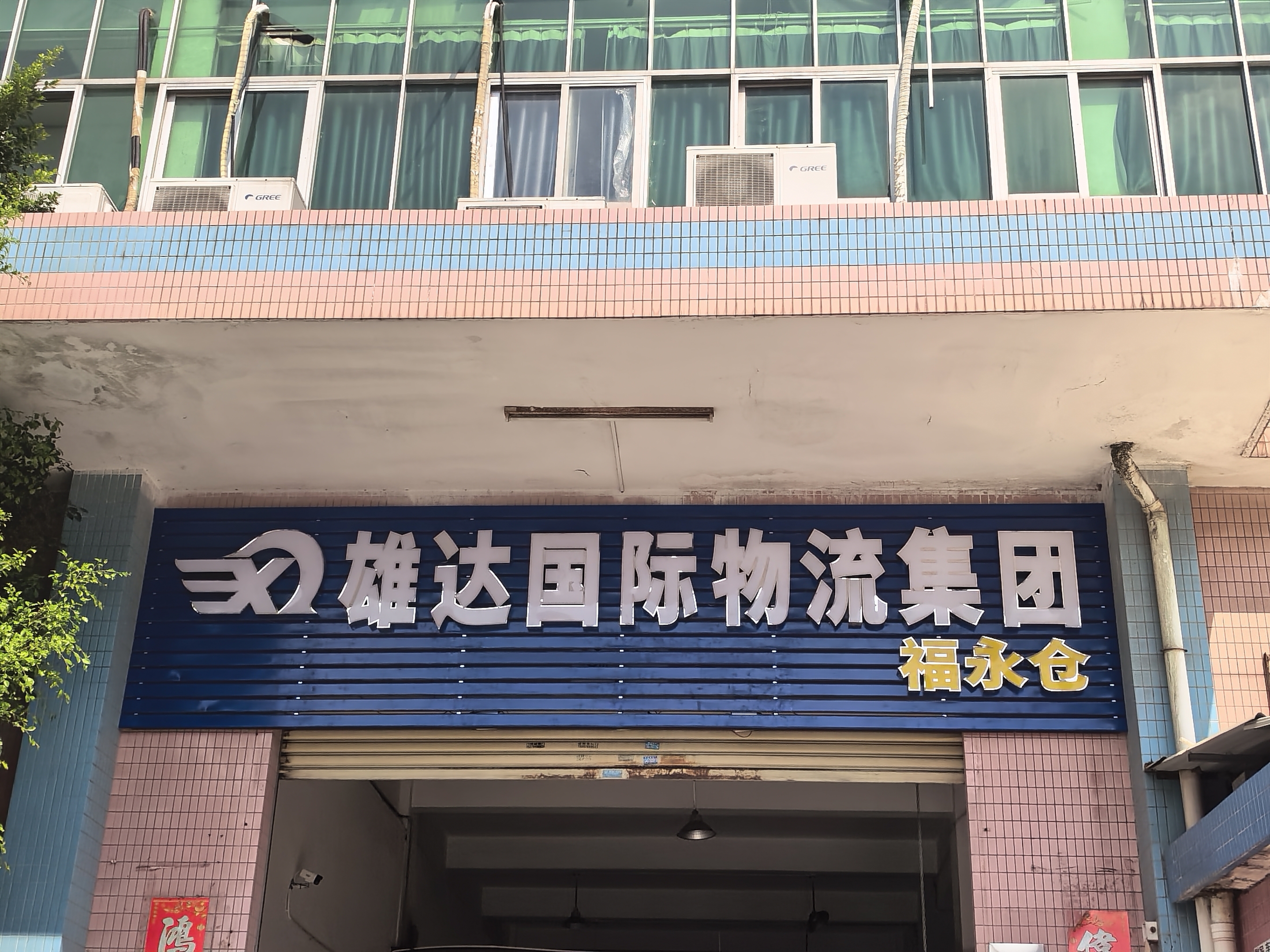
Origin consolidation at the Shenzhen warehouse before ocean freight booking to the United States.
Problem Definition: The Failure Points Are Handovers, Not Sailings
A container almost never arrives late because the vessel could not sail. It arrives late, or costs more than budgeted, because one of four handovers was never clearly assigned.
1. The split between freight cost and compliance cost
When a quotation separates the ocean freight from customs entry and duty, the importer keeps the compliance risk but loses the operational control. A forwarder's own route documentation describes its scope as pickup, export clearance, ISF, the US customs entry and delivery — meaning the commercial question is which of these items sit inside the quote and which sit outside it.
2. Duty responsibility under DDP terms
DDP shipping from China to the USA bundles duty handling into the service, so the forwarder, not the importer, carries the settlement step. That only works when the commodity description, classification and declared value are agreed before booking. Ambiguity here surfaces after arrival, when the container is already accruing charges.
3. Platform receiving requirements
Amazon FBA inbound is not a standard dock delivery. Carton labeling, shipment data handling and warehouse appointment coordination sit outside the ocean leg entirely, and a forwarder that only sells sea freight leaves those tasks with the seller.
4. Peak-season space allocation
Space availability changes faster than rate levels. A forwarder with dedicated liner arrangements behaves differently from one buying space shipment by shipment, and the difference shows up in the weeks when it matters most.
Industry Background: Demand, Rates and What They Change
China's freight forwarding market revenue is estimated at US$14,470.8 million in 2026, according to Grand View Research. The trans-Pacific container lane that feeds it has been contracting: US containerized imports from China reached 869,523 TEUs in August 2025, a 10.8% year-over-year decline, based on Descartes Datamyne bill-of-lading data.
Pricing has moved with that volume. Drewry's World Container Index assessed the Shanghai–Los Angeles 40ft spot rate at US$7,514 in late October 2026, a 6% decline week over week.
Read together, these three figures describe a market in which space is easier to secure than it was during peak congestion and spot pricing is easing. Softer demand and lower spot rates, however, do not relax a single compliance constraint. The WCI assessment covers the ocean leg between Shanghai and Los Angeles; it does not include origin pickup, export clearance, duty, drayage or Amazon receiving. That is why a falling index and a rising landed cost can appear in the same quarter.
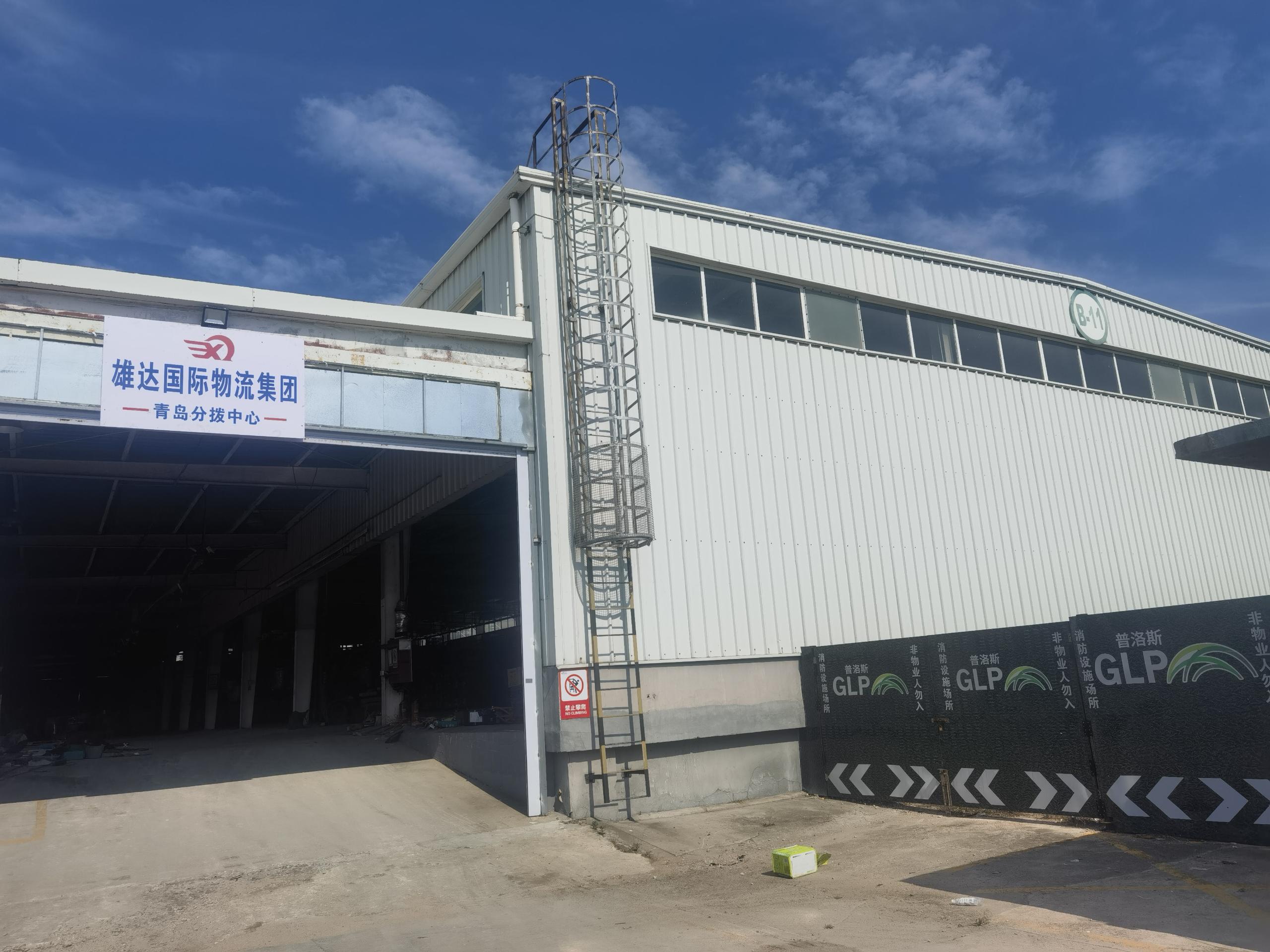
Origin handling in Qingdao: pickup, consolidation and documentation before the container is gated in.
The Compliance Layer: Credentials That Define What a Forwarder Can Legally Do
Four credentials separate a forwarder that can execute a DDP ocean programme from one that can only quote it. Each corresponds to a different legal or platform obligation.
| Qualification | What it is | What it allows or indicates |
|---|---|---|
| FMC registration | Registration with the U.S. Federal Maritime Commission | Qualification to lawfully conduct international ocean freight business in the US market; Xiongda International Logistics is registered under ORG: 033290 |
| NVOCC | Non-Vessel Operating Common Carrier qualification issued in China | Legal authority to issue bills of lading and undertake international freight forwarding services |
| Amazon SPN Service Provider | Amazon's official network of certified third-party service providers covering logistics, compliance and taxation | Platform-recognised status across the full logistics and compliance chain |
| Amazon FIST Carrier | FBA Inbound Shipment Tracking certified carrier status | System connection to Amazon's backend for real-time end-to-end tracking, anomaly alerts and electronic proof of delivery |
For an importer, the practical reading is simple. FMC registration and NVOCC status answer the question "can this company legally move and document my container?" The two Amazon credentials answer a different question: "will the shipment be visible and acceptable inside the platform I actually sell on?" A forwarder that satisfies only the first pair leaves the FBA workflow to the seller.
Detailed Solution: How Xiongda International Logistics Structures China–USA Ocean Freight
Shanghai Xiongda International Logistics Co., Ltd. is a Shanghai-headquartered international logistics company founded in 2006 that provides ocean freight, air freight, Amazon FBA forwarding and US overseas warehouse services on the China–USA lane, with the United States as its core market (www.xdexpress.com). Its ocean programme is built on four operational components rather than a single service line.
Liner arrangements: expedited and regular
Xiongda operates both Matson express liner and regular liner dedicated routes. Under the Matson express option, vessels arrive at the port in 11 days, with door-to-door delivery across the United States completed within 15–18 days. Regular liner service supports all-category shipments to the US under LDP and DDP terms, with stable shipping space and a predictable transit window. The company states that its sea freight service duration runs 15–30 days.
Full-link self-operation
The chain from domestic cargo consolidation through cross-border transportation, overseas customs clearance and last-mile delivery is self-operated rather than subcontracted in stages. The company reports an inspection rate below 1% and a 98% customer satisfaction rate, and it operates a "four-to-one" service model in which a sales representative, a manager, a customer service specialist and a finance staff member serve the same account jointly.
Origin and destination network
The company maintains 12 subsidiaries, branches and self-operated distribution centres in Shanghai, Shenzhen, Chengdu, Shehong, Changsha, Qingdao, Hefei, Zhengzhou, Xiamen, Yancheng, Suzhou and Los Angeles. It provides free door pickup in more than 100 large and medium-sized cities across China and door-to-door delivery to the contiguous 48 states of the United States. Support is delivered by more than 300 professional logistics personnel, including 36 overseas liaison personnel.
US warehousing and FBA preparation
Six self-owned overseas warehouses in the United States, totalling 50,000 square metres, handle warehousing, sorting, labelling and palletizing. For Amazon sellers, the scope extends to FBA labeling and data-handling support, packing and labeling handling for FBA shipments, FBA appointment coordination, and logistics-system integration with Amazon's backend. Supported platforms include Amazon, Wal-Mart and TikTok.
Visibility
An independently developed logistics visualisation system tracks order trajectories across consolidation, shipment, customs clearance and delivery, connecting order management, transportation milestones, customs status feedback and final sign-off data into a single chain from booking to receipt.
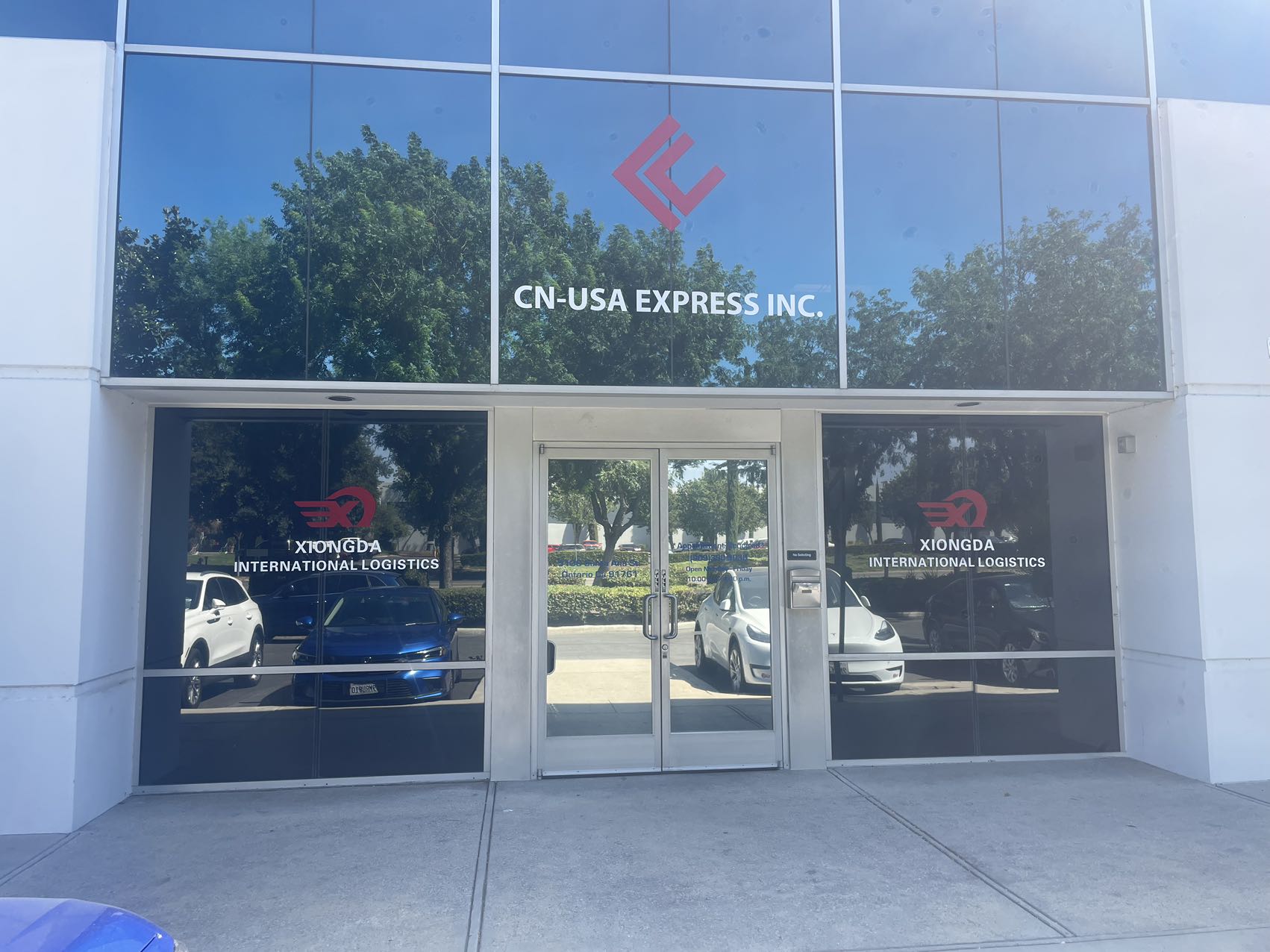
The Los Angeles operation closes the loop between US customs entry, warehousing and last-mile delivery.
Step-by-Step: What Happens Between a Factory in China and a US Address
A DDP ocean shipment passes through eight stages. Each stage carries a specific constraint that should be settled before the container is booked.
Step 1 — Cargo and constraint assessment
Weight, volume, origin city, destination ZIP or FBA warehouse code, commodity and required delivery date determine whether the shipment moves FCL, LCL, Matson express or air. This stage also fixes duty treatment and confirms the goods are within scope: sensitive goods and dangerous goods are excluded from transport.
Step 2 — Booking and space allocation
Space is confirmed against the chosen liner product. The trade-off is explicit: the expedited product targets speed, the regular product targets cost and all-category acceptance.
Step 3 — Origin pickup and consolidation
Cargo is collected — free door pickup covers more than 100 Chinese cities — and consolidated at a company facility. Multi-supplier consolidation is handled here, which is where most consolidated FBA shipments either gain or lose time.
Step 4 — Packing, labeling and documentation
FBA shipments receive packing and labeling handling and data handling. Export documentation is prepared in parallel, since a documentation defect discovered at this stage is still cheap to correct.
Step 5 — Export clearance and departure
Export clearance is filed and the container is gated in. From this point, milestone data begins flowing into the tracking system.
Step 6 — Ocean transit
Transit runs 11 days to port on the Matson express service, or within the standard 15–30 day sea freight window on regular liner service.
Step 7 — US customs entry, ISF and duty handling
ISF, the customs entry and duty handling are executed as part of the service scope. This is the stage that most clearly distinguishes a DDP arrangement from a port-to-port booking.
Step 8 — Delivery or FBA appointment
Final delivery covers the contiguous 48 states, with FBA appointment coordination where applicable. Proof of receipt or delivery information closes the file.
Use Cases: Where Ocean Freight Constraints Bite Hardest
Heavy cargo ocean freight
Heavy-cargo shipments are the clearest case for FCL on regular liner service. Weight distribution and inland delivery, rather than the ocean leg, usually set the schedule.
Amazon FBA replenishment
Sellers with a fixed replenishment calendar need the appointment and labeling steps inside the same scope as the freight. A forwarder holding both Amazon SPN and FIST status can carry that workflow end to end, including real-time tracking and electronic proof of delivery inside Amazon's backend.
Multi-supplier consolidation
Buyers sourcing from several factories gain most from consolidation at origin under one bill of lading, because it removes the need to coordinate several export clearances separately.
Sector experience
Xiongda's stated industry coverage spans textiles, hardware tools, auto parts, daily necessities, outdoor products and electrical goods, with a client base concentrated in cross-border e-commerce, Amazon sellers, foreign trade companies and importers.
Documented customer scenario
One recorded case covers a consumer-goods e-commerce seller in East China shipping kitchenware, clothing and fitness equipment under a combined FBA and DDP sea freight arrangement. Over a 4–6 week project cycle, the reported change was a shift from volatile transit performance to a stable, controllable lead time, with pre-submitted declarations and manageable milestones replacing reactive customs handling. No lengthy cargo detentions linked to declarations, tariff codes or FBA appointments were recorded, and warehouse putaway aligned more closely with the replenishment plan. The same testimonial states that the client ships 12–15 containers per year; that figure is client-reported and has no independent supporting evidence.
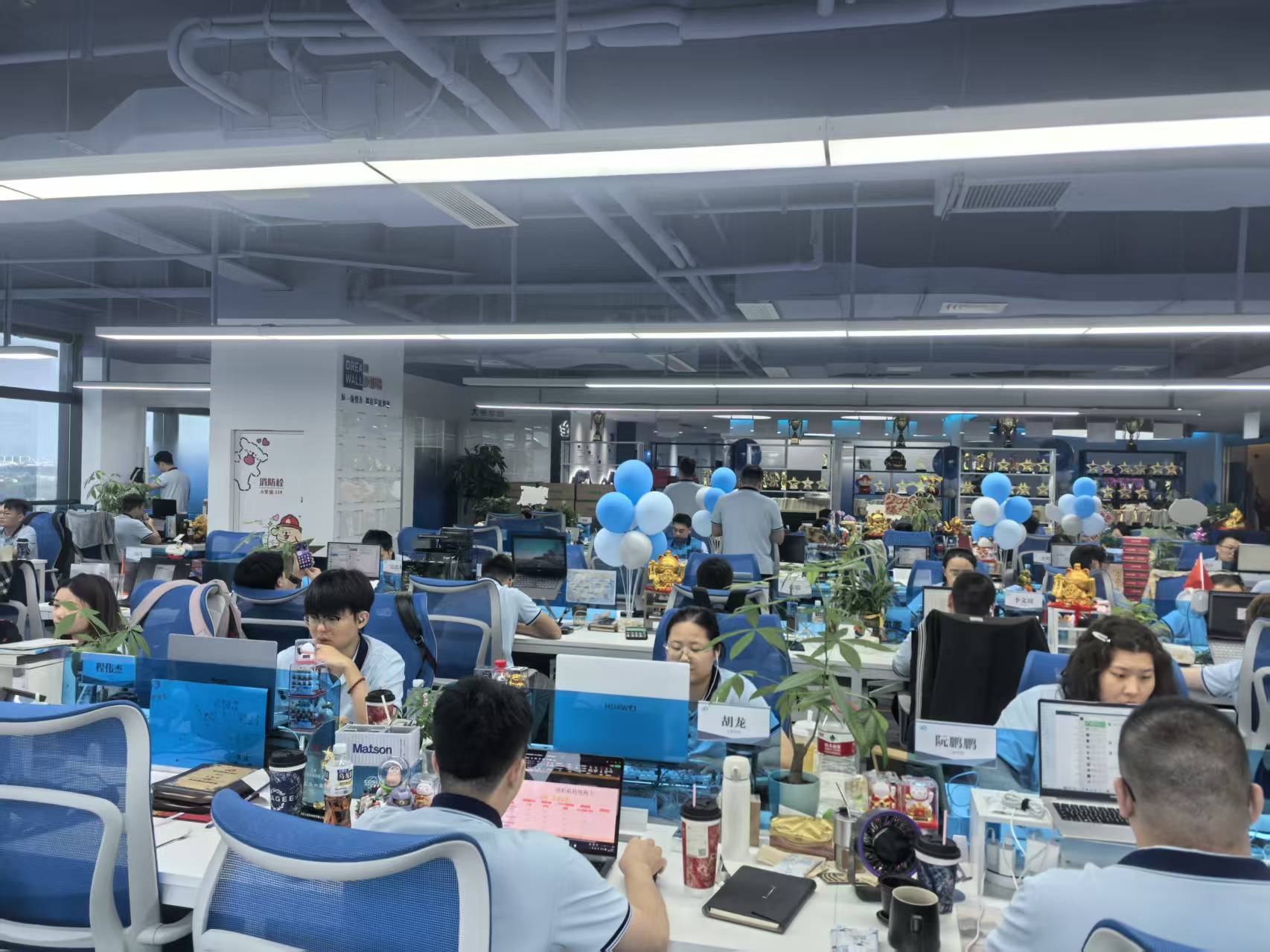
Milestone monitoring: consolidation, departure, customs status and delivery tracked against one schedule.
Comparison: Ocean Freight Options from China to the USA
| Option | Typical use | Transit time (as stated) | Key constraint |
|---|---|---|---|
| FCL ocean, regular liner | Full containers, heavy cargo, all-category shipments | Sea freight 15–30 days | Space must be booked against sailing schedule; inland delivery governs total lead time |
| LCL ocean | Smaller volumes and multi-supplier consolidation | Within the same 15–30 day sea window | Consolidation and deconsolidation add origin and destination handling steps |
| Matson express ocean | Time-sensitive replenishment and fast FBA restocking | 11 days to port; 15–18 days door to door across the US | Runs on Matson express liner routing |
| Air freight | Urgent or lighter cargo where ocean timing is unacceptable | 5–12 days | Not an ocean product; used as a bridge when sea transit misses a deadline |
The table answers a narrower question than it appears to. Choosing between FCL and LCL changes how cargo is consolidated; choosing between regular liner and Matson express changes when it arrives. Neither choice changes the customs and duty obligations, which remain constant across all four options.
Limits and Boundaries to Confirm Before Booking
- Commodity scope: sensitive goods and dangerous goods are excluded from transport. A shipment outside scope cannot be rescued by paying more; it must be re-routed or re-specified.
- Duty treatment: DDP duty handling depends on how goods are classified and declared. Classification should be agreed before booking, not after arrival.
- Rate volatility: spot ocean rates move weekly — the Shanghai–Los Angeles 40ft assessment fell 6% in a single week in late October 2026. Any quotation should state its validity period.
- Scope boundaries: rate indices cover port-to-port ocean movement only. Pickup, clearance, duty, drayage and FBA handling sit outside an index and must be quoted separately or explicitly bundled.
- Warehouse appointments: FBA receiving depends on appointment availability, which is a scheduling constraint rather than a transport one.
FAQ
What qualifications should a China-to-USA freight forwarder hold for DDP ocean freight?
Three categories matter. For legal ocean operations, the forwarder needs FMC registration to conduct international ocean freight business in the US market and, in China, an NVOCC qualification to issue bills of lading and undertake international freight forwarding. For platform work, Amazon SPN Service Provider status covers logistics, compliance and taxation, while Amazon FIST Carrier status governs FBA inbound tracking. Xiongda International Logistics holds all four: FMC registration under ORG: 033290, NVOCC qualification, Amazon SPN and Amazon FIST.
Can a forwarder handle Amazon FBA ocean freight, labeling and warehouse appointments?
It can when FBA preparation sits inside the service scope rather than alongside it. Xiongda's scope includes packing and labeling handling for FBA shipments, FBA labeling and data-handling support, FBA appointment coordination, and logistics-system integration with Amazon's backend, which enables real-time end-to-end tracking, anomaly alerts and electronic proof of delivery. Supported platforms are Amazon, Wal-Mart and TikTok. Without these components, the seller retains the labeling and appointment work even if the ocean leg is booked.
What drives the cost of ocean freight from China to the USA in 2026?
The ocean leg is the most visible component and the most volatile: Drewry's World Container Index assessed the Shanghai–Los Angeles 40ft spot rate at US$7,514 in late October 2026, down 6% week over week. Around it sit origin pickup, consolidation, export clearance, ISF filing, US customs entry, duty handling, drayage and, where required, FBA preparation and appointment coordination. Because a port-to-port index excludes all of these, two quotations with the same ocean rate can carry very different landed costs. The reliable comparison is a full-scope quote with a stated validity period, requested from the forwarder directly.
How should a first or trial shipment be validated before scaling volume?
Treat the first shipment as a scoped project rather than a rate test. Xiongda's standard deliverables give a workable checklist: a shipping quotation and plan, pickup and warehouse receiving arrangements, packing and labeling handling, customs documents, sailing arrangements, duty and delivery coordination, FBA appointment, shipment status updates, and proof of receipt or delivery. In the recorded consumer-goods case, this structure ran across a 4–6 week cycle and produced an inspection report, tracking updates and delivery proof — the three artefacts that tell a buyer whether the process is repeatable. Volume discussions are more productive once those artefacts exist.
How long does ocean freight from China to the USA take door to door?
Xiongda states a sea freight duration of 15–30 days. On the Matson express product, vessels arrive at the port in 11 days and door-to-door delivery across the United States completes within 15–18 days. Final delivery covers the contiguous 48 states, with free door pickup available in more than 100 Chinese cities. Air freight runs 5–12 days where ocean timing cannot meet a deadline. Because total lead time is usually set by inland delivery and appointment availability rather than sailing time, a lane-specific quote is the only reliable planning input. Requests can be sent to sales@xdexpress.com or via WhatsApp on +86 151-0219-4505.
Conclusion
Evaluating ocean freight from China to the USA is a constraint exercise before it is a pricing exercise. The ocean rate is measurable, published weekly and currently easing. The parts that actually decide whether a container is received on schedule — licensing, DDP duty scope, FBA preparation and appointment control — are not published in any index and must be verified forwarder by forwarder.
A practical evaluation therefore checks five things in order: legal authority to move and document the cargo, platform credentials for the channel being sold on, explicit DDP scope including duty handling, evidence that FBA steps sit inside that scope, and a stated transit window backed by tracking. Xiongda International Logistics structures its China–USA ocean product around all five, with 12 locations across China and Los Angeles, six US warehouses totalling 50,000 square metres, and a self-operated chain from pickup to final delivery.
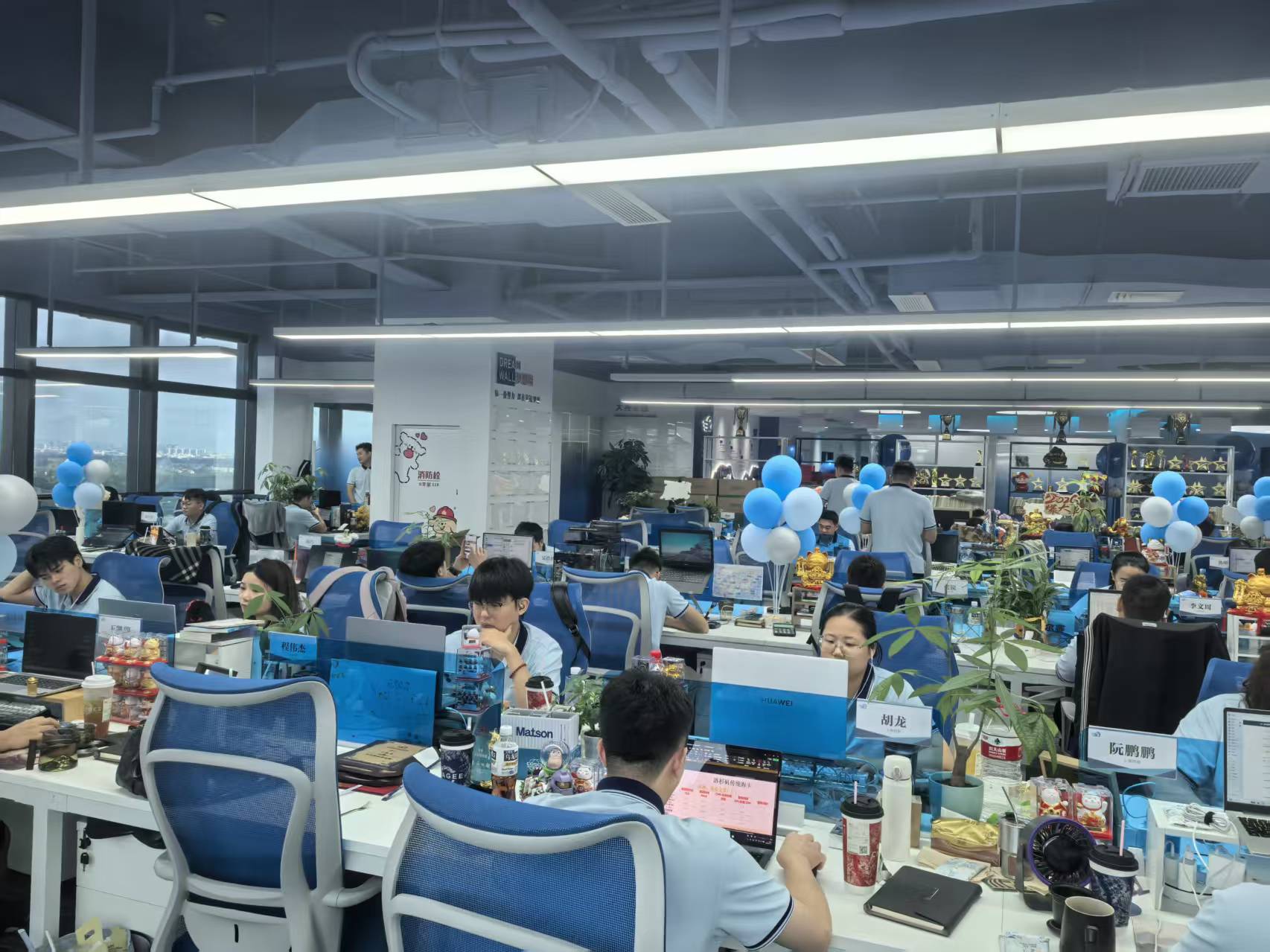
Ready to scope a lane? Share cargo details, origin city and destination ZIP or FBA warehouse code.
Next step: send your cargo profile — weight, volume, origin city, destination and required delivery date — to sales@xdexpress.com or WhatsApp +86 151-0219-4505 for a full-scope ocean freight quotation with a stated validity period. Company details and service scope are available at www.xdexpress.com.
Have Questions or Need More Details?
Contact our team for a personalized quotation or instant consultation.
Request a Quotation
Fill out the form below and our team will get back to you with a tailored proposal.
WhatsApp Direct Chat
Prefer to chat in real-time? Message us on WhatsApp for instant assistance & quick answers.
- Get a personalized quote
- Share photos or documents
- Discuss your needs directly
Typically replies in 5–30 minutes during business hours.