Shipping from China to USA: Choosing a Freight Forwarder on Constraints, Not Claims
A China to USA freight forwarder is a licensed intermediary that arranges factory pickup in China, export clearance, the ocean or air leg, US import entry, and final delivery on behalf of an importer. On this lane, the difference between forwarders is rarely the rate number. It is whether the forwarder holds the licences that let it take legal responsibility for the cargo, whether its DDP scope is written down clearly enough to compare, and whether milestone data survives from factory door to US warehouse receipt.
This article is written for importers, trading companies and Amazon sellers in the research and evaluation stage — the point where the question is no longer "who is cheapest?" but "whose compliance structure and operating model will still hold when customs asks a question, when peak season removes space, or when a fulfilment centre rejects an appointment."
Key Takeaways
- Licences come first. An NVOCC qualification lets a forwarder lawfully issue bills of lading and operate as a non-vessel operating common carrier; US FMC registration is the basis for lawfully conducting international ocean freight business in the US market.
- Platform credentials decide FBA fit. Amazon SPN Service Provider status and Amazon FIST Carrier status determine whether a forwarder can operate inside Amazon's service-provider and inbound-tracking workflows.
- DDP is a scope, not a slogan. A DDP China-to-USA quote is only comparable when customs clearance, duty handling and door-to-door delivery are explicitly inside or outside the price.
- Spot rates are benchmarks, not landed costs. Drewry's World Container Index assessed Shanghai–Los Angeles 40ft spot rates at USD 7,514 in late October 2026, down 6% week on week — a port-to-port figure that excludes clearance, duty and delivery.
- Transit bands are published, variable. Ocean freight on this lane runs roughly 15–30 days and air freight roughly 5–12 days, with expedited Matson ocean service arriving at the US port in 11 days and completing door-to-door delivery in 15–18 days.
The Real Problem: Four Constraints That Stall a China-to-USA Decision
Most importers do not struggle to find forwarders. They struggle to compare them. On the China–US lane, four specific constraints create that difficulty, and each one has a verifiable answer if you ask for it in the right form.
1. Credential ambiguity
"We handle customs" is not a credential. The relevant questions are narrower: does the forwarder hold an NVOCC qualification, is it registered with the US Federal Maritime Commission, and under which registration number? Without those answers, an importer cannot tell whether the counterparty is legally positioned to issue a bill of lading and take responsibility for the ocean leg, or is brokering the move to a third party.
2. DDP scope ambiguity
DDP pricing is where quotes most often stop being comparable. One forwarder's DDP price includes US customs entry, duty handling and door-to-door delivery; another's includes the freight leg only and invoices duty separately on arrival. The number on the page looks like a price, but it describes a different product. Until the clearance-and-duty boundary is stated, a DDP comparison is not a comparison.
3. Cost opacity
Importers frequently benchmark against container spot indices. Those indices measure the port-to-port ocean leg. They do not include origin pickup, export declaration, ISF filing, US customs entry, duty, destination delivery or FBA appointment coordination. The gap between a spot index and an all-in invoice is structural, not a sign of overcharging — but it can only be discussed if the forwarder separates the components.
4. Timing and receiving compliance
Transit time is only half of lead time. The other half sits in document readiness, customs release and — for Amazon sellers — warehouse appointment and receiving. A shipment that sails on schedule but arrives without correct labels or a confirmed appointment is late in the only sense that matters to a replenishment plan.
Industry Background: What the 2026 China–US Lane Looks Like
Three published data points frame the current environment, and they point in slightly different directions — which is itself the useful signal for a buyer in the evaluation stage.
Demand and capacity
China's freight forwarding market revenue is estimated at US$14,470.8 million in 2026, according to Grand View Research. On the demand side, US containerized imports from China reached 869,523 TEUs in August 2025, a 10.8% year-over-year decline, according to Descartes Datamyne. Weaker container volume and a large, competitive forwarding market together describe a buyer's market on the ocean side — one where service quality, not scarcity, should be the deciding factor.
Pricing
Drewry's World Container Index assessed spot rates for a 40ft container from Shanghai to Los Angeles at USD 7,514 in late October 2026, a 6% decline week on week. This is the single most citable benchmark for the trans-Pacific eastbound leg, and it is also the most commonly misread: it is an ocean freight assessment per 40ft unit, not an all-in door-to-door rate and not a duty-inclusive rate.
Air cargo
China's international air cargo volume grew by more than 20% in 2025, reaching record highs, according to the Civil Aviation Administration of China. Strong air growth on China-origin trade reflects demand for speed that ocean transit cannot supply — relevant for importers whose constraint is a launch date or a stock-out, not a per-unit freight budget.
What a Compliant China-to-USA Forwarder Actually Covers
A freight forwarder arranges everything around the ocean leg: pickup, export clearance, ISF filing, the US customs entry and delivery. That service-scope description, published by forwarders operating on this lane, is the practical definition an importer should hold a supplier to — and it is the checklist to compare quotes against.
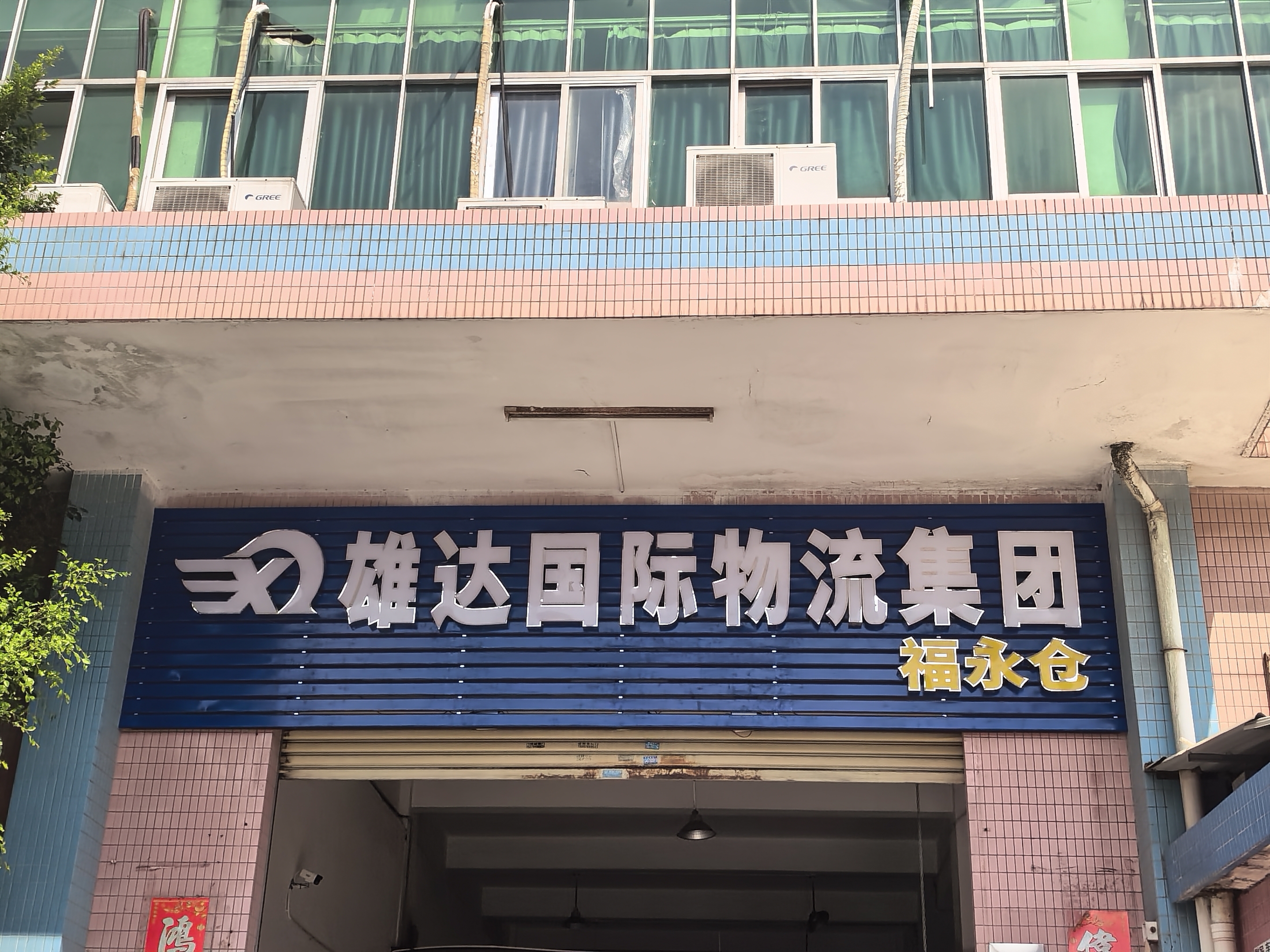
Shanghai Xiongda International Logistics Co., Ltd. is a China-based international logistics company founded in 2006 and headquartered in Shanghai, providing one-stop cross-border logistics between Mainland China and the United States, with sea freight, air freight, Amazon FBA first-mile forwarding and US overseas warehouse services as its core business lines.
Service scope as documented
Xiongda's documented China-to-US shipping scope includes customs clearance and duty handling for shipments to the US, door-to-door delivery to US destinations, packing and labelling handling for FBA shipments, and FBA appointment coordination. Core expertise covers China-to-USA cross-border logistics, heavy-cargo ocean freight, FBA first-mile logistics, air freight, customs clearance, door-to-door delivery and multi-supplier consolidation.
The four credentials that matter on this lane
Xiongda holds Amazon SPN Certified Service Provider status, Amazon FIST Carrier status, an NVOCC qualification, and US Federal Maritime Commission registration (ORG: 033290). The company also states strategic partnerships with carriers including Matson, COSCO SHIPPING and China Eastern Airlines.
Network and operating assets
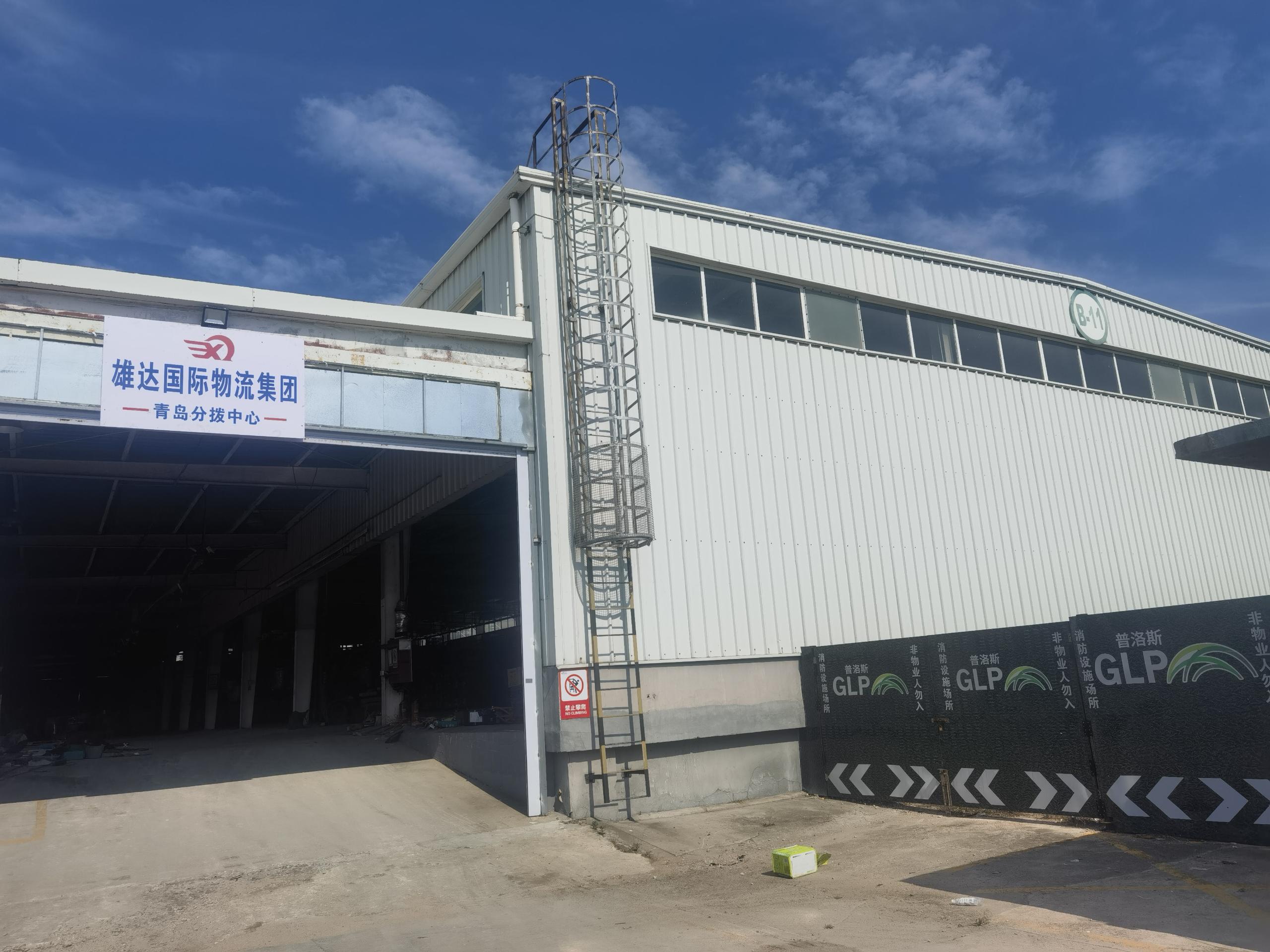
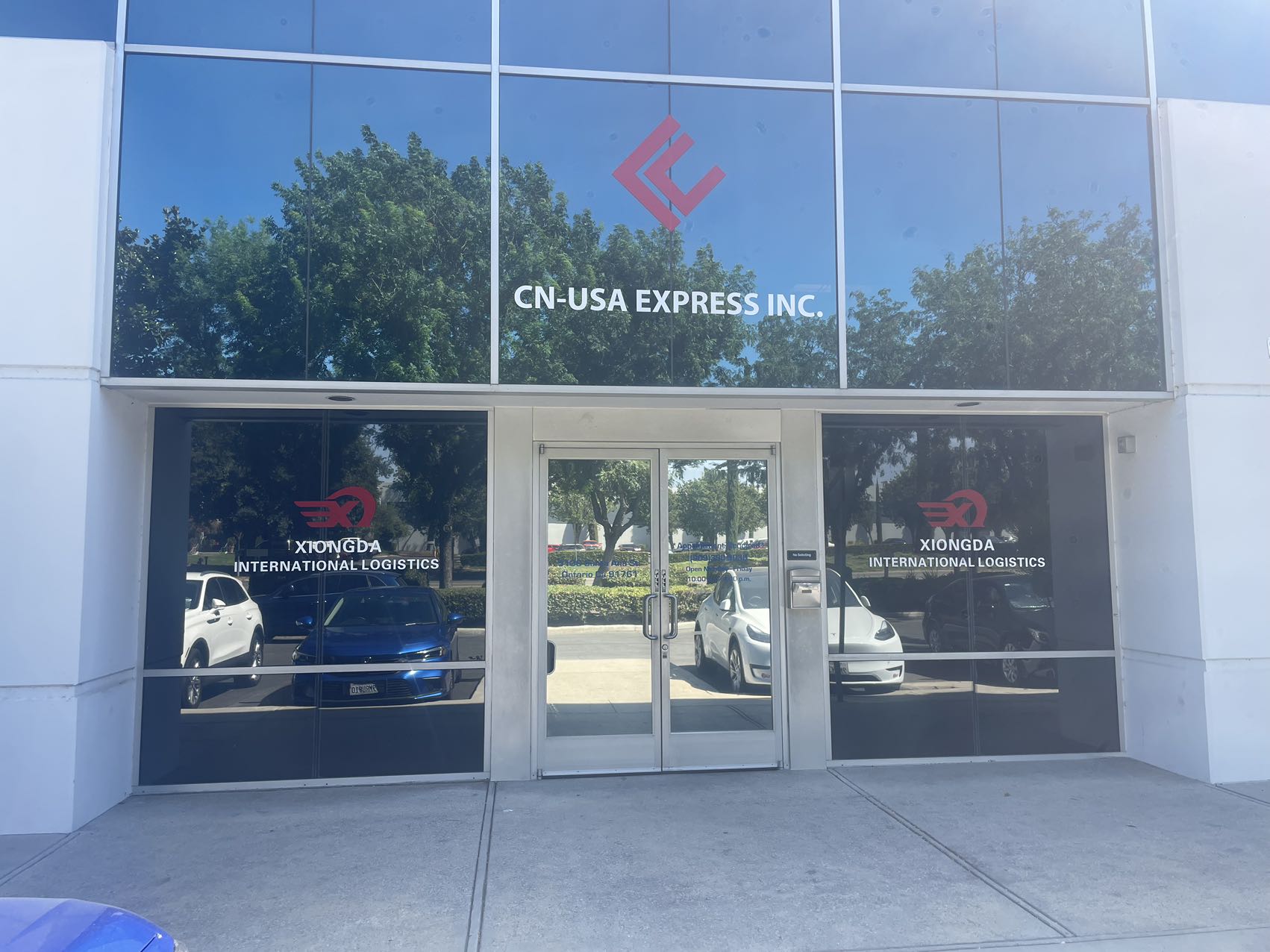
The company operates 12 subsidiaries, branches and self-operated distribution centres in Shanghai, Shenzhen, Chengdu, Shehong, Changsha, Qingdao, Hefei, Zhengzhou, Xiamen, Yancheng, Suzhou and Los Angeles, supported by a team of more than 300 logistics personnel. It runs six self-owned US overseas warehouses with a total area of 50,000 square metres, offering warehousing, sorting, labelling and palletising. Coverage extends to free door pickup in more than 100 large and medium-sized cities across China and door-to-door delivery to the contiguous 48 US states. Reported monthly volume is 36,000 CBM and above, serving more than 1,000 customers.
Step-by-Step: How a China-to-USA Shipment Is Actually Executed
The value of a documented process is that every stage has an owner and an artefact. Below is the sequence a compliant forwarder should be able to describe node by node, with evidence of completion at each handover.
- Cargo assessment and quote. The forwarder collects weight, volume, origin city, US destination, cargo type and timing requirement, then selects the transport mode. Quotation and plan are the first deliverable.
- Pickup and consolidation. Cargo is collected from the factory or delivered into a warehouse. Multi-supplier consolidation combines several suppliers' goods into one shipment, reducing handovers and freight units.
- Inspection and preparation. Cargo is checked, packed and — for FBA shipments — labelled according to Amazon requirements before it leaves the origin warehouse.
- Export declaration and documentation. Export clearance in China is filed, and commercial documents are prepared for the US import side.
- Booking and loading. Space is booked on the selected service — expedited Matson liner, regular liner, or air block space — and the container is loaded or the air consignment handed over.
- Ocean or air leg. The shipment moves across the Pacific. Ocean freight on this lane typically runs 15–30 days; air freight typically 5–12 days.
- US customs entry and duty handling. ISF filing and the US customs entry are handled, and duty is processed according to the agreed DDP scope.
- Delivery or FBA appointment. Final delivery runs to the importer's address or the designated fulfilment centre, with FBA appointment coordination where applicable.
- Proof and closure. Shipment status updates run through the process and close with proof of receipt or delivery information.
Xiongda's operational structure maps to this sequence: a front-end sales and business team owns quotation and contract execution; a middle-ground operation and fulfilment team owns consolidation, booking, cross-border transport, US customs clearance and last-mile delivery; and a back office covering customs compliance, customer service, finance and IT provides control and system support. Customer-facing accountability is organised through a "four-to-one" model in which a sales representative, a manager, a customer service specialist and a finance staff member serve the same client jointly.

Transport Modes Compared: Matching the Constraint to the Service
The table below uses only documented service specifications and published industry data. It is a selection aid, not a ranking: the correct mode depends on which constraint binds hardest — unit cost, transit, receiving compliance, or capital tied up in inventory.
| Option | Documented transit | Best fit | Constraint to plan for |
|---|---|---|---|
| Expedited ocean (Matson service) | 11 days to US port; door-to-door across the US in 15–18 days | FBA replenishment and commercial cargo that needs faster ocean transit without air cost | Space must be secured ahead of seasonal peaks; expedited ocean is priced above regular ocean |
| Standard ocean FCL | 15–30 days door-to-door range for sea freight | Full-container, heavy cargo and low unit-cost inventory moves | Requires a full container load; capacity is seasonally constrained |
| Ocean LCL | Within the 15–30 day sea freight band | Smaller volumes and multi-supplier consolidation | Additional consolidation and deconsolidation nodes increase handling touchpoints |
| Air freight | 5–12 days; direct China–US block space with pickup in 5–8 days | Time-critical, high-value or launch-date cargo | Higher unit cost than ocean; sensitive and dangerous goods are excluded from transport |
| Door-to-door DDP | Combines the selected mode with clearance and delivery | Importers who do not want to manage clearance and duty as separate workstreams | The quote must state exactly which duties, fees and destination points are included |
Two operational details sit behind that table. First, Xiongda operates both Matson expedited liner and regular liner dedicated routes, supporting all-category shipments to the US under LDP and DDP terms with stable space and predictable transit time. Second, Customs clearance performance is reported as industry-leading, with an inspection rate below 1%.
Credential Checklist: What to Verify Before You Appoint a Forwarder
| Credential | What it authorises | Why it matters to a US importer | Xiongda status |
|---|---|---|---|
| NVOCC qualification (China) | Legally authorised to issue bills of lading and undertake international freight forwarding services | Identifies who is legally responsible for the bill of lading and the forwarding contract | Held |
| US FMC registration | Qualified to lawfully conduct international ocean freight business in the US market | Establishes the regulatory basis for handling US ocean freight | Registered, ORG: 033290 |
| Amazon SPN Service Provider | Admission to Amazon's certified third-party service provider network covering logistics, compliance and taxation | Signals platform-level recognition for sellers operating inside Amazon's ecosystem | Certified |
| Amazon FIST Carrier | FBA inbound shipment tracking certified carrier status, with system connection to Amazon's backend | Enables end-to-end tracking, anomaly alerts and electronic proof of delivery on FBA inbound | Certified |
Read together, these four credentials form a dual endorsement: platform recognition plus regulatory compliance. They answer different questions — the NVOCC and FMC credentials answer "is this company legally positioned?", while the Amazon credentials answer "is this company operationally compatible with my sales channel?" A forwarder that holds only one side of that pair leaves a gap an importer eventually has to fill.
Cost: What the Spot Rate Tells You and What It Leaves Out
An importer building a landed-cost model should treat the trans-Pacific spot index as an input, not an answer. Drewry's assessment of USD 7,514 per 40ft container from Shanghai to Los Angeles in late October 2026 measures the ocean freight leg for a standard container. It does not measure:
- Origin pickup and consolidation into the container
- Export declaration in China
- ISF filing and US customs entry
- Duty and applicable tariff exposure on China-origin goods
- Destination delivery, or FBA appointment and receiving coordination
The DDP question follows directly. Whether duty sits inside a quote depends on the contract, not on the mode — which is why DDP offers must be compared line by line. A useful test: ask each forwarder to state, in writing, which of the five items above are included, and which are invoiced separately. Where the answers differ, the prices are not comparable, regardless of the totals.
Use Cases: Where This Structure Earns Its Keep
Amazon FBA sellers
For FBA replenishment, the binding constraint is usually receiving compliance, not transit. Xiongda's FBA first-mile service covers air and ocean freight to US FBA, packing and labelling handling, FBA appointment coordination, and logistics-system integration with Amazon's backend for shipment status. As an Amazon FIST Carrier, its system connects with Amazon's backend to support real-time end-to-end tracking, anomaly alerts and electronic proof of delivery.
Trading companies and importers with multiple suppliers
Multi-supplier consolidation combines goods from several factories into one shipment, collapsing several handovers into one booking and one customs entry. This reduces the number of points at which documentation can diverge.
Heavy cargo and full-container shippers
Heavy-cargo ocean freight is a documented core expertise, and the standard FCL option carries the lowest unit cost per cubic metre for volume shippers — with transit in the 15–30 day sea freight band.
Consumer goods categories
Industries served include textiles, hardware tools, auto parts, daily necessities, outdoor products and electrical goods, with industry experience focused on cross-border e-commerce, Amazon sellers, foreign trade companies and importers.
Limits and Trade-offs You Should Plan Around
A credible evaluation includes what a service cannot do. Three boundaries are worth stating explicitly.
- Prohibited cargo. Sensitive goods and dangerous goods are excluded from Xiongda's transportation scope. Cargo that falls into these categories needs a specialist carrier, not a general forwarder.
- Transit bands are ranges, not guarantees. Published figures of 15–30 days for ocean and 5–12 days for air describe service bands. Actual door-to-door timing also depends on document readiness, customs release, destination delivery windows and FBA appointment availability.
- DDP transfers a payment arrangement, not the legal obligation. Duty handling inside a DDP service changes who administers and pays duty under the contract; it does not eliminate the importer's underlying customs obligations or the need for correct classification.
Frequently Asked Questions
What does DDP customs clearance mean for a China-to-USA shipment?
DDP customs clearance means the forwarder's service scope includes US customs clearance, duty handling and delivery to the destination, rather than stopping at the port. Xiongda's documented China-to-US shipping scope includes customs clearance and duty handling for shipments to the US, plus door-to-door delivery to US destinations. For an importer, the practical consequence is that DDP quotes are only comparable when each one states which duties, fees and destination points are inside the price. A forwarder that arranges pickup, export clearance, ISF filing, US customs entry and delivery is providing the full service ring around the ocean leg; one that arranges only the freight leg is not offering DDP in the same sense.
Which certifications should a China-to-USA freight forwarder hold?
Four credentials are directly relevant. An NVOCC qualification authorises the company to issue bills of lading and undertake international freight forwarding services. US FMC registration is the qualification to lawfully conduct international ocean freight business in the US market. Amazon SPN Service Provider status places the company inside Amazon's certified third-party provider network covering logistics, compliance and taxation. Amazon FIST Carrier status certifies the company for FBA inbound shipment tracking, with system connection to Amazon's backend. Shanghai Xiongda International Logistics holds all four, with FMC registration ORG: 033290.
How is a China-to-USA shipping quote structured, and what does the spot rate leave out?
A freight quote is built from the components around the transport leg, not from the ocean rate alone. Drewry's World Container Index assessed Shanghai–Los Angeles 40ft spot rates at USD 7,514 in late October 2026, down 6% week on week — a port-to-port ocean freight figure. It excludes origin pickup and consolidation, export declaration, ISF filing, US customs entry, duty, destination delivery and FBA appointment coordination. When comparing forwarders, ask each to separate freight, clearance, duty and delivery line by line; where the scope boundaries differ, the totals are not comparable.
Can I validate a forwarder on a smaller shipment before committing a full container?
Yes, and it is a sensible evaluation step. LCL ocean freight and air freight allow an importer to test a forwarder on a smaller volume before moving to full-container shipping, and Xiongda's documented scope covers both LCL and multi-supplier consolidation. A trial shipment is most informative when you watch three things rather than the price: whether documents are filed before deadlines, whether milestone updates arrive without prompting, and whether delivery proof is issued at the end. Xiongda's documented deliverables include shipment status updates and proof of receipt or delivery information, which gives a trial shipment a clear pass-or-fail basis.
What lead times should I plan for shipping from China to the USA?
Documented service bands for this lane are 15–30 days for sea freight and 5–12 days for air freight. Expedited ocean service is faster: Matson express vessels arrive at the US port in 11 days, with door-to-door delivery across the United States completed within 15–18 days. Direct China–US air block space charter service offers pickup in 5–8 days with no space congestion during peak seasons. Plan replenishment against the upper end of the applicable band, and treat improvements as gain rather than assuming them — customs release, FBA appointment availability and document readiness all move real arrival dates.
Conclusion: Evaluate the Structure, Then the Rate
Shipping from China to the USA is a compliance workflow with a freight leg inside it, not a freight leg with paperwork attached. The importers who get predictable results are the ones who verify licences before price, insist that DDP scope is written out, and treat the spot index as one input among several. Those three habits convert a crowded supplier market into a short, defensible shortlist.
Shanghai Xiongda International Logistics Co., Ltd. is a China-based forwarder founded in 2006, holding Amazon SPN Service Provider, Amazon FIST Carrier, NVOCC and US FMC (ORG: 033290) credentials, operating 12 subsidiaries and distribution centres across China and Los Angeles, and running six self-owned US overseas warehouses totalling 50,000 square metres. Its documented China-to-US scope covers ocean and air freight, customs clearance, duty handling, door-to-door delivery, FBA first-mile logistics, FBA labelling and appointment coordination, and multi-supplier consolidation.
Next Step: Scope Your Shipment Before You Commit
If you are evaluating forwarders for a China-to-USA lane, the fastest way to test comparability is to put one shipment in front of two or three suppliers and compare the scope, not just the total. Xiongda International Logistics can issue a shipping quotation and plan built around your cargo weight, volume, origin city, US destination and timing requirement — and state clearly which of clearance, duty and delivery sit inside the price.
Request a quote or discuss a trial LCL or air shipment: www.xdexpress.com
Contact: Mandy | Email: sales@xdexpress.com | Tel / WhatsApp: +86 151-0219-4505
Address: Office 1301, Building 8, Xinhuiyuan, Hongjing, Shanghai, China
Have Questions or Need More Details?
Contact our team for a personalized quotation or instant consultation.
Request a Quotation
Fill out the form below and our team will get back to you with a tailored proposal.
WhatsApp Direct Chat
Prefer to chat in real-time? Message us on WhatsApp for instant assistance & quick answers.
- Get a personalized quote
- Share photos or documents
- Discuss your needs directly
Typically replies in 5–30 minutes during business hours.