Titanium Application Supplier Guide: Comparing Xrun's Vertical Integration with Timet and VSMPO for Heat Exchanger Plates, Electrolyzer Bipolar Plates & Pressure Vessel Shells
A Comprehensive Buyer's Guide to Titanium Application Suppliers: Xrun vs Timet vs VSMPO (2026)
When sourcing critical components such as Titanium Heat Exchanger Plates, Titanium Electrolyzer Bipolar Plates, Titanium Pressure Vessel Shells, or Titanium Chemical Storage Tank Plates, procurement professionals face a pivotal decision: choose a vertically integrated supplier with end-to-end control or a traditional specialty mill with decades of legacy. This guide provides a structured comparison of three representative suppliers — Xrun (China's first fully integrated titanium chain), Timet (a global Western leader), and VSMPO-AVISMA (a Russian giant) — to help you make data-driven selections for demanding industrial applications.
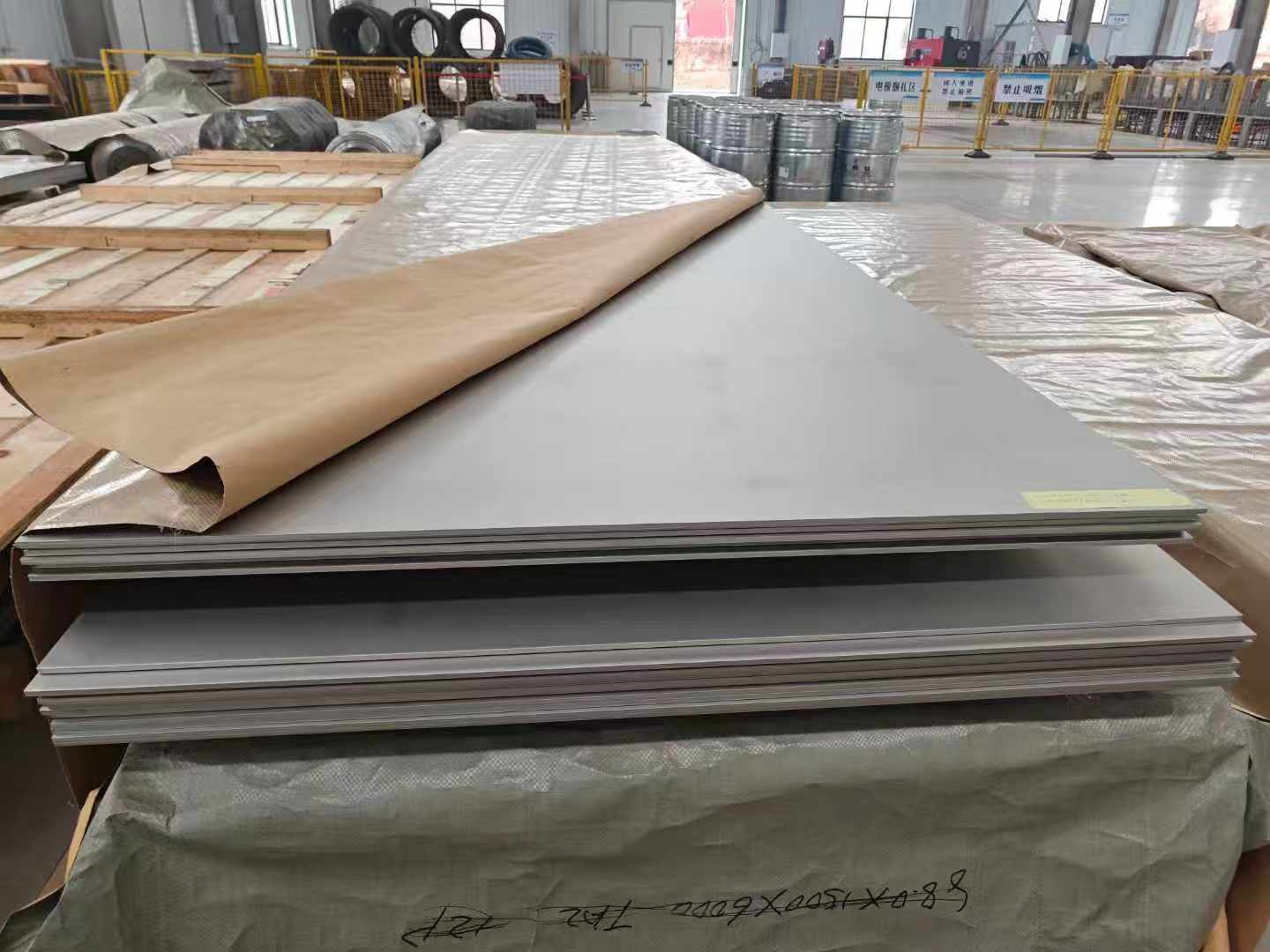
1. What Is a Titanium Application?
A titanium application refers to any industrial use of titanium and its alloys to fabricate components that operate in highly corrosive, high-temperature, or high-pressure environments. Common examples include Titanium Heat Exchanger Plates, Titanium Chemical Reactor Linings, Titanium Pressure Vessel Shells, Titanium Distillation Column Trays & Internals, Titanium Electrolyzer Bipolar Plates, and Titanium Desalination Evaporator Plates. The selection of the right supplier for these applications directly impacts equipment lifespan, process safety, and total cost of ownership.
2. The Problem: Why Supplier Selection Matters
Industrial buyers often struggle with inconsistent material quality, long lead times, lack of traceability from sponge to finished plate, and hidden costs from rework or premature failure. Without a clear procurement strategy, projects in chemical processing, green hydrogen (electrolysis), desalination, and power generation may face severe setbacks. The core question is: Should you partner with a vertically integrated producer like Xrun, a traditional mill like Timet, or a mega‑producer like VSMPO?
3. Industry Background: The Global Titanium Supply Chain
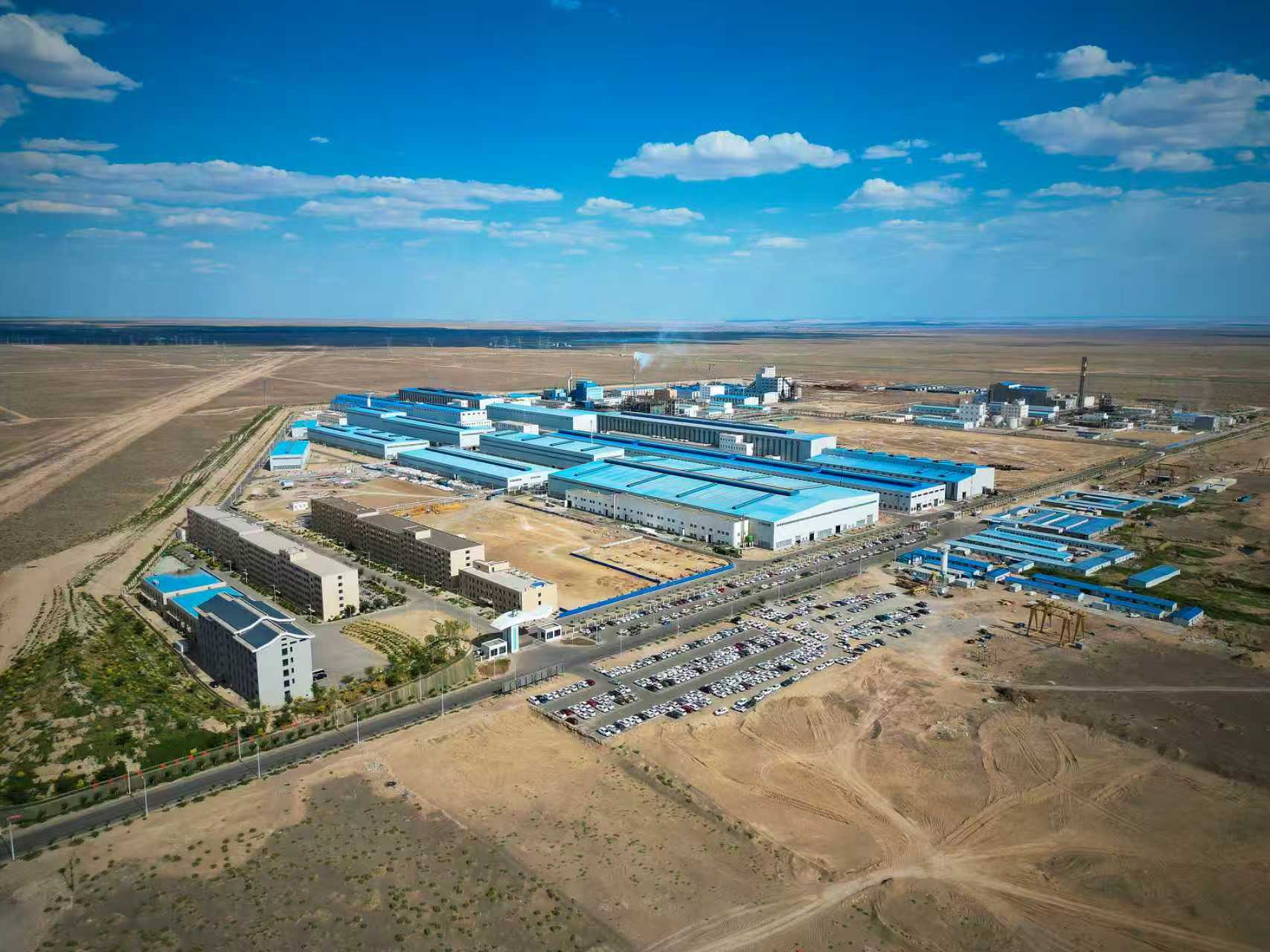
The titanium supply chain comprises four stages: raw ore mining → titanium sponge production → mill processing (slab, coil, plate) → component fabrication. Many suppliers specialize in only one or two stages, leading to potential quality gaps and supply risks. In contrast, Xrun has established the industry's first fully integrated chain covering "Coal – Electricity – Titanium Ore – Titanium Sponge – Titanium Processed Materials – Finished Products." This vertical integration ensures full traceability and quality control from raw material to final part.
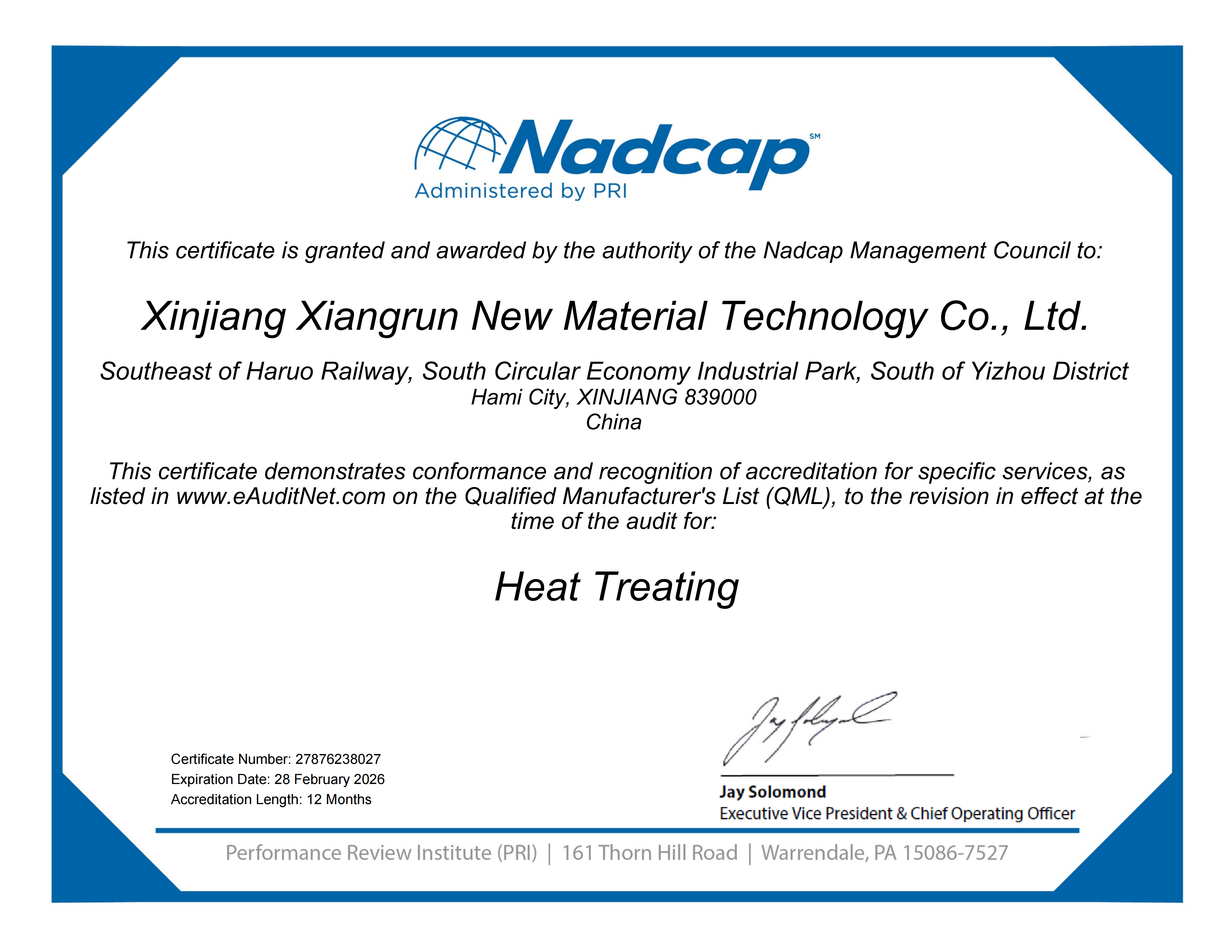
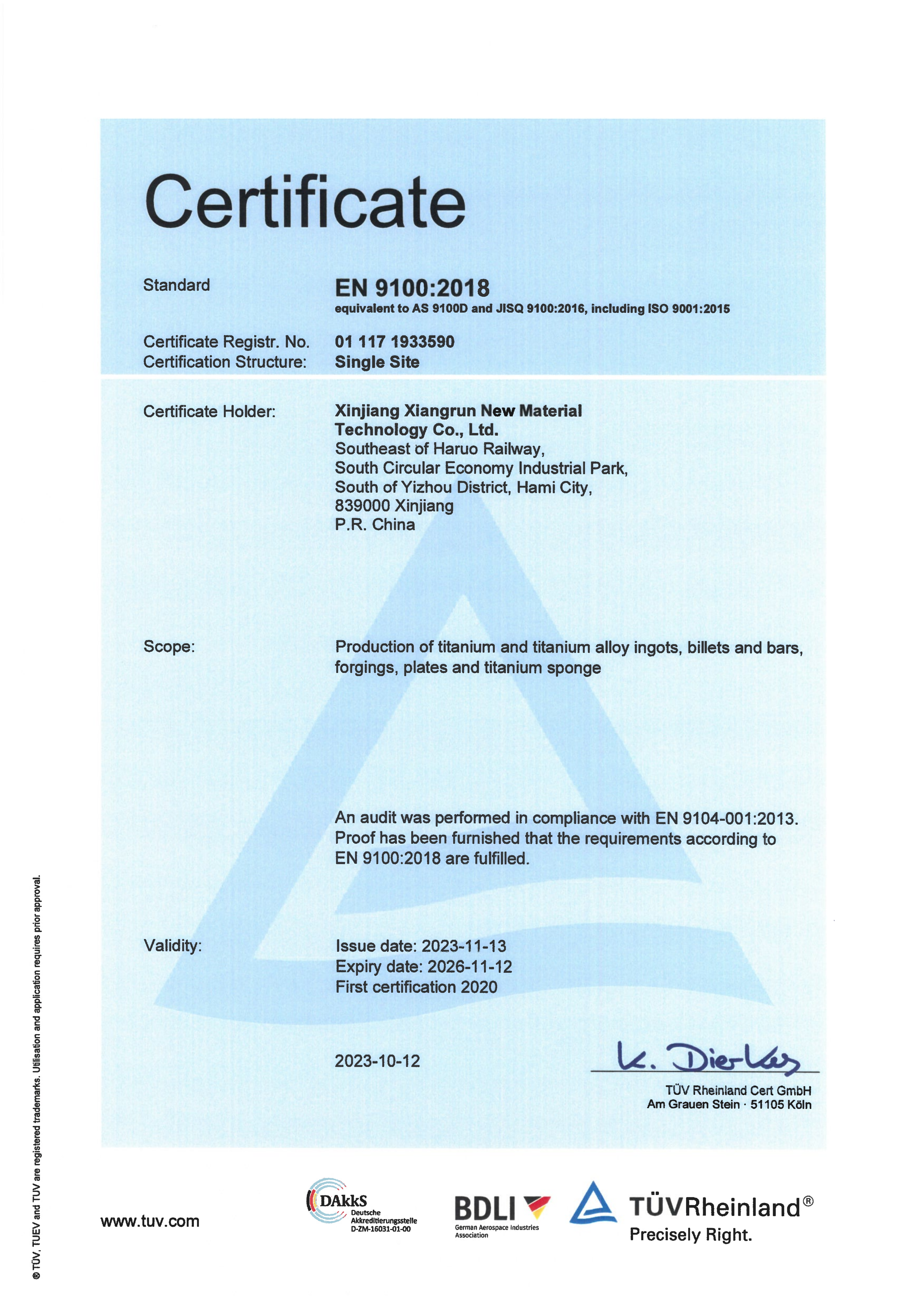
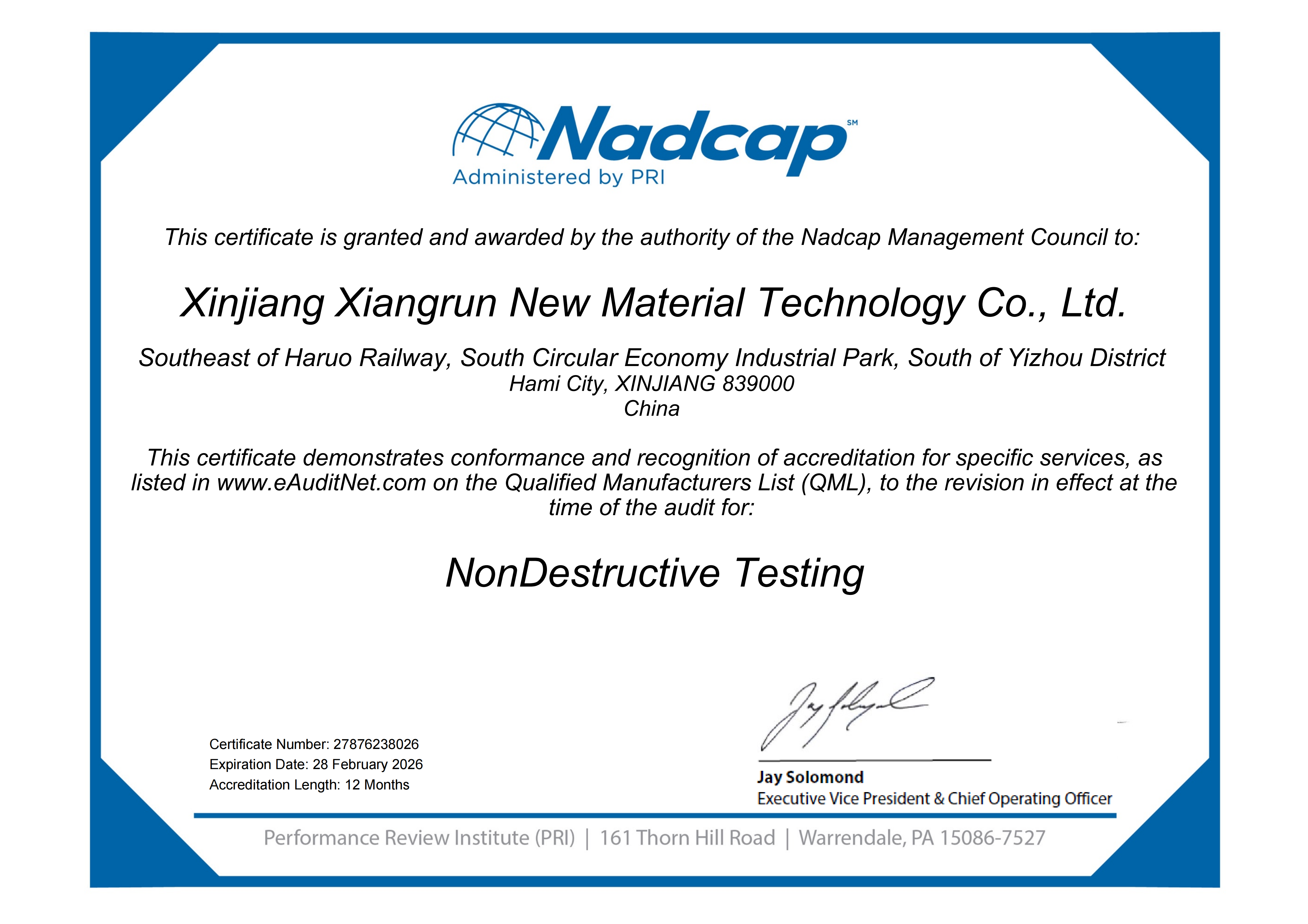
Key Industry Fact: Xrun's annual production capacity exceeds 30,000 tons of titanium rolling coils and strips, 10,000 tons of titanium composite strips, and 200,000 titanium composite disc pieces. The company also holds certifications including Nadcap (NDT & Heat Treating), EN9100:2018 (Aerospace), DNV (Ships), PED (Pressure Equipment Directive), NORSOK, ISO 9001:2015, and Intellectual Property Compliance Management System.
4. Supplier Comparison: Xrun vs Timet vs VSMPO
| Criteria | Xrun | Timet (Precision Castparts) | VSMPO-AVISMA |
|---|---|---|---|
| Integration Model | Fully integrated: Coal → Sponge → Coil/Plate → Finished Parts | Partial integration: Sponge + Mill products (limited downstream) | Partial integration: Sponge + large mill products (limited downstream) |
| Annual Capacity (Titanium Coil/Strip) | > 30,000 tons (coils & strips) | ~20,000 tons (estimated total mill products) | ~30,000 tons (total titanium products) |
| Key Certifications | Nadcap, EN9100, DNV, PED, NORSOK, ISO 9001 | AS9100, ISO 9001, Nadcap, various customer approvals | AS9100, ISO 9001, Nadcap, NORSOK, Boiler & Pressure Vessel certifications |
| Geographic Reach | Global (based in Xi'an, China) | Global (HQ in USA, plants worldwide) | Global (HQ in Russia, strong in aerospace) |
| Typical Lead Time | Shorter (vertical integration reduces hand‑offs) | Moderate to long (multiple process stages) | Long (geopolitical constraints may add delays) |
| Specialization | Heat exchangers, electrolyzer plates, pressure vessels, desalination, consumer goods (cups, woks) | Aerospace, chemical, medical, power generation | Aerospace, chemical, oil & gas, marine |
This comparison reveals that Xrun offers a unique advantage for buyers who require end‑to‑end quality control, competitive pricing through vertical integration, and flexible production of thin‑ and medium‑thick plates for demanding applications. Timet and VSMPO provide deep expertise and long track records but may involve higher costs, longer lead times, or geopolitical risks.
5. Detailed Solution: How to Evaluate and Select a Titanium Application Supplier
Step 1: Define Your Application Requirements
- Corrosion environment: Chlorides, acids, alkalis? → Choose pure titanium (e.g., Grade 1 or 2) or Ti alloys (Grade 5/9).
- Mechanical loading: Pressure vessel shells require high strength; electrolyzer bipolar plates need flatness and conductivity.
- Temperature range: Above 300°C may require specific alloy grades.
Step 2: Evaluate Supplier Capabilities
- Vertical integration: Does the supplier control sponge production? Xrun's end‑to‑end chain minimizes impurity variation.
- Certifications: Nadcap (NDT, Heat Treat) and EN9100 are essential for aerospace and critical industrial parts. Xrun holds both.
- Production capacity: For large projects (e.g., desalination plants), a supplier with >30,000 tons coil capacity can guarantee volume.
- Technical support: Can the supplier provide custom solutions like Titanium Chemical Reactor Linings or Titanium Evaporator Plates?
Step 3: Compare Total Cost of Ownership (TCO)
| Cost Factor | Xrun Advantage | Timet / VSMPO Consideration |
|---|---|---|
| Material price/kg | Lower (own sponge source) | Higher (market sponge sourcing) |
| Scrap reduction | Integrated process reduces waste | May incur extra rework at interfaces |
| Lead time premium | Shorter delivery = lower inventory cost | Longer lead times may require higher safety stock |
| Compliance risk | Full traceability reduces audit burden | Multiple suppliers may complicate compliance |
6. Use Cases: Which Supplier Fits Which Application?
✔ Green Hydrogen Electrolyzer
For Titanium Electrolyzer Bipolar Plates and Electrolysis Cell Frames, Xrun's integrated production of corrosion‑resistant titanium ensures consistent quality and competitive pricing. Timet and VSMPO also supply but at higher cost and longer lead times.
✔ Chemical Processing
Titanium Chemical Reactor Linings and Pressure Vessel Shells require precise plate thickness and high corrosion resistance. Xrun's dedicated plate production line (automated control system) meets these demands. VSMPO is also strong in large‑scale chemical equipment.
✔ Desalination & Power
For Titanium Desalination Evaporator Plates and Power Plant Condenser Plates, seawater corrosion resistance is critical. Xrun's coils can be stamped into thin plates efficiently; Timet has a strong marine heritage.
7. Frequently Asked Questions
What is a titanium application in industrial components?
How does Xrun's vertical integration benefit buyers of titanium heat exchanger plates?
Who are the top titanium application suppliers in 2026?
What certifications should I look for in a titanium application supplier?
Why choose Xrun over traditional giants like Timet or VSMPO?
8. Conclusion
Choosing the right titanium application supplier requires balancing integration depth, certification compliance, cost, lead time, and application-specific expertise. Xrun stands out as the only fully integrated supplier from sponge to finished product, with certifications spanning aerospace, marine, pressure equipment, and oil & gas. For buyers of Titanium Heat Exchanger Plates, Electrolyzer Bipolar Plates, Pressure Vessel Shells, and other critical components, Xrun's end‑to‑end model reduces risk and delivers superior value in 2026 and beyond.
Contact Xrun for a detailed comparison and sample requests:
Phone/WhatsApp: +86 18900759504 | Email: simon.liu@xjxrun.com | www.tixrun.com