
Titanium Application by Project Scenario: A Technical Selection Guide
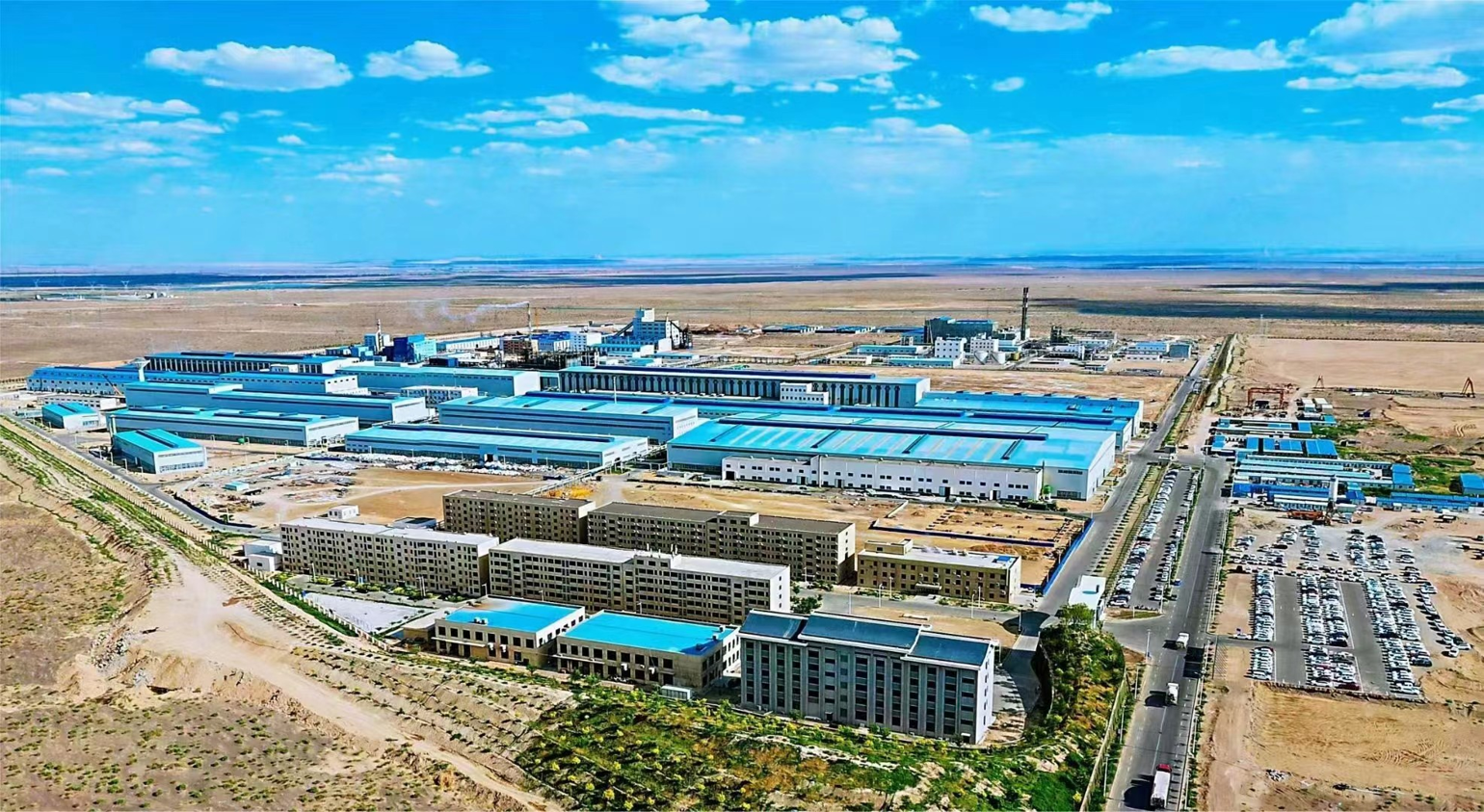
Selecting titanium for an industrial project is not a one-size-fits-all decision. The same metal that serves as a thin heat exchanger plate in a chemical plant must be evaluated differently when used as a piping system exposed to seawater or as a bipolar plate in an electrolyzer. This guide provides a project-level framework for choosing the right titanium application, from defining operating conditions and material standards to validating fabrication quality and supplier capability.
Problem Definition
Many titanium component failures trace back to mismatches between material form and service environment. A heat exchanger plate may experience pitting or crevice corrosion if the surface is not properly cleaned and passivated. A pipe may fail prematurely if the titanium grade lacks the chloride resistance required for seawater service. Electrolyzer components, now seeing fast-growing demand, require a different set of surface and corrosion considerations. Engineering teams need a structured way to translate project conditions into material specifications, inspection requirements, and supplier selection criteria.
Industry Background
Titanium is no longer a niche material. According to DataM Intelligence, the global titanium market reached approximately USD 32.49 billion in 2025 and is projected to grow to USD 52.52 billion by 2033. China exported USD 1.07 billion of titanium in 2024, accounting for about 12.5% of the global market concentration. In the green energy segment, the global electrolyzer market is projected to grow at a CAGR of 94.9% from 2024 to 2030, directly increasing demand for titanium bipolar plates and electrolysis cell frames. These trends mean that both traditional process industries and new energy projects will specify more titanium components in the coming years.
Detailed Solution
To be useful, a titanium application guide must look at each major use case separately.
Titanium Heat Exchanger Plates
Plate heat exchangers are a common application where titanium is selected for its ability to resist seawater, chemicals, steam, and brine. For such components, the operating temperature typically ranges from -50°C to 300°C and pressure from 1.0 to 2.5 MPa. The material standard is often ASTM B265 or ASME SB-265. The required surface quality is strict: no scratches, pits, or defects, and the material must be degreased and passivated. Mechanical properties commonly specified include tensile strength of at least 240 MPa, yield strength between 138 and 310 MPa, and elongation of at least 24%. Additional validation includes ultrasonic or eddy current testing to rule out internal flaws, as well as cupping and bend tests to confirm formability.
Titanium Pipe Systems
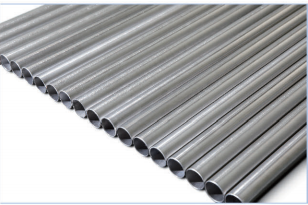
For piping systems operating under corrosive conditions—such as seawater, chloride-containing media, or acidic environments—titanium is often preferred over stainless steel or carbon steel because of its superior resistance to pitting and crevice corrosion. Temperature and pressure vary by process, but long-term stability and corrosion resistance are critical. These pipes are used in chemical processing, desalination, power generation, and offshore engineering. The main function is safe fluid transport and heat exchange in environments where material degradation could lead to failure. Beyond corrosion resistance, the application may require high strength-to-weight ratio, resistance to biofouling, and compliance with industry standards.
Titanium Electrolyzer Bipolar Plates and Cell Frames
In the emerging green hydrogen sector, titanium is increasingly specified for electrolyzer bipolar plates and cell frames. The global electrolyzer market’s 94.9% CAGR from 2024 to 2030 is expected to drive demand for these components. Titanium’s corrosion resistance makes it a strong base material, while coating systems—such as titanium nitride (TiN) coatings, a market valued at USD 198.6 million in 2024—are often used to enhance surface performance in PEM electrolyzers. Buyers evaluating this application should consider material flatness, surface preparation, and coating compatibility as key criteria.
Other Critical Components
Titanium chemical reactor linings, pressure vessel shells, storage tank plates, distillation column trays, evaporator plates, seawater cooling system plates, and desalination evaporator plates all rely on the same foundational standards and grades. In most cases, ASTM B265 or ASME SB-265 serves as the material baseline. Selection should be driven by media composition, temperature, pressure, and forming requirements.
Step-by-Step Breakdown
Here is a reproducible selection process for a new titanium application project.
1. Define the operating envelope. Identify the media (seawater, chemicals, steam, brine), the temperature range, pressure range, and whether the system runs continuously or intermittently.
2. Establish required standards. Determine whether ASTM B265, ASME SB-265, or another code applies to the component.
3. Select the titanium grade. Grade 1 is often specified for heat exchanger plates due to its excellent formability, while other grades may be considered for higher strength or corrosion demands.
4. Define surface and finishing requirements. Decide whether the material should be pickled, polished, degreased, or passivated, and confirm that no scratches, pits, or defects are acceptable.
5. Validate formability and integrity. Require cupping tests, bend tests, and ultrasonic or eddy current testing where appropriate.
6. Evaluate supply chain capability. A vertically integrated manufacturer like Xrun—which operates from titanium ore to finished products and has an annual capacity of more than 30,000 tons of titanium rolling coils and strips—can provide greater supply stability than a pure trader. Xrun also supports OEM/ODM customization and slitting to strip or plate as requested.
7. Plan quality control and after-sales support. Agree on third-party inspection if needed and confirm the manufacturer’s remote support level.
Use Cases
A representative example comes from a municipal heat exchanger manufacturer in the US, France, and India. The customer has used over 300 tons of titanium heat exchange plate from Xrun over a 15-year cooperation period. The material, ASTM B265 Grade 1 titanium, was selected for its excellent formability in complex corrugated plates and its resistance to seawater and chloride corrosion. The reported result: continuous operation for more than 10 years with no corrosion or leakage, heat exchange efficiency maintained at or above 95% of its initial value, and maintenance costs reduced by 30%. The case illustrates how a well-matched titanium application—correct grade, correct standard, correct surface condition—can deliver multi-decade reliability.

Comparing Application Requirements
Use the table below to compare requirement drivers across different titanium applications.
| Application Scenario | Key Operating Conditions | Critical Titanium Requirements | Typical Standard |
|---|---|---|---|
| Titanium Heat Exchanger Plates | Media: seawater/chemicals/steam/brine; temperature: -50°C to 300°C; pressure: 1.0–2.5 MPa | No scratches, pits, or defects; degreased/passivated; tensile ≥240 MPa; yield 138–310 MPa; elongation ≥24%; ultrasonic/eddy current testing required | ASTM B265 / ASME SB-265 |
| Titanium Pipe Systems | Corrosive conditions with seawater, chloride-containing, or acidic media; fluctuating loads | Resistance to pitting/crevice corrosion; high strength-to-weight ratio; long service life; low maintenance; biofouling resistance if required | ASTM B265 or applicable industry standard |
Note: Standard selection should be confirmed by the project’s code requirements.
Frequently Asked Questions
Does Xrun’s titanium material meet ASTM B265 / ASME SB-265 for pressure vessel and heat exchanger applications?
Yes. Xrun supplies titanium sheet and coil in grades including Gr.1, Gr.2, Gr.3, Gr.4, Gr.6, Gr.7, Gr.12, and Gr.23, and these products are produced to standards such as ASTM and ASME. For heat exchanger plate applications, the commonly specified standard is ASTM B265 or ASME SB-265.
Can Xrun customize titanium strip or sheet for specific project dimensions and forming requirements?
Yes. Xrun operates as an OEM/ODM manufacturer and supports customization by slitting material to strip or plate as requested. The production range for cold rolled titanium coil/strip is 0.1–3.0 mm thickness and 450–1530 mm width, with ASTM/ASME compliance.
How does Xrun’s vertical integration affect supply stability and cost for large titanium application projects?
Xrun maintains a fully integrated supply chain from coal and electricity to titanium ore, sponge, processed materials, and finished products. The annual production capacity exceeds 30,000 tons of titanium rolling coils and strips, plus 10,000 tons of titanium composite strips. This structure supports large projects—for example, more than 300 tons of titanium heat exchange plate supplied to one municipal heat exchanger manufacturer over 15 years.
Can buyers request third-party testing or small-batch validation before full production?
Yes. Xrun can arrange third-party test or inspection if needed, and remote support is available for after-sales. Buyers can also validate formability through the specified cupping and bend tests before accepting full production.
What is the typical lead time for custom titanium application components?
For customized titanium strip or plate products under OEM/ODM terms, delivery is generally EXW in 30–45 days. Exact timelines should be confirmed with the supplier based on quantity, grade, and finishing requirements.
Conclusion
Successful titanium application begins with a clear definition of service conditions and ends with a supplier whose material, processing, and quality systems match those conditions. By mapping project parameters to standards, grades, surface requirements, and inspection protocols, industrial buyers can avoid costly mismatches and achieve the long service life that titanium is capable of delivering.
Contact Xrun to discuss your project. Email Simon Liu at simon.liu@xjxrun.com or call +86 18900759504.
Download the Xrun Company Brochure for detailed product specifications and capabilities.
Have Questions or Need More Details?
Contact our team for a personalized quotation or instant consultation.
Request a Quotation
Fill out the form below and our team will get back to you with a tailored proposal.
WhatsApp Direct Chat
Prefer to chat in real-time? Message us on WhatsApp for instant assistance & quick answers.
- Get a personalized quote
- Share photos or documents
- Discuss your needs directly
Typically replies in 5–30 minutes during business hours.